The best road cycling routes around Custonaci
4.6
(74)
1,809
riders
11
rides
Road cycling routes around Custonaci feature a landscape characterized by coastal roads, rolling hills, and views of the Tyrrhenian Sea. The region offers varied terrain, from routes along the coastline to ascents into the inland hills. Road cyclists can expect a mix of flat sections and climbs, with some routes reaching over 1000 meters of elevation gain.
Best road cycling routes around Custonaci
- The most popular road cycling route is Stricaturi – Sicilian Cannolo in Napola loop from Custonaci,…
Last updated: October 8, 2026
4.8
(5)
128
riders
50.7km
02:44
940m
940m
Hard road ride. Very good fitness required. Mostly well-paved surfaces and easy to ride.
4.6
(9)
94
riders
54.1km
02:26
490m
490m
Moderate road ride. Good fitness required. Mostly well-paved surfaces and easy to ride.

31
riders
97.4km
04:20
1,010m
1,010m
Hard road ride. Very good fitness required. Mostly well-paved surfaces and easy to ride.
4.0
(1)
22
riders
62.5km
03:00
910m
910m
Hard road ride. Very good fitness required. Mostly well-paved surfaces and easy to ride.
22
riders
53.0km
02:24
540m
540m
Moderate road ride. Good fitness required. Mostly well-paved surfaces and easy to ride.
Get access to more routes and recommendations from other explorers.
Already have an account?
Our route recommendations are based on thousands of hikes, rides, and runs completed by other people on komoot.
Start today with a free account
Your next adventure awaits.
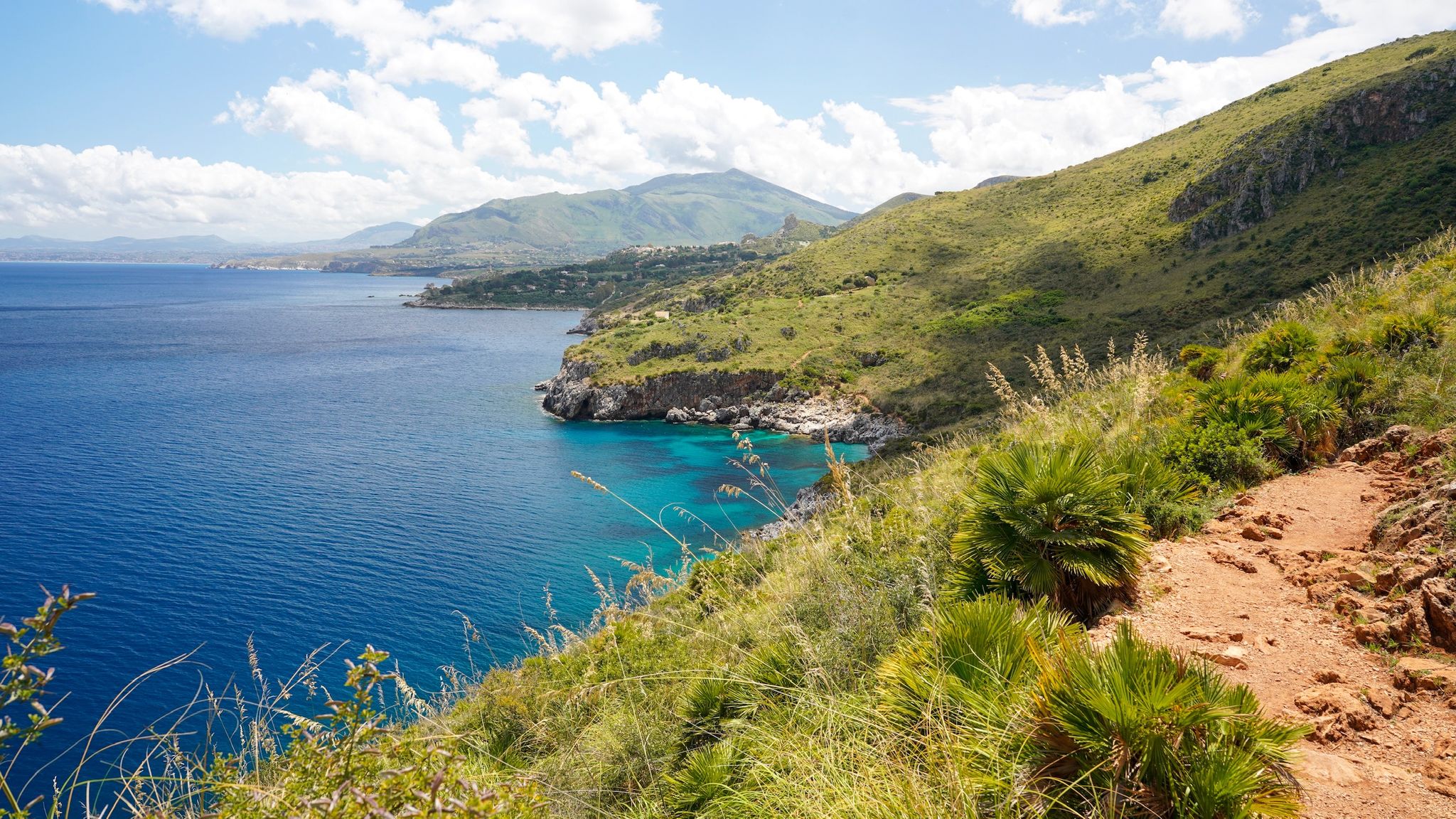
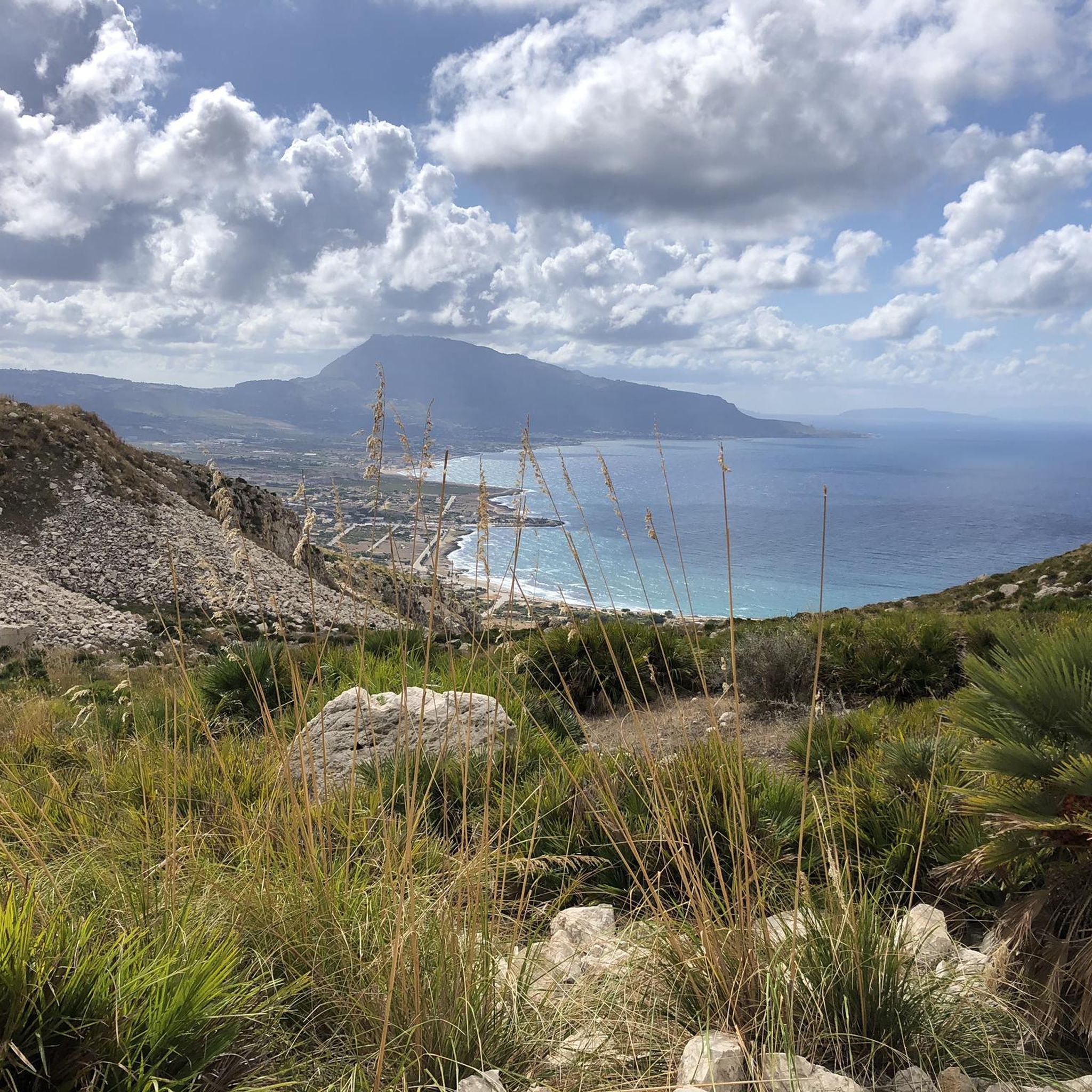

Other adventures around Custonaci

Tips from the Community

Beautiful historic mountain village. Worth visiting on foot, by cable car, by public bus, by car, or by bike.
0
0
The cathedral will be a construction site for the entire year of 2026 and probably 2027. No visits possible.
0
0
At dusk, you have a fantastic experience
0
0

Built in 1940, the village is part of an ambitious land reclamation project initiated by the regime to put an end to large estates and encourage the permanent settlement of peasant families, providing them not only arable land but also essential services. The village's architecture reflects the rationalist style typical of the era, with simple, functional buildings designed to meet the needs of the rural community. The central core included a church, a school, a fascist house, a main square, and several shops, along with housing for the settlers' families. Borgo Livio Bassi is one of the many rural villages built during the twenty-year Fascist period as part of the internal colonization policy. Today, although the village has lost its original function, it remains an interesting example of urban planning and architecture from the era.
0
0

The cathedral is difficult to photograph from the outside, as it is impossible to get a distance.
1
0
An undemanding climb, which from the 187 goes up towards Custonaci and from there allows you to continue towards Cornino and the coast, or towards San Vito lo Capo.
0
0

The "Livio Bassi" hamlet in the hamlet of Ummari, in the municipality of Trapani, is part of the second series of rural hamlets built by the Sicilian Landowner Colonization Agency during the Fascist regime's "assault on the landownership," designed by architect Domenico Sanzone in 1940. The project included the Casa del Fascio (Fascist House), a Carabinieri station, a post office, a school, artisan workshops, a tavern, a church, and a small villa housing the PFN (National Fascist Party). The hamlet met the needs of the colonization effort, given the presence of several farmhouses in the area, "lacking the bare minimum for civil, social, religious, and political assistance." The hamlet was named after Livio Bassi (Trapani 1918-Libya 1941), an officer and aviator in the Royal Air Force. Today, the hamlet is abandoned, and only the church is used for Sunday services.
20
0

A beautiful building. The interior of the cathedral is particularly impressive.
4
0
Frequently Asked Questions
How many road cycling routes are available around Custonaci?
There are 12 road cycling routes documented around Custonaci, offering a range of experiences for different skill levels.
What is the general difficulty level of road cycling routes in Custonaci?
The routes around Custonaci are primarily moderate to difficult. You'll find 5 moderate routes and 7 difficult routes, often featuring significant elevation changes and coastal sections.
Are there any easy or beginner-friendly road cycling routes in Custonaci?
While there are no routes specifically classified as 'easy', several moderate routes are available. For instance, the Stricaturi – Trapani Coast loop from Custonaci is a moderate 34.2-mile (55 km) ride with around 1,970 feet (600 m) of elevation gain, offering a good option for those looking for a less strenuous challenge compared to the difficult routes.
What kind of elevation gain can I expect on road cycling routes in Custonaci?
Elevation gain varies significantly. Moderate routes typically feature around 1,900 to 2,200 feet (580-670 m) of ascent, while difficult routes can exceed 3,300 feet (1,000 m). For example, the San Vito Lo Capo Beach – Sanctuary of San Vito loop from Custonaci has over 3,600 feet (1,100 m) of climbing.
What do other cyclists say about road cycling in Custonaci?
The road cycling routes in Custonaci are highly rated by the komoot community, with an average score of 4.5 stars from over 30 reviews. Cyclists often praise the varied landscape, stunning coastal views, and the challenging yet rewarding climbs.
Are there any circular road cycling routes around Custonaci?
Yes, all the listed road cycling routes around Custonaci are loops. This allows you to start and finish in the same location, such as the popular Ascent of Mint – Stricaturi loop from Custonaci.
What are some scenic viewpoints or attractions along the road cycling routes?
Many routes offer panoramic views of the Tyrrhenian Sea and the surrounding landscape. You can also find routes that pass near natural attractions such as the Monte Cofano Nature Reserve and the Zingaro Nature Reserve. The San Vito Lo Capo Beach – Sanctuary of San Vito loop from Custonaci also takes you towards the Sanctuary of San Vito.
What is the best time of year for road cycling in Custonaci?
Spring and autumn generally offer the most pleasant conditions for road cycling in Custonaci, with milder temperatures and less intense sun. Summer can be very hot, especially in July and August, making early morning or late afternoon rides preferable.
Are there any longer, more challenging road cycling routes for experienced riders?
Yes, for experienced riders seeking a challenge, the Trapani Coast – Stricaturi loop from Custonaci is a difficult 60.5-mile (97.3 km) route with over 3,300 feet (1,000 m) of elevation gain, offering extensive coastal views and demanding climbs.
Can I find places to stop for refreshments or cafes along the routes?
Many routes pass through or near small towns and villages where you can find cafes and shops for refreshments. Coastal towns like San Vito Lo Capo, which is part of the San Vito Lo Capo Beach – Sanctuary of San Vito loop from Custonaci, are good places to plan a stop.
Are there any routes that offer a mix of coastal and inland scenery?
Absolutely. Many routes in Custonaci are designed to showcase both the stunning Tyrrhenian Sea coastline and the rolling inland hills. The Stricaturi – Sicilian Cannolo in Napola loop from Custonaci is a prime example, offering a varied landscape with both coastal views and sections through the interior.
What are some notable historical or cultural points of interest accessible by road bike?
While cycling, you can pass near the historic Erice Historic Town Centre, a medieval hilltop town offering breathtaking views and a rich history. Some routes also lead towards the Sanctuary of San Vito, a significant local landmark.
Most popular attractions around Custonaci

Get inspired with the komoot mobile app


Explore more
Browse the best Road cycling routes in other regions.
