Top 12 Castles around Rosignano Marittimo
Best castles around Rosignano Marittimo are found in a region rich in history, situated on a hilltop overlooking the Val di Fine and the Tyrrhenian coast. The area features a historic fortified complex, including a medieval village with ancient origins dating back to Etruscan or Roman times. Its strategic position led to its development as a crucial defensive stronghold, later reinforced by the Medici family. Visitors can explore historical architecture, panoramic viewpoints, and cultural sites within this landscape.
Best castles…
Last updated: July 13, 2026
Boccale Castle
Highlight • Castle
The original …
Tip by

View of the Castle of Romito (Livorno)
Highlight • Castle
The coastal road (the former SS.1) south of Livorno is mainly …
Tip by
Sign up now to discover places like this
Get recommendations on the best single tracks, peaks, & plenty of other exciting outdoor places.
Sign up for free
Great coastal trail
Highlight • Viewpoint
Between the end of the 16th and the beginning of the 17th century, Livorno's …
Tip by
The Casini di Ardenza
Highlight • Historical Site
Translated by Google •
Tip by
Castello Pasquini
Highlight • Castle
Despite its appearance, the castle is not ancient: at the end …
Tip by
Sign up for free to discover even more castles around Rosignano Marittimo.
Sign up for free
Already have an account?
Start today with a free account
Your next adventure awaits.
Login or Signup
Popular around Rosignano Marittimo
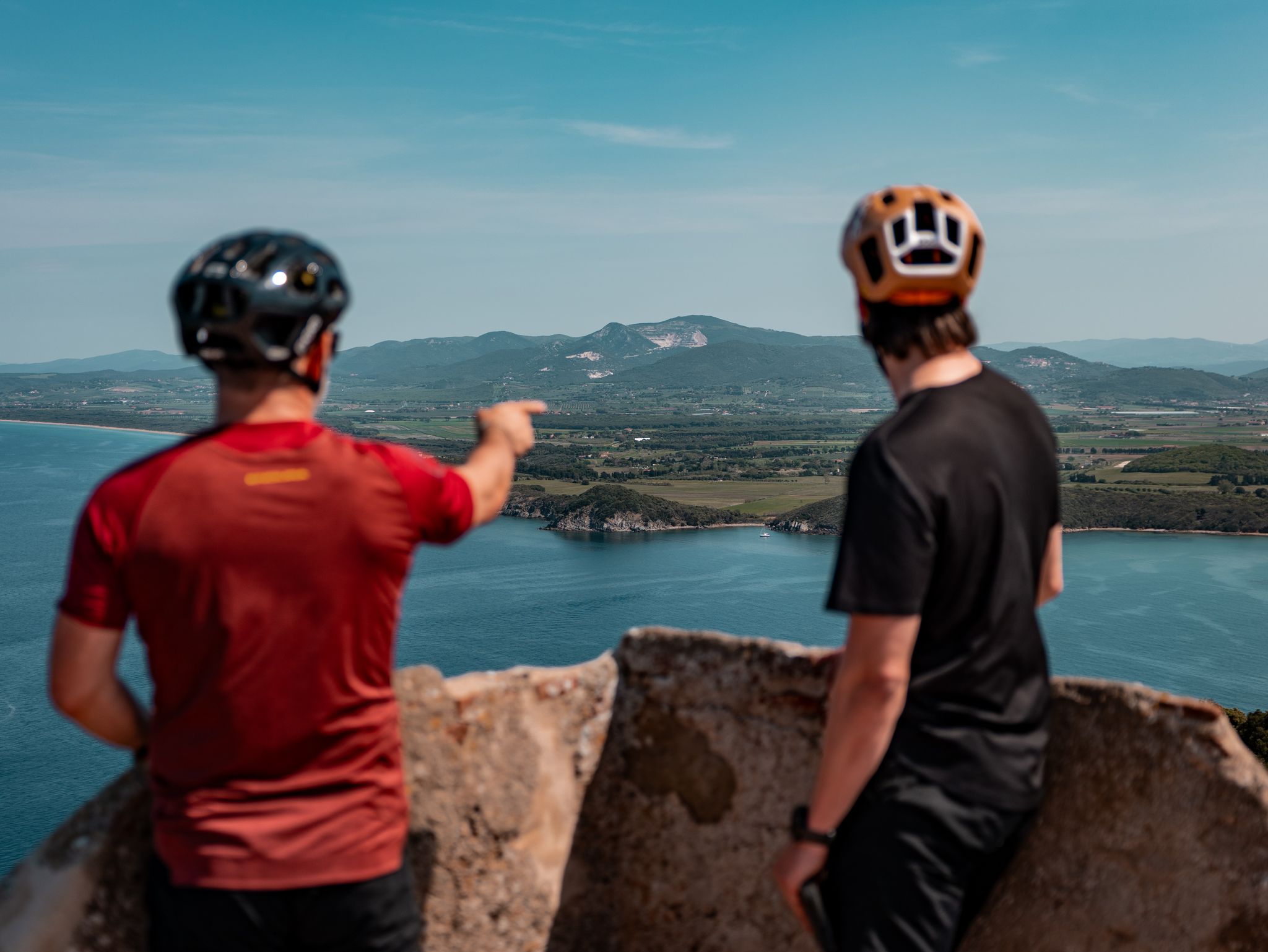
Grand Tour Costa Etrusca – villages, beaches and hills
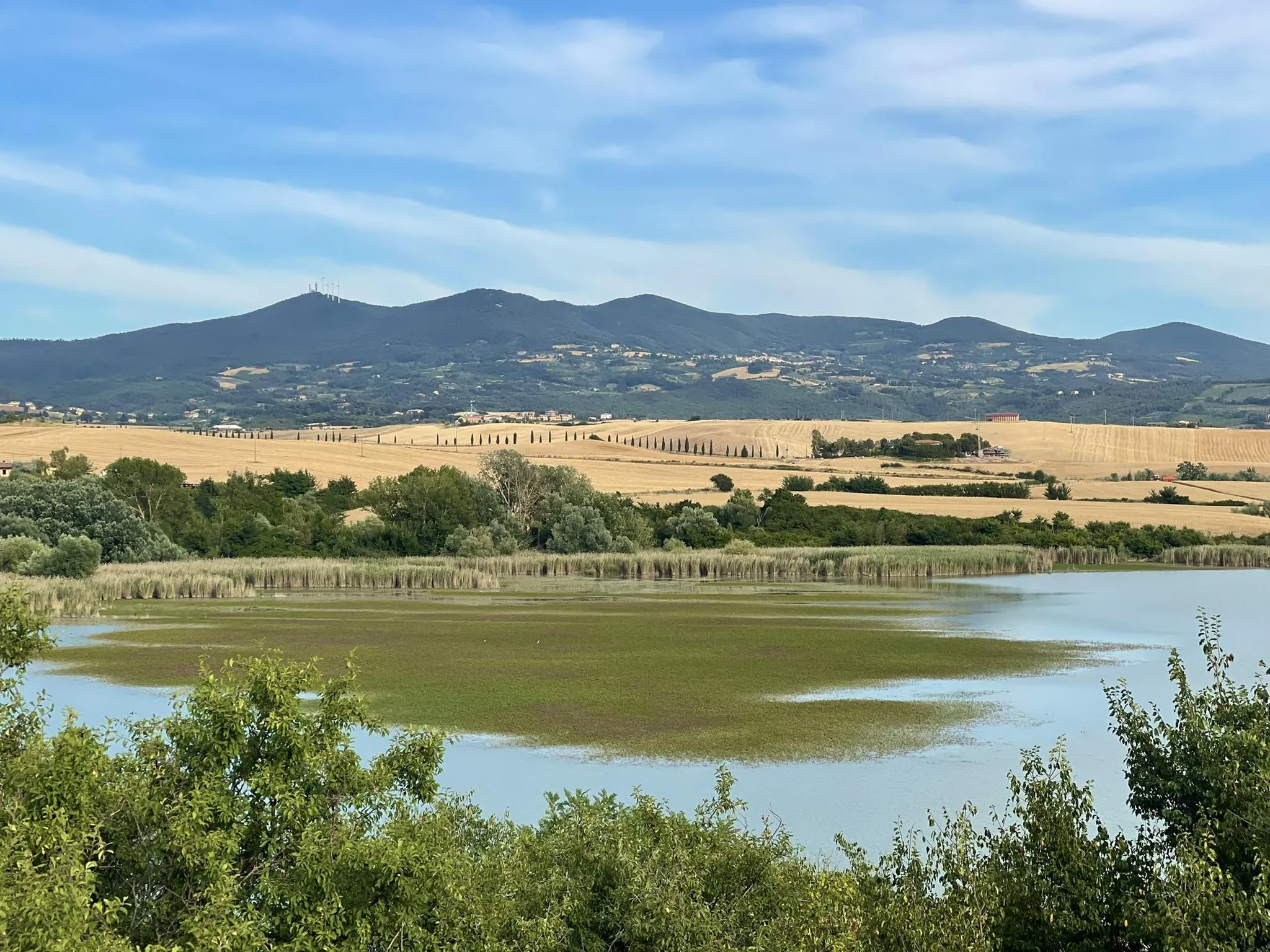
Bike touring between spas and villages – Santa Luce lake and Livorno hills
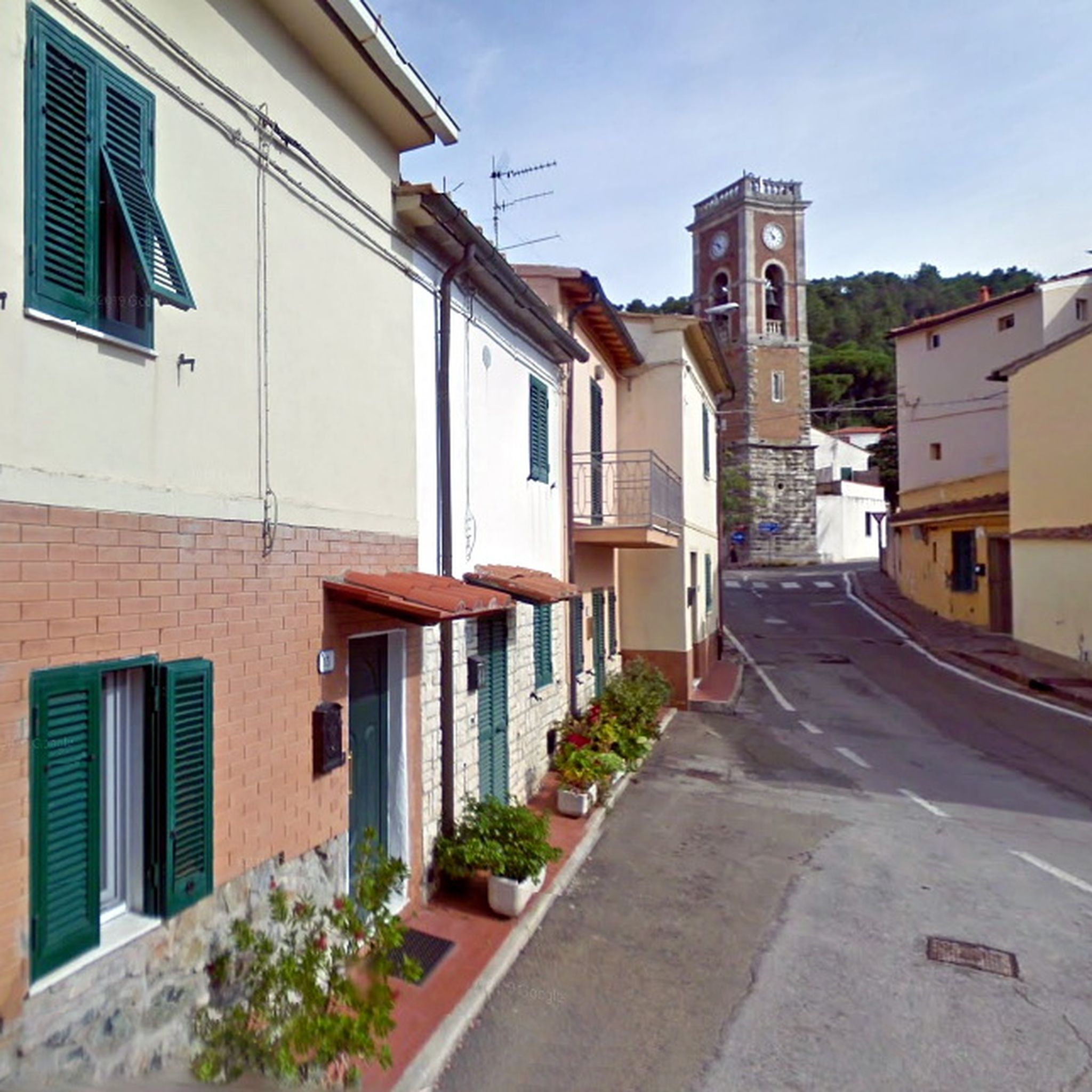
Cycling around Rosignano Marittimo
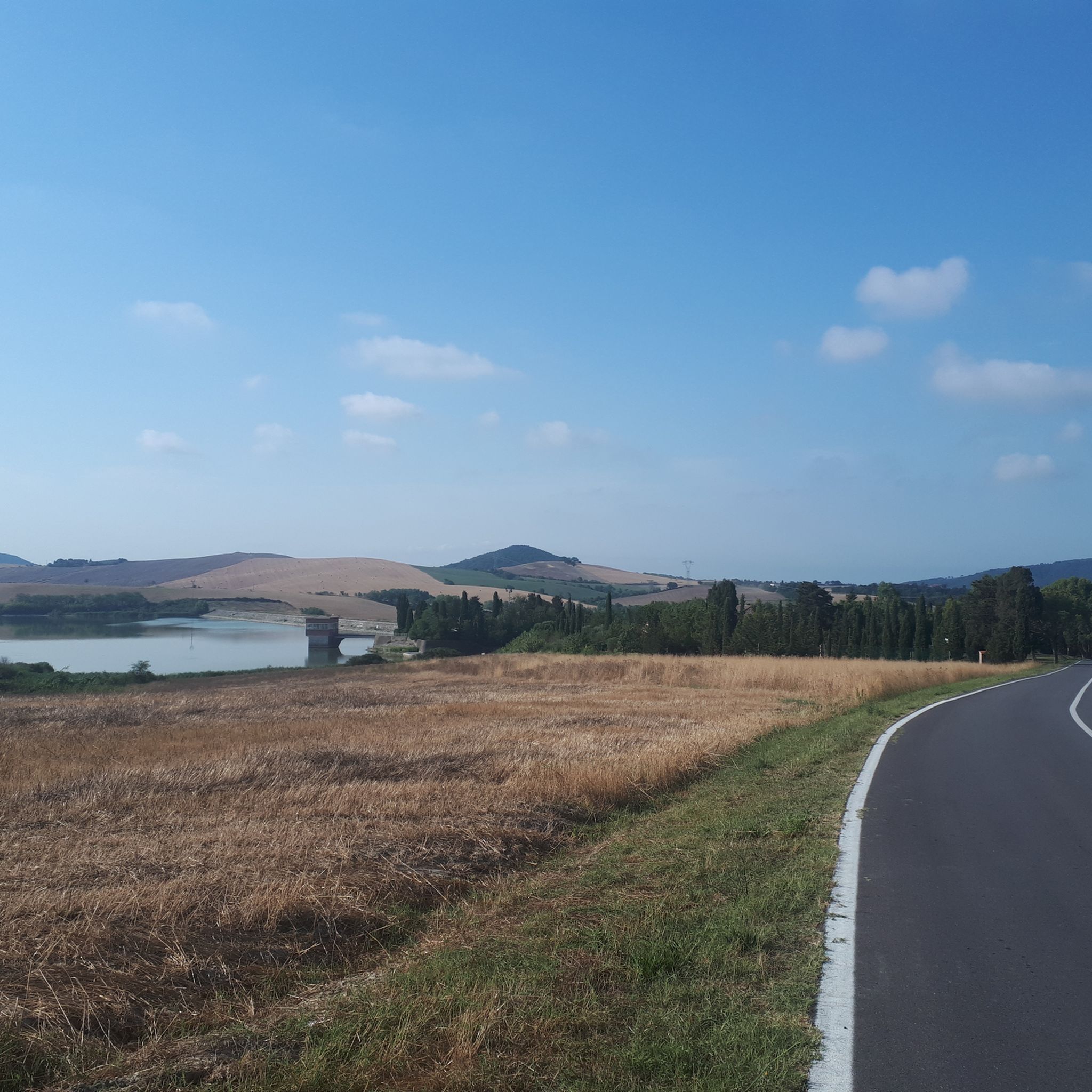
Road Cycling Routes around Rosignano Marittimo
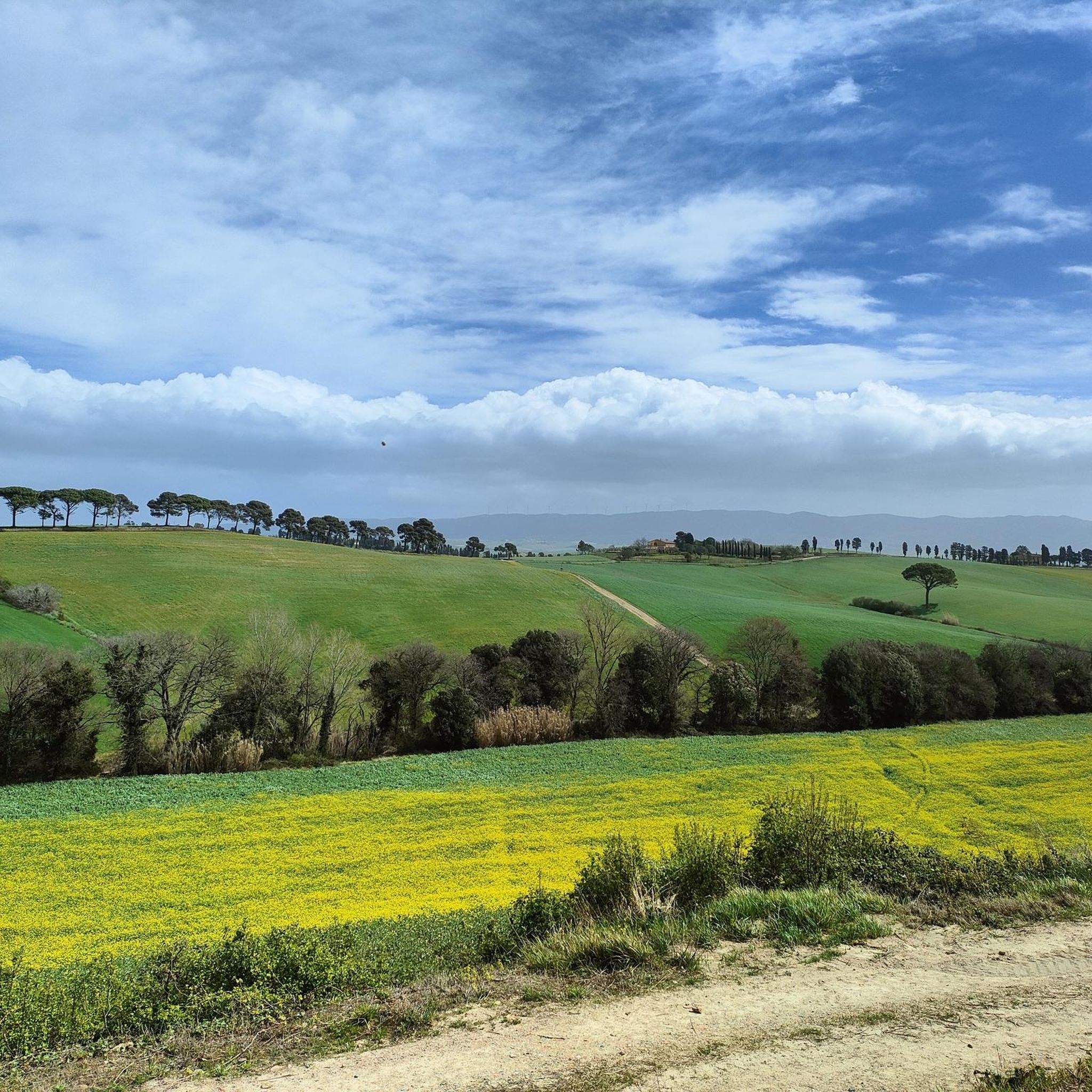
MTB Trails around Rosignano Marittimo
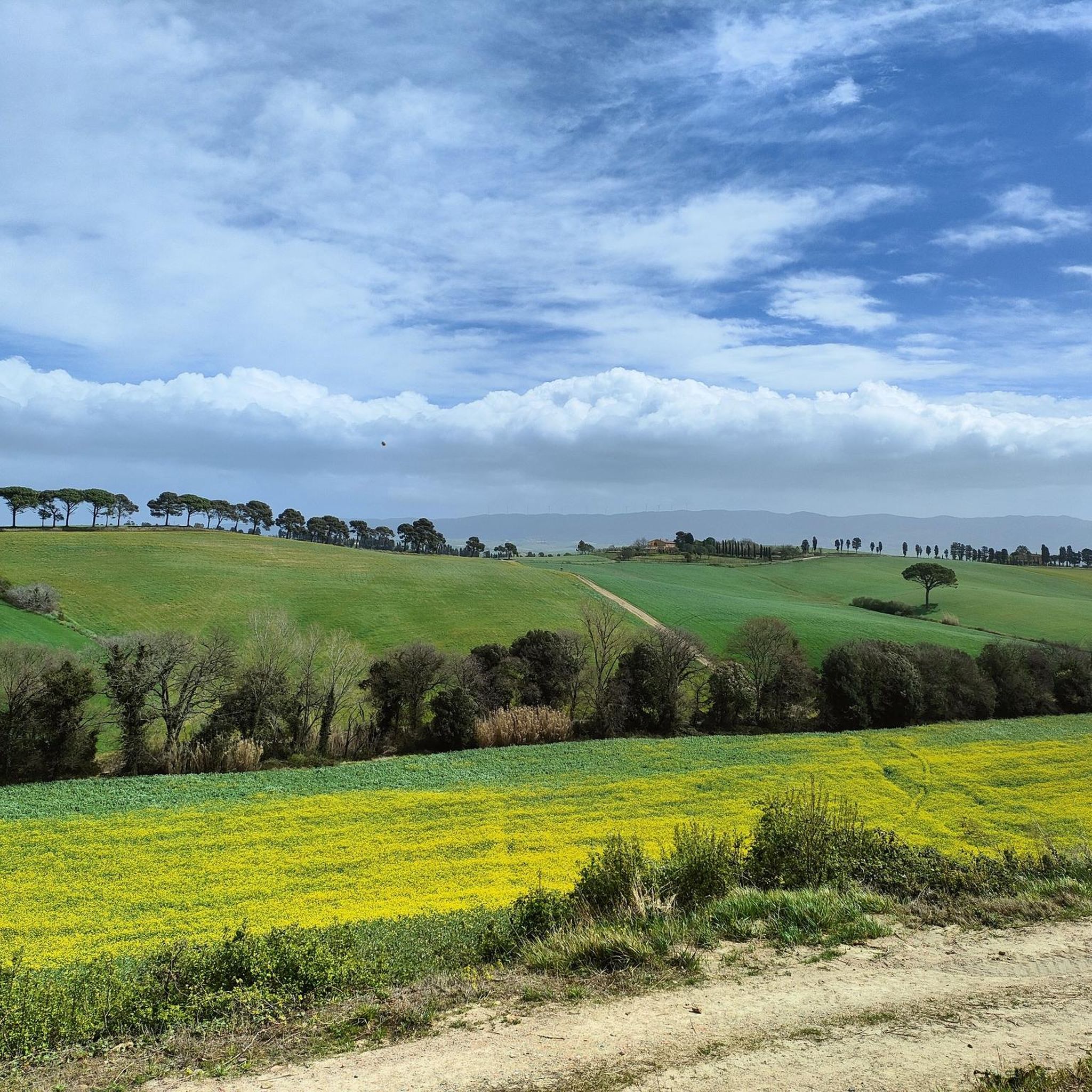
Running Trails around Rosignano Marittimo
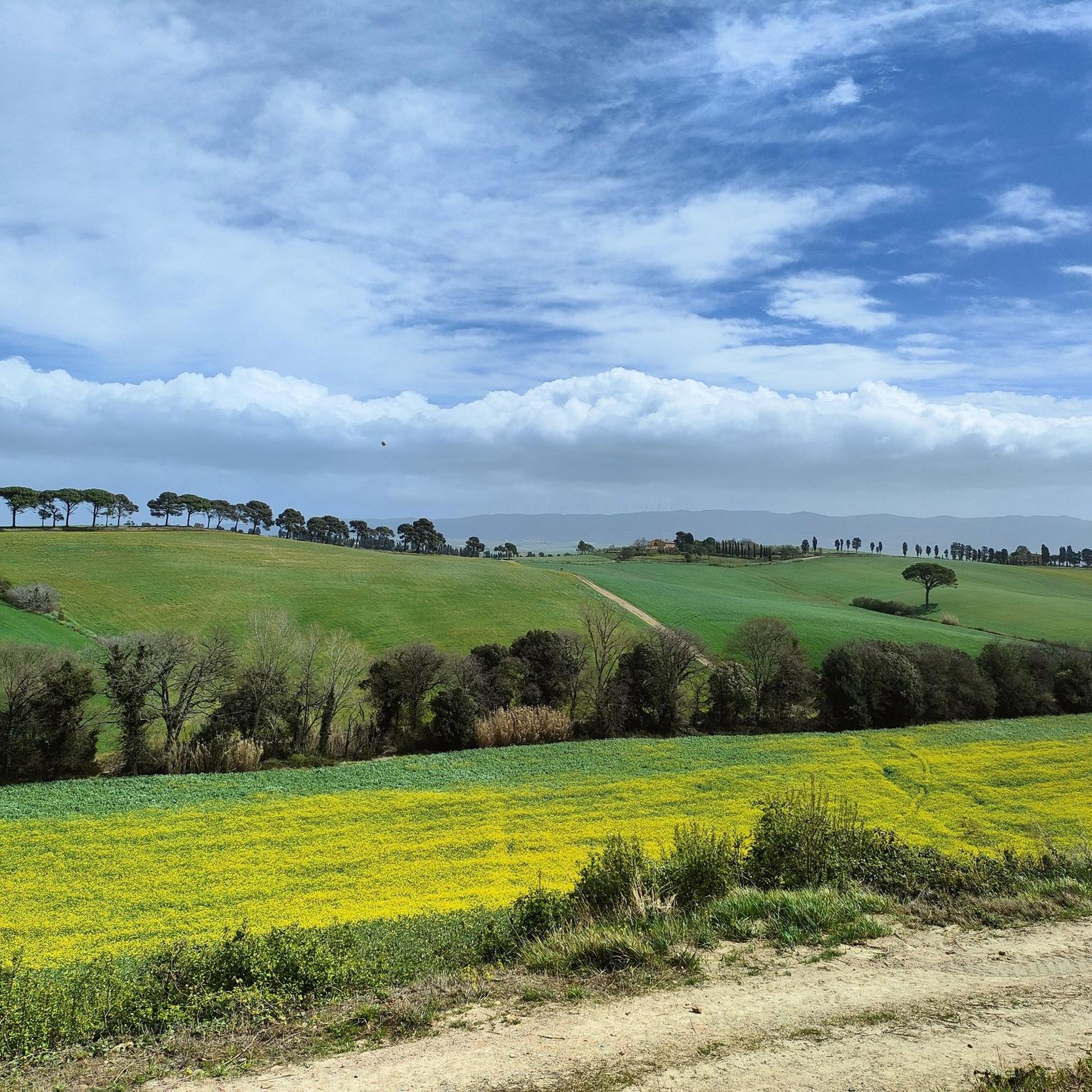
Hiking around Rosignano Marittimo
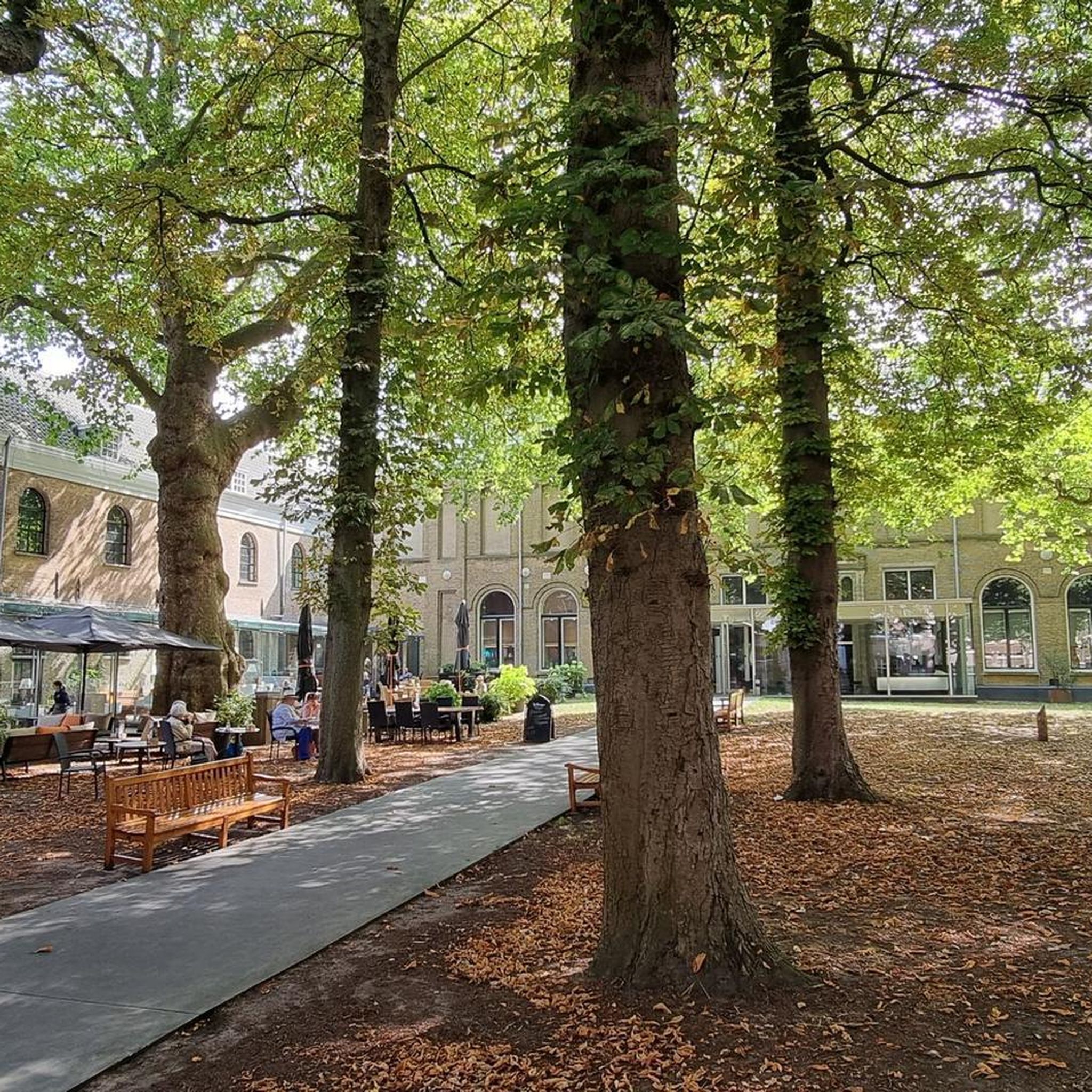
Gravel biking around Rosignano Marittimo


Tips from the Community

The Castello del Boccale is one of the most iconic and photographed monuments on the Tuscan coast, located perched above the sea south of Livorno, along the suggestive Calafuria cliff.
0
0
The Castello di Romito (also known as Castello Sonnino) stands at an altitude of 91 meters on a promontory overlooking the sea along the picturesque Costa del Romito (Livorno). The view ranges over rocky cliffs, the Tuscan archipelago, and, on clear days, as far as Corsica. The building is a private residence closed to the public.
1
0

Route with beautiful views of the coast, there is a main road section of about 7 km without a cycle path where you have to be a bit careful with the bike.
0
0

At the base of the Romito promontory there is a small pier with a very small beach next to it with private access; instead a short distance away (a little further south-east) a small public beach (Bagni Il Rogiolo) can be reached from via Cristoforo Colombo which descends from the Aurelia. The burial of Sidney Sonnino is located in a cave dug into the cliff below accessible only from the Castle with a descent overlooking the sea. The Castle is currently inhabited by the descendants of Sonnino; therefore, as a private place it cannot be visited, but on some special occasions it has been opened to the public for visits of about an hour each. For information/reservations: 334 7253532
3
1

The park surrounding the castle is also beautiful, offering the possibility of walking in the shade of tall trees
2
0

Today the Casini complex is made up of private homes and therefore cannot be visited, except by direct agreements with the owners; among other things it hosts a B&B which has preserved decorations and interior furnishings typical of a late 19th century summer residence.
5
0


The road runs along the coast with beautiful cliffs overlooking the sea and is only slightly traveled.
3
0
Frequently Asked Questions
What historical sites can I explore within the Rosignano Marittimo castle complex?
The Castello Rosignano Marittimo complex is a rich historical site. You can explore the medieval village, see the Medici circular towers, visit the Church of Sant'Ilario, and discover Etruscan and Roman artifacts at the Civic Archaeological Museum within the Palazzo Bombardieri. The access arch, adorned with the Medici coat of arms, marks the main entrance to this fortified village.
Are there any castles around Rosignano Marittimo that are family-friendly?
Yes, several sites are family-friendly. The Castello Rosignano Marittimo complex offers a museum with an educational approach suitable for all ages. Additionally, Castello Pasquini in Castiglioncello has a beautiful park that is free to visit and often hosts cultural events, making it a pleasant outing for families.
What are the best viewpoints to see the coast and surrounding area near these castles?
For spectacular panoramic views, visit the Castello Rosignano Marittimo complex. From Piazzale Vestrini, especially at sunset, you can enjoy magnificent views of Rosignano Marittimo, the coast, and the islands. The View of the Castle of Romito (Livorno) also offers breathtaking vistas of the islands of Gorgona, Capraia, Elba, and Corsica.
What outdoor activities can I do near the castles of Rosignano Marittimo?
The region offers various outdoor activities. You can find numerous cycling routes, such as the 'Castello Pasquini – Castiglioncello loop from Vada' for touring bicycles, or mountain biking trails like 'Poggio Pelato – Scenic viewpoint facing south loop from Rosignano'. For hikers, there are options like the 'Port of Castiglioncello – Castello Pasquini loop from Castiglioncello'. You can explore more routes in the dedicated guides for cycling, hiking, and MTB trails around Rosignano Marittimo.
Is there an entry fee for the Civic Archaeological Museum at Castello Rosignano Marittimo?
Yes, there is an entry fee for the Civic Archaeological Museum located within the Castello Rosignano Marittimo. Adult tickets are €5.00, with reduced rates of €3.00 for students, families, and groups of more than 9 people. Children under 10, seniors over 65, and disabled visitors can enter for free.
What are the opening hours for the Civic Archaeological Museum?
The Civic Archaeological Museum at Castello Rosignano Marittimo is closed on Mondays. It is open Tuesday through Sunday, from 9:00-13:00 in the winter and 17:00-20:00 in the summer.
Where can I park when visiting the Castello Rosignano Marittimo?
Ample parking is available in the area adjacent to the tower at Castello Rosignano Marittimo, making it convenient for visitors.
Can I visit the park at Castello Pasquini for free?
Yes, the park surrounding Castello Pasquini in Castiglioncello is free to visit. It offers a beautiful space for walking in the shade of tall trees. A ticket may be required for some of the cultural performances or events held there.
What is the historical significance of the Rosignano Marittimo castle complex?
The Rosignano Marittimo castle complex has ancient origins, believed to date back to the Etruscan or Roman era, with its central core established around the 10th century. Its strategic hilltop position made it a crucial defensive stronghold. Cosimo I de' Medici ordered a significant restoration in 1562, adding two circular towers that are still visible today, reflecting Medici influence.
Are there any dog-friendly areas or trails near the castles?
While specific castle grounds may have restrictions, the surrounding natural areas and many hiking trails are generally dog-friendly. For instance, you can find dog-friendly hiking options in the hiking guide for Rosignano Marittimo, allowing you to enjoy the outdoors with your pet.
What is the best time of year to visit the castles around Rosignano Marittimo?
The best time to visit is generally during the spring (April-May) and early autumn (September-October) when the weather is pleasant for exploring and the crowds are smaller. Summer (June-August) is also popular, especially for coastal views, but can be hot and more crowded.
Are there cafes or restaurants near the Rosignano Marittimo castle complex?
Yes, the medieval village within the Castello Rosignano Marittimo complex and the surrounding town offer various cafes and restaurants where you can enjoy local cuisine and refreshments after your visit.
Most popular routes around Rosignano Marittimo
Most popular attractions around Rosignano Marittimo

Get inspired with the komoot mobile app


Explore more
Looking for the best castles somewhere else? Discover other guides around Rosignano Marittimo:
