Top 12 Castles around Castelnovo Del Friuli
Best castles around Castelnovo Del Friuli are situated amidst rolling hills and numerous small hamlets, offering a glimpse into the region's rich medieval past. The area is characterized by a blend of natural landscapes and significant historical sites, including remnants of ancient fortresses. Visitors can explore the historical significance of these sites, which played defensive roles throughout centuries. The region provides expansive views of the surrounding hills, mountains, and plains, connecting local history with scenic beauty.
Best castles around Castelnovo…
Last updated: October 3, 2026
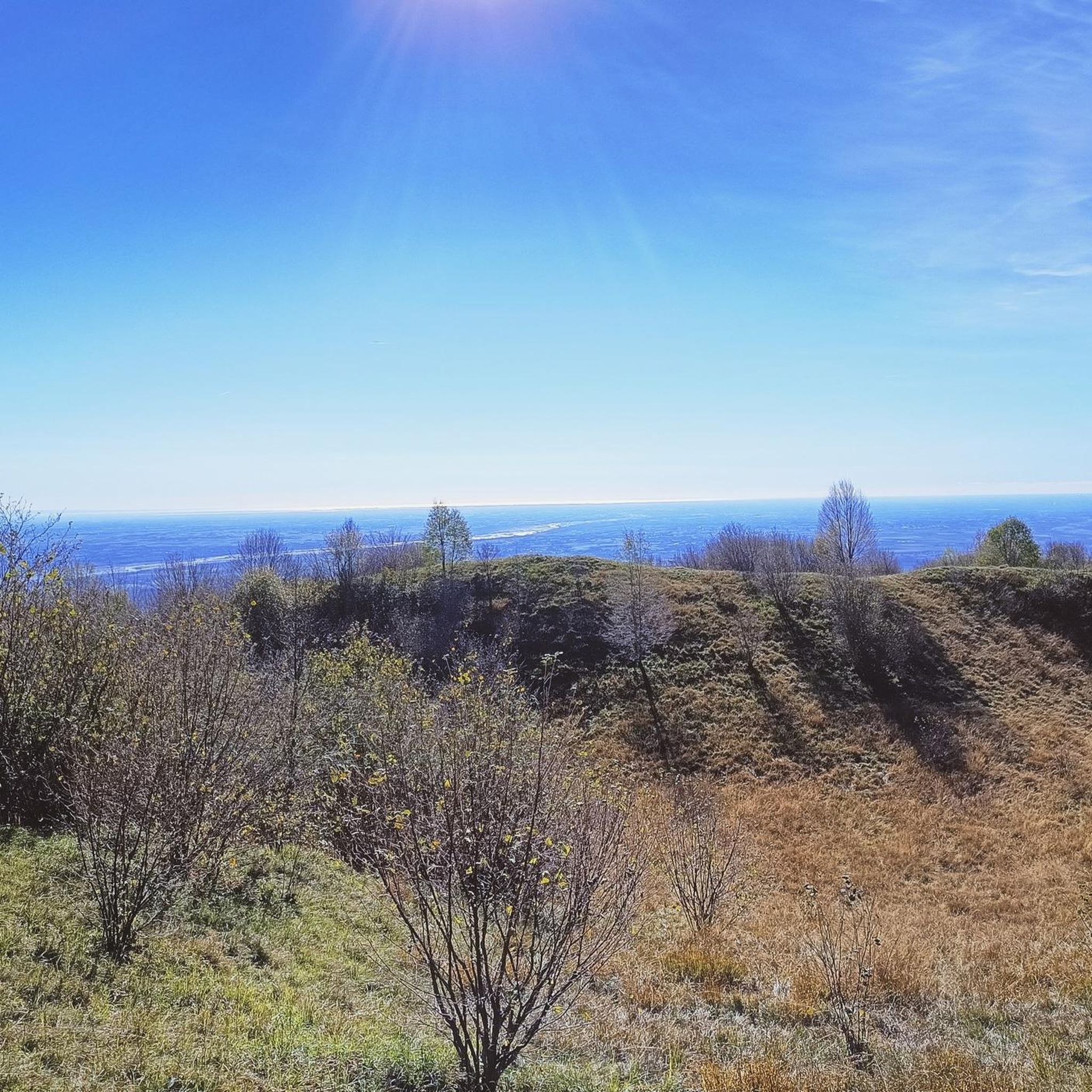
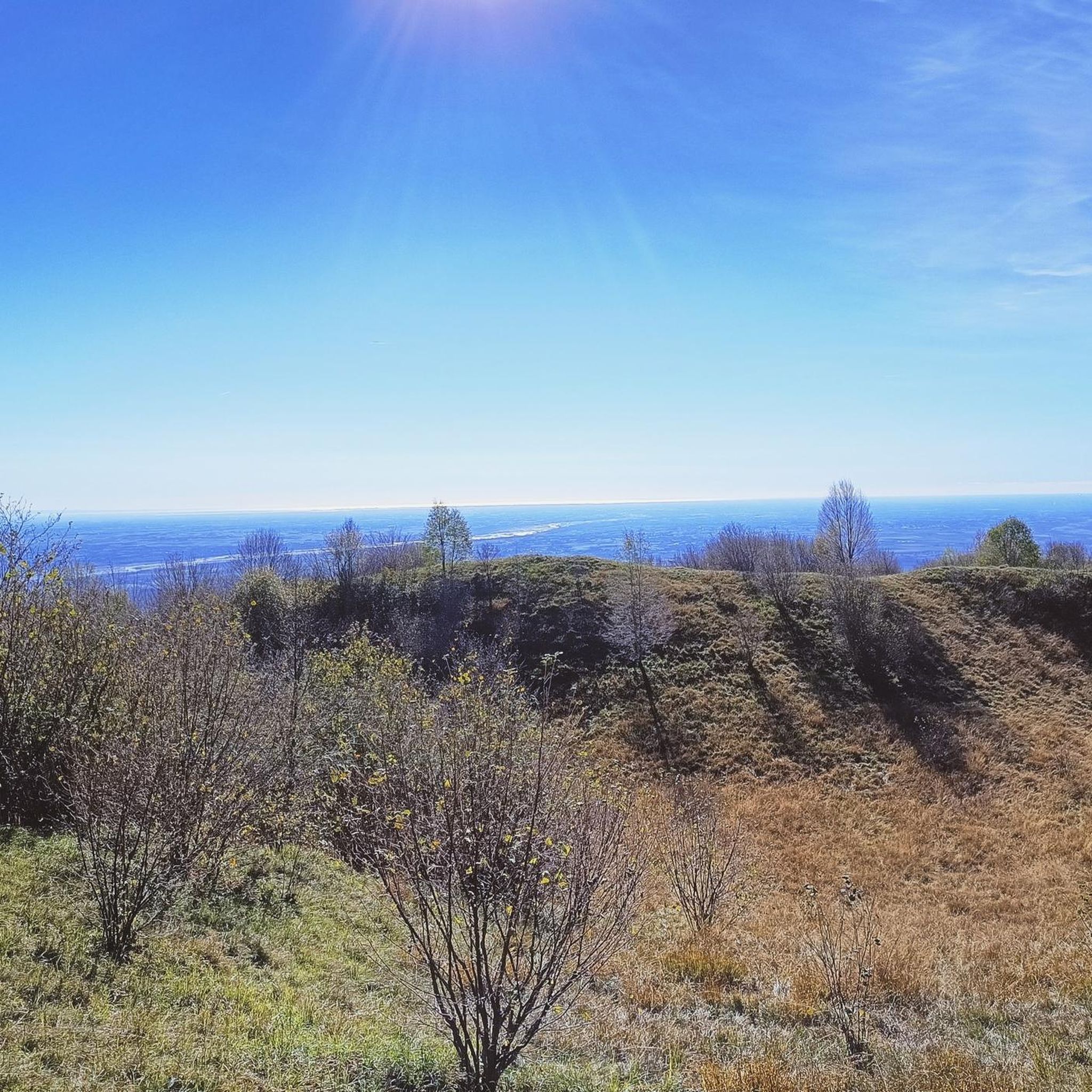
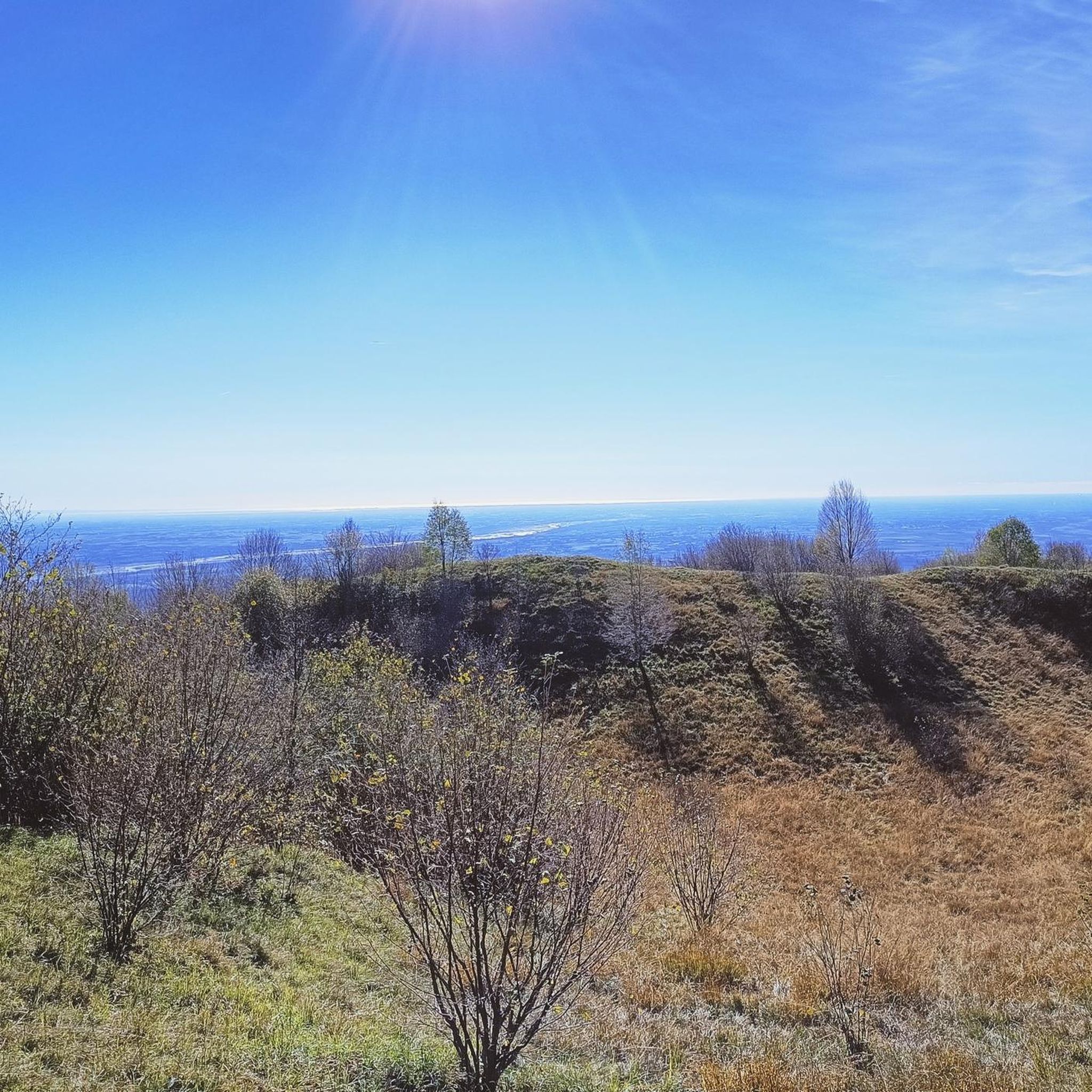
Pinzano Castle and View of the Tagliamento River
Highlight • Castle
Translated by Google •
Tip by

Toppo Castle
Highlight • Castle
Damaged in the 1976 earthquake, it was …
Translated by Google •
Tip by

Sign up now to discover places like this
Get recommendations on the best single tracks, peaks, & plenty of other exciting outdoor places.
Cathedral of Santa Maria Maggiore (Spilimbergo)
Highlight • Religious Site
Translated by Google •
Tip by

Ceconi Castle
Highlight • Castle
Translated by Google •
Tip by
Castello di Susans
Highlight • Castle
Translated by Google •
Tip by
Sign up for free to discover even more castles around Castelnovo Del Friuli.
Already have an account?
Start today with a free account
Your next adventure awaits.

Tips from the Community

Immersed in the woods of Val d'Arzino, in the municipality of Vito d'Asio, Castello Ceconi is a fascinating eclectic residence that seems to have come out of a medieval fairy tale. Built at the end of the 19th century by Count Giacomo Ceconi, a humble local stonemason who became a famous engineer and amassed a fortune building railways across Europe, the building blends neo-Gothic and Renaissance elements. The facade is decorated with mullioned windows, battlements, and frescoes depicting great figures from Italian history, as well as statues celebrating work and progress. Damaged by the 1976 earthquake and subsequently restored, the castle is now privately owned and houses a prestigious international school for advanced technological training, remaining a symbol of redemption and connection to the Friulian territory.
1
0

Susans Castle, a private castle and venue for ceremonies and banquets, was probably the site of a Roman castrum, later a strategic medieval fortress. Susans Castle was first mentioned in 1031 as "Suzan's villa". Already subject to the Church of Aquileia, the fiefdom was assigned to Tommaso di San Daniele in 1275. In 1304, the manor was enlarged and strengthened by the new owners Federico and Asquino di Varmo who worked to "raise the castle in a larger and more beautiful form". Involved in numerous wars, the fortress passed from the Varmo Pers to the lords of Colloredo Mels. Destroyed and rebuilt several times, the manor was built more or less in its current form, on a different site from the one previously occupied by the medieval fortress, in the second half of the seventeenth century, by Count Fabrizio di Colloredo Mels, Marquis of Santa Sofia, Prior of the Order of Santo Stefano in Lunigiana and major steward of the court of Tuscany, who wanted the castle as an elegant residence not detached from the context of the architectural tradition of the court. Medici Grand Ducal where Colloredo grew up and worked.
0
0

Splendid Castle one kilometre from Pielungo, clearly visible from the Mulattiere Path and former Military Path towards Monte Forno and Pradis
1
0

Recently renovated, fine structure and beautiful view
0
0

on the top of the Susans hill, still a private residence today.
0
0

A castle like the one in the movies, perched on a hill near Pielungo, with the mountains in the background – a sensational sight. The castle can be reached from Pielungo via a paved side road. Information: https://de.wikipedia.org/wiki/Castello_Ceconi
1
0

Wonderful all-round view
0
0
Highly visible from the plain, the Toppo castle, dating back to around 1100 AD, created a belt of manors on the Pordenone foothills.
0
0
Frequently Asked Questions
What kind of historical sites can I expect to find around Castelnovo Del Friuli?
The region features a variety of historical sites, from ancient foundations to renovated structures. You can explore remnants of medieval fortresses, such as the foundations of Pinzano Castle, and the ruins of Toppo Castle. There are also significant religious buildings with castle elements, like the Cathedral of Santa Maria Maggiore (Spilimbergo), and stately residences like Villa Sulis, which houses archaeological findings.
Are there any castles that offer panoramic views?
Yes, several castles and their sites provide excellent views. From the remnants of Pinzano Castle, you can enjoy a 360° view of the surrounding area. Toppo Castle also offers a beautiful panorama over the Borgo di Toppo. The site of the original Castello di Castelnovo del Friuli, though largely in ruins, provides expansive views of the hills, mountains, and plains.
Which castles are suitable for families with children?
The Cathedral of Santa Maria Maggiore (Spilimbergo) is listed as family-friendly and is located near the suggestive Spilimbergo castle. Ceconi Castle, with its fairytale architecture and beautiful park, can also be an interesting visit for families, though the interior is not accessible.
What is the historical significance of the castles in Castelnovo Del Friuli?
The castles in the region, such as the original Castello di Castelnovo del Friuli, played crucial defensive roles throughout centuries. They were often subject to various ownerships, including powerful local families and foreign powers like the Venetians, and were central to the region's medieval history. Archaeological findings, like those displayed at Villa Sulis, further illuminate daily life and historical events within these fortresses.
Can I visit the interior of the castles?
Many of the castles around Castelnovo Del Friuli are either in ruins or are private residences. For example, Pinzano Castle and Toppo Castle are primarily ruins. Castello di Susans is an elegant private residence. Ceconi Castle has a beautiful park, but the castle itself cannot be visited inside. The Cathedral of Santa Maria Maggiore (Spilimbergo), however, is a religious building with an accessible interior featuring historical artworks.
Are there any archaeological sites or museums related to the castles?
Yes, the site of the original Castello di Castelnovo del Friuli has yielded over 5,000 ceramic fragments from the 16th century. These artifacts are displayed at the Archaeological Collection of Villa Sulis, which formally opened in 2018. Villa Sulis itself is a 16th-century residence that survived the 1976 earthquake and offers further insight into the castle's history and daily life.
What outdoor activities can I do near these castles?
The region around Castelnovo Del Friuli offers various outdoor activities. You can find numerous road cycling routes, such as the 'Lake Cornino – Lake Cavazzo loop from Travesio', or explore MTB trails like the 'T-Rez Trail – Puntic Bridge and Viewpoint loop from Borgo Zorz'. There are also gravel biking options, including the 'Fagagna – Singletrack Trail Near Fagagna loop from San Daniele del Friuli'. For more details on these routes, you can check the respective guides: Road Cycling Routes, MTB Trails, and Gravel Biking around Castelnovo Del Friuli.
Are there hiking trails that incorporate castles?
While specific hiking trails directly incorporating all castles aren't explicitly detailed, many castles like Toppo Castle are reached via short walks through woods. The sites themselves are often on hills, providing opportunities for scenic walks with historical context. The 'Toppo Castle – Mount Valinis loop from Travesio' is a moderate MTB trail that passes by Toppo Castle, suggesting walking opportunities in the vicinity.
What do visitors appreciate most about the castles around Castelnovo Del Friuli?
Visitors frequently highlight the historical significance and the panoramic views offered by these sites. The blend of natural landscapes with medieval remnants, such as the 360° view from Pinzano Castle or the beautiful panorama from Toppo Castle, is highly appreciated. The unique neo-Gothic architecture of Ceconi Castle also draws interest.
Are there any castles that are particularly well-preserved or reconstructed?
While many castles are in ruins, some have seen reconstruction or preservation efforts. The bell tower of the original Castello di Castelnovo del Friuli has been reconstructed and serves as the bell tower for the Church of San Nicolò. Toppo Castle, though damaged in the 1976 earthquake, underwent renovation in the 1990s. Ceconi Castle is a fine example of neo-Gothic architecture that was greatly enlarged and preserved.
Can I find food or accommodation near the castles?
The region consists of numerous small hamlets, suggesting that local amenities like cafes, pubs, and accommodation might be available in nearby towns. While specific establishments aren't listed for each castle, the presence of towns like Spilimbergo (near the Cathedral of Santa Maria Maggiore) and the mention of a picnic area near Ceconi Castle indicate that visitor services are likely accessible within a short distance.
What is the best time to visit the castles around Castelnovo Del Friuli?
The region's castles and historical sites can be enjoyed throughout much of the year. Given the panoramic views and outdoor elements, spring and autumn generally offer pleasant weather for exploration. Summer can also be suitable, though it might be warmer. Winter access is possible, but some unpaved roads or trails leading to ruins might be less accessible depending on conditions.
Most popular routes around Castelnovo Del Friuli
Most popular attractions around Castelnovo Del Friuli

Get inspired with the komoot mobile app


Explore more
Looking for the best castles somewhere else? Discover other guides around Castelnovo Del Friuli:
