The 4 Most Amazing Peaks around San Daniele Del Friuli
Mountain peaks around San Daniele Del Friuli offer access to diverse mountainous landscapes, from local hills to the majestic Julian Alps and Friulian Dolomites. This region, nestled in Friuli Venezia Giulia, serves as a gateway to both pre-Alpine and Alpine environments. The area provides opportunities for hiking and experiencing rugged natural beauty, characterized by imposing limestone and dolomite walls. Visitors can explore a blend of nature, history, and panoramic views across various mountain ranges.
Best mountain peaks around San Daniele…
Last updated: May 18, 2026
Monte di Buia
Highlight • Settlement
Translated by Google •
Tip by

Monte Pala da Ropa di Pradis
Highlight • Summit
Translated by Google •
Tip by

Sign up now to discover places like this
Get recommendations on the best single tracks, peaks, & plenty of other exciting outdoor places.
Sign up for free
View of Calitri Historic Center and Monte Pizzo di San Lorenzo
Highlight (Segment) • Viewpoint
Translated by Google •
Tip by

Monte Pala
Highlight (Segment) • Summit
Translated by Google •
Tip by
View of San Daniele del Friuli and the Carnic Alps (with Monte Amariana)
Highlight • Viewpoint
About 10 km from San Daniele c'e una bella Vista alla citta e alle prealpi carniche
Translated by Google •
Tip by

Start today with a free account
Your next adventure awaits.
Login or Signup

Tips from the Community

The church sits enthroned on the summit of Monte Buja. The buildings on Monte Buja resemble a small medieval fortress and have evidently been lovingly preserved and restored. Those who enjoy typical Italian mountain villages will find what they're looking for up here. The functioning water station is particularly valuable for cyclists.
0
0

Don't be discouraged by the climb always immersed in the woods. You will be rewarded with a beautiful panorama at the top.
2
0

The relief called "Monte di Buia" rises in the high central Friuli plain, dominated by the chains of the Julian and Carnic Pre-Alps. It is the highest of the three hills that characterize the Buja area, and is in turn made up of three peaks called, from east to west, "Mont di Zoc" (322 m), "San Laurinz" (325 m), “San Bastian” (335m). The parish church of San Lorenzo is located on the homonymous hill, in the center of the system; on the eastern hill remain the remains of a medieval fort ("Cjscjelàt"), while on the western one the site of the castle can be identified, near which the demolished church of San Sebastiano once stood. A plateau extends to the west of the parish, occupied by the agglomeration of houses that make up the hamlet of "Monte". Monte di Buia appears as a "three-pointed" natural relief, with an east-west orientation. The oldest traces of a human settlement are located in the "Pidicuel" locality, a valley located between the southern slopes of the mountain and the Pravìz hill. Over the decades, hundreds of flint tools (tools, scrapers, scrapers, burins, blades, arrows...), ceramic fragments and building materials that refer to a prehistoric settlement have been recovered during agricultural work in this area. There is also news of further finds of similar lithic objects in the arable land near Buja. Taken from ArcheocartaFVG https://www.archeocartafvg.it/portfolio-articoli/buja-ud-monte-di-buja-insediamenti-vari/
1
0
The ascent with the paved path and the small steps give an insight into the construction of earlier times.
1
1

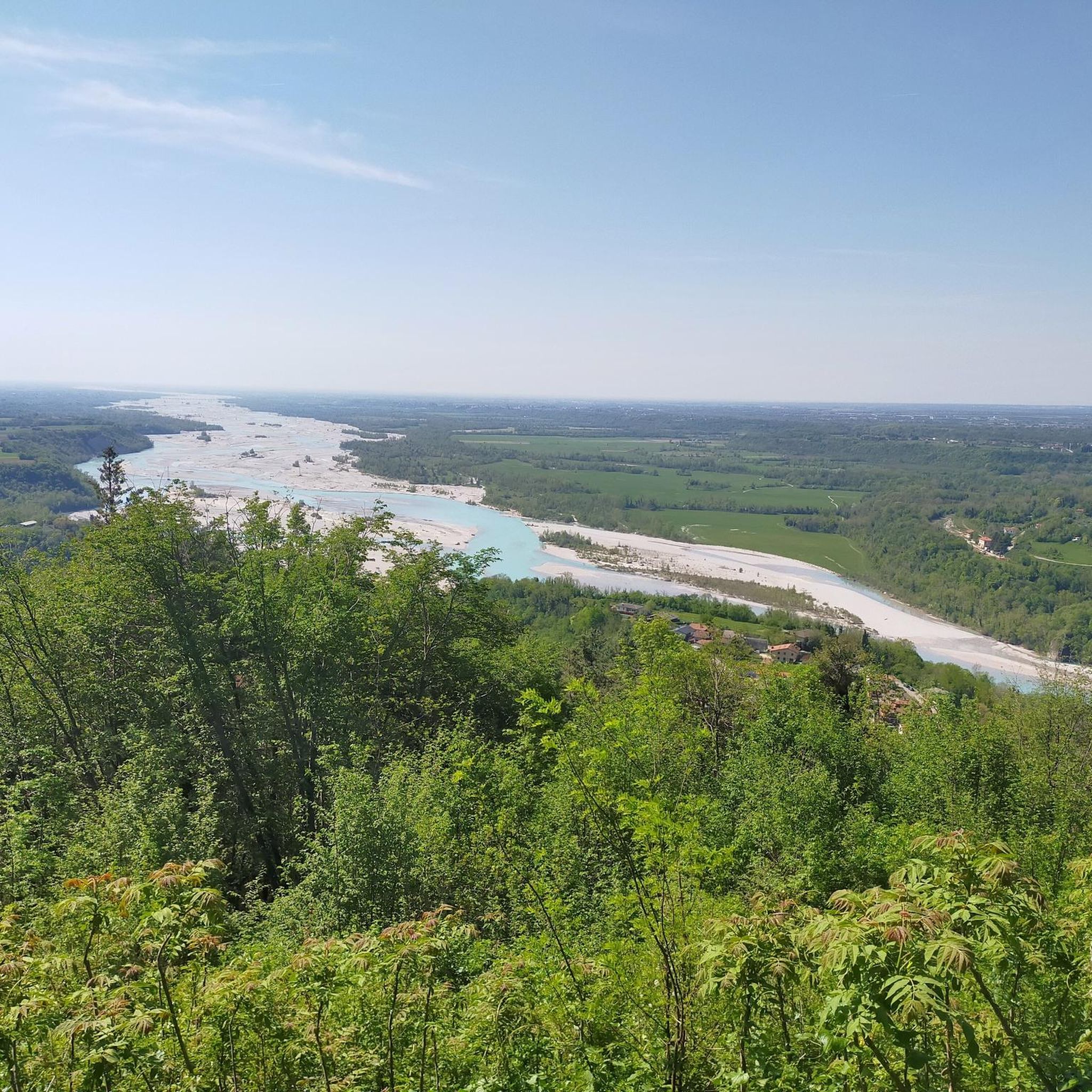
About 10 km before San Daniele you have a beautiful view of the city and the Carnic Alps About 10 km from San Daniele c'e una bella Vista alla citta e alle prealpi carniche
0
0

Climb with variable slope, beautiful nature
1
0

Short climb, challenging at times for the less trained that offers beautiful (few) glimpses of both the small village and the panorama that opens at the top.
1
1
From the top of the mountain you can go down this very steep road doing very, very carefully
1
1
Frequently Asked Questions
What are the most popular mountain peaks around San Daniele del Friuli?
Visitors particularly enjoy Monte Pala da Ropa di Pradis for its rewarding panorama after a climb through the woods. Another favorite is Cima Flagjel, known for its expansive panoramic views and a significant summit cross. The View of Calitri Historic Center and Monte Pizzo di San Lorenzo also offers a fun, panoramic experience with a characteristic village at the top.
Are there mountain peaks with historical significance near San Daniele del Friuli?
Yes, Monte di Buia is a local hill rich in history, featuring the Pieve di San Lorenzo, remains of a medieval fort, and traces of prehistoric settlements. Further afield, Mount Ragogna offers historical fortifications from World War I and ancient sites like Ragogna Castle, providing a blend of nature and history.
What kind of views can I expect from the mountain peaks in the region?
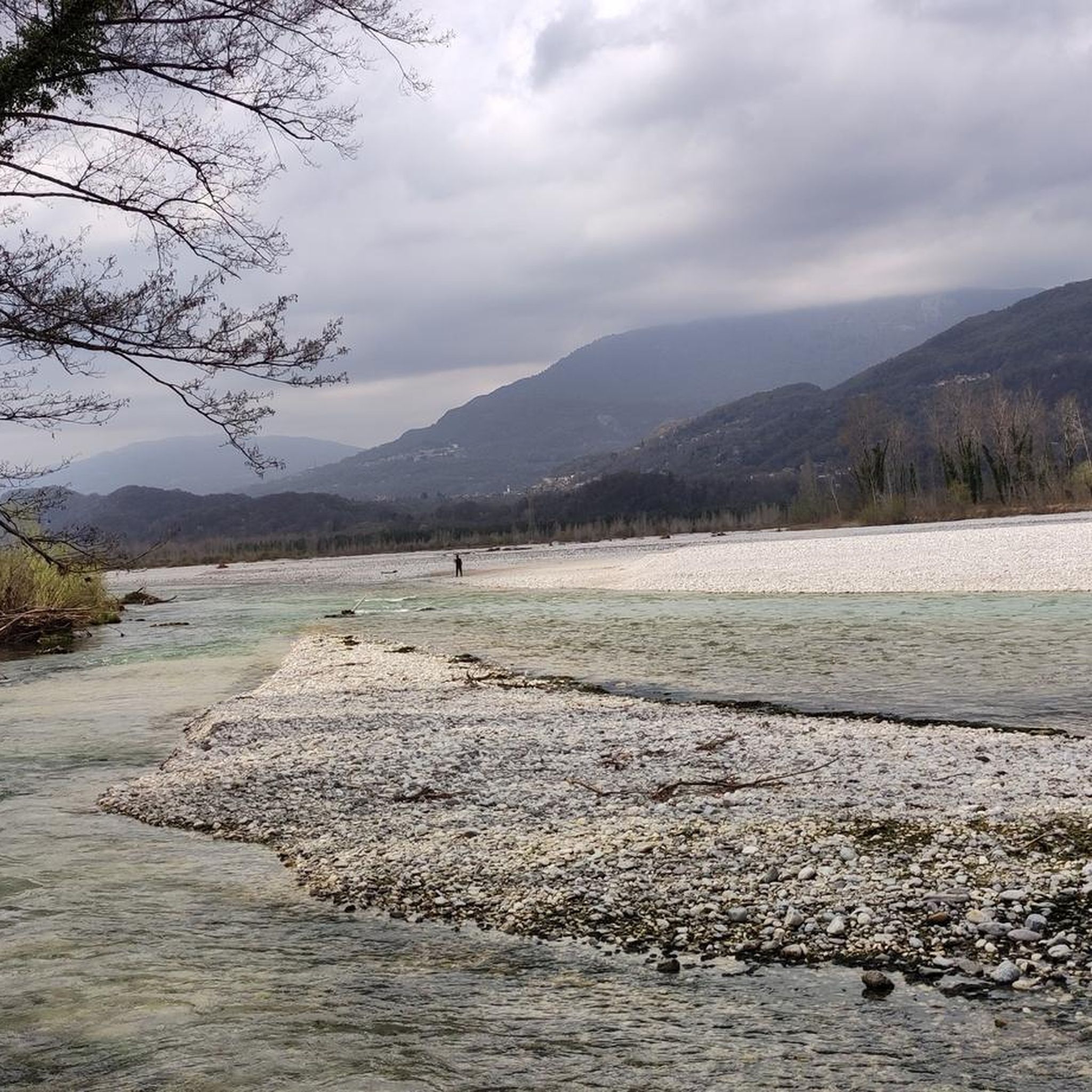
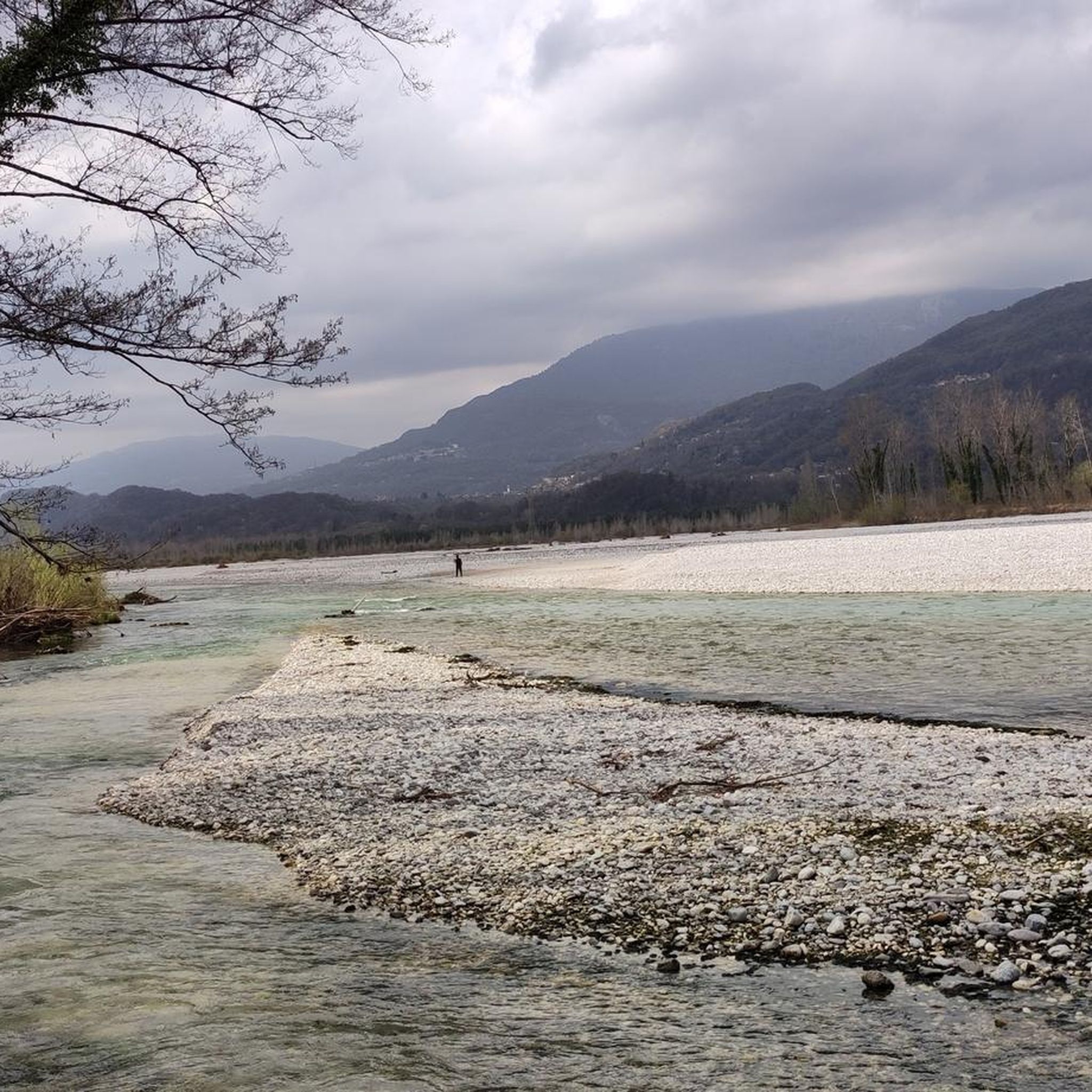
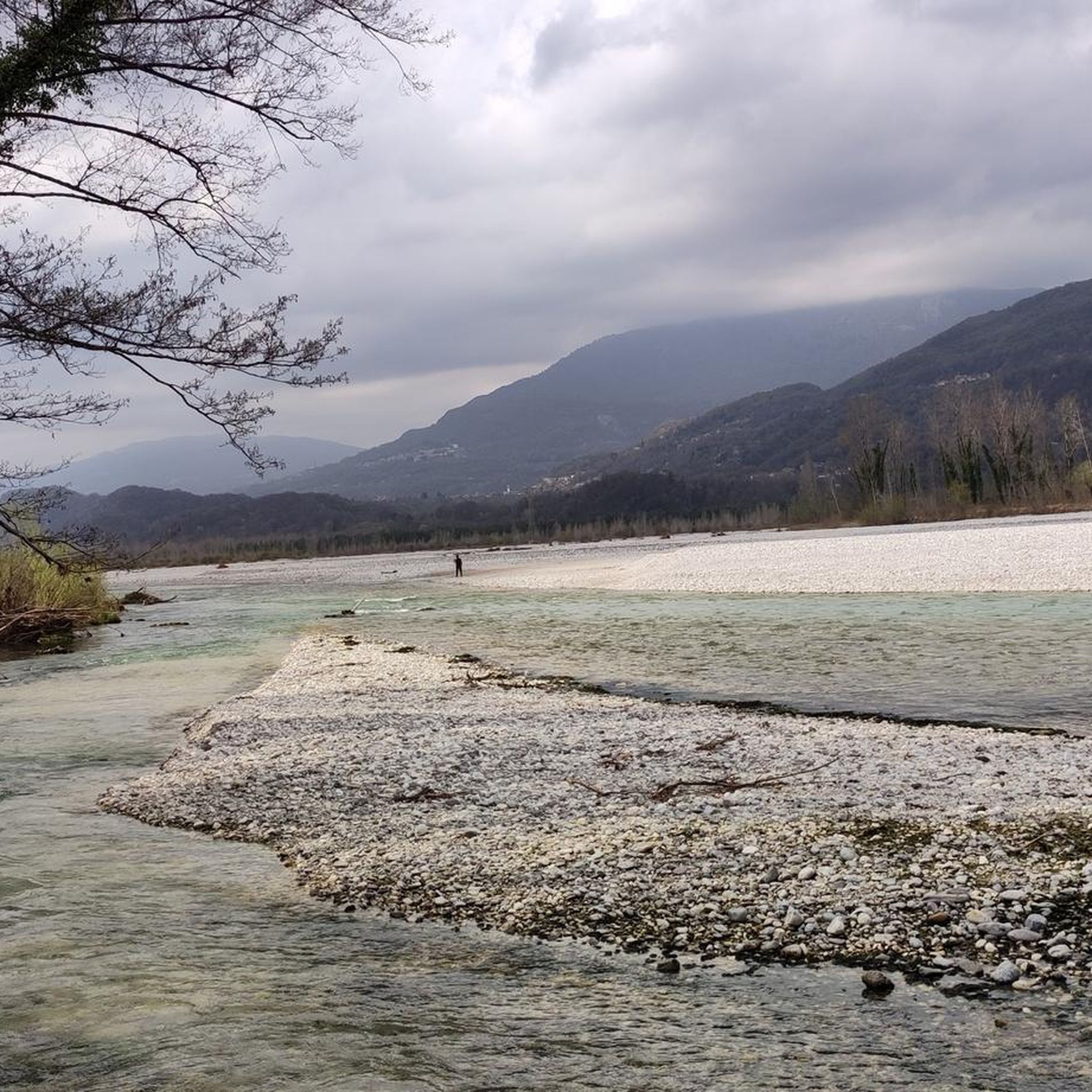
The peaks offer diverse and stunning views. From local hills like Mount Ragogna and Monte di Buia, you can see the Tagliamento River, the Friulian plain, and the pre-Alpine peaks. Higher up in the Julian Alps, peaks like Jôf di Montasio and Mangart provide dramatic vistas of rugged limestone and dolomite walls, sometimes stretching into Slovenia. The Friulian Dolomites offer views of wild, inaccessible beauty.
What outdoor activities can I do near these mountain peaks?
The region around San Daniele del Friuli is excellent for various outdoor activities. You can find numerous hiking trails, from easy walks to challenging mountaineering routes. Cycling and gravel biking are also popular, with routes exploring the local hills and river valleys. For detailed routes, check out the Hiking around San Daniele Del Friuli, Cycling around San Daniele Del Friuli, and Gravel biking around San Daniele Del Friuli guides.
Are there any challenging mountaineering opportunities in the area?
Yes, for avid mountaineers seeking a challenge, the Julian Alps and the Friulian Dolomites offer rugged and wild terrain. Peaks like Jôf di Montasio in the Julian Alps are known for their impressive limestone and dolomite walls, providing challenging opportunities for mountaineering and advanced hiking. The Friulian Dolomites, a UNESCO World Heritage Site, are particularly known for their inaccessible beauty and demanding climbing routes.
Which mountain ranges are accessible from San Daniele del Friuli?
From San Daniele del Friuli, you can access a range of mountainous landscapes. Immediately local are hills like Mount Ragogna. Further afield, the majestic Julian Alps form a dramatic backdrop to the east, and to the west, you'll find the stunning Friulian Dolomites, a UNESCO World Heritage Site. The town serves as a gateway to both pre-Alpine and Alpine environments.
What makes the Friulian Dolomites unique compared to other Dolomite areas?
The Friulian Dolomites are distinct for their inaccessible and wild beauty. Unlike some other Dolomite regions, these mountains are generally not accessible by lift facilities, offering a more pristine and challenging hiking and climbing experience. They are protected by the Regional Natural Park of Friulian Dolomites, preserving their diverse flora and fauna, including golden eagles, ibexes, and chamois. You can learn more about them on Wikipedia.
Can I find family-friendly mountain walks near San Daniele del Friuli?
While some higher peaks offer more challenging terrain, local hills like Mount Ragogna provide hiking trails that cater to various fitness levels, including options suitable for families looking for a blend of nature and history without extreme difficulty. The immediate surroundings of San Daniele del Friuli also offer easier walks with scenic views.
What wildlife can be spotted in the mountain regions around San Daniele del Friuli?
The mountain regions, especially the protected areas like the Regional Natural Park of Friulian Dolomites and the Julian Alps Biosphere Reserve, are rich in biodiversity. Visitors might spot diverse flora and fauna, including golden eagles, ibexes, and chamois in the Friulian Dolomites. The pristine nature of these areas supports a variety of wildlife.
What is Jôf di Montasio and why is it significant?
Jôf di Montasio is a prominent peak in the Julian Alps, standing at 2,753 meters (9,029 ft). It is significant as the second-highest peak in the entire Julian Alps and the highest entirely within Italy. Its impressive limestone and dolomite walls make it a popular destination for hikers and bikers seeking dramatic mountain scenery and challenging routes. You can find more information about the Julian Alps on Wikipedia.
Are there any less crowded mountain trails available?
The Friulian Dolomites, known for their wild and inaccessible beauty and lack of lift facilities, generally offer a more pristine and less crowded hiking experience compared to more developed mountain areas. Exploring trails within the Regional Natural Park of Friulian Dolomites can provide a sense of solitude and untouched nature.
What is the best time to visit the mountain peaks around San Daniele del Friuli?
The best time to visit depends on the activity. For hiking and mountaineering in the higher Julian Alps and Friulian Dolomites, late spring to early autumn (May to October) generally offers the most favorable weather conditions, with less snow and more stable temperatures. For lower hills like Mount Ragogna, hiking is possible for a longer season, often from early spring to late autumn.
Most popular routes around San Daniele Del Friuli
Most popular attractions around San Daniele Del Friuli

Get inspired with the komoot mobile app


Explore more
See even more amazing summits around San Daniele Del Friuli with these guides:
