Top 7 Caves around Garniga Terme
Best caves around Garniga Terme are found within the broader Trentino region, a mountainous area known for its natural beauty and hiking opportunities on Monte Bondone. While Garniga Terme itself is a municipality focused on natural landscapes, the surrounding area offers several notable underground features. These include both natural caves and historical military tunnels carved into the rock. The region provides a diverse range of subterranean explorations for visitors.
Best caves around Garniga Terme
- The most popular caves is Rock-Cut…
Last updated: July 27, 2026
La Cosina Cave
Highlight • Cave
Translated by Google •
Tip by

Via Ferrata Giulio Segata – Upper Section
Highlight • Climb
Translated by Google •
Tip by

Sign up now to discover places like this
Get recommendations on the best single tracks, peaks, & plenty of other exciting outdoor places.
Sign up for free
Soprasasso Military Tunnel (1915)
Highlight • Historical Site
Translated by Google •
Tip by

Rock-Cut Trail and Tunnel
Highlight • Trail
Translated by Google •
Tip by

Monte Calisio Underground Battery and Fortifications
Highlight • Historical Site
Tip by

Sign up for free to discover even more caves around Garniga Terme.
Sign up for free
Already have an account?
Start today with a free account
Your next adventure awaits.
Login or Signup


Tips from the Community

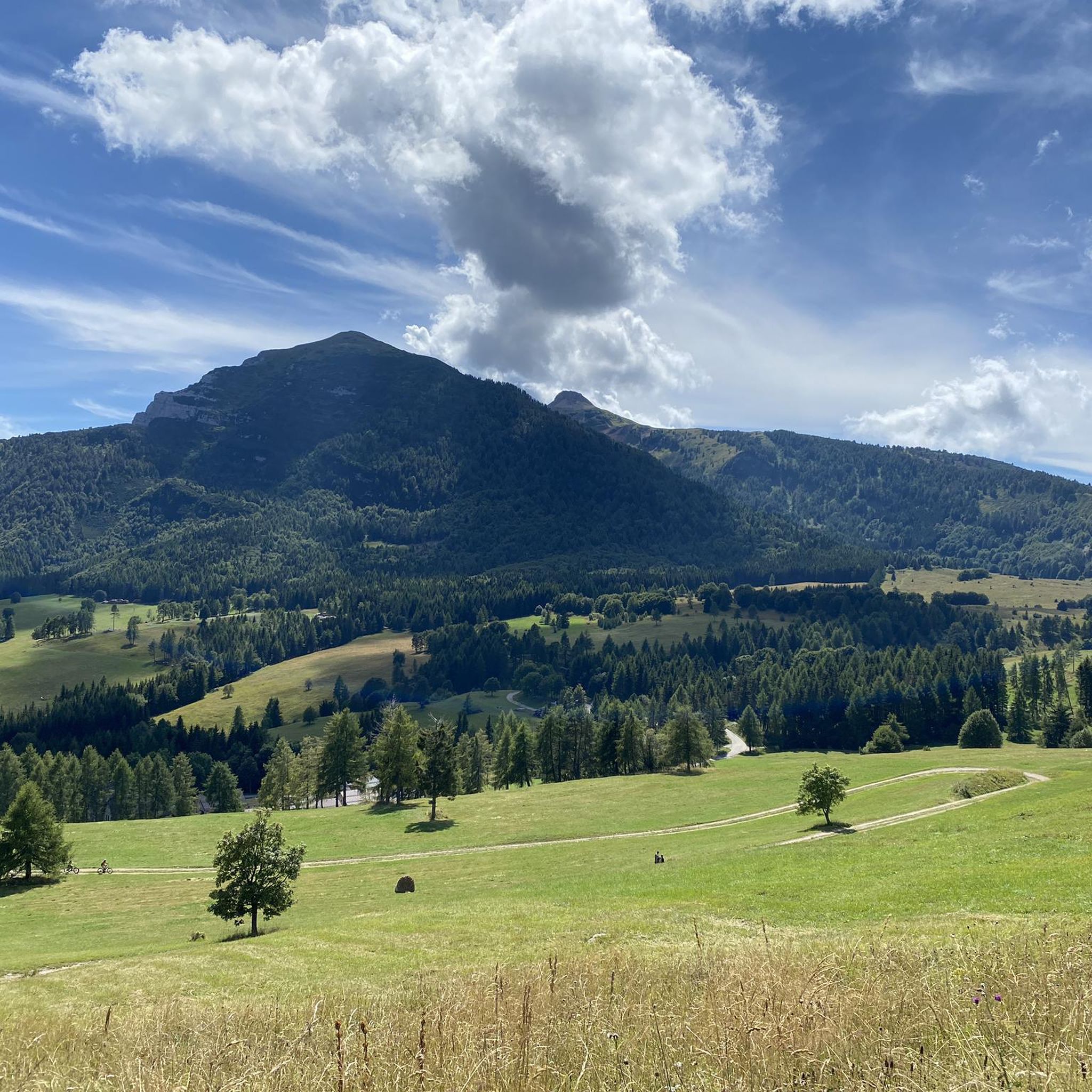
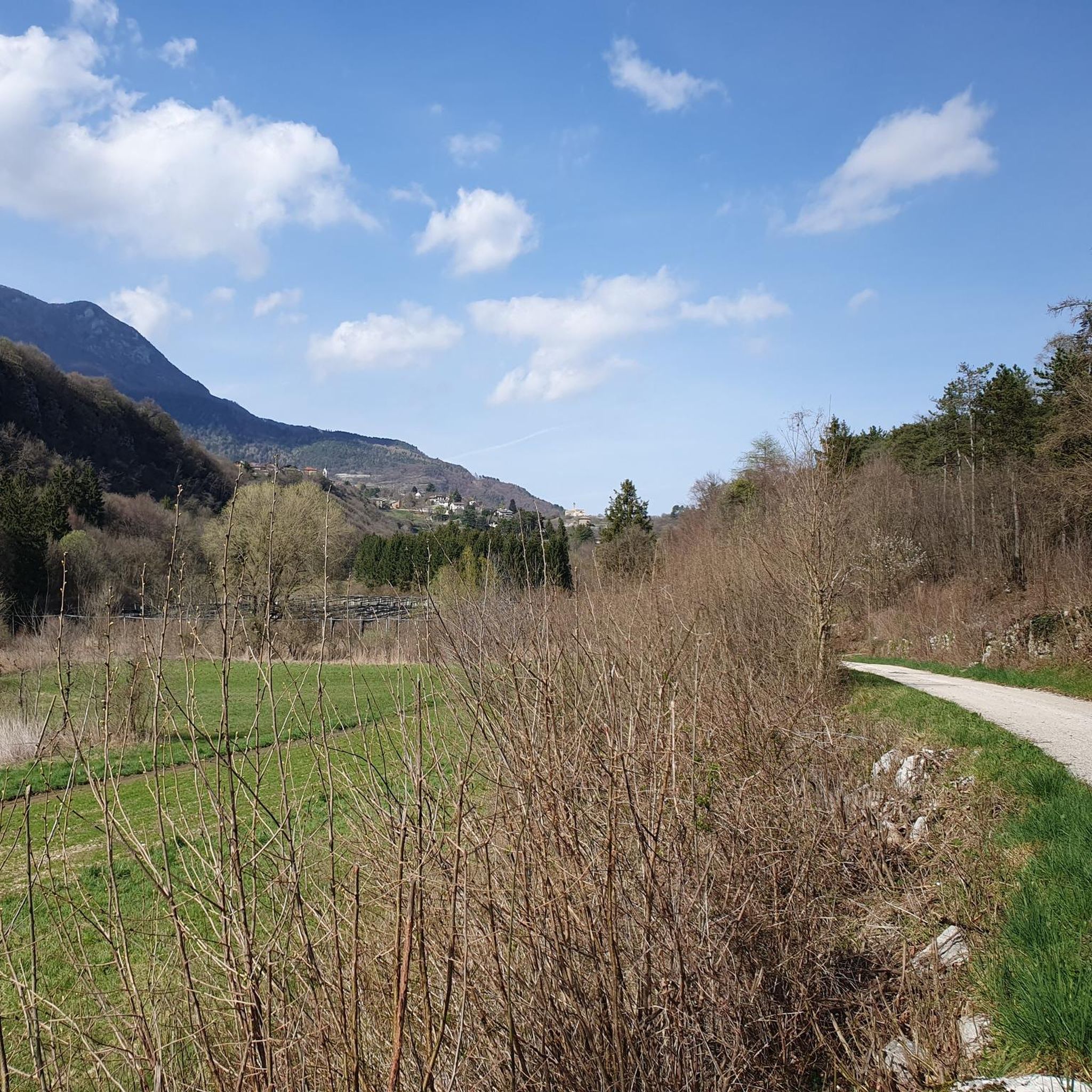
This stretch of trail is particularly evocative, with sections dug into the rock and cycle tunnels.
0
0

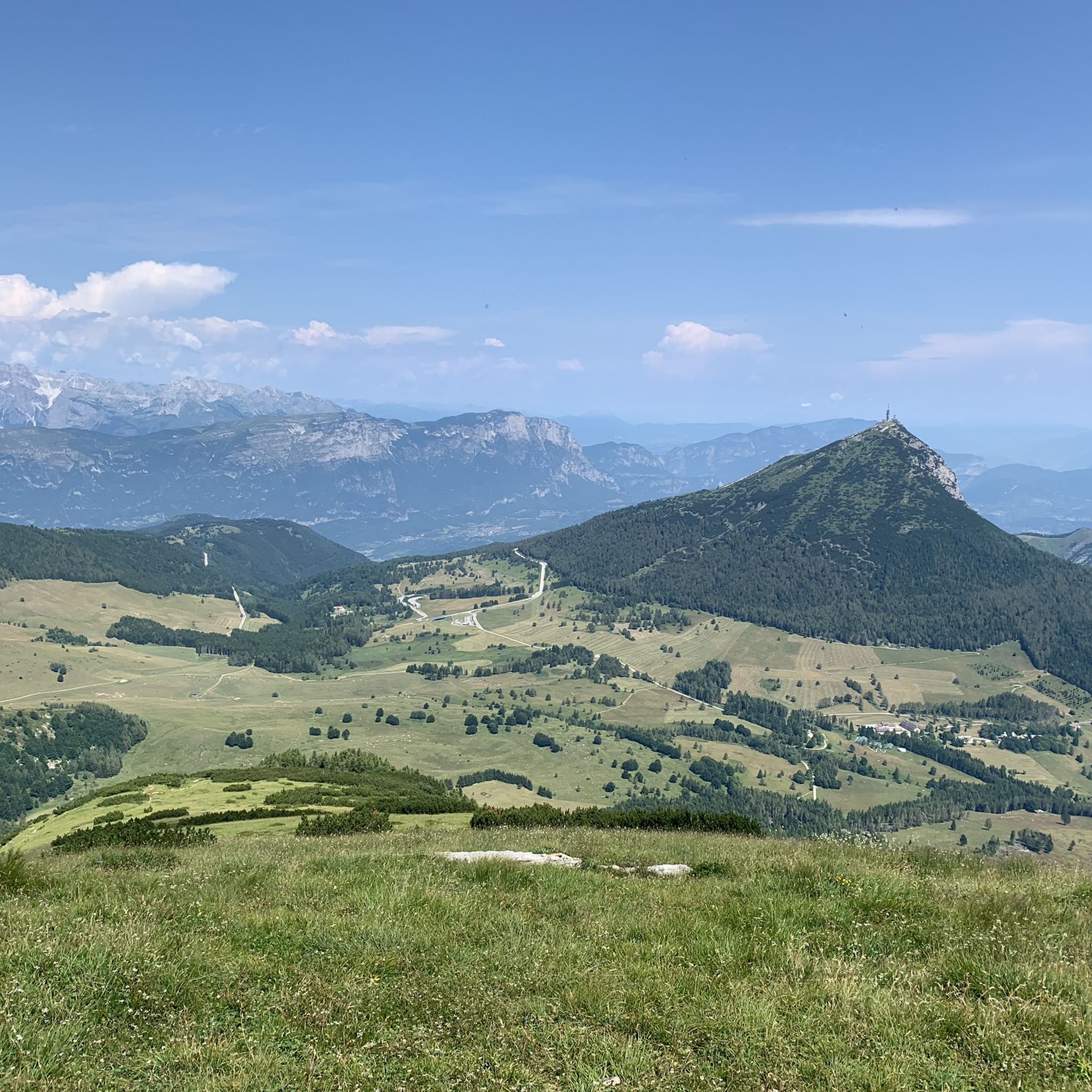
Have you ever thought about what you would do in a cave? The one you see was used as a shelter by shepherds for a very long time. Inside there is a natural fireplace, perhaps for this reason it was called "Cosina", which in our dialect means "kitchen". In 1912, during an archaeological excavation, Don Felice Vogt and Giacomo Roberti, an important Trentino scholar of ancient history and archaeology, discovered some very ancient tombs... but I had seen them a long time before! The bones date back to prehistoric times: think, they are more than 4000 years old! Together with bones found a beautiful blade of a flint dagger, a weapon which in the funerary rites of the time probably served to accompany the deceased into the afterlife.
0
0

The Vis Ferrata Giulio Segata is a short, tough via ferrata that is divided into two sections. The second section is even harder than the first section, but becomes easier again as you go up. It starts over long smooth steep walls (E). At the top you climb through a cave with all kinds of stepping aids (C).
2
0

A tunnel carved into the rock and reinforced with reinforced concrete, which was part of the fortifications on the Soprasasso. There are still numerous such caverns and tunnels on this mountain, some of which are in varying states of preservation. They served as camp or crew quarters.
0
0

Underground fortification of Monte Calisio, the largest and most modern in the defense system of the city of Trento during world war I
0
0

extremely difficult via ferrata and not signposted the approach ... personally I did not find the start, I traveled back through the life of escape and climbed the second stretch .... do not contend with the nearby aided path .... you can see immediately when it goes up that this via ferrata is not trivial
2
0

Rarely is the ratio of ascent to ascent length so bad, but it's worth it. Climbing through the two caves is great and there are also some real challenges in terms of climbing. Anyone who doesn't quite dare should think about securing a rope - a mistake here could be quite painful in many places. As usual, topo can be found at bergsteiger.com.
5
1
Short and quite challenging via ferrata. Smooth but well-structured rock at the entrance - still quite a cold start. Spreading helps in the tunnel, on the slippery slab only friction climbing really helps - and you have to know how strong you can do it. The rock becomes increasingly rough towards the top. The E plate has so many grips and steps that it actually belongs to the easier sections (ok, the grips are sometimes quite small), above (D) there are enough pins installed - if you can step up high enough, the maximum is B/ C, if you don't make it, it will be hard. Finally, from the second cave, grippy rock and enjoy until the exit to the PlateU.
5
0
Frequently Asked Questions
Are there natural caves to explore near Garniga Terme?
While Garniga Terme itself is known for its natural landscapes, the broader Trentino region offers several significant natural cave systems. These include the Grotta della Bigonda and Grotta del Calgeron in Valsugana, and the Grotta di Patone (Bus del Diaol) near Arco. These caves showcase impressive geological features and offer unique underground experiences.
What are some of the largest natural caves in the Trentino region?
The Grotta della Bigonda is the largest cave in Trentino, boasting over 27 kilometers of galleries and numerous internal lakes. Another extensive system is the Grotta del Calgeron, which extends for several kilometers and is known for its wide horizontal galleries and unique cylindrical erosions.
Is it possible to visit the Grotta della Bigonda or Grotta del Calgeron?
The Grotta della Bigonda is generally only accessible to expert speleologists accompanied by specialized groups, primarily during winter. The Grotta del Calgeron's initial two kilometers can be visited year-round, sometimes requiring a small boat for navigation. Always check current conditions and accessibility before planning a visit to either.
What is the Grotta di Patone (Bus del Diaol) like?
The Grotta di Patone, also known as 'Bus del Diaol' (Devil's Hole), is an 800-meter long horizontal cave near Arco. It features beautiful inverse corrosion domes and calcitic flowstones. A visit typically lasts 2-3 hours and is suitable for those with some caving experience or when accompanied by a speleologist.
Beyond natural caves, what other underground sites can I explore near Garniga Terme?
The area around Garniga Terme also features historical military tunnels and underground fortifications. Examples include the Soprasasso Military Tunnel (1915), which served as quarters, and the Monte Calisio Underground Battery and Fortifications, a significant World War I defense system.
What is the historical significance of the Soprasasso Military Tunnel?
The Soprasasso Military Tunnel (1915) is a historical site featuring a tunnel carved into the rock and reinforced with concrete. It was part of the fortifications on the Soprasasso mountain and served as camp or crew quarters during World War I.
What can I expect at La Cosina Cave?
La Cosina Cave was historically used as a shelter by shepherds and features a natural fireplace. Archaeological excavations in 1912 uncovered very ancient tombs dating back over 4000 years, along with a flint dagger blade, making it a site of significant historical and archaeological interest.
Is there a via ferrata that includes a cave near Garniga Terme?
Yes, the Via Ferrata Giulio Segata – Upper Section is a challenging route that includes climbing through two caves. It offers a crisp route with sections that can be quite difficult, especially if wet, and is recommended for experienced climbers.
What is the best time to visit the natural caves in Trentino?
For the Grotta della Bigonda, visits are primarily recommended during the winter due to less rainfall, which reduces the risk of flooding. The Grotta del Calgeron's inner parts are also best visited during drier, colder periods. The Grotta di Patone maintains a constant temperature year-round, but prolonged rainfall can lead to pools inside.
Are there family-friendly underground attractions near Garniga Terme?
While some natural caves require specialized experience, the historical tunnels and fortifications, such as the Rock-Cut Trail and Tunnel, offer a more accessible and intriguing experience for families interested in exploring underground features without advanced caving skills.
What outdoor activities can I do near these caves?
The region around Garniga Terme offers numerous outdoor activities. You can find various MTB trails, running trails, and road cycling routes. For example, explore the 'Viote area – Monte Bondone Pass loop' for MTB, or the 'Casom Ruins loop' for running. You can find more details on these activities in the MTB Trails around Garniga Terme, Running Trails around Garniga Terme, and Road Cycling Routes around Garniga Terme guides.
What should I wear or bring for caving in the Trentino region?
For natural caves, especially those requiring expert guidance, specialized caving equipment including helmets, headlamps, appropriate clothing (layers, waterproofs), and sturdy footwear is essential. For more accessible historical tunnels, comfortable hiking gear and a light source are generally sufficient. Always check specific requirements for each site.
Most popular routes around Garniga Terme
Most popular attractions around Garniga Terme

Get inspired with the komoot mobile app


Explore more
Extend your search for the best caves by checking out these guides of the top ones around Garniga Terme:
