Top 12 Huts and Cabins around Licciana Nardi
Huts around Licciana Nardi are situated in the Lunigiana region of Tuscany, an area characterized by its diverse natural landscape. This region offers a mix of traditional mountain shelters and rustic farm stays, providing varied outdoor experiences. The area is known for the Apuan Alps and ancient chestnut groves, making it suitable for trekking routes and exploring natural features. It is recognized as a MAB UNESCO Reserve, highlighting its cultural and natural heritage.
Best huts around Licciana Nardi
- The most…
Last updated: June 2, 2026
Lagdei Hut
Highlight • Mountain Hut
Translated by Google •
Tip by

Giovanni Mariotti Mountain Hut at Lago Santo
Highlight • Mountain Hut
Translated by Google •
Tip by

Sign up now to discover places like this
Get recommendations on the best single tracks, peaks, & plenty of other exciting outdoor places.
Sign up for free
Rio Pascolo Bivouac
Highlight • Mountain Hut
Translated by Google •
Tip by

Lagoni Hut on Lake Gemio Inferiore
Highlight • Mountain Hut
Translated by Google •
Tip by

Ghiaccioni Bivouac
Highlight • Mountain Hut
Beautiful and solid structure (thanks to various …
Translated by Google •
Tip by

Sign up for free to discover even more huts and cabins around Licciana Nardi.
Sign up for free
Already have an account?
Start today with a free account
Your next adventure awaits.
Login or Signup
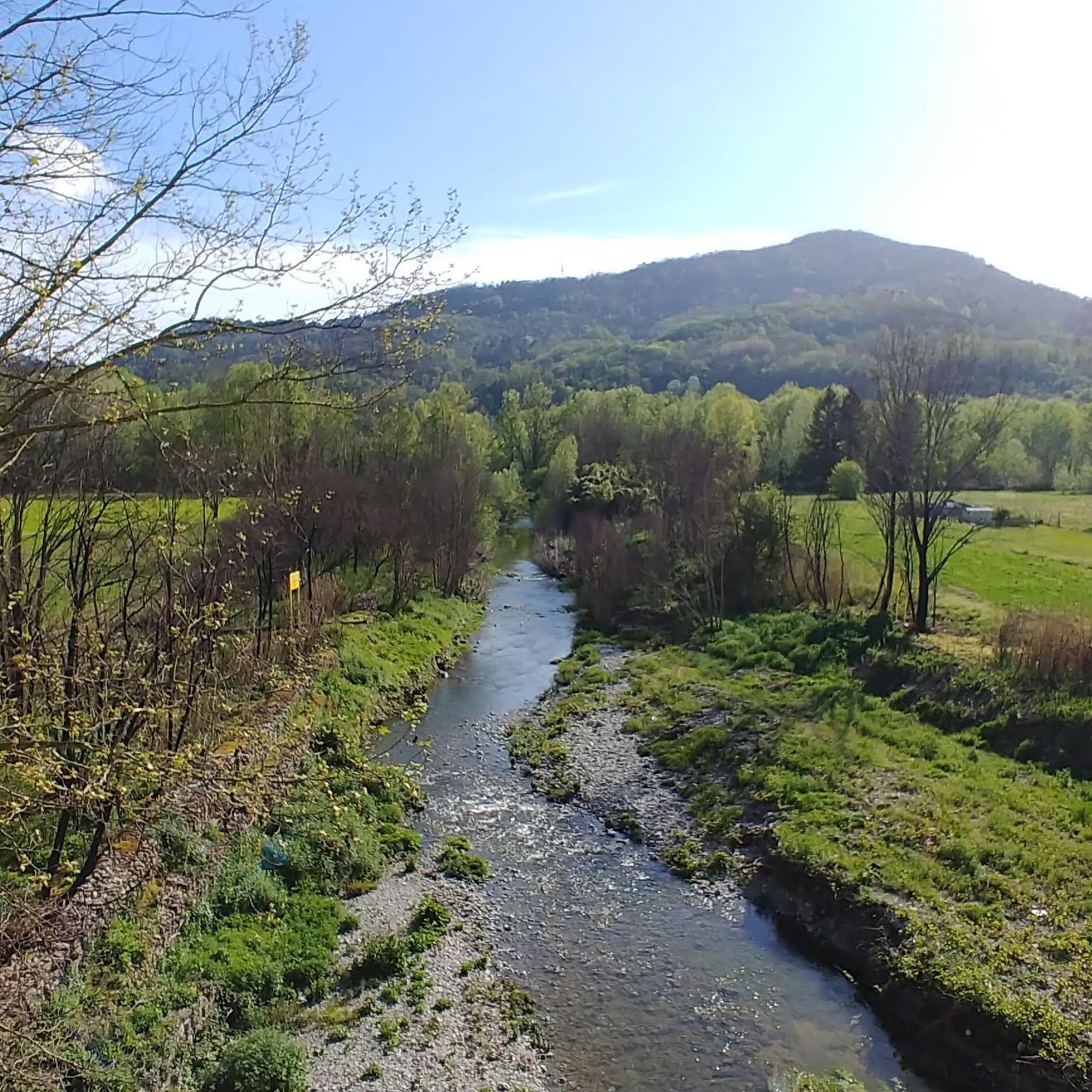
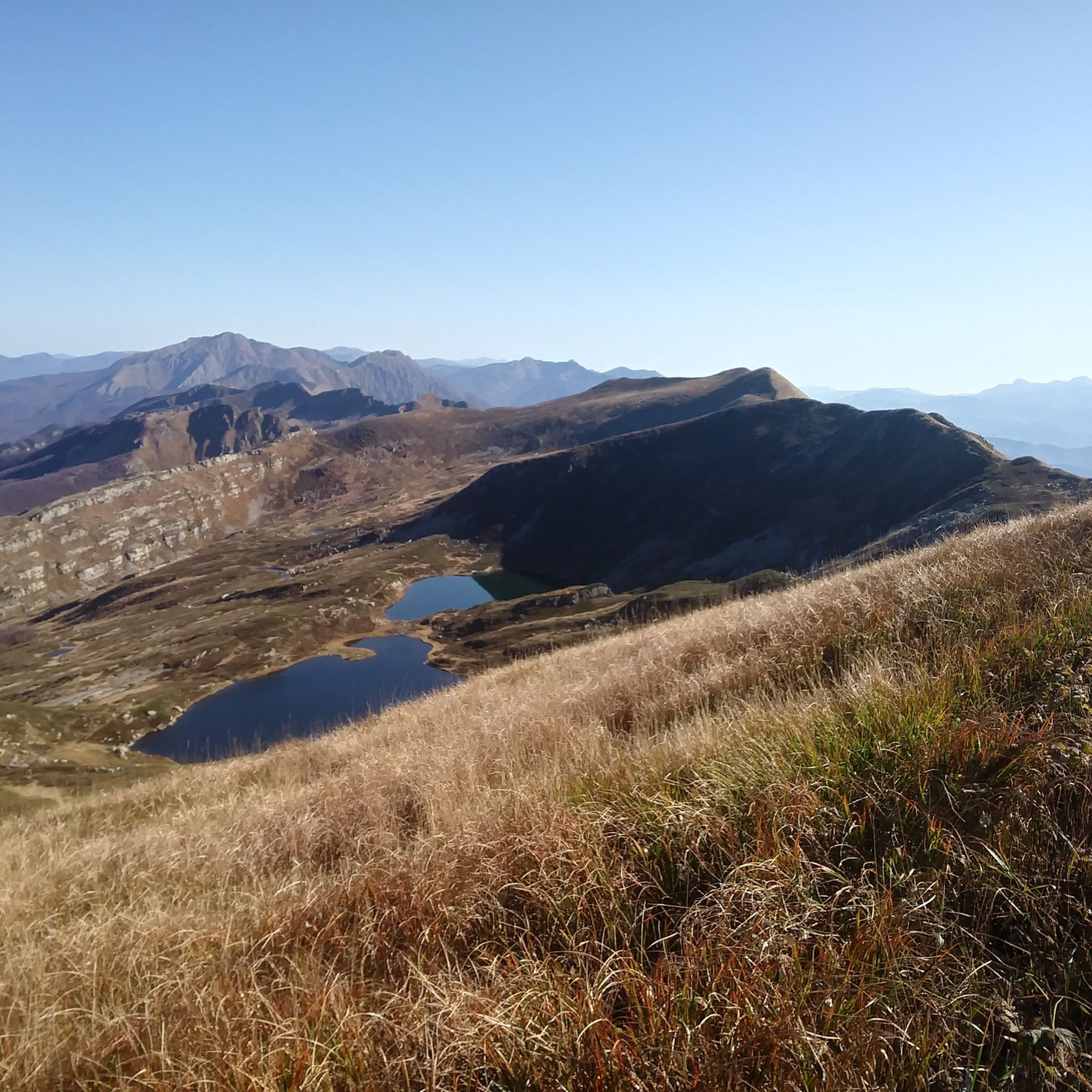
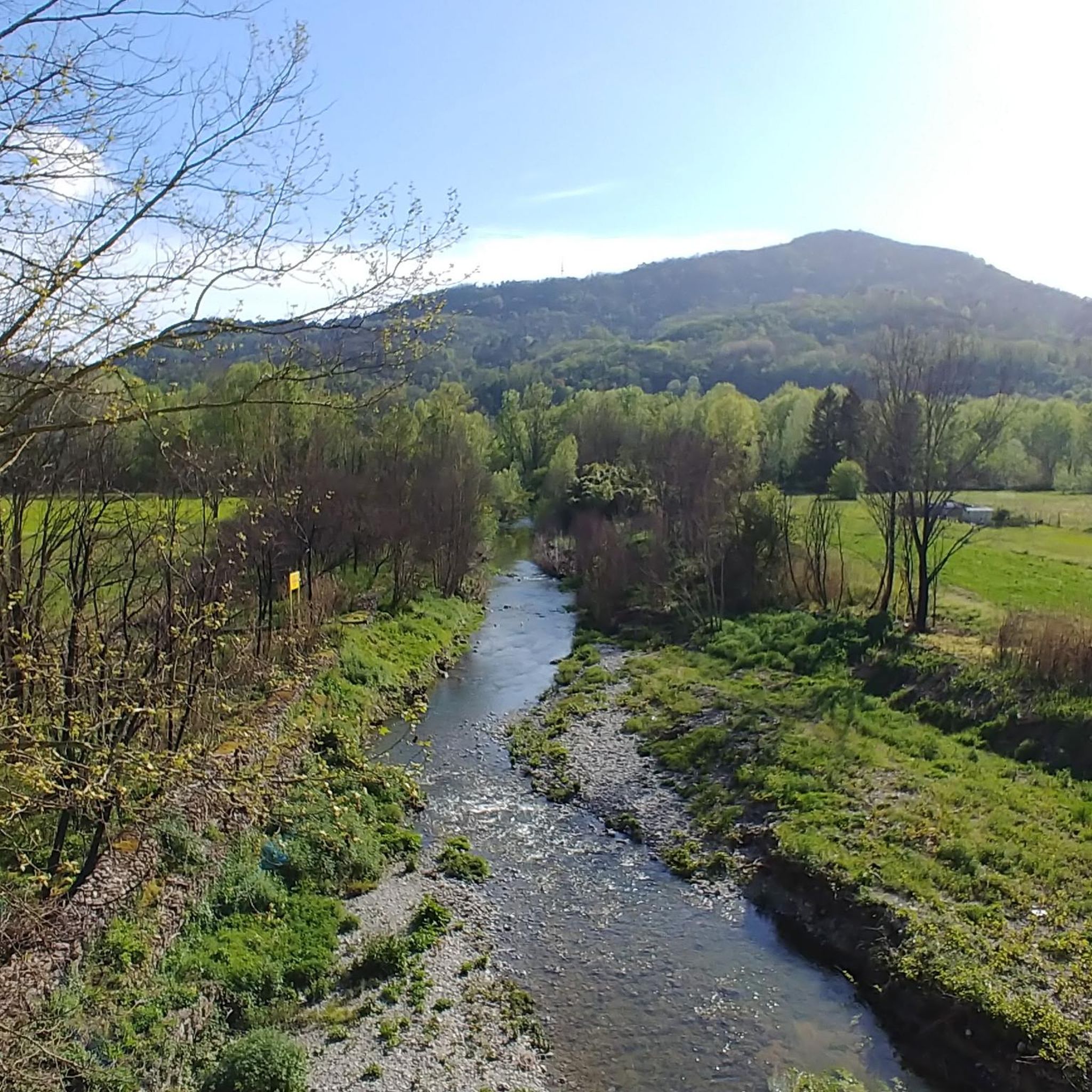
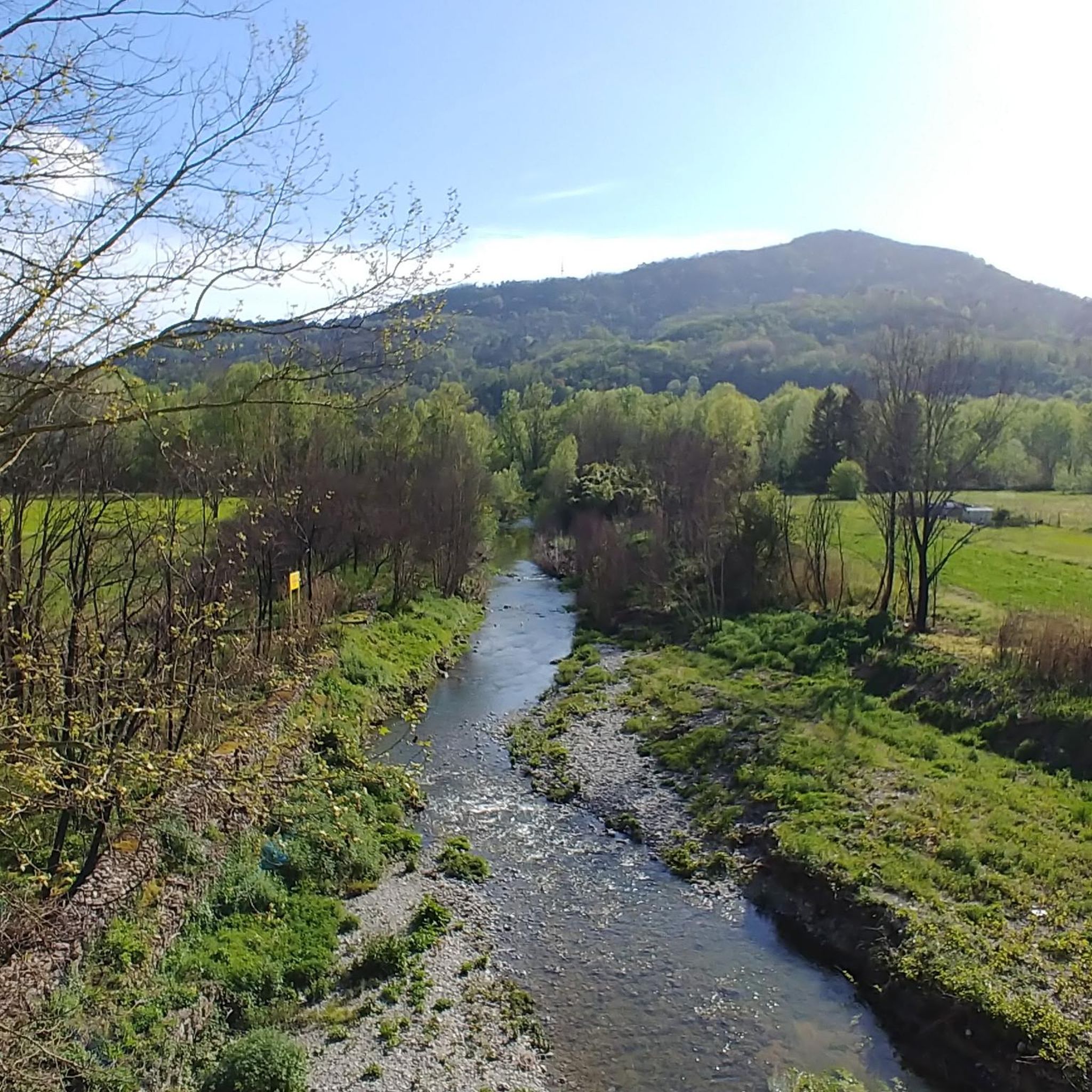


Tips from the Community

Beautiful place, if you want to reach the refuge by car, arm yourself with patience, the last stretch is unpaved (great for cycling)
0
0

A refuge on Lago Santo Parmense. Located in a magnificent setting, it's a delightful place to stop. It's managed; all the information is on the website. It can be reached on foot or by chairlift from Lagdei.
1
0

you can admire its lake (Gemio inferiore) and everything that surrounds it, you have to go there to see it in person
3
0

Strategic location Good for refreshment The right place to go after a trek in the mountains Not to be missed.....
1
0

On its banks is the "Giovanni Mariotti" refuge. Built by the local CAI section with the aim of providing shelter and accommodation for hikers, it was inaugurated on 12 September 1882. On 11 August 1935 it was dedicated to Giovanni Mariotti, mayor of the city of Parma, senator of the Kingdom and president of the CAI section of Parma from 1893 to 1935. The refuge has a kitchen service and 42 beds.
1
0
at 1250 meters above sea level, framed by a forest of beech and conifers, it is the Gateway to the Apennines. It hosts the Park Information Point and from Lagdei the main paths that lead to the most beautiful places in the Apennines start.
3
0

Lake with attached refuge, a crossing point for various excursions
2
0
At 1250 meters above sea level, surrounded by a beech and conifer forest, it is the entrance to the Apennines. The main paths leading to the most beautiful places in the Apennines start from Lagdei.
2
0
Frequently Asked Questions
What types of huts and accommodations are available around Licciana Nardi?
Around Licciana Nardi, you'll find a mix of traditional mountain shelters and rustic farm stays. Traditional options like the Rio Pascolo Bivouac or Capanna dei Salarini offer basic, often unmanned facilities for hikers. For a more comfortable, nature-immersed experience, agriturismos such as Agriturismo Montagna Verde or Agriturismo Il Poderetto provide rooms, local cuisine, and amenities like swimming pools.
Are there family-friendly huts or accommodations in the Licciana Nardi area?
Yes, several options cater to families. The Lagdei Hut is noted as family-friendly and offers a refreshment point. The Lagoni Hut on Lake Gemio Inferiore also welcomes families. Additionally, agriturismos like Agriturismo Montagna Verde and Agriturismo Il Poderetto provide comfortable stays with amenities like swimming pools and outdoor play areas, making them ideal for families.
Which huts are suitable for multi-day treks around Licciana Nardi?
For multi-day treks, traditional mountain shelters are ideal. The Capanna dei Salarini, a small, unmanned hut, serves as an excellent base for exploring the Apuan Alps. The Rio Pascolo Bivouac offers an always-open emergency room and a bookable refuge section for self-management trips. The Giovanni Mariotti Mountain Hut at Lago Santo provides kitchen service and beds, making it suitable for longer stays.
What natural features can I enjoy near the huts in Licciana Nardi?
The region is rich in natural beauty. You can enjoy the serene Lago Santo near the Giovanni Mariotti Mountain Hut, or the picturesque Lake Gemio Inferiore overlooked by the Lagoni Hut. The area is characterized by the Apuan Alps and ancient chestnut groves, offering stunning viewpoints and forest landscapes. It's also recognized as a MAB UNESCO Reserve.
Are there any historical sites or cultural points of interest near the huts?
Yes, the region has historical significance. The Ghiaccioni Bivouac, for instance, was built by recovering an old ruin dating back to the First World War, used to house Austro-Hungarian prisoners. The restoration of Rifugio di Giovarello also aimed to revive its original character, including a door from 1952, highlighting local heritage. Agriturismo Montagna Verde is part of a project to revitalize an ancient village.
What outdoor activities can I do near the huts around Licciana Nardi?
The area offers diverse outdoor activities. You can explore numerous hiking trails, including challenging routes like the Grande Escursione Appenninica Stage 22 or the Monte Bocco Summit Trail. For cycling enthusiasts, there are gravel biking routes such as the Passo Alpicella loop. Running trails like the Magra River Greenway are also available. Find more details on these activities in the hiking, gravel biking, and running guides for Licciana Nardi.
What is the best time to visit the huts in Licciana Nardi?
The best time to visit largely depends on your preferred activity. Spring and autumn offer pleasant temperatures for hiking and exploring the natural landscapes. During these seasons, the chestnut groves are particularly beautiful. Summer is ideal for enjoying the lakes and agriturismo amenities like swimming pools. Some refuges, like Lagdei Hut, are open all year, allowing for winter visits, though conditions can be more challenging.
Are there any huts with restaurant services or food options?
Yes, some huts provide food services. The Giovanni Mariotti Mountain Hut at Lago Santo offers kitchen service, and visitors often praise its food. The Lagdei Hut serves as a refreshment point. Many agriturismos, such as Agriturismo Montagna Verde and Agriturismo Il Poderetto, feature on-site restaurants serving local produce and traditional cuisine.
How accessible are the huts, and is parking available?
Accessibility varies by hut type. Traditional mountain huts like Capanna dei Salarini are often reached by hiking, offering a genuine back-to-nature experience. The Giovanni Mariotti Mountain Hut can be accessed via chairlift or on foot. For agriturismos, parking is generally available on-site, as seen at Agriturismo Montagna Verde and Agriturismo Il Poderetto, which are typically more accessible by car.
What should I pack for a hut trip in Licciana Nardi?
For traditional mountain huts, pack essentials like a sleeping bag, cooking equipment (if the hut has a stove), water purification tablets or a filter, and appropriate hiking gear. Always check if a water source is reliable. For agriturismo stays, pack comfortable clothing, swimwear for pools, and any personal items you'd bring for a standard accommodation, along with hiking shoes for exploring the surroundings.
Can I find any hidden gem huts or unique experiences in the area?
The Rifugio di Giovarello, recently restored after being abandoned, offers a unique experience with its commitment to preserving local heritage and providing comfort for hikers. The Ghiaccioni Bivouac, built from a WWI ruin, provides a historical context to your stay. These less-known spots offer a deeper immersion into the region's character.
Are there any huts that offer facilities beyond basic shelter?
Yes, some huts offer more than just basic shelter. The Giovanni Mariotti Mountain Hut provides kitchen service, reception rooms, bathrooms, and 42 beds. The Rifugio di Giovarello, though small, is equipped with four bunks and a fireplace. Agriturismos like Montagna Verde and Il Poderetto offer extensive facilities including comfortable rooms, restaurants, and swimming pools.
Most popular routes around Licciana Nardi
Most popular attractions around Licciana Nardi

Get inspired with the komoot mobile app


Explore more
Find more beautiful huts and cabins around Licciana Nardi by checking out the top ones in these nearby places:
