The best road cycling routes around Licciana Nardi
4.6
(125)
3,254
riders
80
rides
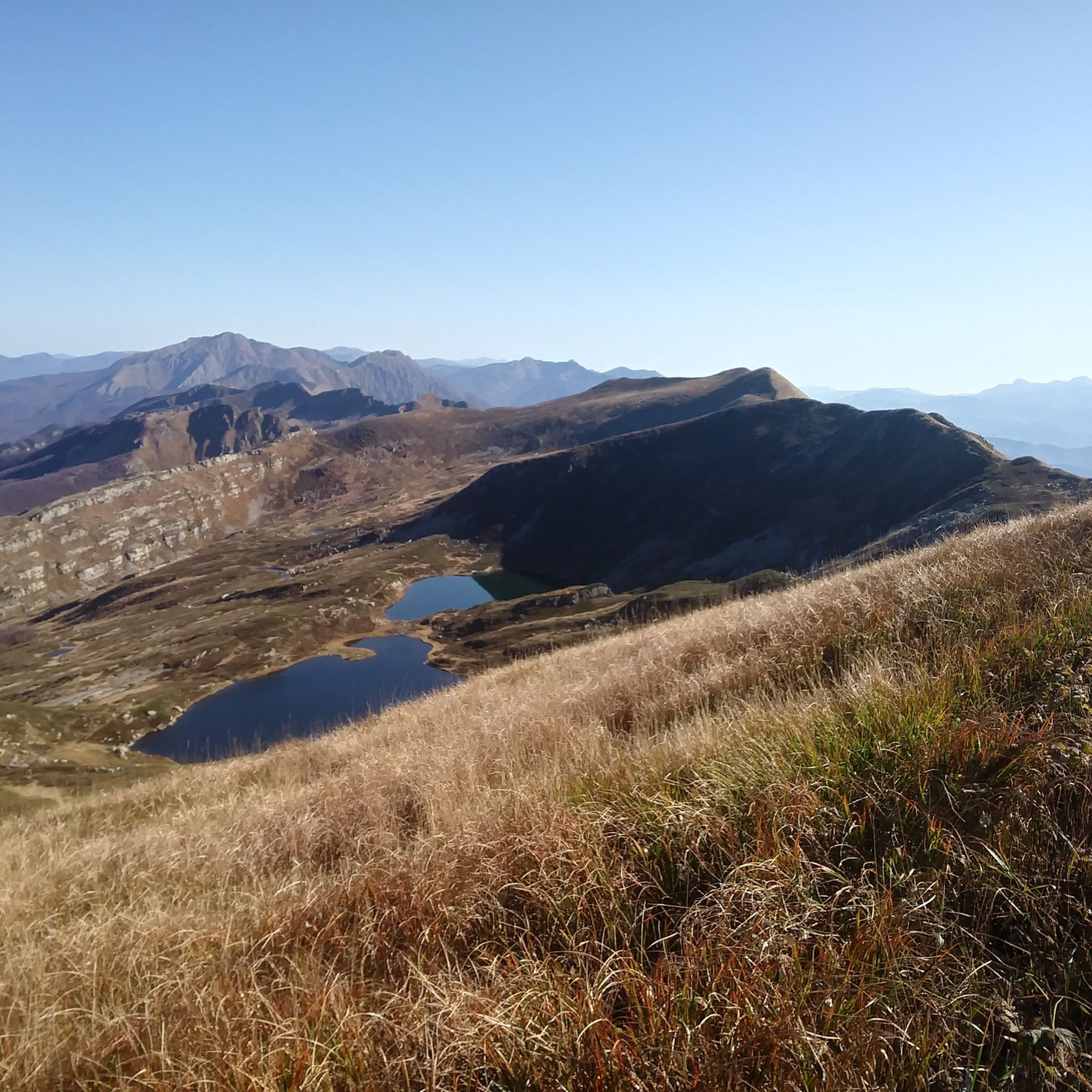
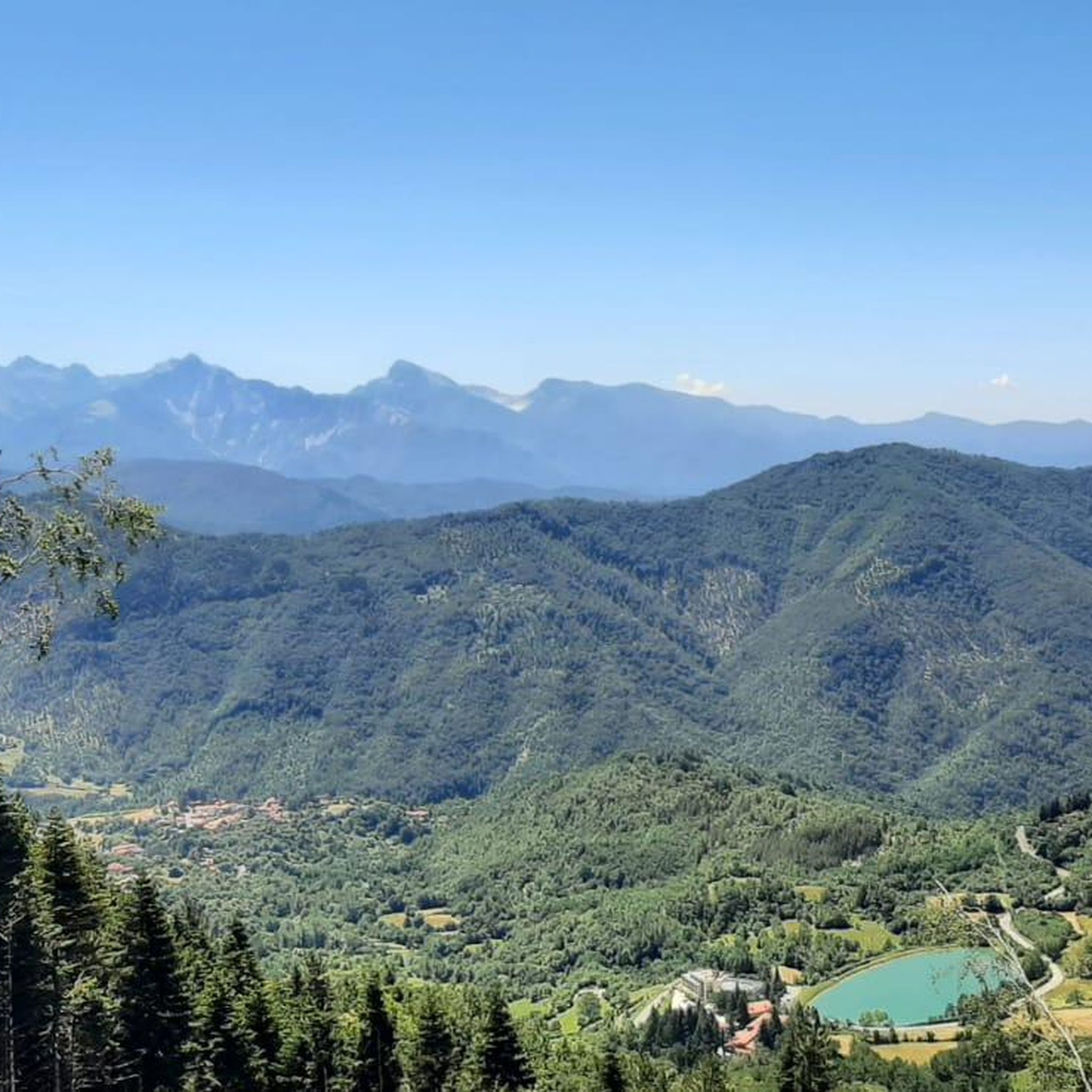
Road cycling routes around Licciana Nardi are set within the diverse landscapes of the Lunigiana region and the Apennino Tosco-Emiliano National Park. The terrain features mostly paved surfaces, offering a mix of easy touring loops through medieval villages and challenging ascents into the surrounding mountains. Cyclists can expect views of the Apuan Alps and the Tuscan-Emilian Apennines, often traversing through chestnut and beech forests. The Val di Magra also contributes to the varied topography of the area.
Best road cycling…
Last updated: July 29, 2026
4.8
(10)
149
riders
83.5km
04:18
1,340m
1,340m
Hard road ride. Very good fitness required. Some segments of this route may be unpaved and difficult to ride.
4.3
(4)
97
riders
Moderate road ride. Good fitness required. Mostly well-paved surfaces and easy to ride.

Sign up for free
5.0
(1)
69
riders
68.2km
03:53
1,360m
1,360m
Hard road ride. Very good fitness required. Mostly well-paved surfaces and easy to ride.
4.3
(3)
85
riders
Moderate road ride. Good fitness required. Mostly well-paved surfaces and easy to ride.
4.3
(3)
28
riders
34.0km
02:15
1,050m
1,050m
Hard road ride. Very good fitness required. Mostly well-paved surfaces and easy to ride.
Get access to more routes and recommendations from other explorers.
Sign up for free
Already have an account?
Our route recommendations are based on thousands of hikes, rides, and runs completed by other people on komoot.
Start today with a free account
Your next adventure awaits.
Login or Signup


Tips from the Community

Ponzanello is a charming fortified medieval village located in the municipality of Fosdinovo, in the province of Massa-Carrara (Tuscany), strategically positioned on the road connecting Fosdinovo to Aulla. Known for its triple ring of walls and castle, it offers a panoramic view of the Apuan Alps.
0
0

We parked there for a mountain bike ride. It's very picturesque, and there are even some picnic tables.
0
0
A fantastic parish church that's worth a visit. The interior, especially, is truly beautiful.
0
0

Beautiful village in the heart of Lunigiana
0
0


The parish church of Codiponte of Saints Cornelio and Cipriano is among the most fascinating and artistically rich in the territory of the ancient Diocese of Luni. With its figurative capitals and its artistic masterpieces, it is a true paradigm of the Lunigiana Romanesque. The parish church stands on the right bank of the Aulella, near a bridge beyond which, in the distance, you can see the ruins of the 11th-century Bianchi d'Erberia castle. The church has a basilica plan with three naves with columns and round arches and perfectly preserved notched cubic capitals, which bear figures typical of the medieval image system: the tree of life, lily, six-petalled daisy, serpent with feet, two-tailed mermaid and many others. The late medieval triptych with the Virgin on the throne, the SS. Cornelius and Cyprian, the church's patron saints, and the image of the Holy Face, a famous and venerated Lucchese relic, which recalls the passage of the Via del Volto Santo in these very places.
0
0
Ruins of the Malnido Castle, with the square dedicated to Dante Alighieri, ancient guest of the Malaspina, and the remains of the church of San Nicolò, the medieval road leads to the parish church of San Giovanni
0
0

The Pieve di Santo Stefano di Sorano is one of the most important Romanesque churches in the province of Massa-Carrara, located in Filattiera. The church was built between the 11th and 12th centuries and is an example of impressive Romanesque architecture with its imposing three-apse layout and the use of rough stones from the river Magra. The church stands at a strategic point along the Via Francigena, a historic pilgrimage route to Rome. The area has a rich history dating back to Roman times and the Byzantine period3.
2
0
Frequently Asked Questions
What kind of terrain can I expect on road cycling routes around Licciana Nardi?
The terrain is mostly paved, offering a mix of easy touring loops through charming medieval villages and challenging ascents into the surrounding mountains. You'll encounter views of the Apuan Alps and Tuscan-Emilian Apennines, often traversing chestnut and beech forests. The Val di Magra also contributes to the varied topography of the area.
Are there road cycling routes suitable for beginners or families in Licciana Nardi?
Yes, while many routes feature significant climbs, there are also easier touring loops available. The region offers options for various ability levels, including moderate paths that wind through medieval villages, perfect for a more relaxed pace. For a general overview of the region's cycling offerings, you might find information on Lunigiana by bike helpful.
What are some notable historical or natural attractions I can see along the road cycling routes?
The area is rich in history and natural beauty. You can cycle past medieval castles such as Monti Castle, Bastia Castle, and Terrarossa Castle. The historic center of Licciana Nardi itself is a fortified village with ancient architecture. For natural features, routes often traverse through enchanting chestnut and beech forests, with views of the Apuan Alps and Apennines. You can also find mountain passes like Scalucchia Pass or Colla Pass in the vicinity.
Are there any circular road cycling routes in the Licciana Nardi area?
Yes, many routes in the region are designed as loops, allowing you to start and end in the same location. For example, the Climb to Passo della Cisa — Ring tour is a challenging circular route. Another option is the Terrarossa Village and Castle loop from Terrarossa, which offers a scenic circular experience.
What is the best time of year for road cycling in Licciana Nardi?
The region benefits from a generally mild climate, making spring and autumn ideal for road cycling when temperatures are pleasant and the landscapes are vibrant. Summer can also be suitable, especially for routes that traverse shaded forests or higher elevations in the mountains. Winter cycling might be possible on lower elevation routes, but higher passes could be affected by snow.
How long do road cycling routes typically take to complete in this area?
Route durations vary significantly based on distance and elevation gain. For instance, a moderate route like the Historic Village of Filetto – Historic Center of Pontremoli loop from Aulla Lunigiana, covering 53.4 km, typically takes around 2 hours 23 minutes. More challenging routes, such as the Passo del Cirone – Silara Pass loop from Aulla Lunigiana (113.8 km), can take over 6 hours.
What do other road cyclists enjoy most about cycling in Licciana Nardi?
The road cycling routes around Licciana Nardi are highly rated by the komoot community, with an average score of 4.5 stars from over 140 reviews. Cyclists often praise the diverse landscapes, from challenging mountain passes with expansive views to scenic rides through charming medieval villages and tranquil chestnut woods. The variety of routes catering to different fitness levels is also frequently highlighted.
Are there any particularly challenging road cycling routes for experienced cyclists?
Absolutely. The region is known for its demanding ascents and mountain passes. Routes like the View of La Spezia – View of Manarola loop from Aulla Lunigiana, spanning 118.3 km with over 2000 meters of elevation gain, offer a significant challenge. Other routes involve ascents to well-known passes such as Passo del Bratello and Passo dei Casoni, demanding good to very good fitness.
Where can I find information about parking for road cycling routes in Licciana Nardi?
While specific parking details for individual routes are often available within each komoot Tour description, generally, you can find parking in or near the main villages like Licciana Nardi itself, or in larger towns such as Aulla, which serve as common starting points for many routes. Exploring the historic centers of these villages is also a pleasant experience before or after your ride.
Are there opportunities to stop for refreshments or cafes along the routes?
Yes, many road cycling routes in the Licciana Nardi area pass through or near charming medieval villages. These villages often have local cafes, trattorias, or small shops where you can stop for refreshments, coffee, or a meal. Exploring these local establishments adds to the cultural experience of your ride through the Lunigiana region.
What are the main geographical features that influence road cycling in this region?
The region's road cycling is shaped by its location within the Lunigiana area, bordered by the Apuan Alps and the Tuscan-Emilian Apennines. This creates a diverse landscape of rolling hills, challenging mountain passes, and valleys carved by rivers like the Magra. Cyclists will experience varied scenery, from dense chestnut and beech forests to open vistas across the Val di Magra.
How many road cycling routes are available around Licciana Nardi?
There are over 80 road cycling routes available around Licciana Nardi, offering a wide range of options for different skill levels and preferences. This includes 4 easy routes, 38 moderate routes, and 41 difficult routes, ensuring there's something for every road cyclist.
Most popular routes around Licciana Nardi
Most popular attractions around Licciana Nardi

Get inspired with the komoot mobile app


Explore more
Browse the best Road cycling routes in other regions.
