Top 10 Caves around Blera
Caves around Blera are primarily ancient man-made structures carved into the tufa rock, offering a glimpse into Etruscan civilization and medieval life. This region in Lazio, Italy, is characterized by its rupestrian architecture, including extensive necropolises and subterranean tunnels. The landscape combines historical sites with natural gorges, providing a unique environment for exploration. These sites are significant for their archaeological value and the tangible connection they offer to past cultures.
Best caves around Blera
- The most popular caves is Tomb…
Last updated: October 30, 2026
Tomb of the Stag (Tomba del Cervo)
Highlight • Historical Site
Translated by Google •
Tip by

Hypogeum
Highlight • Cave
Translated by Google •
Tip by

Sign up now to discover places like this
Get recommendations on the best single tracks, peaks, & plenty of other exciting outdoor places.
Cave and Stream Crossing in the Forest
Highlight • Cave
Translated by Google •
Tip by

Etruscan Cave Dwellings and Pathway to Blera
Highlight • Cave
Translated by Google •
Tip by
Hermitage of St. Jerome
Highlight • Religious Site
Translated by Google •
Tip by

Sign up for free to discover even more caves around Blera.
Already have an account?
Start today with a free account
Your next adventure awaits.
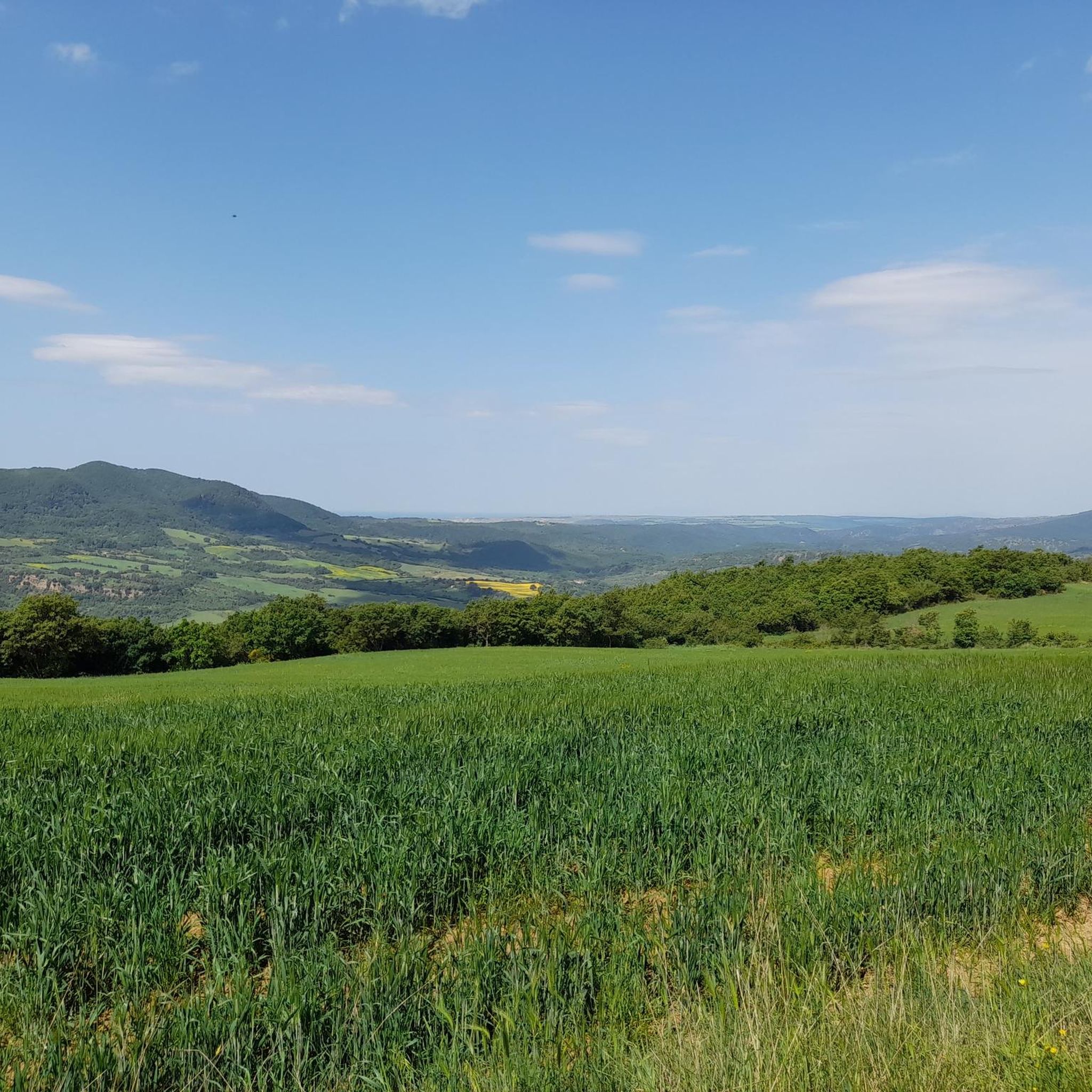
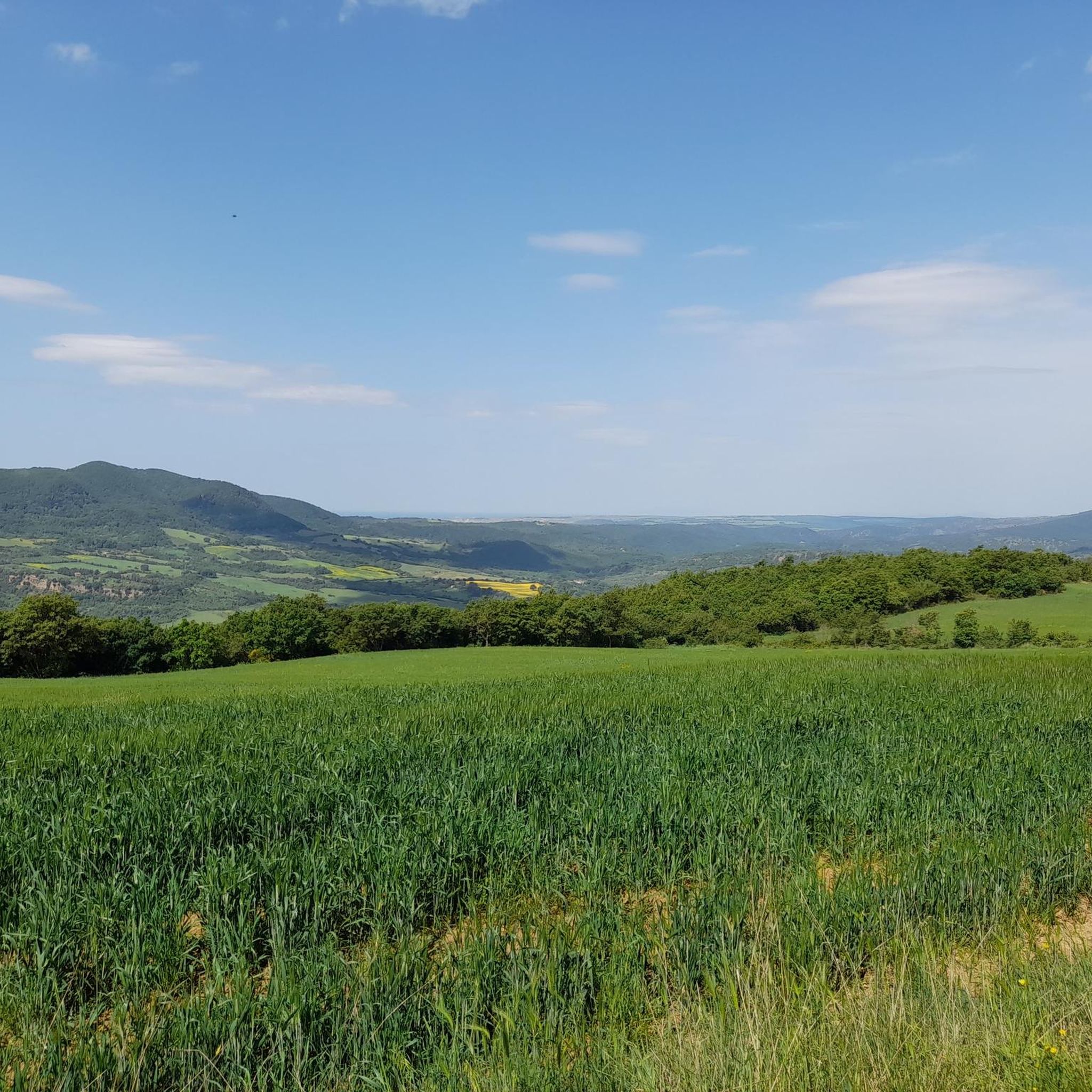
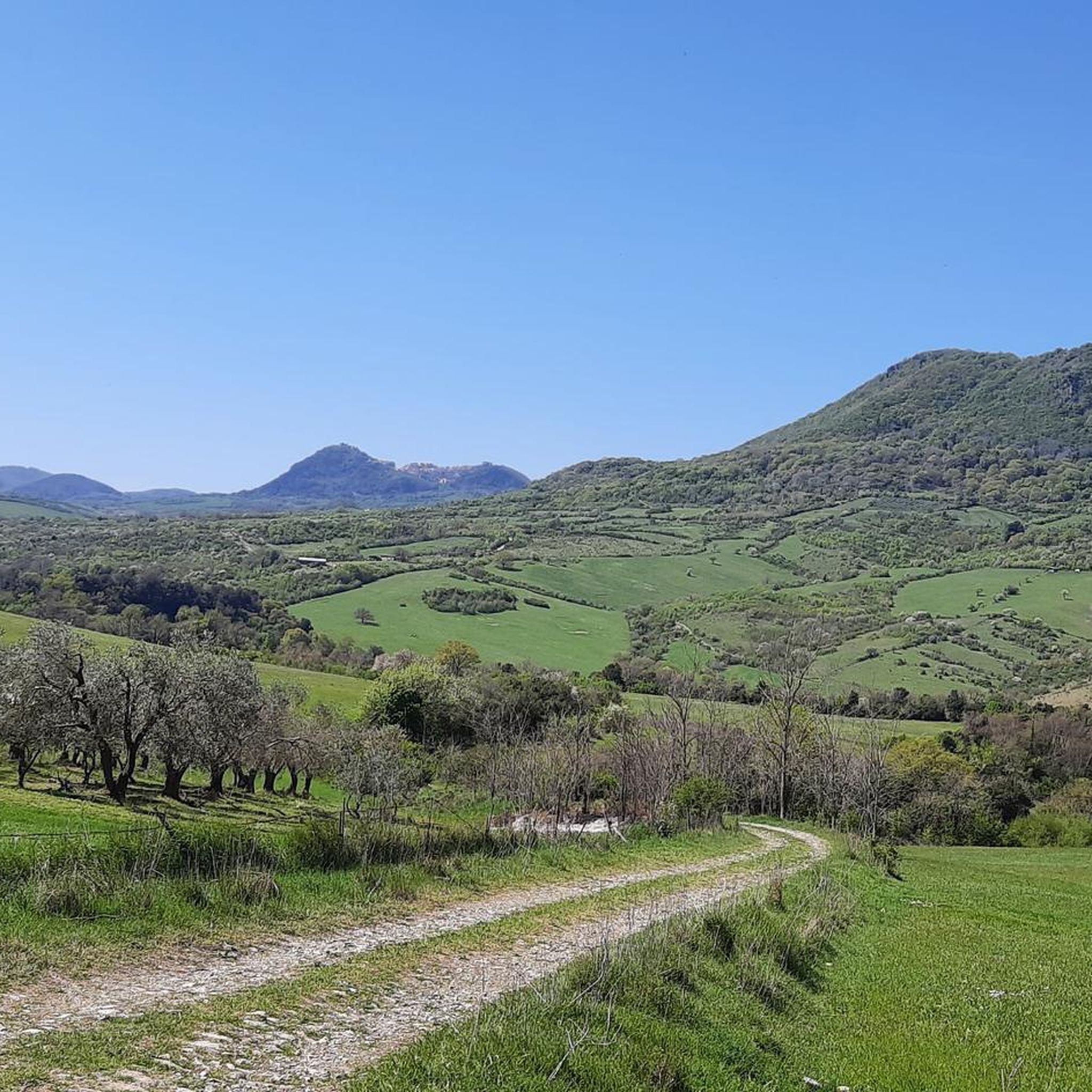
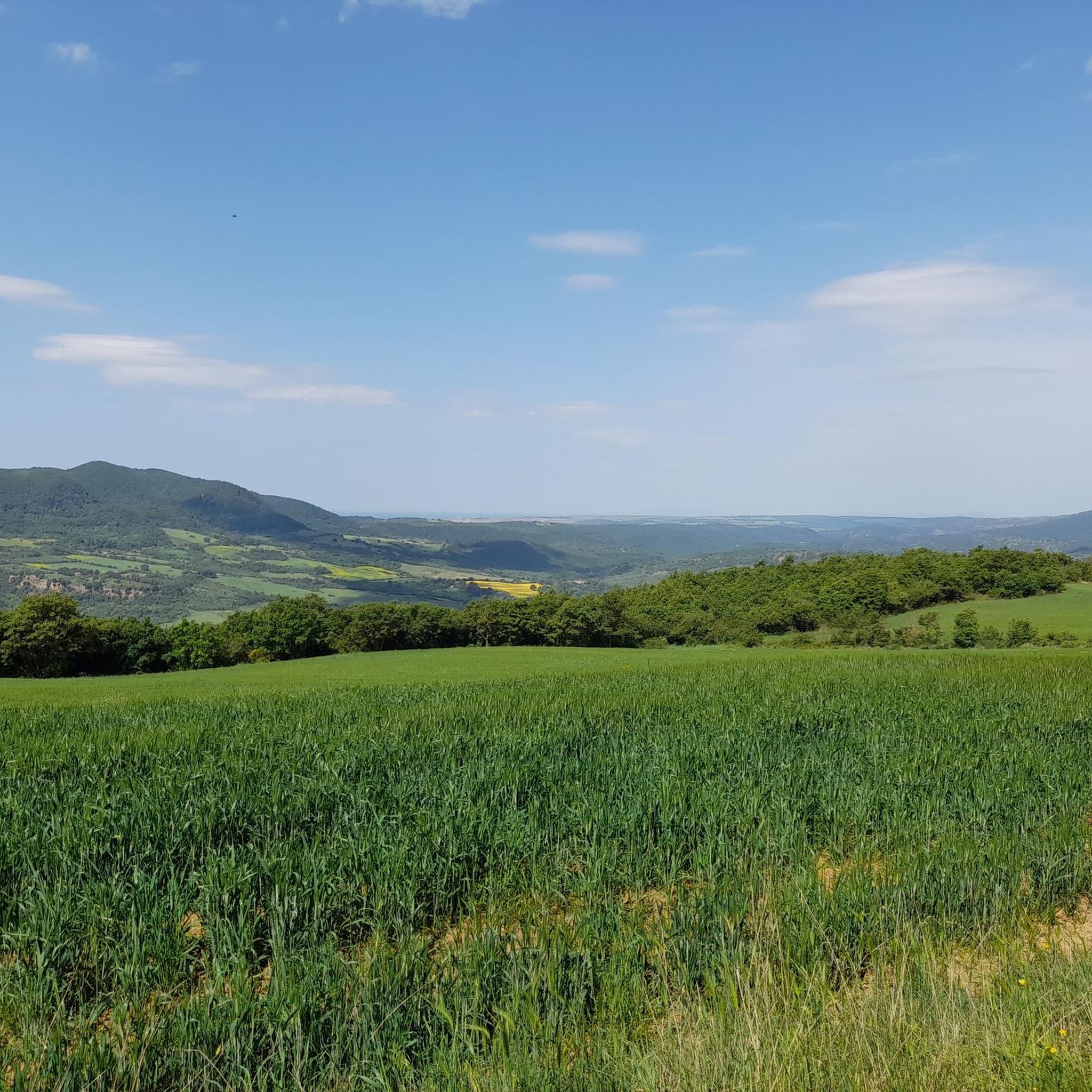

Tips from the Community


It is a mystical and engaging place where Saint Jerome lived as a hermit
1
0

Making a stop and visiting unique places like this is always worth it.
1
0

A very interesting tombstone dating between the 4th and the 3rd century B.C. On one of the main walls, you can see the engraving of a wolf attacking a deer (at least that is one of several interpretations). You may recognize this scene, as it is what inspired the official park logo.
1
0

enchanting hermitage nestled in the beech forest. to be seen
3
0

An incredible place just behind the Bosco di Manziana. It is not easily identifiable from the road because it remains a bit internal, as a reference point there is a tiny church on the right. Once you enter the gallery you realize its depth. It must necessarily be minutes of a powerful enough flashlight because it is pitch dark.
4
0

This suggestion has been added because the path is not very clear in this point and in the following one. Pay attention, looking at the map, to the positioning of the river which is on the right in the first ford and on the left in the second. Fortunately, the river bed was quite passable.
1
0
Frequently Asked Questions
What kind of "caves" can I expect to find around Blera?
The "caves" around Blera are primarily ancient man-made structures carved into the tufa rock. These include extensive Etruscan necropolises with elaborate tombs, subterranean tunnels beneath the village, and rock-cut dwellings. They offer a unique glimpse into Etruscan civilization and medieval life, rather than natural geological formations.
What are some significant Etruscan necropolises to visit near Blera?
The region is rich in Etruscan necropolises. Notable sites include the Necropolis of Pian del Vescovo, known for its various tomb types, and the Necropolis of Norchia, considered one of Italy's most stunning cliff necropolises with impressive temple-like façades. Other significant sites are San Giovenale, San Giuliano, and Colombaio. You can find the Tomb of the Stag within the Necropolis of San Giuliano.
Are there any challenging cave explorations around Blera?
Yes, for those seeking a more challenging experience, the Hypogeum is a very long, completely dark tunnel that requires a powerful flashlight to explore its depth. It's considered a challenging historical site.
Can I find historical or religious sites among the caves?
Absolutely. Many of the sites are historical, such as the Etruscan necropolises. You can also visit the Hermitage of St. Jerome, an enchanting religious building nestled in a forest, where Saint Jerome is said to have lived as a hermit. The Tomb of the Stag is another significant historical site.
What are "Vie Cave" and can I explore them near Blera?
"Vie Cave" are deep, narrow paths cut into the tufa rock by the Etruscans, often leading through gorges. The Biedano Gorge near Blera contains such ancient roads, including the famous Cava Buia. Exploring these offers a unique combination of history and natural beauty.
Are there family-friendly options for exploring the caves?
Many of the Etruscan necropolises and easier trails offer family-friendly exploration, combining light hiking with archaeological discovery. The general area provides a unique outdoor experience for families interested in history and nature, though some paths might be uneven.
What is the best time of year to visit the Blera caves?
The best time to visit the Blera caves and necropolises is typically during the spring (April-June) and autumn (September-October) months. The weather is milder, making it more comfortable for hiking and exploring the outdoor sites. Summers can be hot, and some trails might be less accessible after heavy winter rains.
What should I bring when exploring the caves and necropolises?
When exploring, it's advisable to wear good walking shoes, as some trails can be uneven or involve stream crossings. A powerful flashlight is essential for exploring darker tunnels like the Hypogeum. Bringing water, snacks, and a map or GPS device is also recommended, as some areas can be less marked.
Are there hiking trails that incorporate the caves?
Yes, the area around Blera is excellent for "archa-trekking," combining hiking with archaeological discovery. Trails often lead through gorges and past ancient structures like the Cave and Stream Crossing in the Forest and Etruscan Cave Dwellings and Pathway to Blera. These paths allow you to experience the unique rupestrian landscape.
What other outdoor activities can I do near Blera?
Beyond exploring the caves, Blera offers various outdoor activities. You can find numerous routes for mountain biking, running, and road cycling. For detailed routes, check out the MTB Trails around Blera, Running Trails around Blera, and Road Cycling Routes around Blera guides.
Is it possible to explore the subterranean tunnels within Blera village itself?
Yes, the historic center of Blera features an intricate network of tunnels and caves dug into the tufa rock beneath the village. These subterranean spaces were historically used as warehouses, stables, and cellars, offering a unique perspective on medieval life and architecture.
How accessible are the Etruscan necropolises around Blera?
Accessibility varies. While some necropolises are relatively easy to reach, others, especially those part of "archa-trekking" routes, may involve navigating uneven terrain, dense vegetation, and potentially crossing bridges. A degree of fitness and a sense of adventure are often beneficial.
Are the trails around the Blera caves suitable for dogs?
Many of the outdoor trails and archaeological sites around Blera are generally dog-friendly, allowing you to explore with your canine companion. However, it's always recommended to keep dogs on a leash and be mindful of other visitors and any specific site regulations.
Where can I park when visiting the cave sites near Blera?
Parking options are typically available near the entrances to the main archaeological parks or trailheads leading to the necropolises. In Blera village, you can find parking in designated areas before heading out to the surrounding sites. Specific parking details may vary by site.
How long does it typically take to explore the main cave sites?
The time required to explore depends on the specific site and your interest level. A visit to a major necropolis like Norchia or Pian del Vescovo, combined with some hiking, could take half a day or more. Shorter explorations of individual cave dwellings or tunnels might take an hour or two. Plan according to your desired depth of exploration.
Most popular attractions around Blera

Get inspired with the komoot mobile app


Explore more
Extend your search for the best caves by checking out these guides of the top ones around Blera:
