The best road cycling routes around Blera
4.2
(178)
2,213
riders
84
rides
Road cycling routes around Blera offer diverse terrain within the Viterbo province of Italy, characterized by rolling hills, deep gorges, and ancient tuffaceous promontories. The region's varied topography provides both challenging ascents and enjoyable descents. Cyclists can explore a network of roads winding through Mediterranean vegetation and past historical sites.
Best road cycling routes around Blera
- The most popular road cycling route is Discovering the Viterbo Tuscia - ring tour, a 76.8 miles (123.6 km) trail that takes 6…
Last updated: November 8, 2026
124km
06:15
1,860m
1,860m
5.0
(1)
71
riders
123km
05:37
1,400m
1,400m
Hard road ride. Very good fitness required. Some segments of this route may be unpaved and difficult to ride.

68
riders
115km
05:22
1,420m
1,420m
Hard road ride. Very good fitness required. Some segments of this route may be unpaved and difficult to ride.
57
riders
63.9km
03:02
770m
770m
Moderate road ride. Good fitness required. Some segments of this route may be unpaved and difficult to ride.
3.6
(22)
52
riders
60.5km
02:45
640m
640m
Moderate road ride. Good fitness required. Some segments of this route may be unpaved and difficult to ride.
Get access to more routes and recommendations from other explorers.
Already have an account?
Our route recommendations are based on thousands of hikes, rides, and runs completed by other people on komoot.
Start today with a free account
Your next adventure awaits.
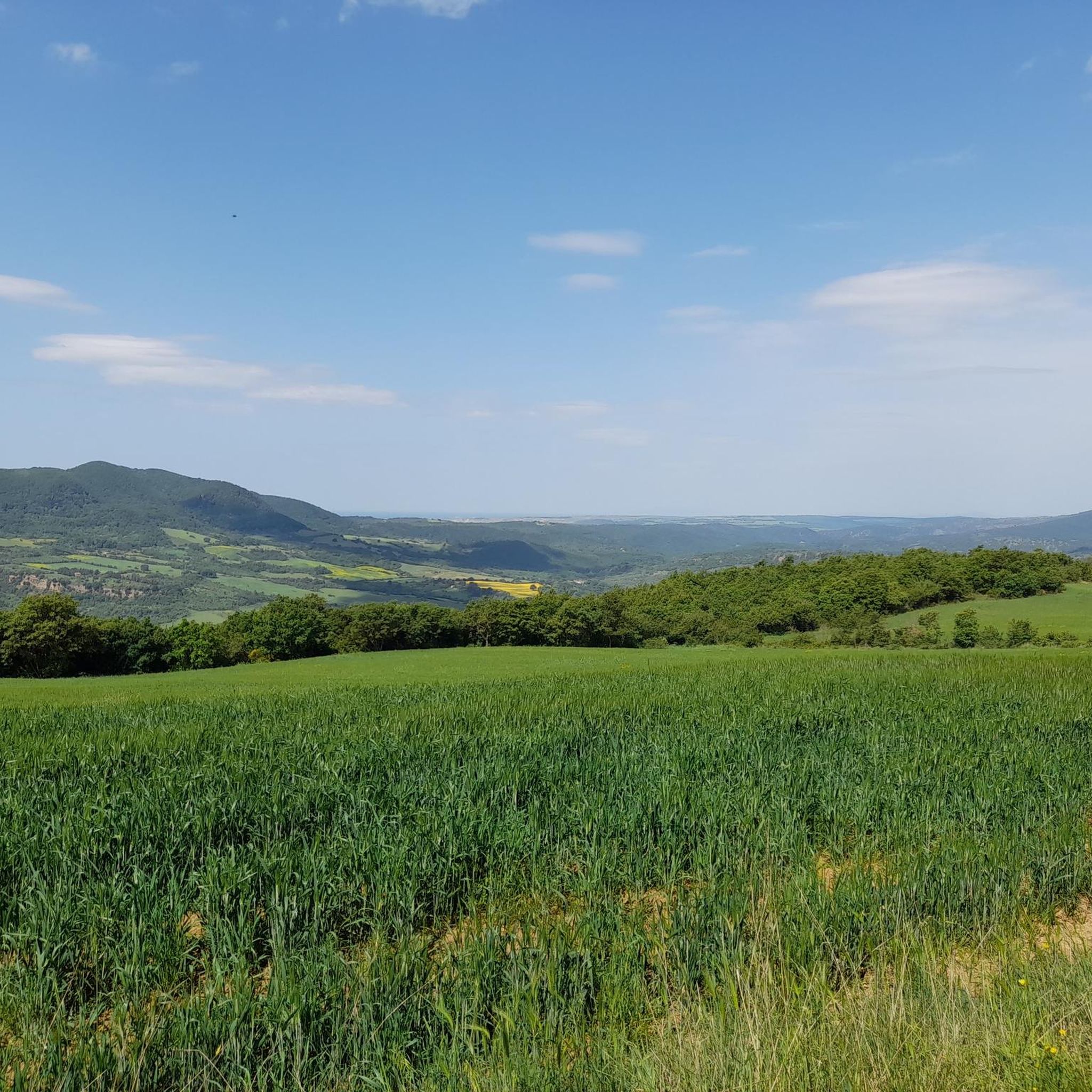
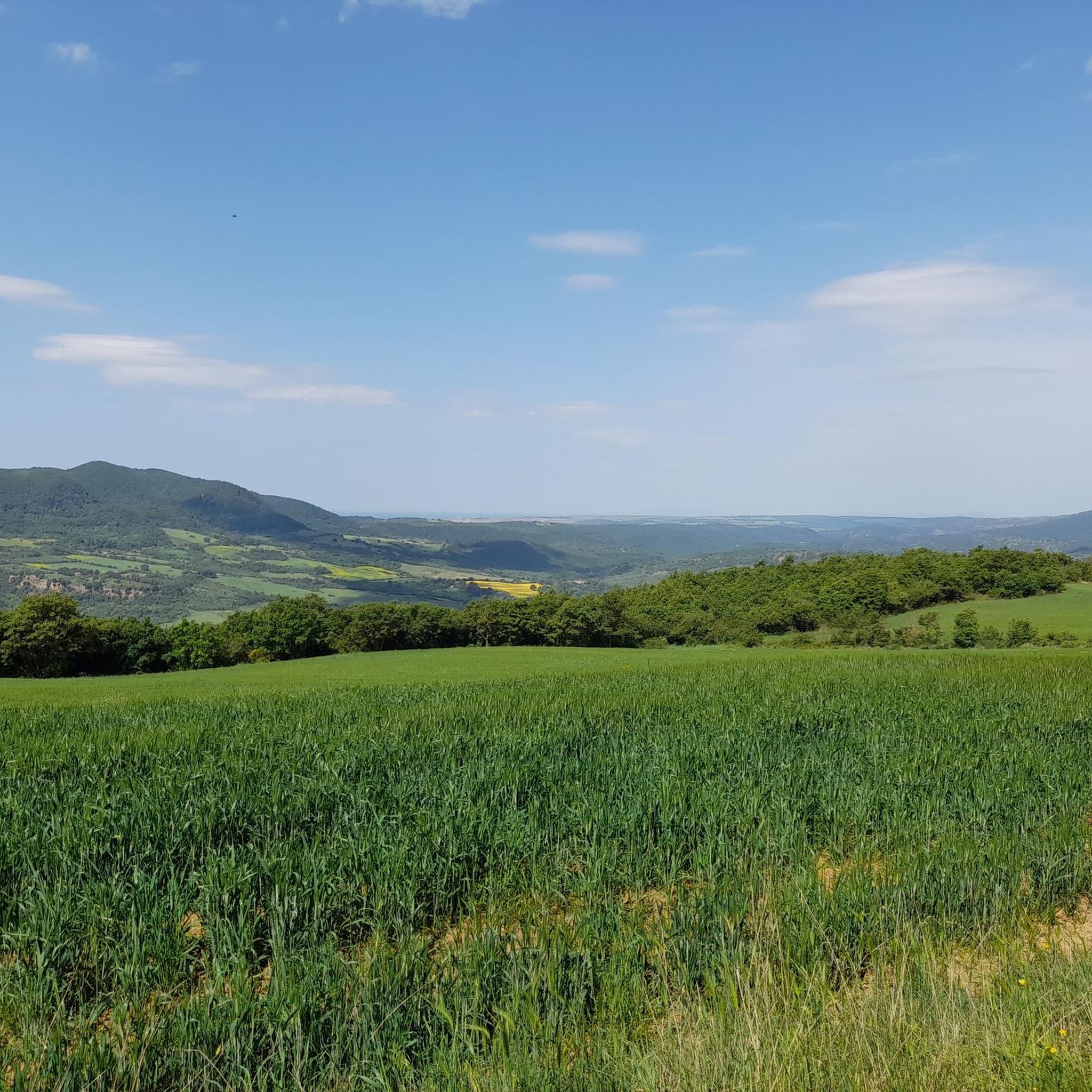
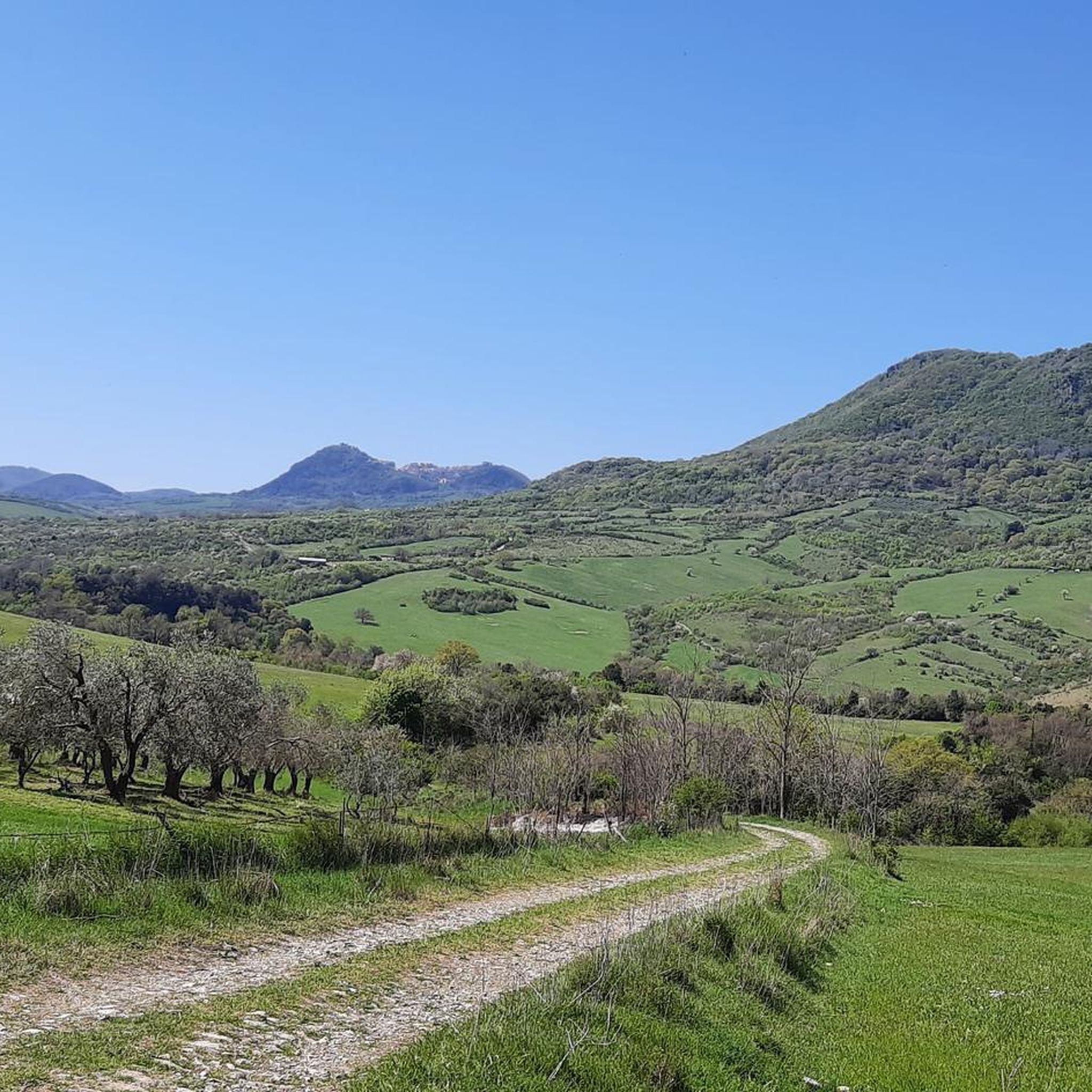

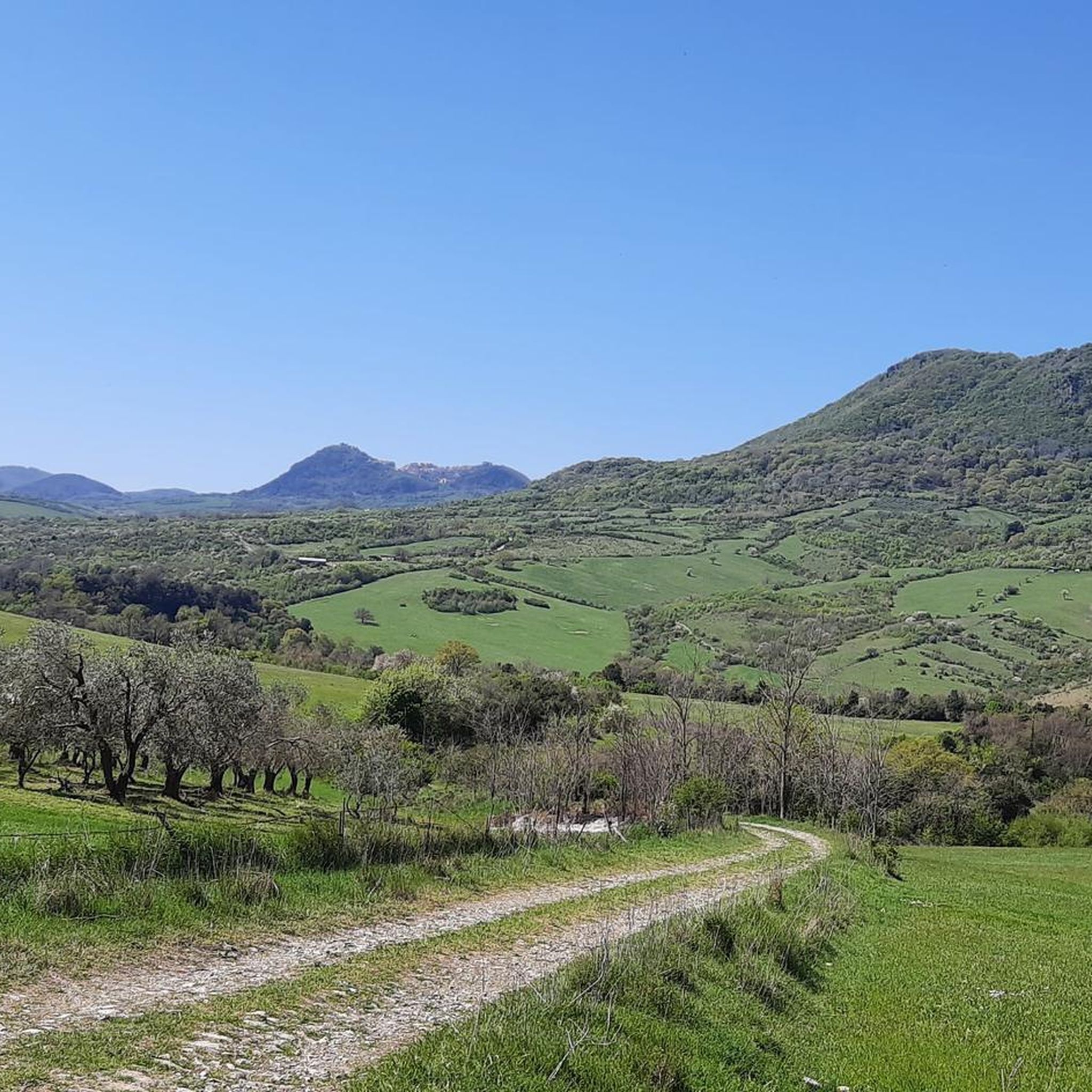
Tips from the Community

Lake Bolsena, located in northern Lazio in the province of Viterbo, is the largest volcanic lake in Europe and the fifth largest in Italy by surface area. Formed over 300,000 years ago, it is famous for its exceptionally clear, swimmable waters, its medieval villages rich in history, and its two picturesque islands, Bisentina and Martana.
0
0

1st part of the tour: from S. Antonio di Capodimonte to Bolsena. Km 35. Mixed terrain, alternating, not signposted. GPS useful. The Komoot track does not always indicate the best way. Therefore, pay attention.
0
0

Viterbo lived its period of major splendor and power in the 13th century when it was chosen as the seat of the papacy instead of Rome, where powerful warring families made life too dangerous. Eight different popes lived in Viterbo making it is similar to Vatican City and Avignon in France. The longest papal conclave in history happened here from 1 December 1268 to 1 September 1271. Following Pope Clement IV's death, infighting between cardinals and political pressure led to a 34-month deadlock. The cardinals were locked up cum clave (hence the word conclave) inside the palace’s large Conclave Hall. In desperation the town’s population, who were feeding them and their entourages, eventually reduced the cardinals’ food and wine supplies, trying to speed up the election. Time wore on and they finally decided to remove the roof of the palace: in order to help the Holy Spirit come down and illuminate them, it was quipped. That worked.
0
0

stream between Canale Monterano and the southern gate of the Manziana scrub
0
0

The historic center of Bolsena climbs from the lake toward the medieval fortress, through stone alleys, arches, and glimpses that suddenly open onto the water. The tuff houses and small squares tell a story that intertwines the Middle Ages and lakeside tradition. The spiritual heart of the village is the Basilica of Santa Cristina, linked to the famous Eucharistic Miracle of the 13th century.
0
0

the water dispenser is a little hidden from the road, but just look up to the right (if you are going towards Tolfa) and you will see the blue structure in which it is located
0
0

Capranica is a village in Tuscia, built on a tuff cliff between the Cimini Mountains and the Mignone River valley. Its origins are Etruscan, but the center we see today retains its medieval charm, with narrow streets, arches, ancient gates, and evocative churches such as that of Santa Maria Maddalena. Hazelnut groves, olive groves, and woods extend all around, creating a distinctive landscape. It's a pleasant stop on the Via Francigena, where history and nature meet in an authentic and welcoming atmosphere.
0
0

Frequently Asked Questions
What kind of terrain can I expect when road cycling in Blera?
Blera's road cycling terrain is characterized by rolling hills, deep gorges, and ancient tuffaceous promontories. The region's varied topography provides both challenging ascents and enjoyable descents, with roads winding through Mediterranean vegetation and past historical sites. You'll encounter a mix of continuous gentle ascents and descents among the hills of Tuscia.
How many road cycling routes are available around Blera?
There are over 70 road cycling routes around Blera, offering diverse options for cyclists. These routes are categorized by difficulty, with 6 easy, 30 moderate, and 38 difficult trails available.
Are there any beginner-friendly road cycling routes in Blera?
Yes, Blera offers several routes suitable for beginners. While many routes feature significant elevation changes, there are 6 designated easy routes. These typically involve less demanding climbs and shorter distances, allowing new cyclists to enjoy the scenic beauty without excessive challenge.
What are some notable historical landmarks I can see along the road cycling routes near Blera?
The Blera area is rich in history. You can cycle past ancient Etruscan necropolises, such as the Necropolis of Pian del Vescovo, and even trace parts of the ancient Roman Via Clodia, including the suggestive Devil's Bridge. Within Blera itself, you can explore the ancient center with historic buildings like Palazzo Lattanzi and Palazzo Colonna. For specific historical sites, consider visiting Orlando Towers and Roman Tombs of Vico Matrino or Ancient Monterano.
Are there any scenic viewpoints or natural features to look out for on road cycling routes?
Absolutely. The region is known for its dramatic landscapes, including the deep Gole del Biedano (Biedano Gorges), carved by the Biedano stream. You'll also encounter unique tuffaceous rock formations and lush Mediterranean vegetation within the Parco Regionale Marturanum. For panoramic views, the Cima Coppi of Monte Fogliano offers a rewarding summit experience.
What is the best time of year for road cycling in Blera?
The best time for road cycling in Blera is typically during the spring (April to June) and autumn (September to October). During these seasons, the weather is generally mild and pleasant, with comfortable temperatures for longer rides. Summers can be quite hot, while winters may bring cooler temperatures and occasional rain, making spring and autumn ideal for exploring the region's routes.
Are there any loop routes for road cycling around Blera?
Yes, many road cycling routes around Blera are designed as loops, allowing you to start and end in the same location. For example, the Tuscania – Viterbo Papal Palace loop from Vetralla is a popular option that takes you through the historic Viterbo area. Another is the Historic Center of Tarquinia loop from Vetralla.
What do other road cyclists enjoy most about road cycling in Blera?
The road cycling routes around Blera are highly rated by the komoot community, with an average score of 4.3 stars from over 120 reviews. Cyclists often praise the diverse terrain, the blend of natural beauty with historical sites, and the well-maintained network of roads that cater to various skill levels. The opportunity to explore ancient Etruscan and Roman landscapes while cycling is a particular highlight for many.
Can I find cafes or places to stop for refreshments along the road cycling routes?
While specific cafes are not listed for every route, the region's towns and villages, including Blera itself, offer opportunities for refreshments. Many routes pass through or near small settlements where you can find local cafes, bars, or trattorias to refuel and experience local hospitality. Planning your route with potential stops in mind is always a good idea.
Are there any particularly challenging road cycling routes for experienced riders?
Yes, Blera offers several challenging routes for experienced road cyclists. For instance, the Discovering the Viterbo Tuscia - ring tour is a difficult 123.6 km trail with significant elevation changes. Another demanding option is the Direttissima Tramontana – Piazza Vittorio Veneto, Tolfa loop from Vetralla, which features substantial climbs and descents over 114.9 km.
Is it possible to combine road cycling with visits to other attractions in the Viterbo area?
Absolutely. Blera is ideally situated for combining road cycling with cultural exploration in the wider Viterbo province. Many routes, such as the Tuscania – Viterbo Papal Palace loop from Vetralla, lead directly through or near historic towns and landmarks. You can easily plan your rides to include stops at Etruscan necropolises, ancient Roman sites, or the historic centers of nearby towns.
Most popular attractions around Blera

Get inspired with the komoot mobile app


Explore more
Browse the best Road cycling routes in other regions.
