Top 4 Caves in Archipiélago De Chinijo
Caves in Archipiélago De Chinijo are primarily of volcanic origin, forming part of a larger system connected to Lanzarote. This protected natural habitat, a UNESCO Biosphere Reserve, offers a unique landscape shaped by geological activity. The caves hold historical significance, having served as refuges for locals. Exploring these natural features provides insight into the region's geology and past.
Best caves in Archipiélago De Chinijo
- The most popular caves is Caves of the Archipiélago Chinijo Natural Park, a cave located…
Last updated: May 17, 2026
Cueva Bermeja
Highlight • Cave
Translated by Google •
Tip by

Caves of the Archipiélago Chinijo Natural Park
Highlight • Cave
Translated by Google •
Tip by

Sign up now to discover places like this
Get recommendations on the best single tracks, peaks, & plenty of other exciting outdoor places.
Sign up for free
Caves Below Ermita de las Nieves and Peñas del Chache
Highlight (Segment) • Cave
Also possible as a …
Translated by Google •
Tip by

Cueva de las Cabras
Highlight • Cave
CAUTION! A head for heights and surefootedness are required. Unsecured!
Translated by Google •
Tip by
Start today with a free account
Your next adventure awaits.
Login or Signup
Popular around Archipiélago De Chinijo
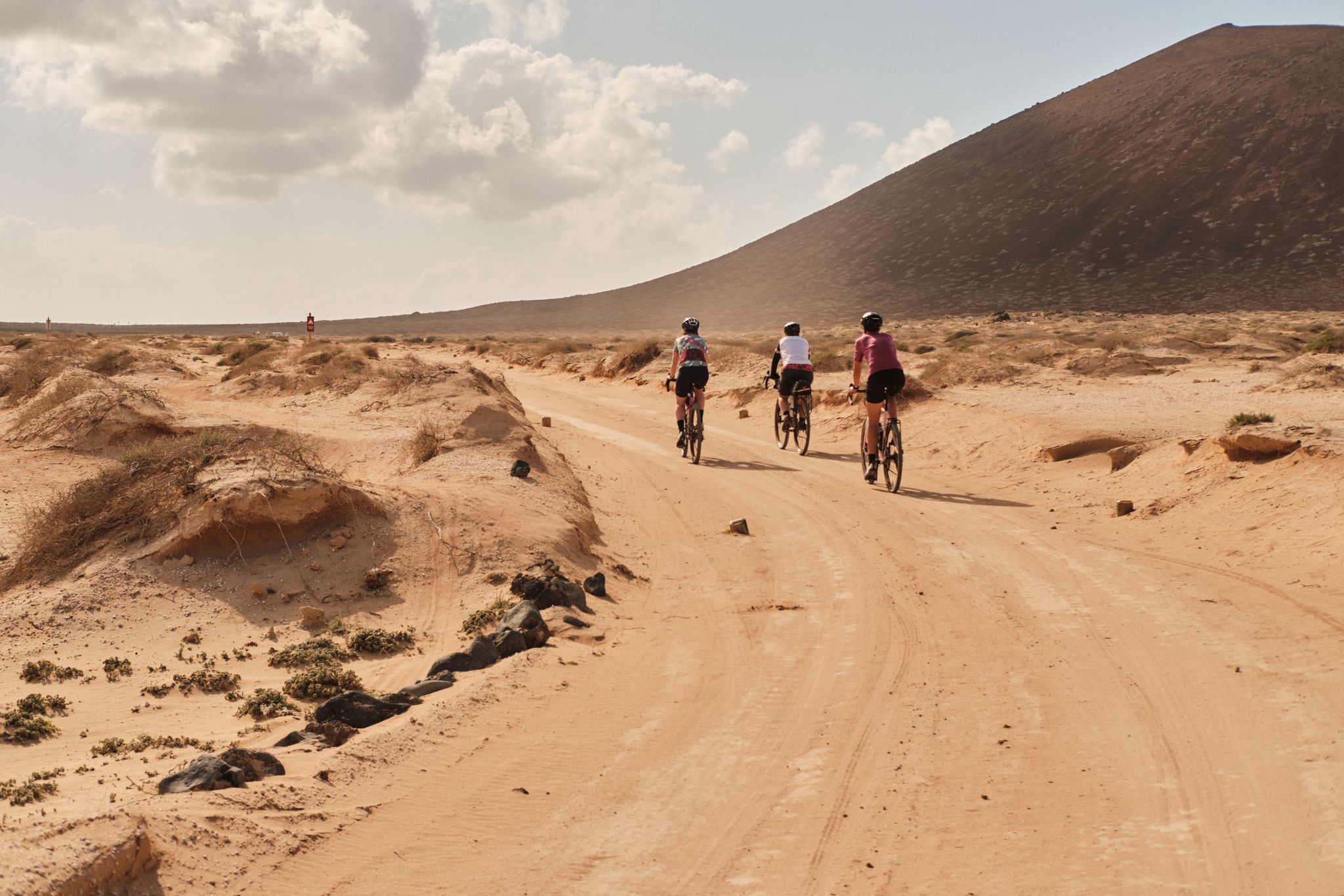
GranGuanche gravel – Komoot women's rally 2023
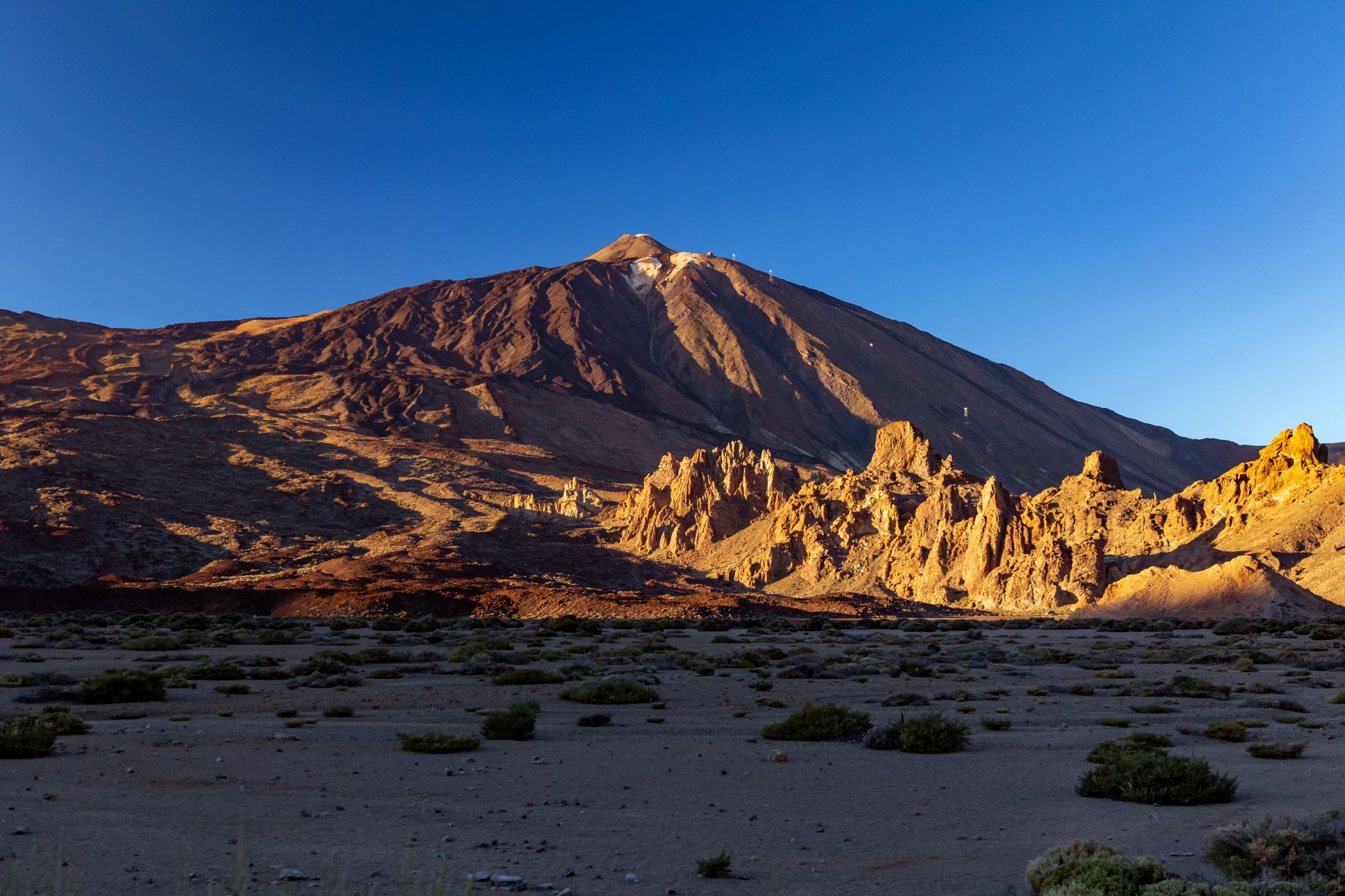
Six fascinating ways to discover the Canary Islands on foot
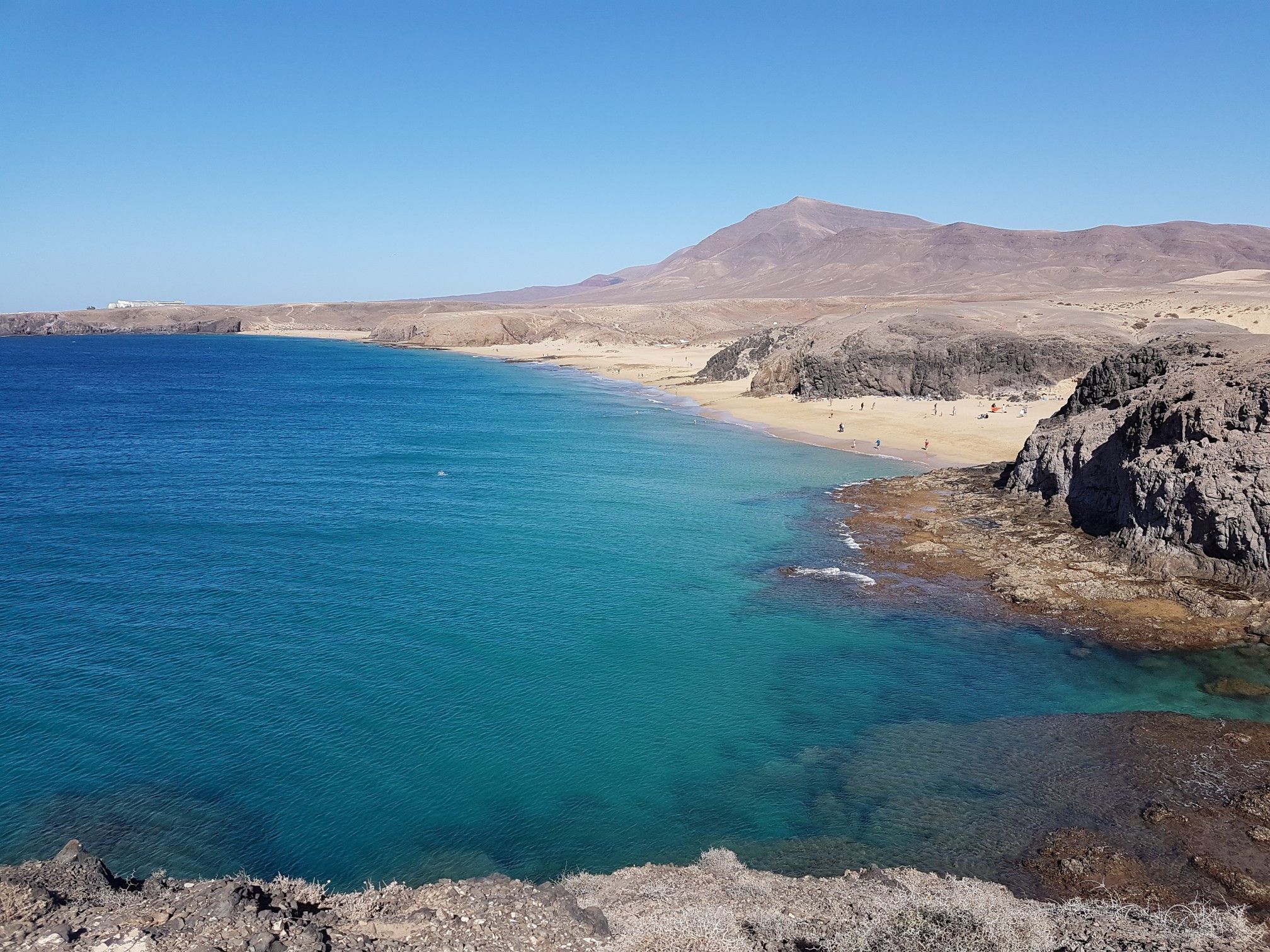
Volcanic and coastal hikes in Lanzarote
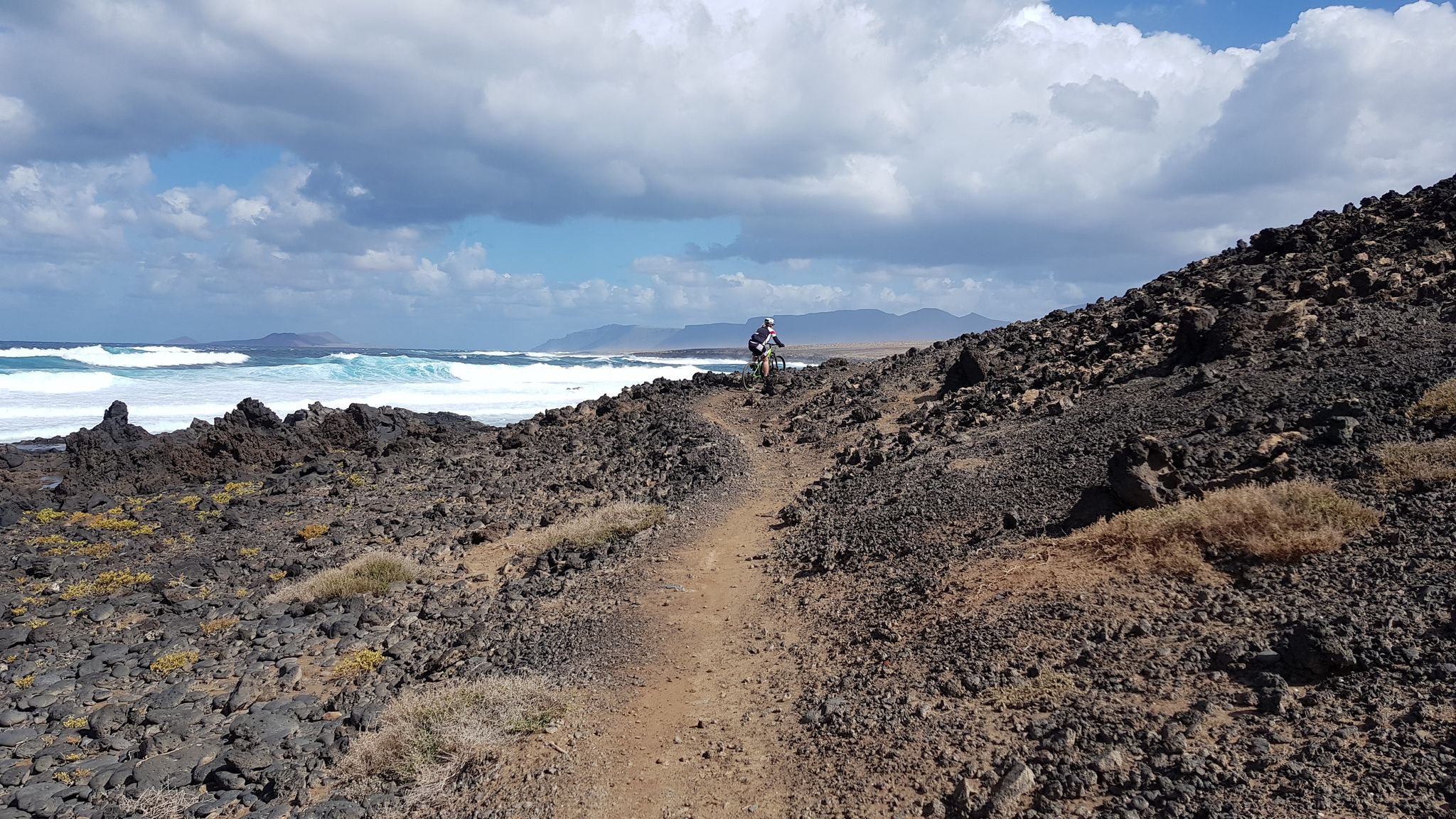
MTB on the island of volcanoes – Pedales de Lava
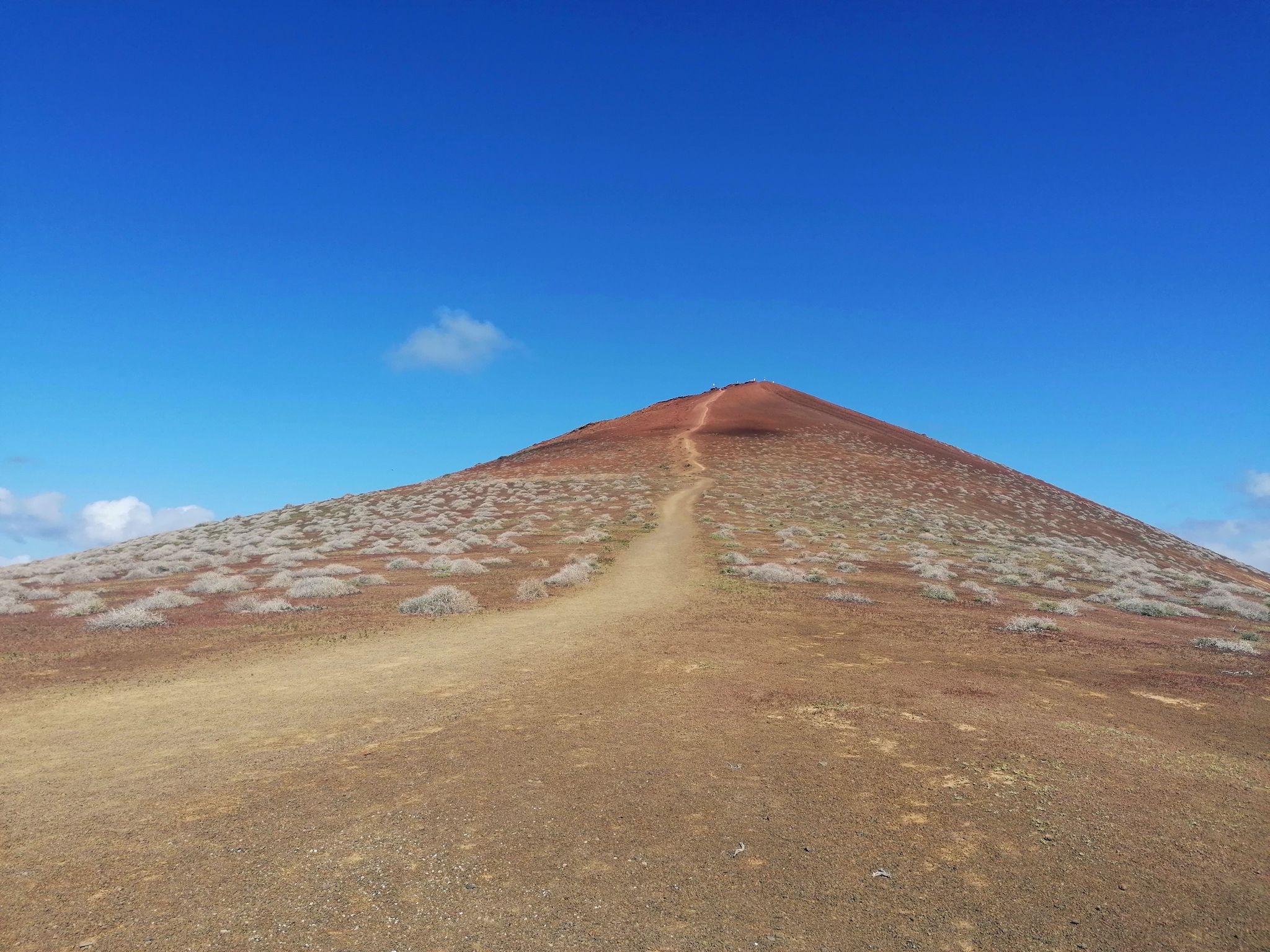
Adventures on the eighth island – hiking in La Graciosa
Las Cumbres Reinas de España — Spanish mountain trail races
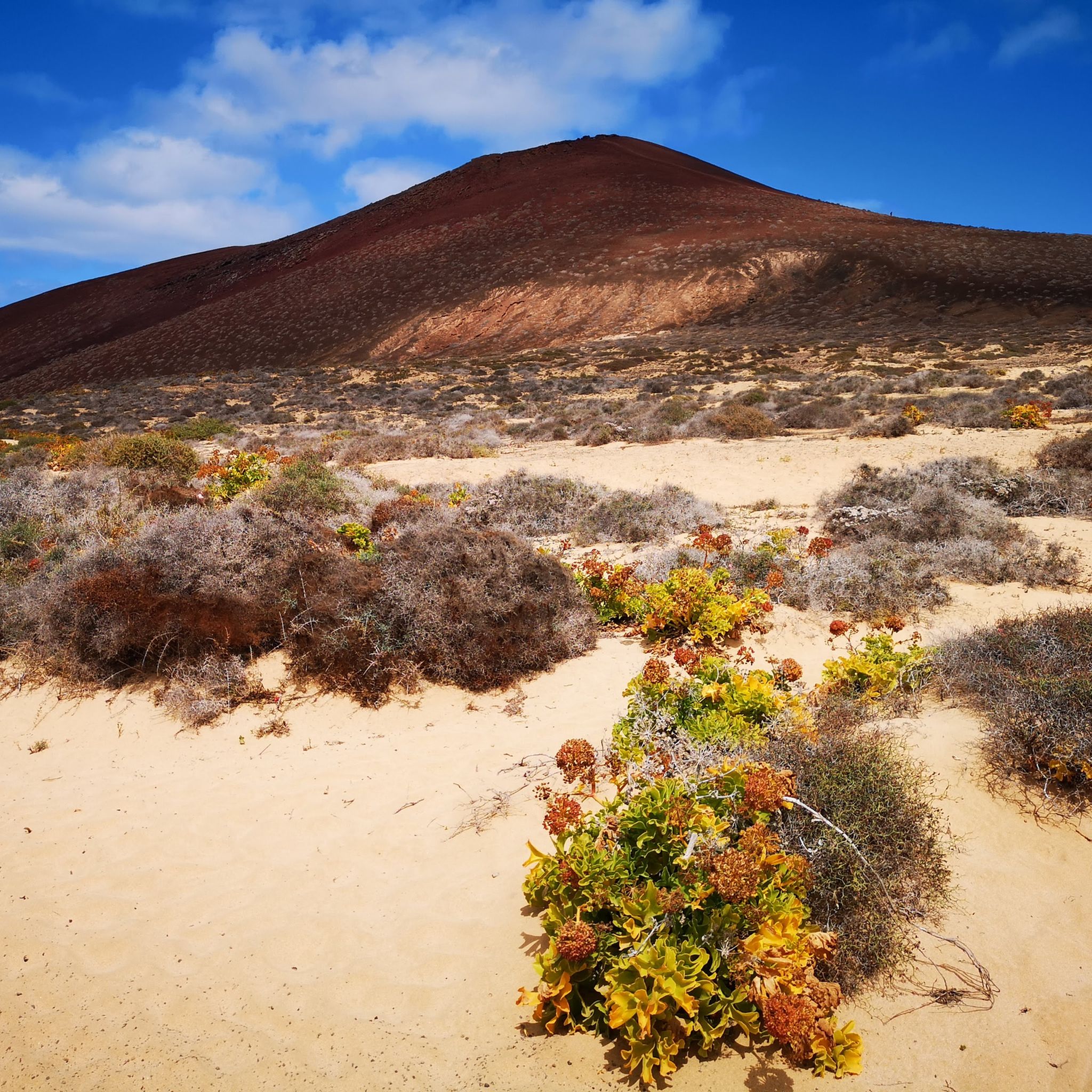
Hiking in Archipiélago De Chinijo
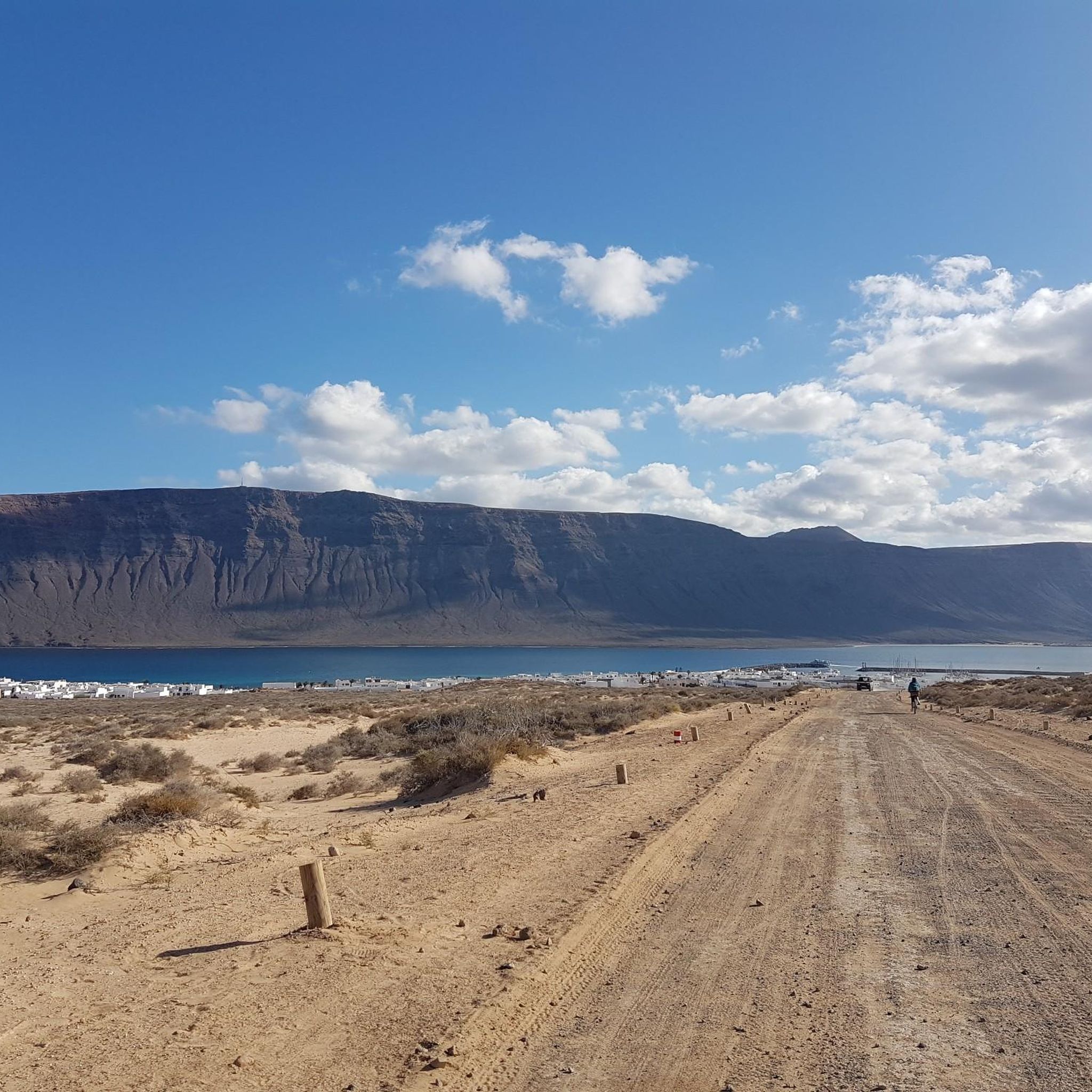
Road Cycling Routes in Archipiélago De Chinijo
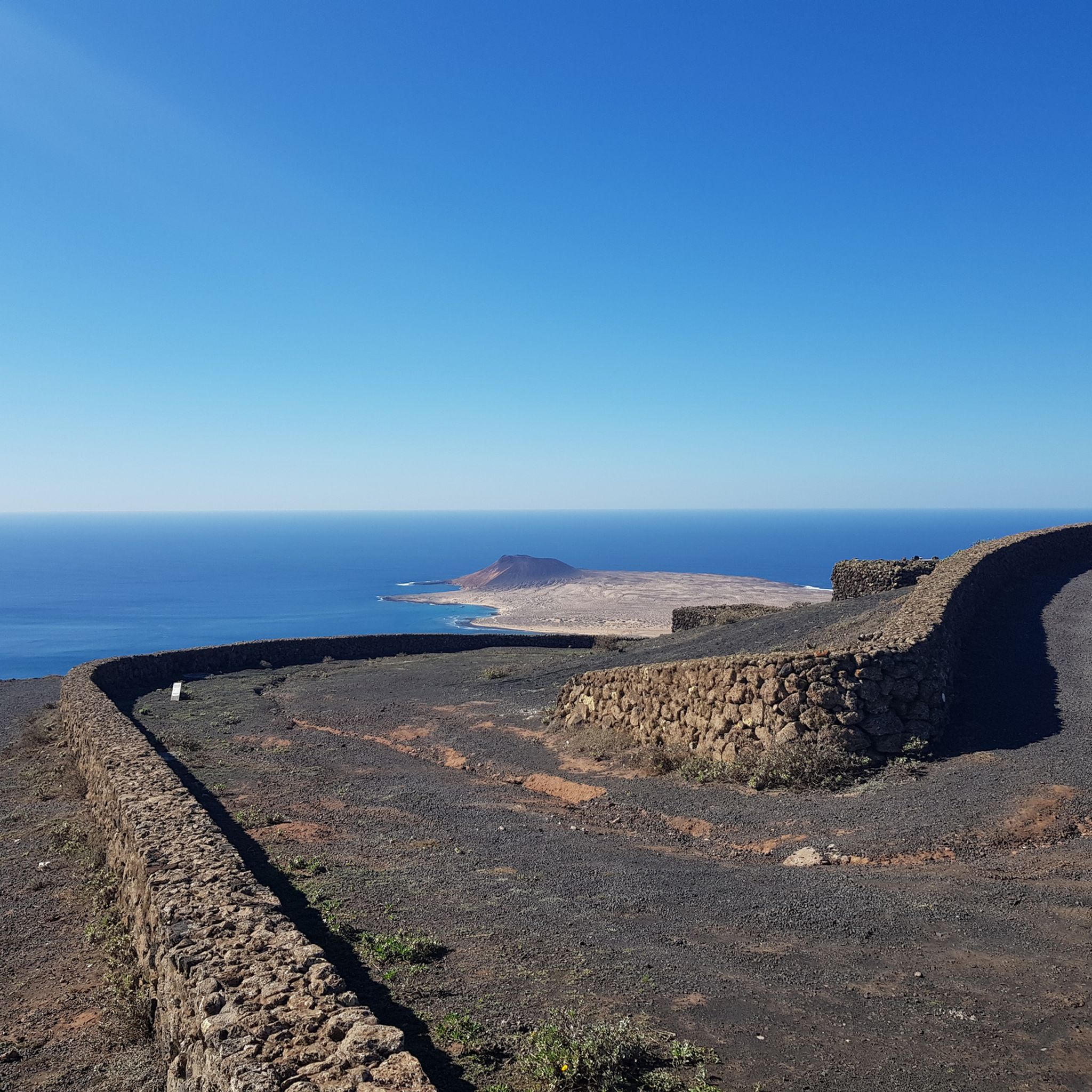
Cycling in Archipiélago De Chinijo
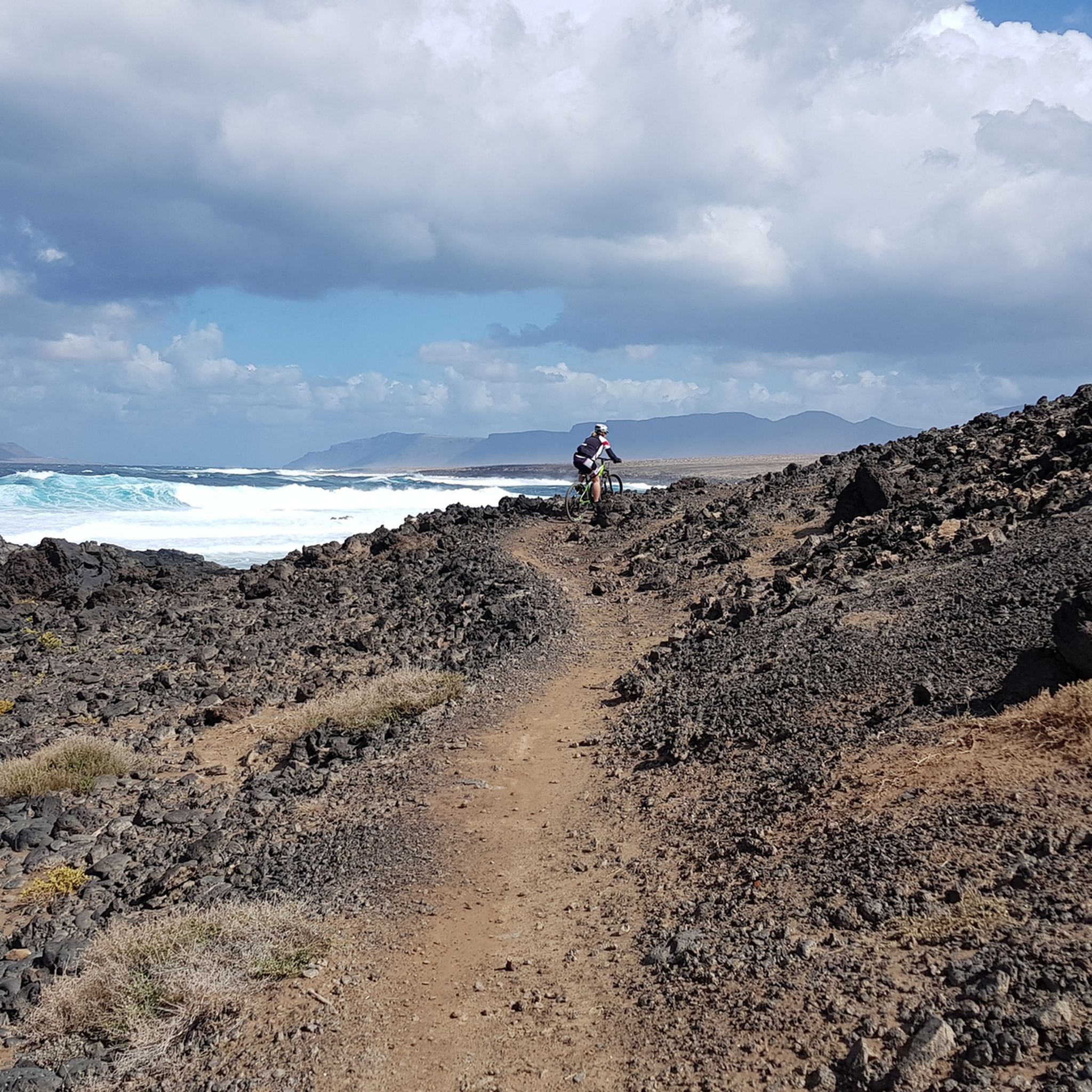
MTB Trails in Archipiélago De Chinijo
Other adventures in Archipiélago De Chinijo


Tips from the Community

You should definitely have a head for heights and be experienced. The short descent to the cave entrance is completely unguarded and narrow, and with wind gusts of up to 80 km/h, you have to be extremely careful. However, it's a very unknown place and all the more beautiful for that. The path there can seem a bit unofficial in places, as if you're on the wrong path, but just keep walking towards the coast and use the paved paths whenever possible.
0
0

Also a great opportunity for beautiful photos 😍
0
0

Spectacular cave carved into the rock. CAUTION! A head for heights and surefootedness are required. Unsecured!
1
0
Can be reached on a footpath below the edge, parking is available at the "Ermita de las Nieves" or on the small street "Lugar Diseminado Haria". Also possible as a hiking destination from the Bungalows Famara via the old donkey path "Los Caleteros" (1.5 - 2 hours walk (exhausting!). There are the natural caves below the path to Peñas del Chache and a whole series of caves below the escarpment that used to serve as a quarry. The stones from these caves were transported by donkey over the Los Caleteros to La Caleta and used there to build the first houses. Even when the Famara bungalows were built in the 1970s, stones were sometimes taken from the caves for paths.
0
0

For centuries, these caves served as natural shelters for the inhabitants against marauding pirates. Today, local youth parties regularly take place here
0
0
These caves also served the locals as a place of retreat during raids by the Spanish or British pirates in the past centuries. Today it is a popular party location for young people from the surrounding villages
0
0

Several caves in a small volcanic crater
1
0

Wonderful views of the north coast of Lanzarote. The clouds are almost touching the barren edge of the Risco de Famara. The caves carved by the indigenous people, the Guanches, in the rock, stretch mysteriously far into the mountain. They are quite hidden, located a few meters below on the steep slope.
1
0
Frequently Asked Questions
What is the historical significance of the caves in Archipiélago De Chinijo?
Many caves in the Archipiélago De Chinijo, such as the Caves of the Archipiélago Chinijo Natural Park and Cueva Bermeja, served as places of retreat for locals during raids by Spanish or British pirates. Some, like Cueva Bermeja, also contain carvings by the indigenous Guanches, stretching mysteriously into the mountain.
Are there any caves in Archipiélago De Chinijo that offer unique views?
Yes, Cueva Bermeja offers wonderful views of Lanzarote's north coast, particularly the Risco de Famara, where clouds often touch the barren edge. Cueva de las Cabras is also known for its spectacular rock-carved formation and views, though it requires careful access.
What are the geological features of the caves in Archipiélago De Chinijo?
The caves in Archipiélago De Chinijo are primarily of volcanic origin, forming part of a larger system connected to Lanzarote. They are a result of volcanic activity, creating unique formations within a protected natural habitat and UNESCO Biosphere Reserve.
What should I know before visiting Cueva de las Cabras?
Visiting Cueva de las Cabras requires caution. It involves a narrow, unguarded descent to the entrance, and strong winds, sometimes reaching up to 80 km/h, can occur. A head for heights and surefootedness are essential for a safe visit.
Are there any caves in the region that were used as quarries?
Yes, the Caves Below Ermita de las Nieves and Peñas del Chache include a series of caves below the escarpment that were historically used as a quarry. Stones from these caves were transported by donkey via the old donkey path 'Los Caleteros' for building purposes.
What outdoor activities can I do near the caves in Archipiélago De Chinijo?
The region around the caves offers various outdoor activities. You can explore gravel biking routes, enjoy running trails, or take on easy hikes. These activities allow you to experience the unique volcanic landscape and coastal views.
Are there any family-friendly cave experiences in Archipiélago De Chinijo?
While some caves require caution due to challenging access, the Caves of the Archipiélago Chinijo Natural Park, located within a small volcanic crater, are known as a popular gathering spot and offer good opportunities for photos, which might be suitable for families depending on their comfort with natural environments.
What is the best time to visit the caves in Archipiélago De Chinijo?
The Archipiélago De Chinijo generally enjoys a mild climate year-round. However, for caves like Cueva de las Cabras, it's advisable to visit on days with calmer weather to avoid strong winds that can reach up to 80 km/h, making the descent more challenging.
How can I access the Caves Below Ermita de las Nieves and Peñas del Chache?
The Caves Below Ermita de las Nieves and Peñas del Chache can be reached via a footpath below the edge. Parking is available at the 'Ermita de las Nieves' or on the small street 'Lugar Diseminado Haria'. It's also possible to hike there from the Bungalows Famara via the old donkey path 'Los Caleteros'.
What makes the Archipiélago Chinijo a protected area?
The Archipiélago Chinijo is a protected natural habitat and part of the Maritime-Terrestrial Natural Park, recognized as the largest marine reserve in Europe and a UNESCO Biosphere Reserve. This status highlights its unique virgin landscape of volcanic origin and its ecological importance.
What do visitors enjoy most about the caves in Archipiélago De Chinijo?
Visitors appreciate the unique geological formations of volcanic origin, the historical significance of the caves as refuges, and the stunning views they often provide of the surrounding natural landscape, such as the Risco de Famara from Cueva Bermeja. The opportunity for unique photos is also a highlight.
Most popular routes in Archipiélago De Chinijo
Most popular attractions in Archipiélago De Chinijo

Get inspired with the komoot mobile app


Explore more
Extend your search for the best caves by checking out these guides of the top ones in Archipiélago De Chinijo:
