Top 6 Caves in Picos De Europa
Best caves in Picos De Europa are found within a region characterized by its extensive limestone geology, shaped by millions of years of erosion and glacial activity. This karstic landscape has created a subterranean world of natural and scientific value. The area offers diverse cave systems, from challenging explorations for experienced speleologists to accessible visits for families. Many caves also hold cultural significance, providing insights into history and traditional practices.
Best caves in Picos De Europa
- The most popular caves is Covadonga Sanctuary, a religious building that is an important pilgrimage site. It includes the Santa Cueva, believed to be the site of a miraculous appearance and the burial place of King Pelayo.
- Another must-see spot is Buferrera Mine, an other man-made historical site. Visitors can see the remains of an iron and manganese mine, including rails and an old lorry.
- Visitors also love Cares Trail Tunnel, a trail feature. These tunnels are part of the Cares route and are short enough that a lamp is not required.
- Picos De Europa is known for deep caves, accessible caves, and caves with cultural significance. The region offers a variety of subterranean experiences, from challenging speleological explorations to sites used for traditional cheese ripening.
- The caves in Picos De Europa are appreciated by the komoot community, with more than 90 upvotes and 88 photos shared by users.
Last updated: October 2, 2026
Covadonga Sanctuary
Highlight • Religious Site
There is also a smaller church, the Santa Cueva, which is believed to be the site of the miraculous appearance of the Virgin Mary to the Christian army during the Battle of Covadonga in AD 722. The cave is also the burial place of King Pelayo, who led the Christian army to victory in that battle. The complex attracts thousands of visitors each year, who come to admire the impressive views and learn about the history and culture of Asturias.
Translated by Google •
Tip by

Buferrera Mine
Highlight • Structure
Translated by Google •
Tip by

Sign up now to discover places like this
Get recommendations on the best single tracks, peaks, & plenty of other exciting outdoor places.
Views of the Picos de Europa National Park
Highlight • Cave
Translated by Google •
Tip by

Start today with a free account
Your next adventure awaits.
Popular around Picos De Europa
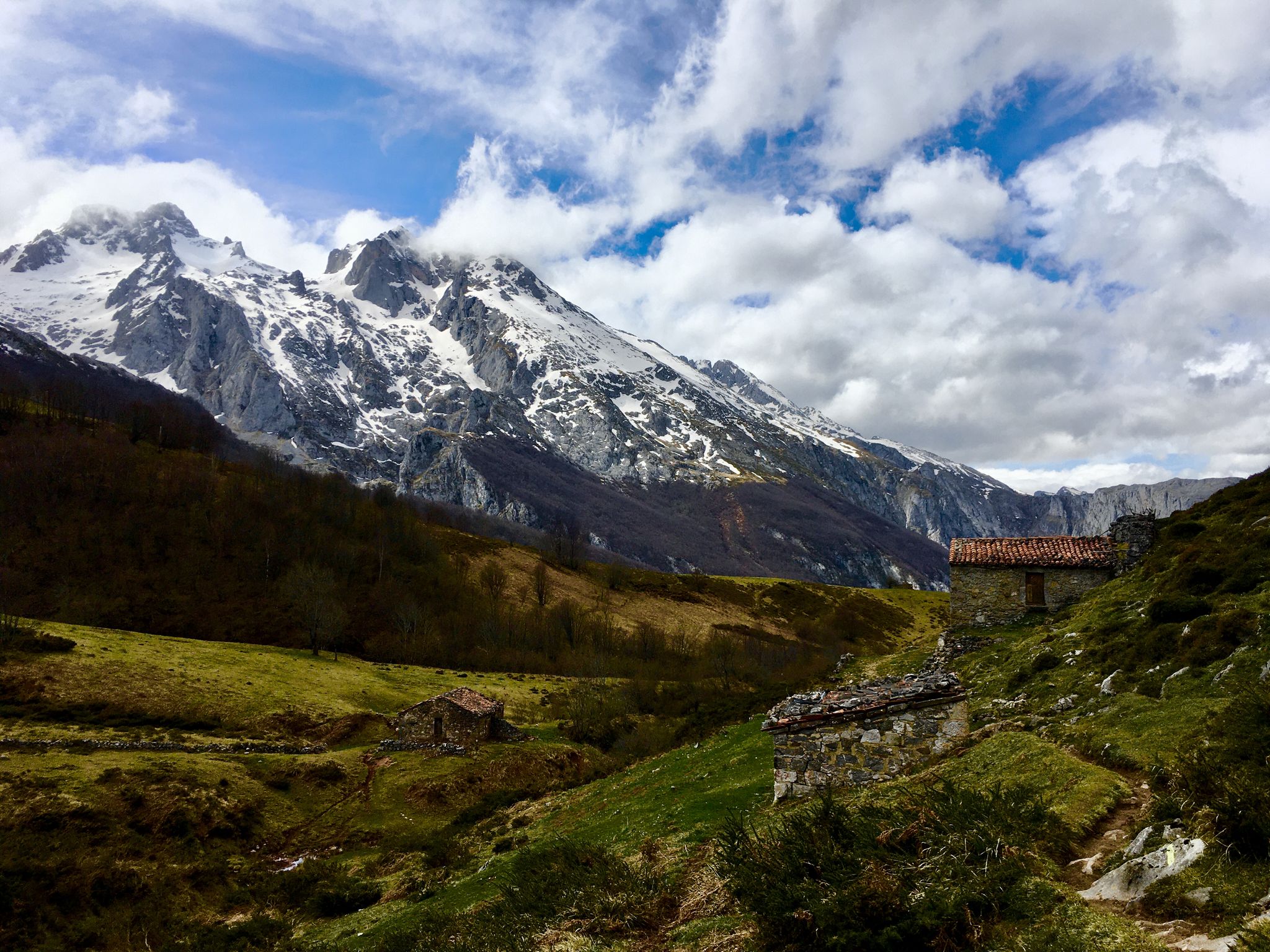
Route of the Reconquest (GR 202) – In the footsteps of an army
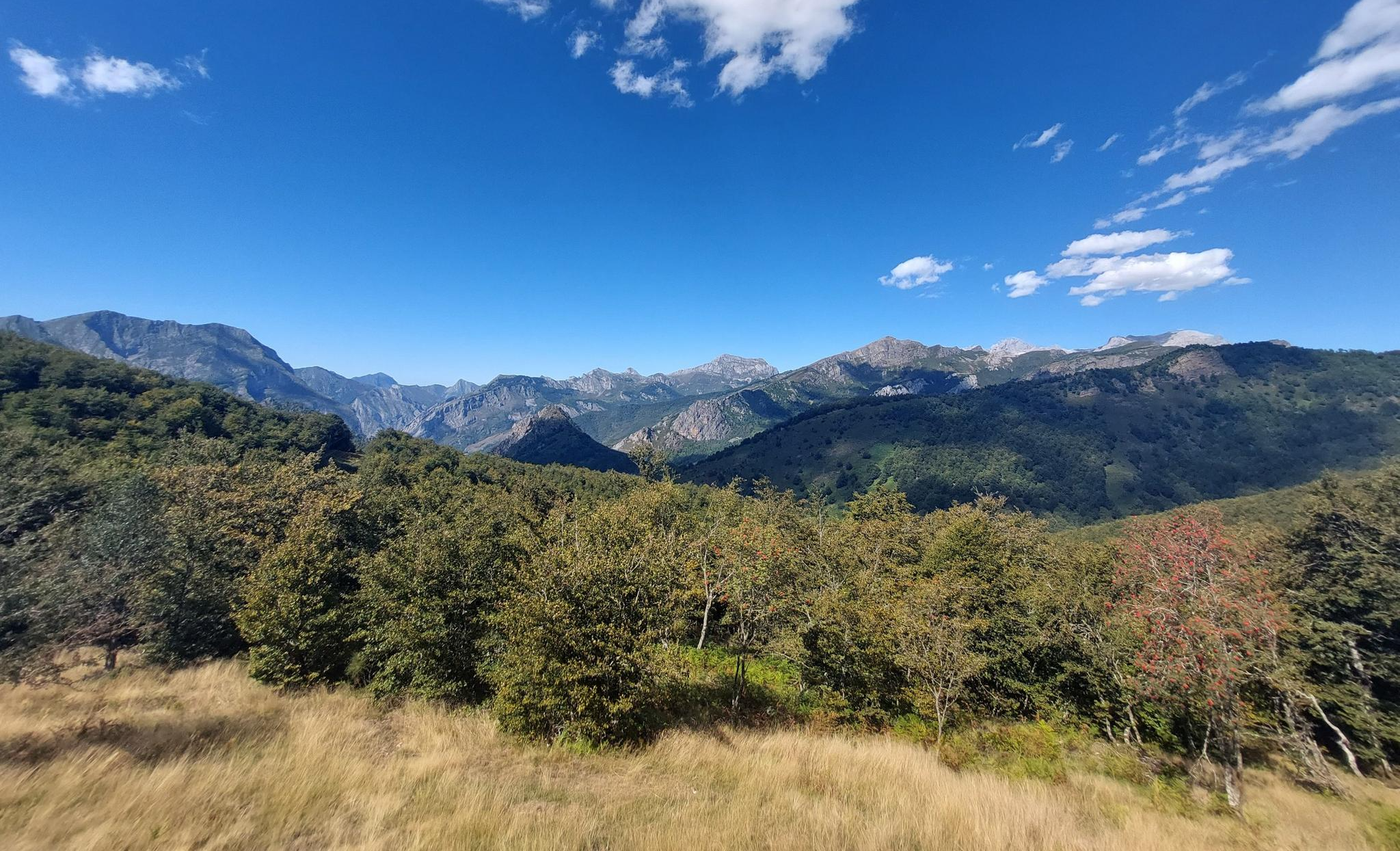
Senda del Arcediano (GR 210) - A historical hike through the Picos del Picos
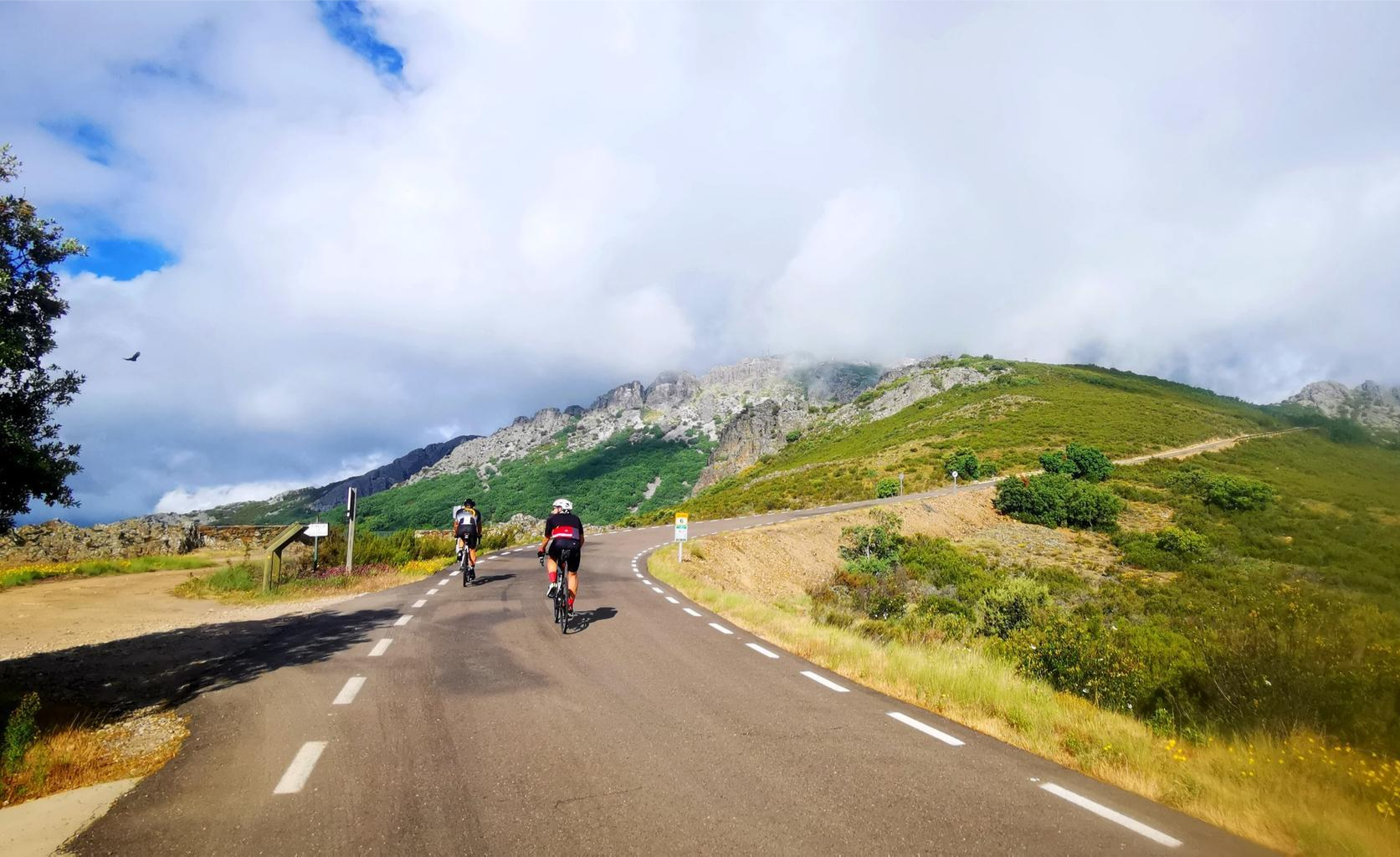
Legendary climbs - Ports of La Vuelta a España
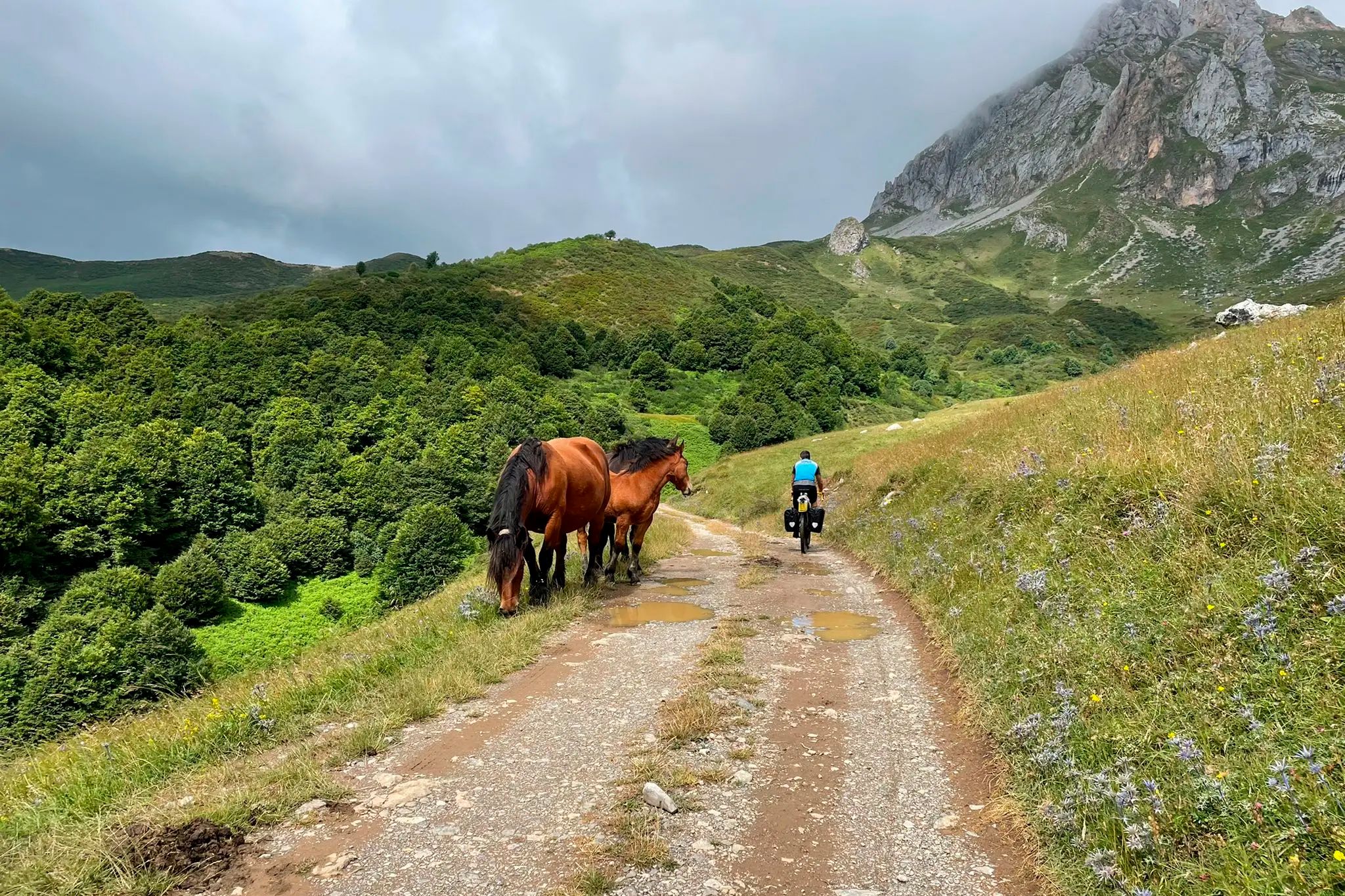
TransCantabrica – Extreme mountain biking in northern Spain
From statue to statue – Reconquista Challenge
A trip through the mountains – Pedales de León MTB
A pilgrimage to the peaks – Camino de los Santuarios
The untamed Collado Jermoso – Picos de Europa
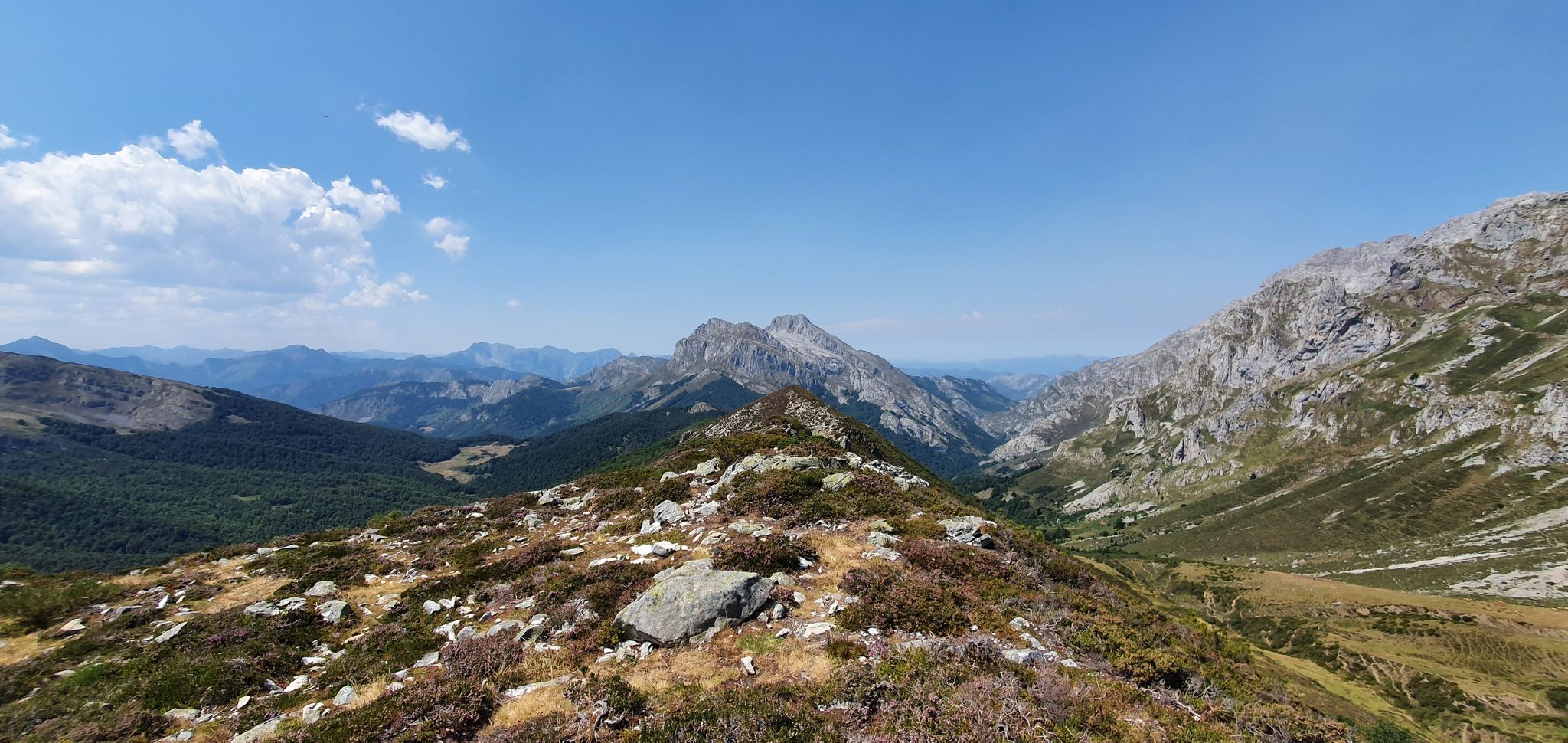
Four days hiking in Spain’s Picos de Europa – Anillo Vindio
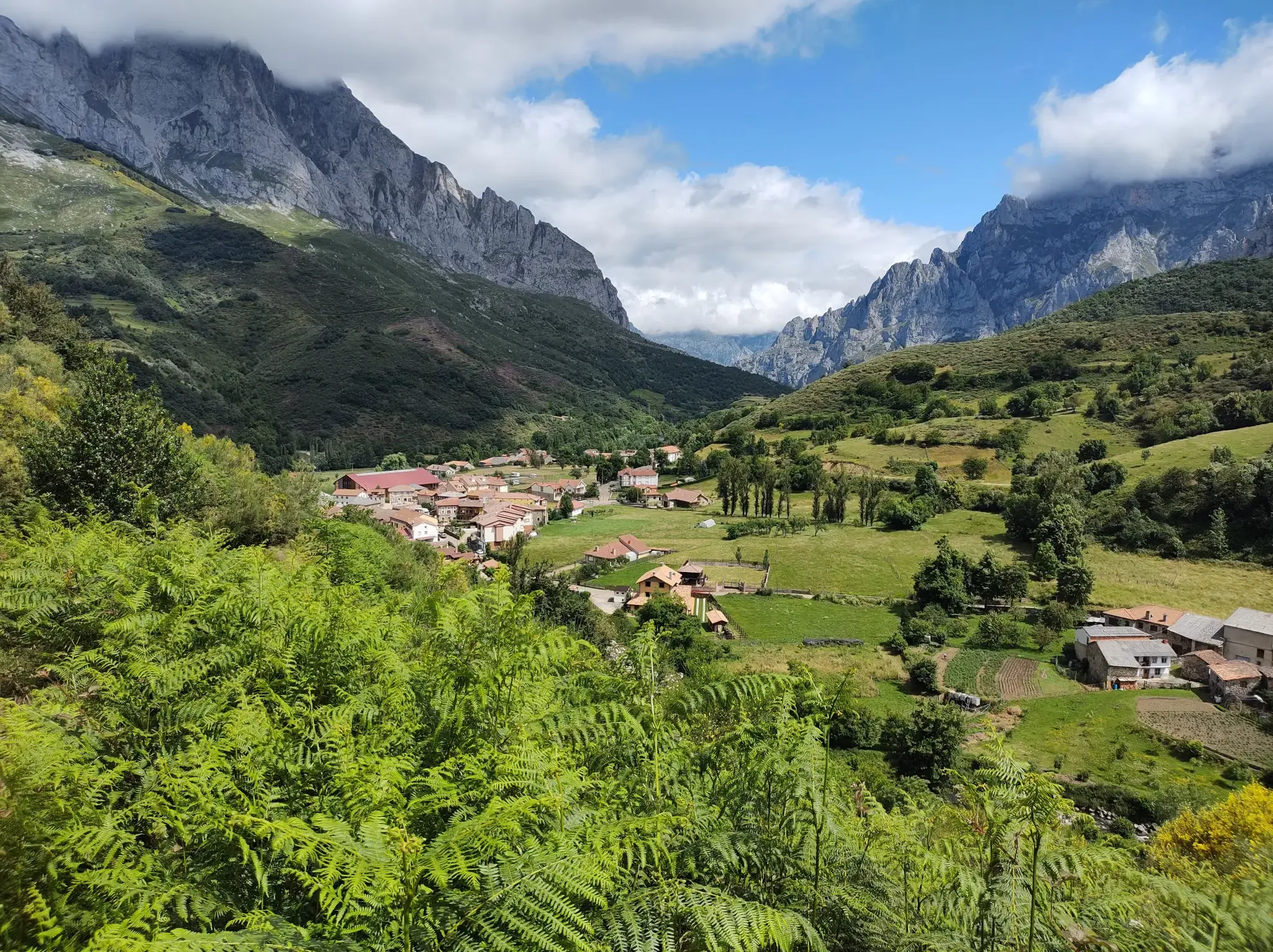
Hike Spain’s Picos de Europa – Ring of Peaks, Three Massifs
Other adventures in Picos De Europa


Tips from the Community


This section of the GR 105, very close to the Covadonga Sanctuary, is within the boundaries of the Picos de Europa National Park. Here you can enjoy the typical Asturian landscape, where spectacular mountain views coexist with livestock huts.
0
0


The Covadonga Sanctuary is a Catholic religious complex and an important pilgrimage site. It is dedicated to the Virgin of Covadonga, revered as the patron saint of Asturias. The complex includes several buildings, including the Basilica of Santa María la Real de Covadonga, which was built in the 19th century and houses the statue of the Virgin Mary. There is also a smaller church, the Santa Cueva, which is believed to be the site of the miraculous appearance of the Virgin Mary to the Christian army during the Battle of Covadonga in AD 722. The cave is also the burial place of King Pelayo, who led the Christian army to victory in that battle. The complex attracts thousands of visitors each year, who come to admire the impressive views and learn about the history and culture of Asturias.
4
0

On the way from the bus stop to the Lagos, you pass the remains of an old mine - recognizable by the rails that are still in place and an old lorry. The rock face into which the mine shaft disappears is very photogenic.
3
0

In the idyllic landscape of the mountain of Covadonga, there has been intensive mining of iron and manganese minerals over a period of 130 years until 1979.
6
0

Sanctuary very famous for its curious chapel nestled in the rock. The site is worth visiting.
1
0
You find yourself before the ruins of an iron and magnesium mine. You can see a small recreation of the mine, including the tunnel and the tracks where the minerals were transported.
4
0
Frequently Asked Questions
What types of caves can I explore in Picos de Europa?
Picos de Europa offers a wide range of cave experiences. You can find some of the world's deepest caves for advanced speleologists, accessible caves perfect for families and beginners, and caves with unique cultural or historical significance, such as those used for ripening traditional cheeses or religious sites like Covadonga Sanctuary.
Are there caves suitable for beginners or families in Picos de Europa?
Yes, several caves are ideal for inexperienced cavers and families. La Cueva de Pando offers a circular, mostly horizontal route adorned with stalagmites and stalactites. La Cueva de La Porquera near Arriondas is also recommended for its manageable conditions. Additionally, Cuevona de Avín provides an interpretation center with life-size reproductions of extinct megafauna, making it an engaging visit for all ages.
Which caves offer insights into the history or culture of the Picos de Europa region?
The region's caves are rich in history and culture. The Santa Cueva at Covadonga Sanctuary is a significant religious and historical site. The Cave of Santibaña (or Cheese Cave) holds ethnographic value as it was historically used for curing cheeses. You can also visit the remains of an old iron and manganese mine at Buferrera Mine, showcasing the area's industrial past.
Where can I find caves related to the traditional cheese production in Picos de Europa?
The Picos de Europa are famous for their traditional cheeses, many of which are ripened in natural caves. The Cabrales Caves in the council of Cabrales are crucial for ripening Cabrales cheese, providing the ideal humidity and temperature. Cueva Oscura in Avín is another well-known cave used by multiple producers for ripening Gamonéu cheese.
What are some of the deepest caves in Picos de Europa for advanced speleologists?
The Picos de Europa is a world-renowned destination for advanced speleologists, home to some of the deepest caves globally. Notable examples include Torca del Cerro (-1589 m), Sima de la Cornisa (-1507 m), Torca los Rebecos (-1255 m), and Pozo del Madejuno (-1252 m). These offer challenging explorations for experienced cavers.
Are there any caves in Picos de Europa with unique natural features, like ice formations?
Yes, the Picos de Europa region features unique Ice Caves located above 2000m, such as those found in Peña Castil, Veronica, and Altaiz. These caves contain permanent ice deposits and host unique ecosystems adapted to very cold temperatures, making them exceptional sites for studying ice cave fauna.
What kind of geological features characterize the caves in Picos de Europa?
The caves in Picos de Europa are primarily characterized by a karstic landscape, formed from limestone. This geology has been sculpted over millions of years by water erosion and glacial activity, creating extensive networks of subterranean rivers, shafts, and galleries. Many caves feature impressive stalagmites and stalactites, showcasing the ongoing geological processes.
What outdoor activities can I combine with a visit to the caves in Picos de Europa?
The Picos de Europa region offers numerous outdoor activities. You can explore various Mountain Hikes, with routes like 'Viewpoint – Horcados Rojos loop from Fuente Dé' or 'Bulnes Village loop from Estaciòn inferior Poncebos'. There are also challenging Road Cycling Routes, such as 'San Antolín de Bedón Beach – Holy Cave of Covadonga loop'. For runners, Running Trails like the 'Lakes of Covadonga Circular Trail' provide scenic options. You can find more details on these activities in the Mountain Hikes, Road Cycling Routes, and Running Trails guides for Picos de Europa.
Are there any caves in Picos de Europa that are also natural monuments or important for wildlife?
Yes, Cueva Huerta, declared a Natural Monument in 2002, is one of Asturias's largest caves, stretching 14.5 kilometers. It is not only geomorphologically significant but also provides crucial winter shelter for colonies of the endangered bat species *Miniopterus schreibersii*.
What is the Cares Trail Tunnel and why is it notable?
The Cares Trail Tunnel is a feature of the famous Cares route. These tunnels are carved into the rock face and are short enough that a lamp is not required for passage. They are part of a spectacular trail that winds through a gorge, offering impressive views.
What should I wear when exploring caves in Picos de Europa?
When exploring caves in Picos de Europa, it's advisable to wear layers of clothing as cave temperatures can be consistently cool, even in summer. Sturdy, waterproof footwear with good grip is essential. For more adventurous explorations, a helmet with a headlamp is recommended, even if some accessible tunnels are short enough not to require one.
Most popular routes in Picos De Europa
Most popular attractions in Picos De Europa

Get inspired with the komoot mobile app


Explore more
Extend your search for the best caves by checking out these guides of the top ones in Picos De Europa:
