Top 8 Gorges in Arribes Del Duero
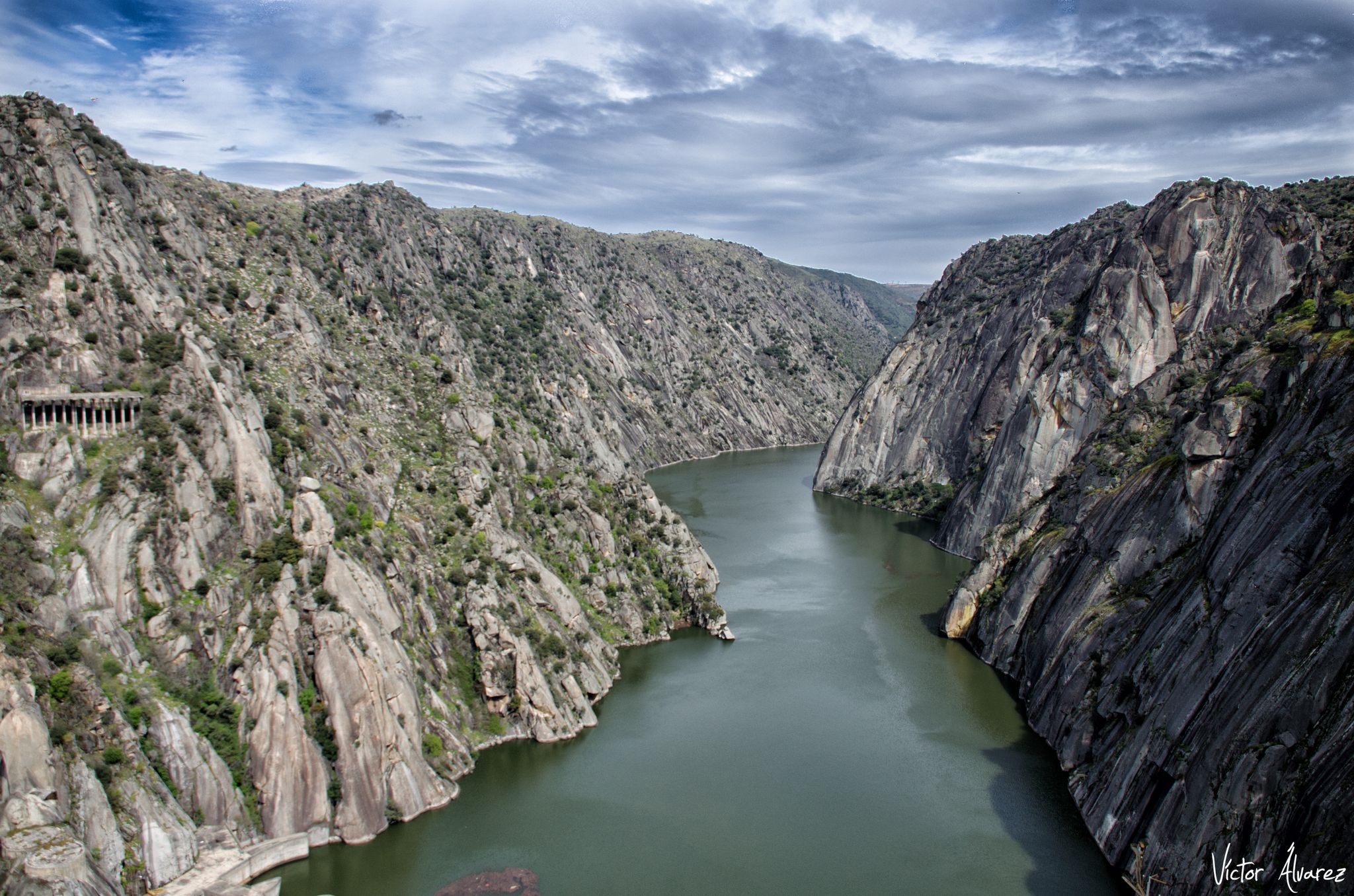
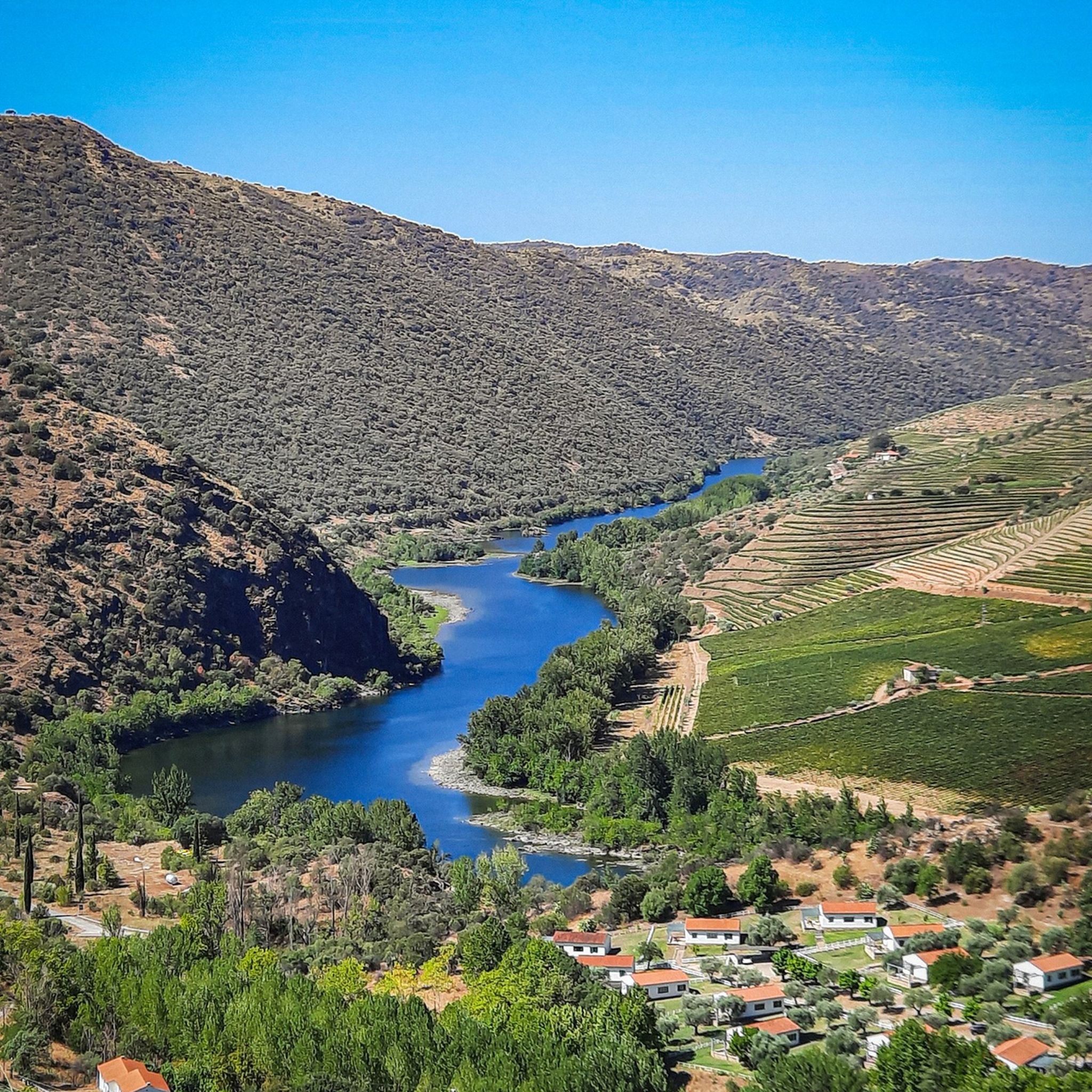
Best canyons in Arribes Del Duero are geological formations carved by the Duero River and its tributaries, forming deep gorges up to 400 meters in depth. This natural park, spanning parts of Salamanca and Zamora, features a dramatic landscape and a unique microclimate. The region is a significant natural attraction, known for its impressive river valleys and granite cliffs. It is also designated as a Special Protection Area for Birds, highlighting its ecological importance.
Best canyons in Arribes Del Duero
…Last updated: October 2, 2026
Mirador de las Barrancas
Highlight • Viewpoint
Translated by Google •
Tip by

Picón de Felipe Viewpoint
Highlight • Viewpoint
Translated by Google •
Tip by

Sign up now to discover places like this
Get recommendations on the best single tracks, peaks, & plenty of other exciting outdoor places.
Friar's Viewpoint
Highlight • Viewpoint
Translated by Google •
Tip by
Requejo Bridge
Highlight • Bridge
Translated by Google •
Tip by

Senda del Duero (GR-14) – Camino de Pinilla
Highlight (Segment) • Trail
Translated by Google •
Tip by
Sign up for free to discover even more gorges in Arribes Del Duero.
Already have an account?
Start today with a free account
Your next adventure awaits.
Popular around Arribes Del Duero
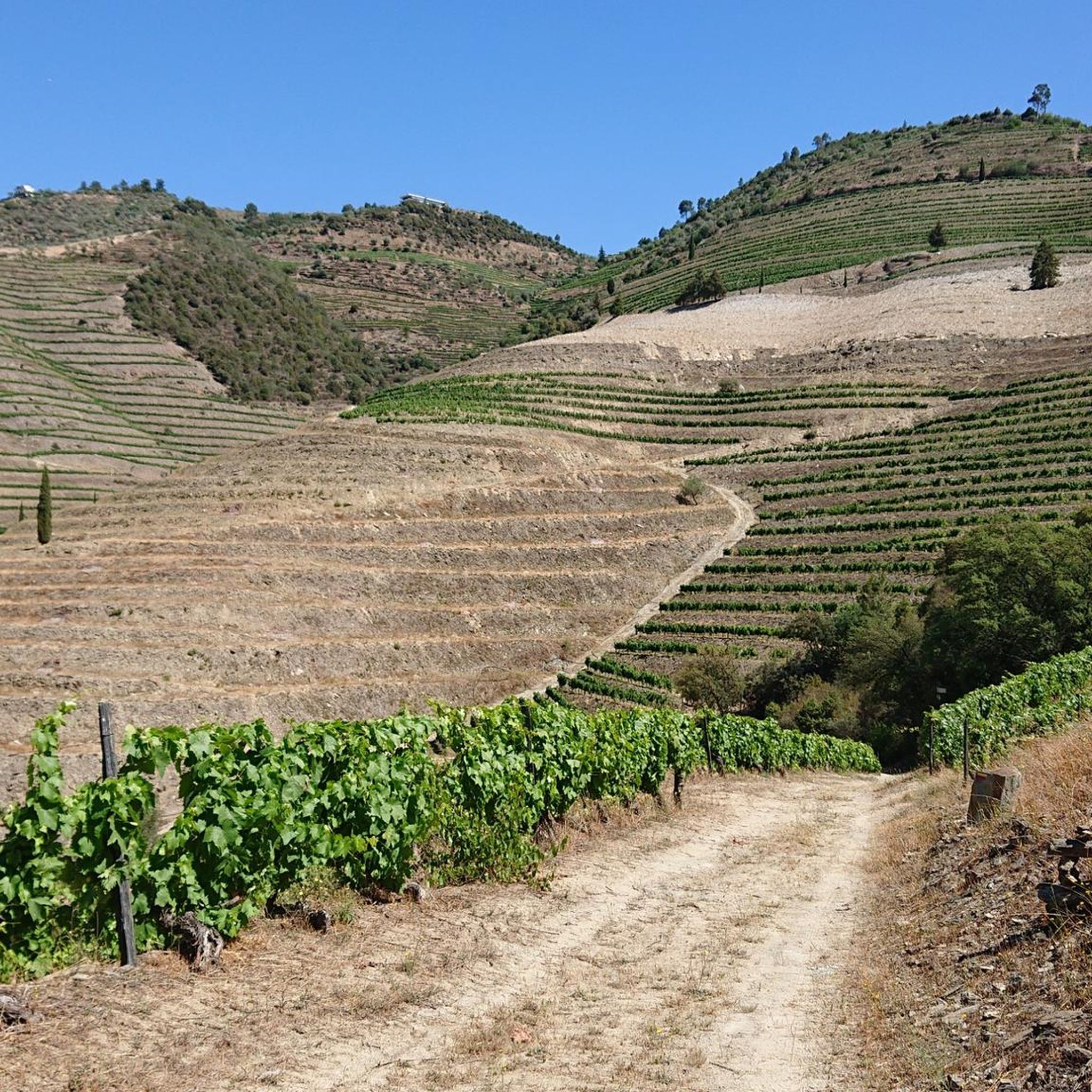
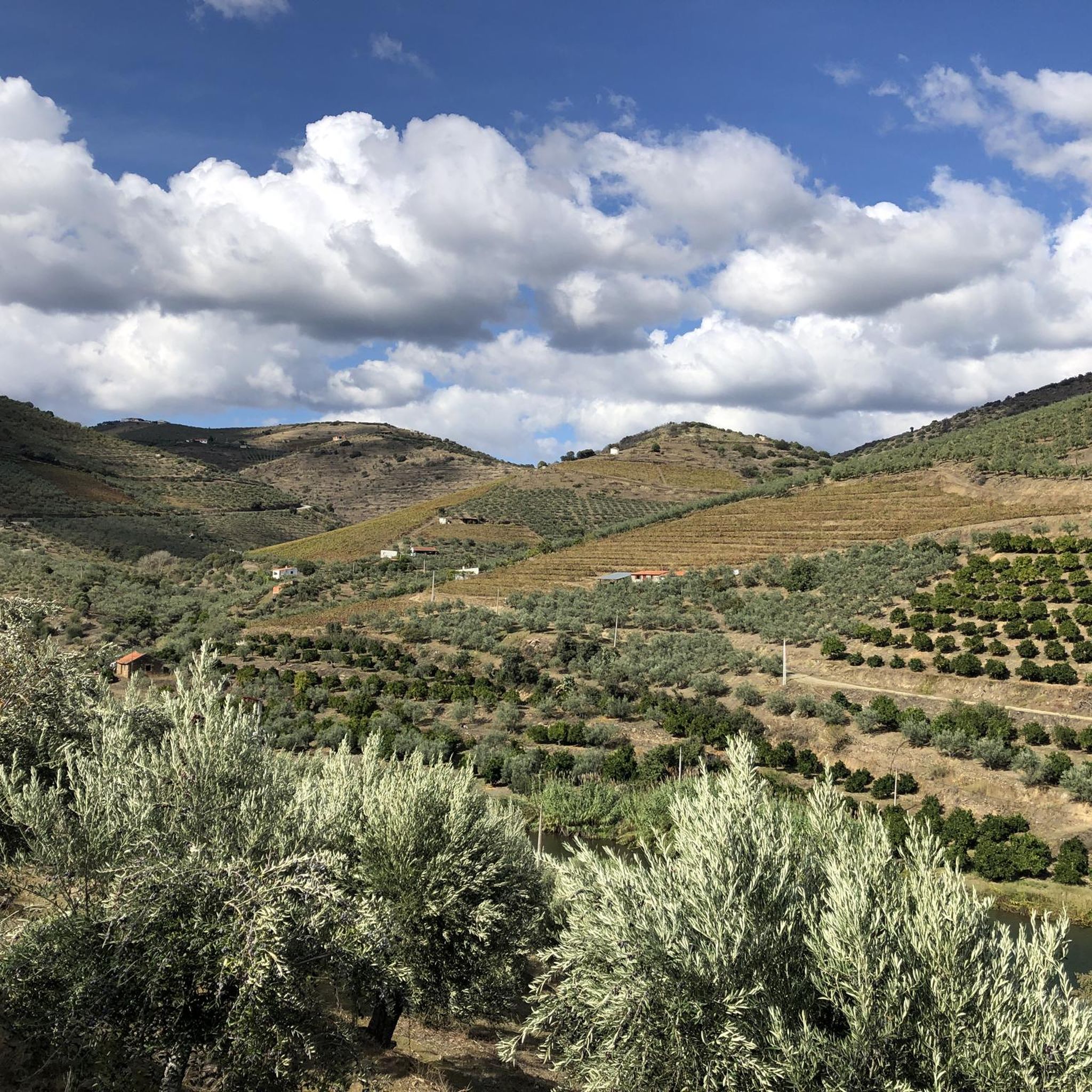
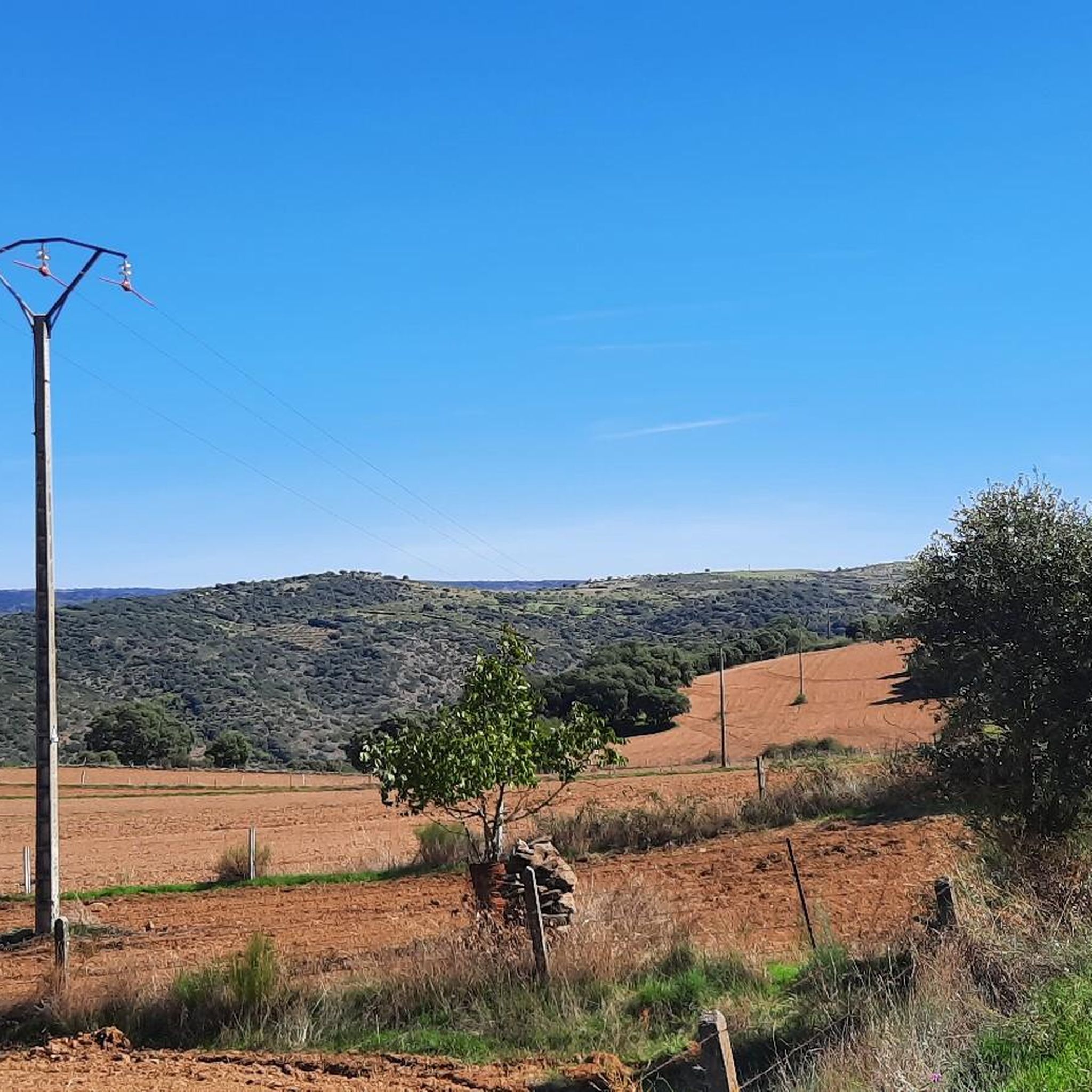


Tips from the Community

It's located in the heart of the Arribes del Duero Natural Park, an area of great scenic beauty and biodiversity. Things to do nearby: Viewpoints: The viewpoint at the bridge itself and others nearby, such as the one in Villadepera. Hiking trails: Paths through the Arribes, ideal for photography and birdwatching. Charming villages: Villadepera, Pino del Oro, and other towns in the area. From the bridge, you can admire the granite cliffs of the Duero River and the deep riverbed that marks the natural border with Portugal.
2
0
The Requejo Bridge, also known as the Pino Bridge, is a jewel of historical engineering located in Villadepera (Zamora) over the Duero River, within the Arribes del Duero Natural Park. Year of inauguration: 1914. Designed by the engineer José Eugenio Ribera, a pioneer in the use of reinforced concrete in Spain. It was built to connect the Aliste and Sayago regions, facilitating communication between Zamora and Portugal.
2
0
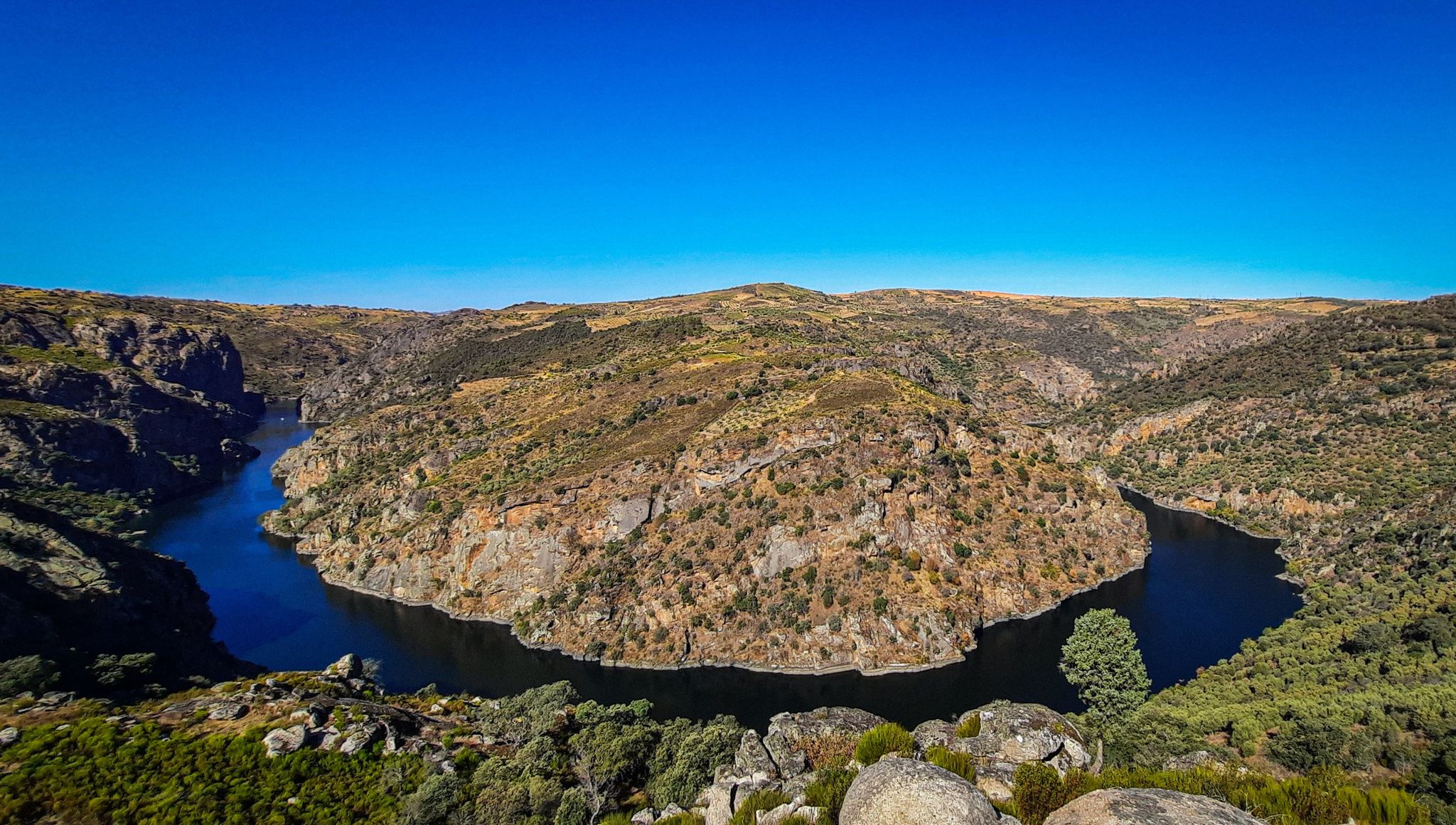
The Mirador de las Barrancas, located in Fariza, in the province of Zamora, is one of the most spectacular spots in the Arribes del Duero Natural Park. It offers stunning views of the Duero River canyon, which marks the natural border between Spain and Portugal. A granite landscape with unique rock formations and a microclimate that favors Mediterranean crops such as olive trees, vineyards, and almond trees. Spot birds of prey, such as the griffon vulture and the golden eagle, which are very common in the area.
1
0

It has a free parking lot 🅿️ it is all downhill on easy asphalt to the viewpoint.
0
0
You can get there by car 🚗 to the parking lot where the route starts. It is very short for everyone.
0
0

Beautiful views of the Duero and its Arribes.
1
0

Good views of the Duero River, it is impressive to see so much flow.
0
0

Nice path, beautiful view. Be sure to look up at the circling vultures, which sometimes appear very low
1
0
Frequently Asked Questions
What are the most impressive natural features to see in the Arribes del Duero canyons?
The Arribes del Duero canyons are renowned for their dramatic geological formations. Key natural features include the spectacular 50-meter-high Pozo de los Humos waterfall, especially powerful between December and May. You'll also find deep river gorges carved by the Duero and Uces rivers, reaching depths of up to 400 meters, and rugged granite cliffs that provide nesting grounds for various birds of prey.
Where can I find the best panoramic views of the Arribes del Duero canyons?
For breathtaking panoramic views, consider visiting several viewpoints. Mirador de las Barrancas in Fariza offers spectacular vistas of the Duero River canyon, forming the border with Portugal. The Friar's Viewpoint provides expansive views of one of the most impressive stretches of the Duero canyon in the Salamanca region. Other notable spots include Mirador del Fraile and Picón de Felipe near Aldeadávila de la Ribera, and Mirador de la Code in Mieza.
What is the best time of year to visit the Arribes del Duero canyons?
The best time to visit depends on what you want to experience. For the most impressive display of the Pozo de los Humos waterfall, plan your visit between December and May when rainfall increases the river's flow. Spring (March to May) is also beautiful, as the Mediterranean microclimate encourages olive and almond trees to bloom, adding vibrant colors to the landscape.
Are there family-friendly activities or hikes in the Arribes del Duero canyons?
Yes, the region offers options suitable for families. While some trails can be challenging, there are easier routes like the Ribera de los Molinos Trail, which is an easy hiking option. Many viewpoints, such as the Friar's Viewpoint, are accessible by car and have parking, making them easy to reach for all ages. Boat trips on the Duero River are also available from areas like Aldeadávila de la Ribera, offering a unique perspective of the canyons.
What kind of wildlife can I spot in the Arribes del Duero canyons?
The Arribes del Duero Natural Park is a Special Protection Area for Birds (ZEPA), making it an excellent location for birdwatching. You can frequently spot various birds of prey, including griffon vultures, golden eagles, black storks, and Egyptian vultures, especially from viewpoints like Mirador de las Barrancas and the dramatic granite cliffs around Aldeadávila de la Ribera.
What hiking trails are available near the Arribes del Duero canyons?
The region offers a variety of hiking trails. You can explore sections of the long-distance path Senda del Duero (GR-14), such as the Camino de Pinilla, which provides impressive canyon views. Other popular routes include the Iron Way Trail (difficult), Ribera de los Molinos Trail (easy), and the Pozo de los Humos Trail (easy). For more options, explore the Hiking in Arribes Del Duero guide.
Are there any notable historical landmarks or structures within the canyon area?
Yes, the region features interesting historical engineering. The Requejo Bridge, also known as the Pino Bridge, is a significant landmark. Built in 1914, this steel engineering masterpiece spans the Duero River, connecting the Sayago and Aliste regions and offering spectacular views of the river and cliffs. The Aldeadávila Dam is another impressive engineering feat visible from viewpoints in its vicinity.
What are the options for cycling in the Arribes del Duero region?
The Arribes del Duero area provides several road cycling routes that allow you to experience the canyon landscapes. Options include the Arribes del Duero International Park Loop (difficult), Miranda do Douro and Arribes del Duero Loop (moderate), and a circular route by the west of Parque Natural Arribes del Duero. You can find more details in the Road Cycling Routes in Arribes Del Duero guide.
Can I find trails that lead to waterfalls in the Arribes del Duero canyons?
Absolutely. The region is known for its waterfalls, and several trails lead to them. The Pozo de los Humos Trail is a popular choice, and you can also find a circular route from Masueco to the Pozo de los Humos waterfall. Another scenic option is the trail to Cascada de Pinero, also known as Cola de Caballo, where you can sometimes walk behind the falling water after heavy rains. Explore more in the Waterfall hikes in Arribes Del Duero guide.
Are there any areas with unique flora or microclimates in the canyons?
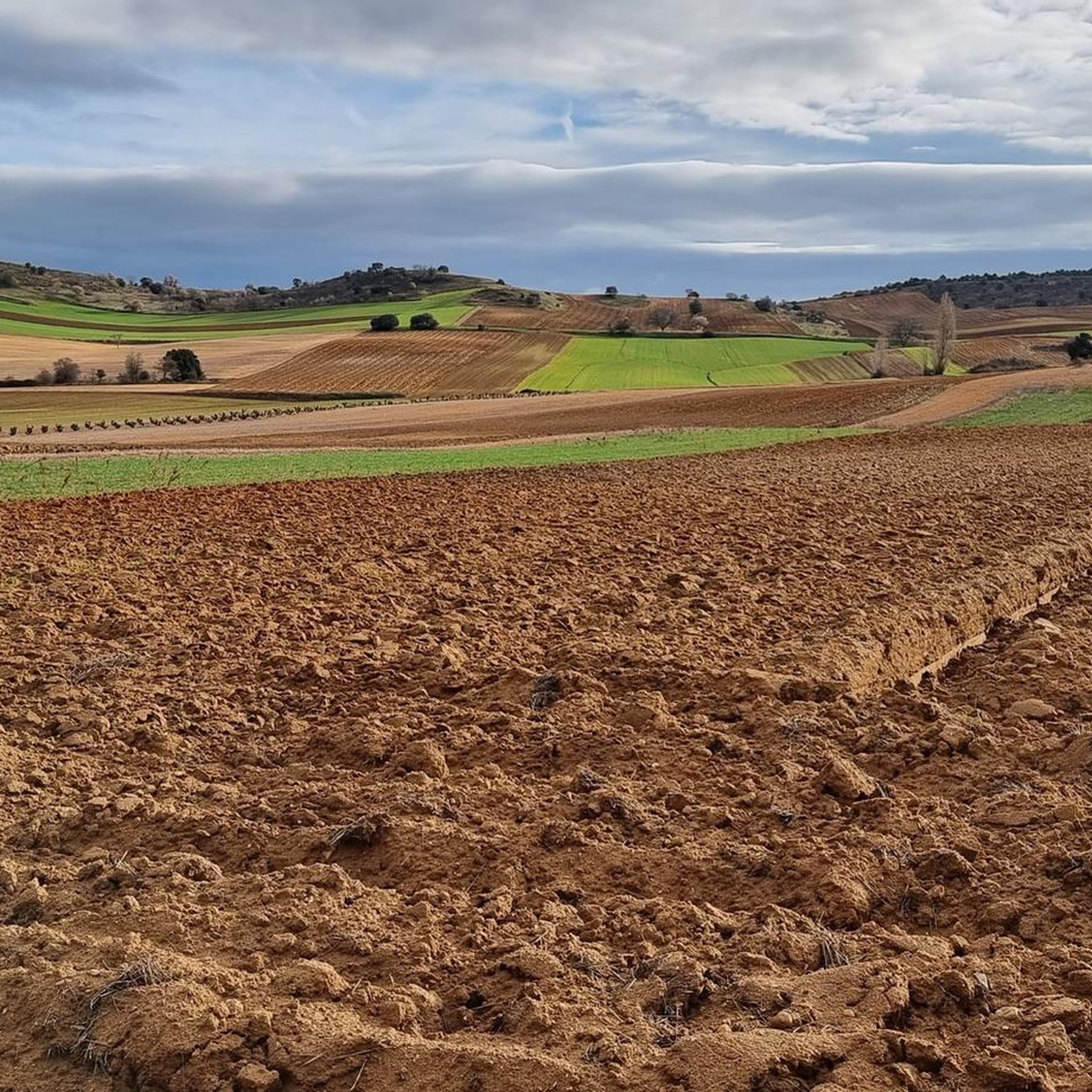
Yes, the deep canyons create a unique microclimate that supports diverse flora. Around Mieza, you can find the extensive 'almezal de Mieza,' which is the largest hackberry forest in Europe. The warmer temperatures in the canyons also allow for Mediterranean crops like olive and almond trees to thrive, creating beautiful landscapes, especially when the almond trees are in bloom in spring.
What do visitors enjoy most about the Arribes del Duero canyons?
Visitors consistently highlight the spectacular panoramic views from the various miradores, the dramatic natural spectacle of the Pozo de los Humos waterfall, and the tranquility of the deep river gorges. The opportunity for birdwatching, especially spotting birds of prey, is also a major draw. Many appreciate the well-maintained trails and the chance to experience the unique geological formations and rich biodiversity of the natural park.
Most popular routes in Arribes Del Duero
Most popular attractions in Arribes Del Duero

Get inspired with the komoot mobile app


Explore more
Already discovered everything in this region? See additional gorges in Arribes Del Duero for your next adventure:
