Top 5 Lakes around Huy
Lakes around Huy primarily consist of smaller bodies of water, often referred to as ponds, nestled within natural landscapes. These areas provide opportunities for quiet exploration and connection with nature. The region features historical elements, such as the Huysburg monastery, alongside its natural attractions. Many of these ponds are situated within forested environments, contributing to the area's appeal for outdoor activities.
Best lakes around Huy
- The most popular lakes is Röderhöfer Pond, a lake that was originally dug as…
Last updated: August 9, 2026
Röderhöfer Pond
Highlight • Lake
Translated by Google •
Tip by

Jürgenbrunnen Spring
Highlight • Natural
Translated by Google •
Tip by
Sign up now to discover places like this
Get recommendations on the best single tracks, peaks, & plenty of other exciting outdoor places.
Sign up for free
Kolly Ponds
Highlight • Natural
Translated by Google •
Tip by
Wild Boar Pond
Highlight • Lake
Translated by Google •
Tip by

Small Pond
Highlight • Lake
Translated by Google •
Tip by

Start today with a free account
Your next adventure awaits.
Login or Signup

Tips from the Community

The ponds are now overgrown and are basically just mud.
9
0
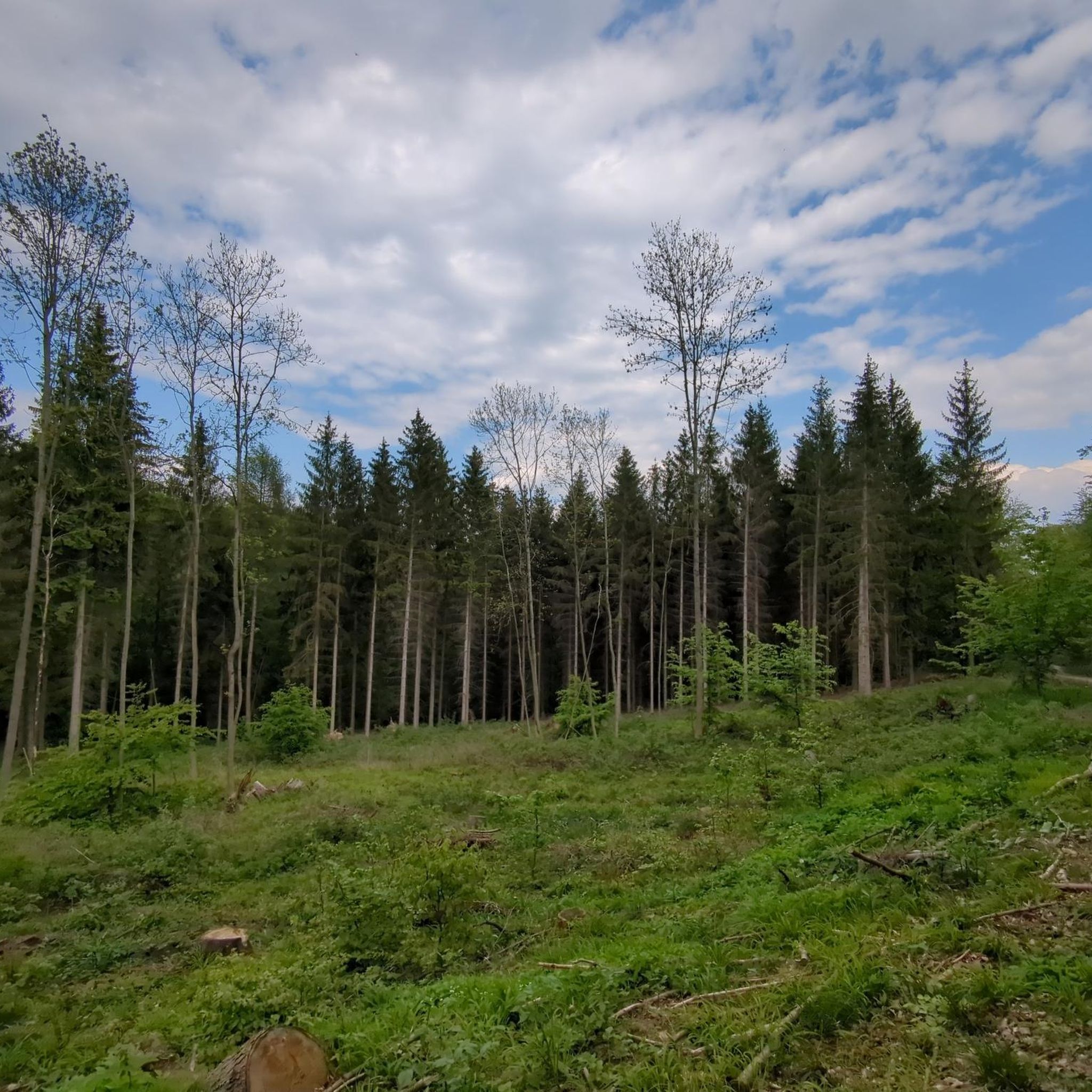
These are named after the adjacent parcel of land to the south, "Die Kolly", as it appears on a hand-drawn map of the Huys (owned by the Gleimhaus Halberstadt) from 1806 (a larger parcel of land and a smaller piece a little further east). The origin of the name is unknown. Source: https://badersleben.de/geologie/geopunkt5.html
11
0

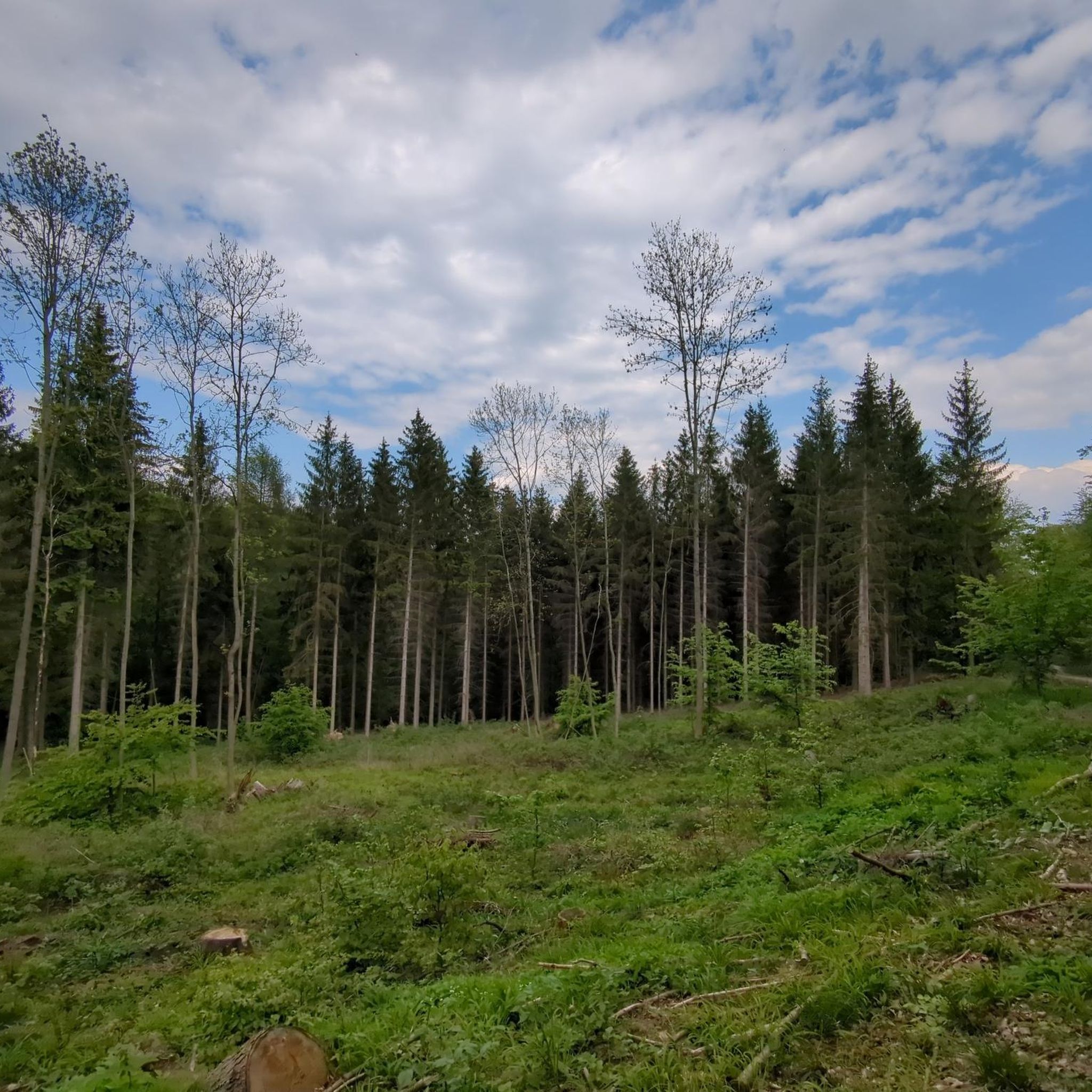
Beautiful place with a pond, bench and table that invites you to linger.
3
0
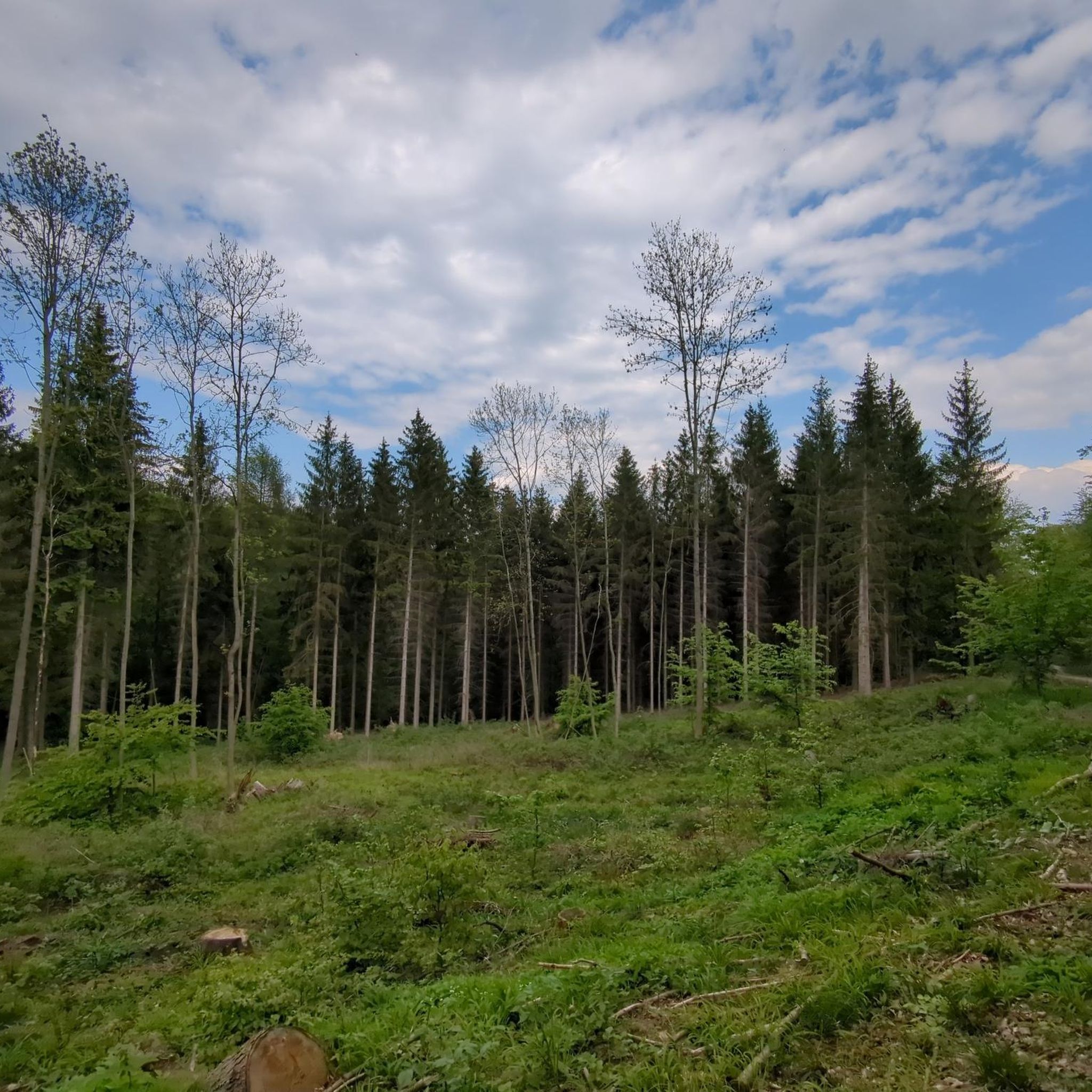
In the middle of the Huy-Sattel valley, about 75m south of the S-curve of the Brückweg, a strong spring rises in the layers of the upper Bundsandstein, the water of which flows towards Wilhelmshall, joins the spring water from Huy-Neinstedt at the Kuckucksmühle and feeds the Anderbecker Becke. (°1) In the Middle Ages, the wooded area around the small forest pond belonged to the St. Georgenhospital in Halberstadt (as it is still assigned on the map of the Huy from 1806). The name "Jürgenbrunnen" probably came from "Georgsbrunnen". The Huy hiking guide (Natur- und Umweltbund Huy e.V.) does mention a St. George's monastery in Halberstadt, but it never existed. Source: badersleben.de/quellweg/quelle10.html
1
0
In the middle of the Huy-Sattel valley, about 75m south of the S-curve of the Brückweg, a strong spring rises in the layers of the upper Bundsandstein, the water of which flows towards Wilhelmshall, joins the spring water from Huy-Neinstedt at the Kuckucksmühle and feeds the Anderbecker Becke. (°1) In the Middle Ages, the wooded area around the small forest pond belonged to the St. Georgenhospital in Halberstadt (as it is still listed on the map of the Huy from 1806). The name "Jürgenbrunnen" probably came from "Georgsbrunnen". The Huy hiking guide (Natur- und Umweltbund Huy e.V.) does mention a St. George's monastery in Halberstadt, but it never existed. Source: http://badersleben.de/quellweg/quelle10.html
11
0
Abbot Jasper Bernwinkel of the Huysburg monastery had the pond dug out at the end of the 14th century. It was a fish pond. Source: Wikipedia
11
0

A little OASIS of breaks.
1
0

It's not much of a fountain anymore, but idyllic despite all that.
1
0
Frequently Asked Questions
What types of lakes can I find around Huy?
Around Huy, you'll primarily find smaller bodies of water, often referred to as ponds, nestled within natural and forested landscapes. These include historical fish ponds like Röderhöfer Pond, as well as more secluded forest ponds such as Small Pond and Wild Boar Pond. Further afield, you can explore larger, more diverse options like Gravière Lake in Amay, Moha Quarry Lake, and the extensive Eau d'Heure Lakes complex.
Are there family-friendly lakes near Huy?
Yes, Röderhöfer Pond is considered family-friendly and offers shady banks, making it a pleasant spot. For a wider range of family activities, the Eau d'Heure Lakes complex, though a bit further, is an excellent choice. It features the Aquacentre with water games, rides on an amphibious vehicle, and the Natura Parc tree-top adventure.
What natural features can I observe at the lakes around Huy?
The lakes and ponds around Huy are rich in natural features. Röderhöfer Pond offers serene, shady banks. Wild Boar Pond is known for wildlife observation, with animal tracks and even sightings of wild boars. Gravière Lake in Amay is a significant nature reserve with landscaped reed beds and is a haven for birdwatchers, with over 120 bird species observed.
Are there historical sites associated with the lakes in the region?
Yes, Röderhöfer Pond has historical significance, as it was originally dug as a fish pond by Abbot Jasper Bernwinkel of the Huysburg monastery at the end of the 14th century. It serves as an ideal starting point for a hike to the Huysburg. The Moha Quarry Lake also offers an educational walk, the 'Promenade de la Pierre,' detailing the history and uses of limestone from the quarry, which has been in operation since 1860.
What outdoor activities can I do near these lakes?
Near the lakes around Huy, you can enjoy various outdoor activities. Hiking is popular, with routes like the 'Daneil's Cave – Röderhofer Pond loop' starting near Röderhöfer Pond. You can find more hiking options on the Hiking around Huy guide. For cycling, there are gravel biking routes available, such as those detailed in the Gravel biking around Huy guide. The Eau d'Heure Lakes complex offers extensive water sports like kayaking, windsurfing, and swimming, along with land activities like cycling and mountain biking on marked trails.
Are there easy walking trails around the lakes?
Yes, there are easy walking trails available. Gravière Lake in Amay features a well-maintained 2.5-kilometer walking path. For trails specifically around Huy's ponds, you can explore options listed in the Easy hikes around Huy guide, which includes routes like the 'Daneil's Cave – Röderhofer Pond loop'.
What makes Moha Quarry Lake unique?
Moha Quarry Lake is unique for its striking turquoise water, which provides a picturesque setting. The quarry itself has been active since 1860, extracting marine limestone, and offers an educational walk called the 'Promenade de la Pierre' that delves into the region's geological and industrial heritage.
What is the Eau d'Heure Lakes complex and what does it offer?
The Eau d'Heure Lakes complex is the largest artificial body of water in Belgium, recognized as a 'European Destination of Excellence' for sustainable tourism. It comprises five lakes covering 1,800 hectares. It offers a vast array of activities including water sports (kayaking, windsurfing, swimming, diving), land activities (cycling, mountain biking, hiking), and family-friendly attractions like the Aquacentre and Natura Parc. You can also enjoy panoramic views from the Skywalk on the Plate Taille dam. More information can be found on Visit Wallonia.
Can I find places to eat or drink near the lakes?
Yes, Röderhöfer Pond is listed as having a restaurant and cafe nearby, making it convenient for visitors. For the Eau d'Heure Lakes, being a large recreational complex, you can expect various dining options to be available.
What do visitors enjoy most about the lakes around Huy?
Visitors appreciate the quiet exploration and connection with nature offered by the lakes and ponds around Huy. They enjoy the serene walks, the opportunity for birdwatching at places like Gravière Lake, and the unique natural beauty of spots like Moha Quarry Lake. The historical context of sites like Röderhöfer Pond and the chance to observe wildlife at Wild Boar Pond are also highly valued.
Are there opportunities for birdwatching near Huy?
Yes, Gravière Lake in Amay is an excellent spot for birdwatching. This nature reserve, a former gravel pit, boasts landscaped reed beds and has recorded over 120 different bird species. There are even educational panels along its walking path to aid ornithological observation.
Are there any hidden gem lakes around Huy?
While not strictly 'hidden,' Small Pond is described as an 'oasis of calm' that requires a short turn off the main hiking trail to reach, suggesting a more secluded experience. Similarly, Wild Boar Pond offers a chance for unique wildlife encounters away from more frequented paths.
Most popular routes around Huy
Most popular attractions around Huy

Get inspired with the komoot mobile app


Explore more
Still not found your perfect lake around Huy? Check out the guides of these regions to see even more beautiful places.
