Top 11 Lakes around Oosterschelde
Best lakes around Oosterschelde refers to the Oosterschelde National Park, a vast tidal estuary in the Netherlands. This unique water body is openly connected to the North Sea, experiencing significant tidal movements that reshape its landscape of mudflats and sandbanks twice daily. Recognized as the largest and wettest National Park in the Netherlands, it supports a rich and diverse ecosystem. The Oosterschelde is a former river estuary transformed by the Delta Works, making it a notable destination for its dynamic…
Last updated: October 2, 2026
Oosterschelde National Park
Highlight • Natural Monument
Translated by Google •
Tip by

Oosterschelde National Park
Highlight (Segment) • Natural Monument
Translated by Google •
Tip by

Sign up now to discover places like this
Get recommendations on the best single tracks, peaks, & plenty of other exciting outdoor places.
Oesterput Viewpoint, Oosterschelde National Park
Highlight • Viewpoint
Enjoy to the fullest.
Translated by Google •
Tip by
Lake Schelphoek
Highlight (Segment) • Lake
Translated by Google •
Tip by

Plompe Tower, Oosterschelde
Highlight • Natural Monument
There are many beautiful places to discover, you just have to keep your eyes open
Translated by Google •
Tip by

Sign up for free to discover even more lakes around Oosterschelde.
Already have an account?
Start today with a free account
Your next adventure awaits.

Tips from the Community

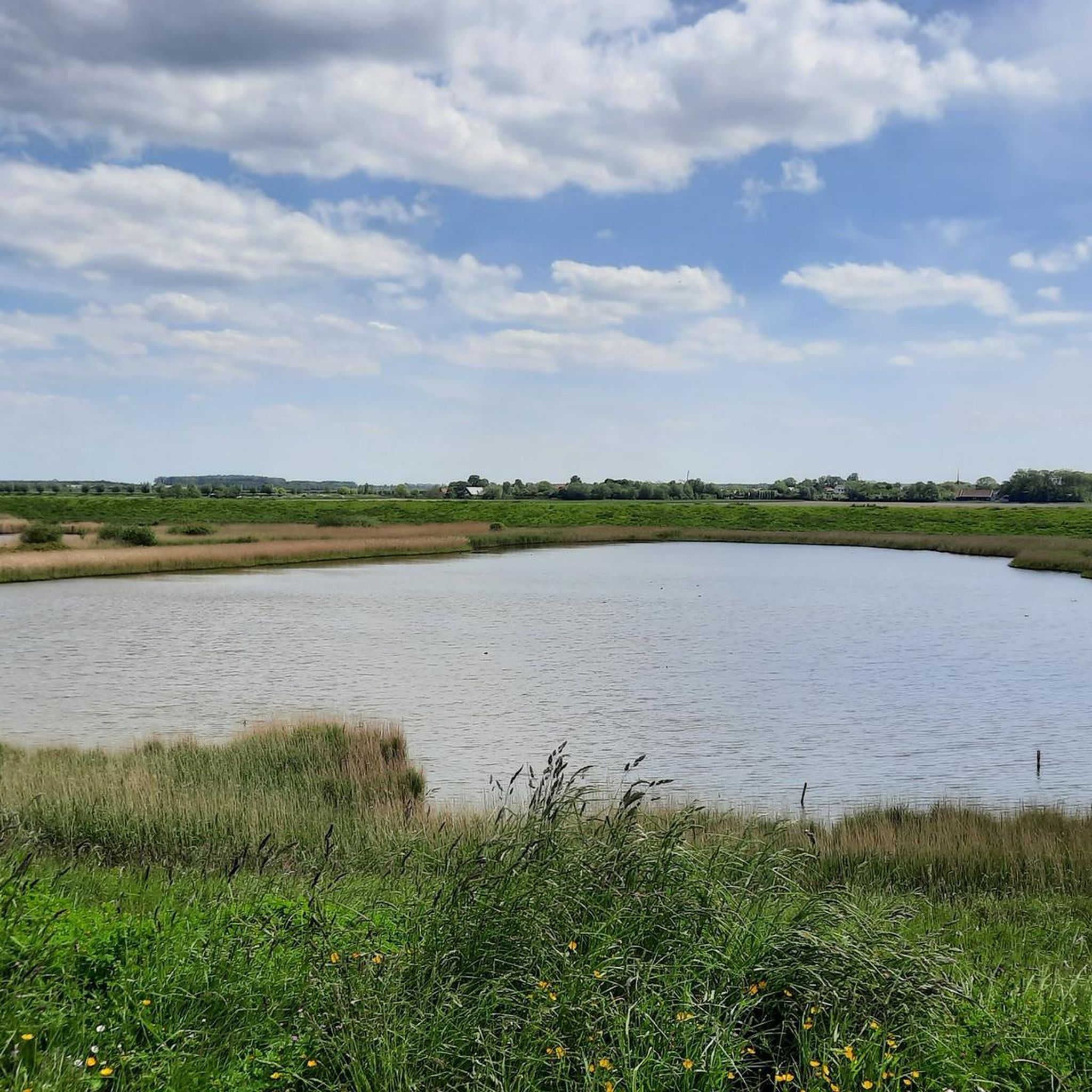
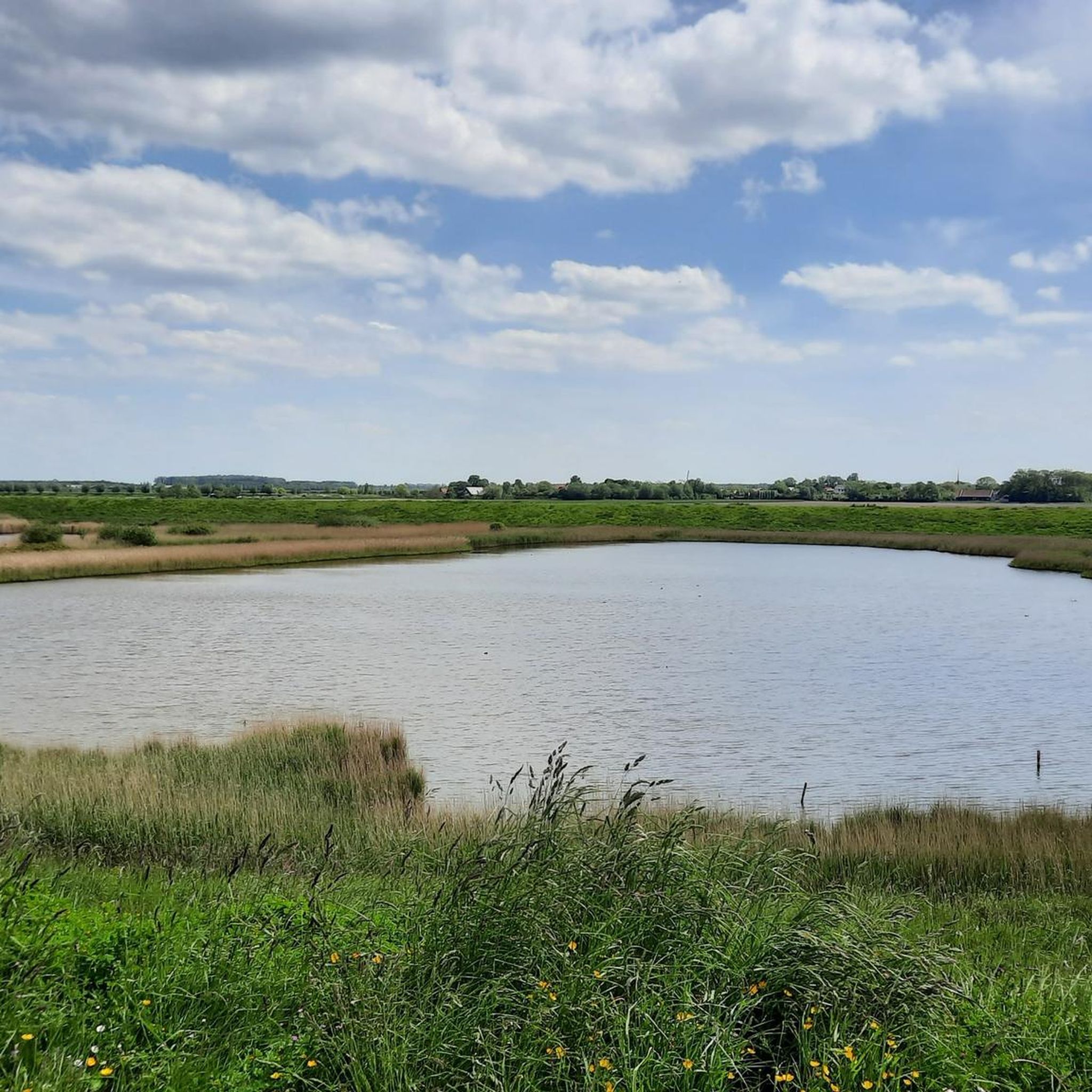
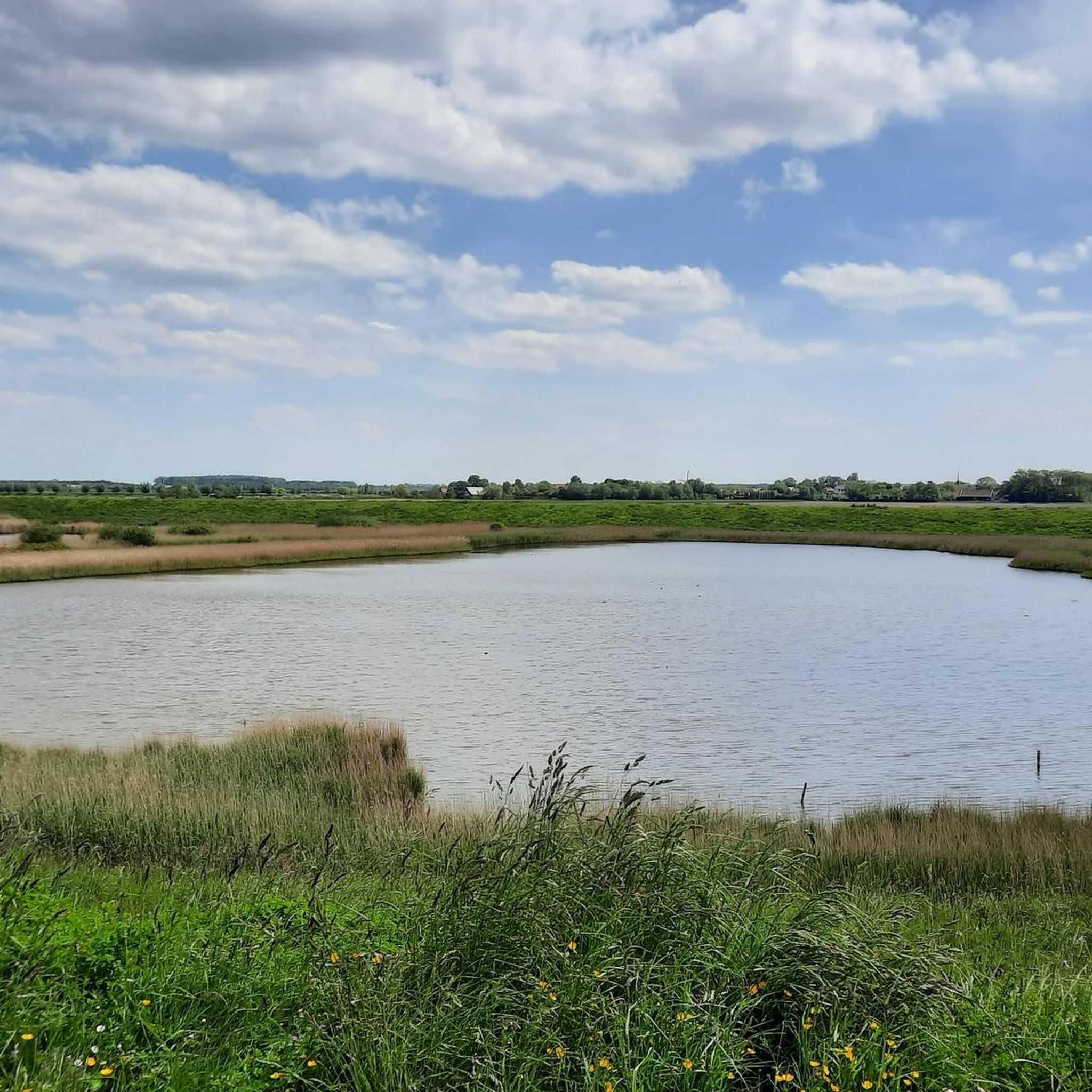
You might only expect an oyster pit in Yerseke. Yet, this Oesterput had a similar function. You could characterize this inlaag, because that's what it is, as a multifunctional inlaag. An inlaag is a piece of land between an old and a new dike that was surrendered to the water. This happened in many places in Zeeland between 1500 and 1900, including on Noord-Beveland. The area consequently became wet, brackish, or salty, and was no longer suitable for agriculture. It also served as a safety zone for the sea dike. Later, the realization dawned that such inlagen were also practically useful. The Oesterput then became an agricultural harbor, like several others on Noord-Beveland. From here, sugar beets, potatoes, grain, and manure were transported, among other things. Remnants of that small harbor are still visible. In the 20th century, the inlaag took on a new role as an oyster purification area, as its location on the Oosterschelde was ideal for this. After this function disappeared, the area developed into a nature reserve and part of the cultural-historical landscape. It is even the only tidal marsh area on Noord-Beveland. In 2016, a floating breeding island was constructed so that birds could breed undisturbed. From the elevation, you have a beautiful view over the inlagen, the Zeelandbrug, and the island of Schouwen-Duiveland on the other side.
0
0

Great view 👁️👁️
1
0


Viewpoint on the dike with a distant view of the Delta barrier and the Zeeland Bridge. There is a bench and a few boards with information about the construction (unfortunately only in Dutch).
0
0

Pure nature, accompanied by sheep while cycling
1
0

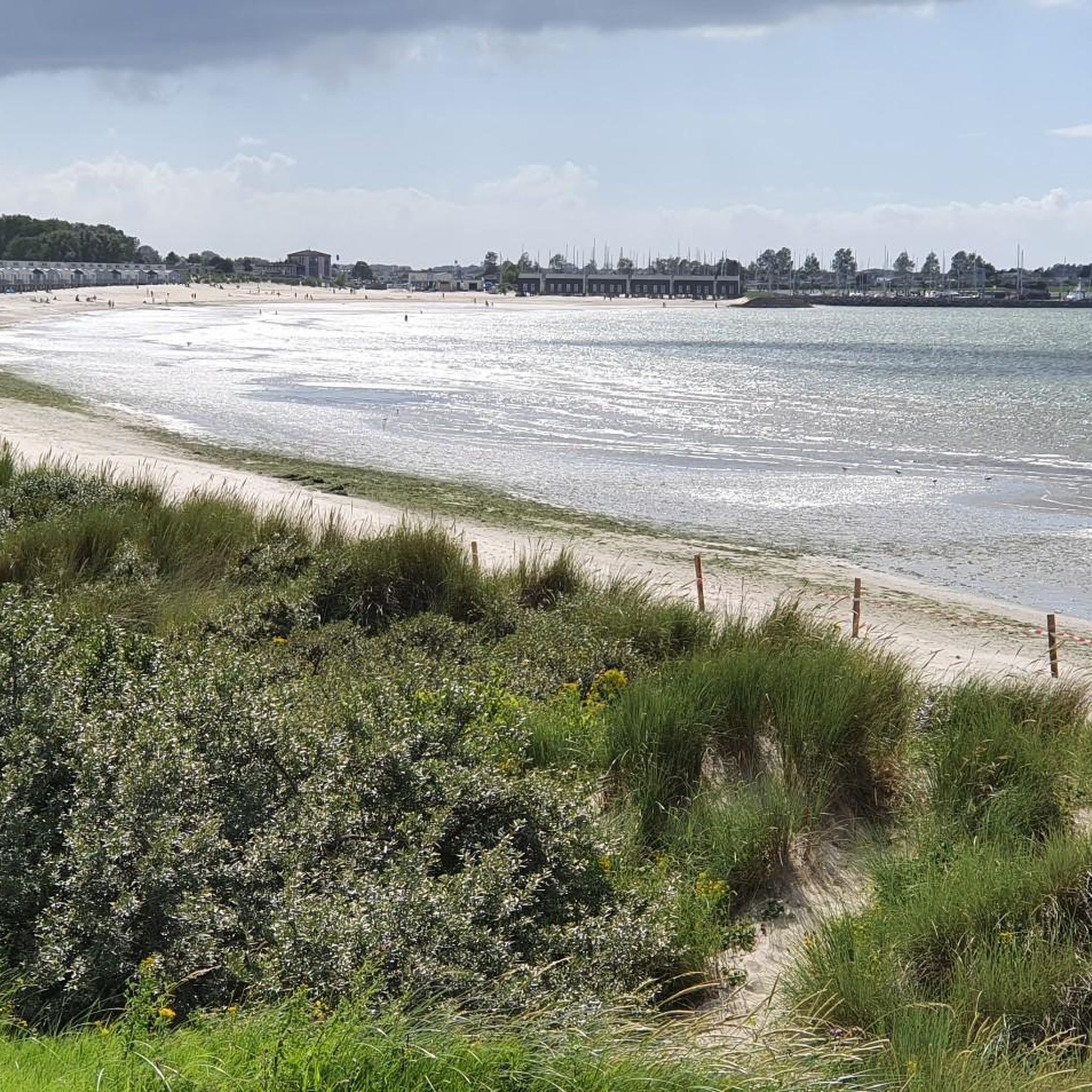
At this location on the waterfront you can enjoy the salty sea air. Enjoy to the fullest.
1
0

Pure nature with a headwind
0
0

The Schelphoek nature reserve was created after the flood disaster of 1953. Southwest of Serooskerke, one of the largest dike breaches in the disaster area occurred, which was difficult to contain. After the closure of the huge dike hole, peace returned. The former disaster site is now a varied nature reserve with water, banks and beautifully landscaped forests. These forest areas mainly consist of ash, but oak, elm, poplar and black alder are also present. The most beautiful walks start here.
12
0
Frequently Asked Questions
What makes the Oosterschelde region unique as a water body?
The Oosterschelde is not a traditional lake but a vast, dynamic tidal estuary and the largest National Park in the Netherlands. It's openly connected to the North Sea, experiencing significant ebb and flow twice daily, which constantly reshapes its landscape of mudflats and sandbanks. This tidal nature creates a rich and diverse ecosystem.
What kind of wildlife can I expect to see in the Oosterschelde National Park?
The Oosterschelde is a haven for wildlife. You can spot over 85 different water bird species, especially during low tide when they feed on exposed mudflats. The underwater world is rich with thousands of species, including cuttlefish, seahorses, crabs, lobsters, and various shellfish. Porpoises and seals are also frequently sighted.
Are there good viewpoints to experience the Oosterschelde?
Yes, there are several excellent viewpoints. The Oesterput Viewpoint, Oosterschelde National Park offers opportunities to enjoy the salty sea air and panoramic views. Another notable spot is the Plompe Tower, Oosterschelde, which provides great views over the flat landscape and is a nature reserve for birds.
What water sports and activities are popular in the Oosterschelde?
The Oosterschelde is ideal for water enthusiasts. Its clear water makes it a popular spot for diving and snorkeling, where you can explore a vibrant underwater world. Boating, guided boat tours to spot seals, and even lobster catching are also popular. You can also learn about mussel and oyster culture in places like Yerseke.
Are there cycling routes around the Oosterschelde?
Yes, the Oosterschelde region offers numerous cycling opportunities. Many scenic bike paths run along the coast, providing wonderful views of the estuary and countryside. For specific routes, you can explore options like those found in the Gravel biking around Oosterschelde or Road Cycling Routes around Oosterschelde guides.
Can I go hiking or running near the Oosterschelde?
Absolutely. The Oosterschelde National Park features diverse landscapes with channels, mudflats, and salt marshes, perfect for walking and running. You can find various trails, including those listed in the Running Trails around Oosterschelde guide, offering stunning views of the park.
Are there family-friendly options for visiting the Oosterschelde?
Yes, the Oosterschelde offers several family-friendly spots. Highlights like Oosterschelde National Park and Oesterput Viewpoint are noted as family-friendly. The Bergse Diepsluis - North Beach is also a popular family spot with good water quality for swimming and facilities.
What is the best time to visit the Oosterschelde?
The Oosterschelde is a year-round destination, but the period from May to September is particularly pleasant for water activities and enjoying the beaches, as water quality is monitored during this time. Birdwatching is excellent throughout the year, especially during migration periods. The dynamic tidal nature means there's always something new to see.
Is the Oosterschelde accessible for people with limited mobility?
The region is generally flat, making it easier to navigate. The Plompe Tower, Oosterschelde highlight is specifically noted as wheelchair accessible, offering beautiful views and cycle paths suitable for various users.
Where can I find parking when visiting the Oosterschelde?
Parking is available at various points around the Oosterschelde. For instance, the Bergse Diepsluis - North Beach specifically mentions that car parking is provided, making it a convenient spot for visitors.
What is the significance of the Oosterscheldekering?
The Oosterscheldekering (storm surge barrier) is an iconic engineering marvel and a key part of the Delta Works. It protects the region from flooding while maintaining the natural tidal movement of the Oosterschelde. Deltapark Neeltje Jans offers an educational experience about this impressive structure and serves as a good starting point for exploring the national park.
Can I gather shellfish or try local seafood in the Oosterschelde region?
Yes, the Oosterschelde is renowned for its mussel and oyster culture. In villages like Yerseke, you can learn about these traditions, and with a guide, it's possible to collect oysters (following specific rules) and visit mussel factories. Fresh seafood, including Zeeland oysters and Oosterschelde lobster, is a culinary highlight of the area.
Most popular routes around Oosterschelde
Most popular attractions around Oosterschelde

Get inspired with the komoot mobile app


Explore more
Still not found your perfect lake around Oosterschelde? Check out the guides of these regions to see even more beautiful places.
