The 5 Most Amazing Peaks around Horná Orava
Best mountain peaks around Horná Orava are found within a Protected Landscape Area in northern Slovakia. This region, part of the Orava Beskids and Oravská Magura mountain ranges, features dense forests, peat bogs, and panoramic views. Climbing the mountainous peaks around Horná Orava offers a way to experience this region. The area provides diverse experiences for visitors seeking natural landscapes and challenging hikes.
Best mountain peaks around Horná Orava
- The most popular mountain peaks is Babia Gora (Diablak), a…
Last updated: October 1, 2026
Babia Góra (Diablak)
Highlight • Summit
Translated by Google •
Tip by

Pilsko Peak
Highlight • Summit
Translated by Google •
Tip by

Sign up now to discover places like this
Get recommendations on the best single tracks, peaks, & plenty of other exciting outdoor places.
Border Marker Poland–Slovakia (Babia Góra)
Highlight • Summit
Translated by Google •
Tip by

Hala Mędralowa and the hut
Highlight • Summit
Translated by Google •
Tip by

Cross on Kościółki Ridge
Highlight • Monument
Translated by Google •
Tip by
Start today with a free account
Your next adventure awaits.
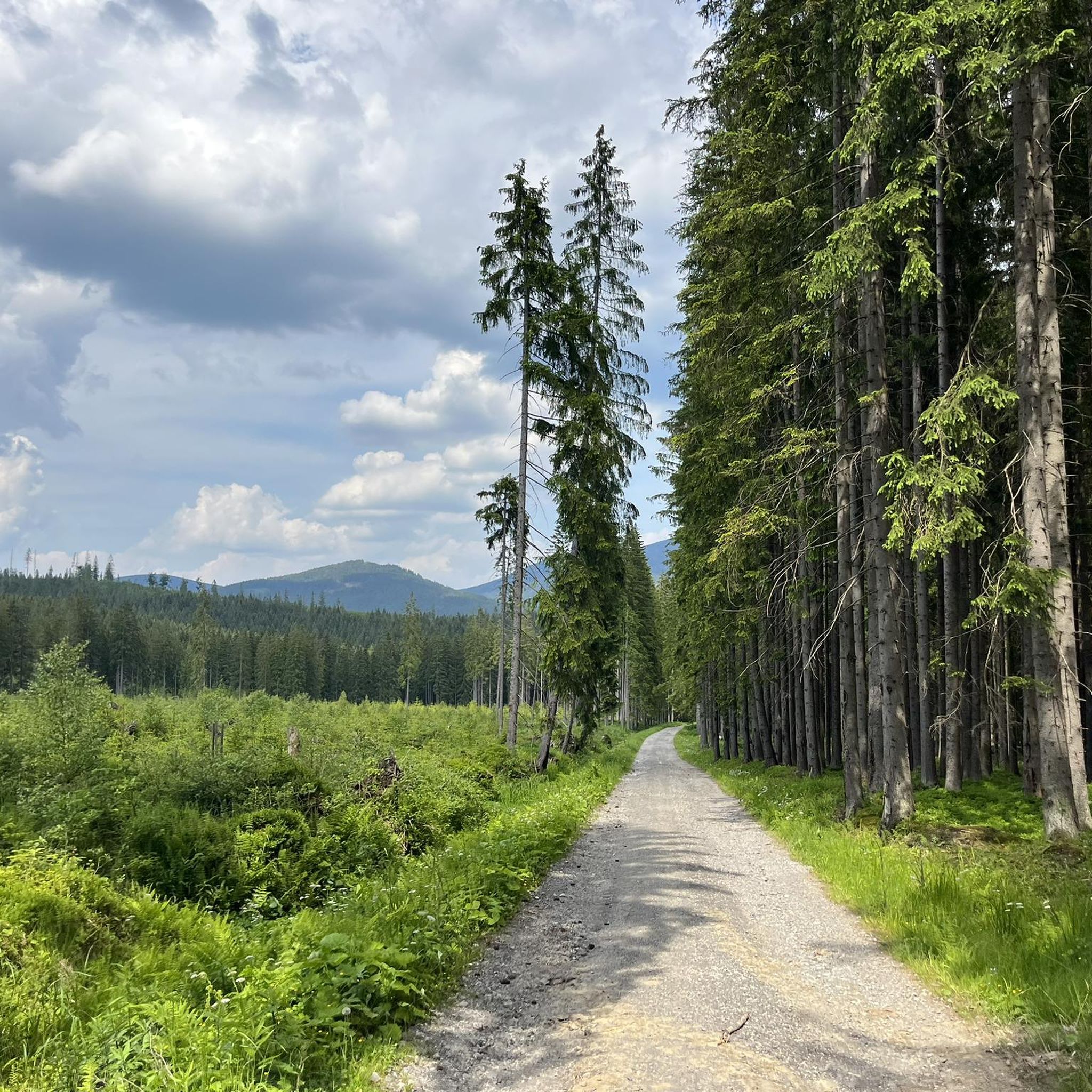
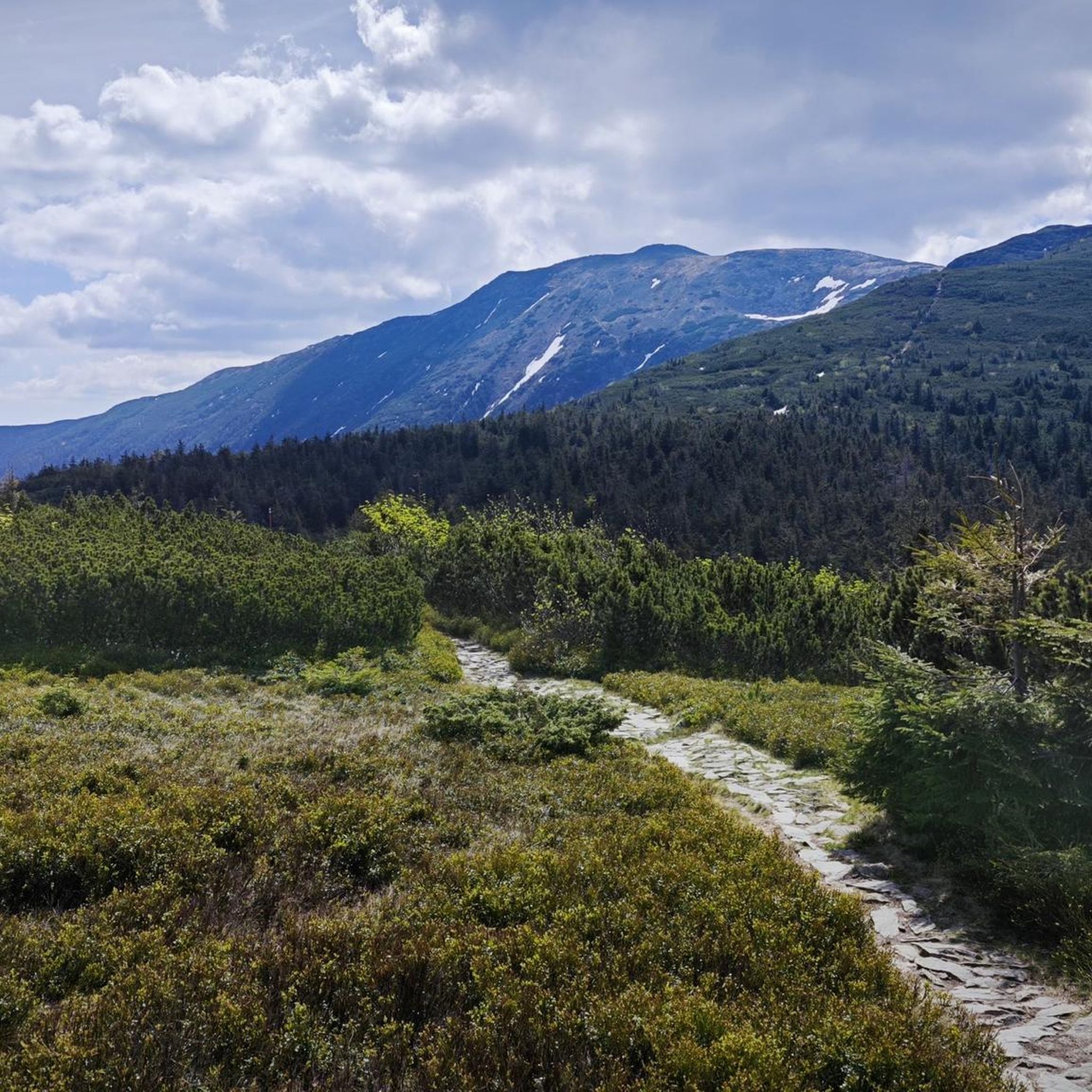
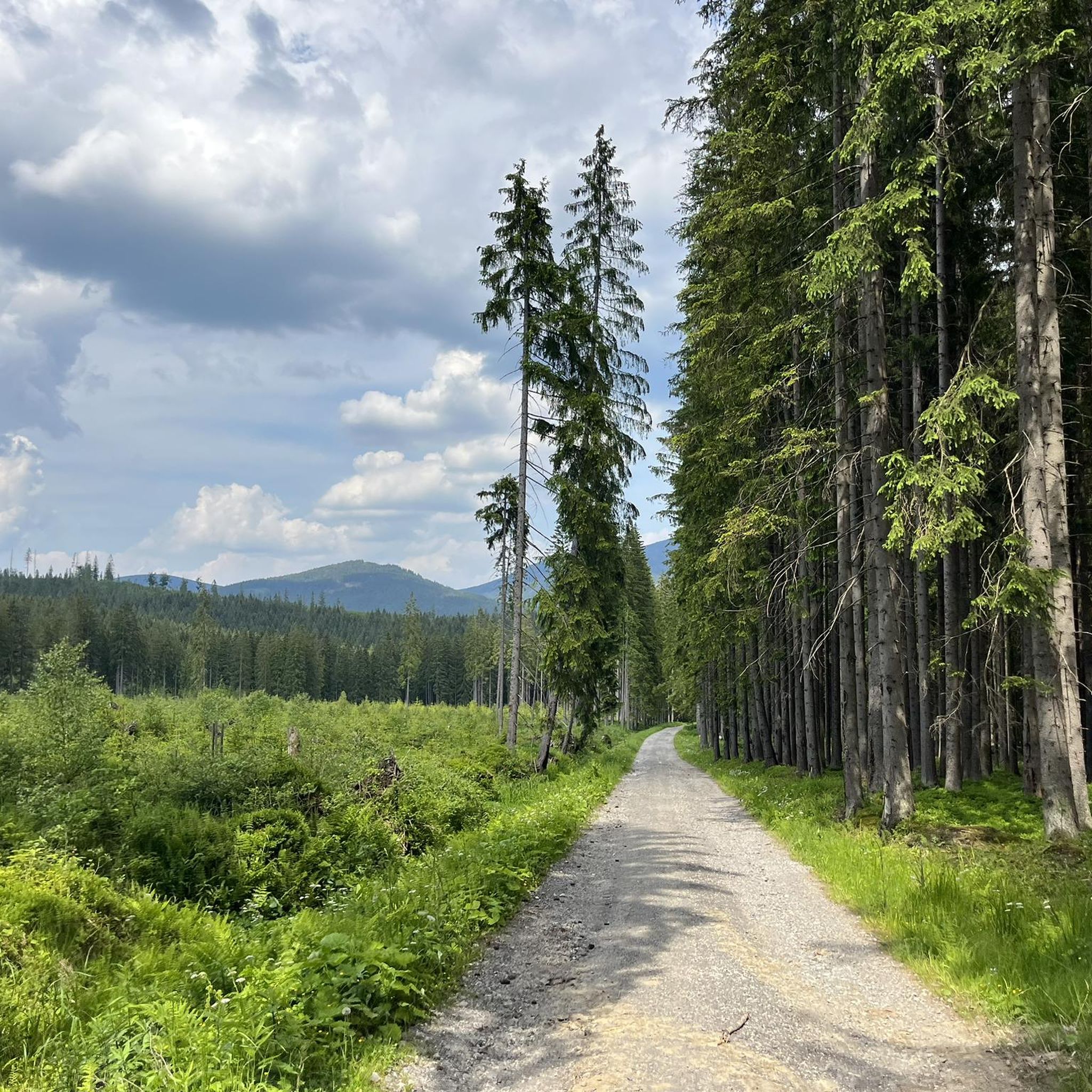
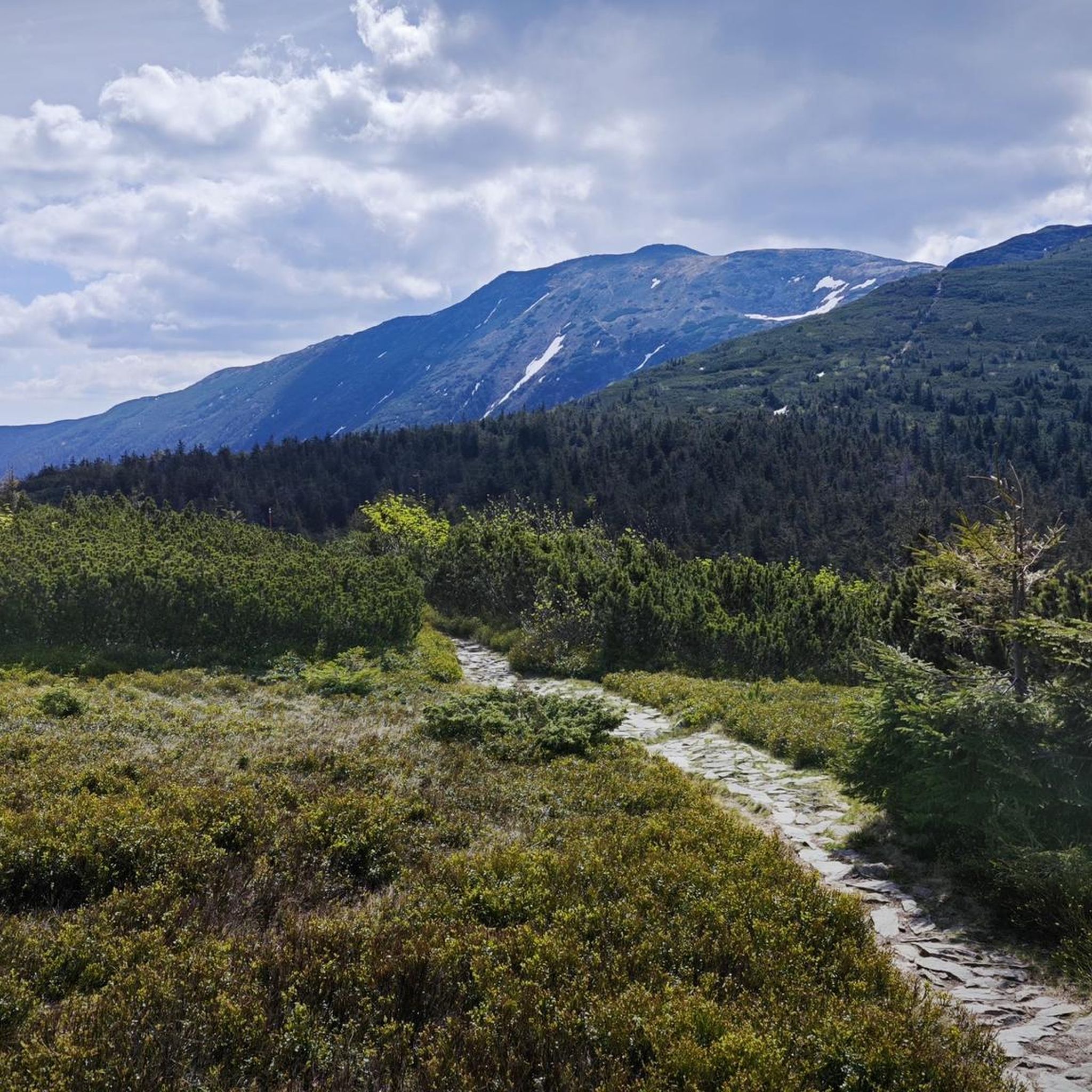
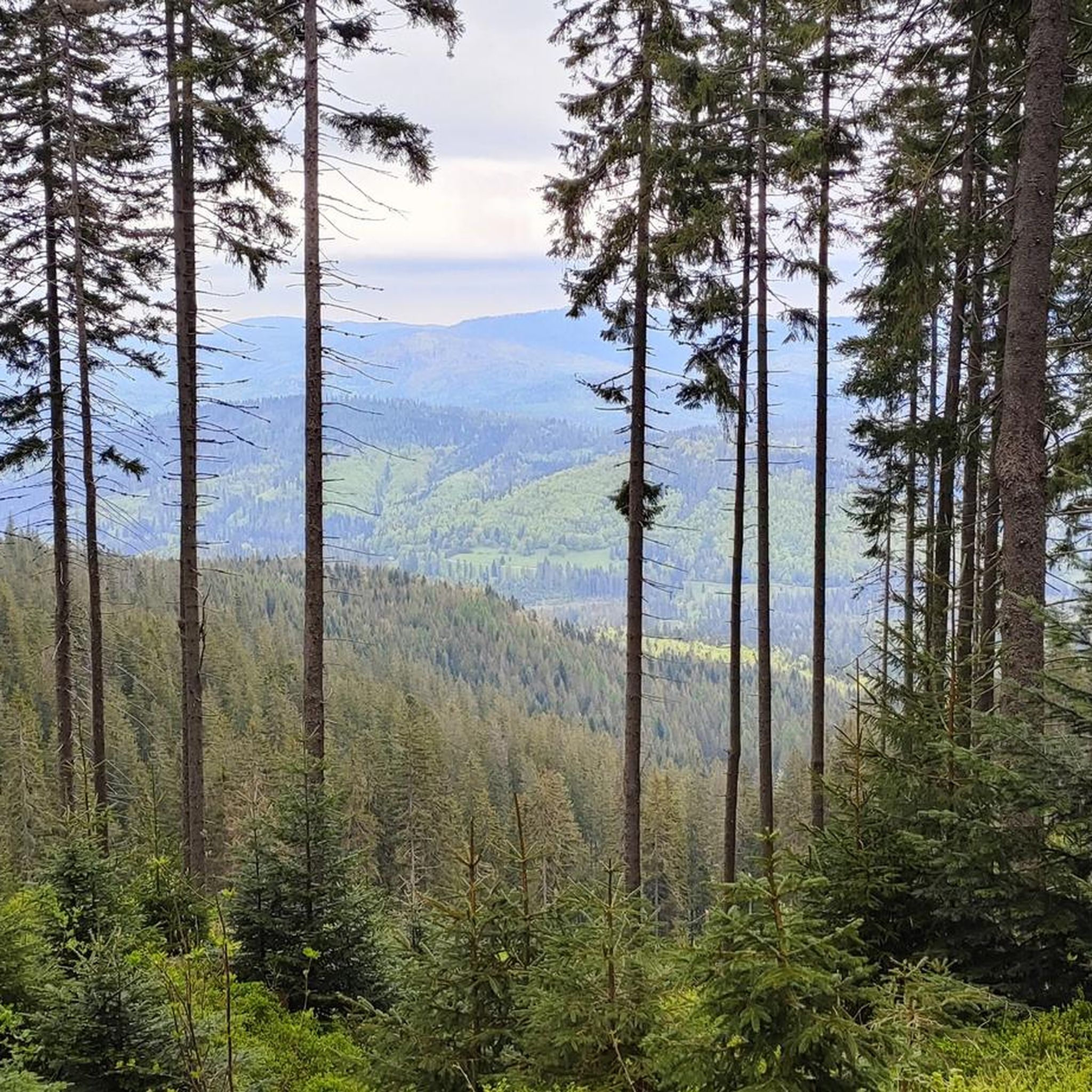
Tips from the Community

Further information can be found at the following link: https://de.m.wikipedia.org/wiki/Diablak
1
0

The summit of Mędralowa itself is just below, but here a small path branches off from the main trail and leads to a small hut and great views. It's worth the walk.
1
0

Great view point, always windy but worth the climb
0
0

Pilsko (1,557 m above sea level) is the second highest peak in the Żywiec Beskids, known for its vast panoramas of the Tatras, Mala Fatra and Babia Góra. There are several trails leading to the peak, including from Korbielów, Sopotnia Wielka and Złatna, with the approach from the Polish side being steep but rewarding. In winter, there is a ski resort here, while in summer, Pilsko attracts tourists who appreciate the wilderness and mountain climate. The peak lies on the border between Poland and Slovakia, and on the Slovak side, you can find a shelter at Hala Miziowa. It is worth taking a supply of water and appropriate footwear, because the approach can be muddy.
3
0

it's worth going, in nice weather great views
0
0
Cross on the trail to Babia
0
0
The border of the states on Babia
0
0
Queen, everyone should definitely come here at least once
1
0
Frequently Asked Questions
What are some of the most prominent mountain peaks in the Horná Orava region?
The Horná Orava region features several prominent peaks. Babia Gora (Diablak), at 1,725 meters, is the highest in Horná Orava and the Żywiec Beskids. Another significant peak is Pilsko Peak, reaching 1,557 meters, known for its extensive panoramas. While technically in the Western Tatras, Plačlivé (2,125 meters) is also often associated with the broader Orava region due to its proximity and views.
Are there challenging hikes available in Horná Orava?
Yes, Horná Orava offers challenging hikes. Ascending Babia Gora (Diablak), for instance, is considered a challenging hike requiring good fitness, especially via trails like Perć Akademików. The ascent to Plačlivé in the Western Tatras also involves significant elevation gain and is considered challenging.
What kind of views can I expect from the mountain peaks in Horná Orava?
From the summits in Horná Orava, you can expect breathtaking panoramic views. Babia Gora (Diablak) offers extensive views of the Orava Region. From Pilsko Peak, you can see the Tatra Mountains, Mala Fatra, Babia Hora, and Lake Orava. Plačlivé provides circular views of dominant peaks like Ostrý Roháč and Volovec, the Smutná Valley, and the Roháčske lakes, with the Orava Dam visible on clear days.
What natural features characterize the Horná Orava mountain peaks?
The mountain peaks in Horná Orava are part of a Protected Landscape Area, featuring diverse natural beauty. You'll find dense forests, peat bogs, and distinctive mountain terrain. Babia Gora (Diablak) is known for its preserved old-growth spruce forests, while the upper part of Pilsko Peak is covered with grass and mountain pine, and includes a nature reserve on its Slovak side.
Is there a less crowded alternative to the popular Babia Góra?
Yes, Little Babia Gora (Mała Babia Góra or Cyl) is a great alternative. It is the third highest peak in the Polish Beskid Mountains and offers stunning panoramas in almost every direction, often with fewer crowds, especially on weekends, compared to its larger neighbor.
What outdoor activities can I do near the mountain peaks of Horná Orava?
Beyond hiking the peaks, Horná Orava offers a variety of outdoor activities. You can explore numerous cycling routes, including challenging MTB trails like the Głuchaczki Pass loop or the Glinne Pass – Pilsko Peak loop, which you can find more about in the MTB Trails around Horná Orava guide. There are also gravel biking and road cycling routes available, such as those detailed in the Gravel biking around Horná Orava guide and Road Cycling Routes around Horná Orava guide.
What is the best time to visit Horná Orava for hiking?
The best time for hiking in Horná Orava generally depends on your preference for conditions. Summer offers pleasant temperatures for ascents, though it's wise to pack layers for higher elevations like Babia Gora (Diablak), which is known for its severe weather. Autumn provides beautiful foliage and often stable weather. Winter hiking is possible but requires appropriate gear and experience, especially on peaks like Pilsko, which also serves as a ski resort.
Are there any historical landmarks on the mountain trails?
Yes, some trails incorporate historical elements. For example, on the way to Babia Gora (Diablak), you can encounter the Border Marker Poland–Slovakia, which is a historical site marking the national boundary.
What do visitors particularly enjoy about the mountain peaks in Horná Orava?
Visitors frequently praise the stunning panoramas and the sense of wilderness. Many appreciate the challenging yet rewarding ascents, with tips often mentioning the importance of good weather for optimal views. The community has shown strong engagement, with the peaks collectively receiving 481 upvotes and 425 photos, indicating their popularity among outdoor enthusiasts.
Are there any specific tips for hiking Babia Gora (Diablak)?
When hiking Babia Gora (Diablak), be prepared for rapidly changing weather conditions, as it's nicknamed 'the mother of bad weather.' It's recommended to pack clothing suitable for colder seasons, even in summer. While many routes lead to the summit, the red trail is popular, and Perć Akademików is noted as a more difficult option for experienced hikers.
Can I find accommodation or facilities near the mountain peaks?
While specific accommodation details for every peak are not provided, the region is generally equipped for tourists. Near Pilsko Peak, for instance, a tourist mountain hut is located at 1,330 meters, near a junction of hiking trails, offering a place to rest and potentially find refreshments.
What is the significance of Pilsko Peak in the region?
Pilsko Peak is the second-highest peak in the Żywiec Beskids (Oravské Beskydy) at 1,557 meters, situated on the border between Poland and Slovakia. It is significant for being part of the European Watershed and hosts a nature reserve on its Slovak side. It's a popular destination for both summer hiking and winter skiing, offering vast panoramas of surrounding mountain ranges and Lake Orava.
Most popular routes around Horná Orava
Most popular attractions around Horná Orava

Get inspired with the komoot mobile app


