Top 8 Caves in Bezirk Imst
Caves in Bezirk Imst offer a range of underground experiences within Tyrol, Austria. The region is characterized by its mountainous terrain and natural grottos, alongside historically significant tunnel systems. These geological formations and man-made structures provide diverse exploration opportunities. Bezirk Imst features both natural caves and former mining sites, reflecting its historical and natural landscape.
Best caves in Bezirk Imst
- The most popular caves is Hexenhöhle (Witch's Cave), a cave and natural monument. It is described as a cute…
Last updated: April 30, 2026
Blue Grotto in Rosengarten Gorge
Highlight • Cave
Translated by Google •
Tip by

Hexenhöhle (Witch's Cave)
Highlight • Cave
Translated by Google •
Tip by

Sign up now to discover places like this
Get recommendations on the best single tracks, peaks, & plenty of other exciting outdoor places.
Sign up for free
Hexenhöhle on the Geo and Animal Educational Trail Ötztal
Highlight (Segment) • Cave
Translated by Google •
Tip by
Old Mine Tunnel
Highlight • Cave
Ice Cellar in the Achstürze-Piburger See Conservation Area
Highlight • Cave
Translated by Google •
Tip by

Hohler Stein Rock Shelter
Highlight • Cave
Translated by Google •
Tip by

Tschirgant Caves
Highlight • Cave
Translated by Google •
Tip by

Shelter cave
Highlight • Cave
Translated by Google •
Tip by

Start today with a free account
Your next adventure awaits.
Login or Signup
Popular around Bezirk Imst
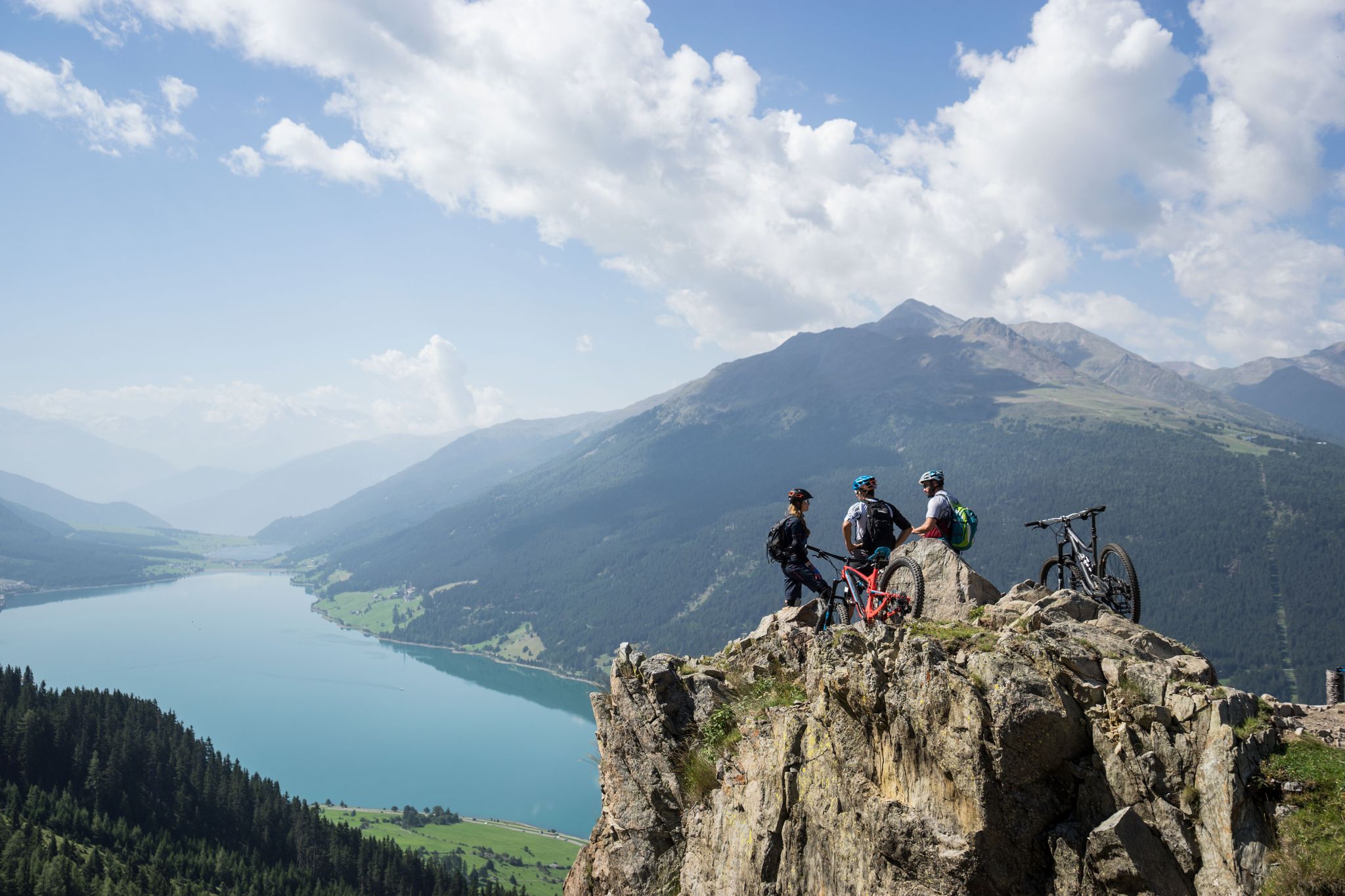
High into the Tyrolean mountain world – mountain biking in Tyrol
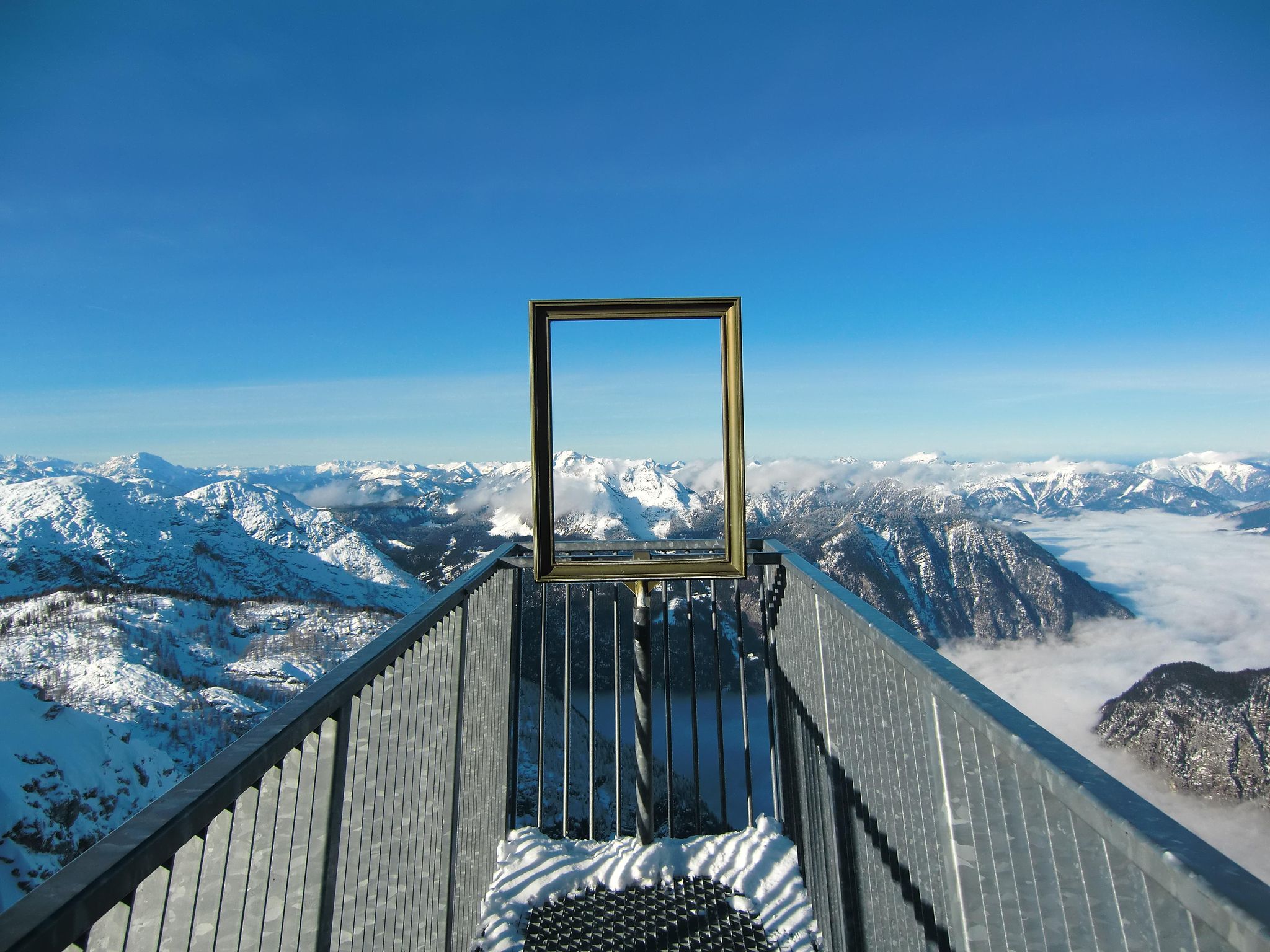
#Winterlove — 14 tips for your winter adventure in Austria
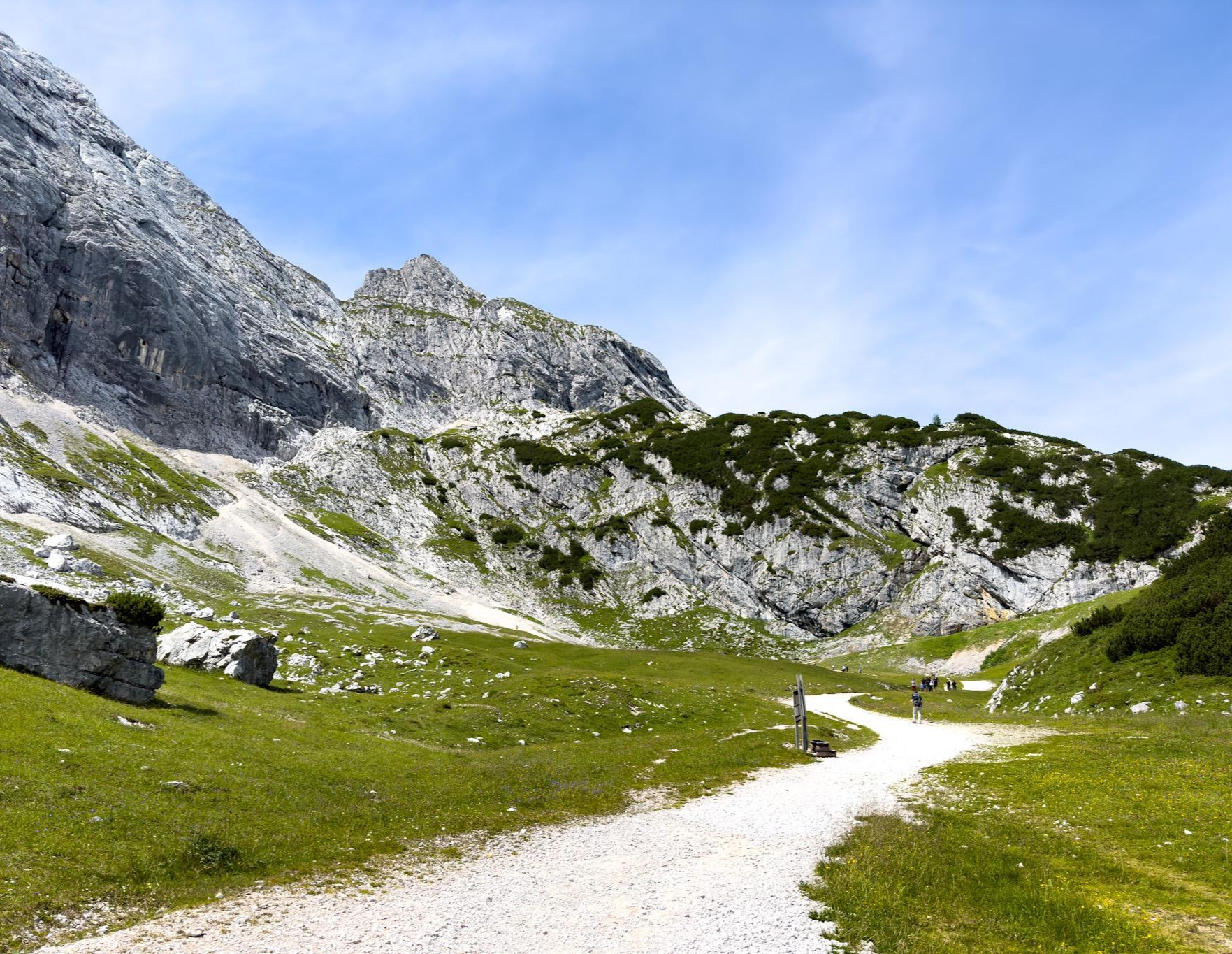
Zugspitz Ultratrail – experience Germany's highest mountain over 3 days
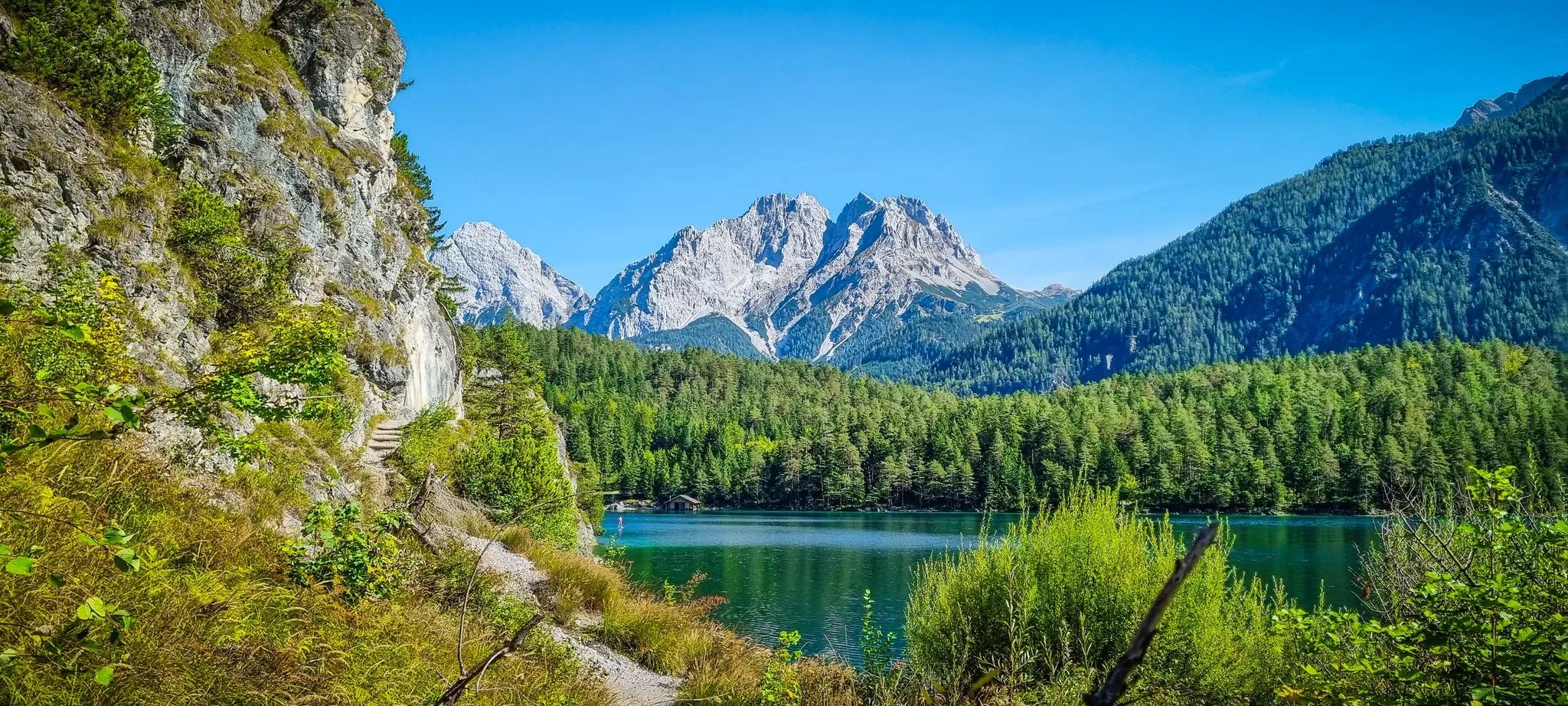
Starkenberg Panorama Trail – Lakes, gorges and noble paths
L1 from Garmisch to Brescia – Far from the classic Alpine crossings
Eagle Walk – Majestic hiking along Tirol's trail
North Alpine Trail 01 – Hike across Austria in 49 days
Kaunergrat circular hike in Austria – a dream for experienced mountaineers
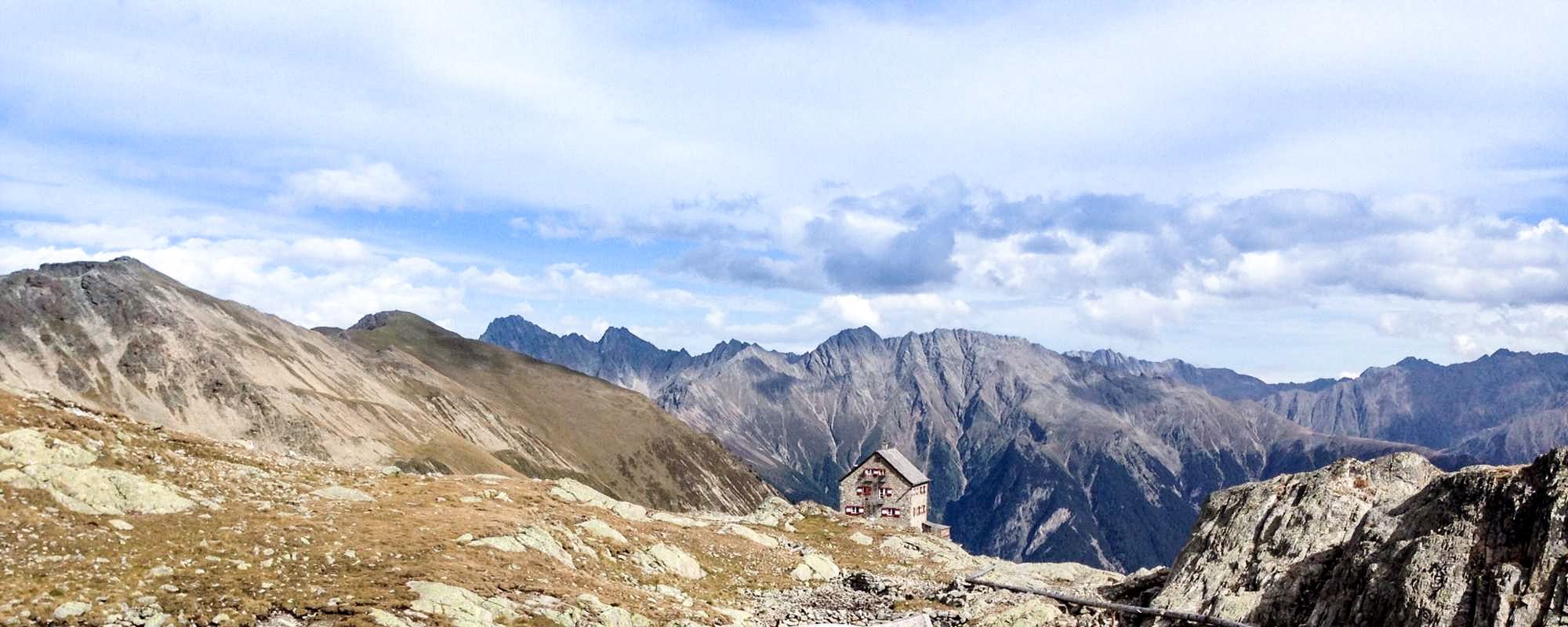
4 romantic huts high above the Ötztal
Via Claudia Augusta – Your first transalp
Other adventures in Bezirk Imst


Tips from the Community

Fairytale trail, fairytale forest - beautiful photo opportunity
0
0

a fun puzzle/information walk, especially for kids.
0
0

A really cute little witch's house, a great photo opportunity, and a lovely resting place on a fantastic circular hiking trail.
1
0

If it's too hot in summer, put it in the fridge ;)
0
0

The special thing about the Blue Grotto is the story of its creation: 2000 years ago, in Roman times, people were working diligently here and searching for silver-containing galena. The geologist Peter Gstrein suspects that the fire-setting method was already being used for mining in the first centuries after the birth of Christ; The rock's rock became brittle due to the heating and could therefore be chipped away more easily. This is how the Blue Grotto was created, which is probably unique in Tyrol. The blue grotto is located at the end of the Rosengartenschlucht just before the hiking trail arrives in Hoch-Imst. In the opposite direction from Hoch-Imst, the Blue Grotto can be reached in less than 10 minutes. Imst.at
5
0

Really great in the summer
0
0

Super nice.... I'll take a closer look at that next time!
1
0

This stone offered protection to people thousands of years ago
3
0
Frequently Asked Questions
What types of caving experiences are available in Bezirk Imst?
Bezirk Imst offers a diverse range of underground experiences. You can explore natural grottos, historically significant tunnel systems, and former mining sites. Options range from adventurous caving and tunnel hiking in extensive networks like the Amberg Tunnel System to more leisurely visits to natural features.
Are there any family-friendly caves in Bezirk Imst?
Yes, several caves are suitable for families. The Hexenhöhle (Witch's Cave) is a charming spot often integrated into a fun, themed walk designed for children, offering a great photo opportunity and a resting place. The Blue Grotto in Rosengarten Gorge is also described as exciting for children, with its dripping ceiling and historical context.
Which caves have historical significance in the region?
The region is rich in historical underground sites. The Blue Grotto in Rosengarten Gorge is notable for its ancient history, believed to be a Roman-era mining site for silver-bearing galena. The Amberg Tunnel System, while not listed as a highlight in the guide, is a significant historical site from World War II, originally built for a hydroelectric project and a secret aircraft testing facility. The Old Mine Tunnel also provides insight into past mining activities.
What kind of adventure caving is available in Bezirk Imst?
For adventure seekers, the Amberg Tunnel System offers extensive caving and tunnel hiking experiences. With professional guides, you can explore dark passages, abseil down approximately 100 meters, and navigate through the mountain. This system includes a 250-meter-long pressure tunnel with a 45-degree incline, traversable with a steel cable. Both extreme tours and less physically demanding tunnel hikes are available.
Can I visit a cave to cool down during summer?
Yes, the Ice Cellar in the Achstürze-Piburger See Conservation Area is known for its naturally cool environment. It's recommended as an ideal spot to cool down on hot summer days, living up to its name with 'fridge-cold' temperatures inside.
Are there any natural rock shelters or grottos to explore?
Yes, Bezirk Imst features several natural rock formations. The Hohler Stein Rock Shelter and the Shelter cave are examples of natural rock shelters. The Blue Grotto in Rosengarten Gorge is also a natural grotto with historical significance.
What are the geological features of the caves in Bezirk Imst?
The caves in Bezirk Imst showcase various geological formations, from natural grottos formed over millennia to rock shelters. The Blue Grotto, for instance, was shaped by both natural processes and ancient mining techniques, where fire-setting was used to make the rock brittle for easier extraction.
What outdoor activities can I do near the caves in Bezirk Imst?
The region around the caves offers numerous outdoor activities. You can find extensive cycling routes, including the Ötztal cycle path, and challenging MTB trails like the Erlebnistour rund um das Tschirgantmassiv. For more details, explore the Cycling in Bezirk Imst or MTB Trails in Bezirk Imst guides.
Are there any caves that are part of a hiking trail?
Yes, the Hexenhöhle (Witch's Cave) is a popular resting place on a fantastic circular hiking trail. Additionally, the Hexenhöhle on the Geo and Animal Educational Trail Ötztal is part of a lovingly arranged educational path, making it accessible with simple footwear.
What should I wear for caving or tunnel hiking in Bezirk Imst?
For adventurous caving or tunnel hiking, especially in systems like the Amberg Tunnels, you should be equipped with professional gear. This typically includes headlamps, helmets, and climbing harnesses. For less demanding cave visits or themed walks, comfortable clothing and sturdy footwear suitable for hiking are recommended, as some paths might be wet or uneven.
Are there any caves that are considered natural monuments?
Yes, several caves in Bezirk Imst are recognized as natural monuments. These include the Hexenhöhle (Witch's Cave), the Ice Cellar in the Achstürze-Piburger See Conservation Area, the Hohler Stein Rock Shelter, and the Tschirgant Caves.
Most popular routes in Bezirk Imst
Most popular attractions in Bezirk Imst

Get inspired with the komoot mobile app


Didn’t find what you were looking for?
Discover more caves in Bezirk Imst region by region:
Explore more
Extend your search for the best caves by checking out these guides of the top ones in Bezirk Imst:
