Top 13 Lakes around the Guadalquivir
Best lakes around the Guadalquivir are situated within the river's basin, which flows through Andalusia, Spain. This region features a variety of natural and man-made water bodies, including reservoirs and marshlands. The area provides diverse natural landscapes and opportunities for outdoor activities. These water systems are integral to the hydrographic influence of the Guadalquivir River.
Best lakes around the Guadalquivir
- The most popular lakes is Alamillo Park, a facilities that features a large, well-preserved park with lanes and paths. It includes two lakes, Lago Mayor and Lago Menor, and offers playgrounds, cycle and walking paths, and water sports facilities.
- Another must-see spot is Charco del Aceite, a lake and natural pool. This natural pool, created by the old bed of the Guadalquivir river, is located in the Sierra de las Villas and provides a recreational area for bathing, with stone tables, wooden seats, and a kiosk-bar.
- Visitors also love Isla Cabeza de la Viña Viewpoint, a viewpoint located in the Tranco reservoir. It offers views from the peak of Cabeza de la Viña Island, which can be accessed on foot when water levels are low or by boat.
- Guadalquivir is known for its reservoirs and natural pools. The region offers a variety of water bodies, from large reservoirs like Tranco de Beas to smaller, secluded natural swimming spots.
- The lakes around the Guadalquivir are appreciated by the komoot community, with 10 upvotes and 6 photos shared.
Last updated: May 16, 2026
Isla Cabeza de la Viña Viewpoint
Highlight • Viewpoint
Translated by Google •
Tip by

Alamillo Park
Highlight • Rest Area
Translated by Google •
Tip by

Sign up now to discover places like this
Get recommendations on the best single tracks, peaks, & plenty of other exciting outdoor places.
Sign up for free
Charco del Aceite
Highlight • Lake
It has stone tables, wooden seats and a kiosk-bar.
Translated by Google •
Tip by
La Breña Reservoir
Highlight • Lake
Translated by Google •
Tip by

Trail next to the Tranco reservoir
Highlight (Segment) • Trail
Translated by Google •
Tip by

Tranco de Beas Reservoir
Highlight • Lake
Translated by Google •
Tip by

Fish Farm in Parque Natural de la Sierra de Cazorla, Segura y las Villas
Highlight • Structure
Translated by Google •
Tip by

Charco de la Pringue
Highlight • Lake
Translated by Google •
Tip by
El Arenoso Reservoir
Highlight • Lake
Translated by Google •
Tip by

Tranco Reservoir
Highlight • Lake
Translated by Google •
Tip by
Sign up for free to discover even more lakes around the Guadalquivir.
Sign up for free
Already have an account?
Start today with a free account
Your next adventure awaits.
Login or Signup
Popular around Guadalquivir

Triathlon 360 – my journey around the world
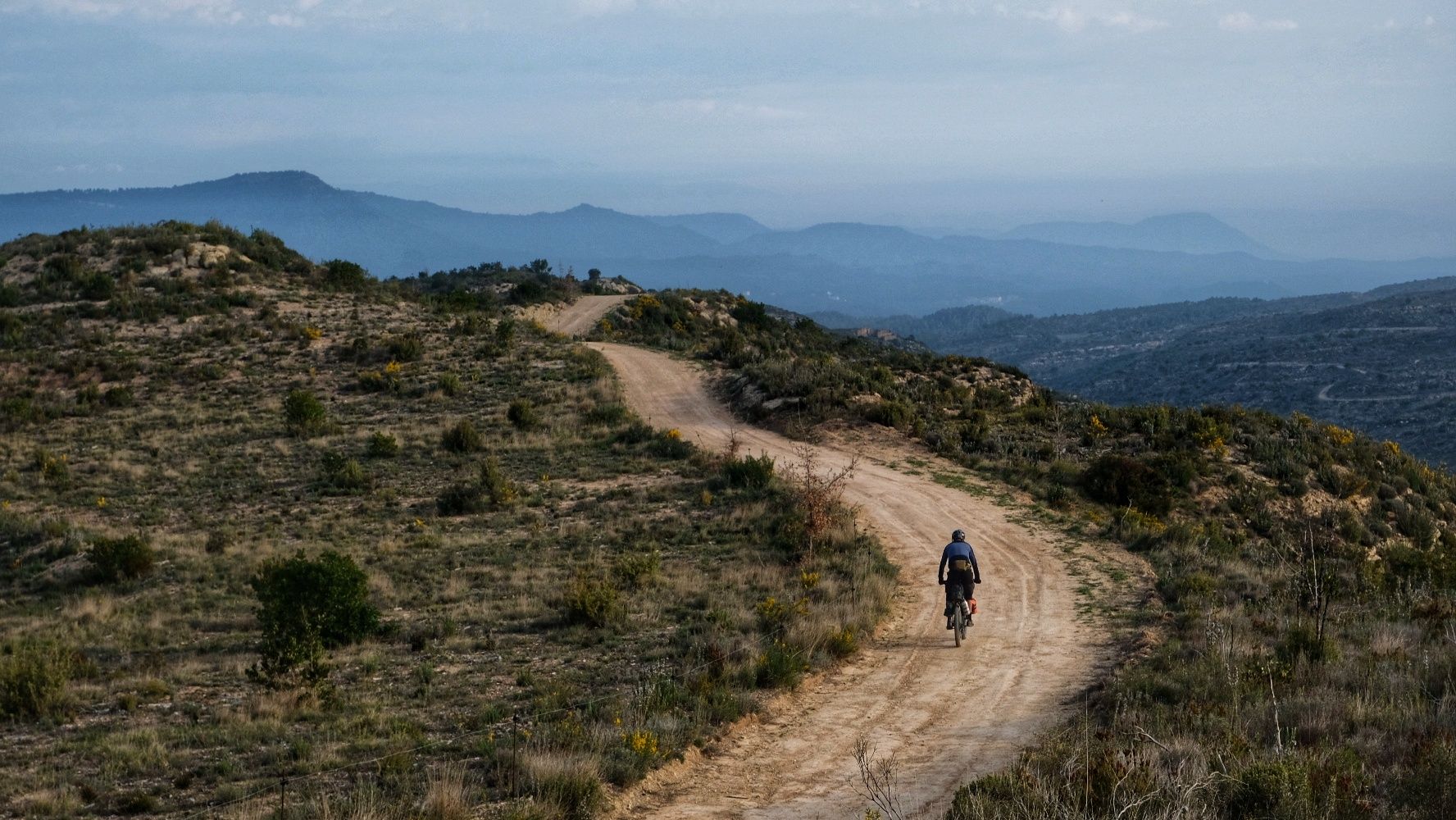
European Divide Trail — 7,600 km across the continent
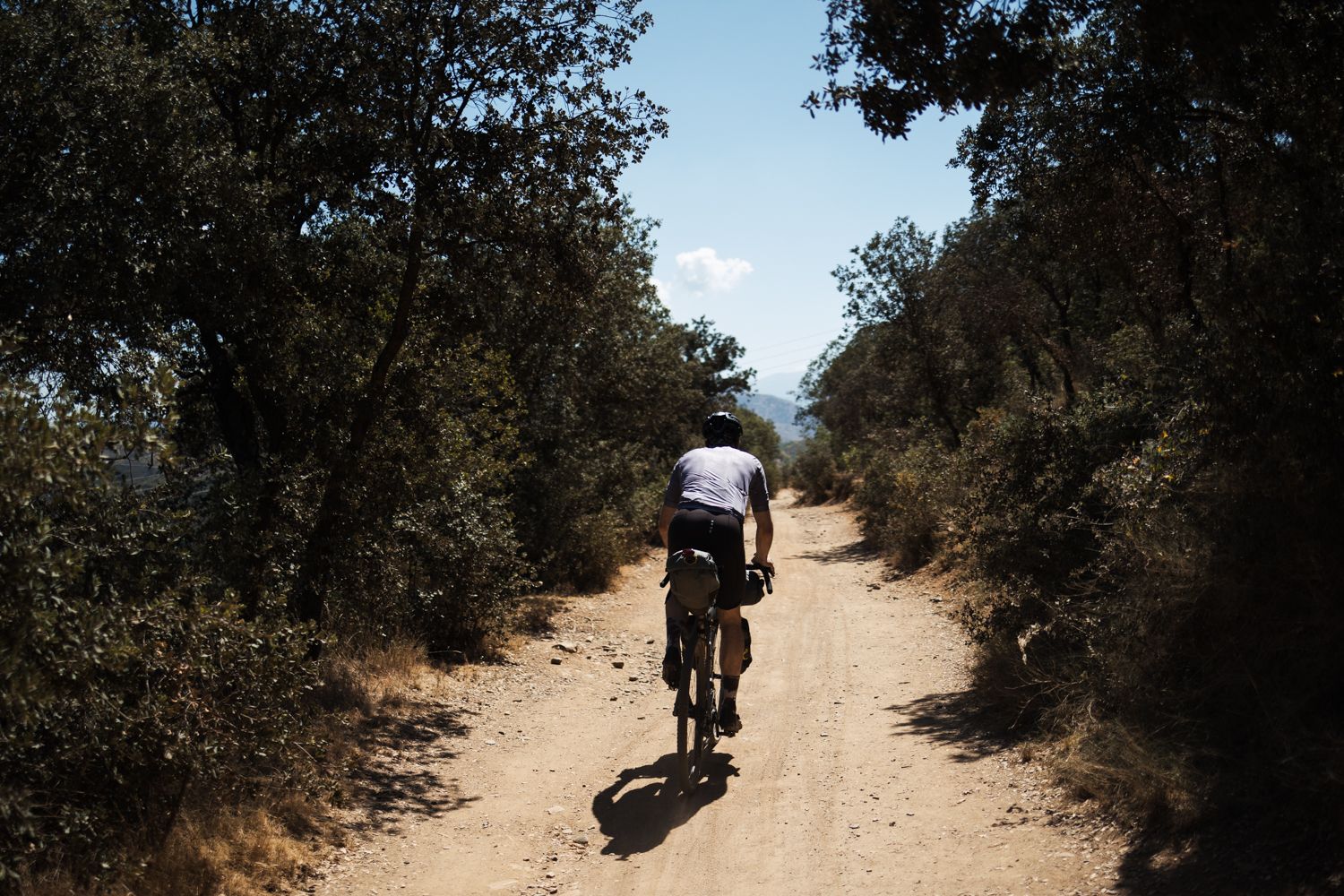
Mozarabic Way to Santiago – Gravel between two worlds
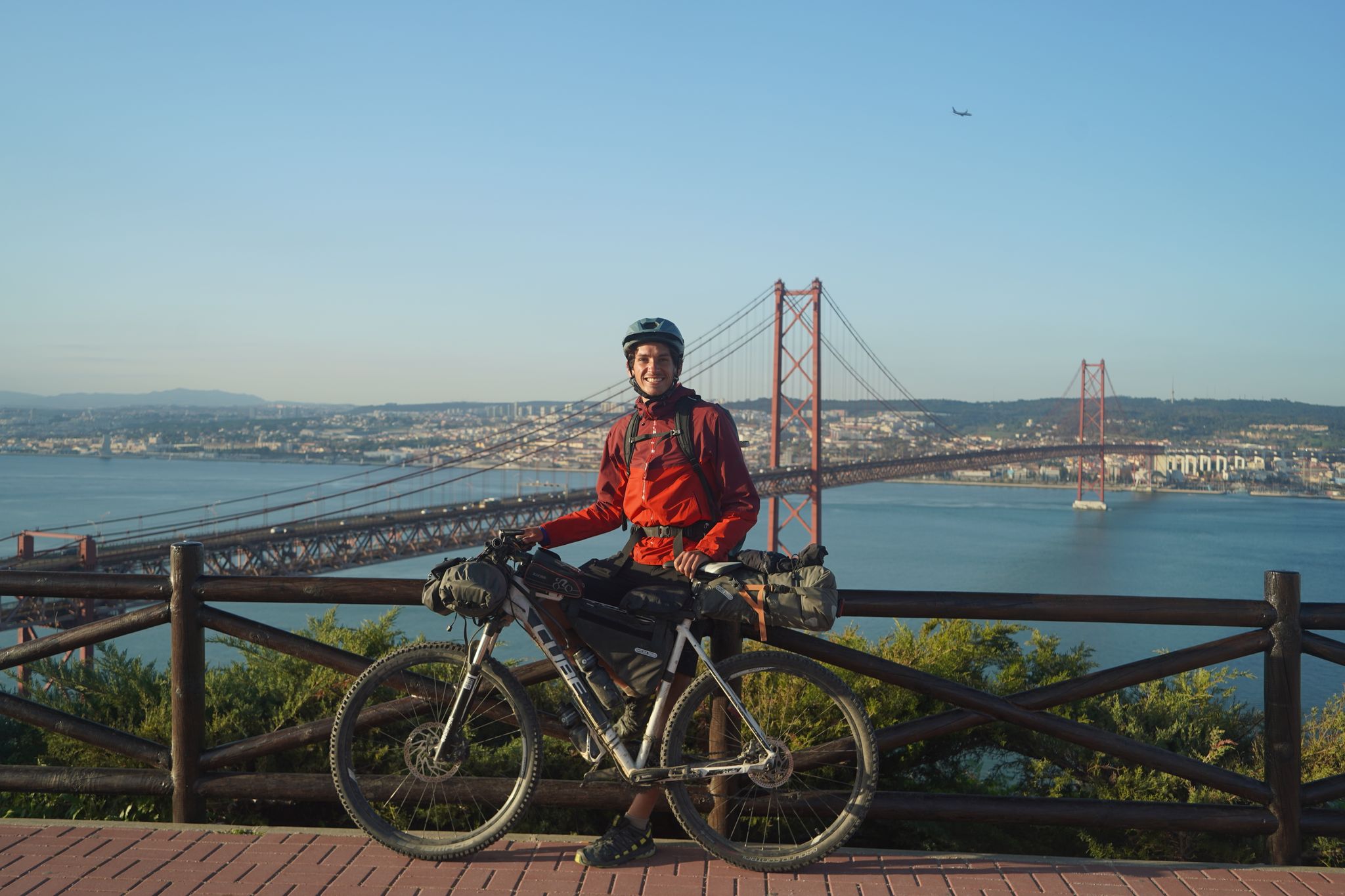
Road to Lisbon – bikepacking the Alps, Pyrenees and Picos de Europa
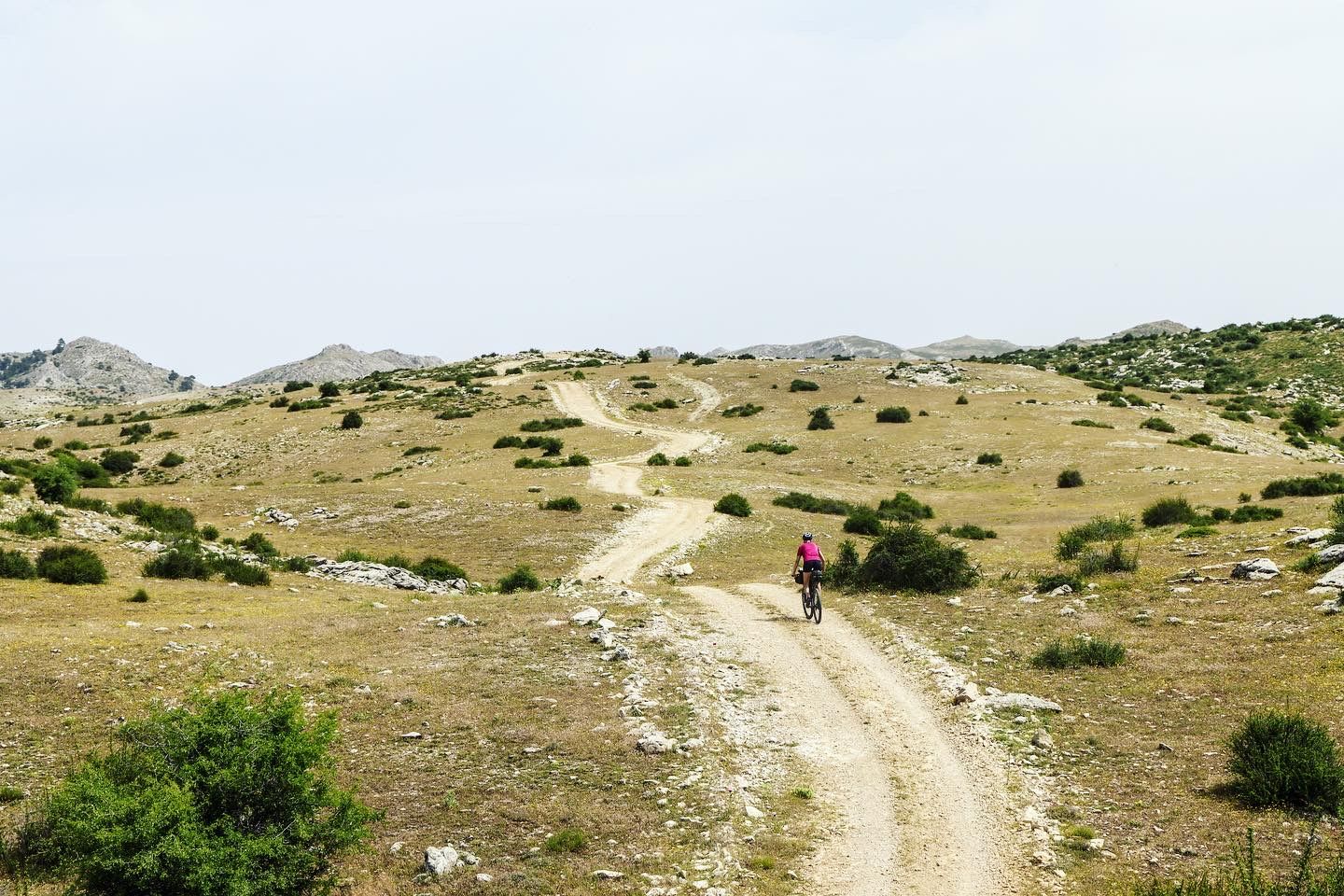
Bikepacking the mountains and deserts of Andalucía
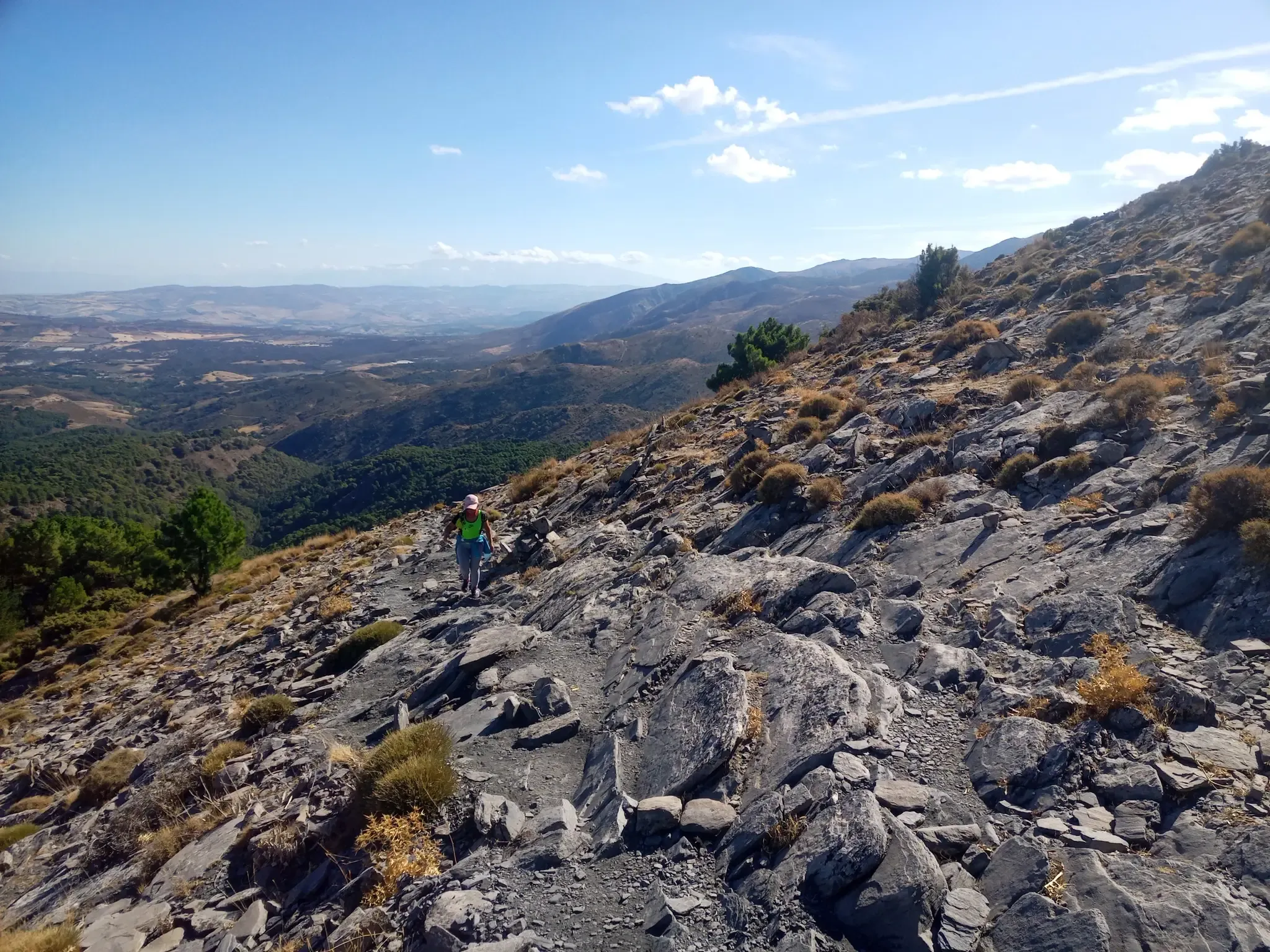
12 hiking gems throughout Spain
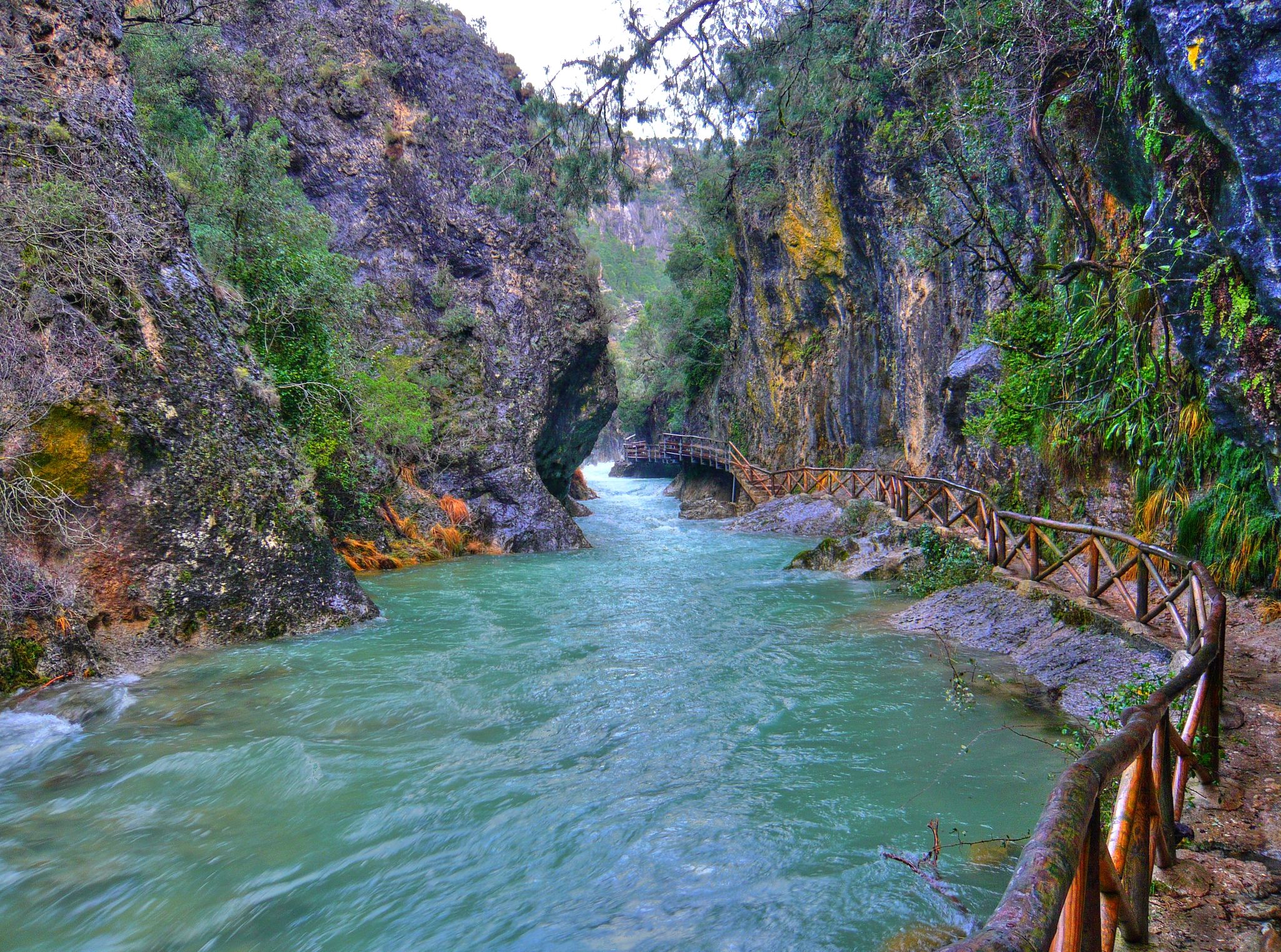
Through the Borosa Gorge to the highest peak of the Sierra de Segura
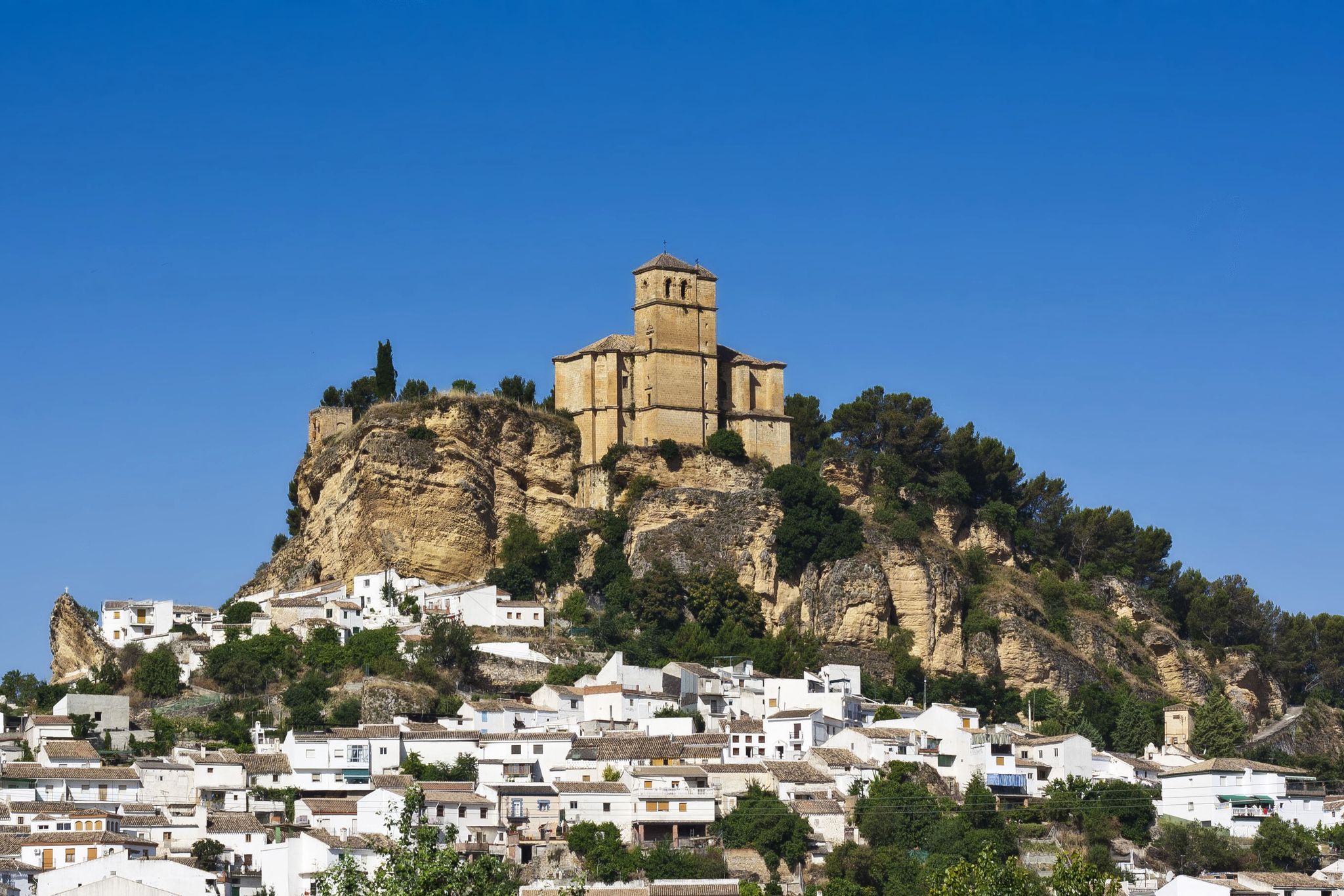
Washington Irving – cycle through the Arab vestiges of Andalusia
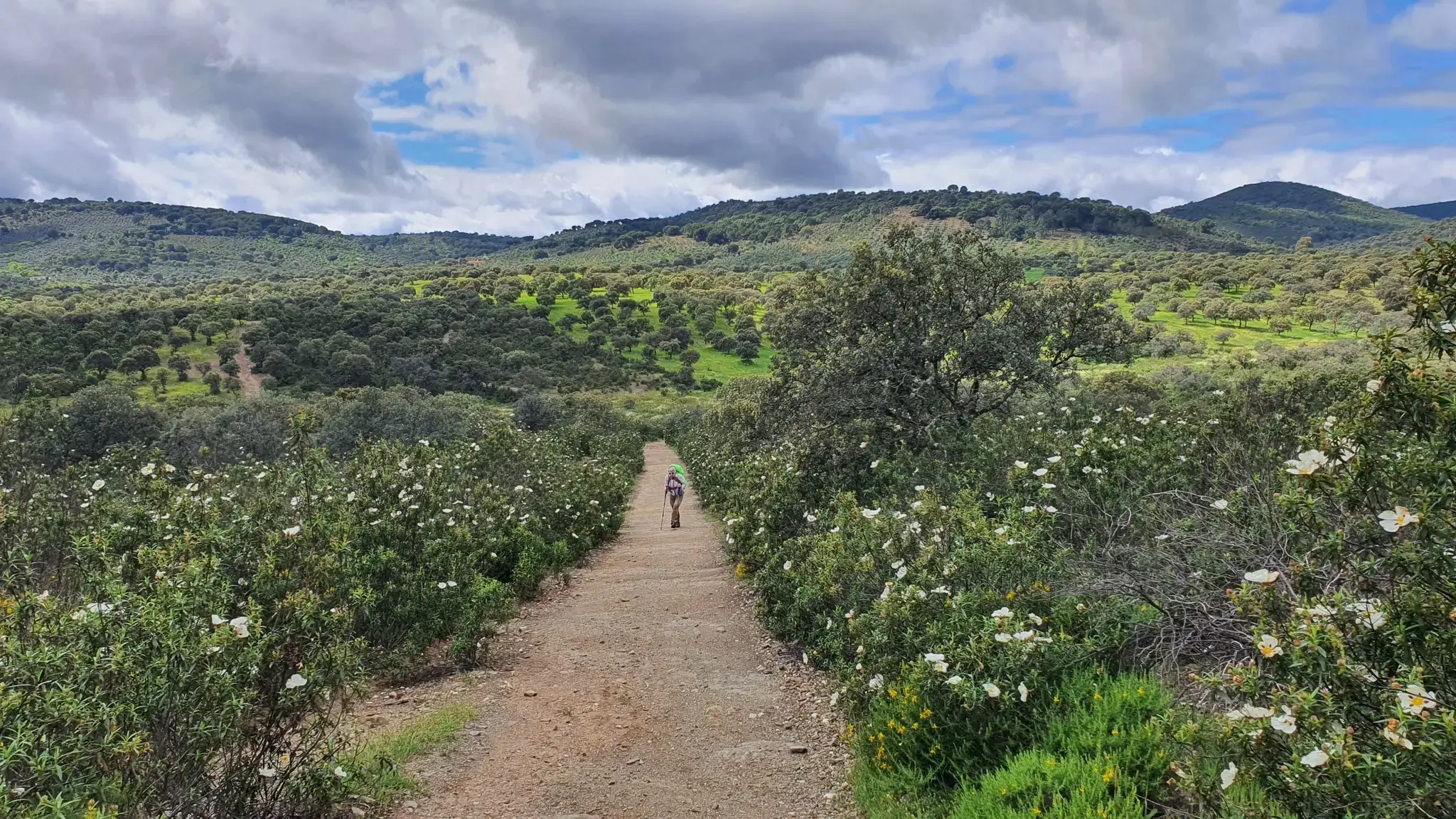
Pastures, Pedroches and farmhouses — Cañada Real Soriana (GR 40)
A winter getaway along the greenways of Andalusia in Spain
Other adventures around the Guadalquivir


Tips from the Community

The Parque del Alamillo is a beautiful park located on the Isla de la Cartuja in. This park, with an area of 120 hectares, was created in 1993 on the occasion of the 1992 World Exhibition. The park has a Mediterranean vegetation and is surrounded by two lakes, the Lago Mayor and the Lago Menor. There are playgrounds, cycle and walking paths, water sports facilities such as canoeing and water skiing, and even a little train that runs through the park.
1
0

Beautiful fish pond, in the middle of the forest.
4
0

The new dam is no longer accessible, which makes it that the route can no longer be done as described. Hiking down to the lake however gives many nice views however.
1
1

The El Arenoso reservoir regulates the waters of the river of the same name before reaching the Guadalquivir. It is a very recent reservoir, with what this entails for the life of the species that we can find in it. The waters began to fill it around 2007, and by 2010 it already reached levels close to 90%.
0
0

This trail could be considered one of the most complete because it contains tracks, paths, and climbs with loose stones. For having, it even has muddy areas when it rains. It runs parallel to the swamp for several kilometres.
0
0
The name does not really honor the place, because it is an area where a small water reservoir is produced, "without oil" 🤭 but it is an ideal area for bathing and resting. From there begins an endless climb towards one of the most beautiful areas of the mountains: the refuge of La Parra
1
0

It is possible to go hiking in the surroundings through short routes along the path that runs parallel to the river. Some 200m downstream on the left bank is the mouth of the Tranco reservoir drainage tunnel, where the water comes out turbulently.
11
0

El Charco de la Pringue, is a natural pool and recreational park next to the Guadalquivir river, located in the Sierra de Segura and Cazorla. Great place to start any adventure. Free access parking.
1
0
Frequently Asked Questions
Are there family-friendly lakes around the Guadalquivir?
Yes, several lakes and reservoirs in the Guadalquivir basin are suitable for families. Alamillo Park in Seville features two lakes, playgrounds, and paths for cycling and walking. Charco del Aceite offers a natural pool for bathing, picnic areas, and a kiosk-bar. The Fish Farm in Parque Natural de la Sierra de Cazorla, Segura y las Villas is another family-friendly spot with a fish pond in the forest. Lake Iznájar, though further afield, also has shallow areas suitable for children and opportunities for renting kayaks and pedal boats.
What natural features can I expect to see around the Guadalquivir lakes?
The region offers diverse natural beauty. You can find serene lakeside environments at La Minilla Reservoir, and the stunning Cascadas de Huéznar (Huéznar Waterfalls) where you can swim in refreshing pools. The Sierra Norte de Sevilla Natural Park, home to José Torán Reservoir and Pantano del Pintado, features holm oak and cork oak woodlands. The Guadalquivir Marshes, while not traditional lakes, are a significant natural region with islets and oxbow lakes, important for bird nesting and diverse ecosystems.
What outdoor activities can I do near the lakes in the Guadalquivir region?
The lakes and their surroundings offer a variety of outdoor activities. You can enjoy hiking, mountain biking, and various water activities like fishing, sailing, windsurfing, and canoeing. The Lagos del Serrano area is particularly popular for hiking and water sports. For specific routes, you can explore options like the "Río Borosa Trail" or "Embalse de la Breña - circular from Almodóvar del Río" for hiking, or "Vía de la Plata – Guadalquivir River loop" for gravel biking. Find more details on these activities in the hiking guide and gravel biking guide.
Are there hiking trails near these lakes?
Yes, there are numerous hiking trails available. For example, near the Tranco reservoir, you can find the Trail next to the Tranco reservoir. The Lagos del Serrano area is also known for its hiking opportunities. For a broader selection of trails, including easy and moderate options, check out the Hiking around the Guadalquivir guide and the Easy hikes around the Guadalquivir guide.
What is the best time to visit the lakes around the Guadalquivir?
The warm summer months are particularly appealing for visiting lakes like Embalse La Breña II, which offers a beautiful oasis of fresh water. However, for hiking and general outdoor activities, spring and autumn generally offer more comfortable temperatures. The Cascadas de Huéznar are ideal for swimming during warmer weather.
Can I go wild swimming in the lakes or rivers of the Guadalquivir basin?
Yes, there are opportunities for wild swimming. The Cascadas de Huéznar are particularly known for their refreshing pools where visitors can swim. Charco del Aceite also provides a natural pool for bathing. Pantano del Pintado is another reservoir where bathing is permitted.
Are there any viewpoints offering scenic views of the lakes?
Absolutely. The Isla Cabeza de la Viña Viewpoint in the Tranco reservoir offers stunning views from the peak of Cabeza de la Viña Island. The Tranco de Beas Reservoir and El Arenoso Reservoir also provide scenic vistas. From the Moorish castle in Iznájar village, you can get a great view of Lake Iznájar.
What kind of wildlife can be found around the Guadalquivir lakes?
The Guadalquivir Marshes, in particular, are a significant area for bird nesting and diverse ecosystems, intrinsically linked to the Doñana area. The natural parks surrounding many reservoirs, such as the Sierra Norte de Sevilla Natural Park, provide habitats for various species, though specific wildlife sightings will depend on the location and time of year.
Are there facilities like picnic areas or cafes near the lakes?
Yes, some areas offer facilities for visitors. Charco del Aceite has stone tables, wooden seats, and a kiosk-bar. Pantano del Pintado also has designated picnic and camping areas. Alamillo Park includes water sports facilities and playgrounds.
What do visitors enjoy most about the lakes around the Guadalquivir?
Visitors appreciate the diverse natural landscapes and the opportunities for outdoor activities. Many enjoy the tranquility of places like La Minilla Reservoir, the refreshing natural pools at Charco del Aceite and Cascadas de Huéznar, and the extensive options for hiking, cycling, and water sports found in areas like Lagos del Serrano. The scenic views from various viewpoints, such as the Isla Cabeza de la Viña Viewpoint, are also highly valued.
Which lakes are best for water sports like kayaking or sailing?
Lake Iznájar, being the largest lake in Spain, is popular for a wide range of water sports including fishing, sailing, windsurfing, and canoeing, with opportunities to rent kayaks and pedal boats. The Lagos del Serrano also offer various water activities. Alamillo Park provides facilities for canoeing and water skiing on its lakes.
Are there any historical or cultural points of interest near the lakes?
While the focus is on natural beauty, the region has historical significance. The Guadalquivir Marshes, for instance, were once a large lagoon that gradually silted up over two millennia. Additionally, the Moorish castle in Iznájar village offers a historical backdrop to Lake Iznájar. The construction of reservoirs like La Minilla, which began in 1942, also reflects the region's engineering history.
Most popular routes around the Guadalquivir
Most popular attractions around the Guadalquivir

Get inspired with the komoot mobile app


Explore more
Still not found your perfect lake around the Guadalquivir? Check out the guides of these regions to see even more beautiful places.
