Top 7 Castles around Tschiertschen-Praden
Best castles around Tschiertschen-Praden are not located directly within the municipality, which is known for its traditional Walser village character. Tschiertschen-Praden features well-preserved traditional wooden houses, some dating back to the 17th and 18th centuries, and historical buildings like the 15th-century Gothic Reformed Church in Tschiertschen. The region's historical significance lies in its authentic representation of Walser culture and alpine life. Visitors can explore historical sites around Tschiertschen-Praden, including various castles and ruins in the broader Graubünden area.
Best castles…
Last updated: April 30, 2026
Episcopal Court
Highlight • Castle
At the top left the square is closed off by the episcopal castle. The secular counterpart to the …
Translated by Google •
Tip by

Neuenburg Castle Ruins
Highlight • Castle
Translated by Google •
Tip by

Sign up now to discover places like this
Get recommendations on the best single tracks, peaks, & plenty of other exciting outdoor places.
Sign up for free
Oberruchenberg Ruins
Highlight • Castle
Translated by Google •
Tip by

Haldenstein Castle
Highlight • Castle
Translated by Google •
Tip by

Malix Castle Ruins
Highlight • Castle
Translated by Google •
Tip by

Sign up for free to discover even more castles around Tschiertschen-Praden.
Sign up for free
Already have an account?
Start today with a free account
Your next adventure awaits.
Login or Signup
Popular around Tschiertschen-Praden
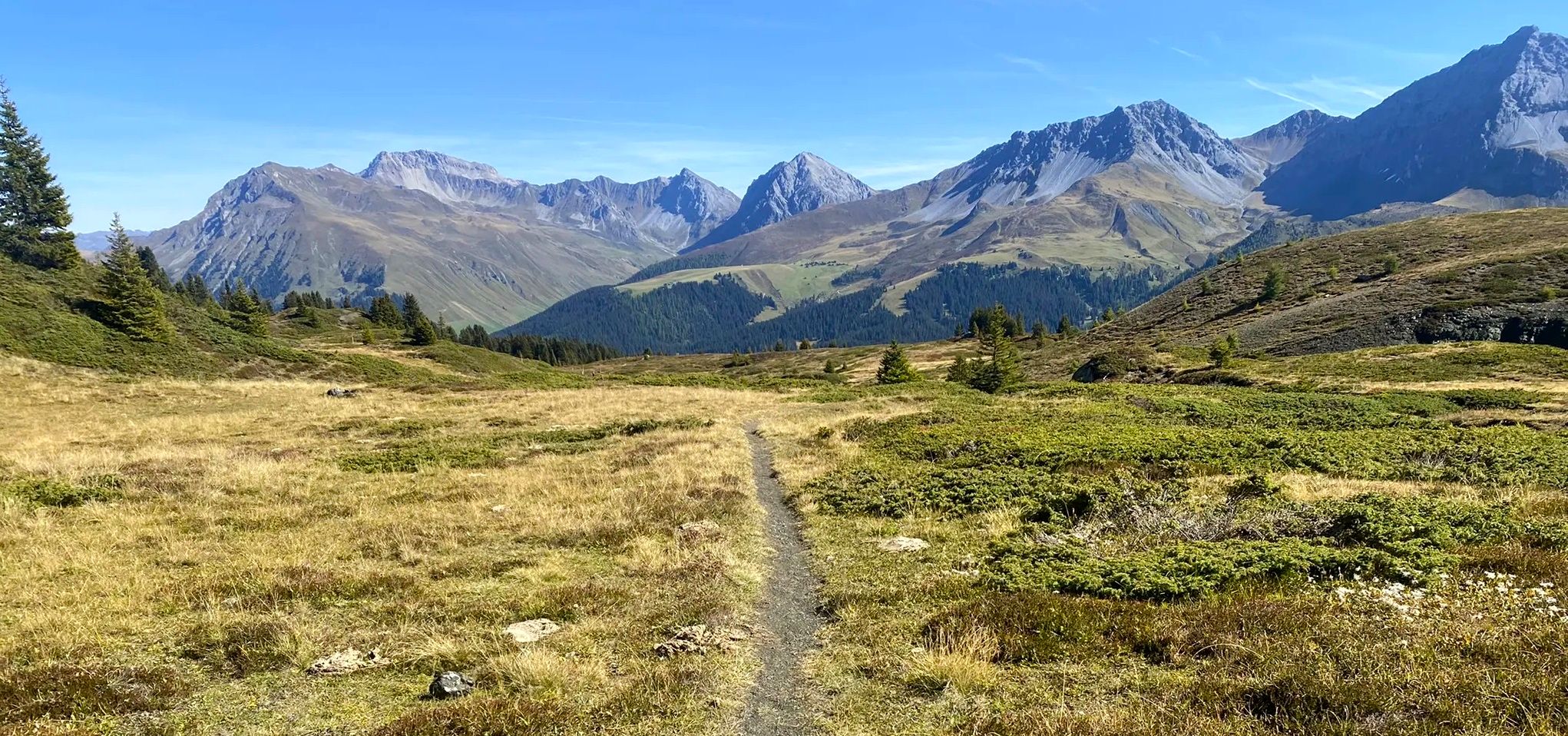
Explore an entire valley on foot - Schanfigger Höhenweg
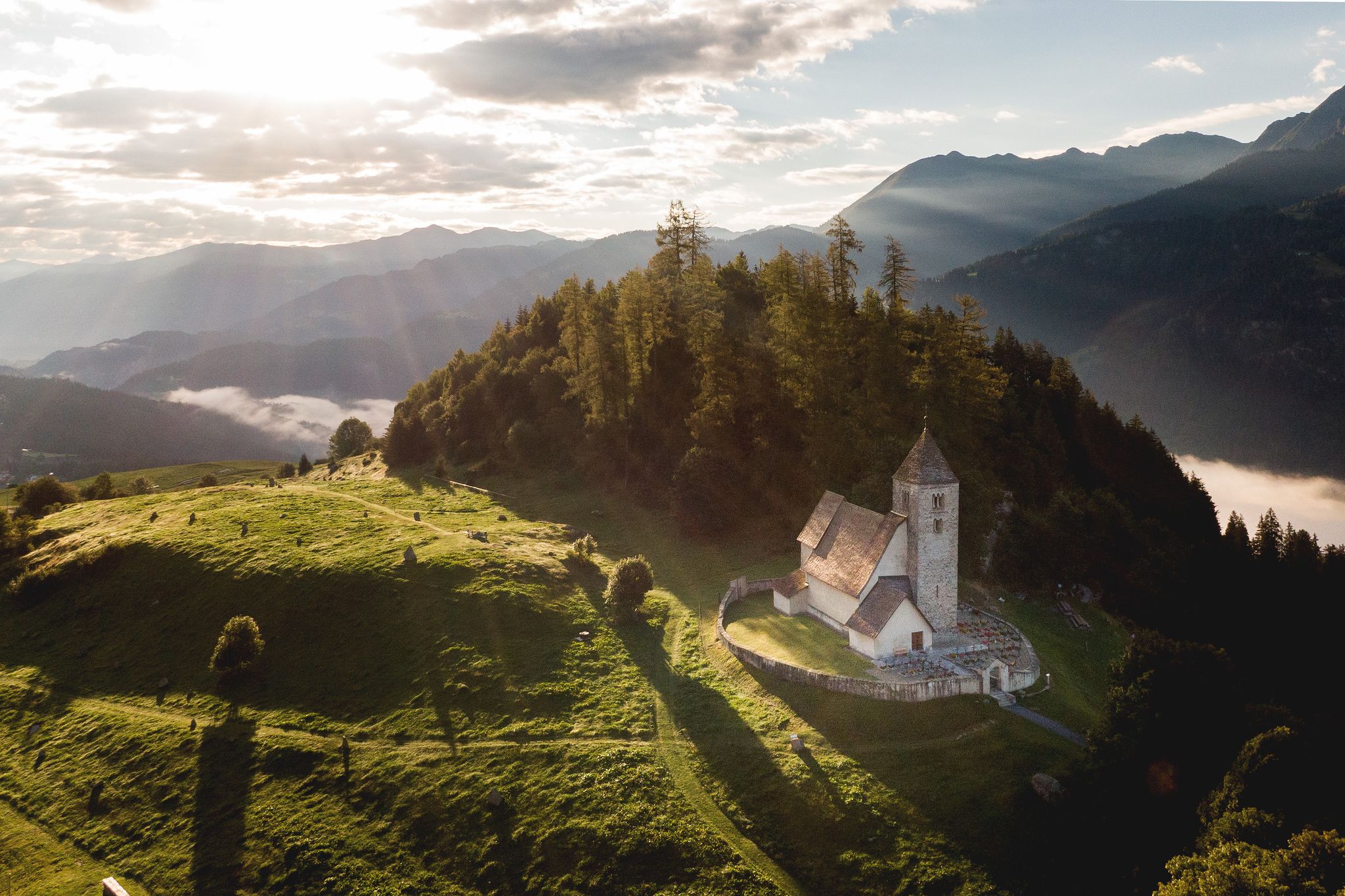
On ancient paths towards Santiago — the Way of St. James Graubünden
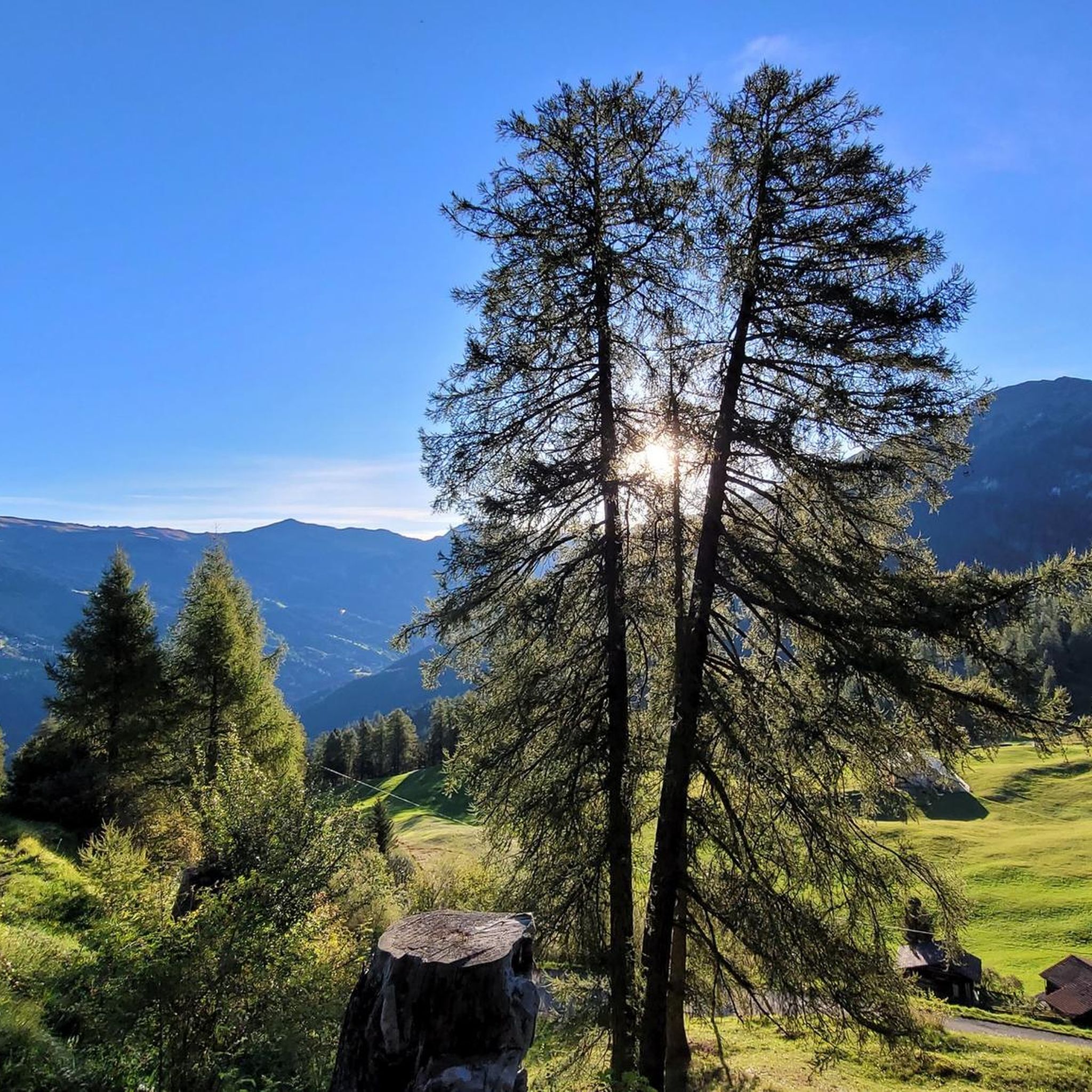
MTB Trails around Tschiertschen-Praden
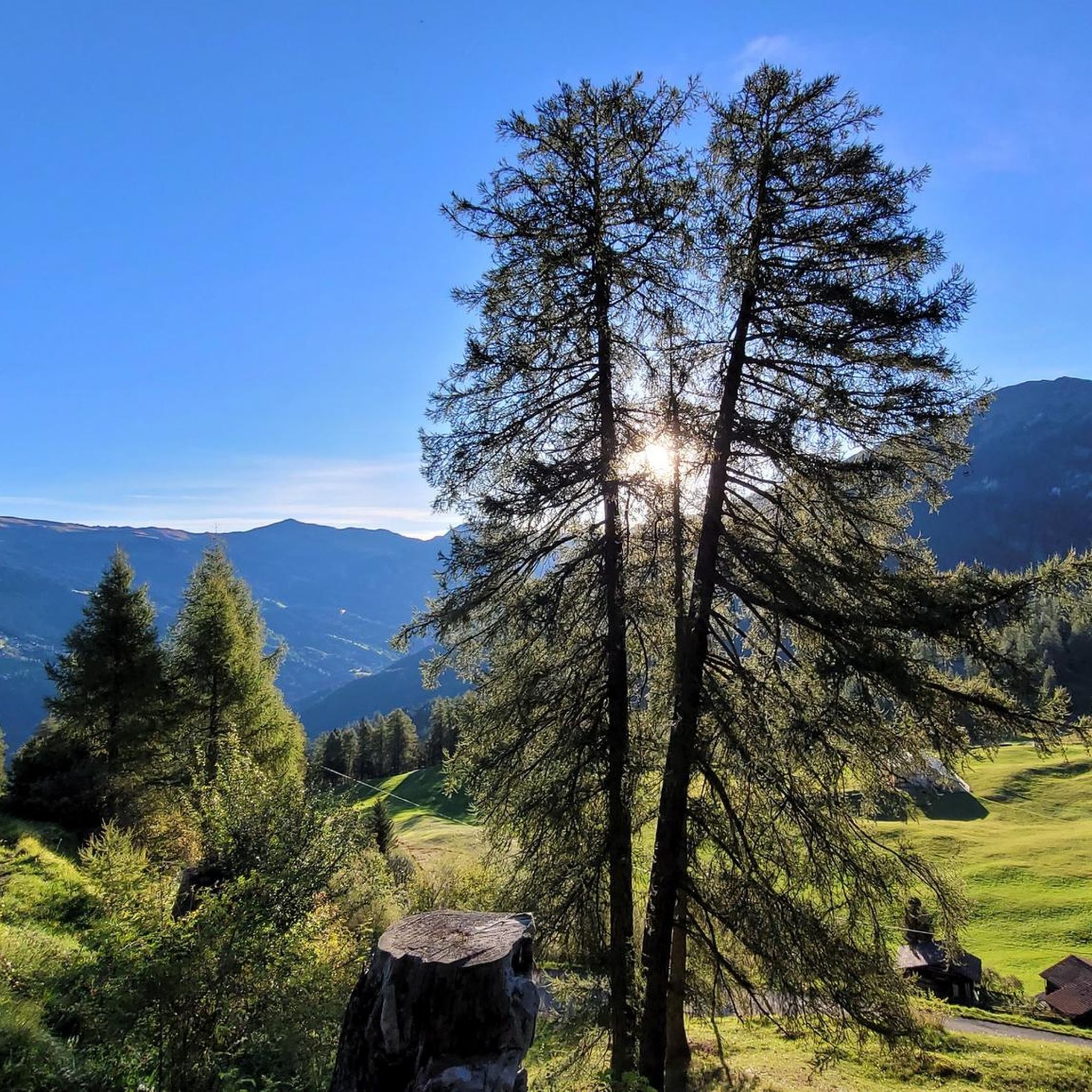
Road Cycling Routes around Tschiertschen-Praden
Cycling around Tschiertschen-Praden
Hiking around Tschiertschen-Praden
Running Trails around Tschiertschen-Praden

Gravel biking around Tschiertschen-Praden


Tips from the Community

The first building was constructed after 1272, following the consecration of the cathedral. Its current appearance dates back to the Baroque redesign of 1732/33 under Bishop Joseph von Rost, a Tyrolean native (serving as Bishop of Chur as Benedikt von Rost from 1728 to 1754), who incorporated architectural ideas from his homeland into the building. The cookbook "Ein schön Kochbuch 1559" (A Beautiful Cookbook 1559) was created in the Episcopal Palace between 1559 and around 1610. It is considered the oldest cookbook in Switzerland. In 2020, the Cathedral Treasury Museum, featuring the cathedral treasury and the death pictures dated 1543, will open in the Episcopal Palace. Source: https://de.wikipedia.org/wiki/Bisch%C3%B6fliches_Schloss_(Chur)
0
0

The castle garden is especially beautiful when the roses are in bloom 🌹
1
0

A short but steep footpath leads you through idyllic forest to this ruin. It may be worthwhile to plan your visit in the late afternoon, when the setting sun illuminates the ruins—perfect for photos and a tranquil atmosphere.
0
0

Not only is the ensemble above the old town of Chur very impressive as a whole building and bulwark, the view is also wonderful!
1
0

First the negative: you have to push up the trail. The positive: if you like tight switchbacks and narrow lines, you'll like it. 😝 All switchbacks are doable 😉 Oh yes, there's a 🌳 across the path, you have to lift over it.
0
0

Very interesting castle with an exciting history. It's great that the ensemble in Haldenstein has survived to this day.
3
0

Situated on the foothills of the Calanda massif, this ruined castle offers a beautiful view of the Rhine Valley, in addition to being an interesting outing objective in itself. Reaching it requires a certain but accessible effort.
0
0

Court district with its canon houses, the episcopal castle and the cathedral At the top left the square is closed off by the episcopal castle. The secular counterpart to the cathedral received its current shape under Bishop Joseph Benedikt von Rost (r. 1728-54). The complex is built around an inner courtyard. The façade, which only has three window axes, is divided by rising pilasters into two wide and a narrow central section, with the two side parts being crowned by gables and the middle part by a hatch-like attachment. For reasons of symmetry, a counterpart was added to the left portal on the right, which, however, only forms the entrance to a carriage house. On the doors, bronze lion masks serve as ring holders. Doors and windows have stucco decorations. Joseph Benedikt von Rost came from Tyrol and it is not surprising that his work is influenced by the Austrian Baroque. The bishop managed to remove the building from the shadow of the cathedral and give it a dominant accent. Nowhere else in Graubünden can we find such rich sculptural outdoor decoration. Text / Source: Chur Tourismus, Bahnhofstrasse 32, 7001 Chur, Switzerland https://www.chur.graubuenden.ch/de/uebersicht-ausflugsziel/bischoefliches-schloss-hof
18
0
Frequently Asked Questions
What kind of historical sites can I explore around Tschiertschen-Praden?
While Tschiertschen-Praden is renowned for its traditional Walser village character, with well-preserved wooden houses and historical churches like the 15th-century Gothic Reformed Church in Tschiertschen, the broader Graubünden area offers a variety of castles and ruins. These include sites like the Neuenburg Castle Ruins and Haldenstein Castle.
Are there actual castles within the municipality of Tschiertschen-Praden?
No, there are no notable castles located directly within the municipality of Tschiertschen-Praden. The area is celebrated for its authentic representation of Walser culture and alpine life, featuring traditional wooden houses, some dating back to the 17th and 18th centuries, and historical churches such as the Reformed Church in Tschiertschen and Praden's picturesque church.
Which castle ruins offer the best views near Tschiertschen-Praden?
The Neuenburg Castle Ruins, located southwest of Untervaz, provide beautiful views of the Rhine Valley. Another option is the Malix Castle Ruins, which can be particularly atmospheric in the late afternoon light.
What is the Episcopal Court and where is it located?
The Episcopal Court is a significant historical complex in Chur, featuring the episcopal castle and the cathedral. It forms the core of the city's historical district and showcases rich sculptural outdoor decoration, reflecting Austrian Baroque influence.
Can I visit Haldenstein Castle, and what makes it special?
Haldenstein Castle, located in the municipality of Chur, is known for its well-preserved structure and gardens, which are visible from a distance. It has a castle-like character and an interesting history, making it a worthwhile sight to observe.
Are there any challenging castle ruins to hike to?
Yes, the Oberruchenberg Ruins are accessible via a steep hiking trail. This site features remains of the main tower and courtyard, offering a rewarding experience for those seeking a more challenging ascent.
What outdoor activities can I do near these historical sites?
The region around Tschiertschen-Praden offers various outdoor activities. You can explore gravel biking routes, challenging MTB trails, or scenic running trails. These activities allow you to experience the natural beauty of the surrounding meadows, forests, and mountains.
What do visitors enjoy most about the historical sites in this region?
Visitors appreciate the authentic representation of Walser culture in Tschiertschen-Praden, with its charming traditional villages. For the castles and ruins in the broader area, the community enjoys the historical insights, the beautiful views they offer, and the opportunity for interesting outings and hikes.
What is the best time to visit the castles and historical sites around Tschiertschen-Praden?
The best time to visit is generally during the warmer months, from late spring to early autumn, when hiking trails to ruins are more accessible and the weather is pleasant for exploring. This period also allows for enjoying the natural beauty of the surrounding alpine landscape.
Are there family-friendly historical sites or activities near Tschiertschen-Praden?
While the castles themselves may involve some hiking, the traditional villages of Tschiertschen and Praden offer a family-friendly experience with their charming architecture and serene environment. For specific castles, Haldenstein Castle is noted as family-friendly, and the Oberruchenberg Ruins even have a metal box for children to register their visit.
How accessible are the castle ruins near Tschiertschen-Praden?
Accessibility varies by site. The Neuenburg Castle Ruins are easily accessible on foot via a narrow road. Other ruins, like Oberruchenberg Ruins and Malix Castle Ruins, require a steep footpath or hiking trail to reach.
Can I reach these historical sites using public transport?
Tschiertschen-Praden itself is accessible by public transport. For specific castles and ruins in the broader Graubünden area, it's advisable to check local public transport connections to the nearest towns or trailheads, as some sites may require a final hike from the bus stop or train station.
Most popular routes around Tschiertschen-Praden
Most popular attractions around Tschiertschen-Praden

Get inspired with the komoot mobile app


Explore more
Looking for the best castles somewhere else? Discover other guides around Tschiertschen-Praden:
