Top 6 Caves around Guggisberg
Best caves near Guggisberg are found in a region known for its Bernese pre-Alps landscape, offering panoramic views and hiking opportunities. The area features various natural rock formations and grottoes, providing diverse exploration options. Guggisberg's natural environment makes it a destination for outdoor activities, including discovering its underground features. These caves offer insights into the geological characteristics of the region.
Best caves around Guggisberg
- The most popular caves is Cheese Cave, a cave that is described as sweet and…
Last updated: October 28, 2026
Dankes Grotto
Highlight • Cave
Translated by Google •
Tip by

Zwergliloch Cave
Highlight • Cave
Translated by Google •
Tip by

Sign up now to discover places like this
Get recommendations on the best single tracks, peaks, & plenty of other exciting outdoor places.
Mamilchloch Cave
Highlight • Cave
Translated by Google •
Tip by

Cheese Cave
Highlight • Cave
Translated by Google •
Tip by

Schnurenloch Cave
Highlight • Cave
Translated by Google •
Tip by
Sign up for free to discover even more caves around Guggisberg.
Already have an account?
Start today with a free account
Your next adventure awaits.
Popular around Guggisberg
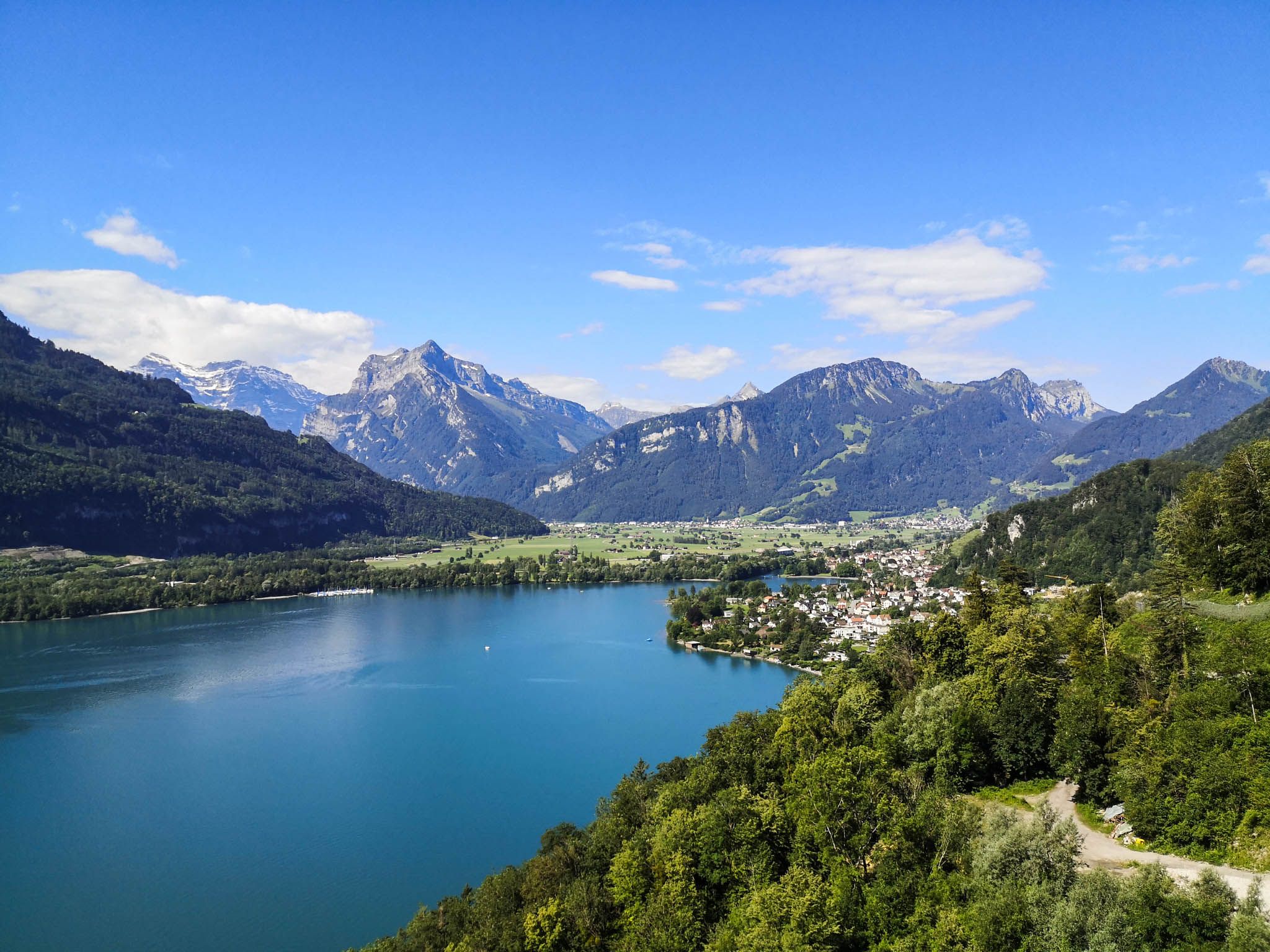
Alpine Panorama Trail in Switzerland – Keep your eyes on the mountains
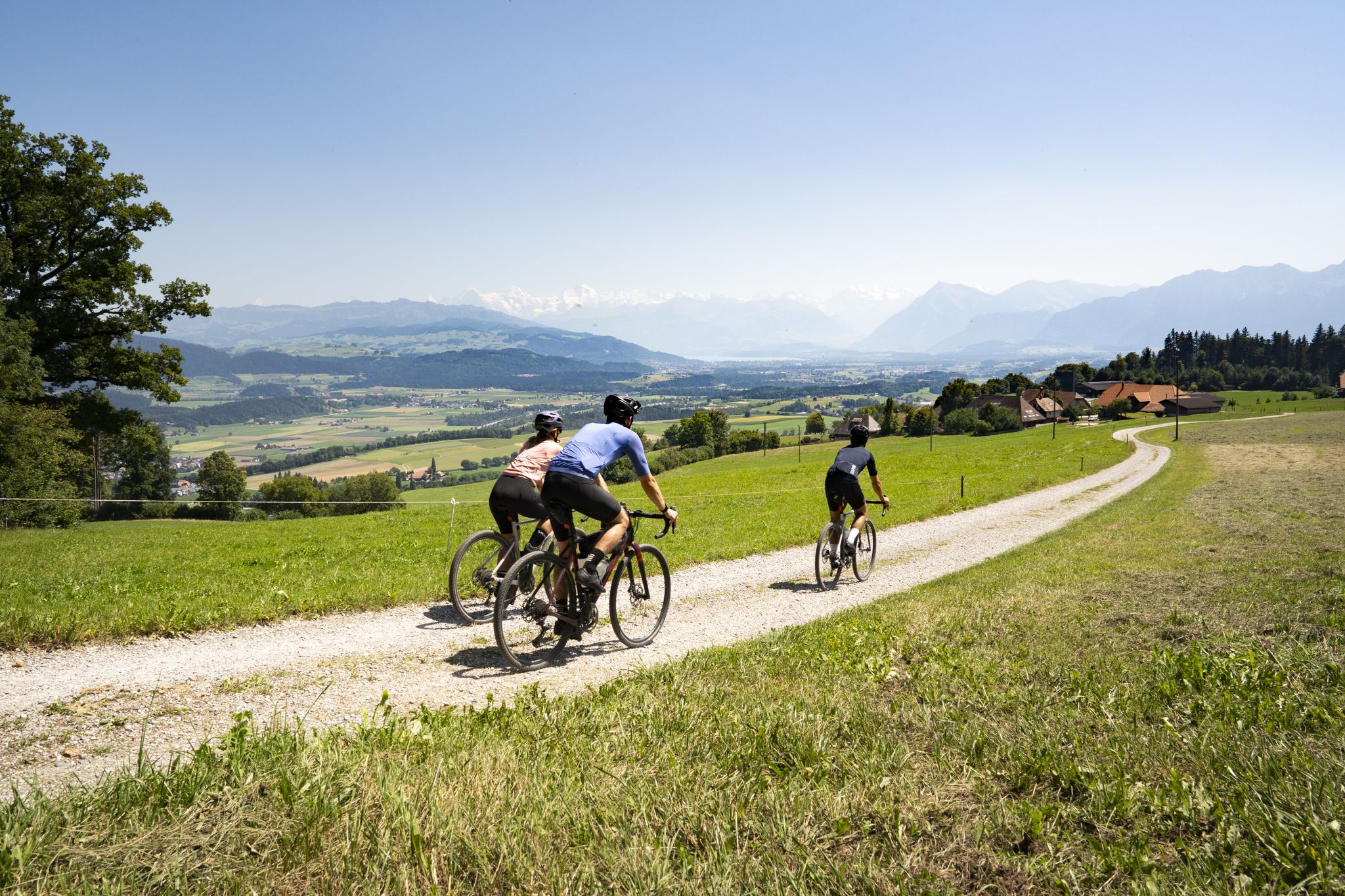
Gravel roads and Alpine views – gravel riding in the Gantrisch Nature Park
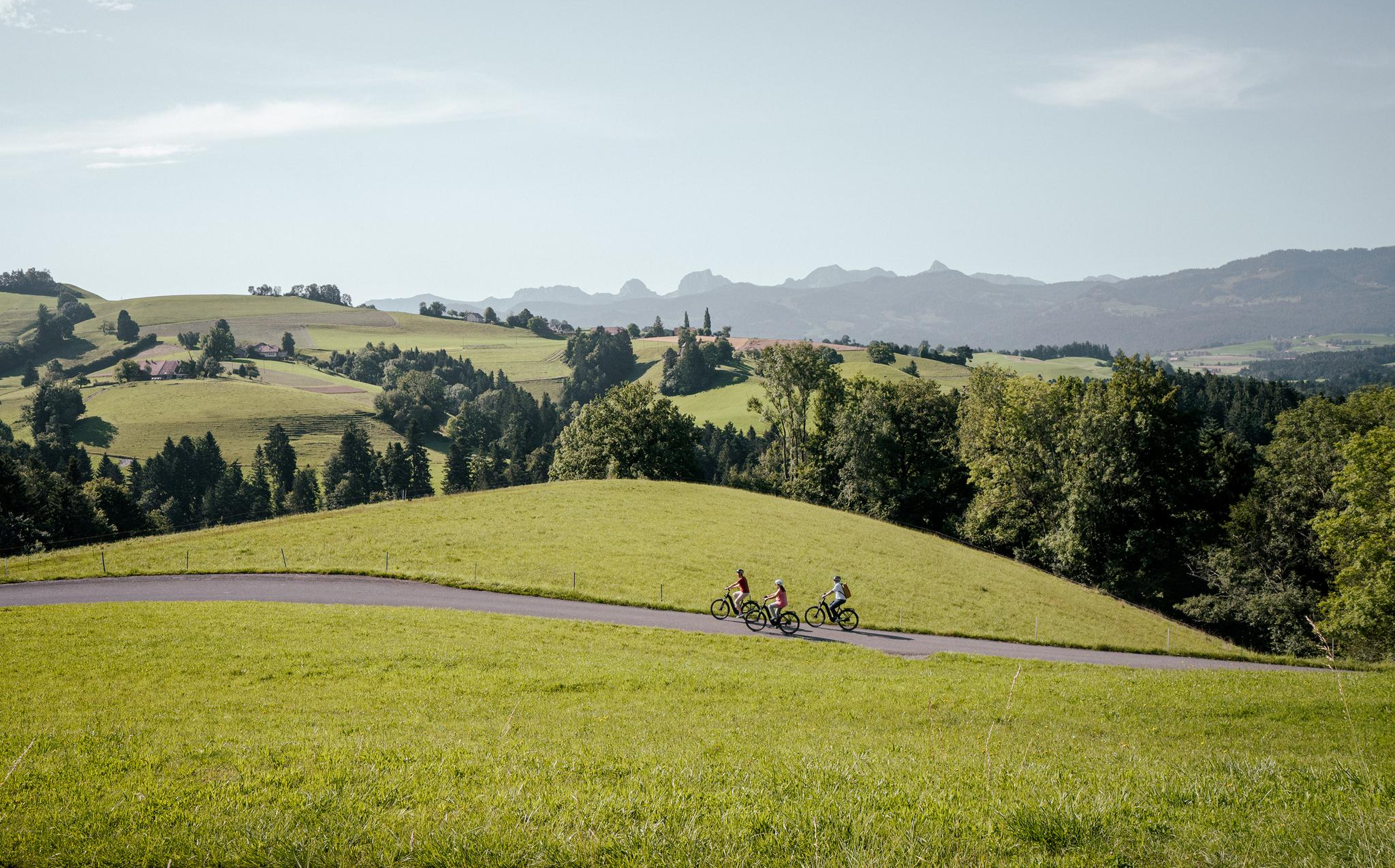
E-Biking in the Heart of Switzerland – the Top 10 Routes in Bern

Made for mountain biking — Switzerland

Sagenhaft Velo fahren: 5 Sagen, 5 Rätsel, 50 Kilometer Abenteuer

Hiking around Guggisberg

Road Cycling Routes around Guggisberg

Cycling around Guggisberg

Mountain Hikes around Guggisberg

Gravel biking around Guggisberg
Other adventures around Guggisberg


Tips from the Community

A special little detour from the shore path: In about 3 minutes, a short path leads up to the Dankes-Grotte (Gratitude Grotto), which is built directly into an impressive rock face. It is precisely the combination of the natural rock, the small grotto, and the quiet location that makes this place particularly worth seeing. The grotto is believed to have originated around 1921. Over the years, it fell somewhat into oblivion and was no longer adequately maintained. In 2005, it was renovated and made into a well-kept place of contemplation again. In the grotto, there is also a statue of the Virgin Mary from 1937. Candles can also be lit. This makes the grotto a beautiful place for a short pause and reflection.
0
0


The path can be very slippery in bad weather (rain), as is often the case with this type of path.
1
0

archäologische Fundstelle. Not recommended in wet weather because it is very slippery
0
2

totally sweet made with the dwarves. But the cave should not be explored carelessly
1
0

Small cave with a steep ascent, tread carefully and enjoy nature in peace.
1
0
The dwarf hole is just a small cave. With the tables and two fire pits, it is a nice place to rest and grill.
1
0
Frequently Asked Questions
What are some of the most popular caves around Guggisberg?
The region around Guggisberg offers several notable caves. Among the most popular are the Cheese Cave, known for its unique character, and the View of Jaun from the Y-Shaped Cave, which provides a stunning viewpoint. Another favorite is the Grotto of St. Silvester, which is family-friendly and serves as a good starting point for outdoor activities.
Are there any family-friendly caves in the Guggisberg region?
Yes, the Grotto of St. Silvester is considered family-friendly and offers a pleasant resting place. Additionally, the Dankes Grotto, located not far from Schwarzsee, is also suitable for families and provides a peaceful setting.
What kind of natural features can I expect to see in the caves near Guggisberg?
The caves around Guggisberg feature diverse natural rock formations and grottoes. For instance, the Y-Shaped Cave offers a gallery that divides into two, leading to a viewpoint. The Zwergliloch Cave, while small, is part of a wonderful moderate mountain hike with beautiful views.
What is the difficulty level for exploring caves in the Guggisberg area?
Many caves in the Guggisberg area are accessible, but some paths can be challenging. For example, the path to the Cheese Cave can be very slippery in bad weather. The Zwergliloch Cave is part of a moderate mountain hike. It's always advisable to check conditions and be prepared for potentially uneven or wet terrain.
Are there any historical or cultural aspects associated with the caves in this region?
While the immediate Guggisberg caves are primarily natural formations, the broader Bern region is home to the St. Beatus Caves, which have significant historical and legendary importance. These caves are famously linked to the legend of St. Beatus, a 6th-century monk, and archaeological evidence suggests they were inhabited by Stone Age communities. You can learn more about their history and geology at the cave museum near the entrance. For more information, you can visit MySwitzerland.com.
What outdoor activities can I combine with a visit to the caves around Guggisberg?
The Guggisberg region is excellent for various outdoor activities. You can find numerous mountain hikes, including routes like the Chumlihütte – Morgetegrat loop. There are also extensive road cycling routes and MTB trails to explore, offering diverse terrain and scenic views near the caves.
What should I bring when exploring caves in the Guggisberg area?
When exploring caves, especially smaller ones like the Zwergliloch Cave, it's recommended to bring a torch or headlamp. Given that paths can be slippery, especially in bad weather, appropriate footwear with good grip is essential. A small pack is usually sufficient for these explorations.
Is there parking available near the caves in Guggisberg?
Yes, for some caves, parking is available. For instance, the Grotto of St. Silvester has parking nearby, making it a convenient starting point for your visit or other outdoor activities.
What do visitors enjoy most about the caves around Guggisberg?
Visitors appreciate the diverse experiences offered by the caves. Many enjoy the unique character of places like the Cheese Cave and the breathtaking views from the Y-Shaped Cave. The opportunity for a peaceful rest at the Grotto of St. Silvester and the combination of cave exploration with scenic hikes, such as those near the Zwergliloch Cave, are also highly valued.
Are there any significant cave systems in the wider Bern region that are worth visiting?
Absolutely. The St. Beatus Caves, located overlooking Lake Thun between Thun and Interlaken, are a major attraction in the broader Bern region. They offer an extensive accessible network of chambers, stunning geological formations, underground waterfalls, and a rich history. The caves maintain a constant temperature of 8-10°C (46-50°F) year-round, making them a comfortable visit in any season. You can find more details at Historic Hotels of Europe.
What is the best time to visit the caves in the Guggisberg region?
The caves in Guggisberg can be visited throughout the year, but conditions vary. During spring and early summer, water levels in underground features, particularly in larger systems like the St. Beatus Caves, are often more impressive due to snowmelt. However, paths to some local caves, such as the Cheese Cave, can become very slippery in bad weather, so dry conditions are generally preferable for easier access.
How long does it typically take to explore the caves around Guggisberg?
The time required varies depending on the specific cave. Smaller grottoes or caves like the Zwergliloch Cave might only take a short stop for exploration and rest. For more extensive experiences, such as the accessible section of the St. Beatus Caves in the wider region, visitors typically spend 1 to 1.5 hours exploring the pathways and museum.
Most popular routes around Guggisberg
Most popular attractions around Guggisberg

Get inspired with the komoot mobile app


Explore more
Extend your search for the best caves by checking out these guides of the top ones around Guggisberg:
