Top 11 Huts and Cabins in Περιφερειακή Ενότητα Χανίων
Best huts in Περιφερειακή Ενότητα Χανίων are primarily located within the White Mountains (Lefka Ori), a prominent geographic feature of Crete. This region offers a rugged natural landscape with elevations reaching over 1,600 meters. The area is known for its traditional mountain shelters and unique historical structures like shepherd's huts. These establishments provide essential refuge for hikers and mountaineers exploring the diverse terrain.
Best huts in Περιφερειακή Ενότητα Χανίων
- The most popular huts is Milia Mountain Retreat & Restaurant,…
Last updated: July 25, 2026
Kallergi Hut
Highlight • Mountain Hut
Translated by Google •
Tip by

Milia Mountain Retreat & Restaurant
Highlight • Mountain Hut
Very comfortably furnished. In the middle is a stove.
No menu. You get the menu selection in English.
Very good local beer.
Translated by Google •
Tip by

Sign up now to discover places like this
Get recommendations on the best single tracks, peaks, & plenty of other exciting outdoor places.
Sign up for free
Koumos Stone Huts and Cypress Grove near Gavalochori
Highlight (Segment) • Mountain Hut
Translated by Google •
Tip by

Alonia Guesthouse
Highlight • Mountain Hut
Translated by Google •
Tip by
Shelter in the Middle of the Gorge
Highlight • Mountain Hut
Tip by

Taverna Porofargo
Highlight • Restaurant
Translated by Google •
Tip by

Mitato next to the Chapel of Prophet Elijah
Highlight • Historical Site
Tip by

Low-land Dry-Stone Field Shelter
Highlight • Mountain Hut
Tip by
Greleska Observatory
Highlight • Mountain Hut
Translated by Google •
Tip by
Katsiveli II Stone Shelter
Highlight • Mountain Hut
Translated by Google •
Tip by

Sign up for free to discover even more huts and cabins in Περιφερειακή Ενότητα Χανίων.
Sign up for free
Already have an account?
Start today with a free account
Your next adventure awaits.
Login or Signup
Popular around Περιφερειακή Ενότητα Χανίων
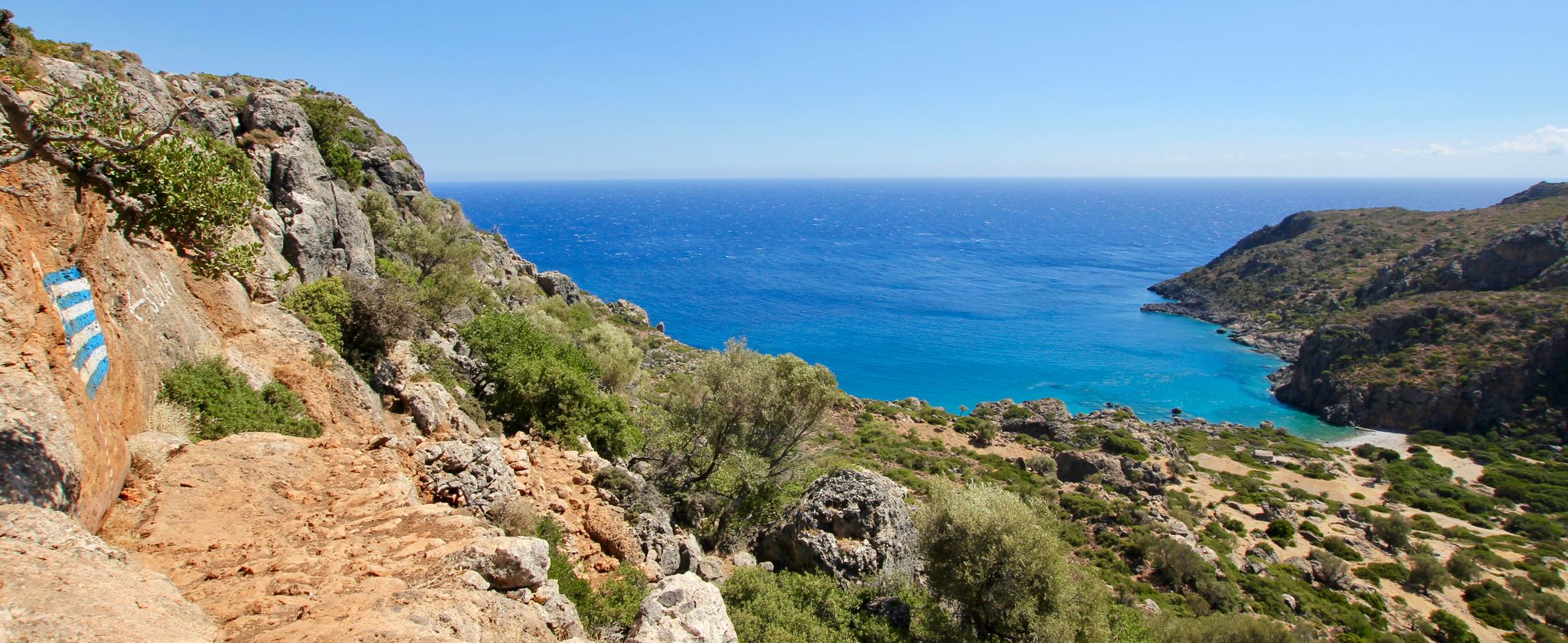
Lonely beaches & deep gorges — hiking in the south of Crete
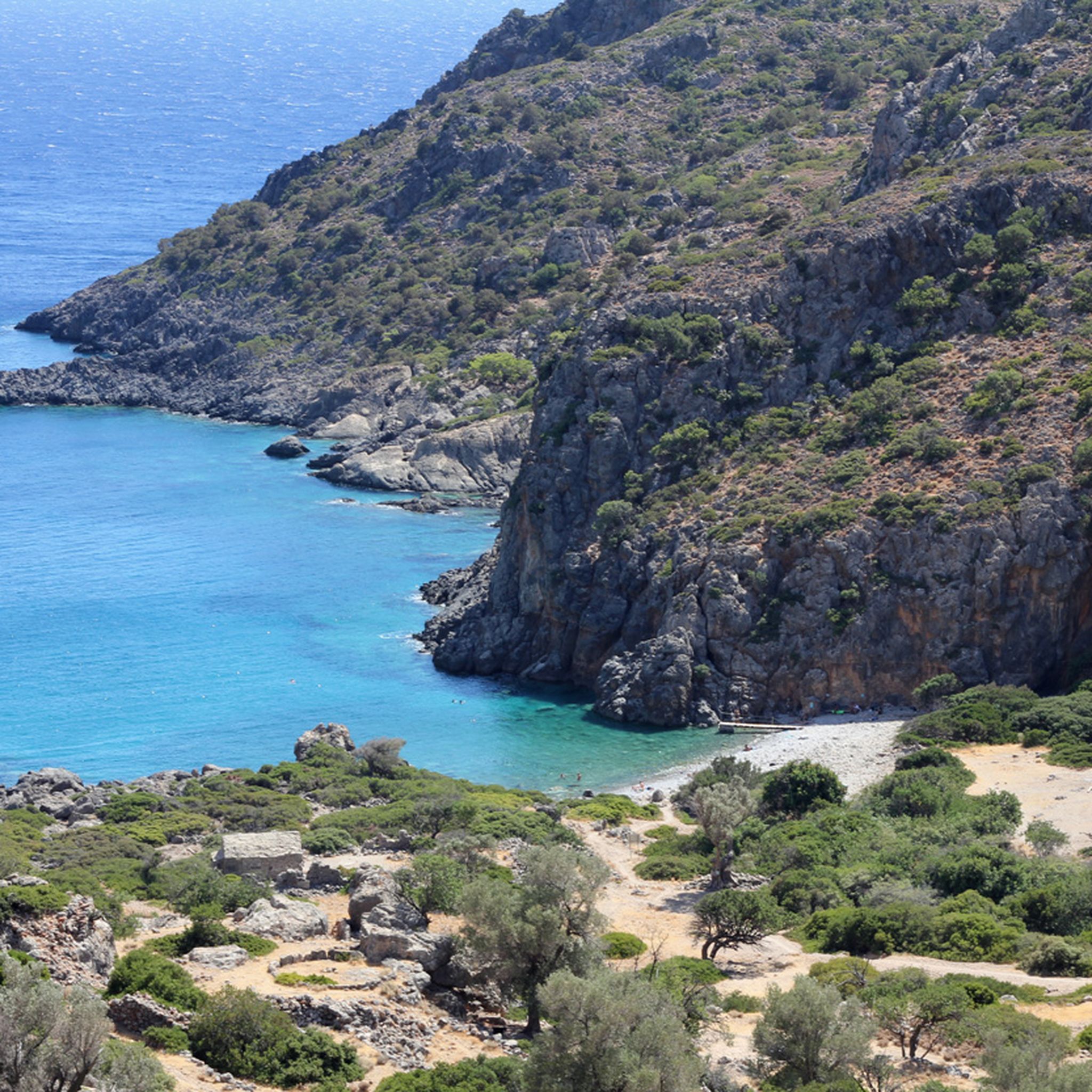
Hiking in Περιφερειακή Ενότητα Χανίων
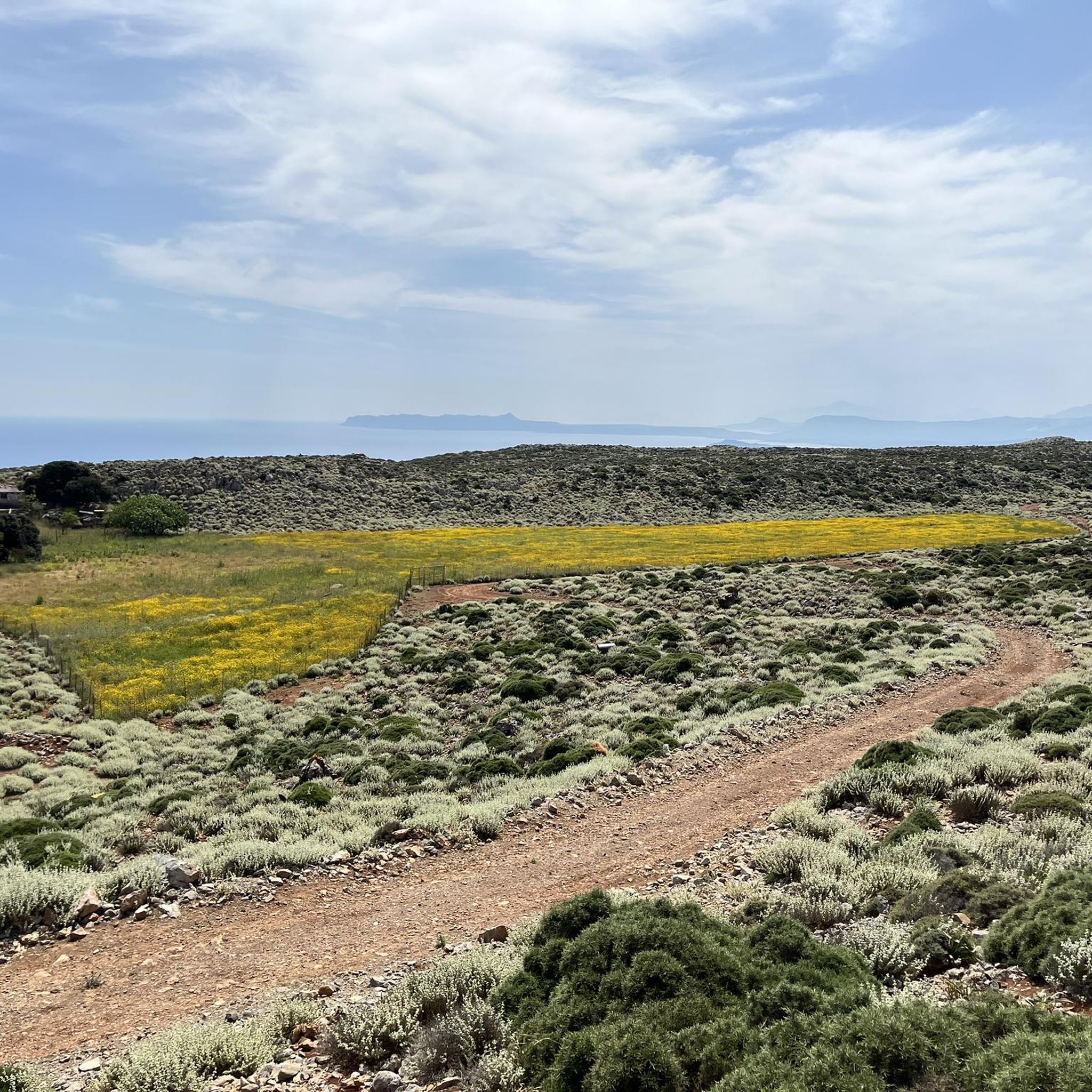
Running Trails in Περιφερειακή Ενότητα Χανίων
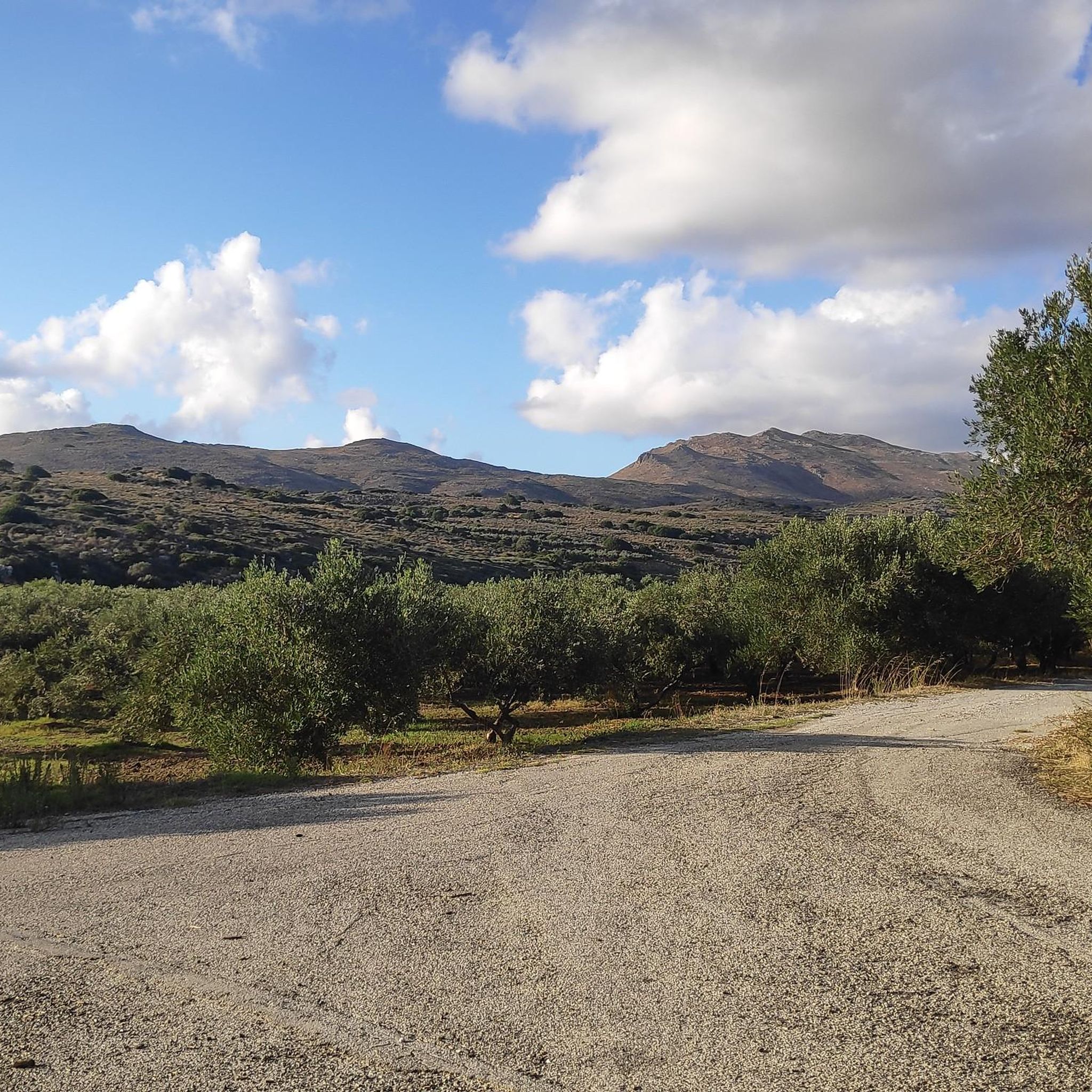
Road Cycling Routes in Περιφερειακή Ενότητα Χανίων
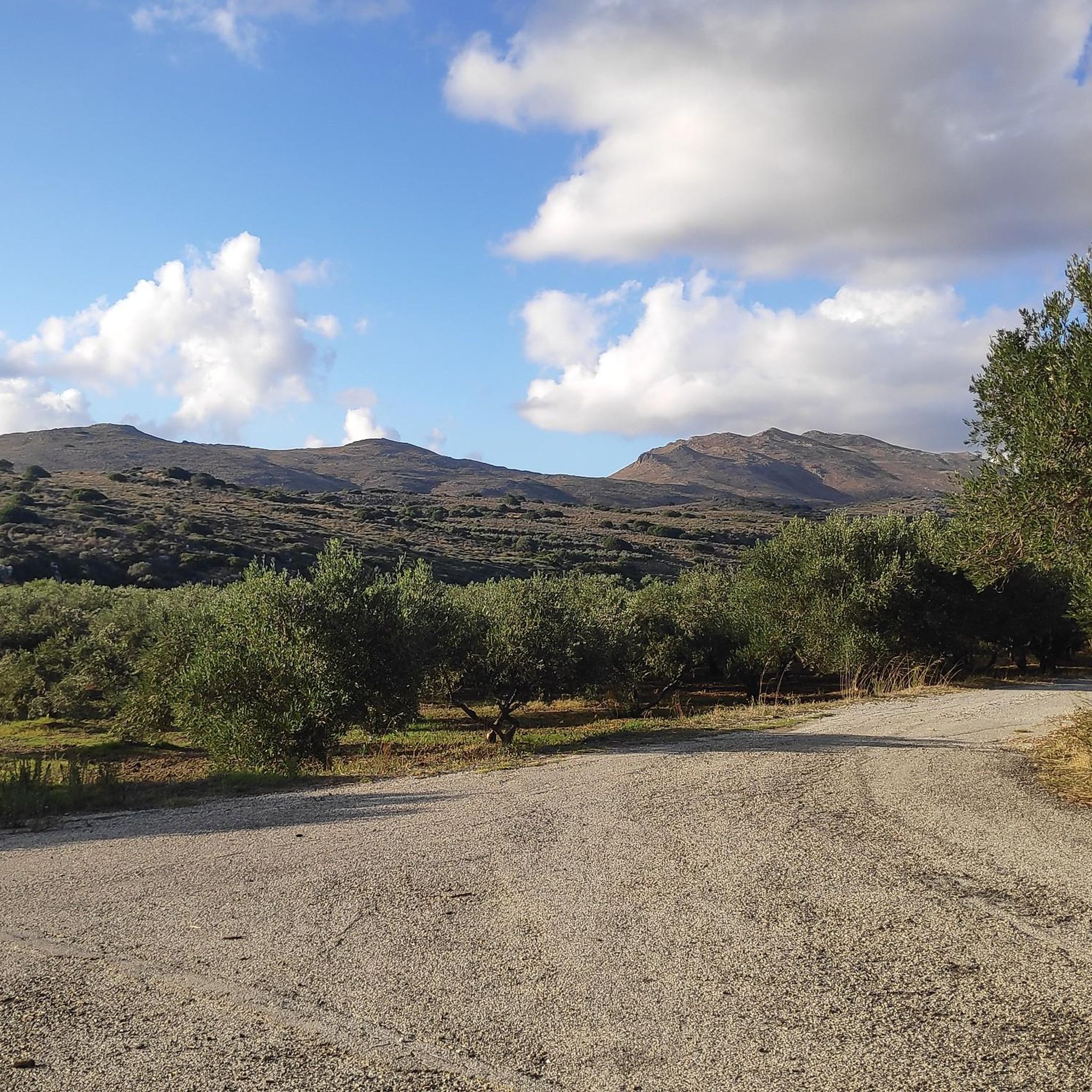
Cycling in Περιφερειακή Ενότητα Χανίων
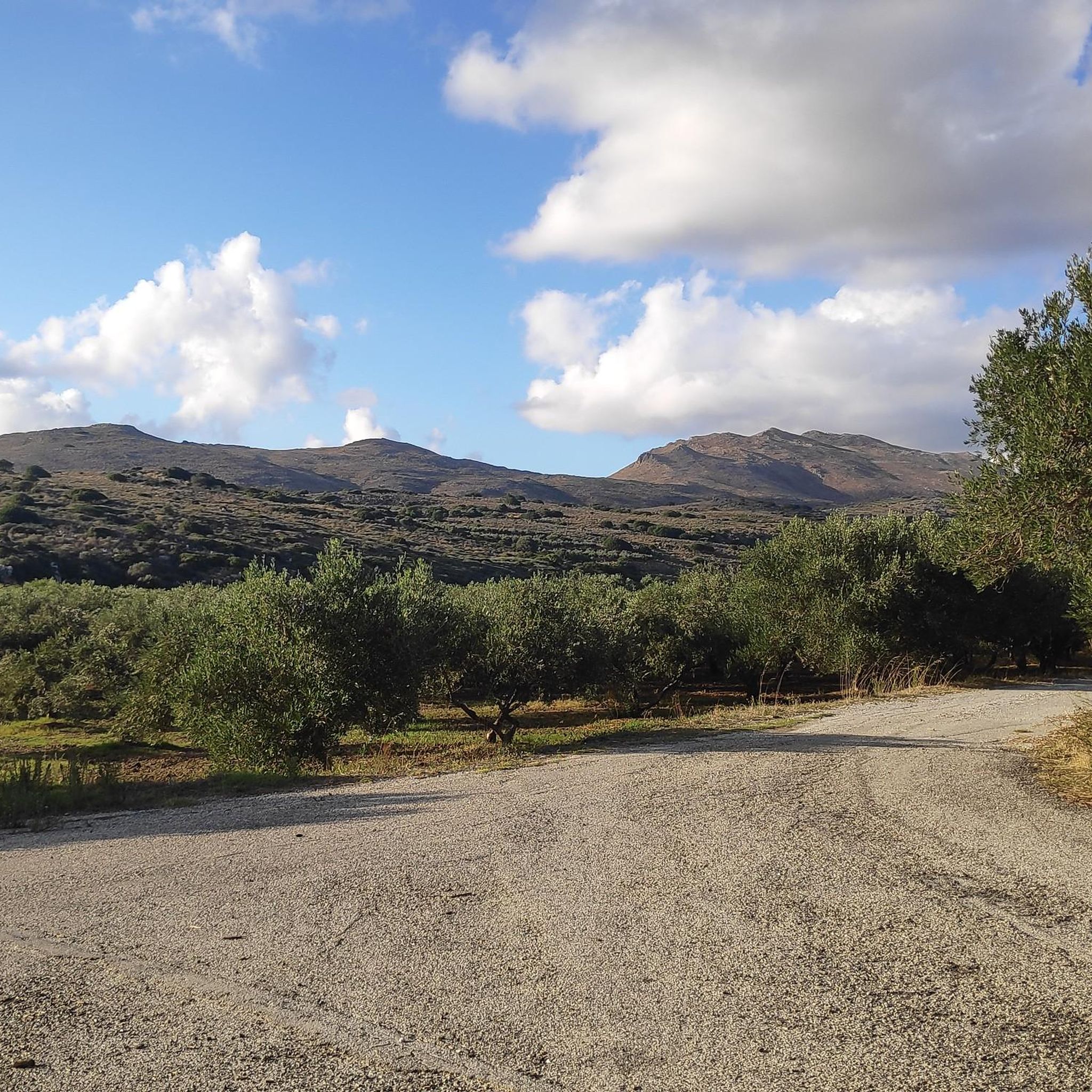
MTB Trails in Περιφερειακή Ενότητα Χανίων
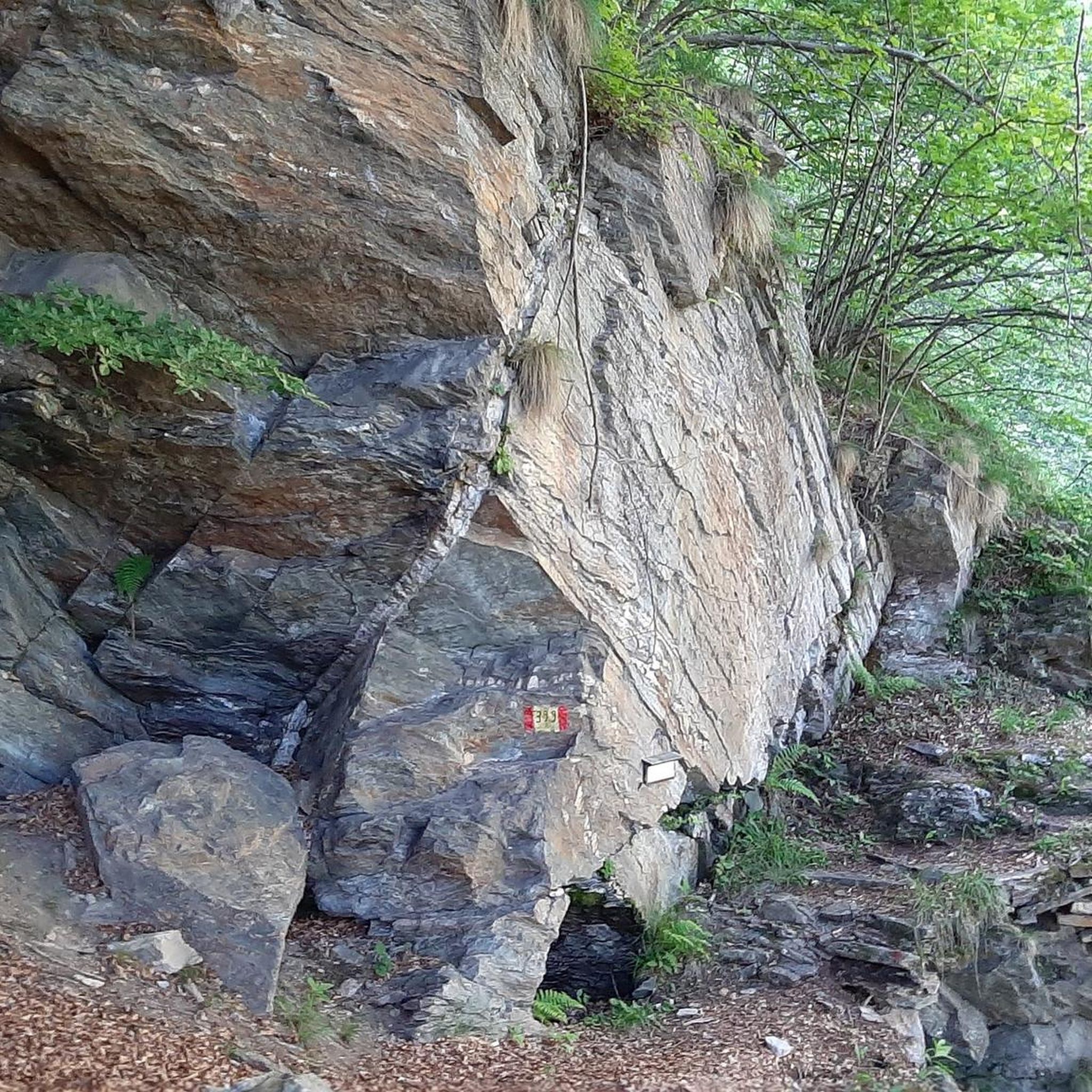
Mountain Hikes in Περιφερειακή Ενότητα Χανίων
Other adventures in Περιφερειακή Ενότητα Χανίων

Tips from the Community

Solid shelter, but in a disgusting condition as of April 2026. Full of animal poop and trash and there is mold growing on the floor.
0
0

very easy, but a great starting point for tours to Pachnes and other peaks of the White Mountains
0
1

"Of all men, it is the Cretans who most endure hardship, for their land gives little, yet they wrest from it much." — Herodotus, Histories On the shoulder of the mountain, just beyond the Chapel of Prophet Elijah, stands a structure as old as Cretan memory itself: a mitato. At first glance it looks like nothing more than a pile of stones, its domed roof rising from the slope as though it had grown out of the hillside. Yet every stone has been chosen, lifted, and set by hand, part of an ancient craft that has kept men, flocks, and traditions alive through centuries of hardship. The mitato is the shepherd’s refuge, the mountain hut of Crete. Its form goes back to the Minoan and Mycenaean periods, when similar circular, corbelled buildings were raised on high ground. Built of flat limestone slabs without mortar, the walls lock together with remarkable strength. The thick stone keeps the interior cool through the burning summers and shields against the cutting winds of winter. A single doorway opens into the rounded chamber where smoke from a fire curls against the stones, blackening them over generations. Here, milk from goats and sheep is turned into graviera, anthotyros, and mizithra — cheeses that sustained families, supplied markets, and gave Cretan shepherds their identity. The mitato was never just a shelter. It was a workshop of survival, a meeting place, and at times, a refuge. Many of them are still in use, handed down through families. Each stone tells of nights spent with the animals huddled nearby, of songs sung to pass the hours, and of raki shared around a fire while storms raged outside. Even today, when trucks and modern dairies have replaced much of the old work, the mitato remains a cultural emblem, as important to the landscape as the olive groves below. Look closely at this one and you see what makes it unique: a small white goat set proudly on the roof. This is no idle decoration. It is a tribute to the agrimi, the wild goat of Crete, also known as the kri-kri. Tough, agile, and untamed, the agrimi embodies the spirit of the island itself: proud, stubborn, independent, vanishing into the cliffs rather than submitting to capture. For centuries it has been both a symbol and a companion to Cretans — hunted, protected, celebrated. To place it here is to remind all who pass that shepherding is not just a trade, but a calling bound to the land and its creatures. Beside the mitato rises the Chapel of Prophet Elijah. In Crete, Elijah’s churches and chapels are almost always found on the highest ridges and peaks, the places nearest to heaven. From here he is believed to guard the land, watch the clouds, and bring the rain. His feast day, 20 July, is still marked with processions and fires lit on the hilltops. It feels fitting that the shepherd’s mitato stands shoulder to shoulder with the prophet’s chapel — one safeguarding the flocks and their produce, the other safeguarding the spirit of the people. History also left its mark upon these stones. During the German occupation of Crete, mitata across the island became more than shepherds’ huts. Their thick walls and humble appearance made them perfect hiding places. Resistance fighters found shelter within them, food was stored and passed along, and messages carried between valleys were concealed in their shadows. Cheese, raki, and bread could be payment, but they were also symbols of solidarity. The mitato was part of a wider network of survival, feeding not just families but freedom itself. To stand before this mitato today is to see continuity in its purest form. The ancient herdsman, the wartime courier, and the modern farmer are all bound to the same circle of stone. The goat on the roof speaks of pride and endurance; the prophet’s chapel speaks of faith and protection. Between the two lies the story of Crete: struggle, resilience, and an unbroken link to the land. Mandináda English Upon the stones the shepherds built, with faith their flocks to guide, The mountain kept its secret voice, where freedom would not hide. Greek Πάνω στις πέτρες έχτισαν, οι βοσκοί με την πίστη, κι η λευτεριά δεν χάθηκε, στο βουνό είχε τη φώτιση. Back-translation Upon the stones they built, the shepherds with their faith, and freedom was not lost, for the mountain gave its light.
0
0
Hidden in the trees here is a small round dry-stone building. At first glance, it looks like a miniature mitató, it is a low-land field shelter, part of the everyday agricultural landscape rather than the high-mountain pastoral world. The building is too small and too low to be a mitató. Inside, there is just enough space for a person to crouch, with a stone “bench” along one side and no room for cheese-making or sleeping. The roof was never a corbelled stone dome; instead, it was probably a simple flat or lightly arched covering that has now collapsed. The stones are rough, mixed field stones rather than the carefully selected flat plates used in mountain mitáta. Its location also tells a story. It stands in lowland woodland only a few kilometres from the villages, far below the summer grazing zones where mitáta are found. Structures like this were used as temporary shelters and storage spaces for tools, firewood, or animal feed during seasonal work in the fields and forests.
3
0


A dreamily situated mountain resort with attention to detail. Each cabin is individually and tastefully decorated. The main building/restaurant has a real mountain lodge feel. Several charming hiking trails, almost all of them circular, pass through this resort, making it worthwhile to spend a night or two there.
3
0

The sign reads: LEISURE ACTIVITIES PROTECTION AND RESTORATION OF THE NATURAL ENVIRONMENT IN THE REGION OF THE WHITE MOUNTAINS OF GRELESKA
1
0
Frequently Asked Questions
Which mountain huts in Περιφερειακή Ενότητα Χανίων offer panoramic views?
The Kallergi Hut, situated at 1,680 meters, provides breathtaking panoramic views of Crete's peaks and coastlines, extending to both the north and south seas. It also offers a unique perspective of the Samaria Gorge. The Kallergis Mountain Shelter, which is the same location, is known for its stunning vistas.
Are there any historically significant mountain shelters in the region?
Yes, the Volikas Mountain Shelter is considered the oldest mountain shelter in Crete, built in 1958 and renovated in 2006. It's located at 1,450 meters above sea level in Keramia. Additionally, the region features traditional 'Mitato' shepherd's huts and 'Koumos' stone huts, which are historically significant for their role in Cretan shepherding and cheese production. You can explore Koumos Stone Huts and Cypress Grove near Gavalochori for a glimpse into these traditional dwellings.
What kind of facilities can I expect at the mountain huts?
Facilities vary by hut. For example, the Kallergis Mountain Shelter (Kallergi Hut) is serviced and equipped with stoves, a fireplace, a generator for power, indoor and outdoor toilets, and food services. The Volikas Mountain Shelter operates without electricity but has a faucet for water and heating from a fireplace and stoves. The Tavri Mountain Shelter offers heating by natural fire, a generator, running water, and restrooms. It's advisable to contact the mountaineering clubs that manage these shelters prior to a visit for specific details.
Which huts are good starting points for hiking trails?
Many huts serve as excellent bases for exploring the White Mountains. The Kallergi Hut is ideal for accessing peaks like Psari, Mavri, and Melidaou, and for traversing the alpine desert towards Svourichti. From Volikas Mountain Shelter, trails lead to Spathi peak, Livada, the E4 trail, and the Therisso trail. The Tavri Mountain Shelter is ideally positioned on the E4 trail and near the Sfakiano and Kavi gorges. Alonia Guesthouse is also an excellent starting point for hikes in the wooded sfaki mountainous area around Agios Giannis.
Are there family-friendly options for staying in huts or similar accommodations?
While traditional mountain shelters are often rustic, places like Milia Mountain Retreat & Restaurant offer a more resort-like experience with individual cabins, making it suitable for families. It also features several charming circular hiking trails. For dining, Taverna Porofargo is listed as family-friendly and offers simple but good food, with the option to spend the night.
What outdoor activities can I do near the huts in Περιφερειακή Ενότητα Χανίων?
The region offers diverse outdoor activities. You can enjoy various hiking trails, from easy to challenging, near many huts. For example, the easy hikes in Περιφερειακή Ενότητα Χανίων guide features routes like the View of Chania Lighthouse – Chania Old Town loop. There are also running trails and cycling routes available throughout the region, including options like the Lake Kournas – Argiroupoli Springs loop for cyclists.
What is the best time to visit the mountain huts in Chania?
The tourist season for many shelters, like Kallergis, typically runs from April to October. During this period, temperatures are more pleasant for hiking, and services are more readily available. Off-season visits, especially in winter, often require prior arrangement with the managing mountaineering clubs due to snow and more challenging conditions.
Can I find traditional shepherd's huts in the White Mountains?
Yes, the White Mountains are home to traditional 'Mitato' shepherd's huts. These original stone dwellings, found at elevations around 1350m, are historically significant for the production of Cretan 'Graviera' cheese and offer a glimpse into the authentic lifestyle of Cretan shepherds. Some tours even include visits to these unique structures.
Are there any huts that are particularly good for beginners or offer easier access?
While most mountain huts require some hiking, the Kallergis Mountain Shelter can be accessed by a 1.5-hour walk or a 5 km dirt road from the Omalos Plateau, making it relatively accessible. For a more relaxed experience, Milia Mountain Retreat & Restaurant offers individual cabins and is a good base for easier circular hiking trails.
What should I bring for an overnight stay at a mountain hut in Crete?
For an overnight stay, especially in rustic shelters, it's essential to bring your own sleeping bag, appropriate clothing layers for varying mountain temperatures (even in summer), a headlamp, and any personal toiletries. While some serviced huts offer food, it's wise to carry snacks and sufficient water. Always check with the specific hut management for their recommendations and requirements, as some may not provide bedding or extensive catering.
Where can I find information about the Volikas Mountain Shelter?
The Volikas Mountain Shelter, located at 1,450 meters in Keramia, is managed by the Mountaineering Club of Chania. For more detailed information, you can visit visitchania.gr.
What do visitors appreciate most about the huts in Περιφερειακή Ενότητα Χανίων?
Visitors frequently highlight the stunning natural beauty and panoramic views, especially from places like Kallergi Hut. The unique, rustic charm and historical significance of traditional structures like the 'Mitato' and 'Koumos' huts are also highly valued. The sense of peace and the opportunity to connect with nature, often as a starting point for diverse hiking trails, are key attractions. The komoot community has shared 37 photos and given 67 upvotes across the highlights, reflecting a strong appreciation for these experiences.
Most popular routes in Περιφερειακή Ενότητα Χανίων
Most popular attractions in Περιφερειακή Ενότητα Χανίων

Get inspired with the komoot mobile app


Didn’t find what you were looking for?
See even more amazing huts in Περιφερειακή Ενότητα Χανίων with these guides per region:
Explore more
Find more beautiful huts and cabins in Περιφερειακή Ενότητα Χανίων by checking out the top ones in these nearby places:
