Top 7 Gorges in Lisbon
Best canyons in Lisbon and its surrounding region feature diverse geological formations and natural landscapes. While traditional large canyons are not characteristic of the city, the area includes significant sea-eroded formations, river valleys, and steep coastal cliffs. These natural formations provide opportunities for exploration and offer scenic vistas. The region's varied topography contributes to its appeal for outdoor activities.
Best canyons in Lisbon
- The most popular canyons is Boca do Inferno (Hell’s Mouth) Rock Arch, a natural_monument that features…
Last updated: August 7, 2026
Boca do Inferno (Hell's Mouth)
Highlight • Gorge
Translated by Google •
Tip by

Boca do Inferno (Hell’s Mouth) Rock Arch
Highlight • Natural Monument
Translated by Google •
Tip by

Sign up now to discover places like this
Get recommendations on the best single tracks, peaks, & plenty of other exciting outdoor places.
Sign up for free
Rio Alcabrichel 🌊 Maceira
Highlight • River
Tip by

Boca do Inferno
Highlight • Gorge
Translated by Google •
Tip by

Rocky coastline east of Boca do Inferno
Highlight (Segment) • Natural
Translated by Google •
Tip by
Ota River
Highlight • River
Translated by Google •
Tip by

Olhos D'água Trail – Ota Karst Canyon
Highlight (Segment) • Trail
Translated by Google •
Tip by
View of the Serra de Montejunto
Highlight • Viewpoint
Translated by Google •
Tip by

Start today with a free account
Your next adventure awaits.
Login or Signup
Popular around Lisbon

Triathlon 360 – my journey around the world
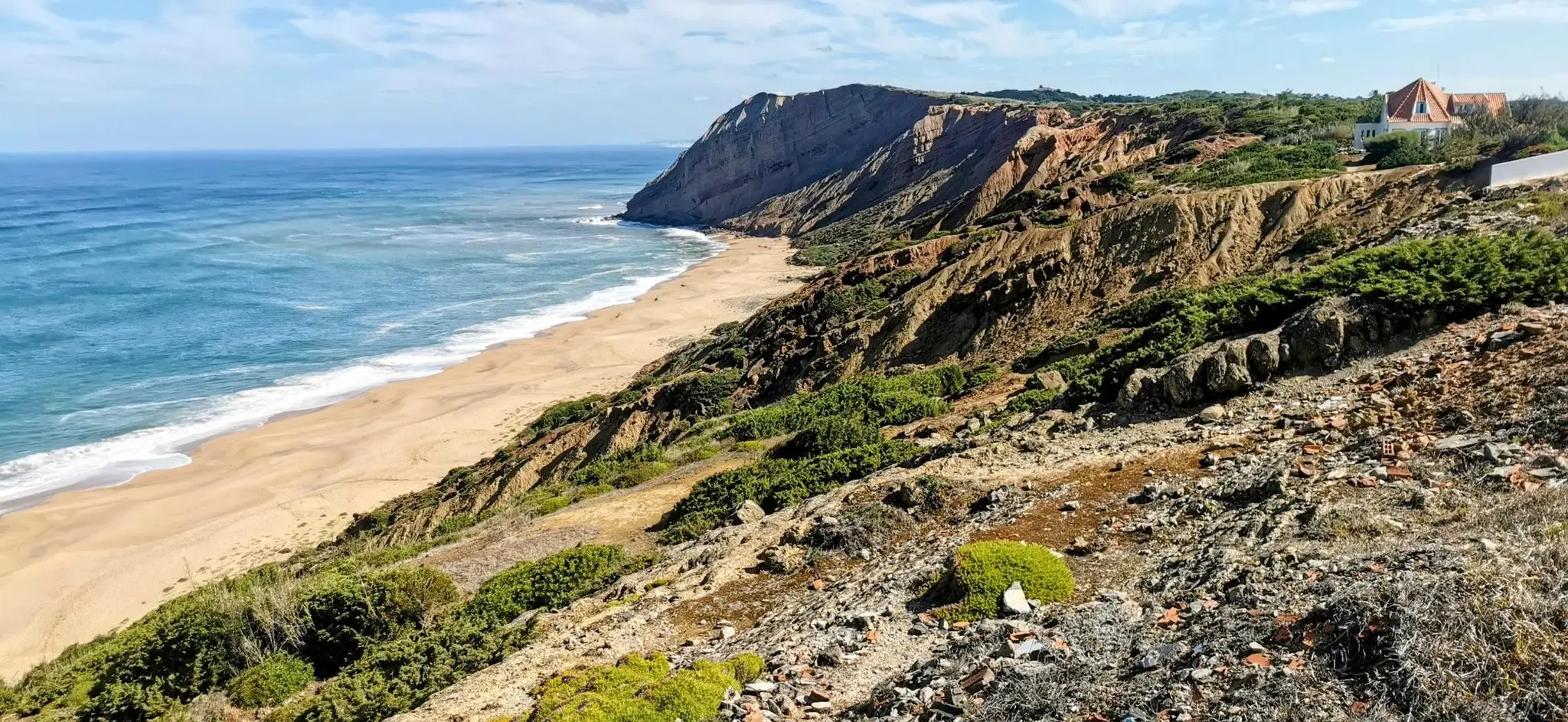
EuroVelo 1 Portugal – Cycle the Atlantic Coast
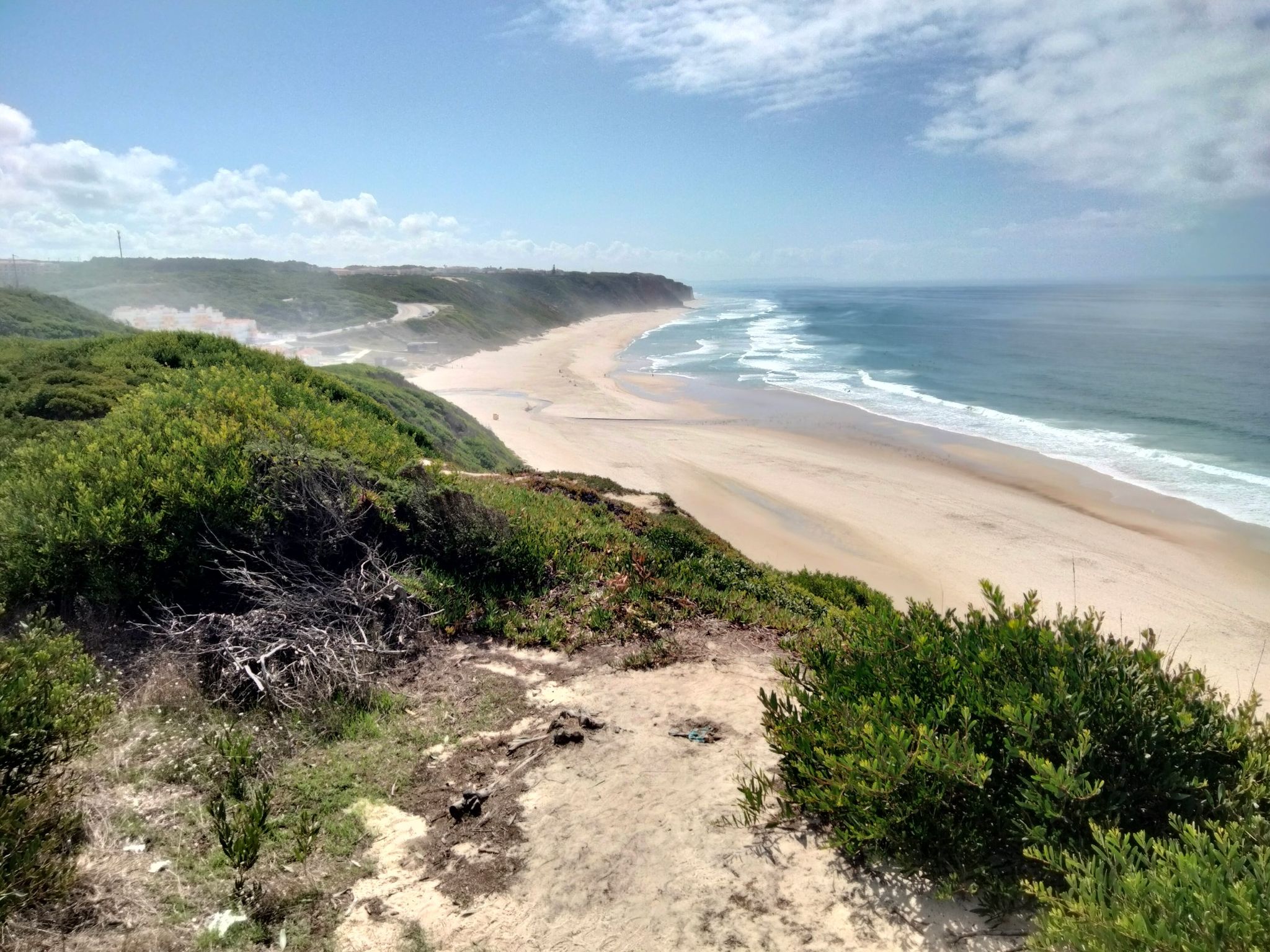
Portugal's Atlantic coast (north) – from Caminha to Lisbon
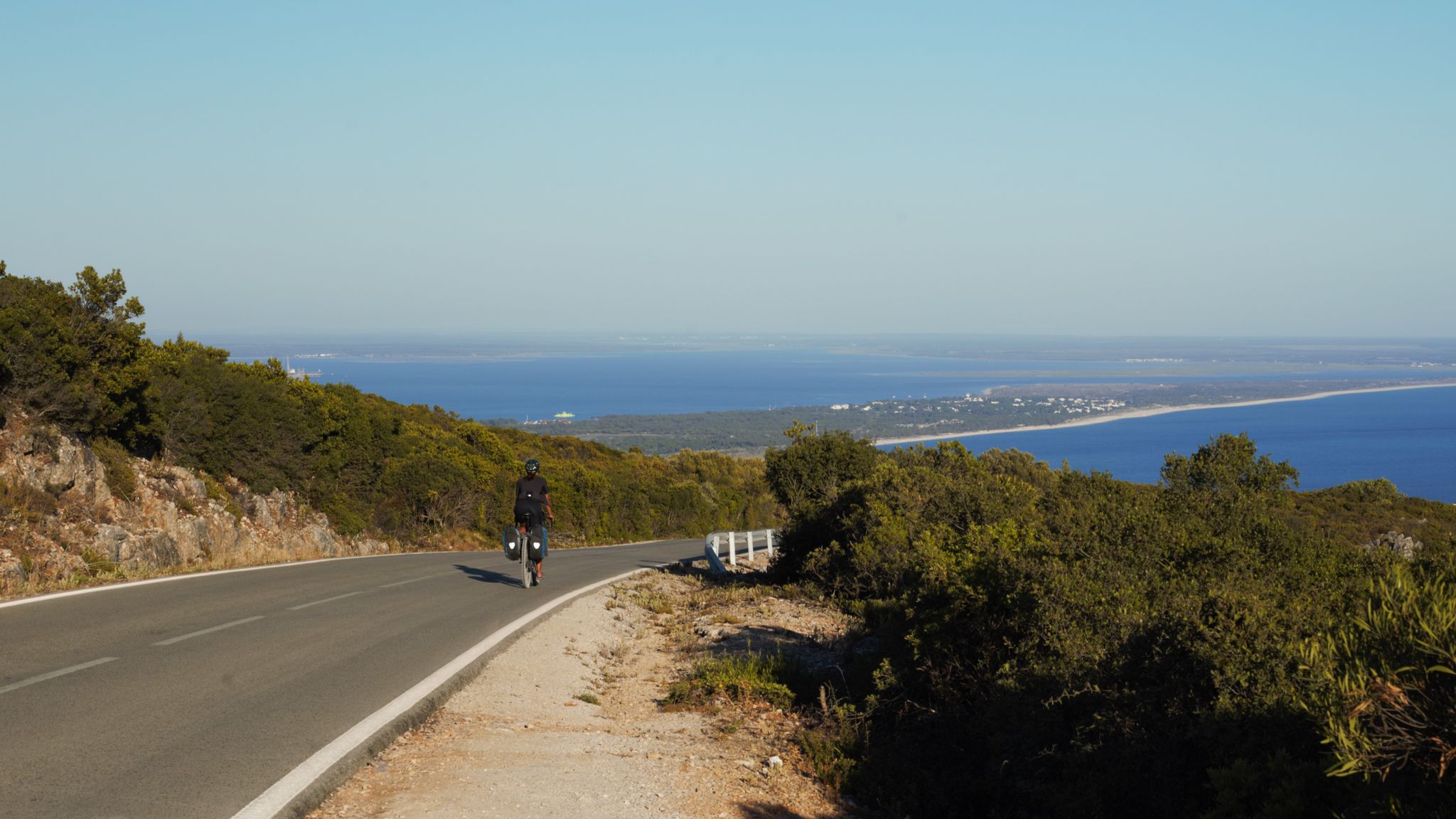
The breaking waves – cycle along the Atlantic coast of Portugal

Around the World in 80 Days
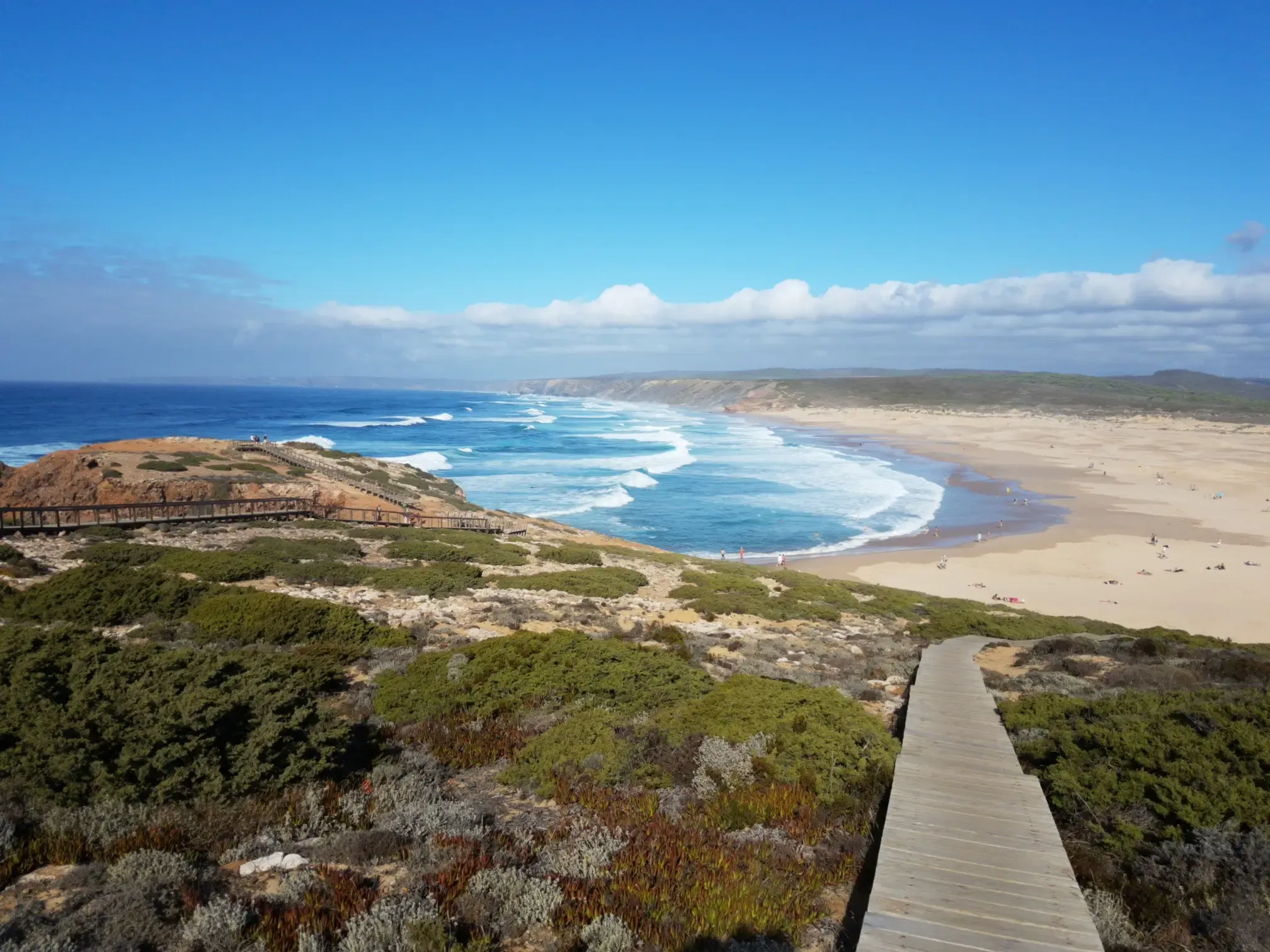
Lisbon to Santo António – The Atlantic Coast of Portugal (south)
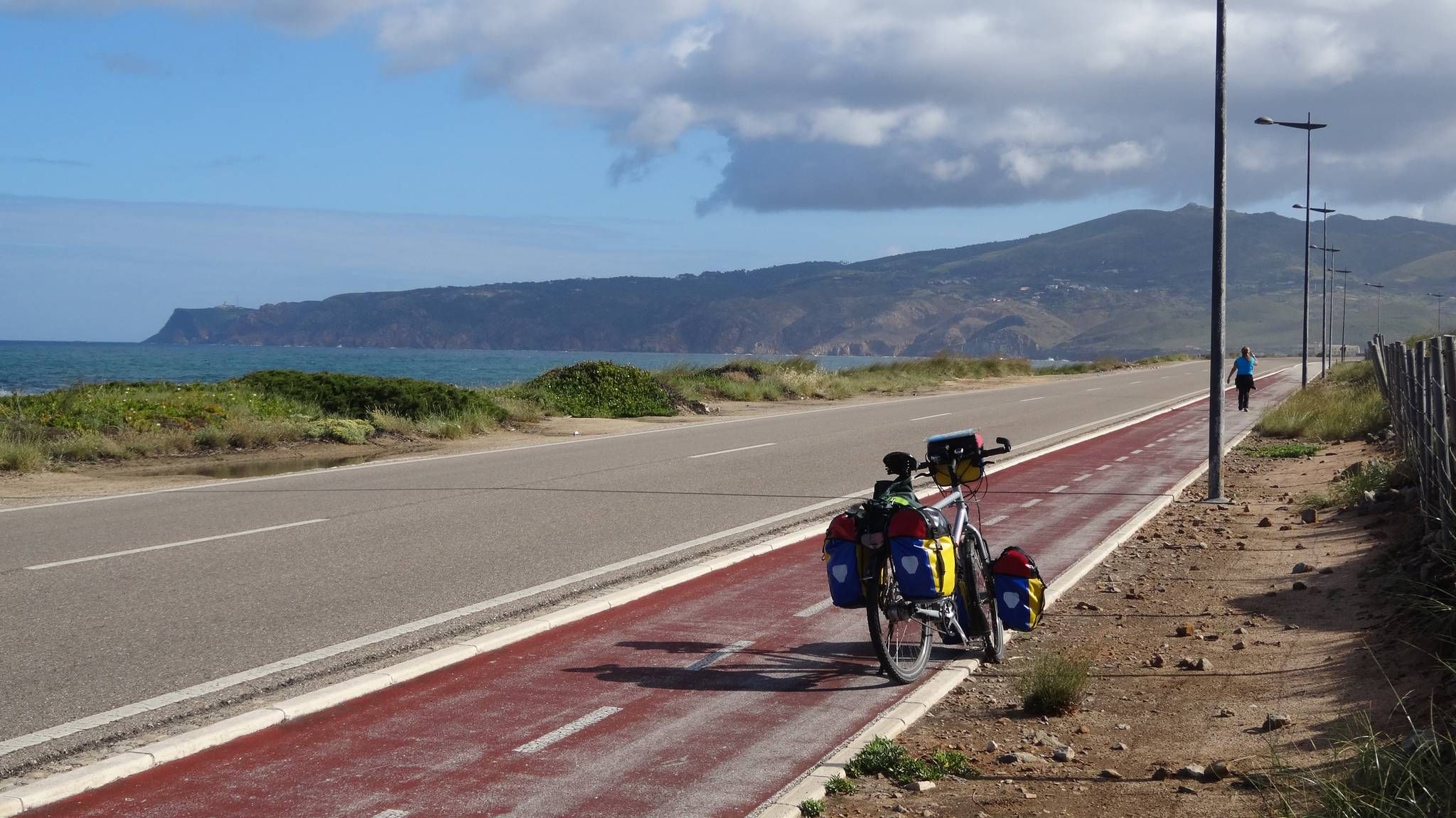
Bike Touring along Portugal's Atlantic Coast from Lisbon to Porto
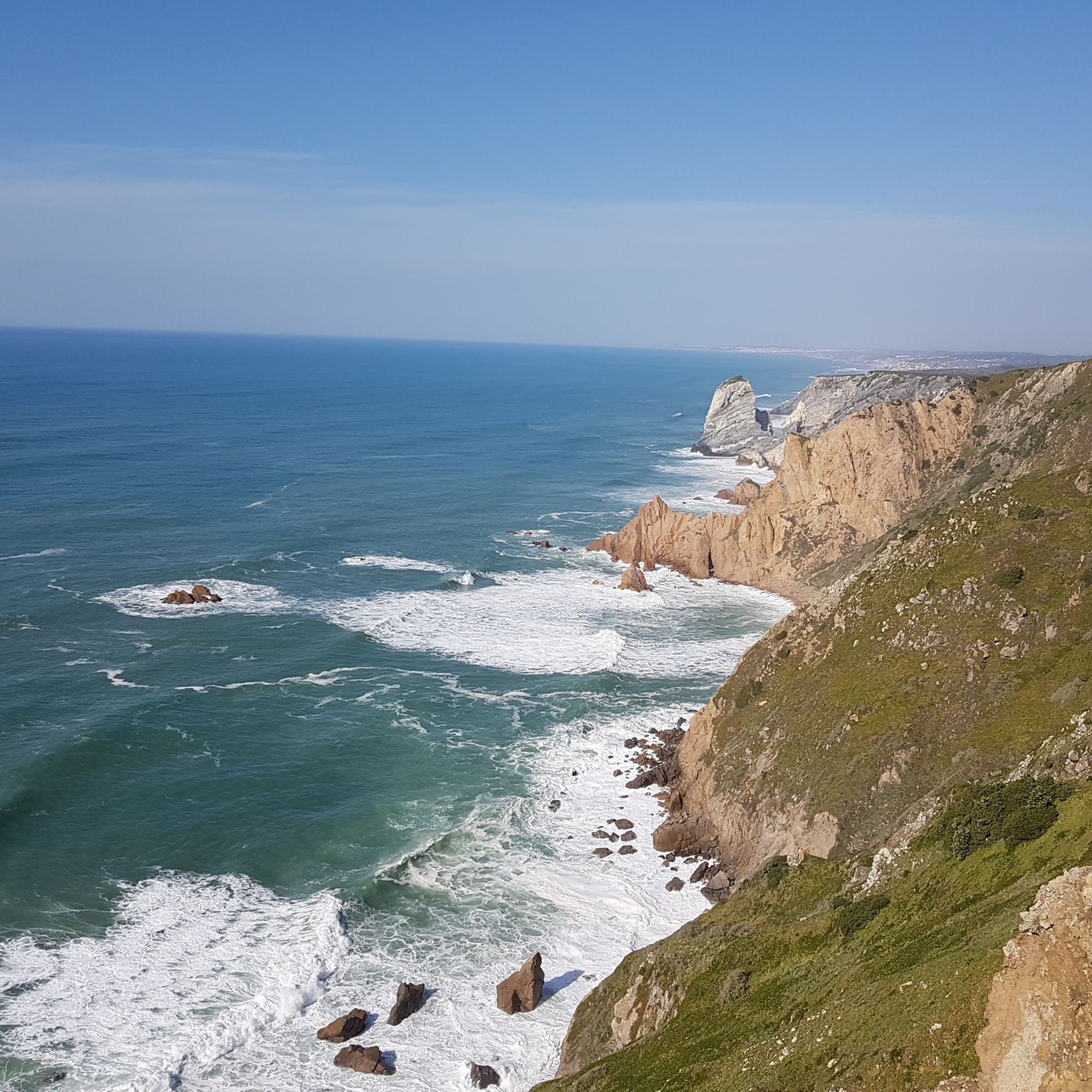
Hiking in Lisbon
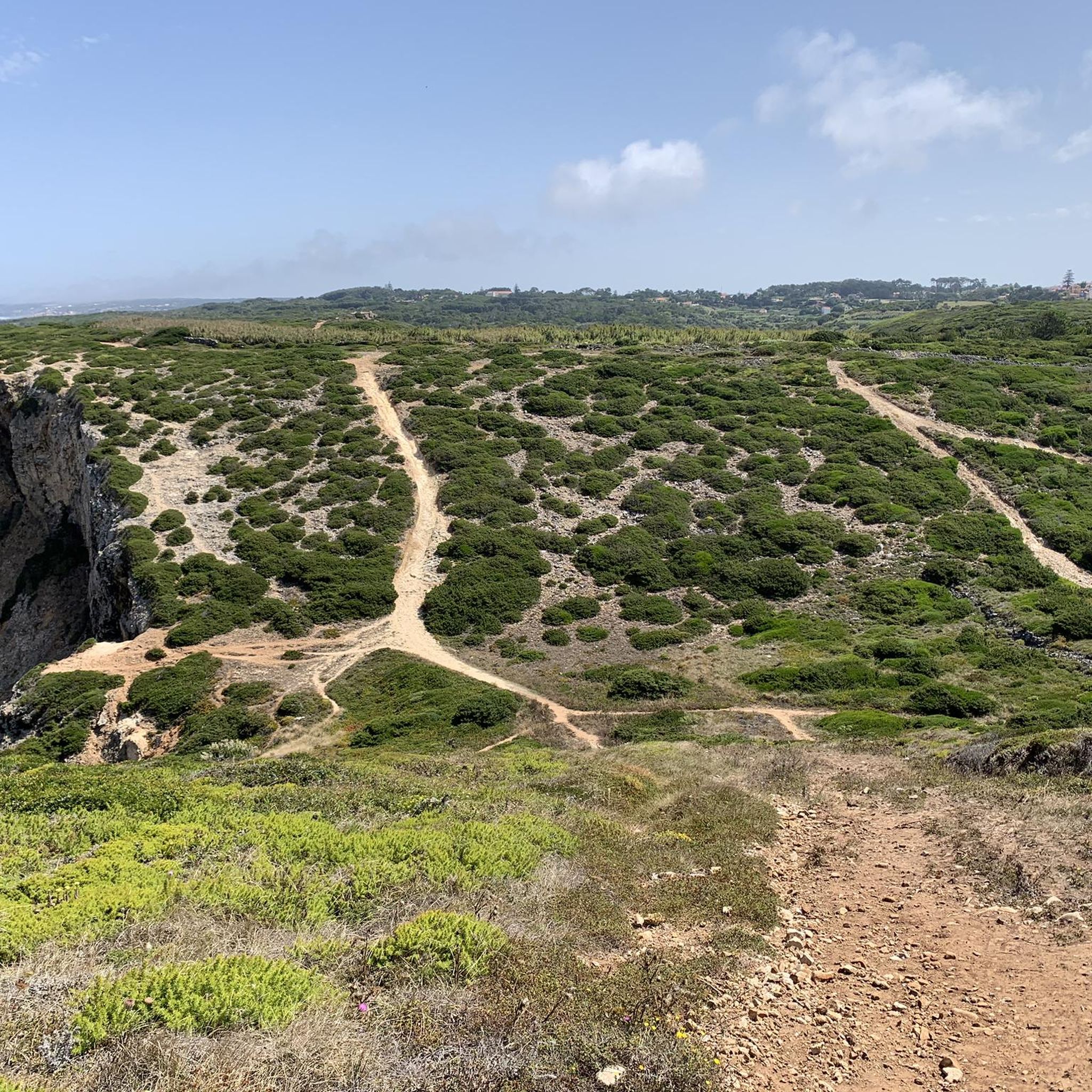
Running Trails in Lisbon
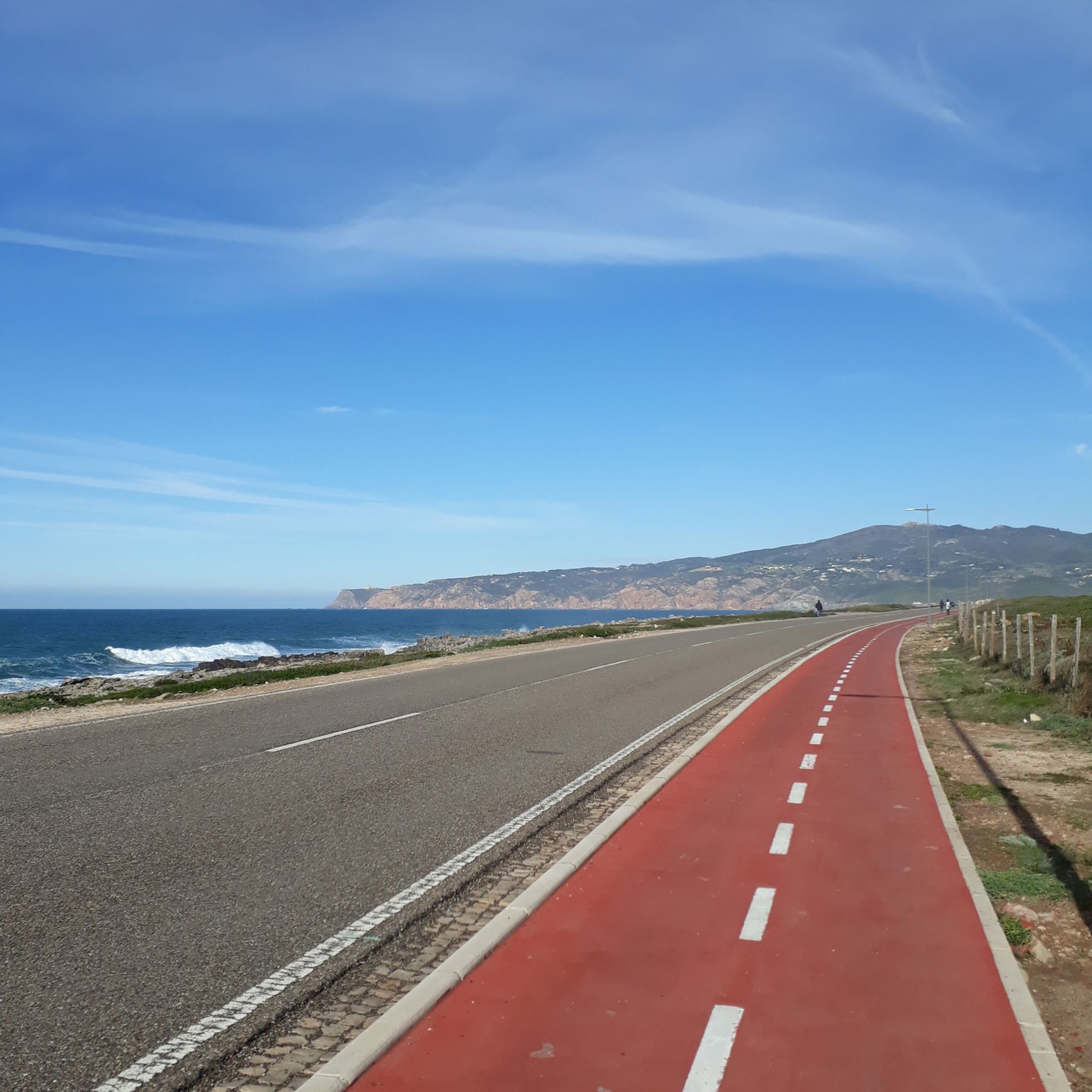
Cycling in Lisbon
Other adventures in Lisbon


Tips from the Community

The Höllenschlund lives up to its name during storms/bad weather and lashing waves. But even in 'normal weather', this is simply a wonderfully scenic spot.
0
0

Place of interest in Cascais visited by all tourists! Generally, in spring and summer, the sea is calm and Boca do Inferno has little movement. But if you get to see it in autumn or winter after a storm, the mouth roars and has an inexplicable energy 🌊
0
0

The Alcabrichel River is a Portuguese river that flows into the sea at Porto Novo Beach, in the parish of Maceira, in the municipality of Torres Vedras. Maceira is a key location along the river's course, especially in its final stretch where the river meets the Atlantic Ocean. Characteristics and Highlights in the Maceira Area Mouth at Porto Novo Beach: The river flows into the sea at this beach, creating a picturesque setting where fresh water mixes with salt water. The mouth area is a point of natural and scenic interest, much photographed, especially at sunset. Landscape and Environment: The river's course in the Maceira area and its surroundings is characterized by a valley with low alluvial deposits and slopes with cliffs, providing rural landscapes and, near the coast, a coastal environment. Trails and Routes: The region is popular for outdoor activities. There are several hiking and cycling trails that follow the riverbanks or lead from Maceira to the mouth and Porto Novo Beach, some using wooden walkways in specific sections. Vimeiro Thermal Baths: The Alcabrichel River passes near Vimeiro, famous for its thermal baths and medicinal waters, which have attracted people seeking health treatments since the 19th century. Historical Heritage: The river mouth has historical relevance, as it was the landing site of British troops before the Battle of Vimeiro, during the French Invasions in 1808. The union of the parishes of A dos Cunhados and Maceira highlights the Alcabrichel River as one of its points of visit and environmental interest, being the object of efforts for its protection and environmental requalification.
2
0

Exciting, large, deep rock hole with a connection to the water. If you carefully look down into the chimney-like rock hole, you can see (and even hear) the surf pouring through the tunnel- or gate-like opening in the coastal rock into the hollow.
1
0
East of the Mouth of Hell (Boca do Inferno), a bizarre, rugged rocky landscape stretches along the banks of the Tejo.
2
0

Great view of Boca do Inferno and the mighty power of the Atlantic
0
1

Try to be there early morning to avoid the heath and too many touristists on the track.
0
1

incredibly beautiful, the Atlantic shows the power of the water here. A beautiful natural spectacle, I could watch for hours
3
0
Frequently Asked Questions
What kind of natural formations can I expect to see near Lisbon?
While Lisbon doesn't feature traditional large canyons, the region offers diverse geological formations. You can explore significant sea-eroded formations like Boca do Inferno (Hell’s Mouth) Rock Arch, river valleys such as Rio Alcabrichel 🌊 Maceira, and steep coastal cliffs within areas like Sintra-Cascais Natural Park. These provide stunning vistas and unique natural beauty.
Are there opportunities for canyoning as an activity near Lisbon?
Yes, the broader Lisbon region and nearby areas like Setúbal are popular for the outdoor activity of canyoning. This involves navigating through natural waterways, often with abseiling, jumping, and sliding down waterfalls and into natural pools. These experiences are typically found in more mountainous or hilly areas with rivers and streams that have carved out smaller gorges and ravines.
What is the best time of year for canyoning or exploring these natural sites?
The best season for canyoning in Portugal is generally from May to October. During these months, the weather is sunny and dry, and water levels are typically lower, making conditions ideal for river descents and outdoor exploration.
Are there any family-friendly natural attractions or gorges near Lisbon?
Yes, Boca do Inferno (Hell’s Mouth) Rock Arch is considered family-friendly. It's an easily accessible sea-eroded cliff formation near Cascais, offering a dramatic spectacle of waves crashing against the rocks, which is fascinating for all ages.
What are some notable viewpoints or scenic spots in the region's natural areas?
The region boasts several breathtaking viewpoints. Boca do Inferno (Hell’s Mouth) Rock Arch offers a powerful display of the Atlantic. In Arrábida Natural Park, you'll find stunning vistas from Miradouro das Antenas and Miradouro dos Conventos. Additionally, Cabo da Roca in Sintra-Cascais Natural Park provides rugged coastal views as the westernmost point of mainland Europe.
Where can I find hiking trails with canyon-like features near Lisbon?
The Steep Cliff Trail in Parque Natural de Sintra-Cascais offers wonderful hiking opportunities with dizzying slopes and exposed paths, providing a challenging experience. For a different type of gorge, the Olhos D'água Trail – Ota Karst Canyon also provides an intermediate trail experience.
What kind of wildlife and nature can I observe in these areas?
The natural parks and river valleys near Lisbon are rich in biodiversity. Sintra-Cascais Natural Park features dense forests and diverse coastal ecosystems. Arrábida Natural Park is known for its unique blend of Mediterranean vegetation and marine life in its turquoise coves. While specific wildlife sightings vary, these areas are home to various bird species, marine life, and unique flora.
Are there any geological points of interest beyond the coastal formations?
Yes, the Trancão River Valley, northeast of Lisbon, is a geological point of interest. Here, the river cuts through a valley where compact limestones appear as prominent rock walls, showcasing the results of differential erosion and the interplay of various rock types. The Ota River also features a geomorphologically relevant 'Cannon' of its valley.
What outdoor activities can I do near these natural formations?
Beyond exploring the gorges and cliffs, the Lisbon region offers a variety of outdoor activities. You can find numerous running trails in Lisbon, including routes like 'Torre de Belém from Rua Augusta'. For hiking, explore options like 'Cabo da Roca and Adraga Beach Circular Trail'. Gravel biking is also popular, with routes such as 'Monsanto Forest Park – Montes Claros Viewpoint loop'. You can find more details on these activities in the Running Trails in Lisbon, Hiking in Lisbon, and Gravel biking in Lisbon guides.
What do visitors enjoy most about the natural sites near Lisbon?
Visitors frequently highlight the dramatic natural beauty and the powerful display of the ocean. For instance, the Boca do Inferno (Hell’s Mouth) Rock Arch is praised for its 'wonderful rock formations created by the wild sea' and the 'powerful display of natural erosion'. The scenic winding roads of Rio Alcabrichel 🌊 Maceira are also a favorite for their beauty.
Are there any specific safety considerations for exploring the cliff trails?
Yes, for trails like the Steep Cliff Trail in Parque Natural de Sintra-Cascais, visitors recommend 'sturdy shoes, good condition and safe footing required'. Some paths are 'partly exposed' and 'close to the edge', so surefootedness is essential for a safe and enjoyable experience.
Can I swim in any of the river gorges or natural pools?
The Ota River was historically a leisure area for the local population, including a bathing spot in the summer. While some areas might still be suitable for swimming, it's advisable to check local conditions and regulations, especially regarding water quality, as agricultural runoff has impacted some sections in the past.
Most popular routes in Lisbon
Most popular attractions in Lisbon

Get inspired with the komoot mobile app


Didn’t find what you were looking for?
Want to see even more gorges? See the best ones in Lisbon region by region:
Explore more
Already discovered everything in this region? See additional gorges in Lisbon for your next adventure:
