Top 19 Caves in Navarra
Caves in Navarra offer a diverse range of underground experiences within this northern Spanish region. The landscape of Navarra, characterized by its Pyrenean foothills and limestone formations, has created numerous natural cavities. These caves provide insights into geological processes, ancient human habitation, and historical events. The region's caves are distributed across various areas, from the French border to the Sierra de Aralar.
Best caves in Navarra
- The most popular caves include Zugarramurdi Cave, a cave known for its historical…
Last updated: August 7, 2026
Portupekoleze Arch
Highlight • Natural Monument
Translated by Google •
Tip by

San Juan Xar Cave Shrine
Highlight • Religious Site
Translated by Google •
Tip by

Sign up now to discover places like this
Get recommendations on the best single tracks, peaks, & plenty of other exciting outdoor places.
Sign up for free
Zugarramurdi Cave
Highlight • Cave
Translated by Google •
Tip by

Harpéa Cave
Highlight • Cave
Translated by Google •
Tip by

Cueva de Los Cristinos
Highlight • Cave
Translated by Google •
Tip by
Cueva del Ibón
Highlight • Cave
Translated by Google •
Tip by

Arguedas Caves
Highlight • Cave
Translated by Google •
Tip by
Elkorreta-Gartxot Cave
Highlight • Cave
Translated by Google •
Tip by
Ojo de Ollobarren Cave
Highlight • Cave
Translated by Google •
Tip by
OjoDeSanPrudencio
Highlight • Cave
Translated by Google •
Tip by
Sign up for free to discover even more caves in Navarra.
Sign up for free
Already have an account?
Start today with a free account
Your next adventure awaits.
Login or Signup
Popular around Navarra
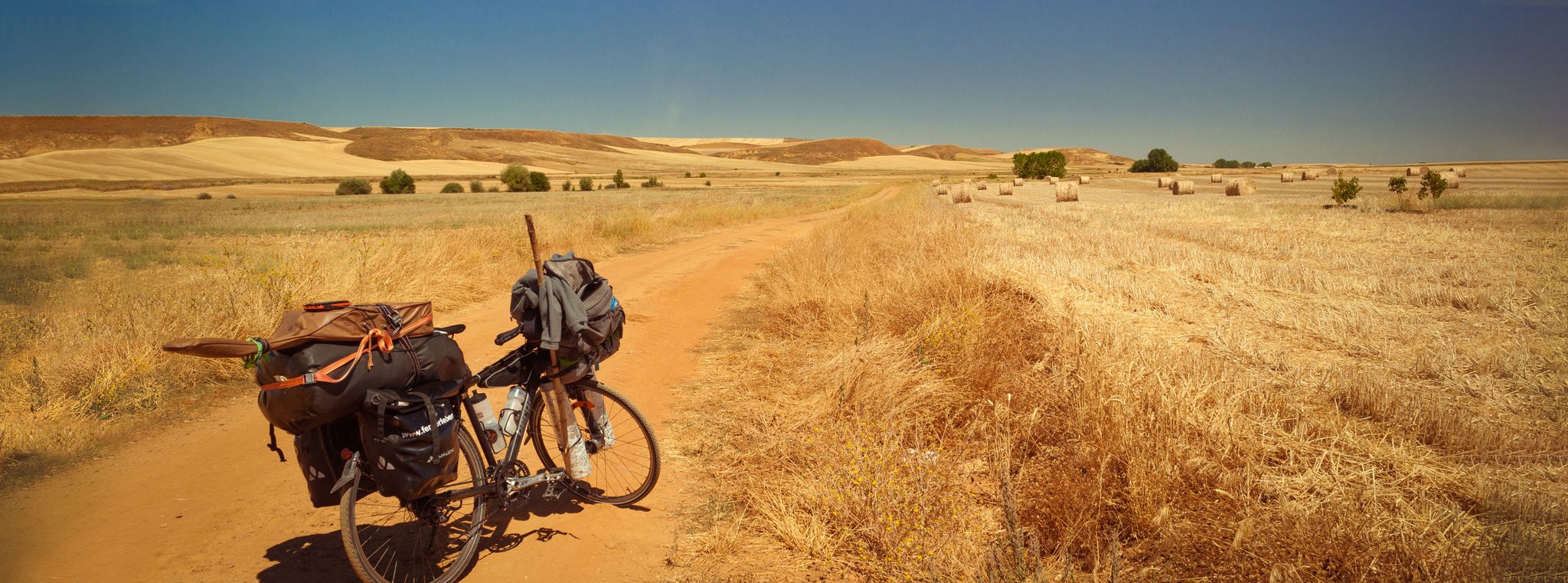
Camino Francés and Camino Finisterre – Cycling pilgrimages in Spain
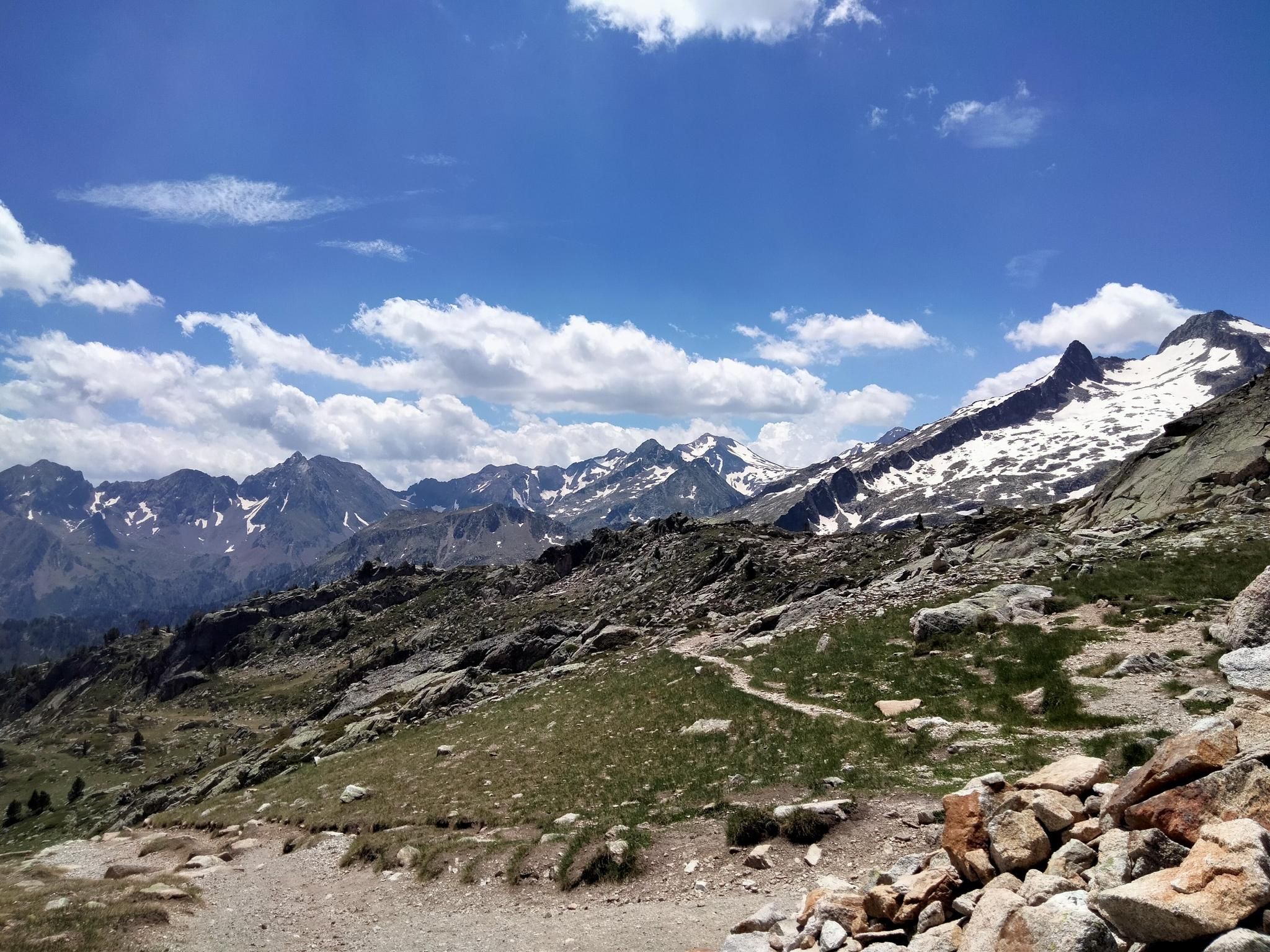
Hexatrek, the western and central Pyrenees – Between mountains and the ocean
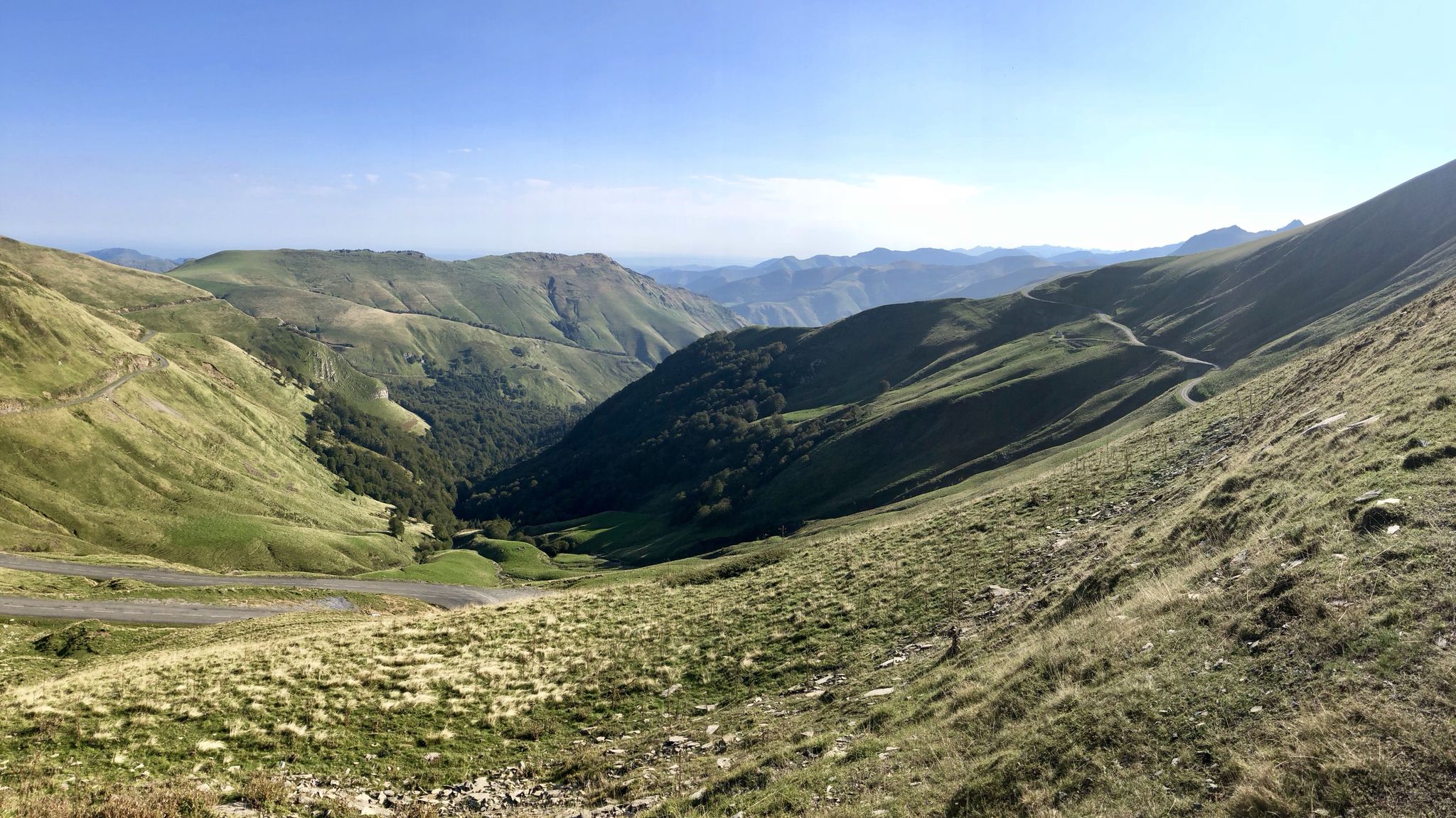
Euskal Herria footpath (GR 12) – The infinite mountain range
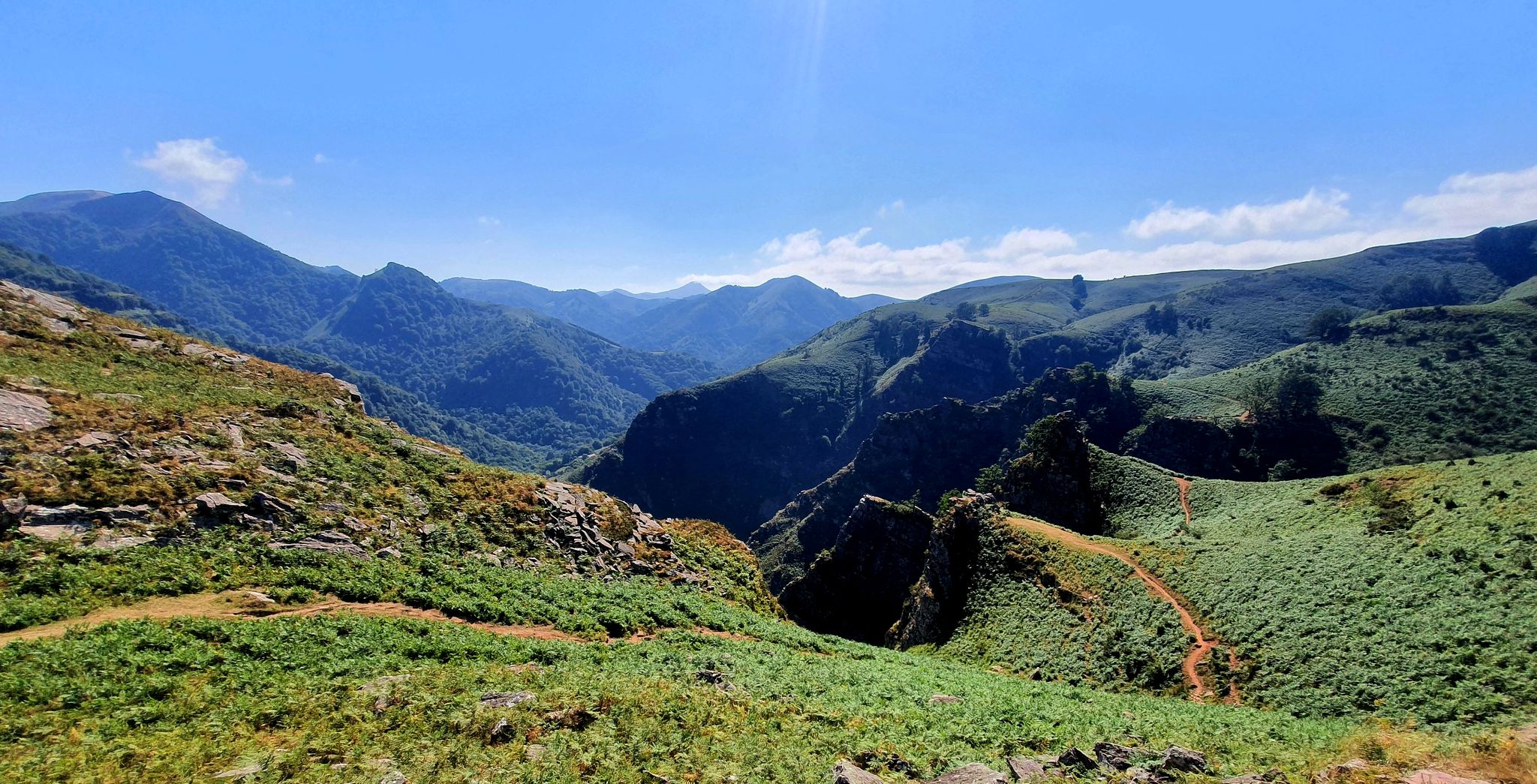
A land rich in character – running in the Basque Country
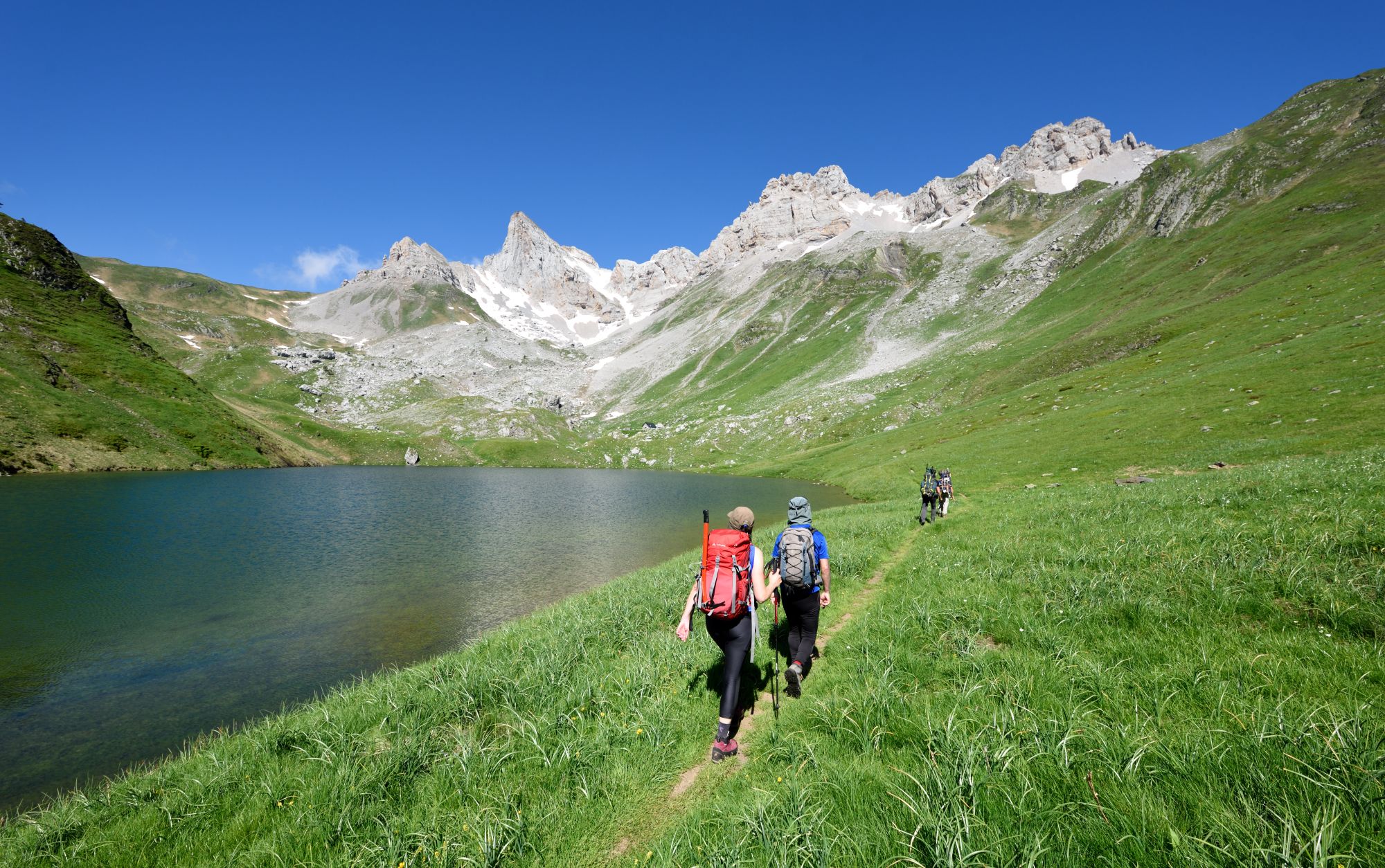
Classic Swallows Route in Spain – Mountains with history
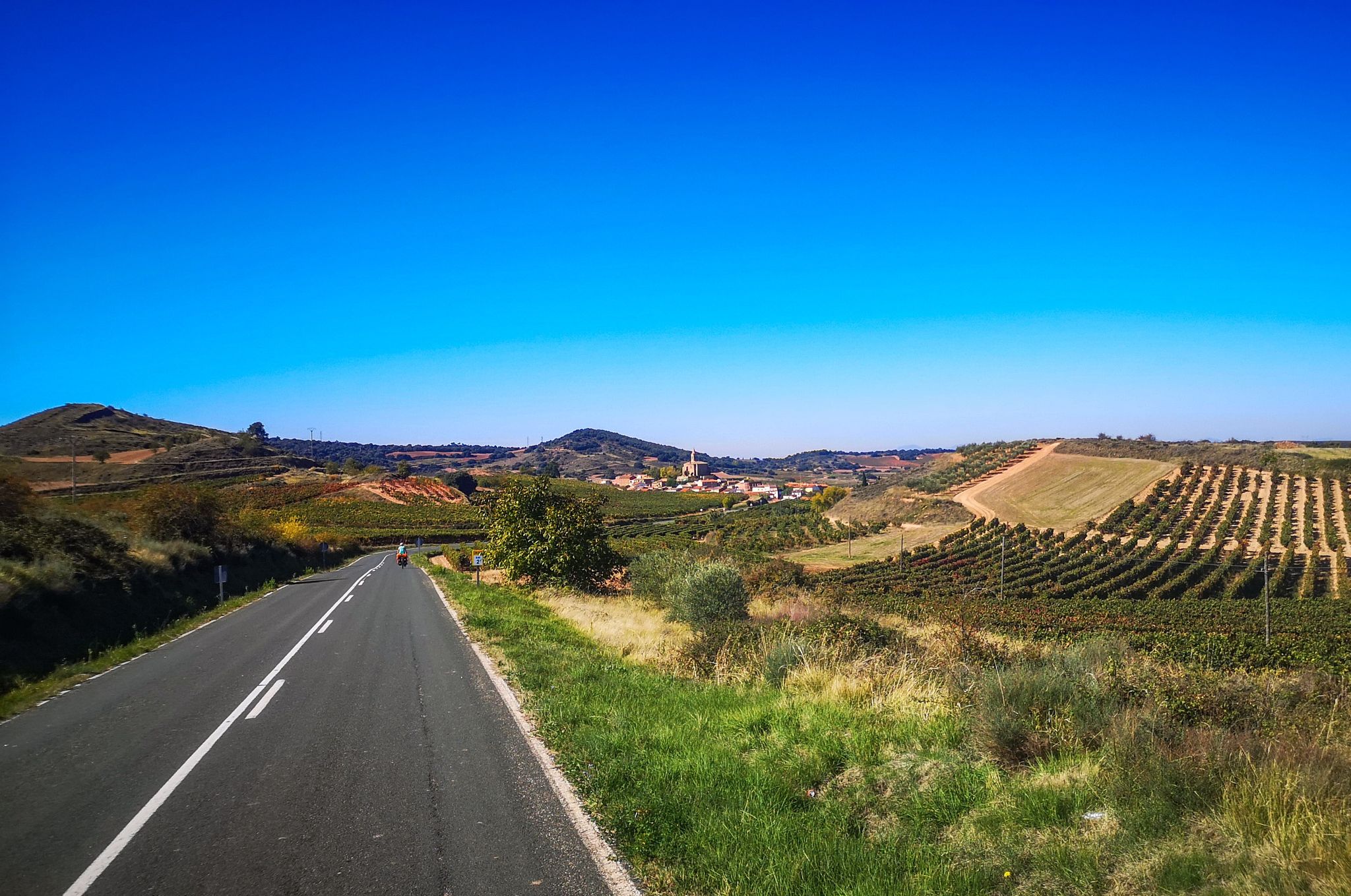
Santiago de Compostela – A journey through northern Spain (10 days)

Road to Lisbon – bikepacking the Alps, Pyrenees and Picos de Europa
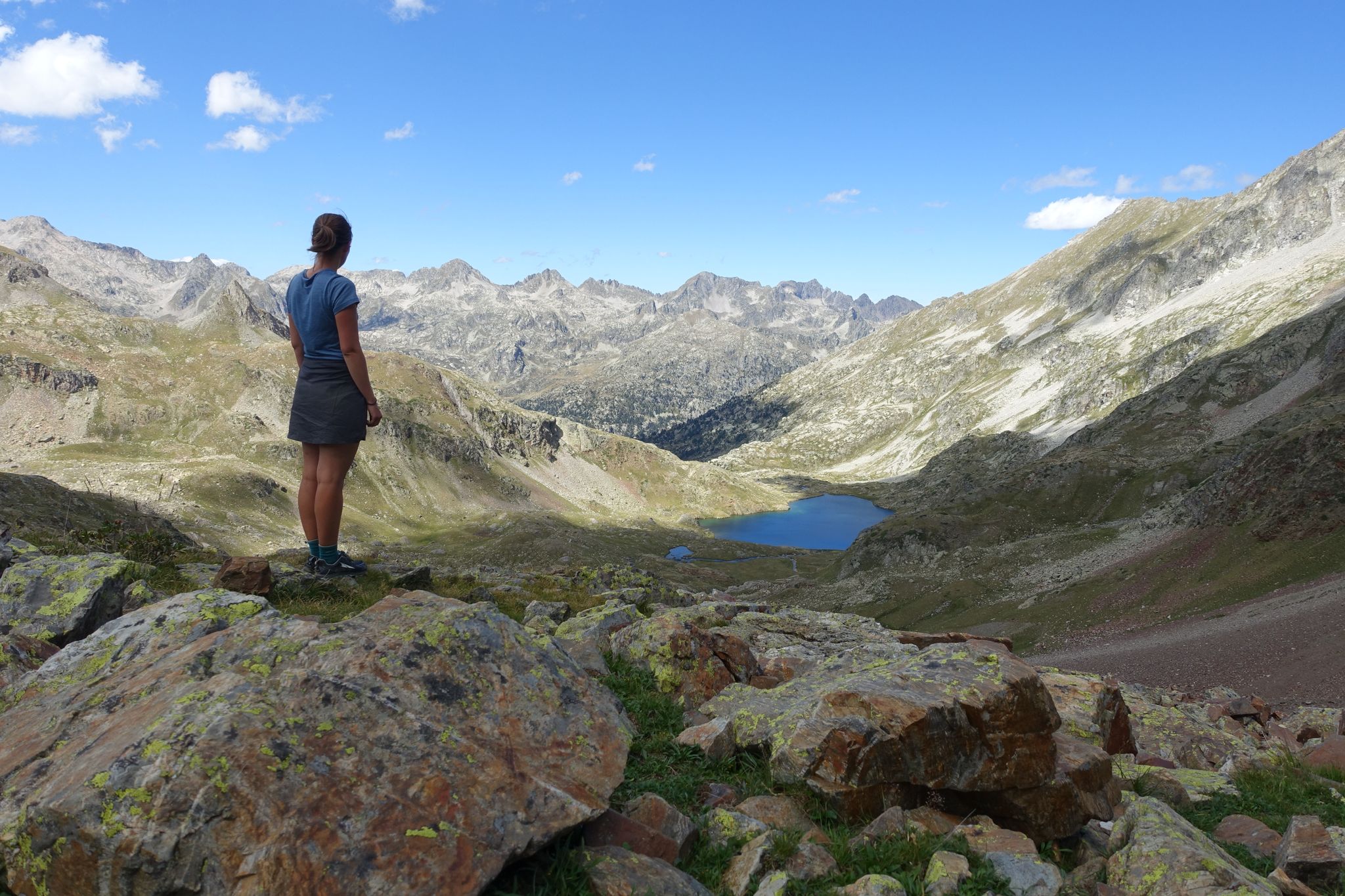
Haute Route Pyrénéenne – Pyrenees Crossing

Mythical Passes and Sections of La Vuelta
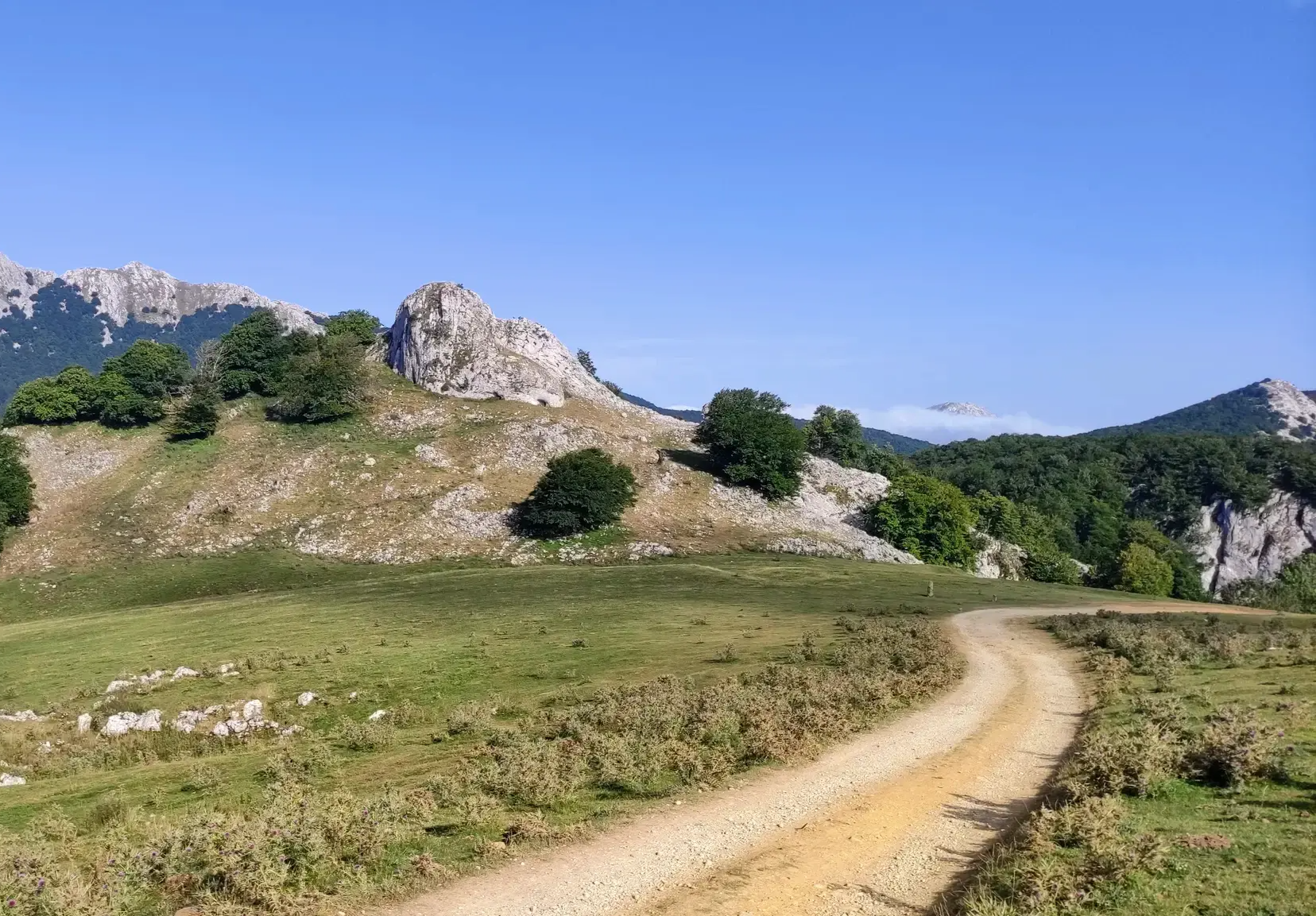
The Ignatian Way - In the footsteps of Ignatius of Loyola
Other adventures in Navarra


Tips from the Community

Still inhabited until 1960, individual caves can now be visited free of charge.
0
0

Beautiful cave hall with small side passages.
3
0

A few steps behind the Witch Museum is the entrance to the Witches' Cave "Las Cuevas de Zugarramurdi". The cave is impressive. You can walk in and around the cave to see viewpoints, waterfalls, bridges, etc. You can expect a visit of 60-90 minutes. The entrance fee is 6 euros (2024), which is not much for a well-preserved cave.
2
0

Always impressive, I love it, absolutely recommended!!
3
0

I went in July 2023. This cave is completely closed. There are signs from the Basque government saying DO NOT ENTER (and explaining the consequences and the work they're doing) and plastic tape blocking the entrance. There are lots of constructions tools around too. Don't expect to get in unless you're willing to destroy the small stone wall and all the tape blocking the entrance.
0
0

The Portupekoleze arch-cave, located in the Urbasa mountain range, is the spectacular result of water erosion, which over the millennia has created this enormous arch in the rock.
2
0

A set of caves carved into the rock dating back to the Middle Ages. They have historically been used as dwellings, especially by farmers and herders. Most of the caves are abandoned, but some have been restored and you can visit them to get an idea of what life was like in these caves in the past.
1
0
Frequently Asked Questions
What unique historical and cultural experiences do the caves in Navarra offer?
Navarra's caves are rich in history and folklore. The Zugarramurdi Cave, known as 'the witches' cave', is famous for its association with 17th-century alleged witches' gatherings and the Spanish Inquisition. The Urdax Caves offer a glimpse into ancient human habitation and were used by guerrillas and smugglers. The Arguedas Caves are historical cave dwellings, some restored to show past life.
Are there caves in Navarra that showcase impressive geological formations?
Yes, several caves highlight Navarra's geological beauty. Mendukilo Cave, located in Astitz, is praised for its extraordinary stalactites and stalagmites, enhanced by floating walkways and multimedia lighting. The Urdax Caves also feature beautiful displays of stalactites and stalagmites, formed by the erosion of the Urtxuma River.
Which caves in Navarra are suitable for families with children?
The Portupekoleze Arch is a family-friendly natural monument with an accessible lower cave, making it a good option for a shorter, easier exploration. While not explicitly listed as 'family_friendly' in the data, the guided tours at Mendukilo Cave are educational and visually stunning, which can be engaging for older children.
What kind of natural monuments or unique features can be found among Navarra's caves?
Beyond the caves themselves, Navarra features unique natural monuments. The Portupekoleze Arch is a beautiful natural arch with a lower cave. The San Juan Xar Cave Shrine is a cave-hermitage within a Nature Reserve, known for its unique hornbeam forest and a fountain with waters believed to have healing powers. Harpéa Cave is known for its famous anticline formation.
Are there any caves in Navarra with religious or spiritual significance?
Yes, the San Juan Xar Cave Shrine is a notable site. It's a cave-hermitage with a fountain whose waters are traditionally believed to have healing powers. This area is also a Nature Reserve, housing the only native hornbeam forest on the Iberian Peninsula.
What outdoor activities can I combine with a visit to the caves in Navarra?
Navarra offers various outdoor activities. You can find numerous hiking opportunities, such as those listed in the Waterfall hikes in Navarra guide, including trails like Xorroxin Trail or Cascada de Artazul. For running enthusiasts, there are routes like the Arga River Pathway in the Running Trails in Navarra guide. Gravel biking is also popular, with routes like the Castildetierra Hill loop available in the Gravel biking in Navarra guide.
Are there any less crowded or 'hidden' caves to explore in Navarra?
While popular caves like Zugarramurdi attract many visitors, you might find a more tranquil experience at places like Elkorreta-Gartxot Cave, set in a pleasant forest and tied to a medieval legend. The Ojo de Ollobarren Cave and OjoDeSanPrudencio also offer opportunities for exploration away from the main tourist hubs.
What should I wear when visiting caves in Navarra?
Caves typically maintain a cool and constant temperature year-round, regardless of the weather outside. It's advisable to wear layers, including a light jacket or sweater, and comfortable, closed-toe shoes with good grip, as surfaces can be damp or uneven.
Can I find guided tours for the caves in Navarra?
Yes, guided tours are available for some of the main caves. Mendukilo Cave, for instance, offers guided tours that lead visitors through various chambers, revealing the mysteries of the underground world. It's recommended to check the official websites of individual caves for tour availability and booking information.
Are there any caves in Navarra that are dog-friendly?
Information on dog-friendly policies varies by cave. Generally, many natural attractions in Spain do not permit dogs inside the actual cave structures for safety and preservation reasons. It's best to check the specific regulations of each cave you plan to visit directly before bringing your pet.
What are the parking options like near the main caves in Navarra?
Most popular caves, such as Zugarramurdi and Mendukilo, have dedicated parking facilities or areas nearby. For example, the Portupekoleze Arch has parking less than 1 kilometer away. It's always a good idea to check the official website of the specific cave for detailed parking information and any potential fees.
What is the best time of year to visit the caves in Navarra?
Caves maintain a relatively constant temperature throughout the year, making them a good destination in any season. However, visiting during spring or autumn might be more pleasant for exploring the surrounding areas, as the weather is milder. Summer offers a cool escape from the heat, while winter visits can be unique, though access roads might be affected by snow in higher elevations.
Most popular routes in Navarra
Most popular attractions in Navarra

Get inspired with the komoot mobile app


Didn’t find what you were looking for?
Discover more caves in Navarra region by region:
Explore more
Extend your search for the best caves by checking out these guides of the top ones in Navarra:
