Top 13 Caves in the Federation of Bosnia and Herzegovina
Best caves in the Federation of Bosnia and Herzegovina are characterized by a rich network of underground systems, often featuring diverse geological formations and unique biodiversity. The region's karst landscape contributes to numerous cave attractions, many of which hold historical and paleontological significance. These natural sites offer opportunities to explore ancient formations and subterranean ecosystems.
Best caves in the Federation of Bosnia and Herzegovina
- The most popular caves is Vrelo Bune Spring and Dervish House, a religious building and…
Last updated: July 11, 2026
Ravne Underground Labyrinth
Highlight • Cave
Translated by Google •
Tip by

Buna Spring
Highlight • Religious Site
Translated by Google •
Tip by
Sign up now to discover places like this
Get recommendations on the best single tracks, peaks, & plenty of other exciting outdoor places.
Sign up for free
Hotel 125 and Vjetrenica Cave
Highlight • Cave
Translated by Google •
Tip by

Vrelo Bune Spring and Cave
Highlight • Cave
Translated by Google •
Tip by

Hilltop Bunker Entrance
Highlight • Monument
Translated by Google •
Tip by

Bobijaško Oko Karst Spring
Highlight • Natural Monument
At the …
Translated by Google •
Tip by

Jajce Catacombs (Underground Church)
Highlight • Cave
Translated by Google •
Tip by

Bijambare Caves
Highlight • Cave
Tip by

Đuričina peċina
Highlight • Cave
Translated by Google •
Tip by

Dimšina Pećina Cave
Highlight • Cave
Translated by Google •
Tip by
Sign up for free to discover even more caves in the Federation of Bosnia and Herzegovina.
Sign up for free
Already have an account?
Start today with a free account
Your next adventure awaits.
Login or Signup
Popular around Federation of Bosnia and Herzegovina
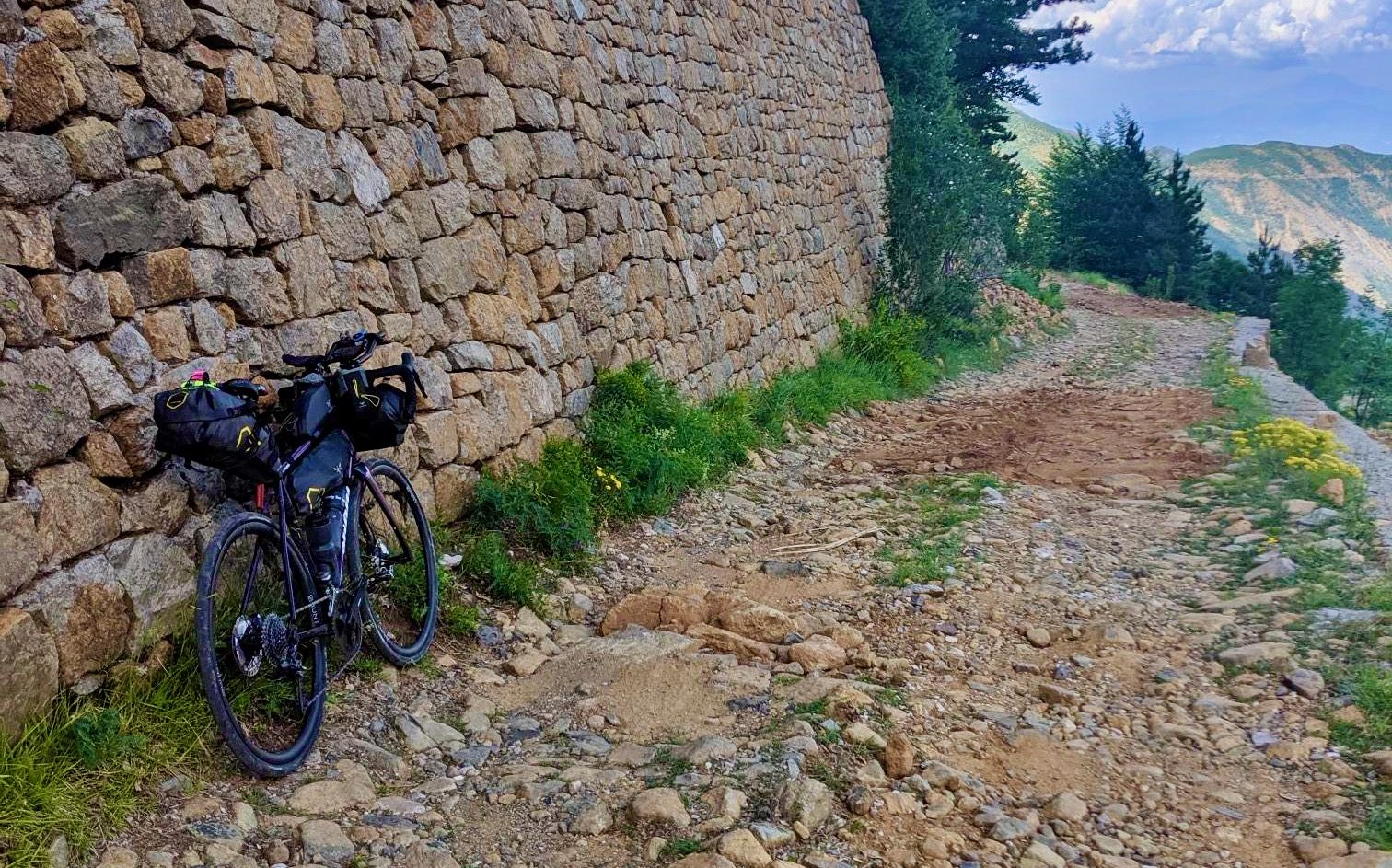
Traversing the Dinaric Alps — bikepacking from the mountains to the sea
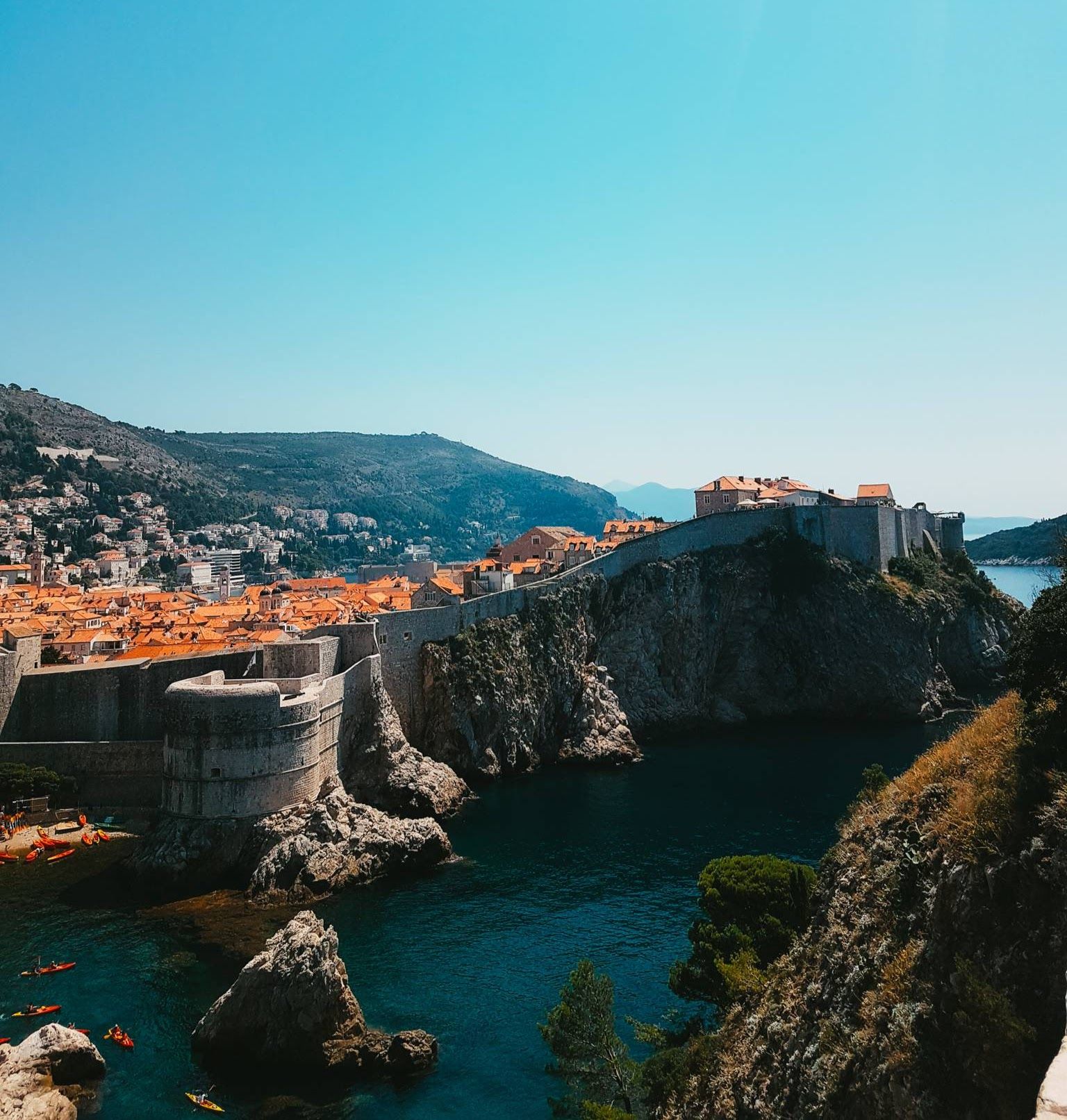
The Ciro Trail — Along the railtrail from Mostar to Dubrovnik
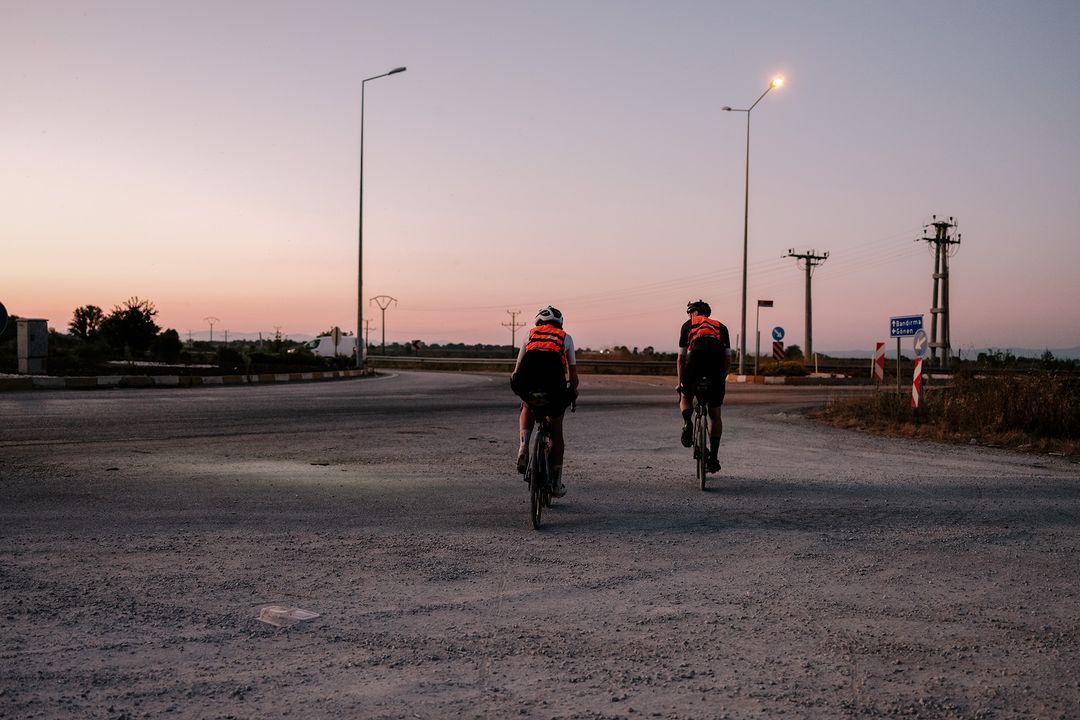
Transcontinental Race No10: crossing Europe from France to Turkey
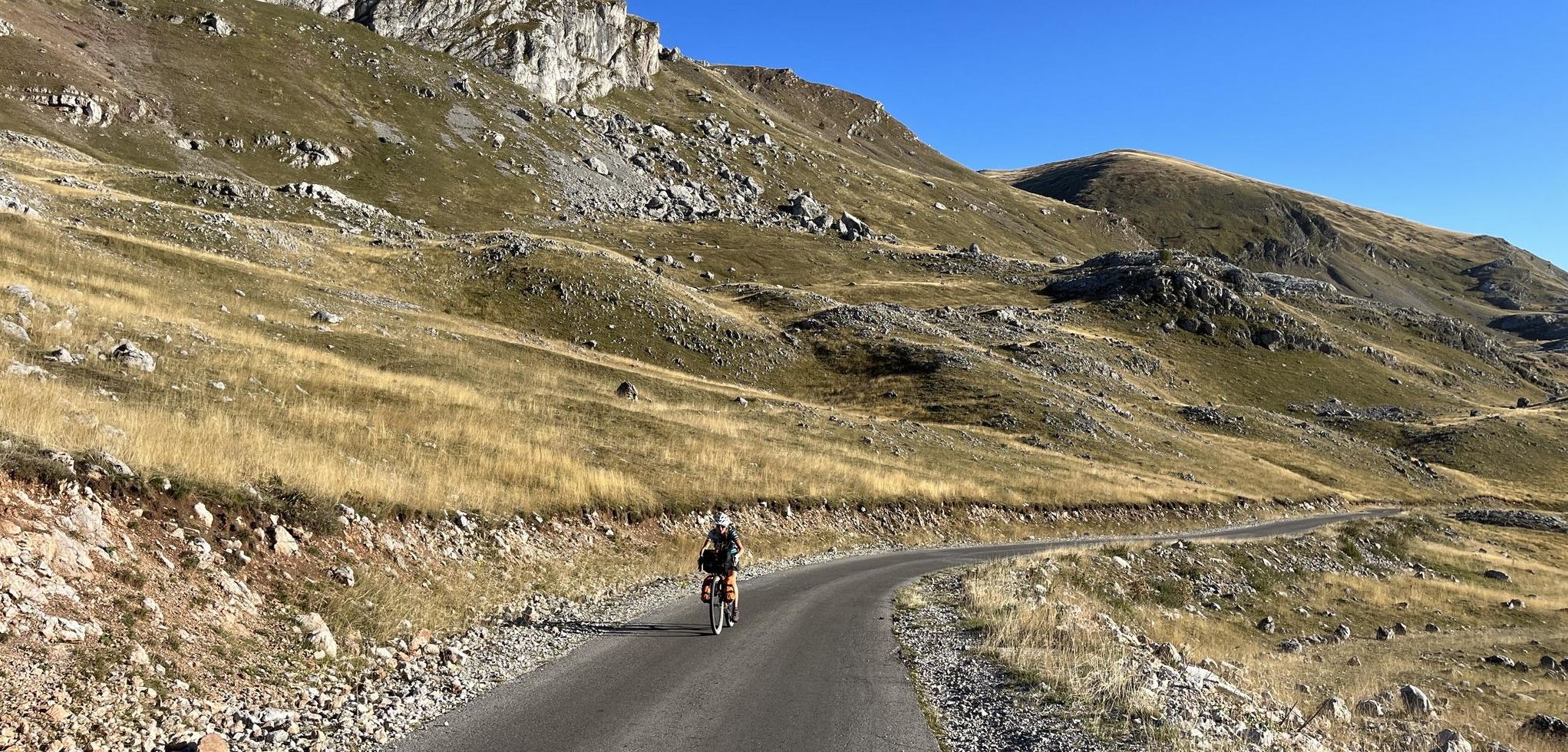
Balkan Escape – Croatia and Bosnia and Herzegovina
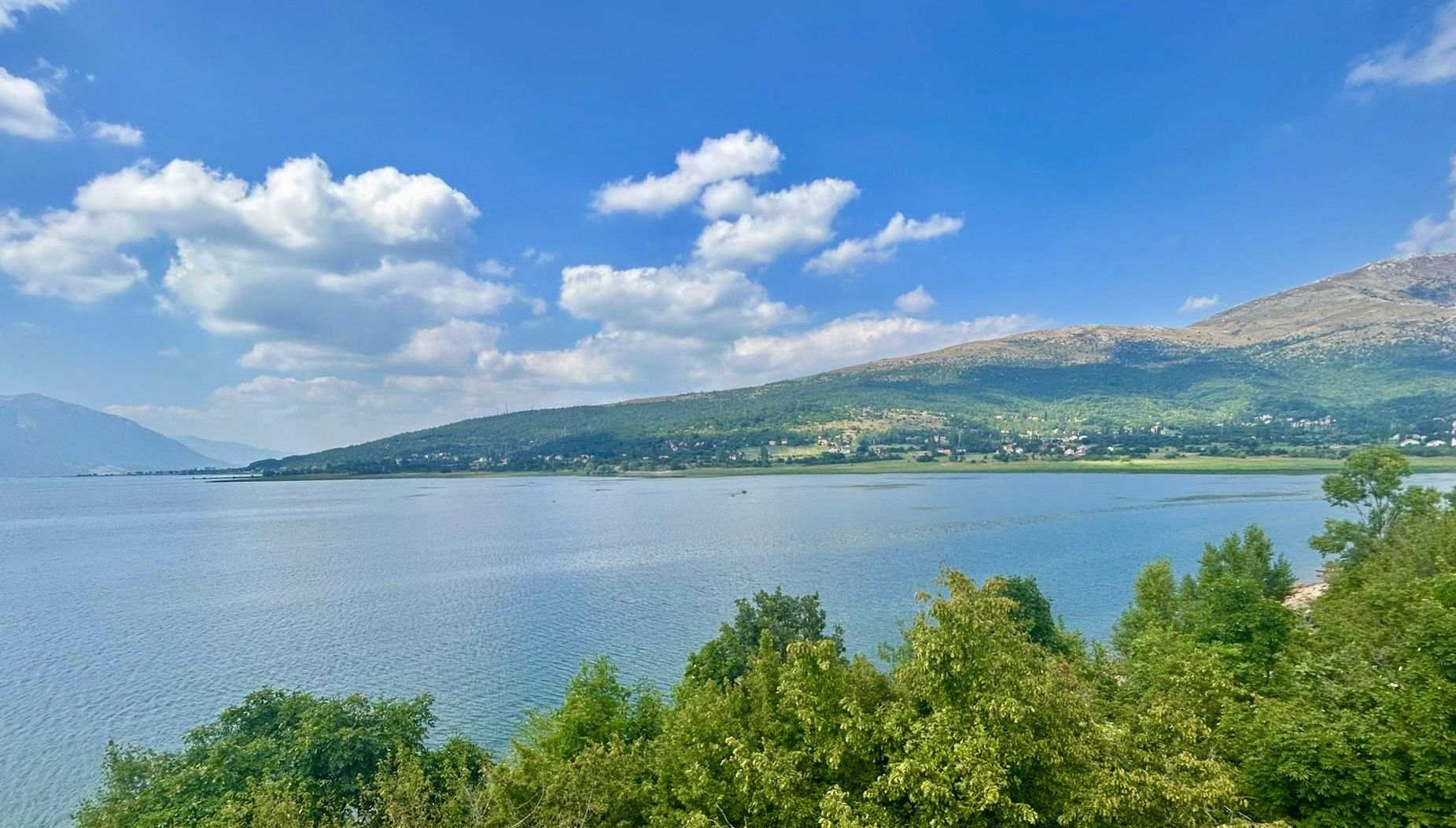
A weekend by Lake Buško – cycling the border between Croatia and Bosnia-Herzegovina
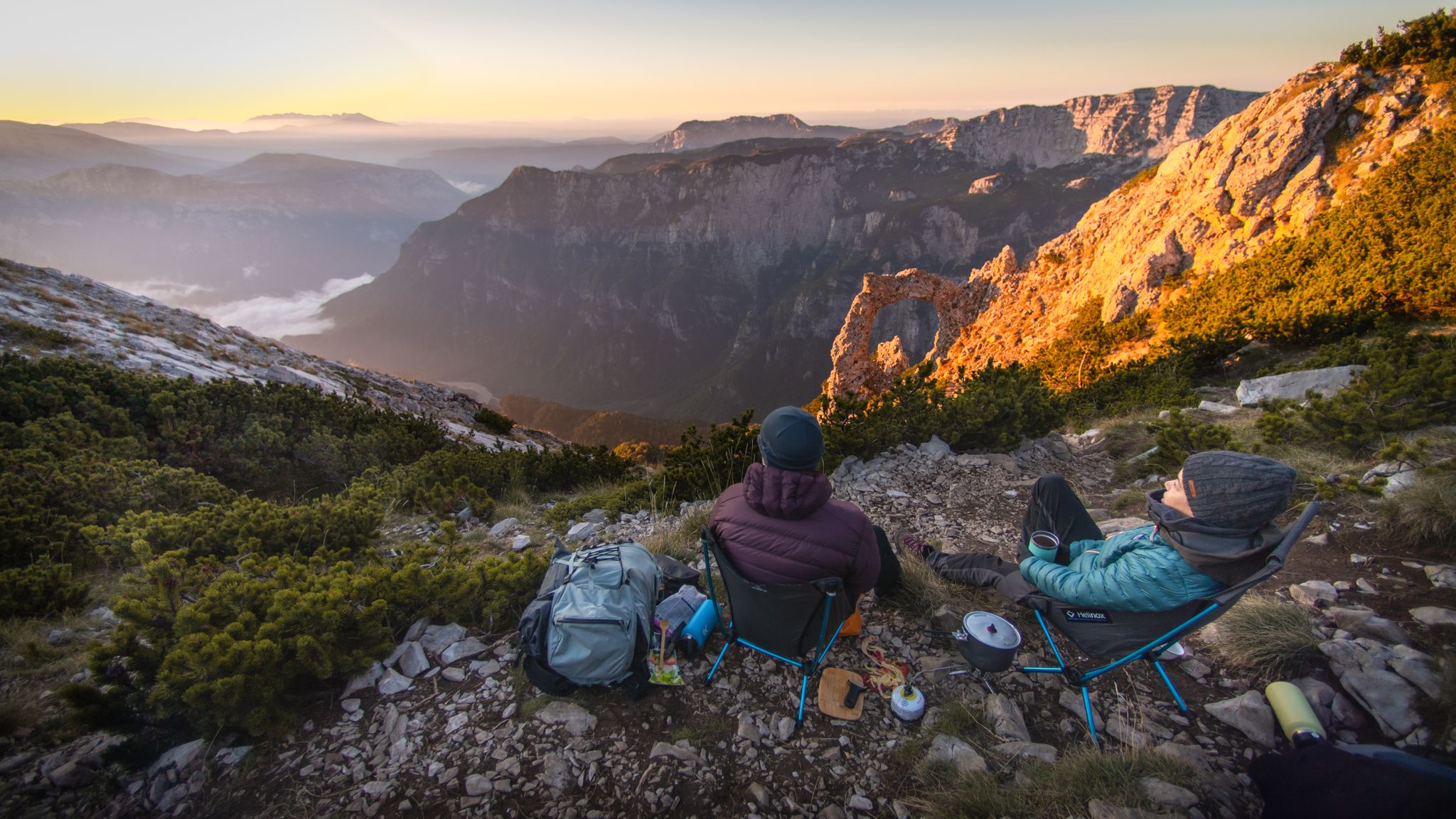
Warm earth and wild mountains — hiking in the Bosnian Alps
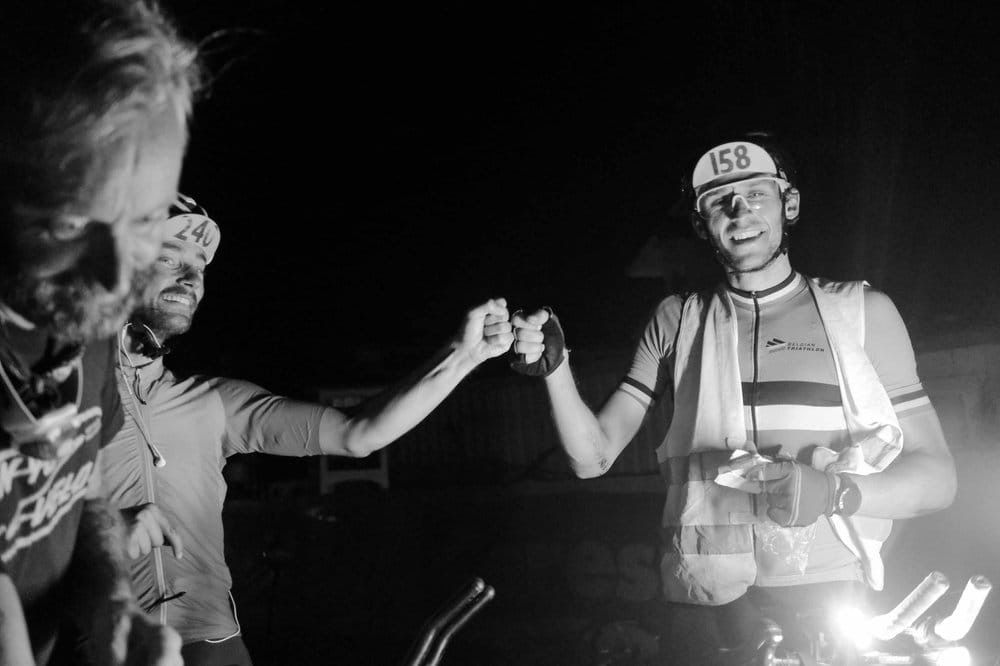
TCR No. 8 — racing across Europe
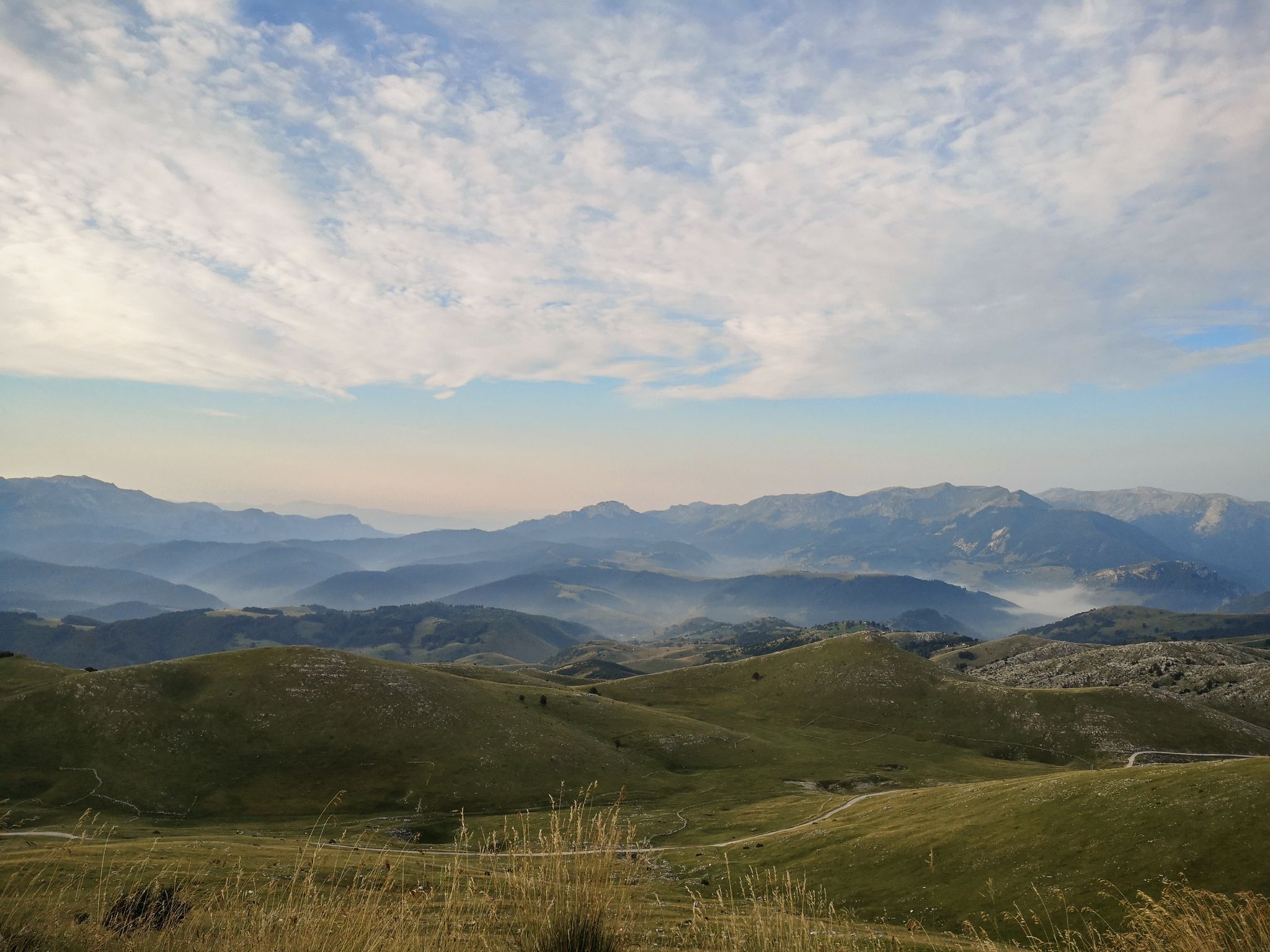
As we wrote history – the Transcontinental Race #TCRN06
Hiking in the Federation of Bosnia and Herzegovina
Cycling in the Federation of Bosnia and Herzegovina
Other adventures in the Federation of Bosnia and Herzegovina


Tips from the Community

This highlight is not here, it is six km to the south.
0
0

Unfortunately not visited since 1978.
3
0

The Vrelo Bune karst spring of the Buna River is the strongest spring in the country and one of the largest in Europe.
0
0

Research on the Bosnian pyramids began around 2005 and continues to this day. Ancestors of the Illyrians, who probably settled in present-day Bosnia-Herzegovina 27,000 years ago, are said to have built the pyramids. Kilometers of tunnel systems connecting all the pyramids were discovered beneath the pyramids – including wooden remains dating back as much as 36,000 years.
3
0
This unique underground church was built around 1400 and originally served as the burial place of Hrvoje Vukčić, the founder of the town of Jajce. It is a significant historical monument and can be visited.
3
0

One of the strongest water sources in Europe . Beautiful views. Take a boat to see the cave where the river Buns begins
0
0
the bunkers are intertwined and you can go from one side of the hill through the bunker to the other end of the hill
2
0

Dress warmly. Even in summer.
2
0
Frequently Asked Questions
What unique natural features can I expect to see in the caves of the Federation of Bosnia and Herzegovina?
The caves in this region are known for diverse geological formations. For instance, Vjetrenica Cave features a complex system of passages with abundant lakes, cascades, and a constant cool wind. Bijambare Caves offer exquisite stalactites, stalagmites, and draperies, including a chamber known for its acoustics. Orlovača Cave boasts intricate formations, an underground river, and clear pools.
Are there any family-friendly caves to visit in the Federation of Bosnia and Herzegovina?
Yes, Bijambare Caves are considered family-friendly, offering well-maintained paths and park facilities within a protected natural landscape. It's an easy half-day trip from Sarajevo, providing a cool woodland escape and a chance to explore stunning underground formations.
Which caves have significant historical or archaeological importance?
Several caves hold historical and archaeological value. Vjetrenica Cave has yielded paleontological discoveries, including a complete leopard skeleton and drawings over 10,000 years old. Orlovača Cave is notable for the remains of a cave bear, estimated to be over 16,000 years old. Djevojačka Cave features ancient drawings from the Upper Paleolithic era and is associated with local legends and historical events.
What kind of wildlife can be found in the caves of the Federation of Bosnia and Herzegovina?
Vjetrenica Cave is exceptionally rich in subterranean biodiversity, with over 200 registered species, many of which are endemic, including the famous 'human fish' (Olm). Bijambare Caves are home to bat communities and crickets, while Orlovača Cave provides a habitat for indigenous bat species and endemic entomofauna.
What should I wear when visiting caves in the Federation of Bosnia and Herzegovina?
Caves generally maintain a cool, constant temperature regardless of the outside weather. For example, Vjetrenica Cave has an internal air temperature of around 11.4 degrees Celsius. It's advisable to dress warmly, even in summer, and wear comfortable, sturdy shoes suitable for walking on potentially damp or uneven surfaces.
How long do typical cave tours last?
The duration of cave tours can vary. For instance, exploring the main channel of Vjetrenica Cave, which is approximately 2.47 km long, typically involves guided tours. Bijambare Caves, with its main attraction stretching about 500 meters, offers a half-day experience. It's best to check with individual cave sites for specific tour lengths and schedules.
Are there any caves that are easily accessible from major cities like Sarajevo?
Yes, Bijambare Caves are located about 40 kilometers from Sarajevo, making them an easy half-day trip. Orlovača Cave is even closer, situated approximately 15 kilometers from Sarajevo, offering another accessible option for appreciating impressive cave formations.
What other outdoor activities can I do near the caves?
The region offers various outdoor activities. For instance, you can find mountain hikes in the Federation of Bosnia and Herzegovina, with routes like the 'Drstva Peak (1808 m) – Veliko Brdo 1884 m loop from Tušila' or 'Saruk – Obalj loop from Bjelašnica'. There are also easy hikes, such as those around the Unac Waterfalls, and cycling routes like the 'Plivsko Lake – Mlinčići Water Mills loop from Jajce'. You can explore more options in the Mountain Hikes, Easy Hikes, and Cycling guides for the region.
Do I need a permit to visit the tourist caves in the Federation of Bosnia and Herzegovina?
For established tourist caves like Vjetrenica Cave, Bijambare Caves, and Orlovača Cave, guided tours are typically available, and entry usually requires purchasing a ticket. You generally do not need a separate permit for these managed sites. For non-tourist or undeveloped caves, specific permits or local guidance might be necessary.
What is the best time of year to visit the caves?
Caves maintain a relatively constant temperature year-round, making them a suitable destination in any season. However, the surrounding natural landscapes and access roads might be more pleasant during spring, summer, and early autumn. Some caves, like Vjetrenica Cave, are known for a strong wind at their entrance, especially in summer, which can be a refreshing experience.
Are there any caves that combine natural beauty with cultural or religious significance?
Yes, Vrelo Bune Spring and Dervish House is a notable example. This site combines a natural cave and spring with a historic Dervish monastery built into the cliffside, offering a unique blend of natural beauty, cultural heritage, and spiritual significance. Visitors can even go into the cave by boat.
Can I find accommodation or dining options near the major cave attractions?
Yes, some cave sites have associated facilities. For instance, Hotel 125 and Vjetrenica Cave offers accommodation and a restaurant that uses local ingredients. Bijambare Caves are located within a protected natural landscape that includes park facilities, and nearby towns will offer various dining and lodging options.
What makes Ravne Underground Labyrinth a unique cave experience?
Ravne Underground Labyrinth is an extensive tunnel system notable for its ancient origins, with tunnels created over 30,000 years ago. It is connected to the Bosnian pyramids and is believed to have high oxygen content and negative ions, making it a unique site for those interested in ancient history and potential energetic properties.
Most popular routes in the Federation of Bosnia and Herzegovina
Most popular attractions in the Federation of Bosnia and Herzegovina

Get inspired with the komoot mobile app


Explore more
Extend your search for the best caves by checking out these guides of the top ones in the Federation of Bosnia and Herzegovina:
