Top 6 Castles in Mtskheta-Mtianeti
Best castles in Mtskheta-Mtianeti are situated in a region known for its historical significance and diverse landscapes. This area features strategic fortifications and ancient monasteries, often perched on mountains or overlooking river confluences. The castles and fortified sites provide insight into Georgia's past and offer views of the surrounding natural environment. Mtskheta-Mtianeti's terrain includes river valleys and elevated positions, making it a location for historical exploration.
Best castles in Mtskheta-Mtianeti
- The most popular castles is Mutso Fortress, a historical…
Last updated: June 27, 2026
Shatili Fortress Village
Highlight • Historical Site
Translated by Google •
Tip by

Mutso Fortress
Highlight • Historical Site
Translated by Google •
Tip by
Sign up now to discover places like this
Get recommendations on the best single tracks, peaks, & plenty of other exciting outdoor places.
Sign up for free
Ananuri Fortress Complex
Highlight • Castle
Translated by Google •
Tip by

Ananuri Fortress Church
Highlight • Castle
Translated by Google •
Tip by

Bebristsikhe Fortress Ruins
Highlight • Castle
Translated by Google •
Tip by

Tsitsishvili Fortress (ციციშვილების ციხე)
Highlight • Castle
Translated by Google •
Tip by

Start today with a free account
Your next adventure awaits.
Login or Signup
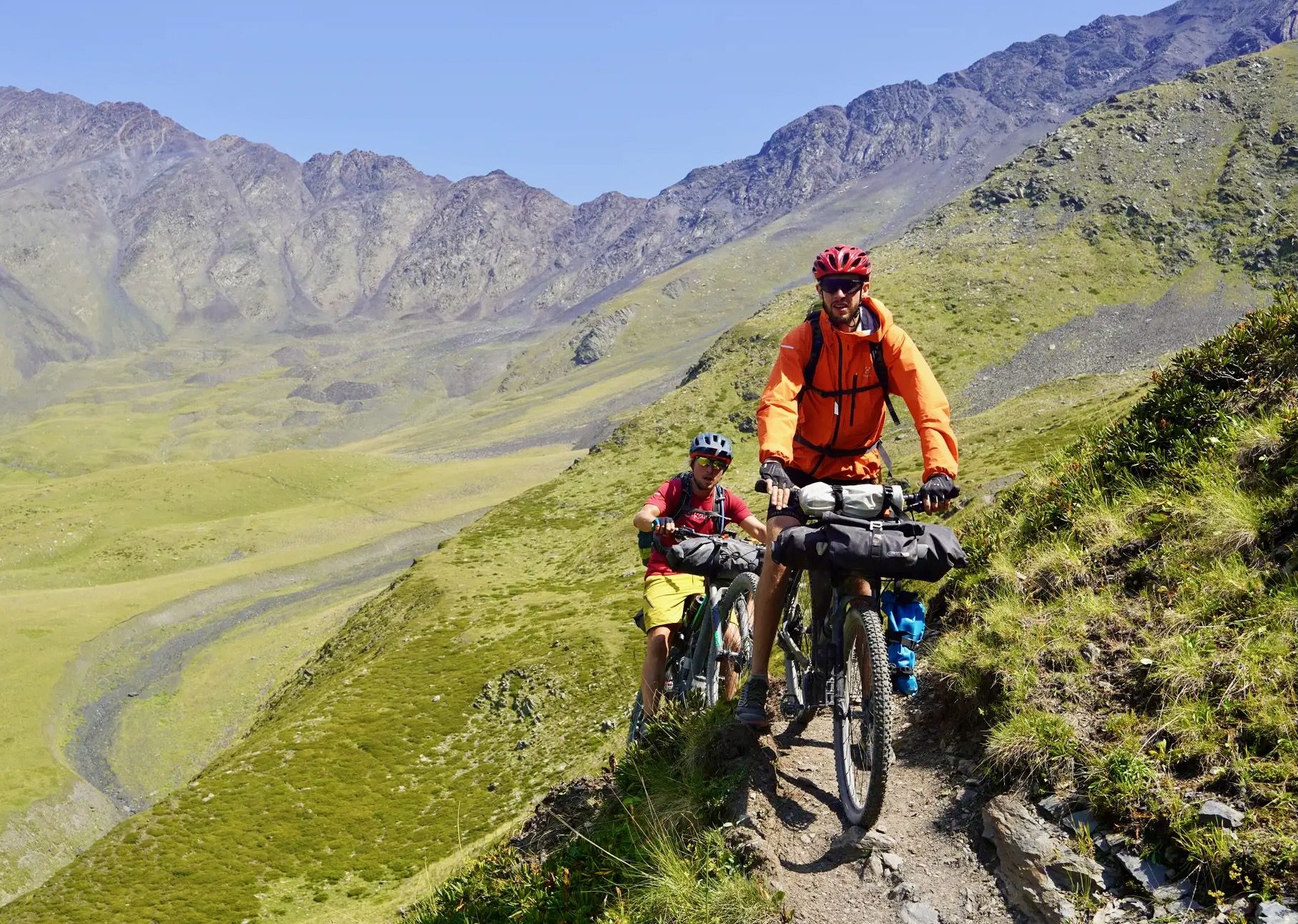
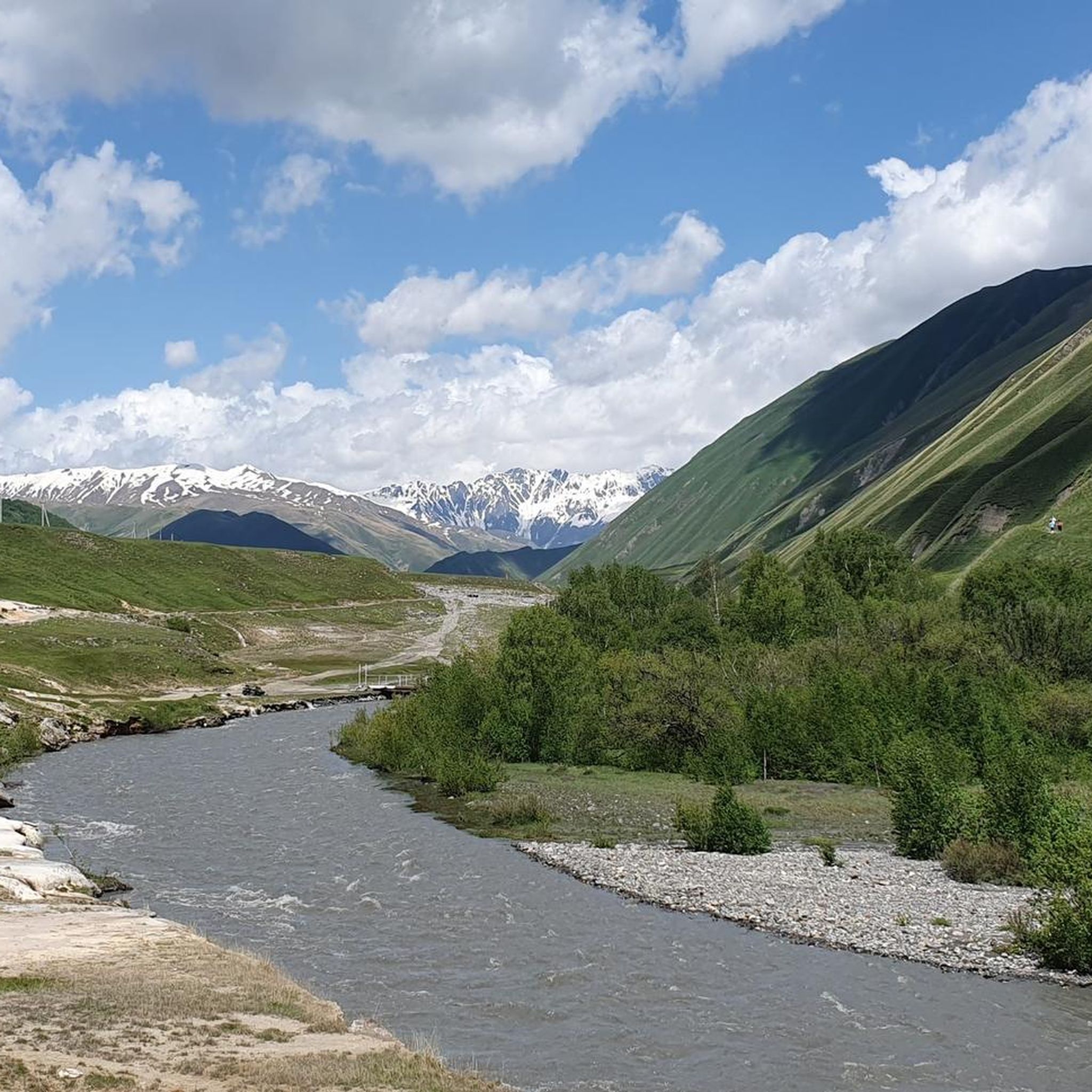
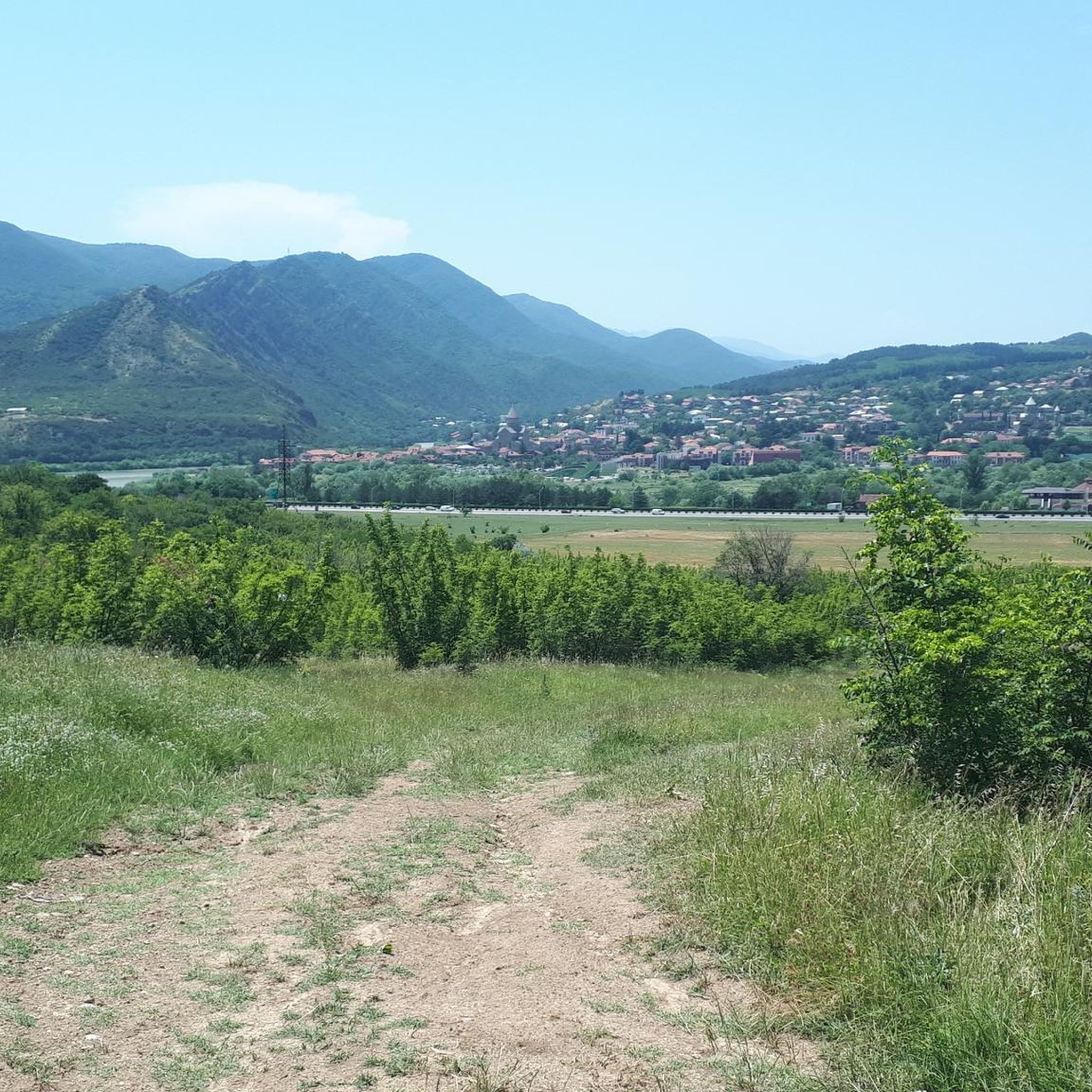


Other adventures in Mtskheta-Mtianeti

Tips from the Community

The 17th-century Tsitsishvili Fortress in Kvemo Nichbisi includes palace ruins, a restored tower house, a historic bathhouse, and an impressive fortification with several towers—a fascinating testament to Georgian aristocratic history.
0
0

The fortified church of Ananuri dates from the transition from the late Middle Ages to the early modern period; its oldest parts date back to the 13th century. The complex includes religious, secular, and military buildings. The castle houses a Georgian Orthodox monastery. The castle has two large churches: the older, smaller Church of the Savior and the large Church of the Dormition of the Theotokos, built in 1689, which is distinguished by rich relief decoration on the exterior walls and frescoes inside (Wikipedia).
8
0

Was one of three castles and defended the access to the city from the north.
0
0
Mutso towers high above the river and looks truly defensive.
0
0

Ananuri (Georgian ანანური) is a castle in Georgia, near the village of the same name in Dusheti Municipality, Mtskheta-Mtianeti Region, on the Georgian Military Road. It dates from the transition from the late Middle Ages to the early modern period, and its oldest parts date back to the 13th century. The complex includes religious, secular and military buildings. In the castle there is a Georgian Orthodox monastery. The castle has two large churches: the older, smaller Church of the Redeemer and the large Dormition of the Theotokos Church, built in 1689, which is characterized by rich relief decoration on the outer walls and frescoes inside. Source and further information: https://de.m.wikipedia.org/wiki/Ananuri
1
0

Abandoned Castle. The view from the top of Mtskheta is very beautiful.
0
0

Shatili (Georgian შატილი; ʃɑtʼɪlɪ) is located in the historic province of Chevsuretia. The place is considered one of the best examples of Georgian medieval architecture in Chevsuretia. The village also used to function as a fortress and was of strategic importance for the Kingdom of Georgia due to its proximity to the northern state border. The old village of Shatili is located on a rock. The houses are very dense, in fact built without spacing, so that the outer buildings form a wall around the village. Shatili was connected to other villages in Chevsuretia by the only path in the Argun valley. The residential buildings of the old village are houses with flat roofs or the residential towers that are widespread in Chewsuretia. The restoration of the original village began in the 1970s. On October 24, 2007, Shatili was added to the list of UNESCO World Heritage Sites. Around the old village there are a few more modern village houses in loose buildings. The place had only 22 permanent residents at the last census (2014); In 2002 there were still 68, in the first half of the 20th century over 200. Nevertheless, Shatili is the largest town in Chewsuretia north of the main Caucasus ridge; in the other seven still inhabited places of the area only 26 people live together, 15 of them in Muzo. (Source: Wikipedia)
3
0
The old weir village was artistically "tinkered" in the rocks. If you want to visit it, you have to climb about 100 m from the bottom of the valley. During our visit there was a construction site and we were able to watch the people at work. If you order a beer after a visit to the café downstairs, you will be holding a can of Kaiser-Bräu from Neuhaus an der Pegnitz.
0
0
Frequently Asked Questions
What are the most historically significant castles in Mtskheta-Mtianeti?
The region is rich in history. The Ananuri Fortress Complex held strategic importance guarding routes and showcases a blend of architectural styles. Bebris Tsikhe Fortress protected Mtskheta from northern invasions for over a thousand years. While primarily a monastery, Jvari Monastery was fortified and is a UNESCO World Heritage Site, significant for the adoption of Christianity in Georgia.
Which castles offer the best panoramic views?
For breathtaking vistas, Bebristsikhe Fortress Ruins provide an iconic view of the confluence of the Mtkvari and Aragvi rivers, Jvari Monastery, and Svetitskhoveli Cathedral. Jvari Monastery itself offers stunning views of the surrounding landscape. The Ananuri Fortress Complex provides panoramic views of the Jinvali Reservoir and surrounding mountains. Ksani Fortress also offers excellent views of the Ksani and Mtkvari river valleys after a 30-minute climb.
Are there any family-friendly castles or sites in the region?
Many of the castles, like the Ananuri Fortress Complex, are accessible and offer open spaces for exploration, making them suitable for families. The historical context and impressive architecture can be engaging for children. However, some sites like Mutso Fortress involve a challenging climb, which might be less suitable for very young children or those with mobility issues.
What outdoor activities can I do near these castles?
The Mtskheta-Mtianeti region offers various outdoor activities. You can find numerous MTB trails, including a difficult 53 km loop around the Ananuri Fortress and Churches from Zhinvali. There are also many waterfall hikes and running trails throughout the region, often passing by or near historical sites and natural features.
What is the best time of year to visit the castles in Mtskheta-Mtianeti?
The best time to visit is generally from late spring to early autumn (May to October) when the weather is mild and pleasant for exploring. During these months, you can enjoy clear views and comfortable conditions for walking around the sites. Visiting in winter can be beautiful with snow, but some roads or paths to more remote fortresses like Mutso Fortress or Shatili Fortress Village might be challenging due to snow and ice.
How long should I plan for a visit to the Ananuri Fortress Complex?
To fully explore the Ananuri Fortress Complex, including its churches, towers, and enjoying the views of the Jinvali Reservoir, you should plan for at least 1.5 to 2 hours. This allows time to appreciate its historical significance and architectural details without rushing.
Are there any lesser-known or 'hidden gem' castles to explore?
Ksani Fortress, also known as Mtkvari Fortress, is a great option for those looking for an off-the-beaten-path historical site. It requires a 30-minute climb but rewards visitors with unique views of the Ksani and Mtkvari river valleys and a glimpse into its 16th-century defensive role.
What are the accessibility considerations for these castles?
Accessibility varies. Sites like the Ananuri Fortress Complex and Jvari Monastery are generally more accessible, often with paved paths or shorter walks from parking areas. However, many castles, such as Mutso Fortress and Ksani Fortress, are located on elevated terrain and require significant climbing or walking on uneven surfaces, making them less suitable for those with limited mobility.
Can I find cafes or accommodation near the castles?
Near popular sites like the Ananuri Fortress Complex and Jvari Monastery, you will find cafes and local vendors. The town of Mtskheta, close to Bebris Tsikhe Fortress and Jvari, offers a wider range of dining and accommodation options. For more remote locations like Shatili Fortress Village, options are more limited but often include guesthouses or small local eateries.
Are there any fortified villages in the Mtskheta-Mtianeti region?
Yes, Shatili Fortress Village is a prime example. It's a historical settlement where houses are built densely, forming a defensive wall around the village. It's considered one of the best examples of Georgian medieval architecture and was strategically important due to its location near the northern state border.
What makes Mutso Fortress unique among the region's castles?
Mutso Fortress is unique for being artistically 'tinkered' into the rocks, towering high above the river. Its challenging location and integration with the natural landscape give it a truly defensive and imposing appearance. Visiting requires a climb of about 100 meters from the valley bottom, offering a rewarding experience for adventurers.
Most popular routes in Mtskheta-Mtianeti
Most popular attractions in Mtskheta-Mtianeti

Get inspired with the komoot mobile app


Explore more
Looking for the best castles somewhere else? Discover other guides in Mtskheta-Mtianeti:
