The 18 Most Amazing Peaks in Transdanubia
Best mountain peaks in Transdanubia offer a diverse array of natural beauty and geological formations across Western Hungary. This region features varied landscapes, from the plateau-like block mountains of Mecsek to the granite-based Velence Hills. Transdanubia provides opportunities for exploring dense forests, limestone cliffs, and unique rock formations. The area is characterized by rich biodiversity and historical significance, making it a notable destination for outdoor activities.
Best mountain peaks in Transdanubia
- The most popular mountain peaks is Kisfaludy Lookout Tower, a viewpoint offering a 360-degree panorama. This well-built tower provides beautiful panoramic views of Lake Balaton and the volcanic mountains in the hinterland.
- Another must-see spot is Geschriebenstein Observation Tower (Írottkő Lookout), a viewpoint located on the highest mountain of Burgenland. From here, visitors can experience great views across Austria and Hungary.
- Visitors also love Zengő Lookout Tower, a viewpoint situated on the highest peak in the Mecsek Mountains. This location offers a spectacular view, and on a clear day, the Badacsony volcanic hill in the Balaton Uplands can be spotted to the north.
- Transdanubia is known for its varied mountain types, including limestone cliffs, granite formations, and volcanic hills. The region offers a wide variety of mountain peaks to see and explore, catering to different interests and activity levels.
- The mountain peaks in Transdanubia are appreciated by the komoot community, with more than 230 upvotes and 190 photos shared by visitors.
Last updated: May 31, 2026
Kisfaludy Lookout Tower
Highlight • Viewpoint
Tip by

Geschriebenstein Observation Tower (Írottkő Lookout)
Highlight • Viewpoint
Sign up now to discover places like this
Get recommendations on the best single tracks, peaks, & plenty of other exciting outdoor places.
Sign up for free
Kőris-Hegy (Radar and Lookout Tower)
Highlight • Viewpoint
Translated by Google •
Tip by

Nagy Gete
Highlight • Summit
hu.m.wikipedia.org/wiki/Nagy-Gete
Translated by Google •
Tip by

View of the Danube Bend from Prédikálószék
Highlight • Viewpoint
Tip by
Csobánc Castle Ruins
Highlight • Castle
Translated by Google •
Tip by

Zengő Lookout Tower
Highlight • Viewpoint
Tip by

Meleg-hegy (352 m)
Highlight • Summit
mapio.net/pic/p-47289021
Translated by Google •
Tip by

Kétágú Hegy
Highlight • Summit
Translated by Google •
Tip by
János Lookout Tower
Highlight • Viewpoint
Translated by Google •
Tip by

Sign up for free to discover even more peaks in Transdanubia.
Sign up for free
Already have an account?
Start today with a free account
Your next adventure awaits.
Login or Signup
Popular around Transdanubia
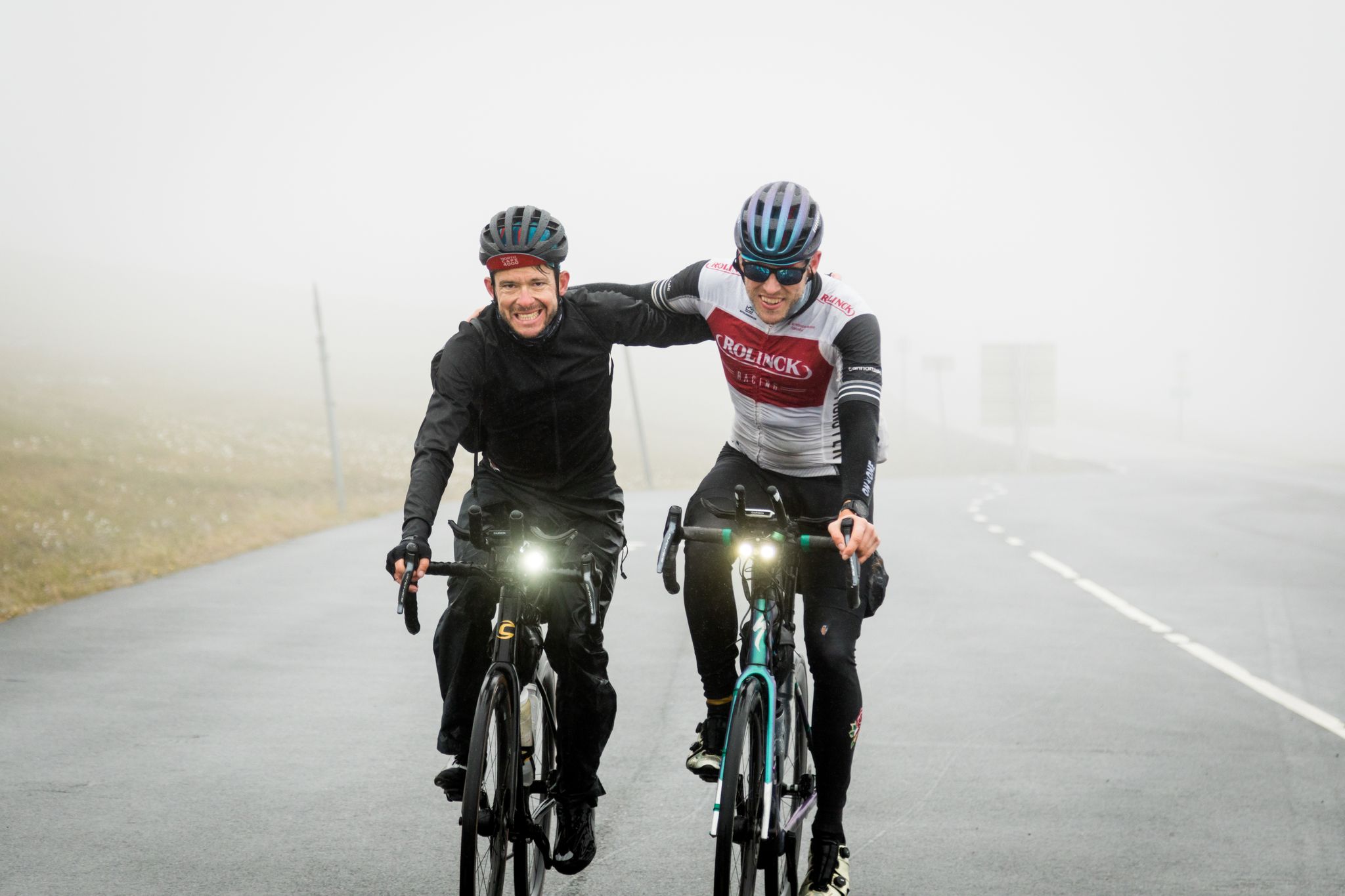
NorthCape4000 – 12 days from Lake Garda to the North Cape
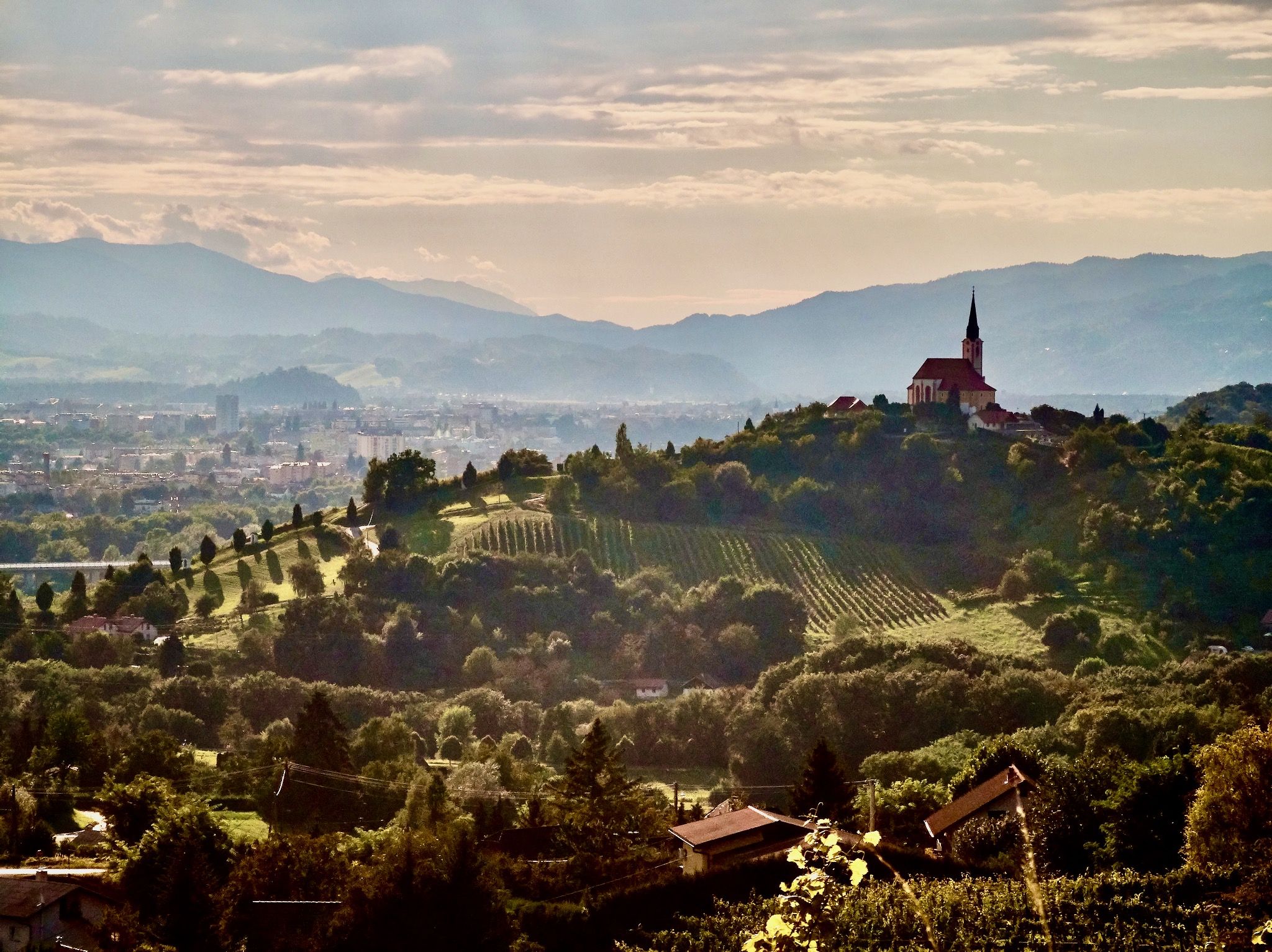
Budapest to Venice via the beautiful Soča Valley
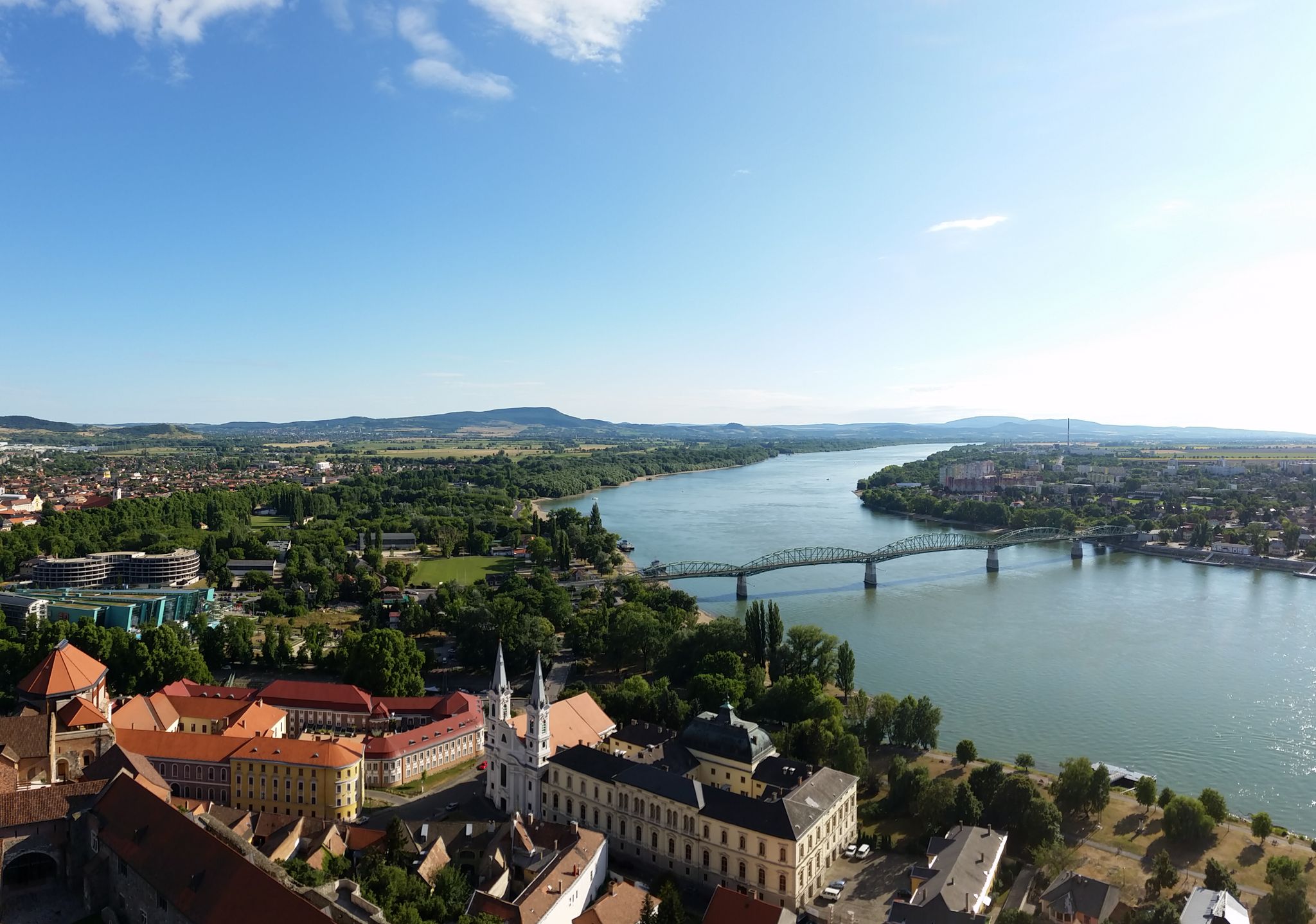
The Danube Cycle Path – From Donaueschingen to Budapest
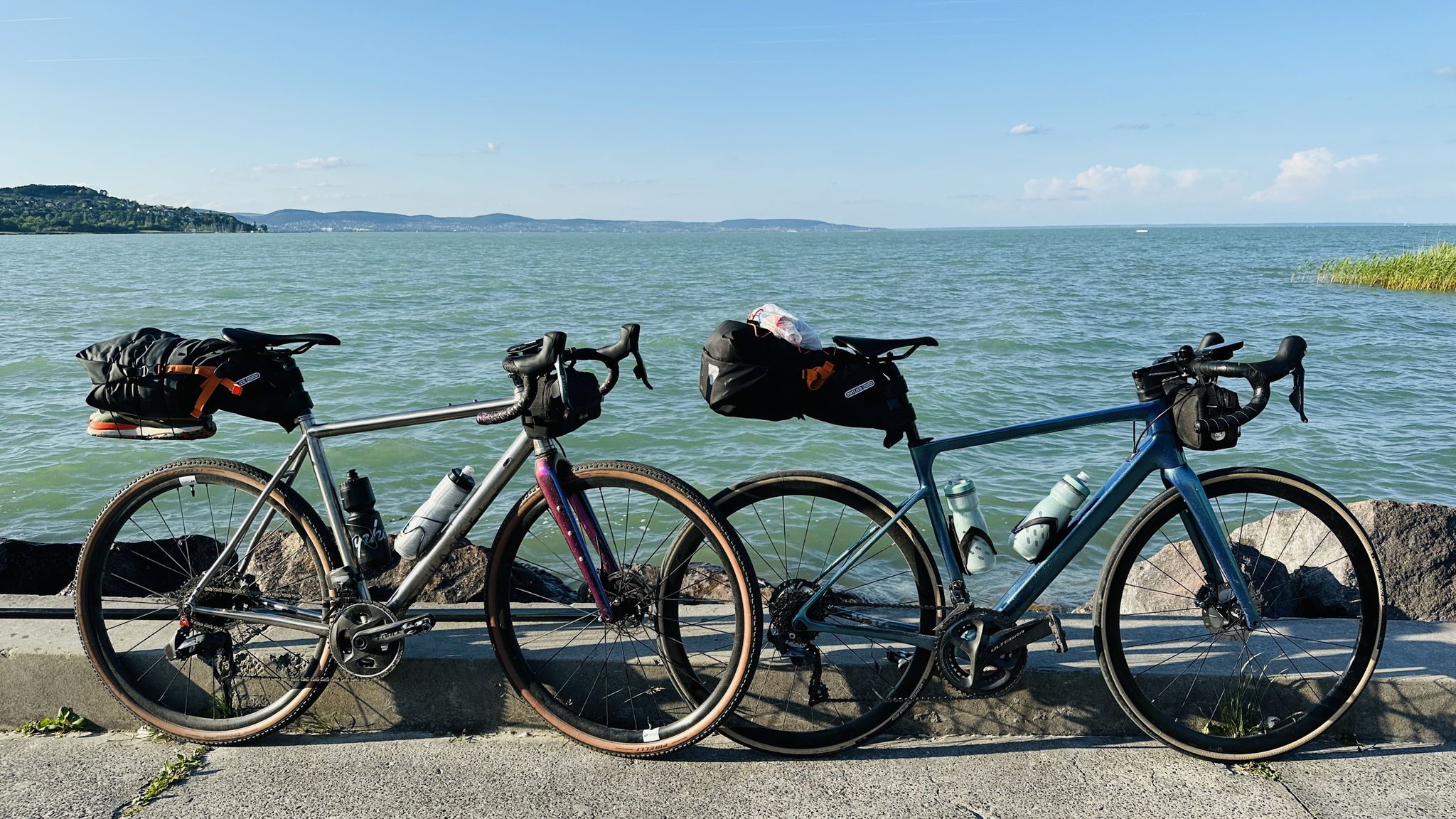
Riding two Koppels through five countries
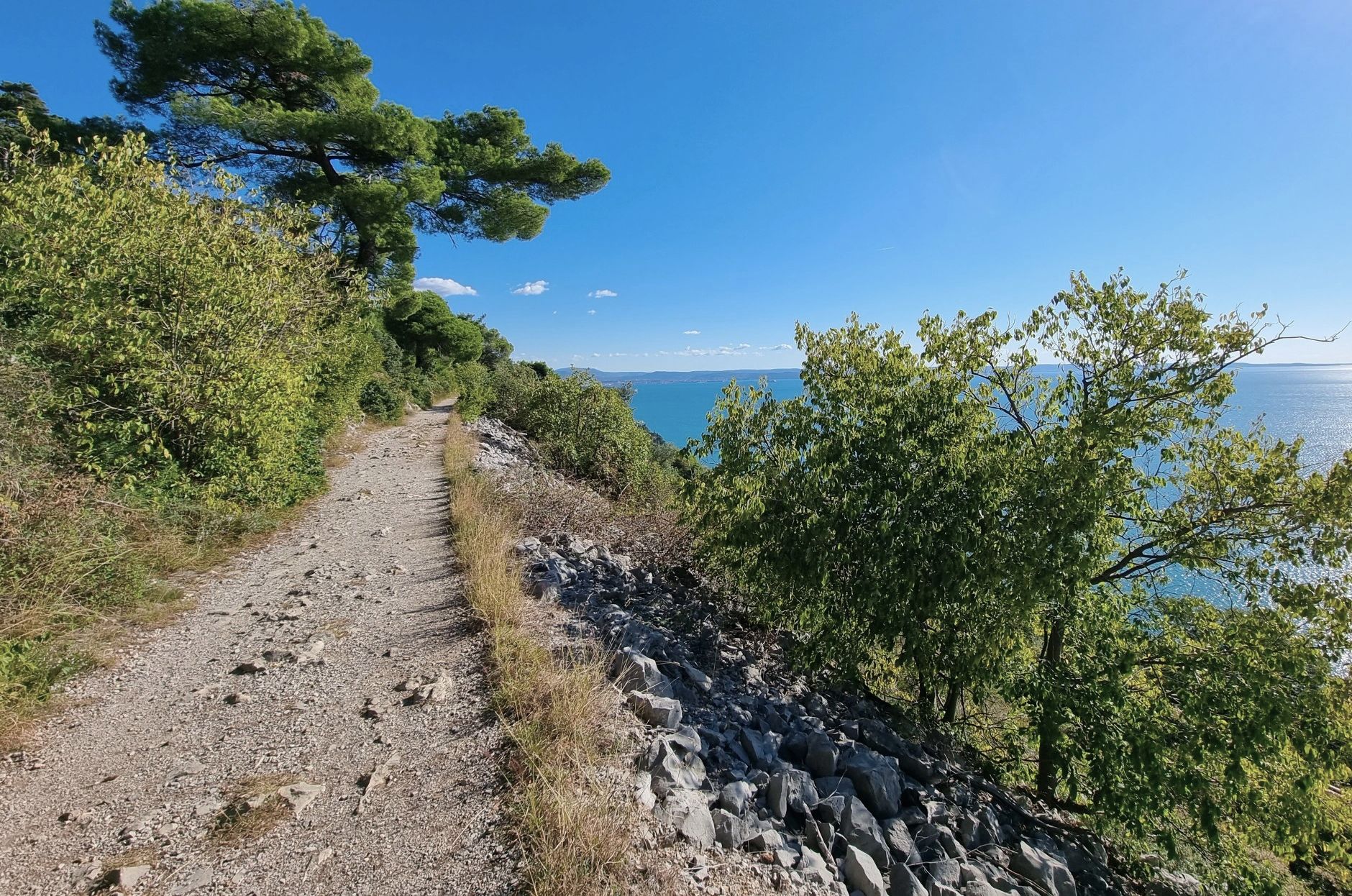
Ride to the sea – gravel bikepacking from Austria’s Vienna to Italy’s Grado
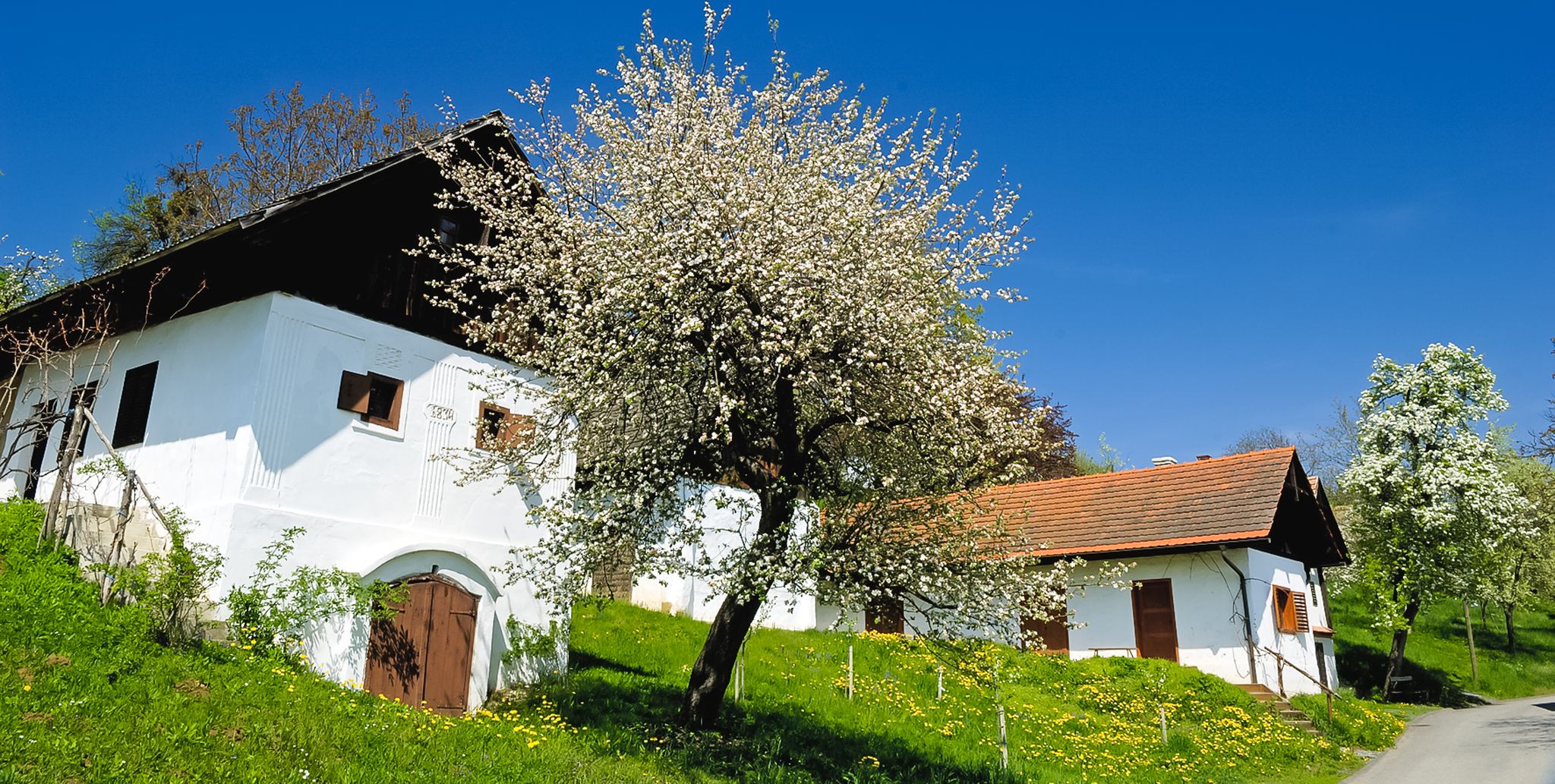
Roman paths in the Burgenland – Amber Trail East Route
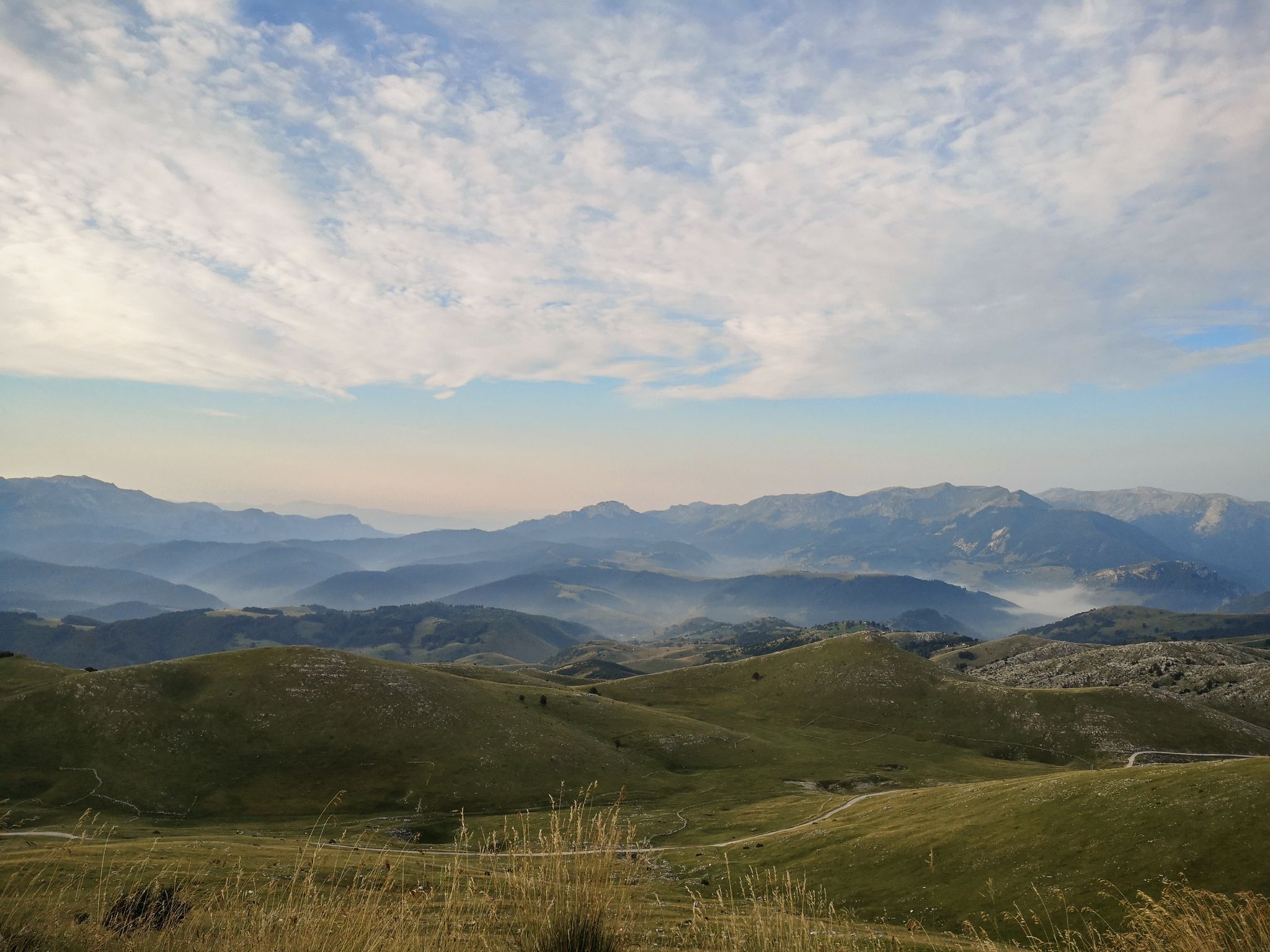
As we wrote history – the Transcontinental Race #TCRN06
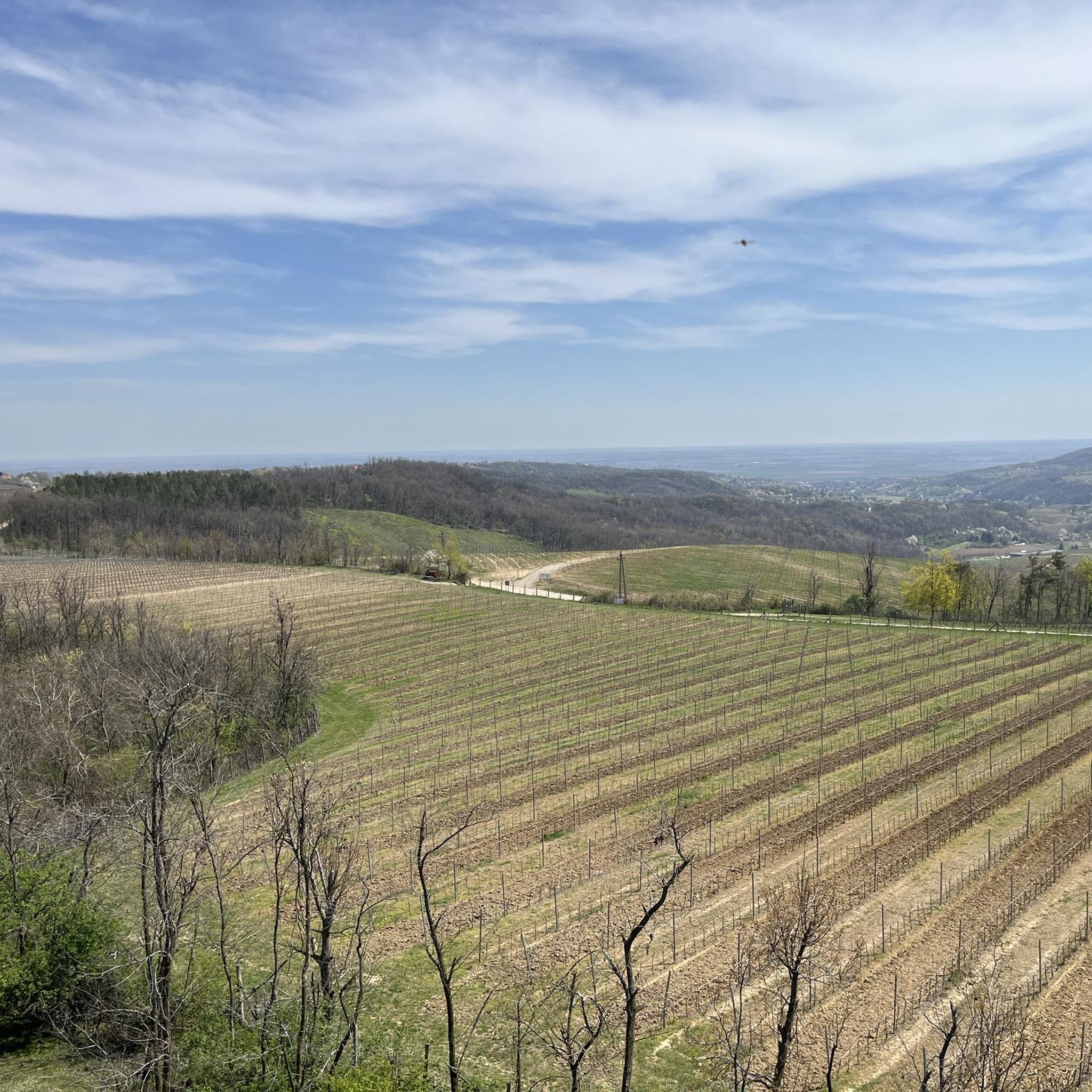
Cycling in Transdanubia
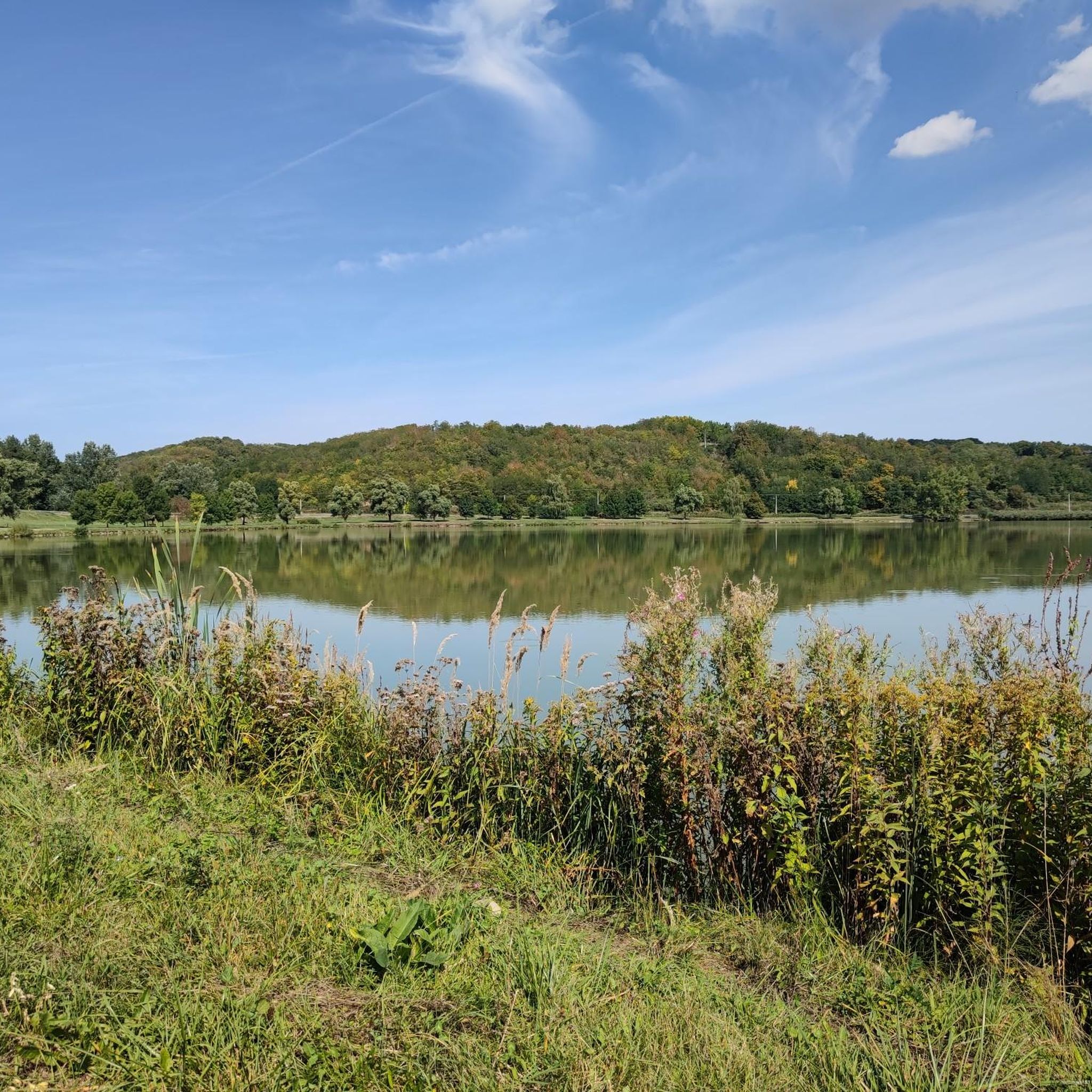
Road Cycling Routes in Transdanubia
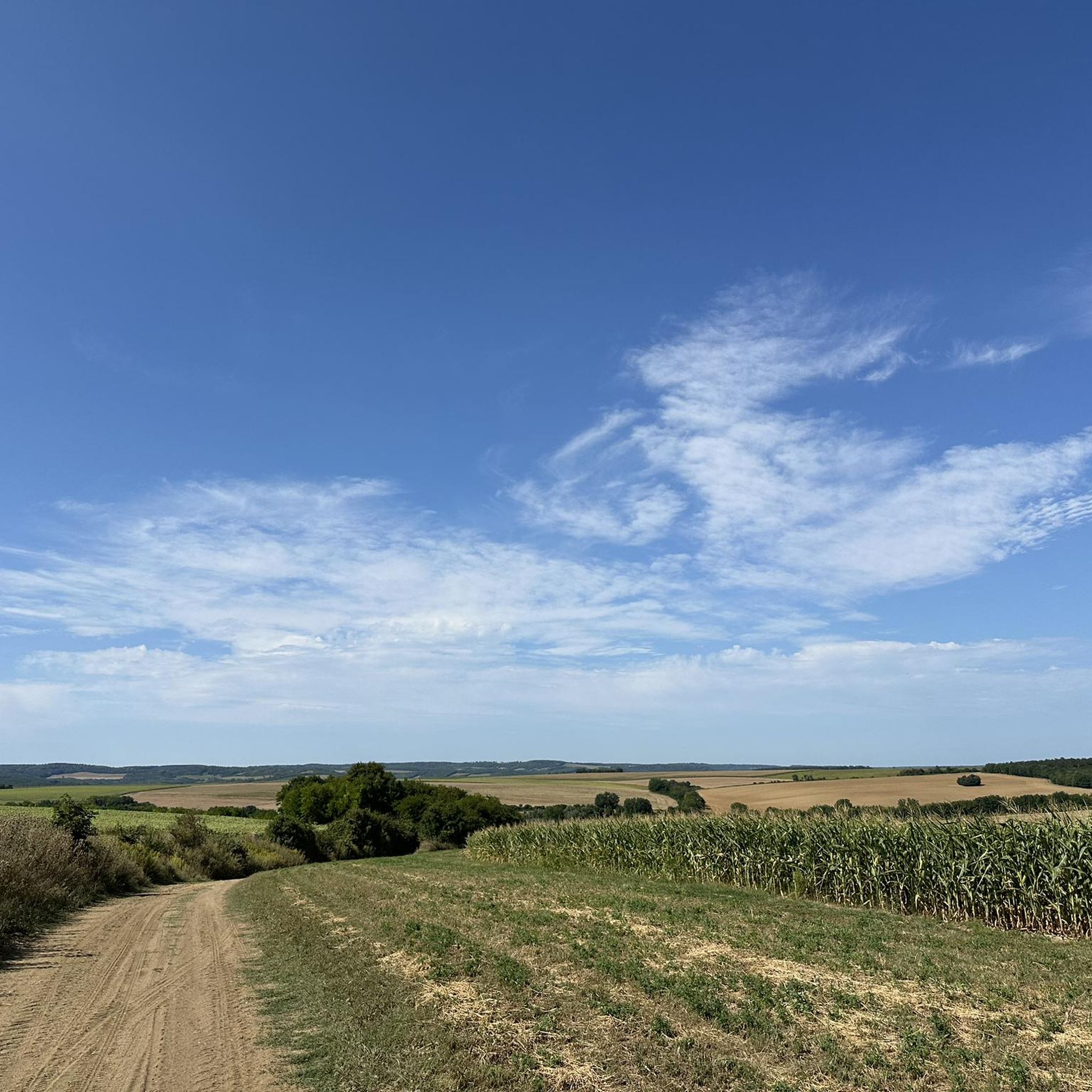
Hiking in Transdanubia
Other adventures in Transdanubia


Tips from the Community

Nagy-Gete, with its 471m height, is part of the Gerecse Mountains. It is located on the National Blue Tour trail and is also a place for seals. It is steep from Tokod, if you want to go up by MTB, you can "climb" it from Dorog. Apart from a few steeper parts, it is not one of the difficult peaks to climb. We have to climb to the top on stony, sometimes smaller rocks, where we find a cross and a tour information board. There is a view from the Buda Mountains, across the eastern end of Vértes, and we can see a large part of Gerecse. I definitely recommend hiking up!
0
0
It is beautiful in every season, I dare say: it is the most beautiful viewpoint in the country!
3
0
The highest peak of the Bakony (709m), on top of which stands the Vajda Péter Kilátó, which is the seal of several hiking movements, including the National Blue Trail (Photo). The view is magnificent, and all the Bakony peaks are visible, but Somló, Kab-Hegy, Hajagok, Papod peak, etc. are clearly visible. The spherical dome standing directly next to it: which is the air traffic control object of Hungarocontroll Zrt. It can be seen from afar, drawing attention to the highest point of the Bakony. Around the Kilátó there are some benches, tables, and a fire pit. The nearby cave: Ördög-lik, which can be reached on both the Blue Trail (OKT) and the Red Trail (KDP) along with the blue omega (cave) sign.
0
0
At the top of Kőris-hegy, you can find the lookout point on the National Blue Trail Line (also Stamp Place), a few meters from the parking lot, which is next to the radar station. Because of the radar, we don't have a panoramic view, but what we can see is beautiful: Vértes, the Kisalföld, the Balaton highlands, Somlóhegy are all looming in front of us. You can also go up by bike, either from the direction of Zirc or Bakonybél, on a relatively tolerable quality asphalt road. Let's be prepared that the asphalt road from Bakonybél to the summit is at least 10 km long, and even on foot it is about 6 km. Both tours have a strong difference in level, not by chance: we climb to the highest point of Bakony.
0
0
The radar station and the Vajda Péter lookout are only 50 m apart, but only 2 hiking trails lead to the lookout. The asphalt road ends in front of the radar station. The steps to the observation deck are very steep and slippery in rainy weather! The view is unparalleled: The Bakony, Vértes and Balaton highlands can also be seen. The northern half is the Little Plain. It's worth coming up!
0
0
It is impossible to go up to the castle ruins by bicycle, but we can get off by following the blue trail line and then the green trail at the Rossztemplom branch, and hike up the mountain from there. The castle ruin on the top of the hill is somewhat "abandoned". A picnic table with a tableau and a flagpole with an OKT stamp show that we have reached a famous attraction. The view is fantastic, as we can see most of the mountains. We can see Fonyód on the southern shore of Lake Balaton, or Szigliget Castle, or Sümeg. The former volcanic field, with the Káli basin and the Badacsony, is one of the most spectacular areas in the country. The castle ruins are otherwise free to visit.
0
0

A well-built, stable tower with a 360 degree panorama, but the structure makes it impossible to take a good photo
8
0

Kőris-hegy is the highest mountain in the Bakony Mountains (709 m). It is located 5 km northeast of Bakonybél, in the Magas-bakony Landscape Protection Area. The National Blue Tour route passes through its peak.[1] It is also the highest point in Veszprém County and Central Transdanubia. https://hu.m.wikipedia.org/wiki/K%C5%91ris-hegy
0
0
Frequently Asked Questions
Which mountain peaks offer the best panoramic views in Transdanubia?
For breathtaking panoramic views, consider visiting Kisfaludy Lookout Tower, which provides a 360-degree vista of Lake Balaton and the volcanic mountains. Another excellent spot is Geschriebenstein Observation Tower (Írottkő Lookout) on the highest mountain of Burgenland, offering views across both Austria and Hungary. The Zengő Lookout Tower on the highest peak of the Mecsek Mountains also provides spectacular scenery, where on a clear day, you can even spot the Badacsony volcanic hill.
What unique natural features can I discover in Transdanubia's mountain regions?
Transdanubia's mountain ranges boast diverse natural features. The Mecsek Mountains are known for their unique climate supporting rare plant species, numerous dolines, and caves like Abaliget Cave. The Vértes Mountains feature steep clefts, rocky walls, and narrow creeks due to erosion, along with varied wildlife. The Velence Hills are unique in Hungary for their granite-based geology, leading to distinctive 'balanced rocks' formations, especially near Pákozd.
Are there family-friendly mountain peaks or trails in Transdanubia?
Yes, several areas are suitable for families. The Keszthely Mountains offer routes suitable for short walks and excursions, catering to families. The Velence Hills, with their unique balanced rocks and the Granite Trail, make for an ideal weekend program. Additionally, the Geschriebenstein Observation Tower (Írottkő Lookout) is listed as family-friendly, and the summit of Meleg-hegy (352 m) in the Velence Hills is also considered family-friendly.
What kind of wildlife and flora can I expect to see in Transdanubia's mountain regions?
The mountain regions of Transdanubia are rich in biodiversity. The Mecsek Mountains support 20-30 plant species found nowhere else in the Carpathian Basin and are home to approximately 5,000 animal species, including 700 types of butterflies. The Vértes Mountains also boast varied terrain and rich wildlife, including rare plant and animal species. The Keszthely Mountains are particularly notable for their wide variety of protected plant and animal species, including rare dolomite vegetation, numerous orchids, and rare beetle and butterfly species.
When is the best time to visit the mountain peaks in Transdanubia?
While specific seasonal recommendations vary by mountain range, generally, spring and autumn offer pleasant temperatures for hiking and exploring the diverse flora and fauna. The southern slopes of the Mecsek Mountains are part of Hungary's warmest wine region, making it enjoyable during warmer months. The proximity of the Velence Hills to Lake Velence also provides additional recreational opportunities during summer.
Are there options for both easy and challenging hikes in Transdanubia's mountains?
Yes, Transdanubia offers a range of hiking difficulties. For instance, the Mecsek Mountains, particularly around Zengő, offer challenging climbs for experienced hikers. In contrast, the Keszthely Mountains are suitable for shorter, easier walks, and the Velence Hills provide accessible trails like the Granite Trail. Many highlights, such as Kisfaludy Lookout Tower and Kőris-Hegy, are categorized as intermediate, providing a good balance for most hikers.
What outdoor activities can I do near Transdanubia's mountain peaks?
Beyond hiking, Transdanubia offers various outdoor activities. You can explore MTB trails, with routes like the 'Beerhouse and cafe Kanyar büfé – Lake Velence Loop' being popular. For those who enjoy running, there are numerous running trails, including loops around Old Lake (Öreg-tó) in Tata. The region's diverse terrain is perfect for general outdoor exploration, with many areas offering opportunities for wildlife spotting and nature photography.
Are there hiking trails near these mountain peaks?
Absolutely. Transdanubia is well-suited for hiking, with a dense network of well-marked paths, especially in the Mecsek Mountains. The Bakony provides excellent opportunities for hiking through its enchanting forests. The Keszthely Mountains are also traversed by the National Blue Trail. You can find many hiking routes, such as the 'Dömösi Malom Creek – Vadálló Rocks loop from Dömös' or the 'View of Lake Balaton – View of the Outer Pond loop from Tihany'.
What are the characteristics of the mountain ranges in Transdanubia?
Transdanubia's mountain ranges are diverse. The Mecsek Mountains are plateau-like block mountains with crystalline rock and sedimentary formations, rich in minerals. The Vértes Mountains, part of the Transdanubian Mountains, are characterized by high biological diversity and varied geological structures, including dolomite and Dachstein limestone. The Bakony is known for its dense forests, limestone cliffs, and picturesque valleys. The Keszthely Mountains feature both limestone/dolomite and basalt masses, with unique rock formations. The Velence Hills are distinct as Hungary's only granite-based mountains, known for their ancient geological origins.
Are there any significant landmarks or historical sites near Transdanubia's mountain peaks?
Yes, the region is rich in history. The Mecsek Mountains feature historic castles near Magyaregregy and Pécsvárad. In the Vértes Mountains, you can find medieval castles like the one in Csókakő, offering a glimpse into Hungary's past. The Keszthely Mountains also have geological features like rock niches and gorges, and historically, the Vértes was known for its bauxite deposits, with mementos at the Bauxit Mine Museum in Gánt-Bányatelep. You can also visit Csobánc Castle Ruins, which offers historical context and views.
What do visitors particularly enjoy about the mountain peaks in Transdanubia?
Visitors appreciate the diverse landscapes, from dense forests to unique rock formations. The stunning panoramic views from various lookout towers, such as Kisfaludy Lookout Tower and János Lookout Tower, are frequently highlighted. The rich biodiversity, including rare plant and animal species, and the serene escape offered by less crowded areas like the Vértes Mountains, are also highly valued. The komoot community has shared over 190 photos and given more than 230 upvotes, indicating a strong appreciation for the region's natural beauty and outdoor opportunities.
Most popular routes in Transdanubia
Most popular attractions in Transdanubia

Get inspired with the komoot mobile app


Explore more
See even more amazing summits in Transdanubia with these guides:
