Attractions and Places To See in the Shikoku Mountains - Top 20
Best attractions and places to see in the Shikoku Mountains span a diverse landscape, from sacred peaks to secluded valleys. This region, running east to west through Japan's Shikoku island, features the Ishizuchi and Tsurugi Mountain Ranges. It is characterized by dramatic natural features, including deep gorges and pristine rivers, alongside significant cultural sites. The area offers a blend of spiritual journeys, such as the Shikoku Henro pilgrimage, and opportunities for outdoor exploration.
Best attractions and places to see in the Shikoku Mountains
- The most popular attractions is Mount Tsurugi summit cairn, a summit that is the second-highest mountain on Shikoku at 1,955 meters. A chairlift operates, making the summit accessible within a 30-minute walk from its upper station.
- Another must-see spot is Fujii-dera (Temple 11), a religious building known as 'the wisteria temple' for its ancient wisteria that bloom from late April to early May. It is the starting point for the challenging pilgrimage trail to Temple 12, Shosan-ji.
- Visitors also love Shōsan-ji (Temple 12 of the Shikoku Pilgrimage), a religious building that is the second highest temple on the Shikoku pilgrimage, located at 800 m up a mountain. It is known as a 'difficult place' (nansho) due to the challenging terrain along the pilgrimage route.
- Shikoku Mountains is known for its sacred mountains, ancient temples, and dramatic gorges. The region offers diverse experiences from spiritual journeys to adventure activities and scenic viewpoints.
- The attractions in the Shikoku Mountains are appreciated by the komoot community, with 36 highlights to explore and 9 photos shared by visitors.
Last updated: July 20, 2026
Iwaya-ji (Temple 45)
Highlight • Religious Site
Tip by

Mount Tsurugi summit cairn
Highlight • Summit
Translated by Google •
Tip by

Sign up now to discover places like this
Get recommendations on the best single tracks, peaks, & plenty of other exciting outdoor places.
Sign up for free
Shōsan-ji (Temple 12 of the Shikoku Pilgrimage)
Highlight • Religious Site
Tip by

Iya Kazurabashi Bridge
Highlight • Bridge
Translated by Google •
Tip by

Fujii-dera (Temple 11)
Highlight • Religious Site
Tip by
Ryūsui-an Temple
Highlight • Religious Site
Tip by
Jōren-an Temple and Ippon Sugi Cedar
Highlight • Religious Site
Tip by
Henro Korogashi Section Between Temples 11 and 12
Highlight • Trail
Tip by
Daihō-ji (Temple 44)
Highlight • Religious Site
Tip by
Tairyū-ji Temple (Temple 21)
Highlight • Religious Site
Showing Translation
Tip by

Sign up for free to discover even more attractions in the Shikoku Mountains.
Sign up for free
Already have an account?
Start today with a free account
Your next adventure awaits.
Login or Signup
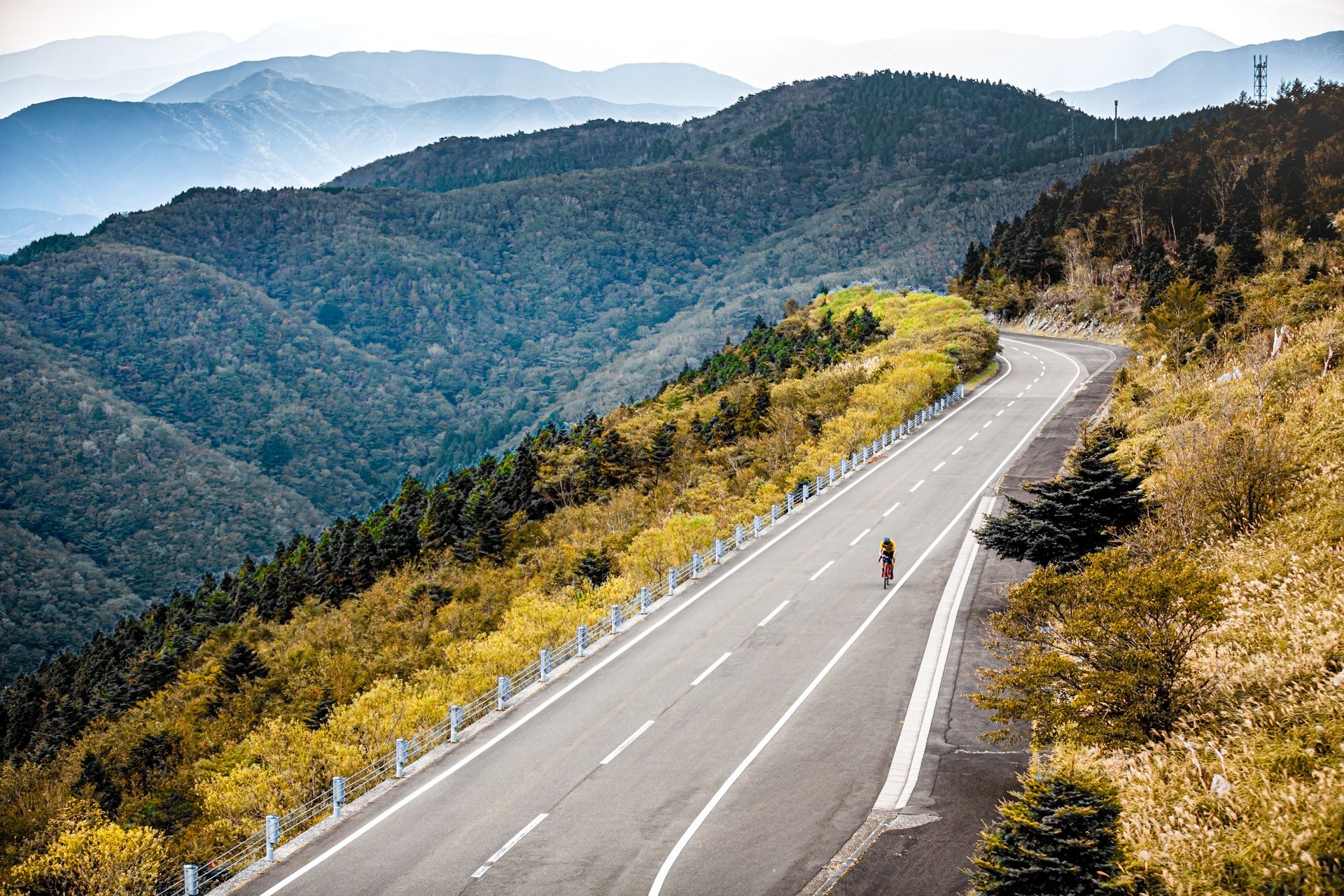
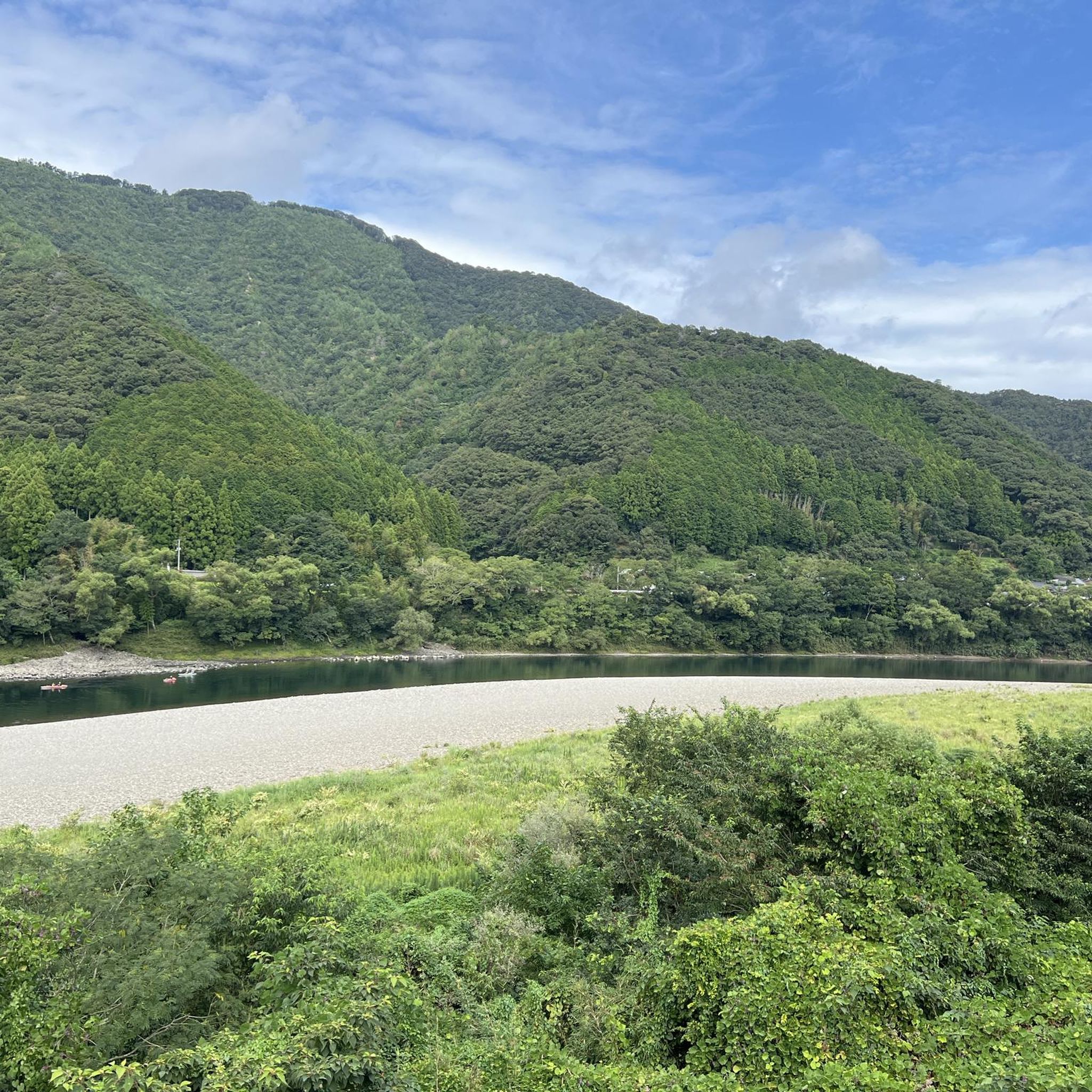
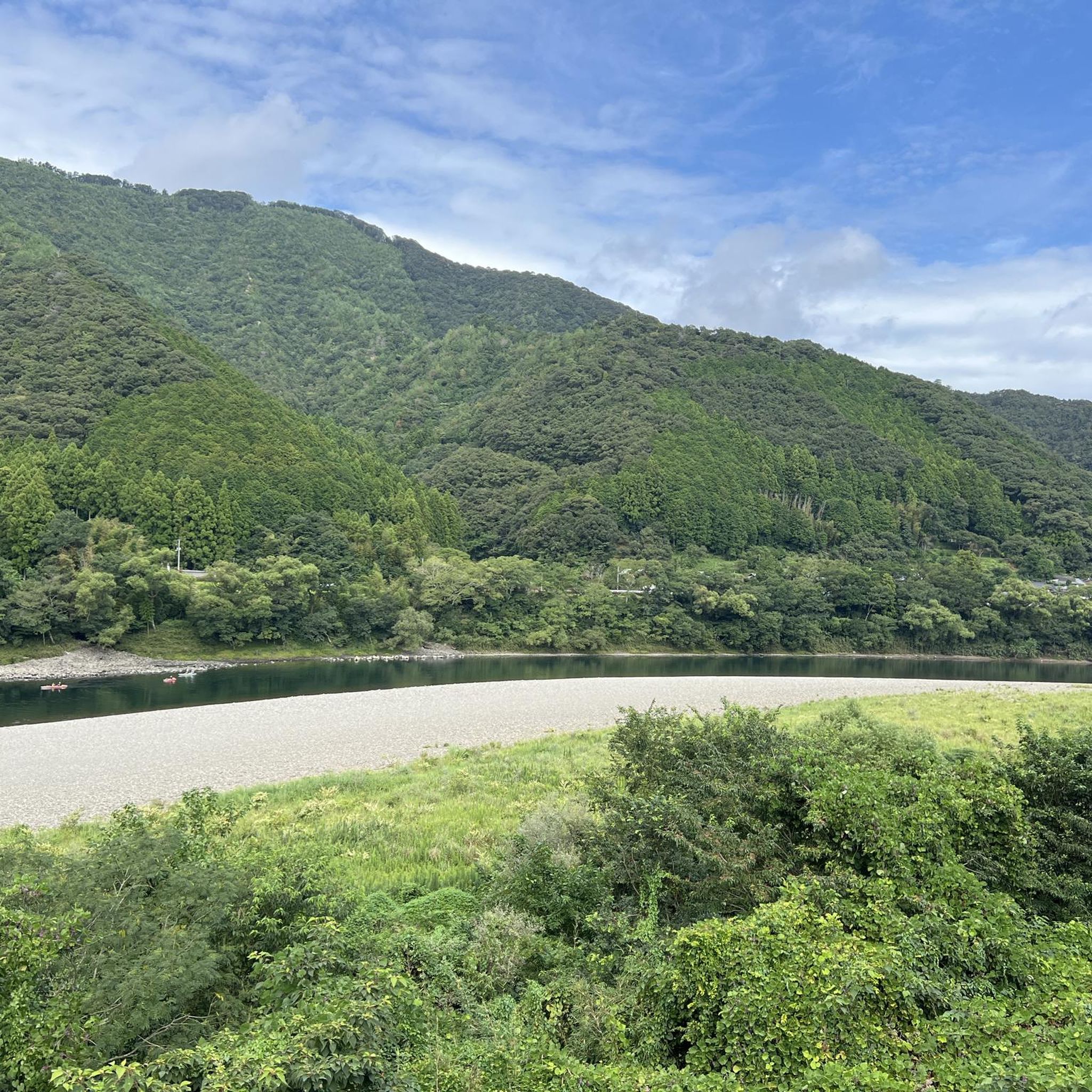
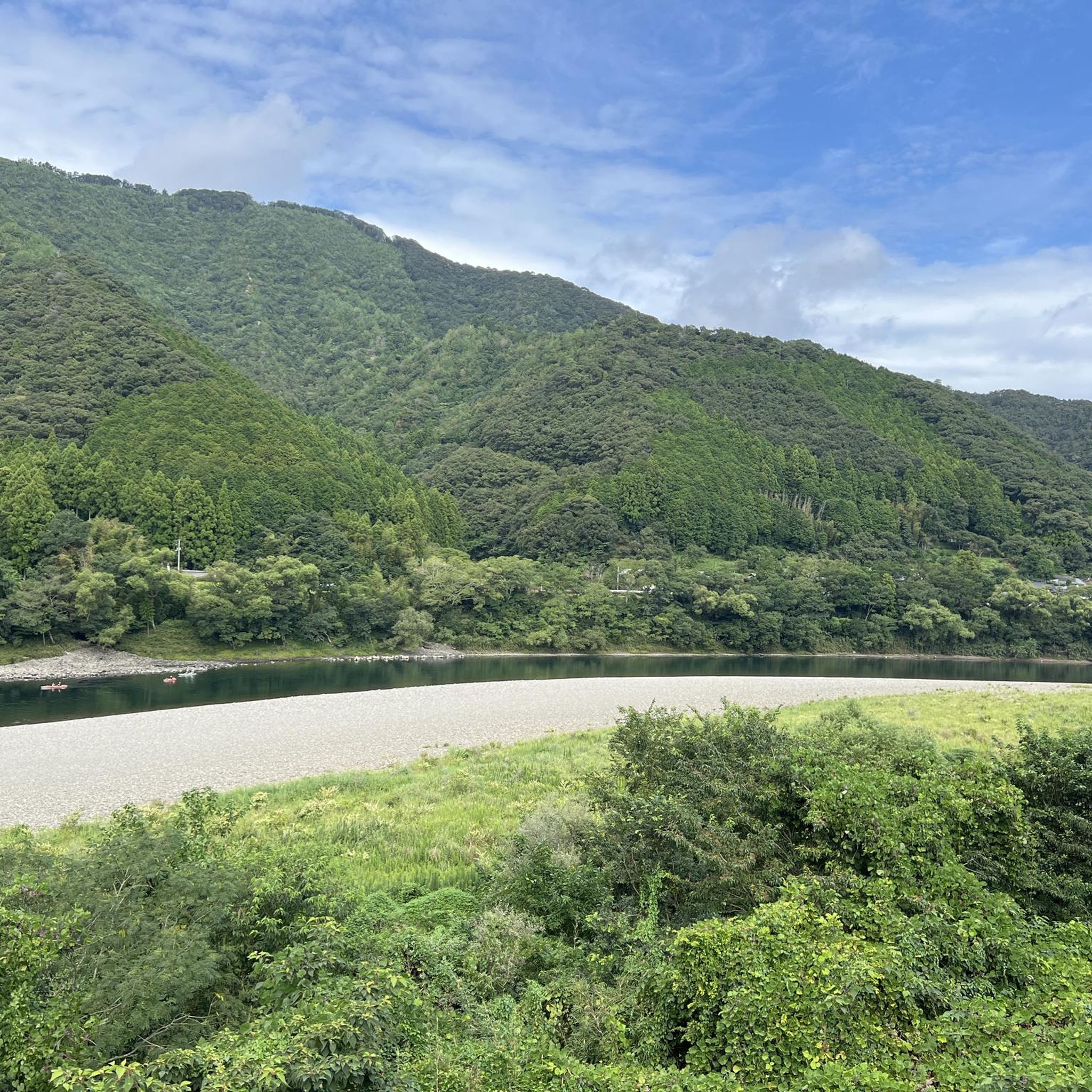
Other adventures in the Shikoku Mountains

Tips from the Community

To the right on the path to the Kobo Daishi Temple, there are two picture frames. If you look through them, you can see the temple 20 (where you were before).
0
0


Iwaya-ji is temple No. 45 on the Shikoku Pilgrimage, or Henro. If there’s one temple on the pilgrimage you really should visit in Ehime Prefecture, Iwaya-ji is it. The temple is located on Kuma Highland in a gorge formed of conglomerate rock. It inspires awe, from the trek up the hillside, to its location embedded in a pock-marked cliff, and the beauty of its structures. At an altitude of 585 m, this temple is one of the nansho (difficult to reach places) of Ehime and mountain recluses and wandering holy men once performed their religious disciplines among the cliffs here.
0
0
Daihō-ji, the Temple of Great Treasure, is temple No. 44 on the Shikoku Pilgrimage. It stands in a forest of ancient cypress trees in the area known as Kuma Highland in central Ehime.
0
0

Ryūsui-an is a Buddhist temple 6.6 km from Fujii-dera. When Kūkai rested here, he wanted water. So he dug a well with a willow branch. The spring is called ‘willow water’ even today. Legend has it that Kūkai carved an image of himself and placed it here. The lodging here closed in 2001. There are primitive toilets here.
1
0
Jōren-an is a Buddhist temple 8.8 km from Fujii-dera at an altitude of 745 m, the highest point on the Shōsan-ji Road. A huge cedar, the ‘Ippon Sugi’ grows here and there’s a large bronze statue of Kūkai. Legend has it that Kūkai had a dream of Amida Nyorai while sleeping beneath the tree and carved a statue of the deity.
1
0
Henro Korogashi are particularly steep sections of the Shikoku pilgrimage trail. The name roughly translates as 'pilgrim killer'. This is the first such section between temples 11 and 12.
2
0
Frequently Asked Questions
What natural features can I explore in the Shikoku Mountains?
The Shikoku Mountains are rich in natural beauty. You can visit Mount Tsurugi summit cairn, the second-highest peak, or explore the dramatic, secluded Iya Valley, known for its unique Iya Kazurabashi Bridge. Other highlights include the Shikoku Karst Natural Park with its unique limestone formations, the 'Niyodo Blue' waters of the Niyodo River, and the pristine Shimanto River, often called 'Japan's Last Clear Stream'.
Are there any significant cultural or historical sites in the Shikoku Mountains?
Yes, the region is central to the Shikoku Henro, an 88-temple pilgrimage. Notable temples include Fujii-dera (Temple 11), known for its wisteria, and Shōsan-ji (Temple 12), the second-highest temple on the pilgrimage. You can also find Iwaya-ji (Temple 45) embedded in a pock-marked cliff, and Jōren-an Temple and Ippon Sugi Cedar with its ancient tree and Kūkai statue.
What kind of hiking opportunities are available in the Shikoku Mountains?
The Shikoku Mountains offer diverse hiking experiences. You can take a chairlift part-way up Mount Tsurugi for an easier ascent, or challenge yourself on sections of the Shikoku Pilgrimage, such as the demanding Henro Korogashi Section Between Temples 11 and 12. For more options, explore various routes for hiking in the region, including moderate and easy trails, by visiting our guide to Hiking in the Shikoku Mountains.
What is the best time to visit the Shikoku Mountains for outdoor activities?
The Shikoku Mountains are particularly enjoyable for hiking from April to November. During late April to early May, you can witness the ancient wisteria blooming at Fujii-dera (Temple 11). Autumn also offers spectacular views with changing foliage, especially in areas like the Shikoku Karst Natural Park.
Are there any family-friendly attractions or activities in the Shikoku Mountains?
While many attractions involve hiking, the chairlift access to Mount Tsurugi summit cairn makes it more accessible for families, with only a 30-minute walk to the summit. The unique Iya Kazurabashi Bridge can also be an exciting experience for children. For easy walks, consider our guide to Easy hikes in the Shikoku Mountains.
What are some unique viewpoints in the Shikoku Mountains?
From Shōsan-ji (Temple 12), on a clear day, you can see all the way to Awaji Island. The Shikoku Karst Natural Park, at 1500 meters above sea level, offers panoramic views of Mount Ishizuchi and the surrounding mountains. Mount Bizan also provides panoramic views of Tokushima City, including Awaji Island and the Kii Peninsula on clear days.
Can I access attractions in the Shikoku Mountains using public transport?
Yes, some attractions are accessible by public transport. For instance, on weekends, public buses can take you to Mount Tsurugi, where a chairlift further aids ascent. However, bus services can be infrequent, so it's advisable to check schedules in advance.
What is the Shikoku Henro pilgrimage, and where can I experience it in the mountains?
The Shikoku Henro is a spiritual journey connecting 88 temples across Shikoku. Many temples are located in the mountains, offering challenging but rewarding routes. You can begin at Fujii-dera (Temple 11) and continue to Shōsan-ji (Temple 12), which is known as a 'difficult place' due to its mountainous terrain. Other mountain temples include Iwaya-ji (Temple 45) and Daihō-ji (Temple 44).
Are there opportunities for adventure sports like canyoning or kayaking?
Yes, the Shikoku Mountains region is excellent for adventure sports. Nametoko Gorge is a hotspot for canyoning, featuring Yukiwa Falls. The Niyodo River, famous for its 'Niyodo Blue' waters, also offers canyoning. For kayaking or canoeing, the pristine, undammed Shimanto River is an ideal location.
What are some of the most challenging trails in the Shikoku Mountains?
The pilgrimage trail from Fujii-dera (Temple 11) to Shōsan-ji (Temple 12) is considered difficult, particularly the Henro Korogashi Section, known as 'pilgrim killer' for its steepness. Mount Ishizuchi, the highest peak in Western Japan, also offers steep and rocky terrain for experienced hikers.
Where can I find unique architectural sites in the Shikoku Mountains?
The Yusuhara Town Library in Kochi Prefecture is a notable architectural site. Designed by famous architect Kengo Kuma, it blends seamlessly with its natural mountainous surroundings, offering a unique cultural experience.
What are some of the most popular activities visitors enjoy in the Shikoku Mountains?
Visitors particularly enjoy the spiritual journey of the Shikoku Pilgrimage, exploring sacred mountains like Mount Tsurugi, and discovering dramatic gorges. The region offers a blend of cultural immersion and outdoor exploration, with many appreciating the challenging yet rewarding trails and scenic viewpoints.
Most popular routes in the Shikoku Mountains

Get inspired with the komoot mobile app


Explore more
Still not found the Highlight you’re looking for? See guides of the top attractions in other regions:
