Top 15 Lakes around Züssow
Lakes around Züssow are situated in the Vorpommern-Greifswald District, providing access to the broader Mecklenburg Lake District, known for its extensive network of water bodies. This region offers diverse opportunities for water-based recreation and nature exploration. The landscape includes natural lakes, former peat pits, and areas suitable for various outdoor activities. Züssow serves as a gateway to these natural features, which are characteristic of the "Land of a Thousand Lakes."
Best lakes around Züssow
- The most popular lakes is Wrangelsburg…
Last updated: May 15, 2026
Wrangelsburg Castle
Highlight • Castle
Translated by Google •
Tip by

Söllkensee near Potthagen
Highlight • Lake
Translated by Google •
Tip by

Sign up now to discover places like this
Get recommendations on the best single tracks, peaks, & plenty of other exciting outdoor places.
Sign up for free
Buggower Lake
Highlight • Lake
Translated by Google •
Tip by

Former peat pit Menzlin
Highlight • Natural
There …
Translated by Google •
Tip by

Söllkensee
Highlight • Lake
Translated by Google •
Tip by

Sign up for free to discover even more lakes around Züssow.
Sign up for free
Already have an account?
Start today with a free account
Your next adventure awaits.
Login or Signup
Tips from the Community

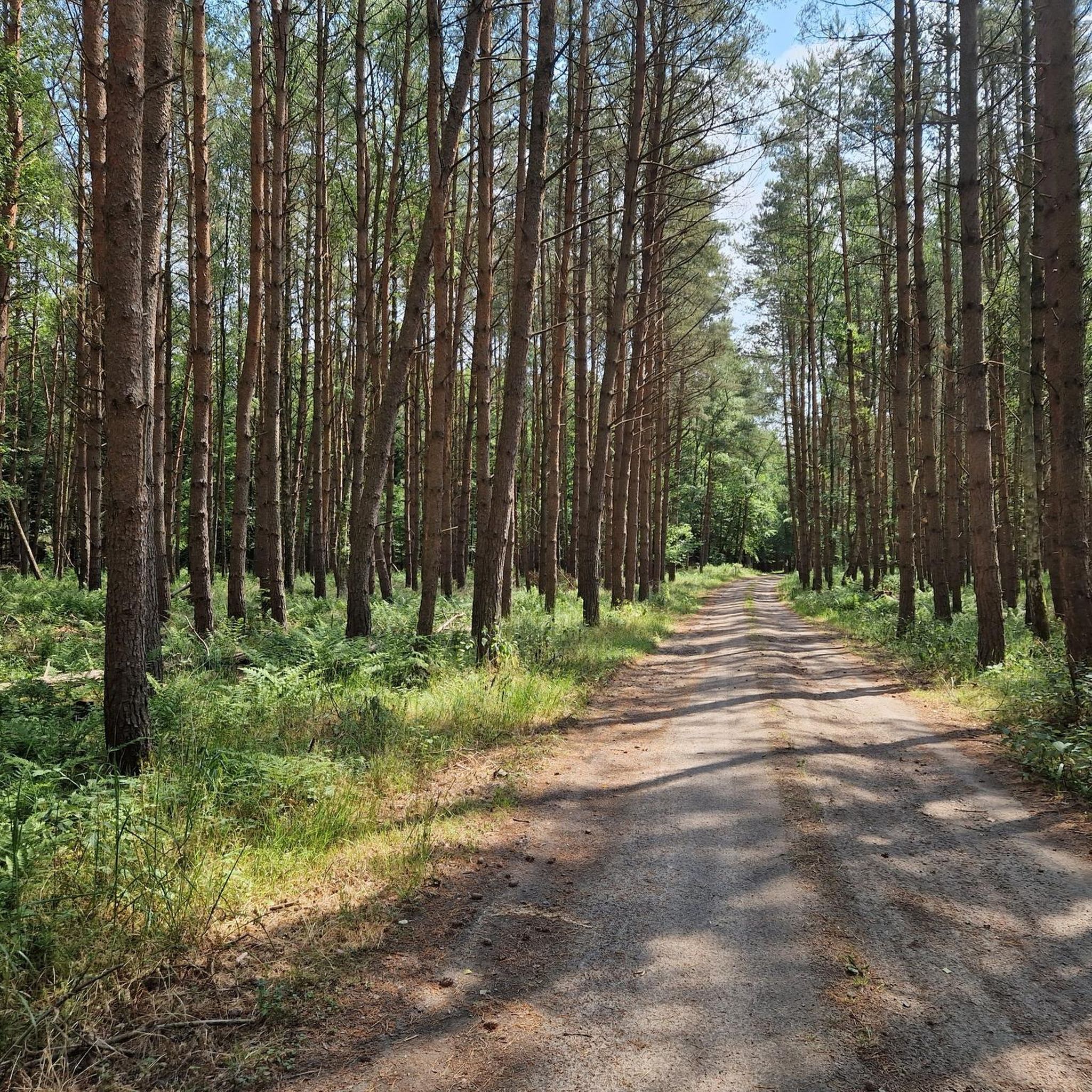
Wrangelsburg Castle is a manor house in Wrangelsburg in the Vorpommern-Greifswald district. It was built in 1880 and has been privately owned since 2017.
0
0

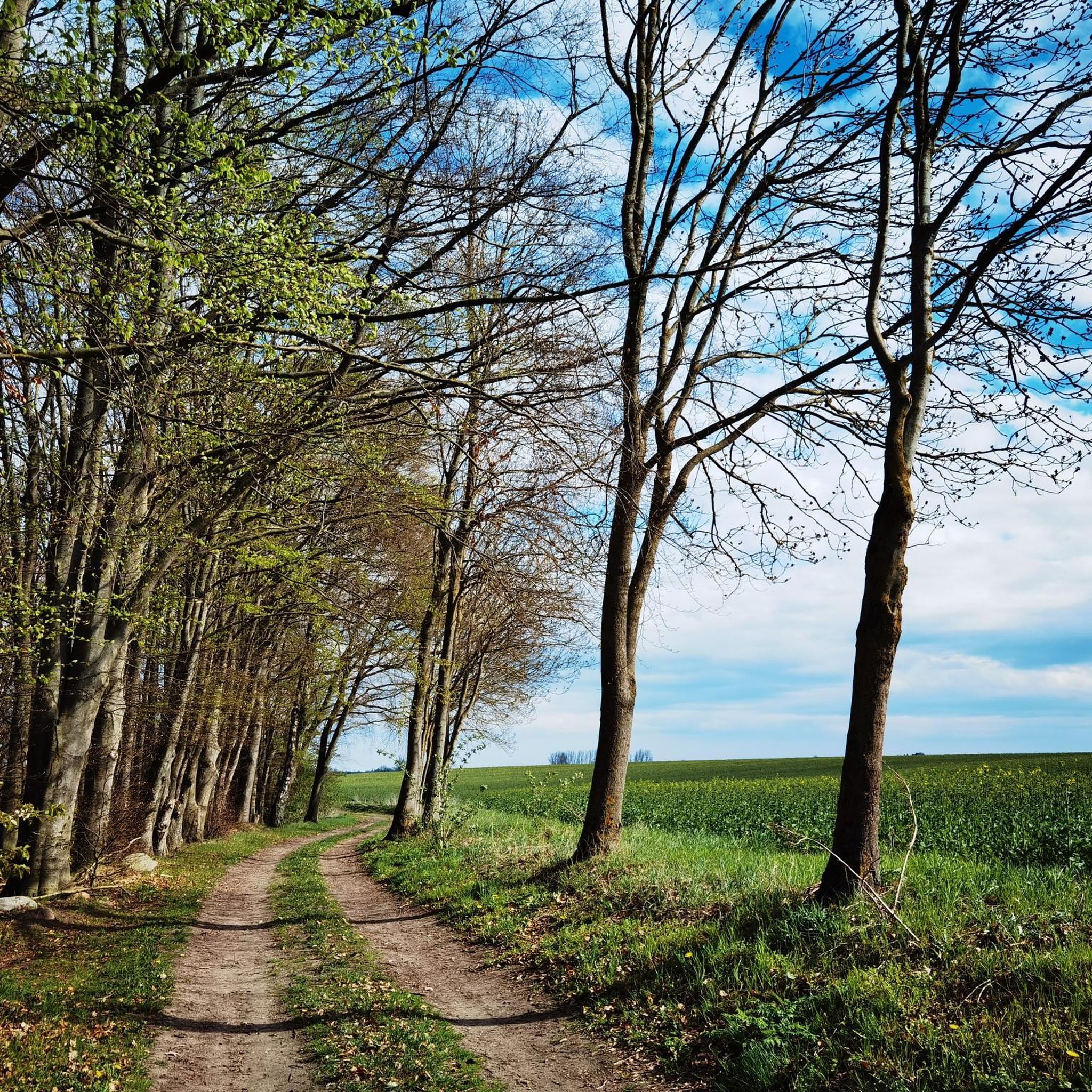
An absolutely magical little lake. With a bit of luck, you might even spot eagles! It's very isolated and difficult to reach by car (which is a good thing!), but hiking here is a wonderful experience thanks to the magnificent landscape and forest backdrop! The trail is signposted, even from three directions. Please be as quiet as possible and keep everything perfectly clean!
0
0

The current castle was built in 1878. The previous building was converted into a baroque castle in 1652 by Carl Gustav Wrangel, the Swedish general governor of Pomerania. In 1945 it was expropriated and occupied by the Soviet military administration. Today it is in private hands.
5
0

The castle is private and not accessible, but walking (not cycling) is allowed on the park paths - it's worth it. A very well-kept facility.
0
0

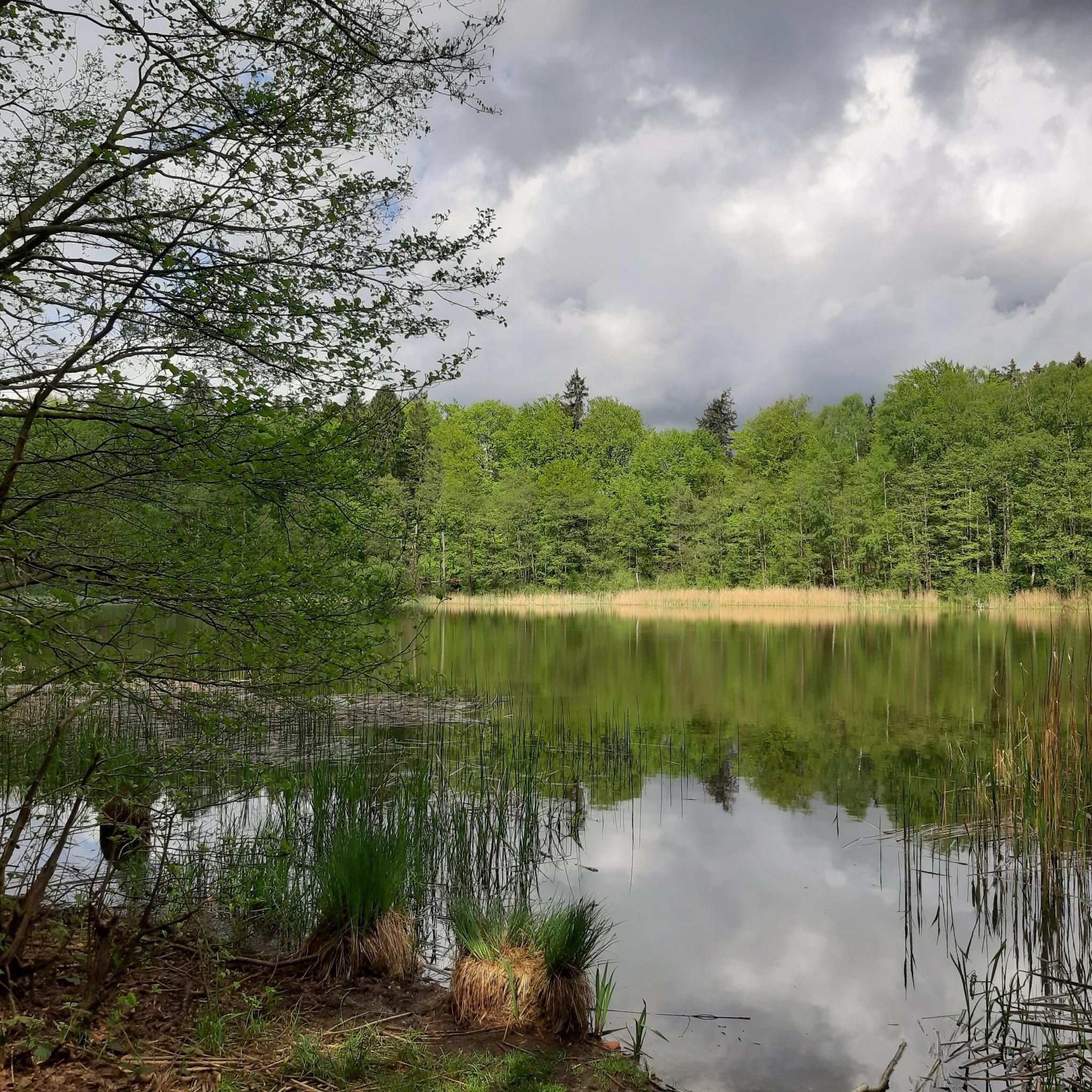
The Söllkensee was created in the 19th century by peat extraction in "Küsterbäcks Moor", a meltwater channel of the Greifswald terminal moraine. Today it is a natural monument and spawning ground for common toads and moor frogs. In the north-eastern part, the new siltation process is clearly visible. A cotton grass peat bog has formed here, which is partly forested with downy birches.
4
0

Behind the castle is a very beautiful lake.
0
0


The Söllkensee is not written "Sölkensee" but "Söllkensee". The Söllkensee is a bog in the Helmshagener Forest. The Söllkensee was created in the 19th century by peat extraction in "Küsterbäcks Moor", a meltwater channel of the Greifswald terminal moraine. Today it is a natural monument and spawning ground for common toads and moor frogs. In the north-eastern part, the new siltation process is clearly visible. A cotton grass peat bog has formed here, which is partly forested with downy birches (bot.: sheath cotton grass peat moss community, Eriophoro-Sphagnetum recurvi). The floating pondweed (Potamogeton natans) can be discovered in the open water area. The name of the Söllkensee is probably derived from the word "Soll", which describes Ice Age dead ice holes in the north German lowlands and was used here in a somewhat broader sense for a small body of water. Originally, the locals called the lake "dat Sülkenmuur" and at the end of the 19th century it developed into an attraction for those seeking relaxation, who traveled especially with the small train from Greifswald. According to legend, an old privy councilor from Charlottenburg walked here. Impressed by the place, he suggested to the owner of the inn in Potthagen that they set up signposts from the village to the lake and thus show the excursionists the beauty of the area. However, according to the legend, the old privy councilor found the name “Sülkenmuur” too daunting and boggy. And so the “Sülkenmuur” became the Sölkensee. Both names – Sölkensee and Söllkensee – are common today. North of the Söllkensee is the Plagens lime tree. It is said that the forest warden Plagens planted this tree in 1933 and built a bench next to it to enjoy his retirement here. Link: https://weithagen.info/naturweit/soellkensee/
3
0
Frequently Asked Questions
What types of lakes can I explore around Züssow?
The area around Züssow, part of the broader Mecklenburg Lake District, features a variety of water bodies. You'll find natural lakes, former peat pits, and even castle lakes. These offer diverse landscapes for recreation and nature exploration.
Are there any historical sites or landmarks near the lakes?
Yes, the area boasts historical landmarks. For instance, Wrangelsburg Castle, built in 1878, features an English landscape park that stretches along its southern shore, inviting visitors to linger and explore.
Which lakes are best for nature observation and wildlife spotting?
For nature enthusiasts, Söllkensee near Potthagen is a natural monument, known as a spawning ground for common toads and moor frogs, with a cotton grass peat bog. Buggower Lake, surrounded by forest, offers a quiet atmosphere and the potential to observe wildlife, including eagles.
Are there family-friendly lakes or activities available?
Absolutely. The lake at Wrangelsburg Castle with its English landscape park is a great spot for families. Söllkensee near Potthagen is also considered family-friendly, offering a natural setting for exploration. The wider Mecklenburg Lake District often features shallow entrances, ideal for children to swim and play on sandy beaches.
What kind of outdoor activities can I do near the lakes around Züssow?
The region offers a wide range of outdoor activities. You can find numerous routes for cycling, mountain biking, and road cycling. For example, there are many cycling tours around Züssow, including easy routes like the 'Ranzin Church – Züssow Train Station loop'. You can explore more options on the Cycling around Züssow guide, the MTB Trails around Züssow guide, or the Road Cycling Routes around Züssow guide.
Are there hiking or walking trails around the lakes?
Yes, the natural surroundings provide excellent opportunities for hiking and walking. While specific hiking trails around individual lakes are not detailed in the guide data, the general area is suitable for walks. For example, the Buggower Lake is appreciated for its magnificent landscape and forest backdrop, with signposted trails.
What is the best time of year to visit the lakes near Züssow?
The Mecklenburg Lake District, including the area around Züssow, is generally best visited from spring through autumn. These seasons offer pleasant weather for water sports, cycling, hiking, and enjoying the natural beauty. Spring brings blooming nature, while summer is ideal for swimming and water activities. Autumn provides beautiful foliage.
Can I go swimming in the lakes around Züssow?
While the guide data doesn't specify swimming regulations for all lakes, the broader Mecklenburg Lake District is known for its swimming opportunities. Many lakes feature shallow entrances, making them suitable for swimming. The Söllkensee is noted as not really suitable for swimming, but other lakes in the region offer this activity.
What do visitors enjoy most about the lakes around Züssow?
Visitors particularly appreciate the quiet atmosphere and natural beauty. For instance, Buggower Lake is described as an 'absolutely magical little lake' with a magnificent forest backdrop. The opportunity to observe wildlife and enjoy serene landscapes is a common highlight.
Is there parking available near the lakes?
Parking availability varies by location. For Wrangelsburg Castle, there is parking available behind the castle, allowing access to the lake and park. For other, more isolated lakes like Buggower Lake, reaching by car can be difficult, suggesting a focus on hiking or cycling to access them.
Are there any lakes formed from peat extraction in the area?
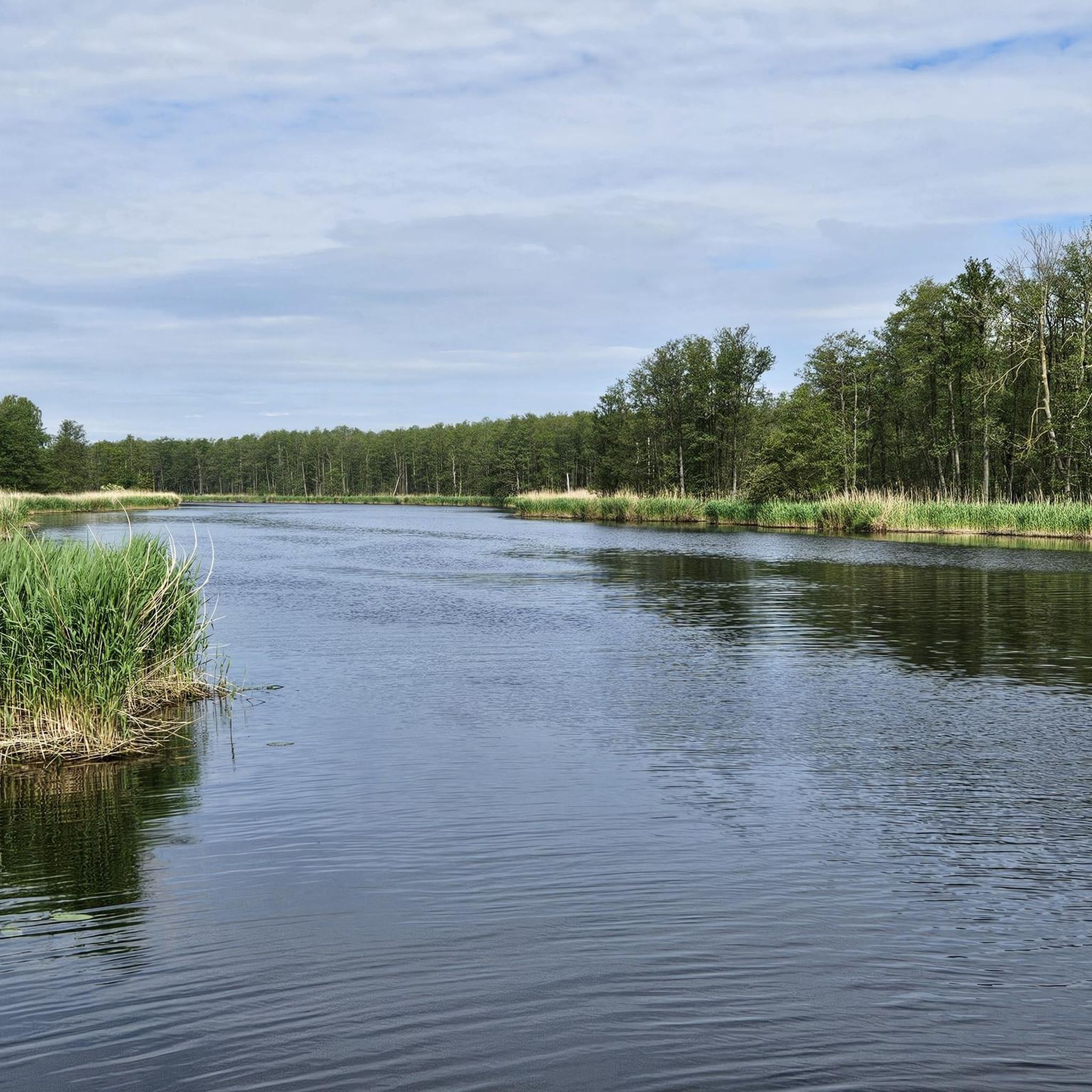
Yes, the region has lakes that originated from peat extraction. Söllkensee near Potthagen was created in the 19th century through peat extraction. Similarly, the Former peat pit Menzlin is another example within the Lower Peenetal Nature Reserve.
Most popular routes around Züssow
Most popular attractions around Züssow

Get inspired with the komoot mobile app


Explore more
Still not found your perfect lake around Züssow? Check out the guides of these regions to see even more beautiful places.
