The 13 Most Amazing Peaks around Sulzbach-Rosenberg
Best mountain peaks around Sulzbach-Rosenberg are found in a region characterized by its historic town and surrounding hills and valleys. While the municipality itself reaches a maximum elevation of 590 meters, the broader Amberg-Sulzbach district offers numerous peaks and natural features. These areas provide opportunities for outdoor activities and scenic views, blending natural beauty with historical significance. The landscape includes prominent mountains, ancient settlements, and unique rock formations.
Best mountain peaks around Sulzbach-Rosenberg
- The most popular mountain peaks is Ossinger…
Last updated: September 30, 2026
Ossinger Observation Tower and Ossinger Hut
Highlight • Viewpoint
Translated by Google •
Tip by

St. John's Chapel Above Königstein
Highlight • Religious Site
Translated by Google •
Tip by

Sign up now to discover places like this
Get recommendations on the best single tracks, peaks, & plenty of other exciting outdoor places.
Hartenfels Summit and Castle Ruins
Highlight • Summit
Translated by Google •
Tip by

Summit cross on Osterlochfelsen
Highlight • Summit
Translated by Google •
Tip by
The Hartenfels – Geology and History
Highlight • Historical Site
Translated by Google •
Tip by
Sign up for free to discover even more peaks around Sulzbach-Rosenberg.
Already have an account?
Start today with a free account
Your next adventure awaits.
Popular around Sulzbach-Rosenberg
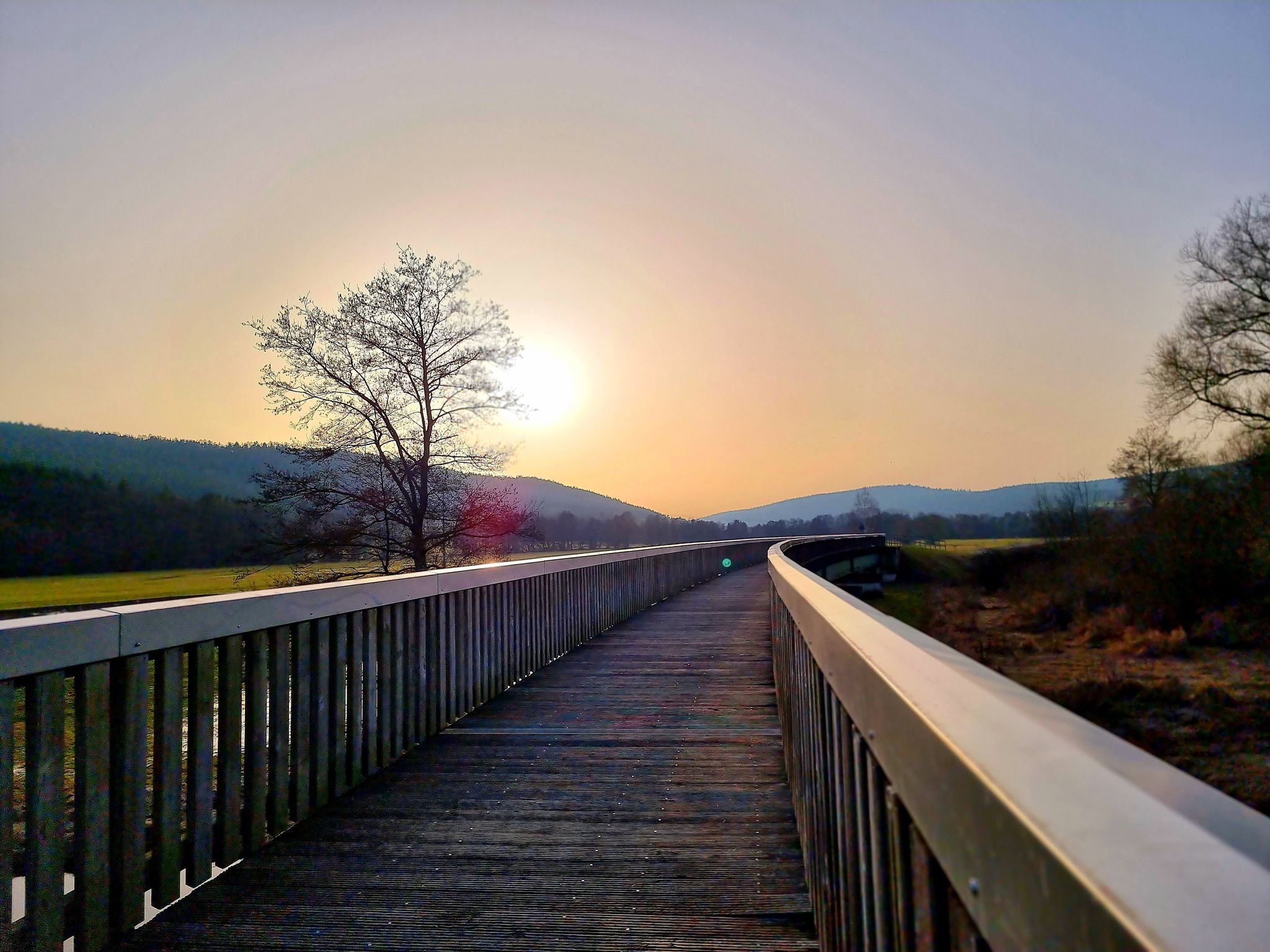
Bavaria-Bohemia long-distance cycling trail – Crossing borders
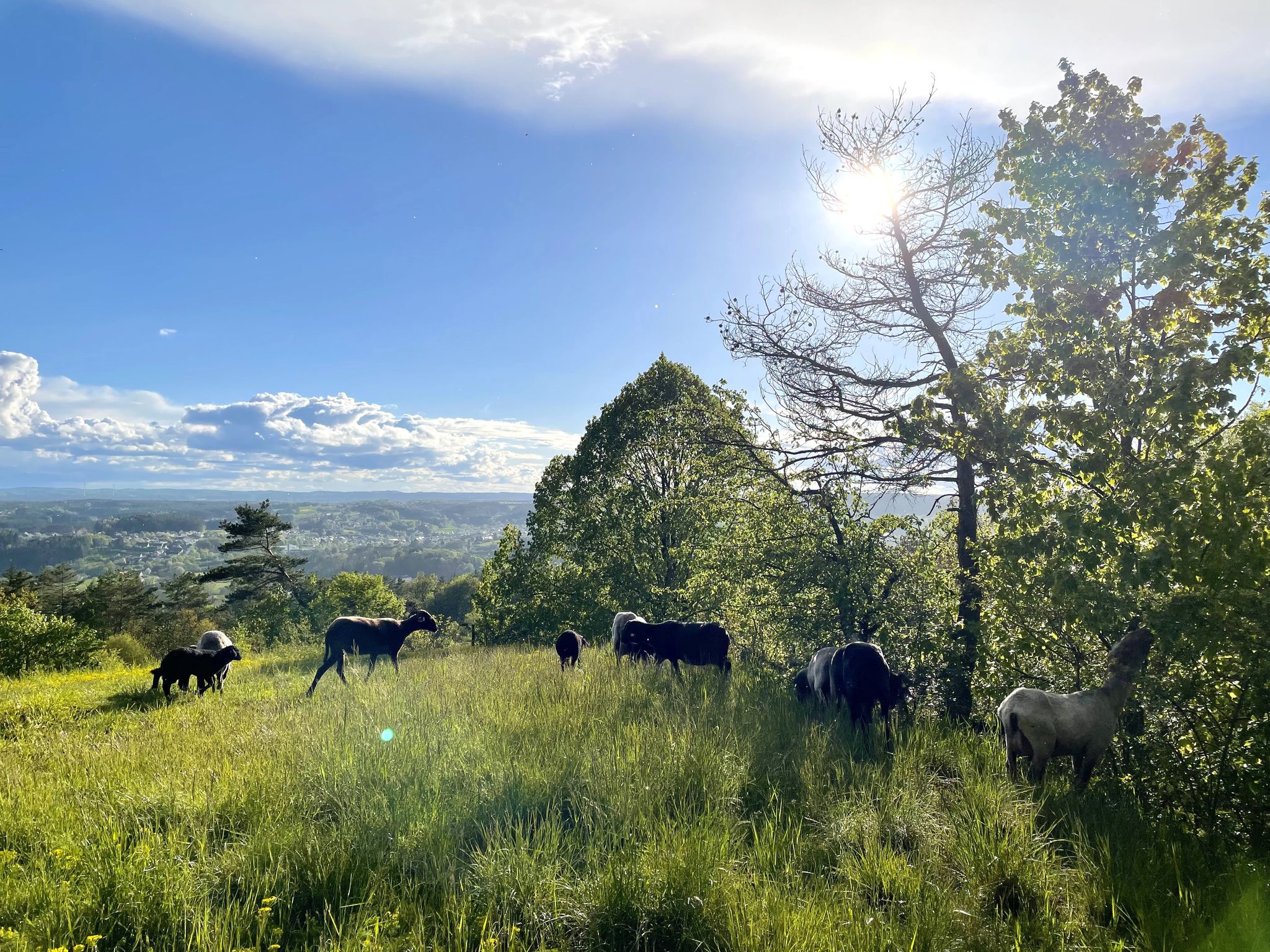
11 Days on the Erzweg Quality Hiking Trail

Wine, woods & walking trails — Best of VGN hiking tips
Explore southern Germany – hiking and biking with the VGN
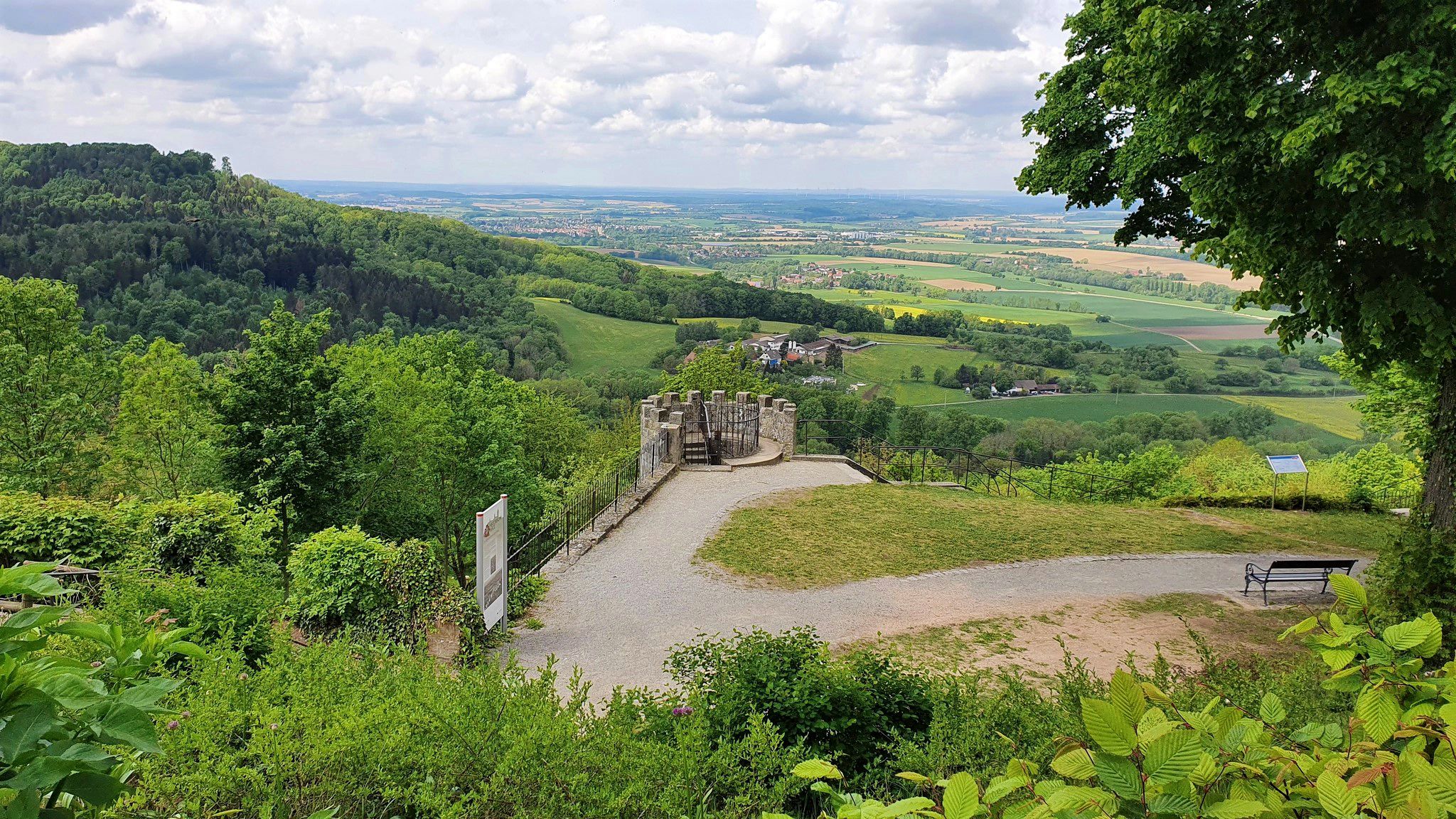
A cycling adventure from Paris to Prague – Pan-European Cycle Route
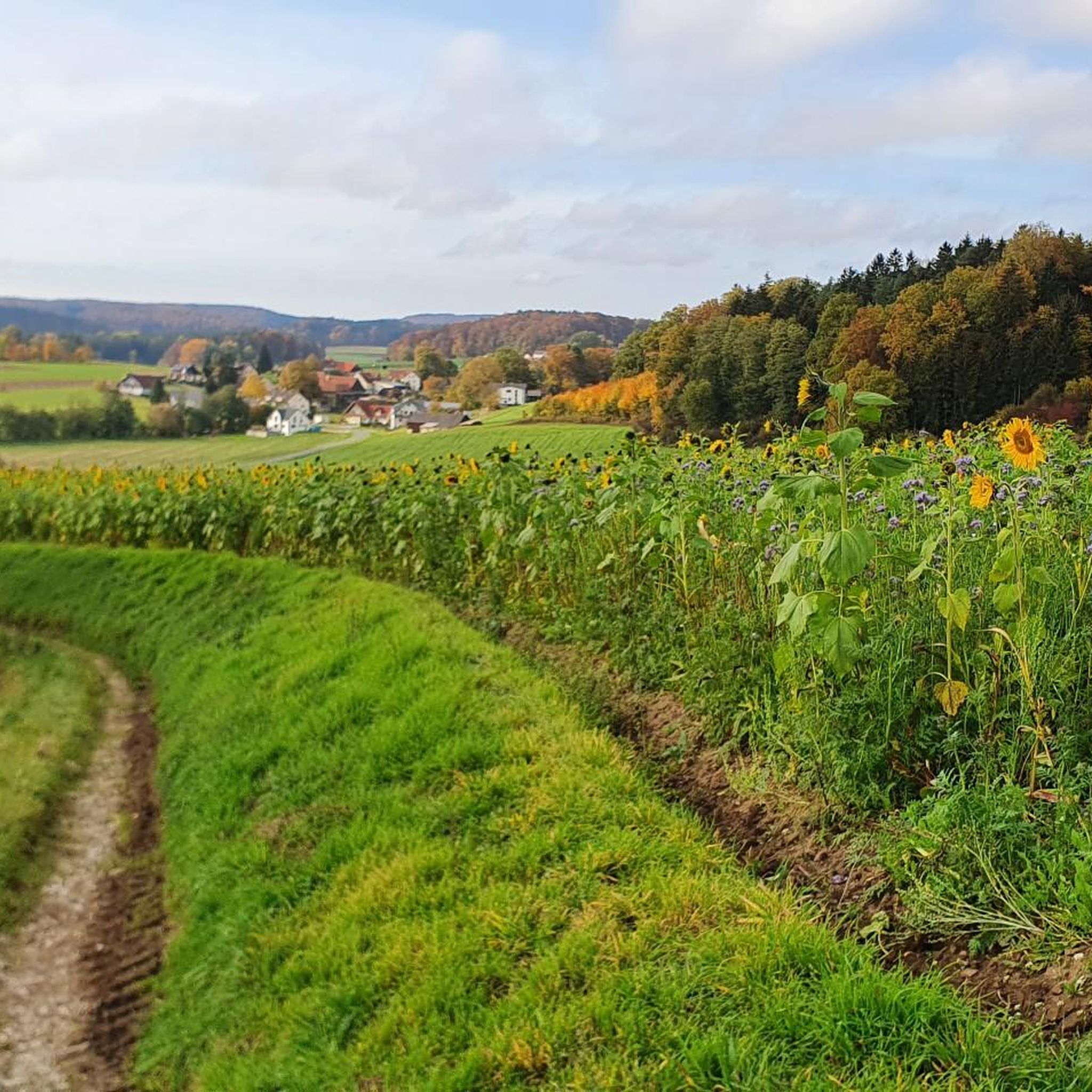
Cycling around Sulzbach-Rosenberg
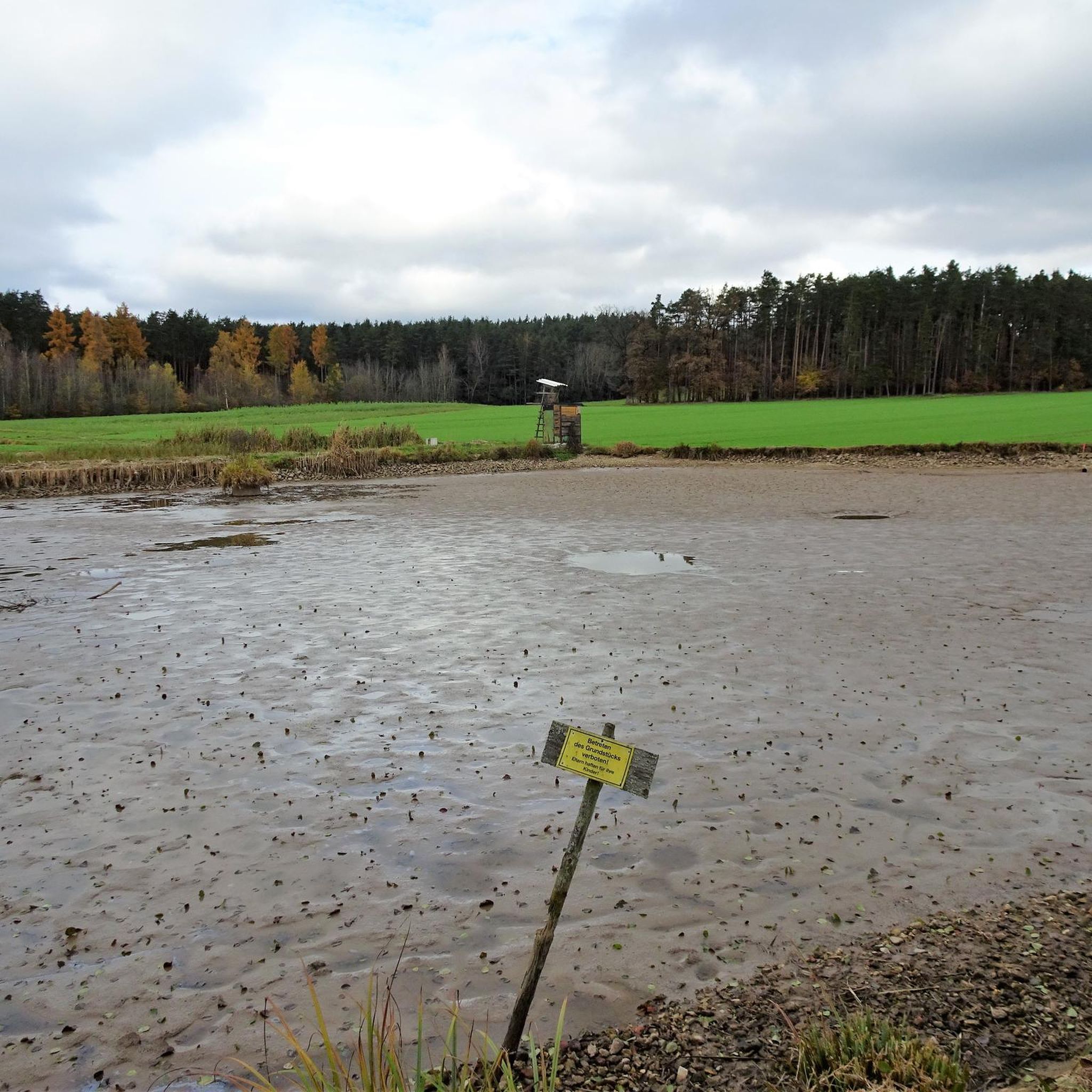
Hiking around Sulzbach-Rosenberg
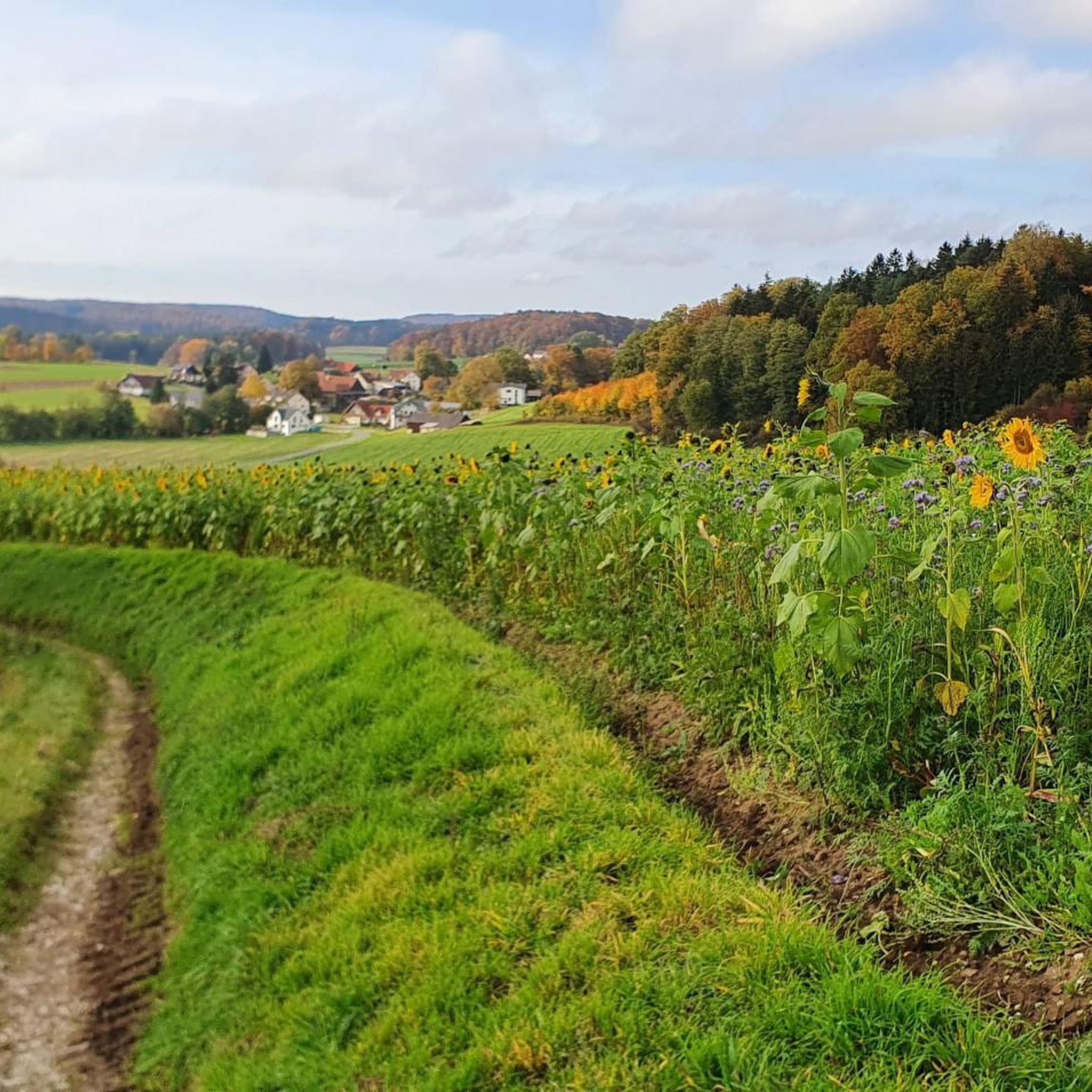
Road Cycling Routes around Sulzbach-Rosenberg
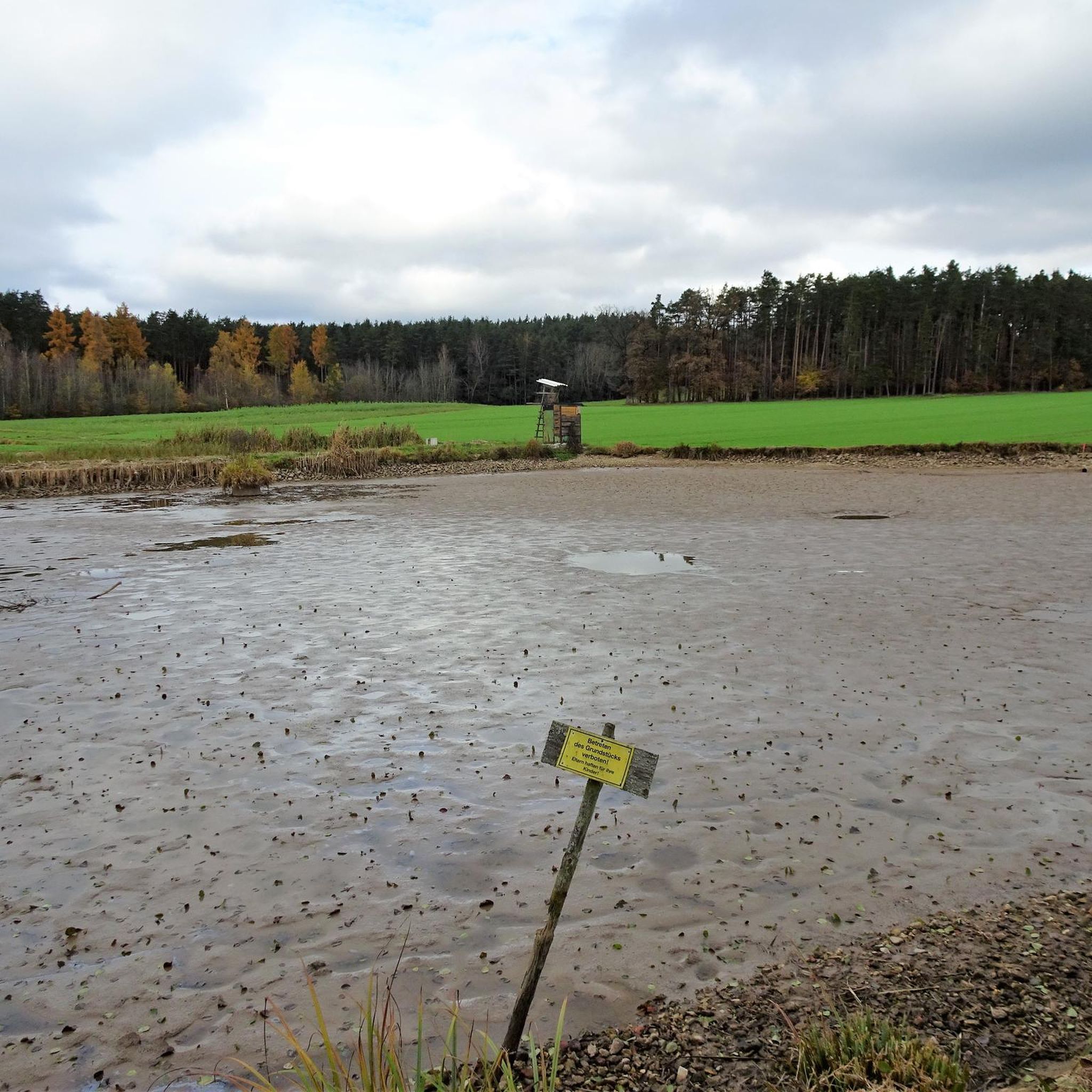
Running Trails around Sulzbach-Rosenberg
MTB Trails around Sulzbach-Rosenberg
Other adventures around Sulzbach-Rosenberg


Tips from the Community

Burgstall Hartenfels The site of the abandoned spur castle is located in the Middle Franconian Jura, on a southwest-facing rocky spur of the Great Hartenfels at 530.6 m above sea level. The castle was probably built during the 13th century by the Lords of Neidstein, but there is no mention of the castle itself. It is only mentioned indirectly in a document dated February 21, 1268, in the name of Heinrich von Hertenvels. In addition to the high medieval fortification on the Hartenfels, there are also the remains of a prehistoric structure at the same location. A long section of the rampart, about half a meter high, has been preserved, which arches around the mountain spur outside the moat of the medieval castle and thus sealed it off. Today, the site of the former castle is completely overgrown with forest, and only two ditches and the remains of the foundation walls of the former ring wall have survived. The former hilltop castle was once divided into two areas, an outer bailey at the transition from the spur to the flat summit area or plateau of the Hartenfels, and a main castle at the rocky tip of the mountain spur, in the best protected place by nature. The outer bailey was protected by a two-meter-deep and about ten-meter-wide moat. The area of the outer bailey is irregularly shaped, as it was adapted to the rocky terrain between the plateau and the rocky spur. As it was easily attacked from the plateau, it had to be protected on its north-east side by a strong wall, of which a 4.50-meter-wide and one-meter-high rampart still remains. Approximately in the middle of this rampart, a 3.80-meter-wide break gives an idea of the former entrance to the castle, and even today you enter the castle grounds at this point. The main castle has a trapezoidal area about 50 meters long and 25 meters wide. On its west and south sides it is well protected by the vertical drop of the rocks by several meters and the steep eastern slope also offered sufficient protection. Only at the northwest corner is a small remnant of a wall still visible above ground. There are no further traces of construction on the flat surface of the main castle, apart from an almost square pit in the middle of the area. This pit measures 4 by 3.50 meters and could be the remains of a cistern or a cellar room. Source: Excerpts from www.wikipedia.de
2
0

The St. John's Chapel is located above Königstein and is definitely worth a climb on the beautiful hiking trails.
0
0

Chapel on a beautiful hill. Very idyllic
1
0
A beautiful hill for a chapel, very idyllic.
1
0

Very beautiful chapel. The view from there is also highly recommended.
2
0

From the Hartenfels with its summit cross that can be seen from afar, you have a beautiful view of Neukirchen and the surrounding area. To get to the vantage point, you either leave your bike where it is or push it up the stairs, but the view makes up for the effort. Don't forget to enter the summit book 😉.
5
0

Recommended destination with refreshments. However, the hut is not always open, so clarify beforehand. The location is very nice.
10
0

The summit book is in a metal box on the summit cross. You can perpetuate yourself there.
3
0
Frequently Asked Questions
What are some of the most prominent mountain peaks offering great views near Sulzbach-Rosenberg?
For expansive views, consider visiting Ossinger Observation Tower and Ossinger Hut. The Ossinger is the second-highest mountain in the Upper Palatinate Jura, and its observation tower provides unforgettable panoramic views of the Franconian and Upper Palatinate countryside. Another significant peak is Rotbühl, the highest mountain in the Landkreis Amberg-Sulzbach at 687 meters, which also offers broad vistas.
Which peaks or sites near Sulzbach-Rosenberg are known for their historical significance?
The region boasts several historically rich sites. The Houbirg, near Happurg, features the remains of an ancient Celtic oppidum, a fortified settlement with impressive preserved walls. Additionally, Hartenfels Summit and Castle Ruins offers insights into medieval history with traces of a high medieval noble castle on its rocky spur. St. John's Chapel Above Königstein is another historical religious building that has been renovated and offers a peaceful resting spot.
Are there any unique natural rock formations or caves to explore?
Yes, the area is rich in natural geological features. The Türkenfelsen (Turkey's Rock) near Lichtenegg is an impressive 10-meter-high rock wall. You can also find the distinct Hänsel and Gretel Rocks along a signposted trail that winds through a 'magic forest.' For cave enthusiasts, the Osterhöhle is a geological highlight, especially in winter when it's known for beautiful icicles. The Summit cross on Osterlochfelsen is part of the Hainsburg rock massif, featuring small karst openings and a cave.
What kind of hiking experiences can I expect around these peaks?
You can expect a variety of hiking experiences, from leisurely walks to more challenging climbs. Many trails lead to summits with rewarding views, such as the path to the Ossinger Observation Tower. The trail to the Hänsel and Gretel Rocks offers a varied experience with uphill and downhill sections through diverse landscapes. For more general hiking options, you can explore routes in the Hiking around Sulzbach-Rosenberg guide.
Are there specific trails suitable for families with children?
Absolutely. The trail leading to the Hänsel and Gretel Rocks is particularly appealing for families, as it winds through a 'magic forest' and features distinct rock formations, making it an engaging experience for younger hikers. The Easy hikes around Sulzbach-Rosenberg guide also lists several family-friendly routes, such as the 'Seven Springs Karst Springs – Seven Springs loop from Grund'.
Where can I find rock climbing opportunities near Sulzbach-Rosenberg?
The Türkenfelsen (Turkey's Rock) near Lichtenegg is an ideal spot for rock climbing. It features a massive, approximately 10-meter-high rock wall with routes that have been redeveloped and graded for various difficulty levels, making it suitable for both experienced climbers and families.
What is the best time of year to visit the mountain peaks and natural features?
While most peaks can be enjoyed year-round, some natural features offer unique seasonal attractions. The Osterhöhle, for instance, is particularly spectacular during colder months when beautiful icicles form inside the cave. Spring and autumn generally offer pleasant temperatures for hiking and clear views from observation points like the Ossinger Observation Tower.
Are there any places to eat or rest near the hiking trails?
Yes, several spots offer amenities for hikers. The Ossinger Observation Tower and Ossinger Hut includes the Ossinger Hut, which is managed and offers hearty meals. Near the Osterhöhle, a forest tavern provides a convenient place for a meal after exploring the cave. Additionally, St. John's Chapel Above Königstein has a bench and table for resting.
What are some of the highest peaks in the broader Amberg-Sulzbach district?
Beyond the immediate vicinity of Sulzbach-Rosenberg, the broader Amberg-Sulzbach district features several notable high peaks. Rotbühl stands as the highest at 687 meters. Other significant peaks include Kappersberg (669 meters), Hohe Zant (665 meters), and Hirmerberg (666 meters), all contributing to the scenic hilly landscape.
Can I find challenging mountain trails for advanced hikers?
Yes, for those seeking more challenging routes, the region offers trails with varying difficulty. The Hartenfels Summit and Castle Ruins involves a climb to its summit. Some routes in the Hiking around Sulzbach-Rosenberg guide are rated as 'difficult,' such as the 'Europe Linden – Small Natural Pond loop from Sulzbach-Rosenberg' and the 'Roter Felsen – Pürschlägertal loop from Sulzbach-Rosenberg'.
What do visitors enjoy most about the mountain peaks around Sulzbach-Rosenberg?
Visitors frequently praise the stunning panoramic views from spots like the Ossinger Observation Tower. The blend of natural beauty with historical sites, such as the Hartenfels Castle Ruins, is also highly appreciated. Many enjoy the well-maintained trails and the opportunity to discover unique geological formations and peaceful resting places like St. John's Chapel.
Most popular routes around Sulzbach-Rosenberg
Most popular attractions around Sulzbach-Rosenberg

Get inspired with the komoot mobile app


Explore more
See even more amazing summits around Sulzbach-Rosenberg with these guides:
