Top 6 Caves around Roding
Best caves around Roding are found within a region characterized by the Regen River and surrounding forests in Bavaria's Upper Palatinate. The area offers a blend of natural landscapes and cultural sites. Visitors can explore grottoes and historical structures that reflect local heritage. These sites provide opportunities for outdoor exploration and historical insight.
Best caves around Roding
- The most popular caves is Mariengrotte on the Regentalsteig, a religious building located slightly above the path. This grotto is situated directly…
Last updated: July 24, 2026
Marian Grotto on the Regen River
Highlight (Segment) • Religious Site
It is not a Marian cult site, as is often assumed. It began as a love affair, the love of a Rodinger – he later even became mayor …
Translated by Google •
Tip by

Lourdes Grotto
Highlight • Religious Site
It is not a Marian cult site, as is often assumed. It began as a love affair, the love of a Rodinger – he later even became mayor …
Translated by Google •
Tip by
Sign up now to discover places like this
Get recommendations on the best single tracks, peaks, & plenty of other exciting outdoor places.
Sign up for free
Bear Cave on Rabenberg
Highlight • Cave
Translated by Google •
Tip by

Virgin Mary Grotto (J.B. Derk 1926)
Highlight • Religious Site
Translated by Google •
Tip by

Mariengrotte on the Regentalsteig
Highlight • Religious Site
Translated by Google •
Tip by

Sign up for free to discover even more caves around Roding.
Sign up for free
Already have an account?
Start today with a free account
Your next adventure awaits.
Login or Signup

Tips from the Community

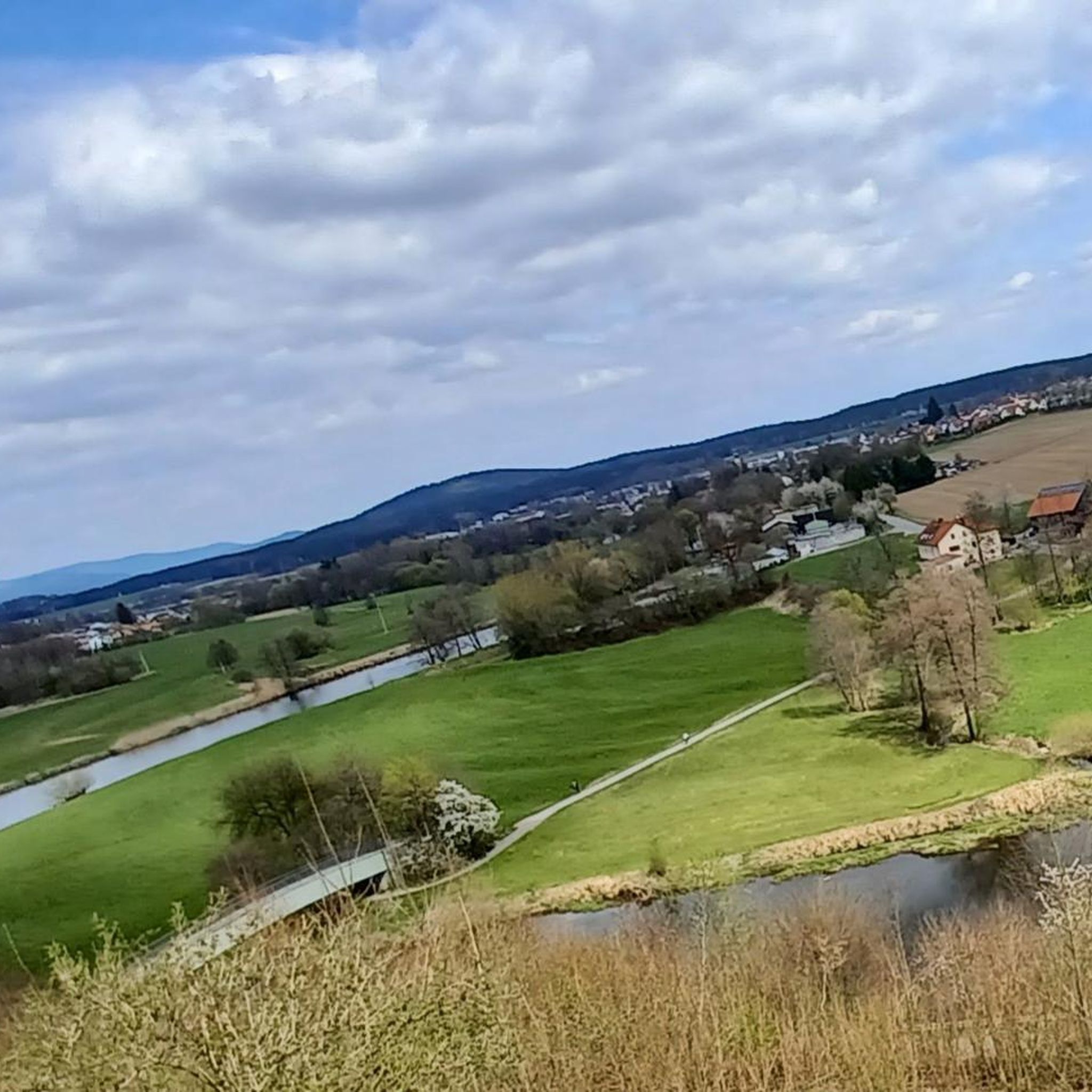
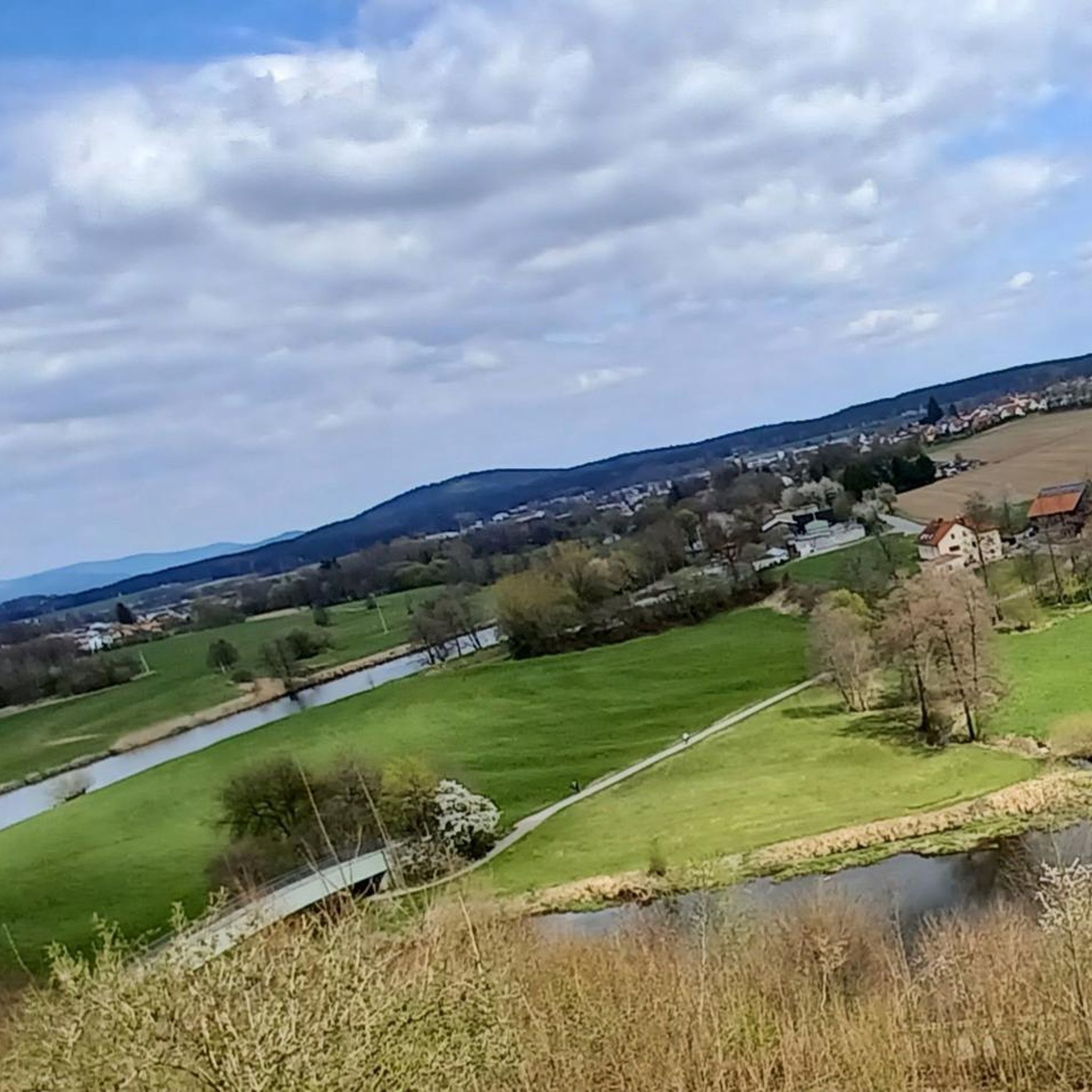
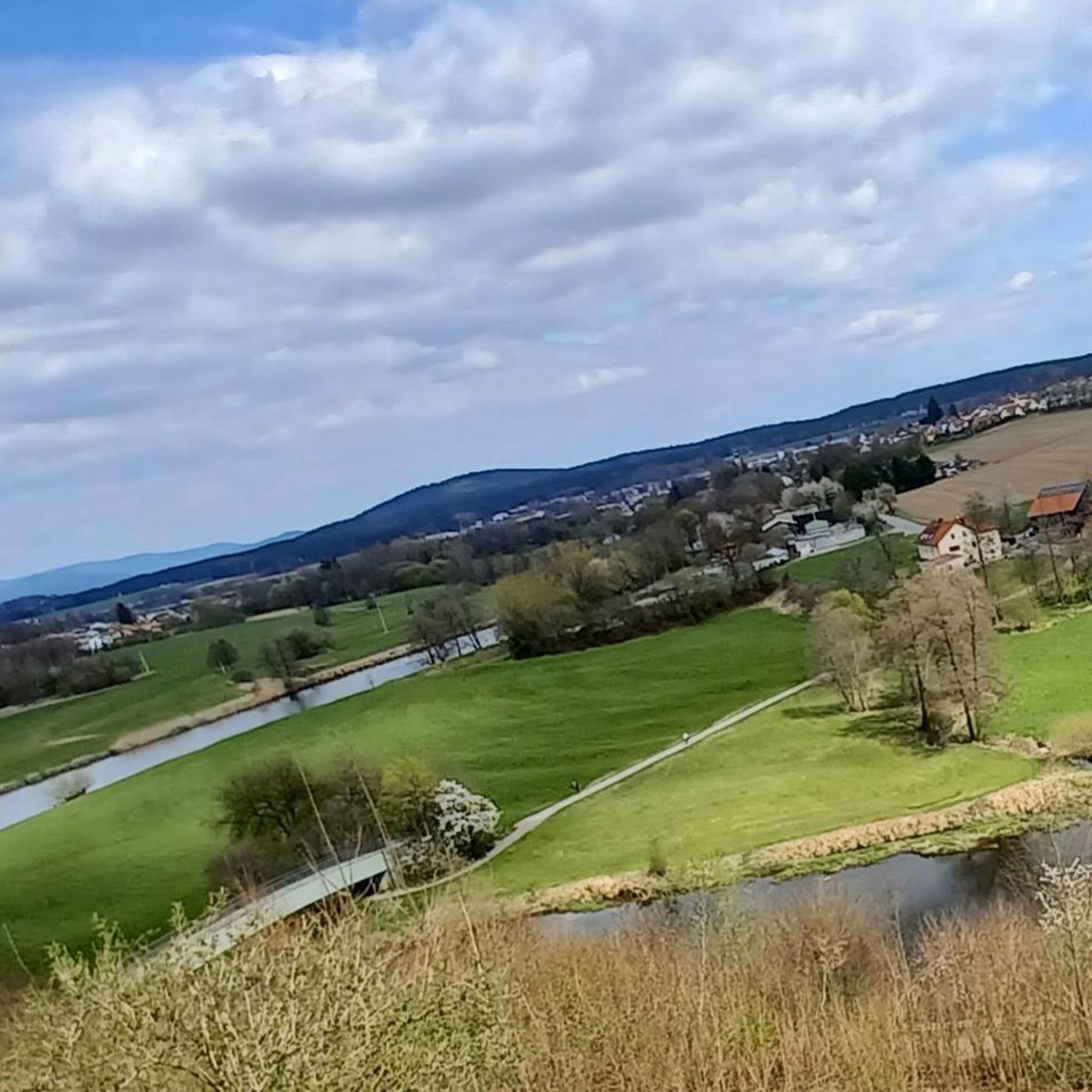
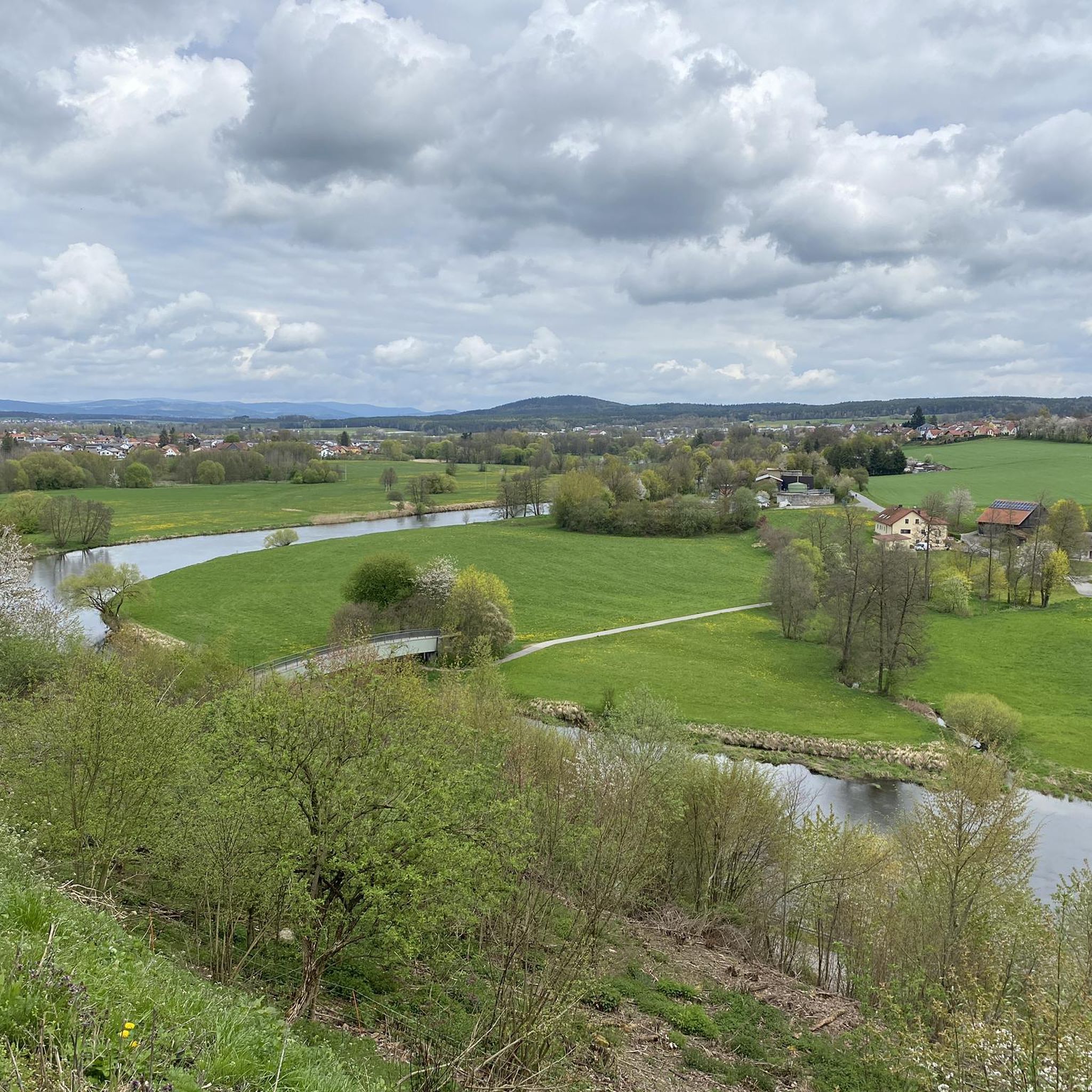
Blue Grotto It is not a Marian cult site, as is often assumed. It began as a love affair, the love of a Rodinger – he later even became mayor – for a beautiful young girl named Maria Zimmerer. Unfortunately, this girl died of appendicitis at a very young age and is buried in Munich, where she had been employed. In 1929, the enamored Rodinger erected this statue in memory of his beloved, carved from sandstone by the stonemason Hofinger from Oberkreith. There was no road to the grotto at that time. So the statue and all the materials had to be transported by boat across the Regen River from Wiesing. "Dieß'n Wack" was involved in its installation and also immortalized himself with a small painting to the left of the statue. The pastor of Roding at the time had concerns about the grotto, arguing that the statue might be considered a Marian cult site and thus harm the Heilbrünnl (Holy Spring). But this concern was unfounded. In 1977, the Roding-Mitterdorf Hiking Club built a footbridge around the grotto to Fischerwinkel, making it easily accessible on foot. Members of the Wiesing Volunteer Fire Department have thinned out the trees and bushes in front of the grotto to provide a better view from Wiesing. Source: Local information
1
0
Blue Grotto It is not a Marian cult site, as is often assumed. It began as a love affair, the love of a Rodinger – he later even became mayor – for a beautiful young girl named Maria Zimmerer. Unfortunately, this girl died of appendicitis at a very young age and is buried in Munich, where she had been employed. In 1929, the enamored Rodinger erected this statue in memory of his beloved, carved from sandstone by the stonemason Hofinger from Oberkreith. There was no road to the grotto at that time. So the statue and all the materials had to be transported by boat across the Regen River from Wiesing. "Dieß'n Wack" was involved in its installation and also immortalized himself with a small painting to the left of the statue. The pastor of Roding at the time had concerns about the grotto, arguing that the statue might be considered a Marian cult site and thus harm the Heilbrünnl (Holy Spring). But this concern was unfounded. In 1977, the Roding-Mitterdorf Hiking Club built a footbridge around the grotto to Fischerwinkel, making it easily accessible on foot. Members of the Wiesing Volunteer Fire Department have thinned out the trees and bushes in front of the grotto to provide a better view from Wiesing. Source: Local information
3
0

a bit hidden; but definitely worth a visit, even if you have to push the bike up a few steps
1
0

Here, too, there is already a highlight!
1
0

Comfortable journey via Grafenkirchen, then through the beautiful forest covered with moss. The summit itself is quite overgrown, there is also a shelter. Seems to be sparsely visited; So really lonely.
0
1

Nice place with seating :)
0
0
Great to see. The old mill wheels still work
0
0

A very nice hike from Dörfling to the grotto, where you can linger and enjoy the peace and quiet of nature
0
0
Frequently Asked Questions
What types of caves can I explore around Roding?
Roding primarily features grottoes and cave-like structures with historical and cultural significance, such as the Marian Grotto on the Regen River. For natural show caves with extensive geological formations like stalactites, you would need to travel further into the wider Bavarian region.
Are there any historical cave sites near Roding?
Yes, the "Schrazelloch" cave near Waldmünchen, in the same district as Roding, is a notable historical site. It's a 16th-century former mine, offering a glimpse into historical mining efforts and local legends. A viewing platform allows visitors to see its 26-meter-deep shaft.
Which grottoes are popular for their cultural or religious significance in Roding?
The Marian Grotto on the Regen River and the Mariengrotte on the Regentalsteig are both highly regarded. The Marian Grotto, also known as the Lourdes Grotto, was erected in 1929 and features a sandstone statue, accessible by footbridge. The Virgin Mary Grotto (J.B. Derk 1926) is another peaceful, hidden spot.
What natural features can I expect to see in the grottoes around Roding?
The grottoes around Roding, like the Bear Cave on Rabenberg, often feature interesting rock formations and are nestled within natural settings, sometimes offering viewpoints. While they are not traditional natural caves with extensive stalactites, they provide serene natural environments.
Are there family-friendly cave experiences near Roding?
The grottoes in Roding, such as the Marian Grotto on the Regen River, are generally family-friendly. They are easily accessible and offer a blend of historical interest and scenic beauty, suitable for walks with children.
What outdoor activities can I do near these grottoes and cave-like structures?
The grottoes are often situated along scenic paths. You can find numerous outdoor activities in the Roding area, including running, road cycling, and gravel biking. For example, there are many running trails around Roding, road cycling routes, and gravel biking routes that pass by or are close to these sites.
Are there any natural show caves with stalactites in the wider Bavarian region?
Yes, for impressive natural show caves, you can visit the König-Otto-Tropfsteinhöhle near Velburg in the Upper Palatinate. This karst cave is known for its beautiful stalactites, stalagmites, and sinter pools. Another option is the Teufelshöhle (Devil's Cave) in Franconian Switzerland, which boasts spectacular formations and large chambers.
What is the best time to visit the grottoes around Roding?
The grottoes around Roding are accessible year-round. However, visiting during spring, summer, or early autumn allows for more pleasant walks along the Regen River and better enjoyment of the surrounding natural scenery. Winter visits are also possible, offering a different, often quieter, atmosphere.
Are the grottoes around Roding accessible by public transport?
While specific public transport details for each grotto can vary, many are located near Roding town center or along well-known paths like the Regentalsteig, making them reachable. It's advisable to check local transport schedules for the most direct routes to the starting points of trails leading to the grottoes.
What do visitors enjoy most about the grottoes in Roding?
Visitors appreciate the peaceful natural settings and the historical significance of the grottoes. For instance, the Marian Grotto on the Regen River is valued for its scenic location by the river and the unique love story behind its creation. The Virgin Mary Grotto (J.B. Derk 1926) is praised for its hidden, tranquil atmosphere.
Are there any caves that offer viewpoints near Roding?
Yes, the Bear Cave on Rabenberg is part of a great rock ensemble and is located a few steps away from a vantage point with views of Pempfling. The Marian Grotto on the Regen River also serves as a viewpoint along the river.
Can I bring my dog to the grottoes and cave-like structures in the Roding area?
Most outdoor natural sites and paths leading to grottoes in the Roding area are dog-friendly, provided dogs are kept on a leash. However, for specific indoor or managed cave attractions further afield, it's best to check their individual pet policies beforehand.
Most popular routes around Roding
Most popular attractions around Roding

Get inspired with the komoot mobile app


Explore more
Extend your search for the best caves by checking out these guides of the top ones around Roding:
