Top 8 Gorges around Otterfing
Best canyons around Otterfing primarily consist of ravine-like valleys, notably the Teufelsgraben, a significant geological formation extending approximately 23 kilometers. This deep incision in the landscape was formed around 20,000 years ago by glacial meltwater during the Würm Ice Age. The area offers numerous hiking trails through varied terrain, including dense forests and meadows, providing opportunities to explore its natural features. These formations are recognized for their geological significance, showcasing the powerful impact of past glacial activity.
Best canyons around…
Last updated: August 6, 2026
Gleißental Valley
Highlight (Segment) • Gorge
Translated by Google •
Tip by

Gleißental Dip Between Kreuzpullach and Ödenpullach
Highlight (Segment) • Gorge
Translated by Google •
Tip by

Sign up now to discover places like this
Get recommendations on the best single tracks, peaks, & plenty of other exciting outdoor places.
Sign up for free
Schlocker Grotto (Aying)
Highlight • Religious Site
Translated by Google •
Tip by

Reichertshauserer Valley
Highlight (Segment) • Gorge
Translated by Google •
Tip by

Gleißental Valley
Highlight (Segment) • Gorge
Translated by Google •
Tip by

Sign up for free to discover even more gorges around Otterfing.
Sign up for free
Already have an account?
Start today with a free account
Your next adventure awaits.
Login or Signup
Popular around Otterfing


Tips from the Community


According to legend, at the end of the 19th century, the Ayingen village shepherd at the time, the "Much", sought shelter under an ancient, large beech tree with the sheep he had entrusted to him because of an approaching storm. This spot was popular because a spring rose there where people could cool off. For no apparent reason, all the sheep suddenly ran off in the same direction. The Much found them nearby in what was then a young forest. Minutes later, lightning struck the ancient beech tree and destroyed it completely. The Much would probably not have survived if he had stayed in the old location. Overwhelmed by the event, the Much knelt down and thanked God for his rescue. Afterwards he was changed, taciturn and thoughtful. Weeks later he was found dead in the spot where he had thanked God for his rescue, dressed in his Sunday best. What and how he died was never clarified. The source and the entire history of both grottos can be found at the following link: www.mystisch.net/blog/?p=128
2
0

Nice waypoint, but not a highlight
1
0

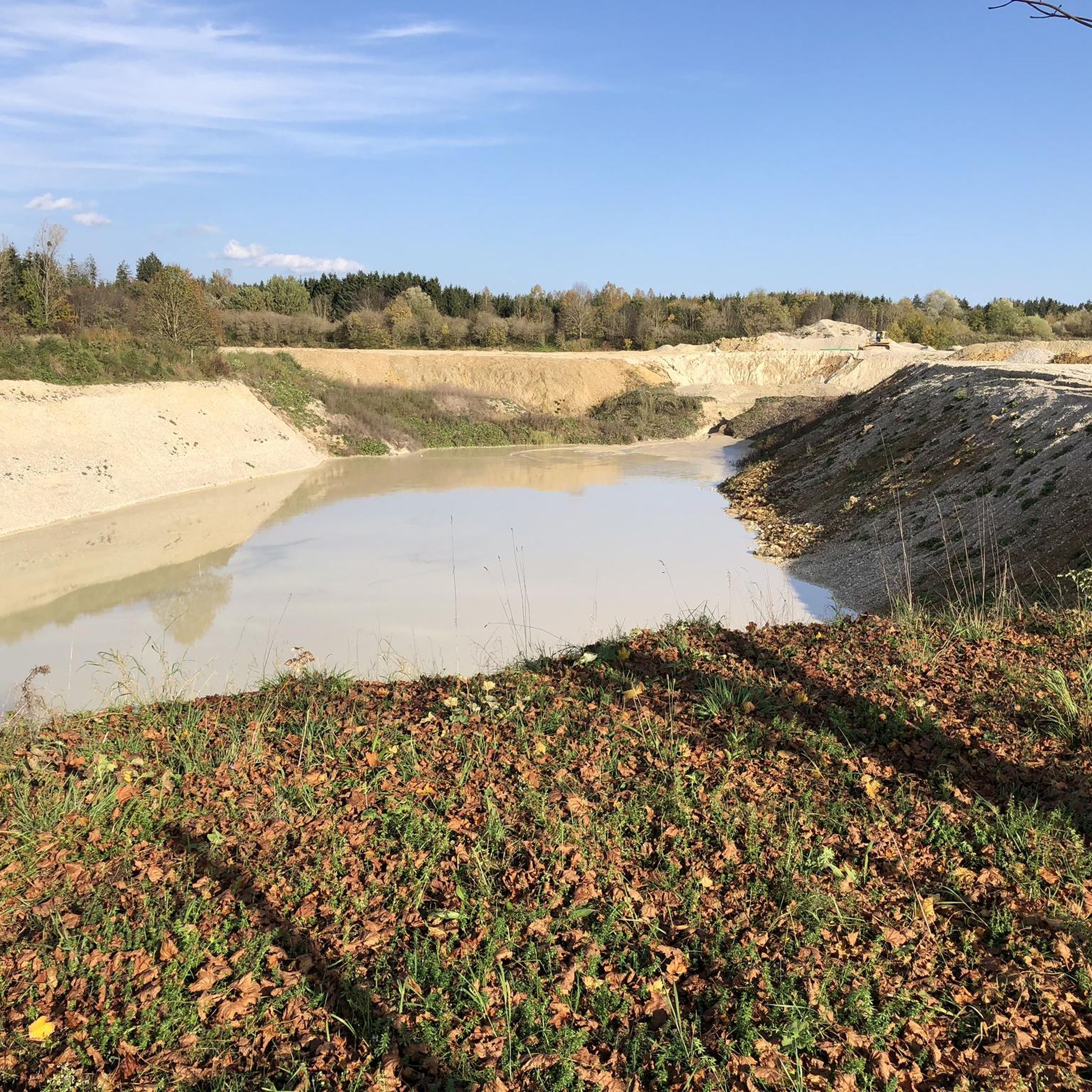
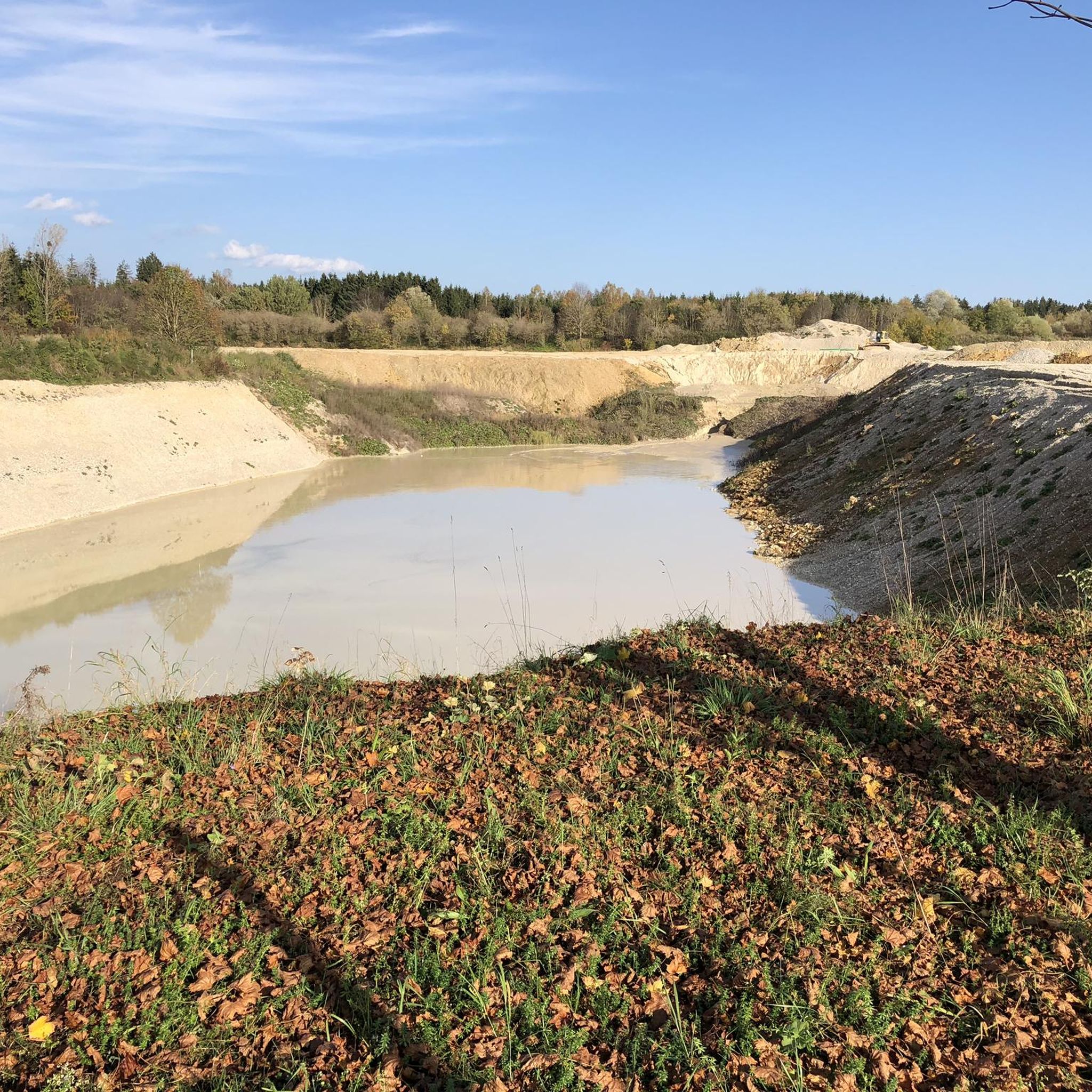
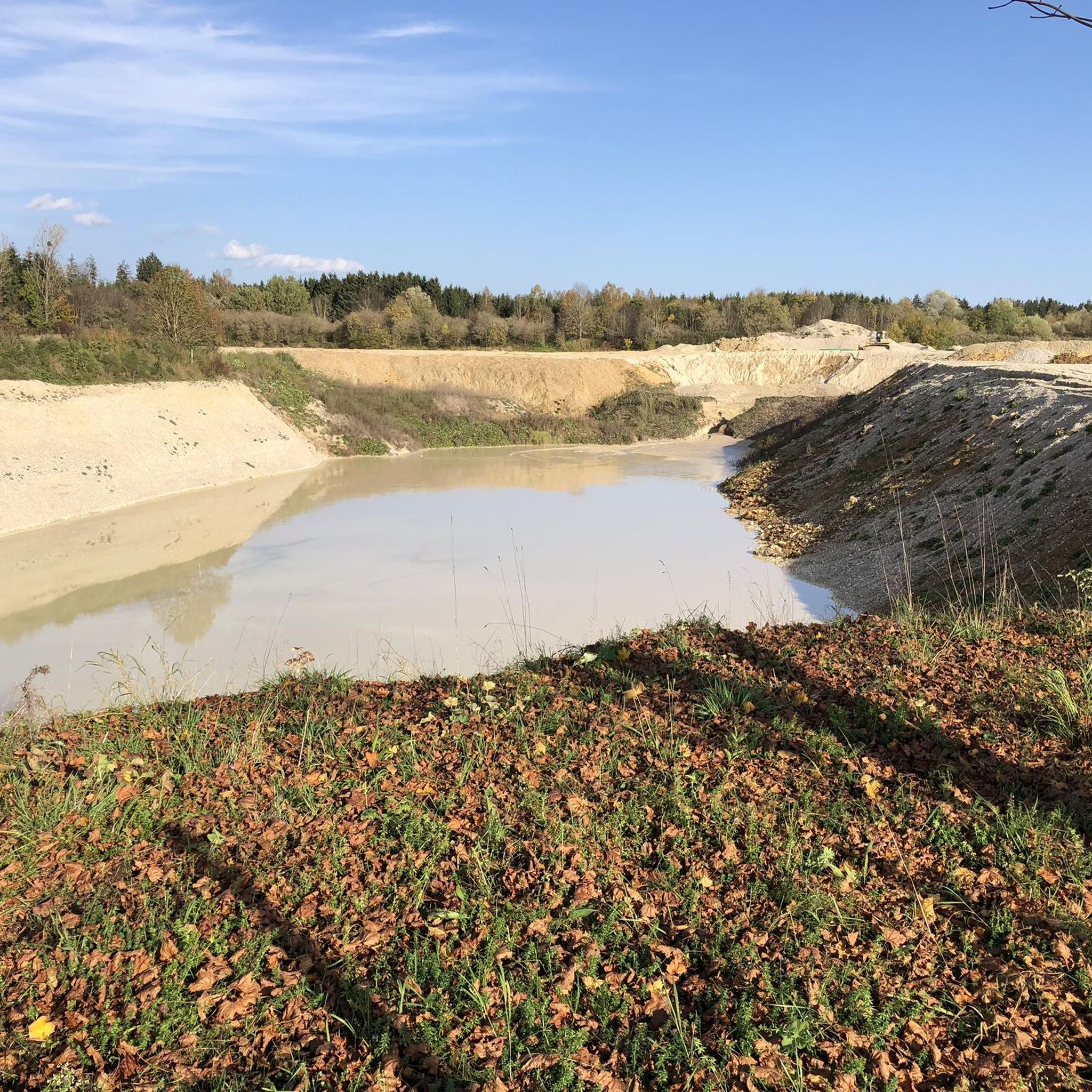
This small valley is part of the Gleißental. From the Deininger Weiher there is a drain first on the surface, which then seeps away. It has its source on the southern edge of Oberhaching as the Hachinger Bach.
0
0

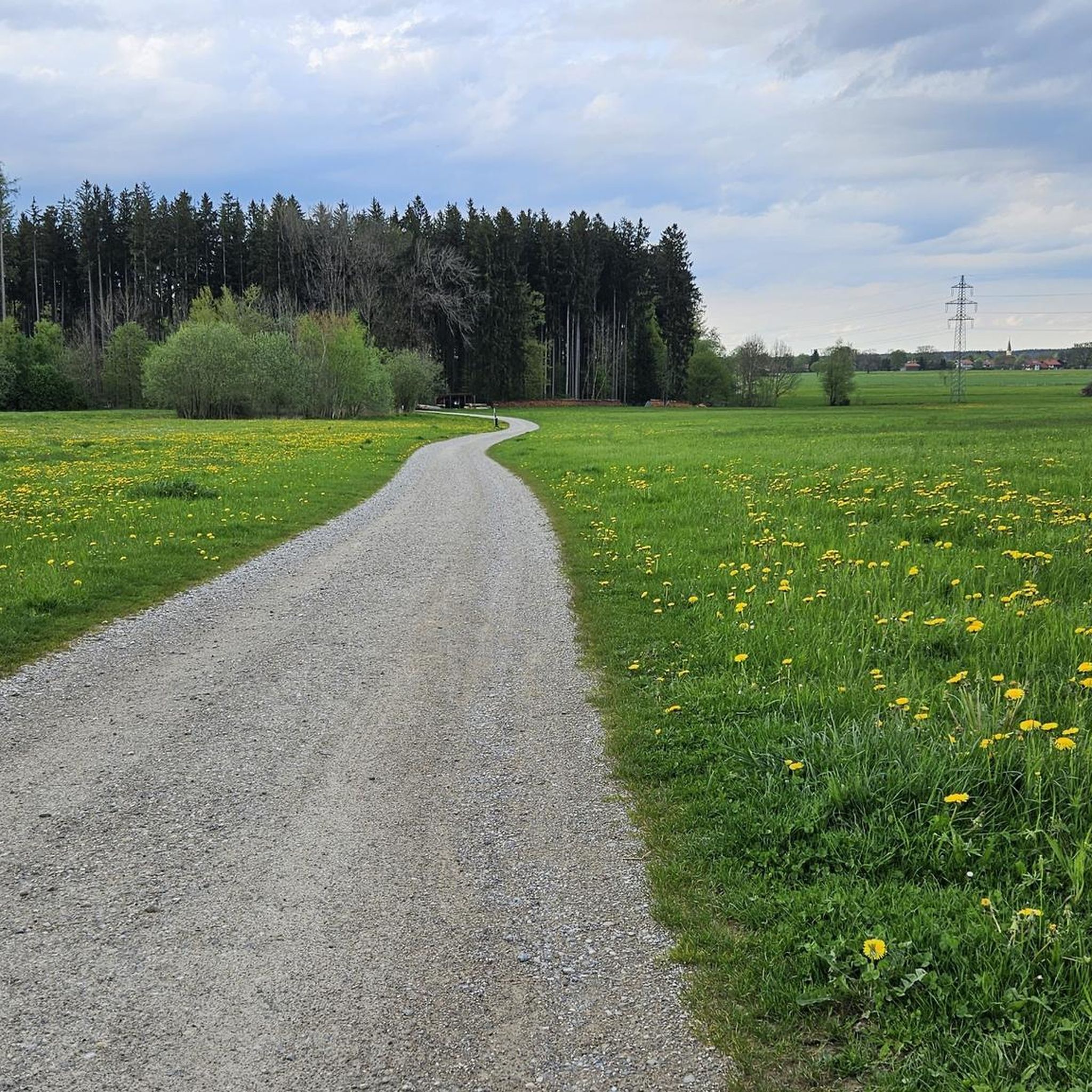
About eight kilometers long, mostly wooded terrain in the Bavarian foothills of the Alps between Föggenbeuern near Dietramszell and Egling, although I have not marked the piece between Egling and Thanning (because it is a road). You can roll wonderfully in both directions here, sometimes wider, sometimes narrower, sometimes rooty and there are also short pieces of tar. The incision begins south of Föggenbeuern and meanders six kilometers almost due north, turning west near Fraßhausen and Wörschhausen. From here, at the beginning of the 18th century, the abbot of the Schäftlarn monastery created the three ponds in Thanning for fish farming. These are fed by the Moosbach, which rises in the Reichertshauser valley a few hundred meters above the first pond in the Frauenholz area. The valley ends in Egling.
0
0

Beautiful hiking route from Deisenhofen to Deiniger Weiher. You can make good progress here in summer and winter. Nice and shady and cool in summer, unfortunately means that there is almost no sun in winter. Still a nice tour, about which I have more information on my blog: https://www.adventtour.net/post/wandern-von-deisenhofen-nach-sch%C3%A4ftlarn
1
1

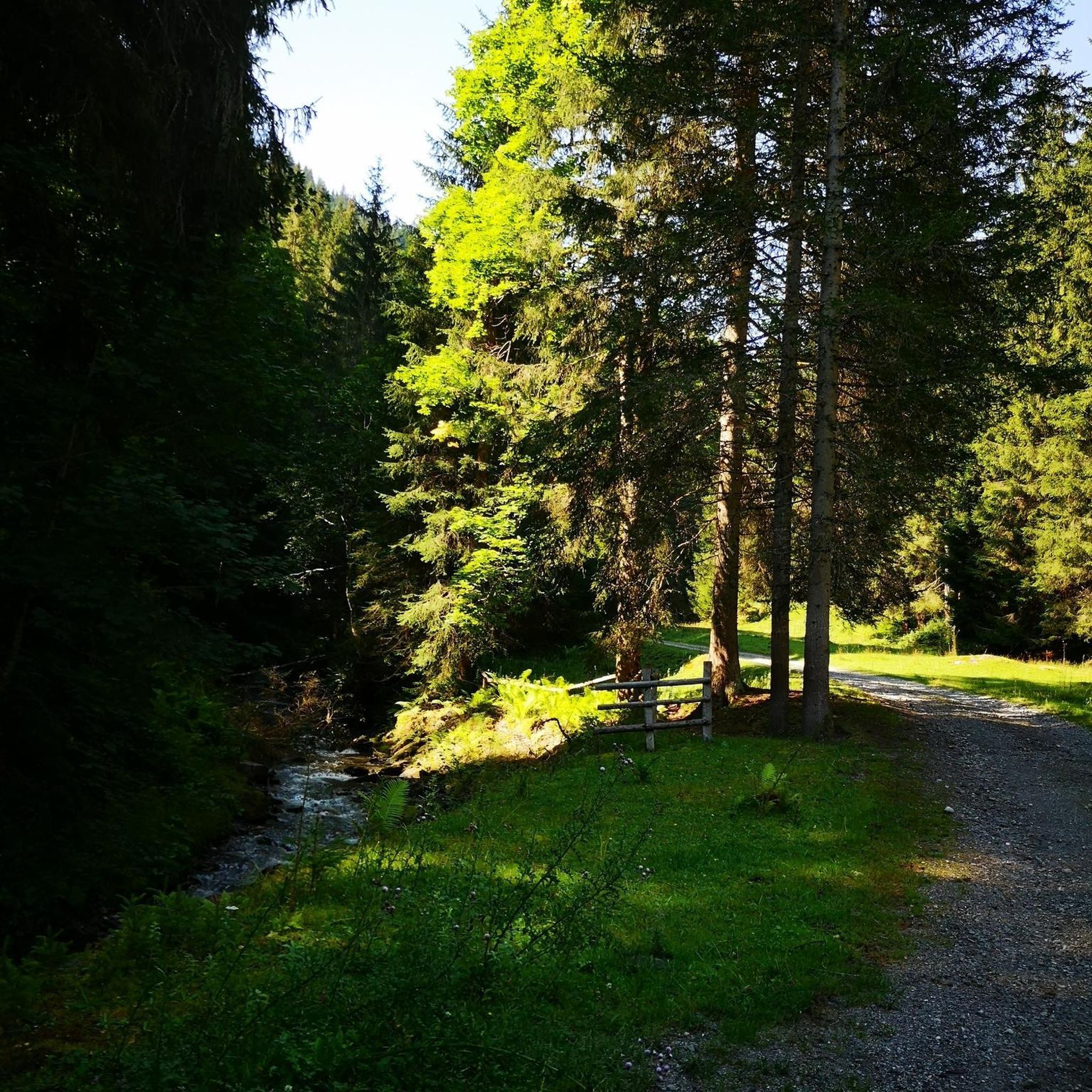
Fantastic valley ("enchanted" is pretty good), regardless of whether you are out on foot or by bike. In wet weather or after rainy days, however, you need appropriate equipment underneath.
4
0

Beautiful! But not exactly easy, better with a mountain bike, because the road is very rocky. Definitely NOT suitable for trailers!
2
1
Frequently Asked Questions
What are the primary ravine-like features or 'canyons' to explore near Otterfing?
Near Otterfing, the most significant feature is the Teufelsgraben (Devil's Ditch), a deep, ravine-like valley stretching approximately 23 kilometers. Other notable areas include Gleißental Valley, which offers shady routes for hikers and cyclists, and the Gleißental Dip Between Kreuzpullach and Ödenpullach, a backwater of the Isar. The Ellbach and Kirchsee Moor also features a deep ravine formed by glacial meltwater.
What is the geological significance of the Teufelsgraben near Otterfing?
The Teufelsgraben is a valuable geotop, recognized by the Bavarian State Office for the Environment. It was formed around 20,000 years ago during the Würm Ice Age as a meltwater channel from the Isar-Loisach glacier, showcasing the powerful impact of glacial forces on the landscape.
Are there hiking opportunities within these ravine-like areas?
Yes, the Teufelsgraben offers numerous hiking trails, generally considered moderate, with some parts suitable for families. The Gleißental Valley is also very popular with hikers, offering scenic and shady routes. For more hiking options, you can explore the Hiking around Otterfing guide.
What kind of natural features can I expect to see when exploring these areas?
You can expect to see dense forests along the slopes, occasional Nagelfluh (puddingstone) rock formations, meadows, floodplains, and small lakes in the valley floor. The Ellbach and Kirchsee Moor, for instance, is a unique natural monument with a deep ravine and the narrow Kirchseebach.
Are there family-friendly trails or activities in the ravines near Otterfing?
Many hiking trails within the Teufelsgraben are suitable for families. The Gleißental Valley is also a great option for family outings, offering pleasant and scenic paths. The Kirchseemoorrunde, near the Ellbach and Kirchsee Moor, is a highly recommended hike for all ages.
What do visitors enjoy most about the ravine areas around Otterfing?
Visitors frequently praise the scenic beauty and the tranquil, natural atmosphere. The Gleißental Valley is often described as 'enchanted' and is appreciated for its shady, cool routes, especially on hot days. The geological significance and the opportunity to explore unique natural monuments like the Ellbach and Kirchsee Moor are also highly valued.
What other outdoor activities can I do near these ravine areas?
Beyond hiking, the region around Otterfing offers various cycling opportunities. You can find numerous routes for road cycling and gravel biking, with trails like those through the Gleißental being popular for both hikers and cyclists.
Are there any historical or legendary aspects associated with these natural formations?
Yes, old legends surround the Teufelsgraben, often involving the devil's attempt to divert the Isar river, adding a mystical element to the area. Similarly, the deep gorge at Ellbach and Kirchsee Moor was once believed to be the work of the devil due to its dramatic formation.
What is the Reichertshauserer Valley and what does it offer?
The Reichertshauserer Valley is an approximately eight-kilometer-long, mostly wooded terrain in the Bavarian foothills of the Alps. It offers varied paths, sometimes wider, sometimes narrower, and occasionally rooty, making it suitable for rolling in both directions. The valley is fed by the Moosbach, which also supplies three ponds created for fish farming.
Where can I find more dramatic, water-filled gorges if I venture further from Otterfing?
While Otterfing's features are more ravine-like, for dramatic, water-filled gorges, you would need to venture further into the Bavarian Alps. Notable examples include the Partnachklamm and Höllentalklamm near Garmisch-Partenkirchen, and the Breitachklamm in the Allgäu region, which are known for their impressive depths, waterfalls, and unique rock formations.
What is the best time to visit the ravine areas around Otterfing?
The areas are generally accessible year-round. Spring and autumn offer pleasant temperatures and vibrant foliage, while summer provides shady and cool routes, particularly in places like the Gleißental Valley. Winter can offer a unique, quiet experience, though some paths might be muddy or icy.
Most popular routes around Otterfing
Most popular attractions around Otterfing

Get inspired with the komoot mobile app


Explore more
Already discovered everything in this region? See additional gorges around Otterfing for your next adventure:
