Top 3 Gorges around Bünde
Best canyons around Bünde are characterized by geological formations and scenic river valleys in North Rhine-Westphalia, Germany. The region features rolling hills, river valleys, and natural formations often referred to as gorges or ravines. Notable sites like the Doberg Cliffs offer insights into the area's geological past and provide opportunities for nature walks. The landscape around Bünde, including the Teutoburg Forest and the Wiehengebirge mountains, supports diverse outdoor activities.
Best canyons around Bünde
- The most popular canyons is Doberg Cliffs…
Last updated: October 27, 2026
Doberg Cliffs
Highlight • Natural Monument
Translated by Google •
Tip by

Doberg Fossil Cliffs
Highlight • Natural Monument
Translated by Google •
Tip by

Sign up now to discover places like this
Get recommendations on the best single tracks, peaks, & plenty of other exciting outdoor places.
Deep Stream Valley
Highlight • Gorge
Translated by Google •
Tip by

Mergelkuhle
Highlight • Natural
Translated by Google •
Tip by

Huntetal Valley
Highlight • Gorge
Translated by Google •
Tip by

Start today with a free account
Your next adventure awaits.


Other adventures around Bünde

Tips from the Community

Anyone who goes for a walk in the Doberg rarely gets their feet wet these days. Things were completely different 30 million years ago! At that time the North Sea still stretched here with a water depth of around 20 meters. Toothed whales and manatees lived in this shallow prehistoric sea. The most famous discovery was made by a worker in the marl pit: in 1912, he discovered the almost completely preserved skeleton of a manatee. The Doberg manatee is actually the earliest known ancestor of today's manatee manatees. Even apart from this important discovery, the Doberg is a fascinating natural spectacle. However, some unofficial paths are now blocked with chains or fences due to nature conservation. The main path and the paths around the forest offer enough insights.
0
0

Beautiful descent from Buer to the dinosaur tracks in Barkhausen, followed by a driveway to Büscherheide
0
0

Somewhat obscure place in the last curve before the mill coming from Spenge.
0
0

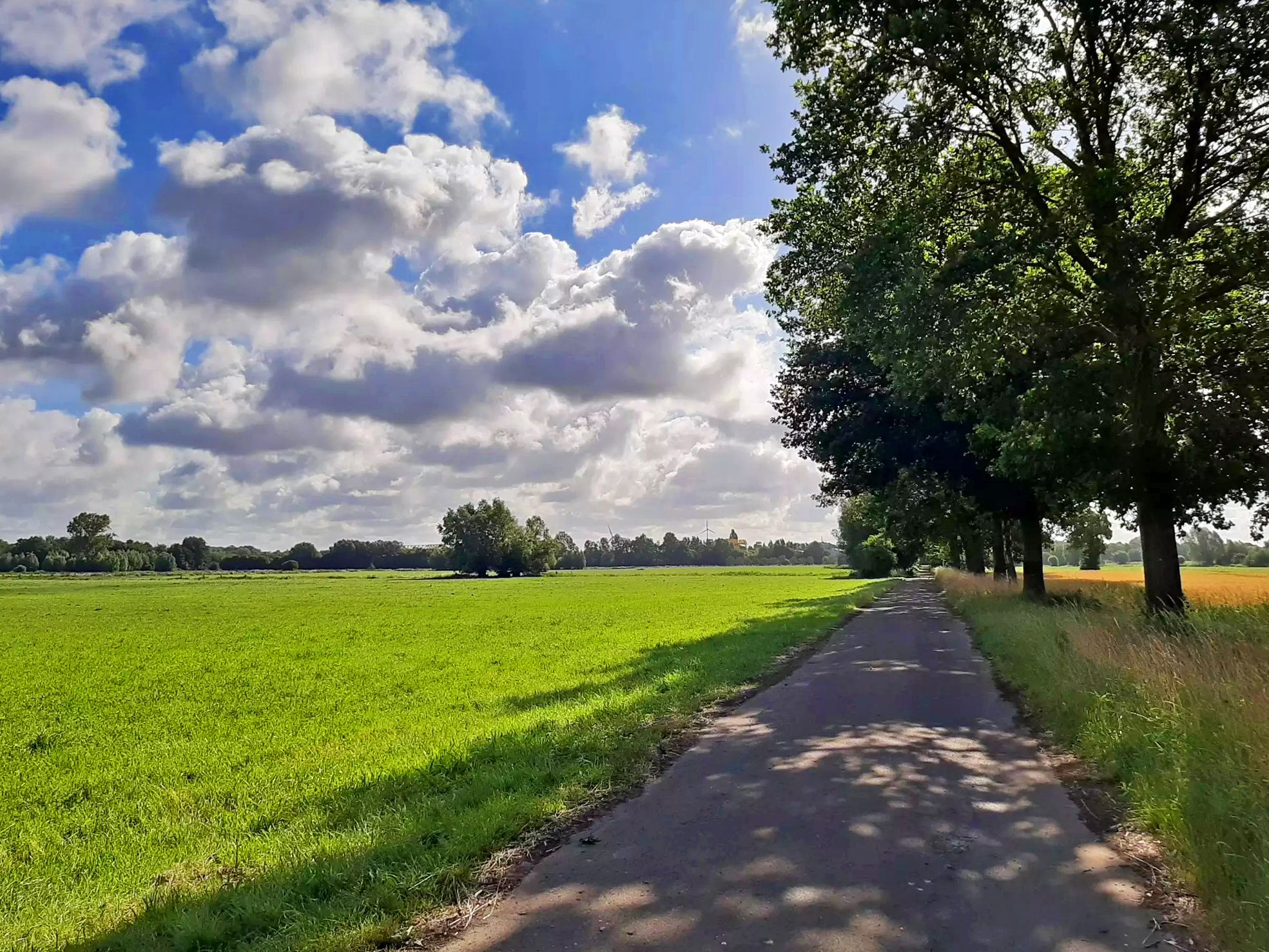
A beautiful and well-paved side road leads through this marked highlight without a lot of traffic. At its lowest point, you also cross the border between North Rhine-Westphalia and Lower Saxony. Coming from the west you first have a beautiful view over the landscape towards the south and can relax and roll into the small valley. There is gravel in the tight bends, so you shouldn't climb through there too quickly.
2
0

Somewhat bizarre and quite noticeable rock formation. Very nice corner.
0
0

Beautiful rocks and cliffs with fossils
1
0

Beautiful nature reserve with unique fossil finds. Easy to drive through with an all-terrain bike.
0
0

Just something completely different and unexpected ...
1
1
Frequently Asked Questions
What unique geological features or 'gorges' can I explore near Bünde?
While Bünde is known for its river valleys and rolling hills rather than grand canyons, you can discover impressive geological formations. The Doberg Cliffs are globally significant for their Oligocene fossil deposits, offering a glimpse into ancient marine environments. The Deep Stream Valley provides scenic views and a pleasant route, even crossing the border between North Rhine-Westphalia and Lower Saxony. You can also explore the Huntetal Valley, known for its descent towards the dinosaur tracks in Barkhausen.
What kind of hiking opportunities are available around the gorges near Bünde?
The region around Bünde, including the nearby Teutoburg Forest and Wiehengebirge mountains, offers diverse hiking options. You'll find paths ranging from easy, family-friendly routes along riverbanks to more challenging trails through wooded areas and rolling hills. Many trails provide access to the geological features like the Doberg Cliffs. For dog owners, there are specific dog-friendly hikes around Bünde.
Are there family-friendly options for exploring the natural areas around Bünde?
Yes, the natural areas around Bünde are generally very family-friendly. The scenic river valleys of the Else and Werre offer well-developed, accessible paths suitable for walking and cycling with children. The geological sites like the Doberg Cliffs can also be an educational and engaging experience for families interested in nature and fossils.
What is the best time of year to visit the gorges and natural features near Bünde?
The Doberg Cliffs are described as 'phenomenal in all seasons,' suggesting year-round appeal. Generally, spring and autumn offer pleasant temperatures for hiking and cycling, with vibrant foliage or blooming nature. Summer is also great for outdoor activities, while winter can provide a unique, quiet beauty, though some paths might be muddy or icy.
What makes the Doberg Cliffs so special?
The Doberg Cliffs are of worldwide scientific importance due to their complete sequence of Oligocene layers, providing insights into the region's geological past. They are rich in marine fossils, including ostracods and even the almost completely preserved skeleton of a manatee discovered in 1912, making it a significant paleontological site. It's a fascinating natural spectacle for those interested in geology and ancient life.
Can I find circular hiking trails that include these natural features?
Yes, many hiking routes in the Bünde area are designed as circular trails, allowing you to explore the natural beauty and geological sites efficiently. For example, there are easy circular routes like the 'Doberg Cliffs – Doberg Fossil Cliffs loop from Kirchlengern' or 'Bustedter Lake – Bustedter See loop from Doberg' which are part of the dog-friendly hikes around Bünde guide.
Are there places to eat or drink near the natural attractions around Bünde?
While specific cafes or pubs are not directly adjacent to every natural feature, Bünde itself offers various options for refreshments. The region's towns and villages often have local eateries and cafes where you can relax after your outdoor activities. You might find options in Bünde or nearby communities like Spenge, especially along popular cycling or hiking routes.
What other outdoor activities can I do near the gorges and valleys of Bünde?
Beyond hiking, the Bünde region is excellent for cycling, particularly along the well-developed paths of the Else and Werre river valleys. You can find various road cycling routes around Bünde, ranging from moderate to longer distances. The varied terrain also supports general nature walks and exploration of the expansive green meadows and wooded areas.
What should I know about parking when visiting the Doberg Cliffs?
Parking is generally available near popular natural sites like the Doberg Cliffs. While specific parking details for every trailhead aren't listed here, areas around Bünde are typically well-equipped for visitors. It's advisable to check local signage upon arrival for designated parking areas.
What kind of wildlife can I spot in the natural areas around Bünde?
The diverse landscape of rolling hills, woodlands, and river valleys around Bünde supports various local wildlife. While specific sightings depend on luck and time of day, you might encounter common woodland birds, small mammals, and insects. The Doberg Cliffs, being a site of scientific importance, are also part of a protected natural environment.
Are there any hidden gems or lesser-known natural spots worth visiting near Bünde?
While the Doberg Cliffs are a prominent feature, the region is dotted with smaller, charming natural areas. The Mergelkuhle (marl pit) is one such spot, though it has become quite overgrown. Exploring the numerous paths along the Else and Werre rivers can also lead to peaceful, less-trafficked spots showcasing the region's quiet natural beauty.
Most popular routes around Bünde
Most popular attractions around Bünde

Get inspired with the komoot mobile app


Explore more
Already discovered everything in this region? See additional gorges around Bünde for your next adventure:
