The 4 Most Amazing Peaks around Stemwede
Best mountain peaks around Stemwede are found within the Stemweder Berg, a ridge that marks the northernmost extension of Germany's Central Uplands. This region, though largely flat with an average altitude of 41 meters, features prominent hills that offer natural beauty and recreational opportunities. The Stemweder Berg stretches about 7 kilometers, providing a peaceful environment with rolling hills. It is a significant geological feature, serving as the last elevation before the vast North German Plain.
Best mountain peaks around Stemwede
…Last updated: May 30, 2026
Limberg Castle Keep
Highlight • Castle
Schwarzer Brink
Highlight • Summit
Translated by Google •
Tip by

Sign up now to discover places like this
Get recommendations on the best single tracks, peaks, & plenty of other exciting outdoor places.
Sign up for free
Meesenkopf Summit and Meesenburg Ruins
Highlight • Summit
History:
The Meesenburg is located on the 225.8 m high Mesenkopf south of the city of Lübbecke. Count Otto I von Tecklenburg (1209-1263) is considered to be the client. …
Translated by Google •
Tip by

Kahle Wart
Highlight (Segment) • Summit
Translated by Google •
Tip by

Babel
Highlight • Summit
Translated by Google •
Tip by

Sign up for free to discover even more peaks around Stemwede.
Sign up for free
Already have an account?
Start today with a free account
Your next adventure awaits.
Login or Signup
Popular around Stemwede
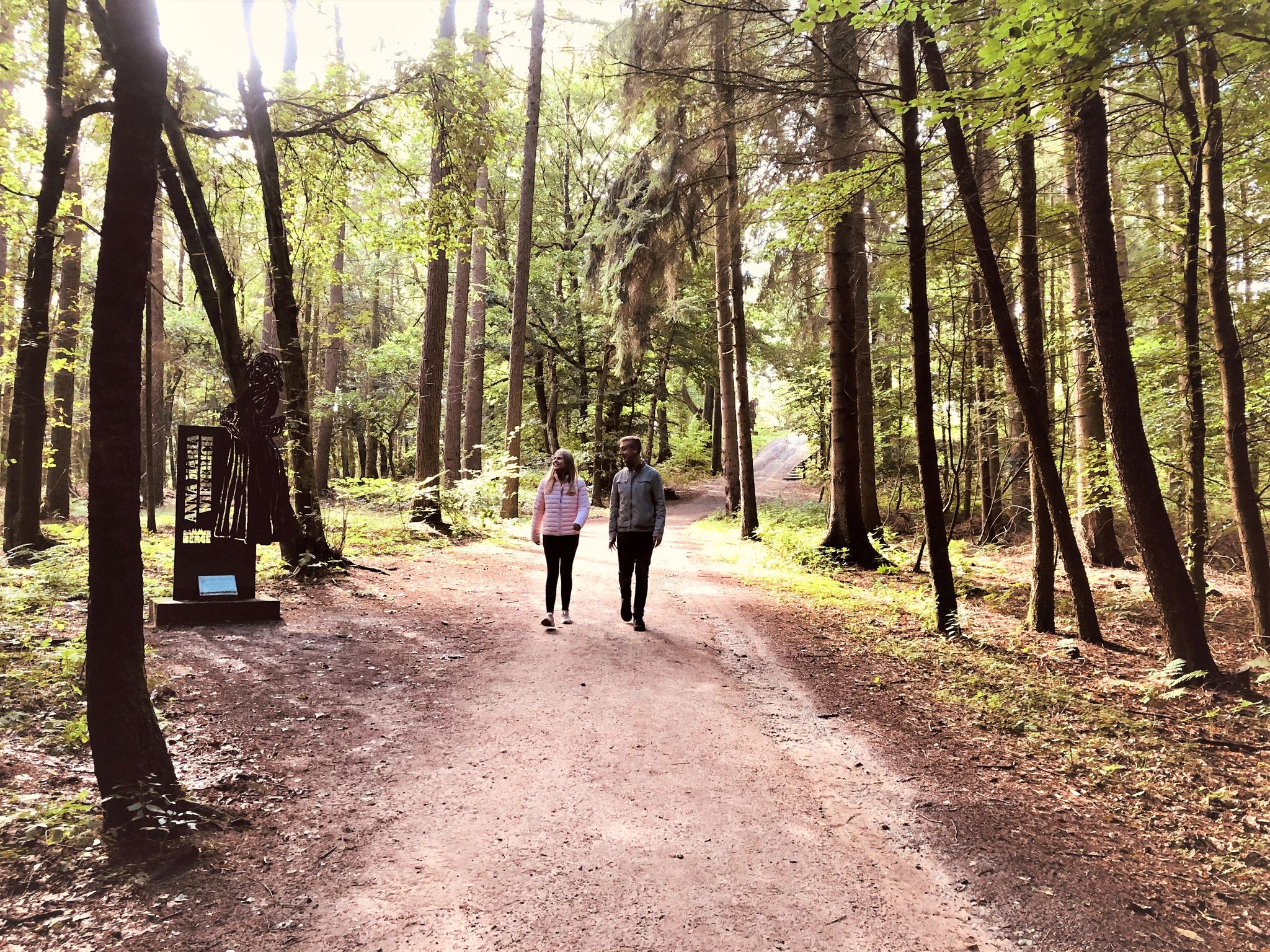
The most beautiful hiking routes in DümmerWeserLand
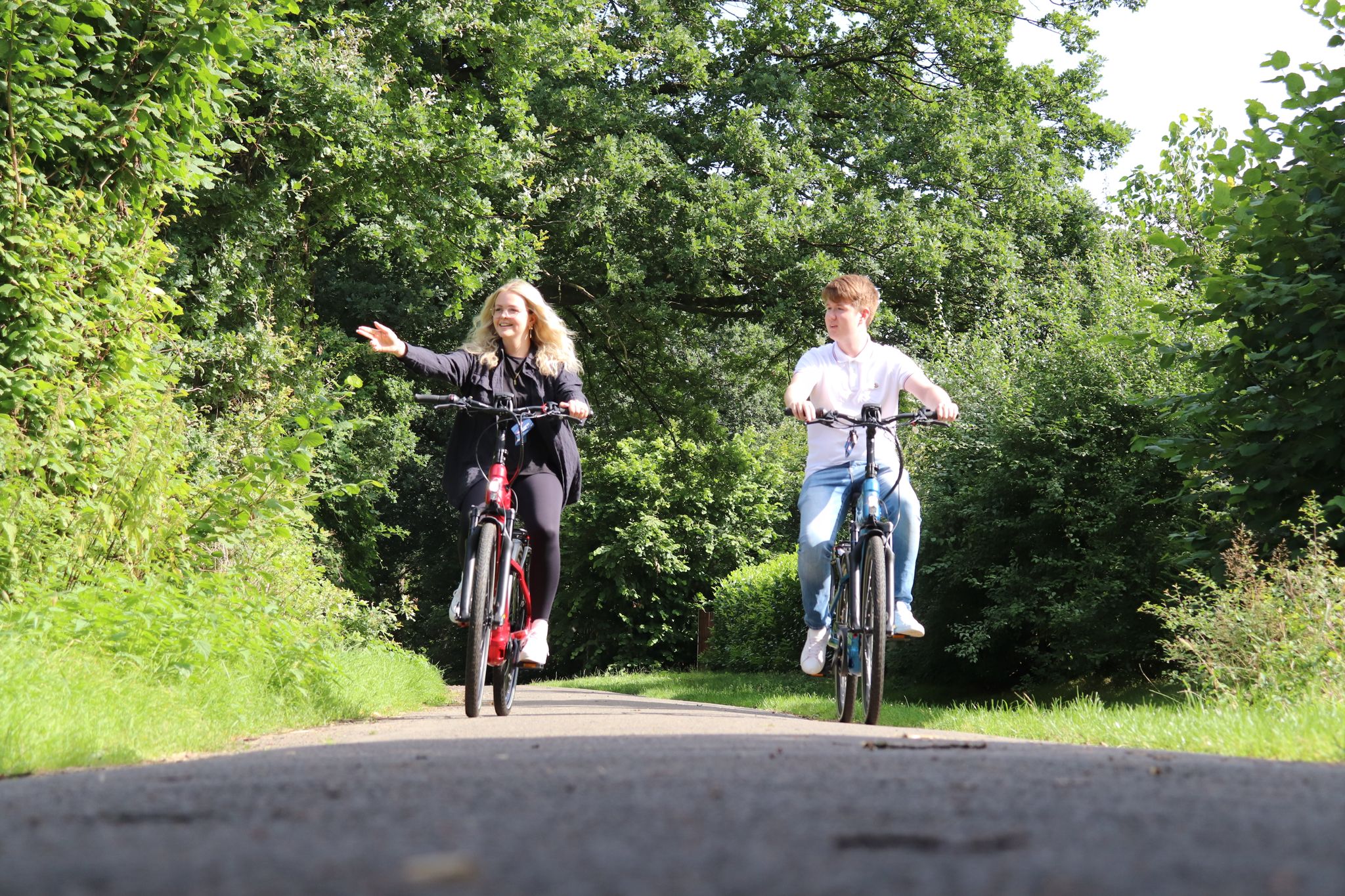
Best Loops in the DümmerWeserLand Cycling Region
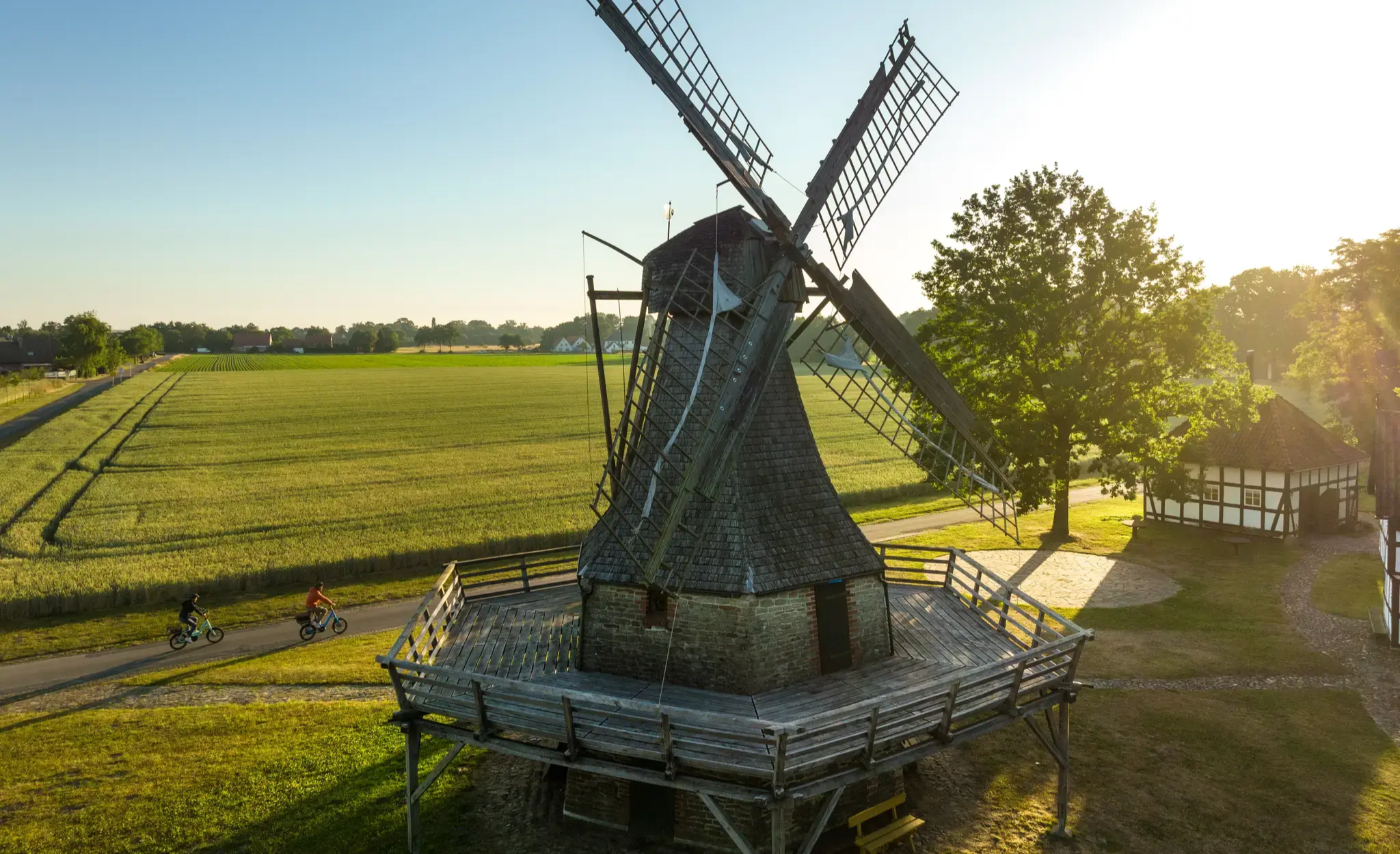
Follow the rustling, follow the clattering - Mill route in Ostwestfalen-Lippe
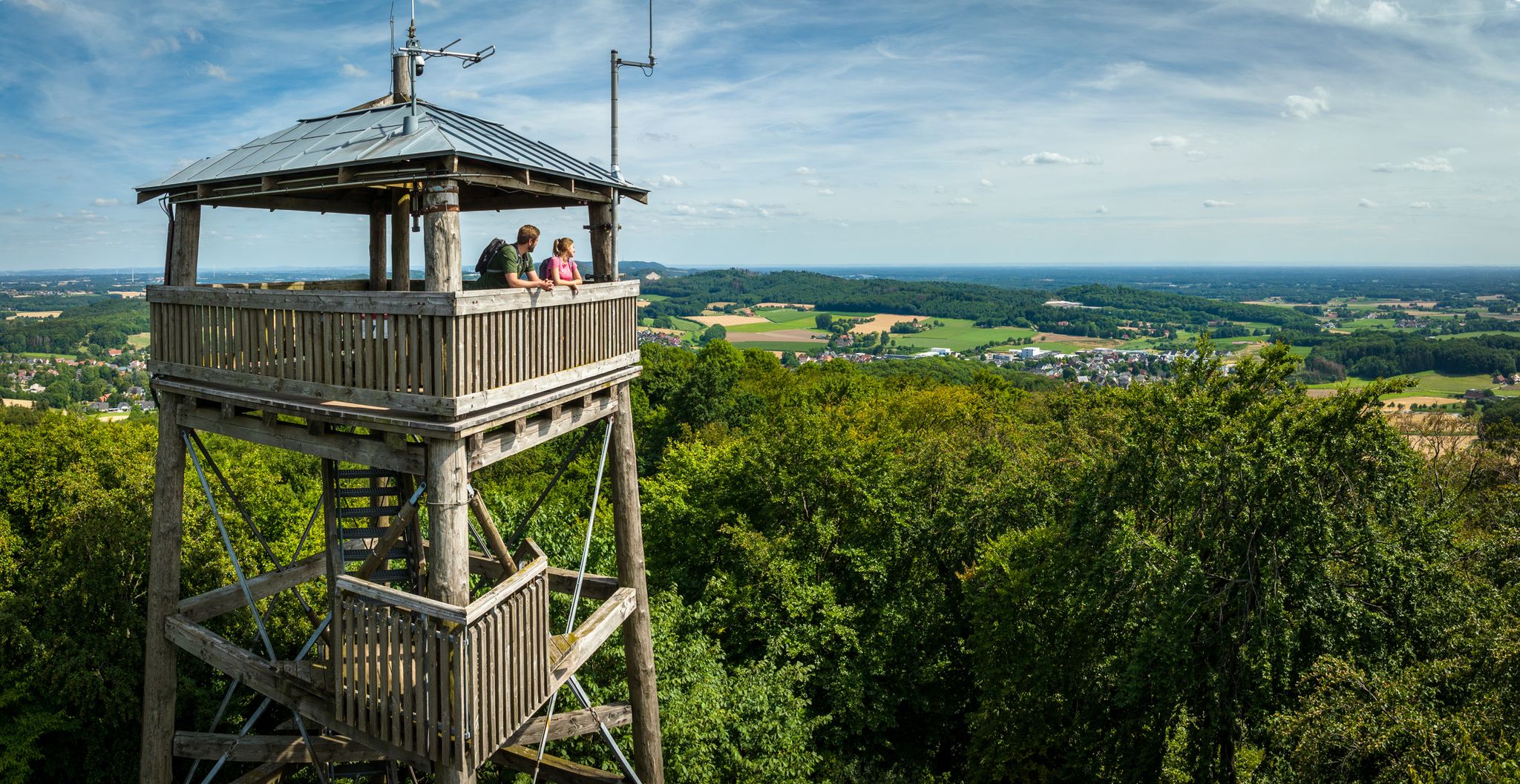
Grüne Wege statt Rote Ampeln – Aktive Auszeit im Teutoburger Wald
Hiking around Stemwede
Cycling around Stemwede
Road Cycling Routes around Stemwede
Running Trails around Stemwede
MTB Trails around Stemwede
Gravel biking around Stemwede
Other adventures around Stemwede


Tips from the Community

Here you can relax for a while and hide from the bad weather in the hut. There are garden benches, tables and a small grill. There is also a parking space if you want to leave your car there.
0
0

Limberg Castle looks back on a long and eventful history. It was probably founded in Widukind's time and was owned by the Bishop of Minden 1000 years ago. Limberg Castle has only been officially documented since 1319 and was owned by the Counts of Ravensberg and was one of the four border castles in the Ravensberg region, of which the Sparrenburg in Bielefeld is probably the most famous. The count's house died out in 1346, but the county of Ravensberg remained for a long time under the heirs of the House of Jülich-Berg. The castle changed hands several times, and their names are often found in the region (von dem Bussche, Schloen, Gesmold or Ledebur). Of course, there were also some border disputes. The castle, which has since fallen into disrepair, was approved for demolition in 1695, so that the foundations can still be seen today. Only the keep was preserved and was actually used as a prison for some time. Today, it is the keep that is the most striking feature of the ruins of Limberg Castle. If you like, you can borrow a key from the tourist information office. Despite the fact that most of the castle has disappeared, they really make every effort to present the castle ruins in the best possible way. The grounds are not only extremely well maintained, but are also well signposted. The castle's eventful history alone is described on 4 information boards. There is also further information on the various parts of the building. 2 very interesting audio contributions can also be accessed via QR code! And all of this in a comfortable rest area! There are many castle ruins in this region, but for me, Limberg Castle is always one of the most beautiful due to its state of preservation and atmosphere! Just relax and take in the long history of the castle. PS: In the guest house you can see a model of the castle complex, showing how it is supposed to have looked in its full size.
4
0

Popular excursion destination with hiking car park and rest area
0
0

The ascent from the other side is a challenge, but then the descent is really fun! The Kahle Wart is 263 meters high.
2
0

Great vantage point and quiet summit with a small "refuge" with a bench. There is also a small Germanic rampart on the summit. Here you can relax and unwind with a view of Lübbecke and the north German lowlands :-)
0
0

Meesenburg History: The Meesenburg is located on the 225.8 m high Mesenkopf south of the city of Lübbecke. Count Otto I von Tecklenburg (1209-1263) is considered to be the client. It was built in the period before 1221, probably around 1213. The Counts of Tecklenburg owned extensive property north of the Wiehengebirge. The bishops of Minden and Osnabrück conquered and destroyed the castle shortly after it was built, presumably around 1213. The more recent Minden bishops' chronicle notes that their stones were used in the construction of the St. Andreas church in Lübbecke. (Andreas Kamm) Building development: The hill fort was destroyed in 1216 by the bishops of Minden and Osnabrück. There are no further references to the building history of the high medieval dynasty castle. (Andreas Kamm) Building description: The complex consists of two artificial elevations with a surrounding ditch, especially visible on the east side. The castle apparently had a long, round shape. The size of the main castle is around 20 x 20 m, that of the western outer bailey around 16 x 16 m. In the steep slope of the Wiehengebirge there is only a partial moat on the south side of the main castle recognizable. (Andreas Kamm, Stefan Eismann) (Source: EBIDAT - The Castle Database)
0
0

Very, very great castle ruins - worth a visit!
1
0

The street runs through a residential area. From the end of the street there is a nice view of Bad Holzhausen.
1
0
Frequently Asked Questions
What makes the mountain peaks around Stemwede unique?
The peaks around Stemwede are part of the Stemweder Berg, a ridge that represents the northernmost and smallest extension of Germany's Central Uplands. While not towering mountains, these elevations, like the Stemweder Berg itself, offer a peaceful environment with rolling hills and are significant geological features before the vast North German Plain.
What are some of the most notable elevations in the Stemweder Berg region?
The highest point in the Stemweder Berg is the Kollwesshöh, reaching 181.4 meters. Other notable elevations include Scharfer Berg (180.1 m), Schlichter Brink (approx. 170 m), Rauher Berg (167.8 m), and Wegmannsberg (160.5 m). These offer gentle, rolling topography for exploration.
Are there any historical sites or ruins among the peaks?
Yes, the region features historical sites. For instance, Limberg Castle Keep is part of a formerly large castle complex dating back to the 13th century. Today, it offers a well-maintained rest area, information boards, and the keep itself is a striking feature of the ruins. Another historical site is the Meesenkopf Summit and Meesenburg Ruins, which was a hill fort destroyed in the 13th century.
Where can I find the best viewpoints in the Stemwede area?
For panoramic views, visit the Highest Point of the Dielinger Kreis, where you can see views extending to the Dümmer in the north and the Wiehengebirge in the south. Another great spot is Babel, which offers views of Bad Holzhausen, the valley of the Große Aue, and the Lübbecker Land.
Are there family-friendly trails or peaks suitable for children?
Yes, the Babel summit is noted as family-friendly, offering a pleasant experience for visitors of all ages. The gentle, rolling hills of the Stemweder Berg generally provide accessible terrain for family outings.
What outdoor activities can I do near these mountain peaks?
The region around Stemwede offers various outdoor activities. You can explore numerous running trails, including challenging routes like the 'View of Lemförde – View of the Stemweder Berge loop'. For cyclists, there are many cycling routes and road cycling routes, such as the 'Schloss Benkhausen – View of the Stemweder Berge loop'.
Are there hiking trails near the peaks, and what are their difficulty levels?
Yes, there are many hiking opportunities. For example, the Schwarzer Brink summit is located in a forest with a rest area directly adjacent to a hiking car park, making it a good starting point. The 'Stemweder Berg Forest Trails' running loop is rated as difficult, while many cycling routes are easy to moderate, suggesting a range of hiking difficulties depending on the specific path chosen.
Where can I park when visiting the peaks?
A convenient option for hikers is the car park near Schwarzer Brink. This hiking car park is located on the main road to Preußisch Oldendorf, providing direct access to the area of the Wiehengebirge between Preußisch Oldendorf and Börninghausen.
What is the best time of year to visit the Stemweder Berg?
The Stemweder Berg, with its gentle, rolling hills and natural beauty, is enjoyable throughout the year. Spring and autumn offer pleasant temperatures for hiking and cycling, with vibrant foliage or blooming nature. Summer is ideal for longer days outdoors, while winter can provide a serene, quiet landscape, though some trails might be more challenging depending on conditions.
What do visitors particularly enjoy about the peaks around Stemwede?
Visitors appreciate the tranquil escape offered by the Stemweder Berg's serene landscape and unique geological characteristics. The well-maintained historical sites like Limberg Castle Keep, the panoramic views from various summits, and the variety of hiking and cycling trails are frequently highlighted. The area is also valued for its peaceful environment and opportunities for relaxation in nature.
Can I find places to rest or take a break during my visit?
Yes, several spots offer rest areas. Limberg Castle Keep has a well-kept rest area with information boards. Similarly, Schwarzer Brink features a rest area directly adjacent to a hiking car park, perfect for a break after an ascent. The Meesenkopf Summit also has a small 'refuge' with a bench.
Is the Stemweder Berg part of a larger nature park?
Yes, the Stemweder Berg area is part of the Dümmer Nature Park. This designation highlights its natural beauty and the efforts to preserve its unique environment, offering visitors a chance to explore an idyllic natural landscape.
Most popular routes around Stemwede
Most popular attractions around Stemwede

Get inspired with the komoot mobile app


Explore more
See even more amazing summits around Stemwede with these guides:
