The 8 Most Amazing Peaks in Costa Rica
Mountain peaks in Costa Rica offer diverse landscapes, from active volcanoes to high-altitude cloud forests. The country's mountainous terrain is characterized by its volcanic chain, which runs through the center, and the Talamanca Range in the south. These elevated regions provide varied ecosystems and opportunities for exploration. Costa Rica's peaks are integral to its natural heritage, supporting unique flora and fauna.
Best mountain peaks in Costa Rica
- The most popular mountain peaks is Main Crater of Irazú Volcano, a…
Last updated: August 5, 2026
Main Crater of Irazú Volcano
Highlight • Volcano
Translated by Google •
Tip by

Cerro Chirripó Summit
Highlight • Summit
Tip by

Sign up now to discover places like this
Get recommendations on the best single tracks, peaks, & plenty of other exciting outdoor places.
Sign up for free
Cerro Amigo Summit
Highlight • Summit
Translated by Google •
Tip by

The Cross of Escazú
Highlight (Segment) • Summit
Tip by

View from the summit of Cerro Tortuguero
Highlight • Viewpoint
Translated by Google •
Tip by

Entrance to Braulio Carrillo National Park – Volcán Barva Sector
Highlight • Rest Area
Translated by Google •
Tip by

Cerro Terbi (3,760 m)
Highlight • Summit
Tip by
Cerro La Asunción Trailhead
Highlight • Trail
Translated by Google •
Tip by

Crestones Peak
Highlight • Natural Monument
Tip by
The End of the Cajón
Highlight • Summit
Translated by Google •
Tip by

Sign up for free to discover even more peaks in Costa Rica.
Sign up for free
Already have an account?
Start today with a free account
Your next adventure awaits.
Login or Signup


Tips from the Community

The entrance to the jungle descent is located to the left of the modern building and leads past an old building/ruin directly into the forest.
0
0

Volcan Barva: Volcán Barva, nestled within Braulio Carrillo National Park, offers a captivating escape into Costa Rica's cloud forest. Hike diverse trails leading to pristine crater lakes and panoramic viewpoints. Discover an incredible array of wildlife, from quetzals to monkeys. It's an ideal destination for nature lovers seeking tranquility and stunning natural beauty, just a short drive from San José.
0
0

Tickets can be purchased through the SINAC website. You must present an ID (cédula for Costa Ricans); otherwise, you will not be allowed to enter the park. Pets are not allowed. Bike parking is available. Park staff are extremely friendly and helpful. You can leave your vehicle in a parking lot 2 km before the entrance for ¢3,000 for the entire day, and then walk from there. You can reach the park by all-wheel drive vehicle or mountain bike.
0
0

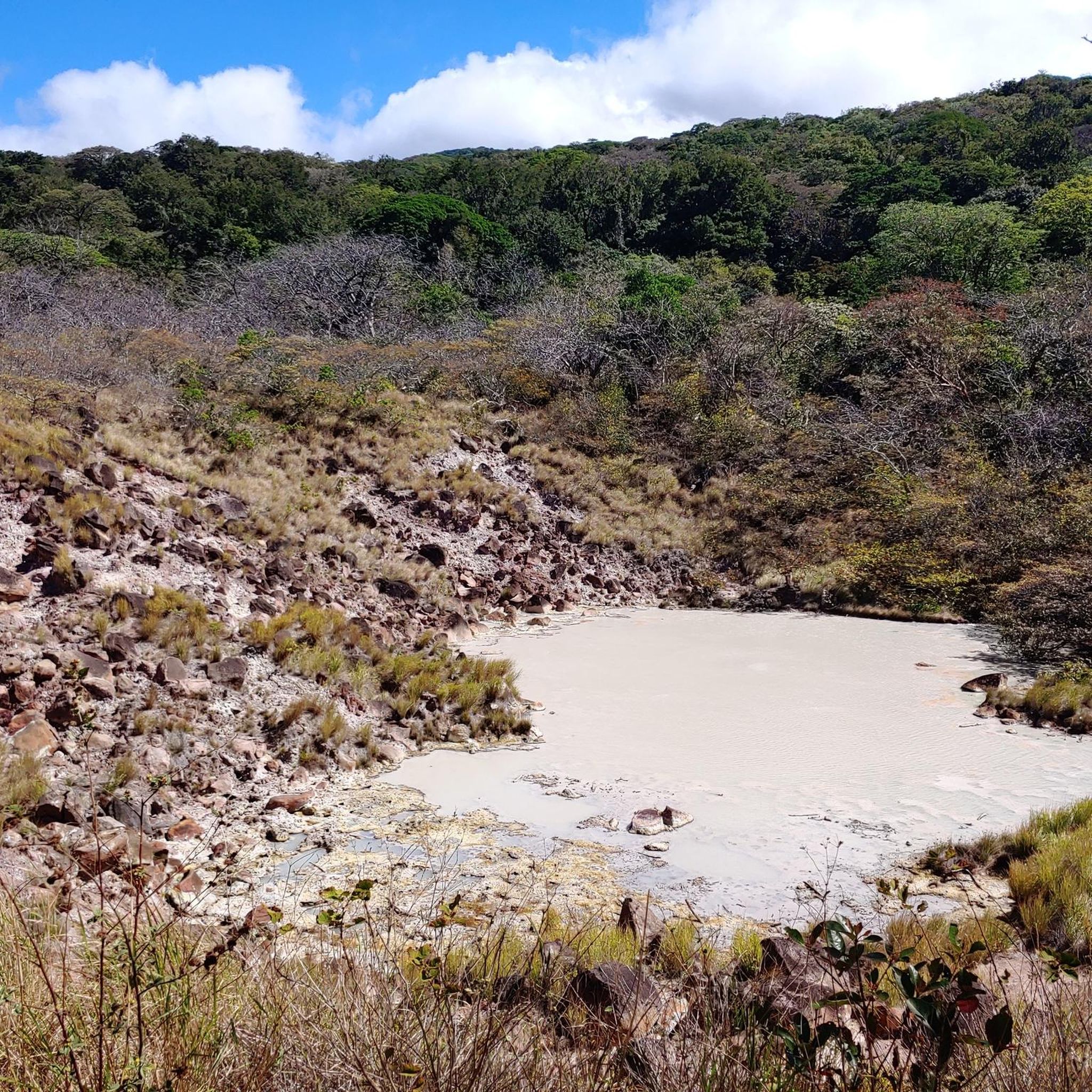
A very beautiful viewpoint. We used the short circular trail to acclimatize/prepare for Cerro Chirripó, as you're at a very high altitude. Due to the altitude, it can be chilly and windy; we were there in April, and a sweater was sufficient. I can definitely recommend visiting the volcano in the morning. Between 8 and 10 a.m., there are hardly any people there, and the sky is usually still clear at this time. Clouds usually move up the mountain from mid-morning onward. The view is magnificent; however, the turquoise lakes aren't visible during the dry season; they're probably only full during the rainy season. There's a small restaurant that leaves nothing to be desired; all in all, it's fantastic.
0
0

A parking space is also a real highlight for some people. Stop, turn off the engine and park. If you like that, as long as you don't start the engine again
1
0

Very windy but beautiful.
1
0
The entire route is uphill, with few and small flat routes. It requires good condition and many, many desire to arrive xD ... But with time and patience it is achieved
2
0

After about 400 steps you have reached the summit of the extinct volcano and thus the highest elevation in the surrounding area. The view of the Tortuguero National Park and the Caribbean coast is terrific.
3
0
Frequently Asked Questions
Which mountain peaks in Costa Rica offer the most breathtaking views?
For unparalleled panoramic views, consider visiting Cerro Chirripó Summit, where on a clear day, you can see both the Pacific Ocean and the Caribbean Sea. Similarly, the Main Crater of Irazú Volcano also offers rare views of both oceans from its summit. The View from the summit of Cerro Tortuguero provides terrific views of Tortuguero National Park and the Caribbean coast.
What are the most challenging mountain climbs in Costa Rica?
The most challenging climb is undoubtedly Cerro Chirripó Summit, the highest point in Costa Rica. It involves a physically demanding multi-day hike through Chirripó National Park. The highlight 'The End of the Cajón' is also categorized as challenging.
Are there any active volcanoes I can visit in Costa Rica?
Yes, Costa Rica is home to several active volcanoes. You can visit Volcán Poás, known for its large, often turquoise, sulfuric acid lake, and Volcán Irazú, the tallest volcano in Costa Rica with five distinct craters. Volcán Turrialba is another active option, offering a more rugged experience with fewer crowds.
What unique natural features can I expect to see on Costa Rica's mountain peaks?
Costa Rica's mountain peaks boast diverse natural features. On Cerro Chirripó, you'll find dramatic 'crestones' (rock formations), glacial formations like U-shaped valleys, and páramo ecosystems. Volcán Poás and Volcán Irazú feature stunning crater lakes, often with vibrant turquoise colors. Cerro de la Muerte is characterized by misty cloud forests and high-altitude páramo.
What is the best time of year to hike in Costa Rica's mountains?
The optimal time for hiking in Costa Rica's mountains, especially for peaks like Cerro Chirripó, is during the dry season (typically December to April). During this period, paths are less muddy, and there's a higher chance of clear skies for summit views. In the rainy season, trails can be very muddy, and fog often obscures views.
Do I need permits or reservations to access certain mountain peaks or national parks?
Yes, for challenging ascents like Cerro Chirripó Summit, a permit is required as only a limited number of people are allowed in Chirripó National Park. The ranger station is located in San Gerardo de Rivas, which is the starting point for the tour. It's advisable to check specific park regulations for other national parks like Volcán Poás and Volcán Irazú as well.
What kind of wildlife can be spotted in Costa Rica's mountain regions?
The diverse ecosystems of Costa Rica's mountains support a variety of wildlife. On Cerro Chirripó, you might spot quetzals, tapirs, and even jaguars. Cerro de la Muerte is particularly renowned as a birdwatching paradise, famous for sightings of the resplendent quetzal. Cloud forests found in areas like Volcán Poás and Volcán Turrialba also host unique flora and fauna.
Are there any family-friendly mountain hikes near San José?
Volcán Poás is a great option for families, as it's located just 37 kilometers north of San José and requires minimal hiking to reach the main crater viewpoint via a paved, wheelchair-accessible path. The Botos Trail to Botos Lake is also a tranquil option within the park. Volcán Irazú is also easily accessible by car from San José, making it a convenient day trip.
What outdoor activities can I do near Costa Rica's mountain peaks?
Beyond hiking and mountaineering, the regions around Costa Rica's mountain peaks offer various outdoor activities. You can find diverse cycling routes, ranging from easy to difficult, as detailed in the Cycling in Costa Rica guide. There are also numerous waterfall hikes, which you can explore in the Waterfall hikes in Costa Rica guide.
What should I pack for a hike in Costa Rica's mountains?
Given the high altitudes and variable weather, it's essential to pack appropriately. For peaks like Irazú, which is over 3,400 meters high, make sure to bring rain gear and warm clothing. For multi-day hikes like Cerro Chirripó, a separate sleeping bag is advisable, as temperatures can drop significantly at base camps.
Can I see both the Pacific and Atlantic Oceans from any mountain peak?
Yes, on exceptionally clear days, both the Pacific Ocean and the Caribbean Sea can be seen simultaneously from the summit of Cerro Chirripó Summit. The Main Crater of Irazú Volcano also offers this rare panoramic view on clear days.
Where can I find hiking trails near mountain peaks in Costa Rica?
Many mountain peaks are within national parks or protected areas that feature marked trails. For instance, the Prusia sector of Volcán Irazú National Park offers additional hiking trails. You can find a variety of routes, including moderate mountaineering loops and challenging trails, by checking the Mountain Hikes in Costa Rica guide.
Most popular routes in Costa Rica
Most popular attractions in Costa Rica

Get inspired with the komoot mobile app


Didn’t find what you were looking for?
Discover Costa Rica’s best peaks and summits by region:
Explore more
See even more amazing summits in Costa Rica with these guides:
