Top 20 Lakes in Greece
Best lakes in Greece offer diverse landscapes and ecosystems across the country's varied geography. From mountainous regions to coastal areas, Greece features both natural and artificial lakes. These bodies of water contribute to the country's natural heritage, providing habitats for various flora and fauna. The lakes are integrated into the surrounding environment, often near historical sites or traditional villages.
Best lakes in Greece
- The most popular lakes is Polylimnio Waterfalls, a waterfall that features a cascade of waterfalls with pools. This area is known for its hike along the creek bed with small lakes and waterfalls.
- Another must-see spot is Balos Lagoon, a beach and lake area. Visitors can expect one of the most notable beaches, known for its natural beauty.
- Visitors also love Korission Lake, a lake and natural monument. This nature reserve is the island's largest wetland and is important for its bird diversity.
- Greece is known for its natural, artificial, and wetland lakes. These include high-altitude lakes, coastal lagoons, and thermal spa lakes, offering a variety of environments to explore.
- The lakes in Greece are appreciated by the komoot community, with more than 390 upvotes and over 240 photos shared by visitors.
Last updated: October 12, 2026
Lake Kournas
Highlight • Lake
Translated by Google •
Tip by

Lake Votomos
Highlight • Lake
Many different hiking tours can be started from there and strengthened before or after in the tavern by the lake.
Translated by Google •
Tip by

Sign up now to discover places like this
Get recommendations on the best single tracks, peaks, & plenty of other exciting outdoor places.
Seven Springs (Epta Piges)
Highlight • Natural Monument
To a restaurant located between plane trees you climb a watercourse through dense forest with free-roaming peacocks. From there you can walk through the 186 m long, dark tunnel through ankle-high water to the other side of the hill, where you will step outside at the spring pond. Bathing in this pond is not permitted as it is a drinking water protection area.
Source: Wiki
Translated by Google •
Tip by

Polylimnio Waterfalls
Highlight • Waterfall
Have already made some difficult tours in the Alps and think to be able to judge the difficulty of a hike.
Translated by Google •
Tip by

Balos Lagoon
Highlight • Beach
Translated by Google •
Tip by

Beach at Lake Kournas
Highlight • Beach
Translated by Google •
Tip by

Elafonissi Pink Sand Beach
Highlight • Beach
Elafonisi’s sand is pink. ✔️
It’s one of the most beautiful beach I’ve ever seen. ✔️
And pictures won’t give it justice. ✔️
Tip by

Lake Voulismeni
Highlight • Lake
The eastern side is very touristy with many restaurants.
Up from the cliff you have a nice view over the lake and the town.
When large cruise ships are in port, they tower over the houses.
You can walk around the lake, partly over stairs.
Numerous stories and legends surround the lake. It was the seaside resort of the Greek goddess Athena, is said to be connected underground with Santurin, departing German troops are said to have sunk their weapons in it, a truck should have driven into it and its depth is between 64 meters and infinity. Jacques-Yves Cousteau is said to have found no evidence for anything during a dive in the lake.
The fact is that it is a freshwater lake that was connected to the sea in 1870.
Translated by Google •
Tip by

Alikes Salt Lake (Kos)
Highlight • Lake
Otherwise, a stagnant and shallow waters. Thousands of fish live in the inlet between the sea and the sea, some of them already dead due to the high salt content and the growing shortage of oxygen.
Due to this "food supply" various birds aggravate the water quality even more by their feces. In bad wind direction, unfortunately, a smell nuisance.
Only a few decades ago salt was produced here in a saline. There are still some ruins.
Translated by Google •
Tip by

Korission Lake
Highlight • Lake
Translated by Google •
Tip by

Sign up for free to discover even more lakes in Greece.
Already have an account?
Start today with a free account
Your next adventure awaits.
Popular around Greece
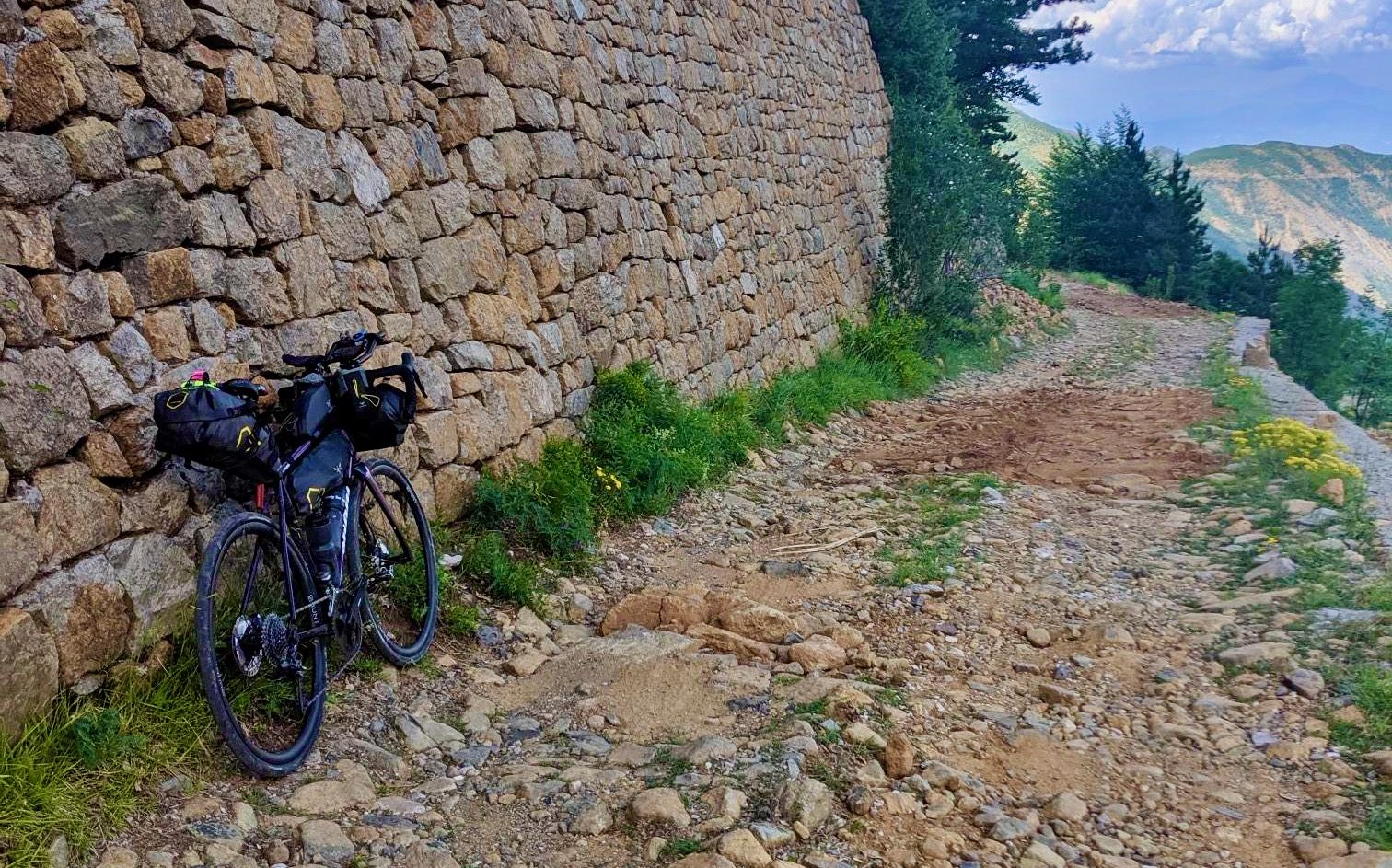
Traversing the Dinaric Alps — bikepacking from the mountains to the sea
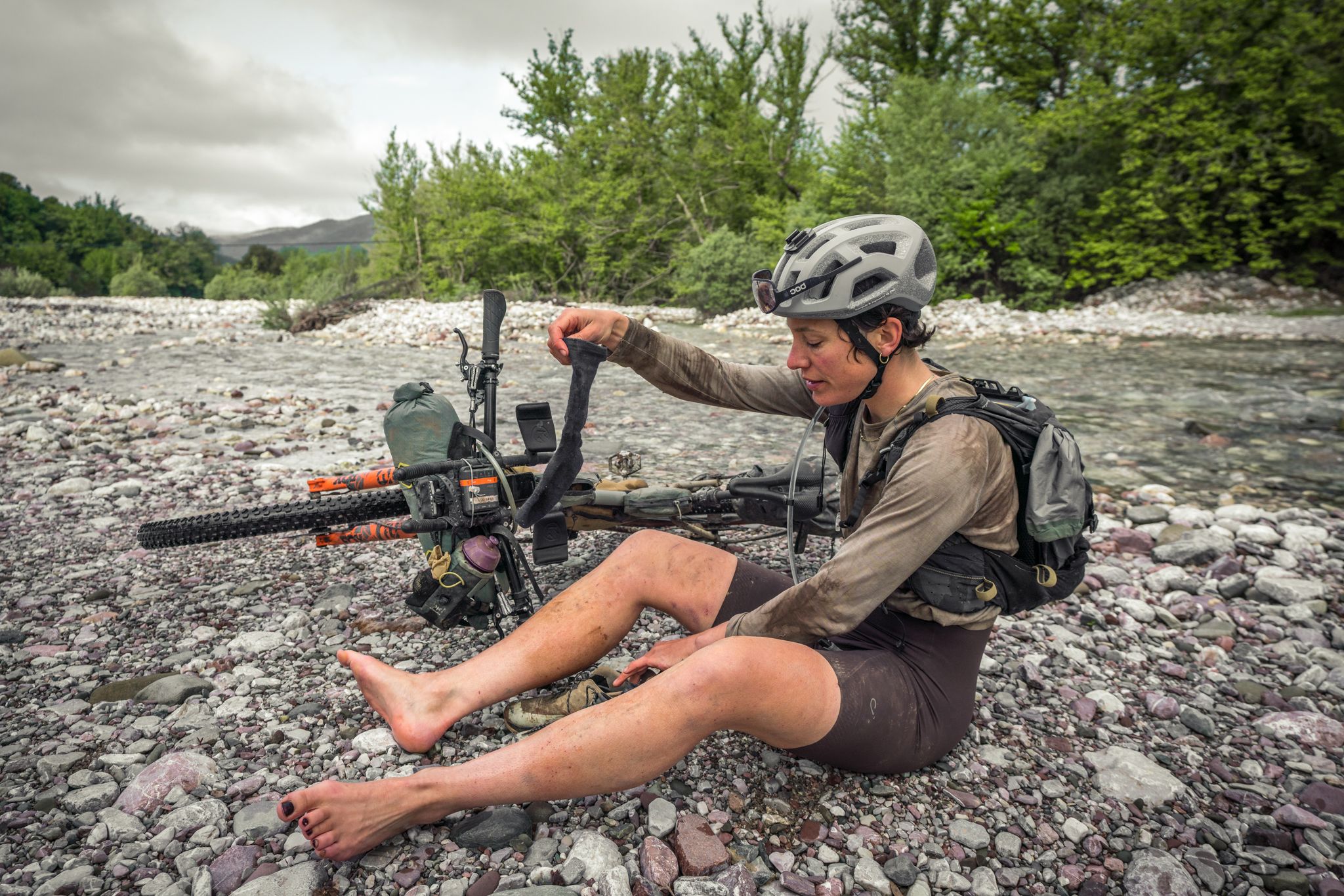
Hellenic Mountain Race — Bikepacking through the Greek mountains
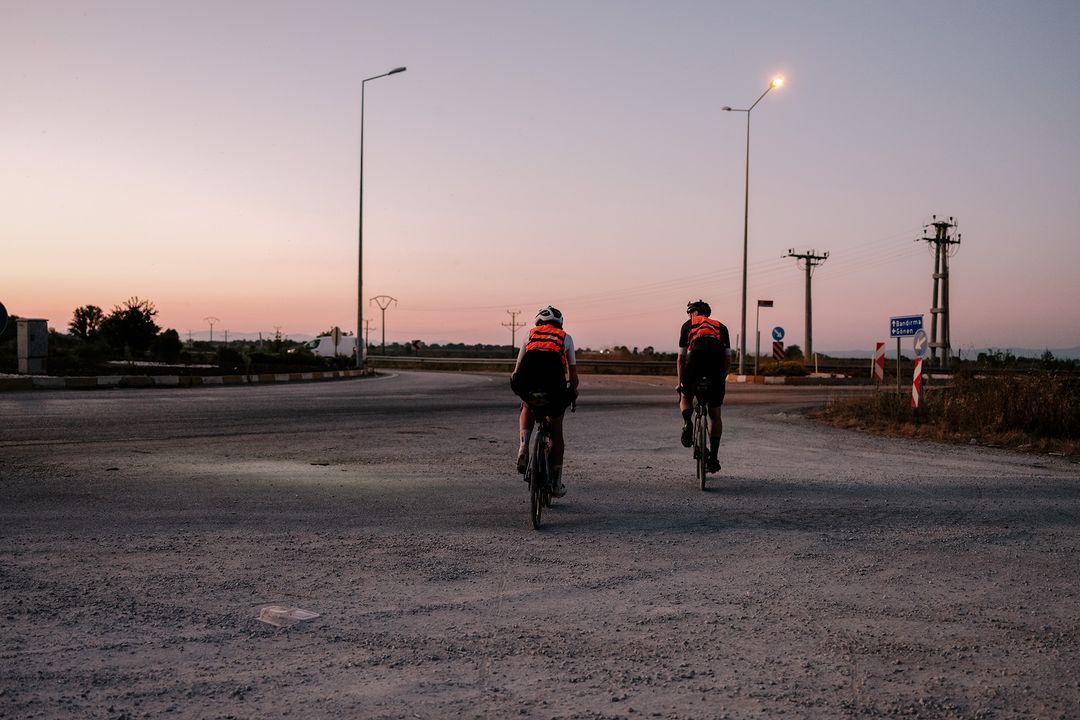
Transcontinental Race No10: crossing Europe from France to Turkey
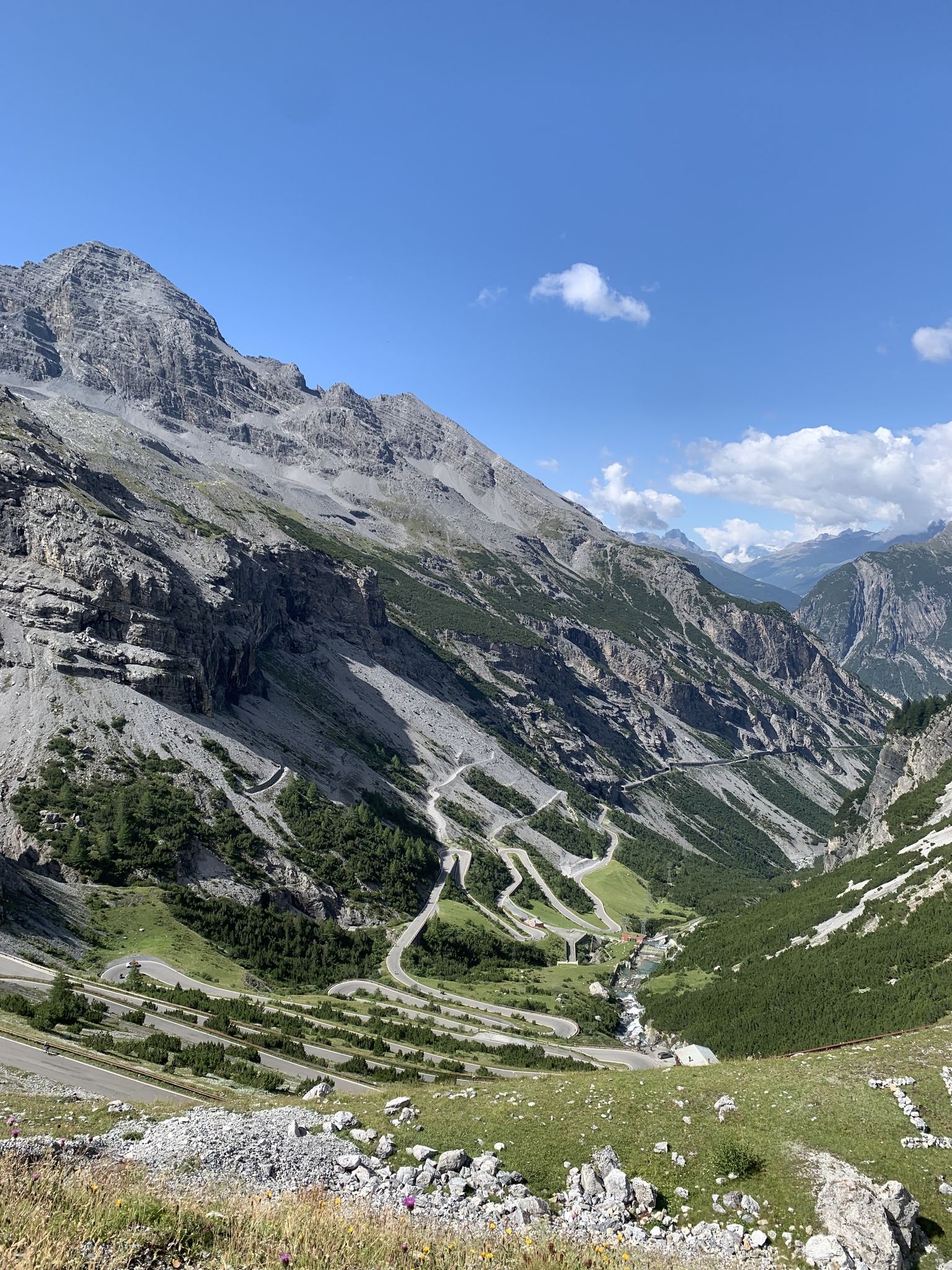
Transcontinental Race No9 2023
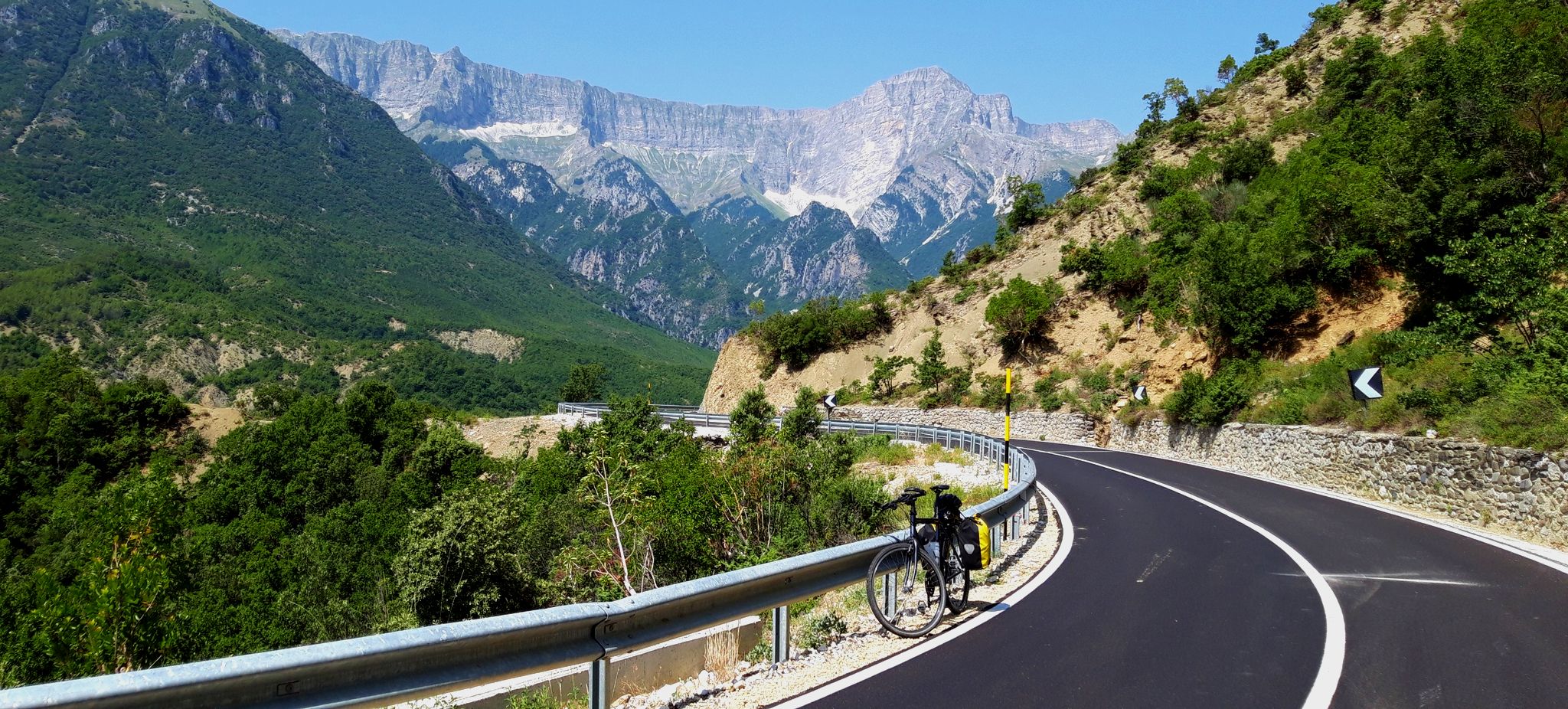
Balkan cycling adventure – Dubrovnik to Corfu
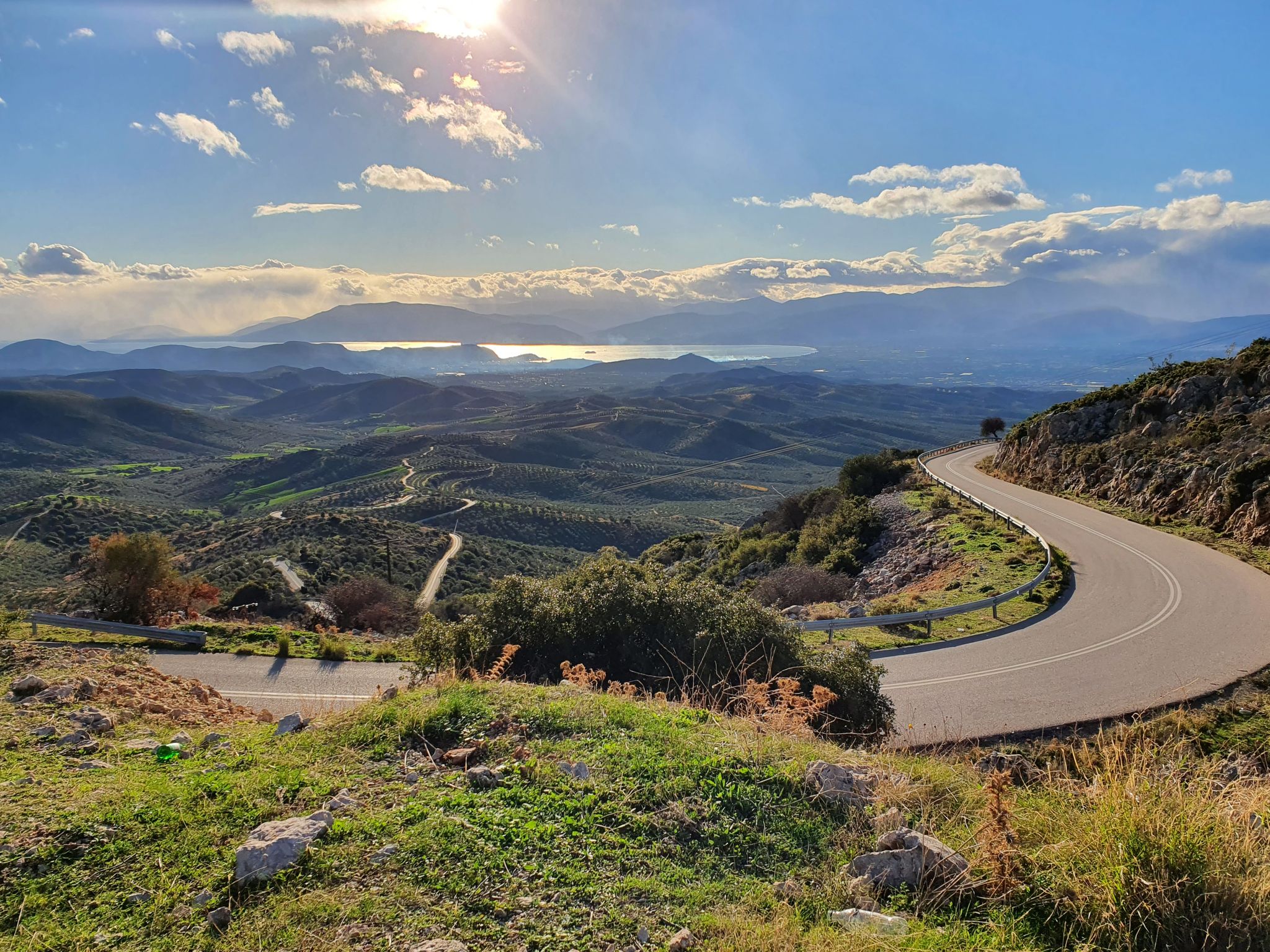
Road cycling in Greece — Athens and the Peloponnese
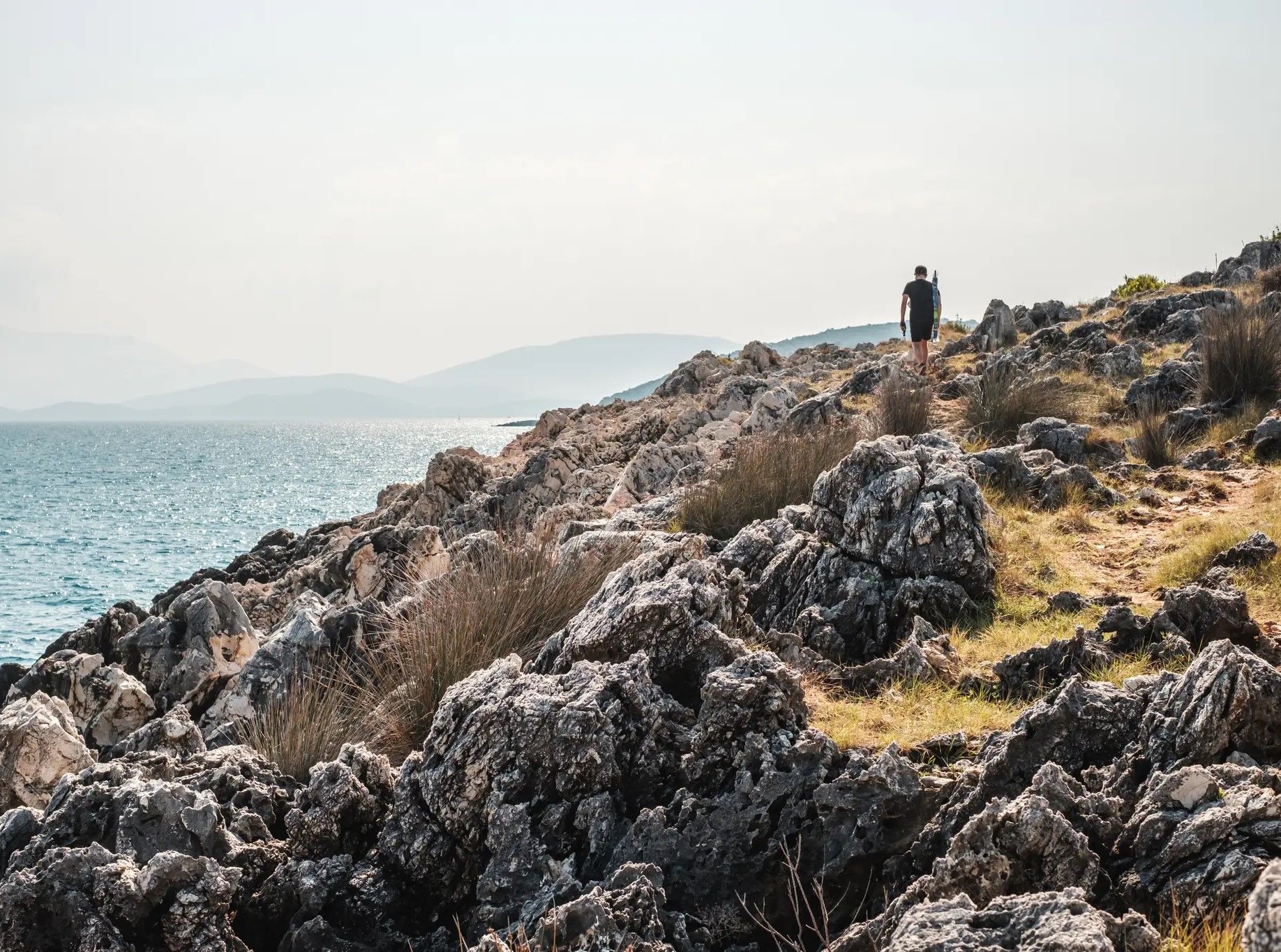
Olive groves and rocky coasts – hikes on Corfu
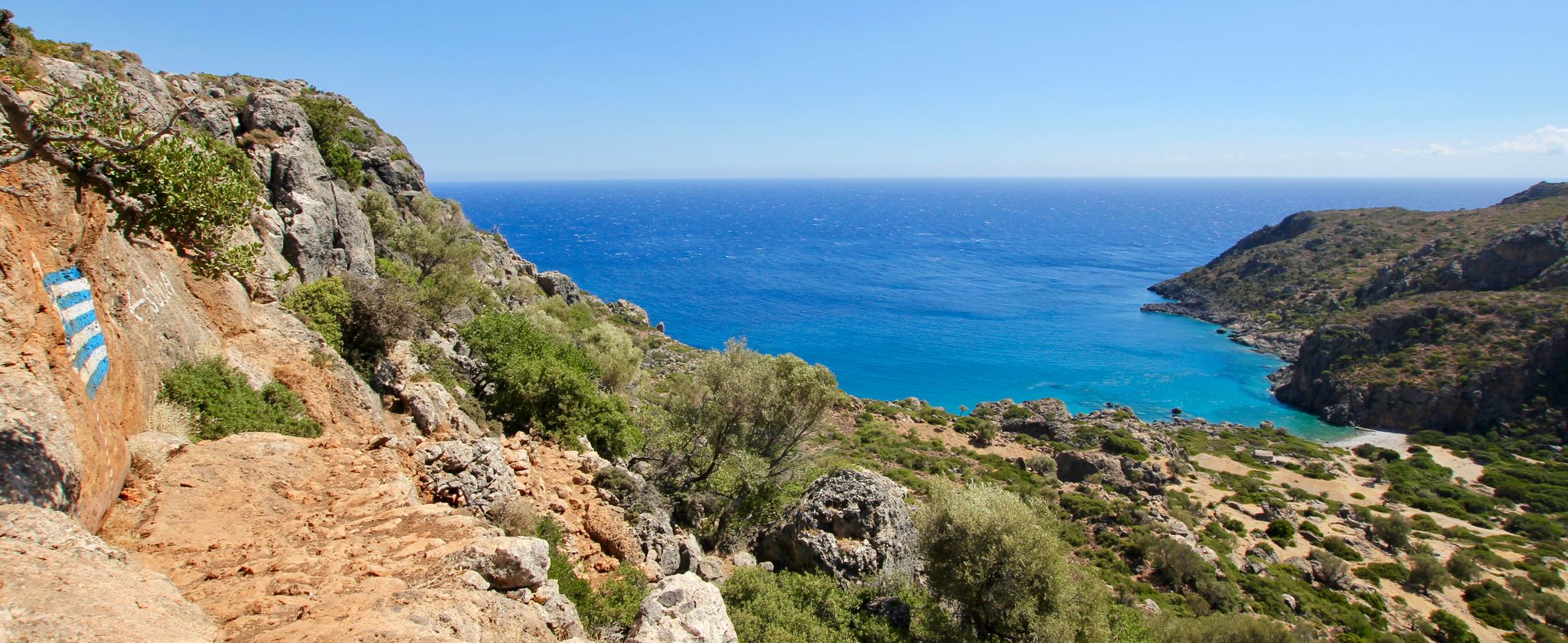
Lonely beaches & deep gorges — hiking in the south of Crete
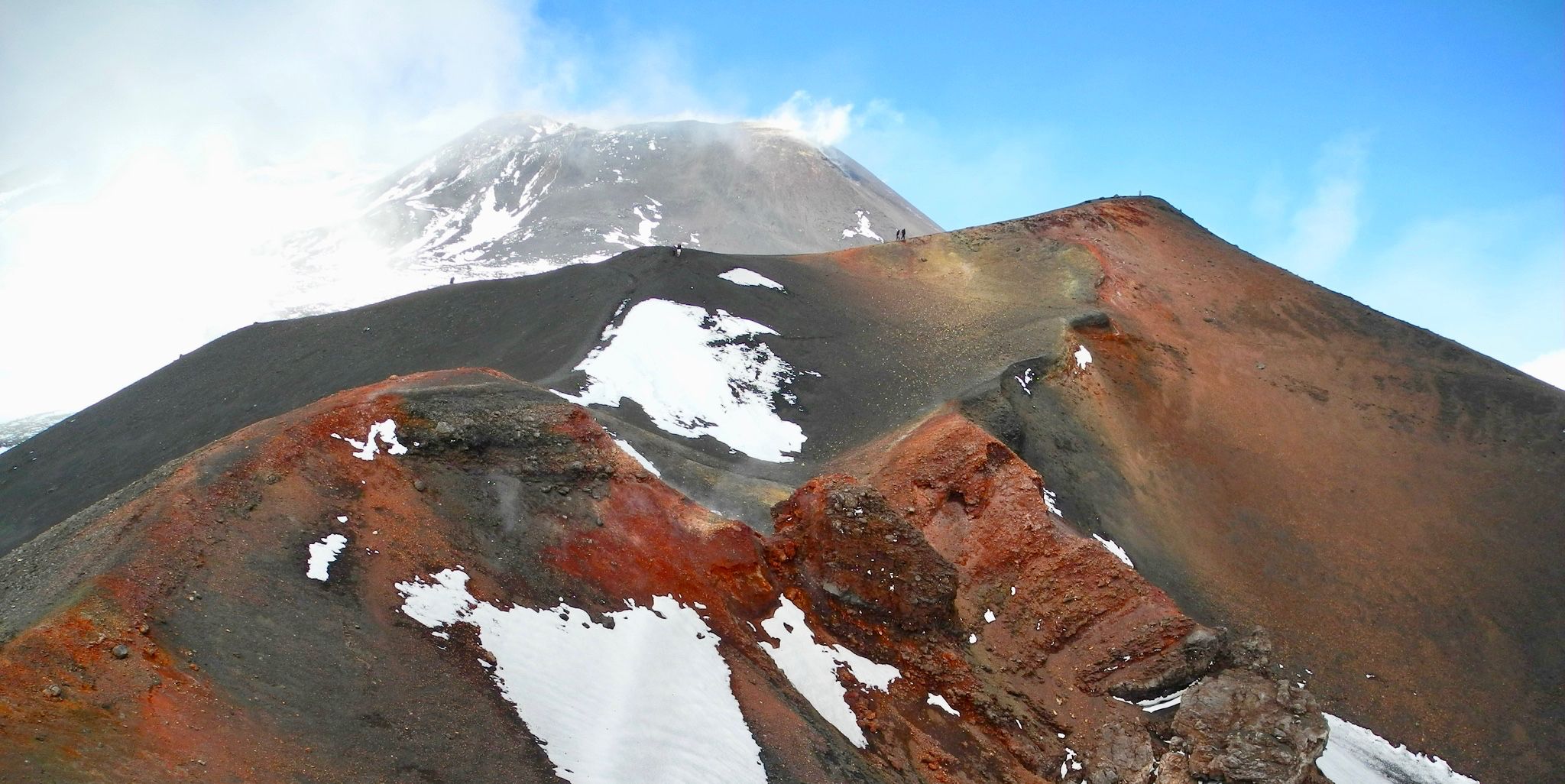
Holy mountains and their stories
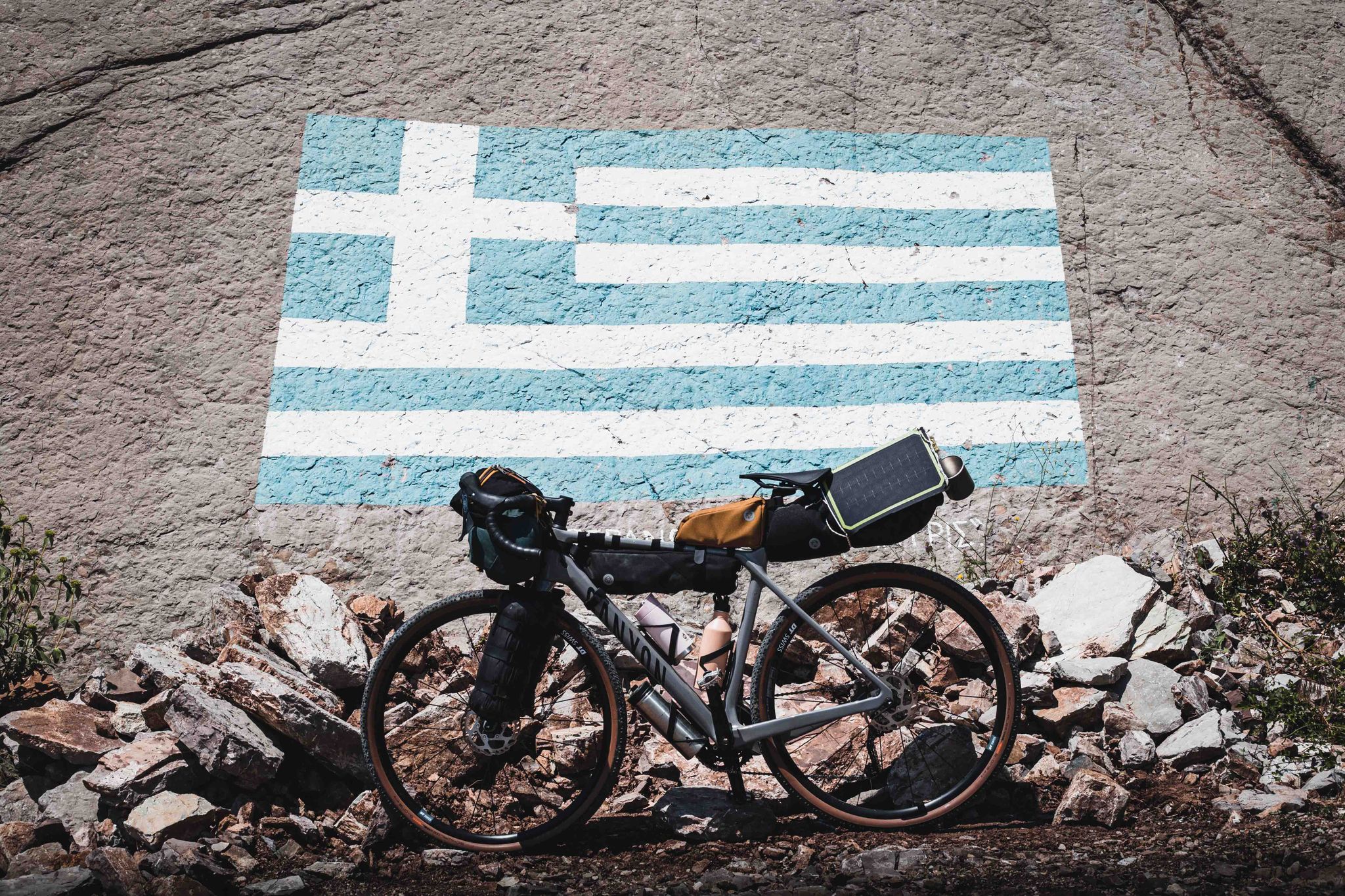
Bikepacking Griekenland: van berg tot zee
Other adventures in Greece


Tips from the Community

The Seven Springs (Epta Piges) are a well-known natural spectacle and popular excursion destination on the Greek island of Rhodes, near Archangelos. The wooded valley offers plenty of shade and pleasant coolness, especially on hot summer days. Natural oasis: Seven springs emerge in the forest and flow together into a small stream and lake. The lush greenery and plane trees offer shady walking paths.
1
0

Lake Kournas is today the only large natural lake in Crete and is located in a magical landscape. Surrounded by high mountains and olive groves. It is located next to the village of Kournas, 2.5 km southeast of Georgioupolis beach, 43 km east of Chania and 20 km west of Rethymnon. Lake Kournas and its surroundings form a very important ecosystem for Greece. Kournas is one of the very few regions of Crete where vast amounts of fresh water have accumulated over the years. That is why it is under the protection of the Natura 2000 program. On one side of the lake are cafes and restaurants with a view of the lake. Adjacent to the cafes, small beaches with white sand form in the summer when the water level drops. Visitors can swim on these beaches and rent umbrellas. Visitors can also go pedal boating and kayaking here. It is an ideal choice for the afternoon when the water takes on a wonderful color and is calm. The lake was formed by the accumulation of groundwater coming from the mountains. The water bubbles up from a spring called Amati or Mati (it means "eye"), which is above the lake's water level in the summer, while it is hidden below the surface in the winter. A second spring is below the surface all year round. The lake is small, round, and covers an area of 570 acres, has a maximum depth of 22.5 meters, is 1080 meters long and 880 meters wide. In the summer, there are 7.5 million cubic meters of water in the lake. The lake is fed by the Delfinas river. Source: cretanbeaches.com/de/str%C3%A4nde-in-kreta/str%C3%A4nde-auf-chania-west-kreta/kournas-see-chania
3
0
Lake Kournas is today the only large natural lake in Crete and is located in an enchanting landscape. Surrounded by high mountains and olive groves. It is located next to the village of Kournas, 2.5 km southeast of Georgioupolis beach, 43 km east of Chania and 20 km west of Rethymnon. Lake Kournas and its surroundings form a very important ecosystem for Greece. Kournas is one of the very few regions of Crete where vast amounts of fresh water have accumulated over the years. Therefore, it is under the protection of the Natura 2000 program. On one side of the lake are cafes and restaurants with a view of the lake. Adjacent to the cafes, small white sandy beaches form in the summer when the water level drops. Visitors can swim on these beaches and rent umbrellas. Visitors can also go pedal boating and kayaking here. It is an ideal choice for the afternoon when the water takes on a wonderful color and is calm. The lake was formed by the accumulation of groundwater coming from the mountains. The water bubbles up from a spring called Amati or Mati (it means "eye"), which is above the lake's water level in the summer, while it is hidden below the surface in the winter. A second spring is below the surface all year round. The lake is small, round, and covers an area of 570 acres, has a maximum depth of 22.5 meters, is 1080 meters long and 880 meters wide. In the summer, there are 7.5 million cubic meters of water in the lake. The lake is fed by the Delfinas River. Source: cretanbeaches.com/de/str%C3%A4nde-in-kreta/str%C3%A4nde-auf-chania-west-kreta/kournas-see-chania
2
0

With a bit of luck, you might spot flamingos. I was able to take some nice photos of them.
1
0

The last stop on our tour was the 7 Springs, Epta Piges. Unfortunately, it wasn't a highlight, as we had read beforehand, as the springs were producing too little water due to the persistent drought, and the lake was barely recognizable as such. We had already suspected all of this. Instead, we did see a great restaurant with a huge outdoor dining area, which was extremely busy.
1
0

Lake Voulismeni is surrounded by a promenade with taverns and bars. The former freshwater lake was connected to the seaport by a canal in 1870.
3
0

It is easy to find the entrances where you can easily get past the rocks into the water.
3
0

Beautiful little lake with turtles
4
0
Frequently Asked Questions
What are some of the most popular lakes in Greece for visitors?
Visitors to Greece often enjoy the diverse experiences offered by its lakes. Some highly regarded spots include Lake Kournas, known for its beautiful water and turtles, and Lake Voulismeni, a picturesque lake in Agios Nikolaos. For nature lovers, Korission Lake is a significant wetland and bird sanctuary.
Are there family-friendly lakes in Greece with activities?
Yes, several lakes in Greece are excellent for families. Lake Kournas is ideal for children, with shallow, crystal-clear water where they can walk and spot turtles. Lake Votomos also offers family-friendly amenities, including cafes and restaurants. Additionally, the artificial Lake Voulismeni is a pleasant spot for a family outing.
What kind of unique flora and fauna can be found around Greek lakes?
Greek lakes are rich in biodiversity. Lake Kerkini, for example, is a crucial habitat for over 300 bird species, including flamingos and Dalmatian pelicans, and hosts Greece's largest water buffalo population. Lake Pamvotida is home to rare flora and fauna protected under Natura 2000. The Prespa Lakes boast over 1,500 plant species and a significant percentage of Greece's amphibian, reptile, mammal, and bird species. Lake Stymphalia is notable for an endemic fish species, Phoxinellus stymphalicus.
What are the best times of year to visit the lakes in Greece?
Many Greek lakes are captivating in all seasons. However, autumn and spring are often recommended for their vibrant natural colors and pleasant weather, making them ideal for outdoor activities like hiking and cycling. Winter offers a unique charm, especially in mountainous areas like Lake Plastiras with its snow-capped surroundings.
Are there opportunities for hiking and cycling near Greek lakes?
Absolutely. Many lake regions offer excellent opportunities for hiking and cycling. Lake Plastiras is known for eco-tourism activities including cycling and hiking. Lake Kerkini also has cycling routes around its lakeside villages. For more extensive options, you can explore Mountain Hikes in Greece or Road Cycling Routes in Greece, which feature trails and routes across the country, some of which are near lake areas.
Which Greek lakes have historical or mythological significance?
Lake Pamvotida, also known as the Lake of Ioannina, is the second oldest lake in Europe and is surrounded by the historic city of Ioannina, offering rich cultural attractions. Lake Stymphalia holds significant mythological importance as the site of Hercules' sixth labor, where he battled the Stymphalian Birds. An environmental museum near Lake Stymphalia provides more information on its history and ecosystem.
Can I find unique natural formations or features at Greek lakes?
Yes, Greece's lakes offer diverse natural features. Lake Plastiras is known for its high altitude and fjord-like curves. Lake Kerkini is a protected wetland with extensive water-lily ponds. Lake Vouliagmeni is a unique brackish-water thermal spa lake, fed by underground springs, with a consistently warm temperature and an unexplored underwater cave system. The Prespa Lakes are ancient tectonic lakes nestled high in the mountains.
Are there any lakes in Greece known for therapeutic properties?
Yes, Lake Vouliagmeni, located south of Athens, is renowned for its therapeutic properties. It's a natural spa fed by underground thermal springs, maintaining a warm temperature (22-29°C) year-round. Its waters are rich in minerals like iron, calcium, and potassium, and it even offers natural exfoliation with 'doctor fish'.
What kind of cultural experiences can I have near Greek lakes?
Many lake regions are close to traditional villages and historical sites. Near Lake Plastiras, you can explore charming villages, monasteries, and wineries. Lake Pamvotida is adjacent to the historic city of Ioannina, with its castle and an inhabited island featuring monasteries and tavernas. The Prespa Lakes region offers a unique blend of cultures in its surrounding villages, and traditional boat rides are available on Great Prespa.
Are there any lakes in Greece that are particularly important for birdwatching?
Lake Kerkini is a premier destination for birdwatching, recognized as one of Europe's most important wetlands and a National Park. It hosts over 300 bird species, including thousands of flamingos and pelicans. The Prespa Lakes are also vital habitats for migratory birds like Dalmatian pelicans and cormorants. Korission Lake on Corfu is another significant wetland known for its bird diversity.
What are some of the outdoor activities available at Lake Plastiras?
Lake Plastiras is an ideal destination for eco-tourism and a wide range of outdoor activities. Visitors can enjoy canoeing, kayaking, cycling, hiking, and horseback riding in its picturesque alpine-like scenery. The area's natural beauty is captivating throughout the year, making it suitable for various adventures.
Can I find accessible lakes for visitors with mobility needs?
While specific accessibility details vary, Lake Votomos is noted as being wheelchair accessible, offering a more inclusive experience for visitors with mobility needs.
Most popular routes in Greece
Most popular attractions in Greece

Get inspired with the komoot mobile app


Didn’t find what you were looking for?
Find the best lakes in Greece per region:
Explore more
Still not found your perfect lake in Greece? Check out the guides of these regions to see even more beautiful places.
