Top 11 Gorges in Israel
Canyons in Israel offer diverse geological features and outdoor experiences across varied landscapes. The country's terrain includes erosion cirques, desert oases, and ancient riverbeds, providing a range of natural attractions. These canyons are significant for their unique rock formations, historical sites, and diverse ecosystems. Visitors can explore a variety of environments, from arid desert gorges to lush, water-filled valleys.
Best canyons in Israel
- The most popular canyons is Red Canyon, a canyon that features a short but scenic path…
Last updated: August 19, 2026
David Waterfall in Wadi David
Highlight • Waterfall
Translated by Google •
Tip by

Red Canyon
Highlight • Canyon
Translated by Google •
Tip by

Sign up now to discover places like this
Get recommendations on the best single tracks, peaks, & plenty of other exciting outdoor places.
Sign up for free
Wadi Perazim Canyon
Highlight (Segment) • Canyon
Translated by Google •
Tip by

Wadi Hamam Trail
Highlight • Trail
Translated by Google •
Tip by

Meshushim Pool (Hexagon Pool)
Highlight • Natural Monument
Translated by Google •
Tip by
Wadi Bokek Natural Spring
Highlight • Natural Monument
Translated by Google •
Tip by

Boqeq Waterfall
Highlight • Waterfall
Translated by Google •
Tip by
Wadi Perazim Trailhead
Highlight • Trail
Tip by

Arbel Nature Reserve
Highlight (Segment) • Natural Monument
Translated by Google •
Tip by

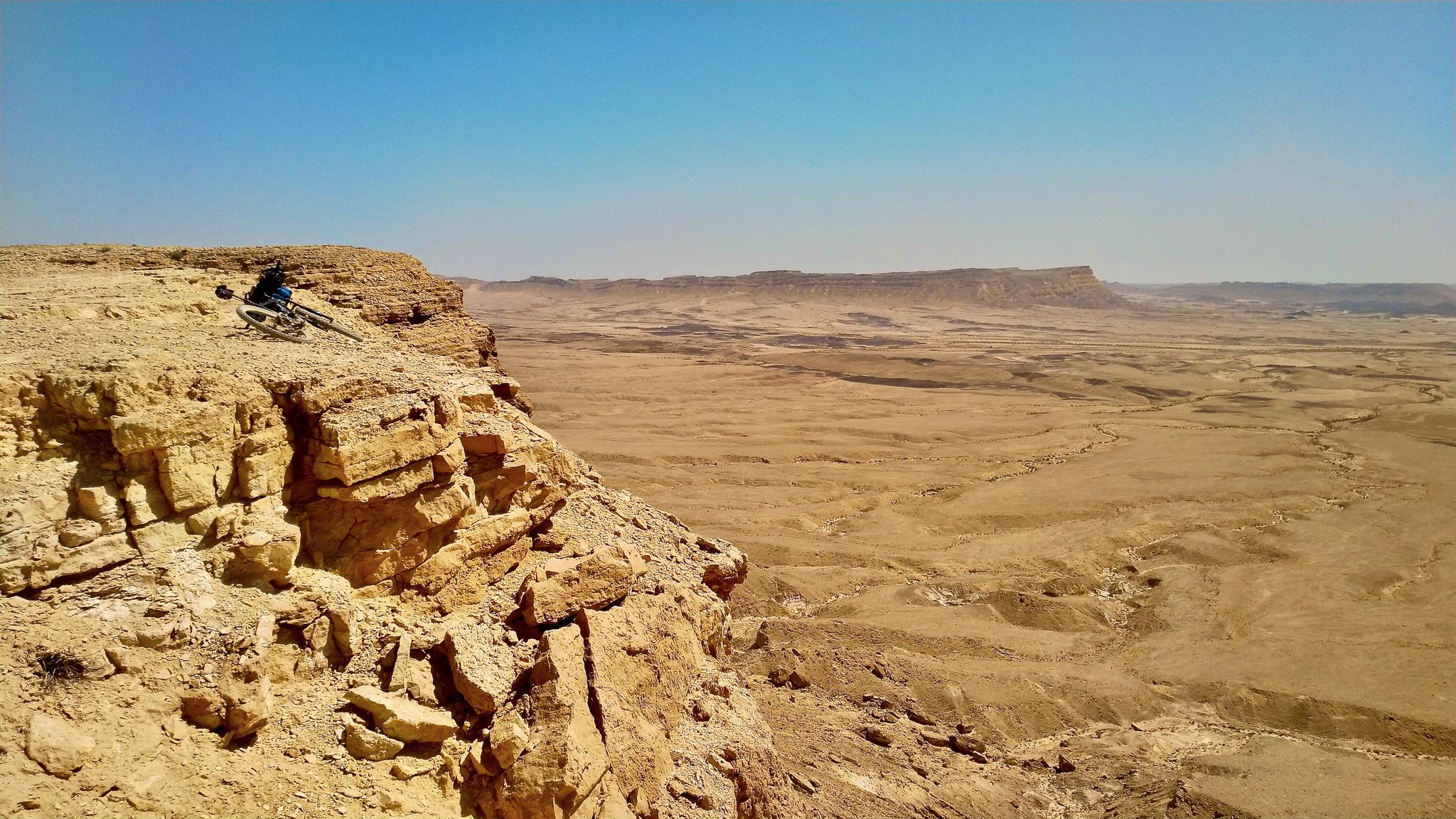
View of Makhtesh Ramon
Highlight • Viewpoint
Translated by Google •
Tip by
Sign up for free to discover even more gorges in Israel.
Sign up for free
Already have an account?
Start today with a free account
Your next adventure awaits.
Login or Signup
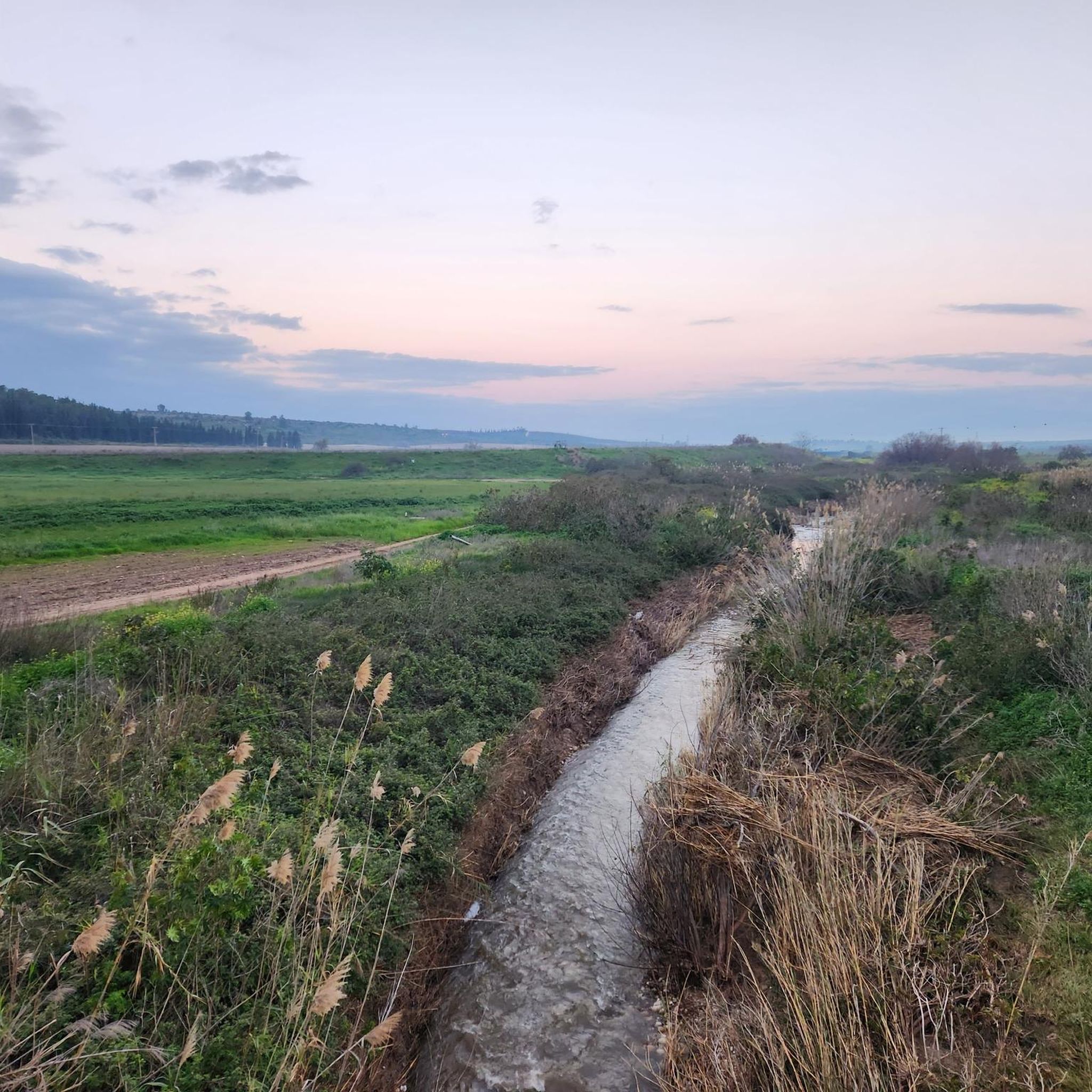
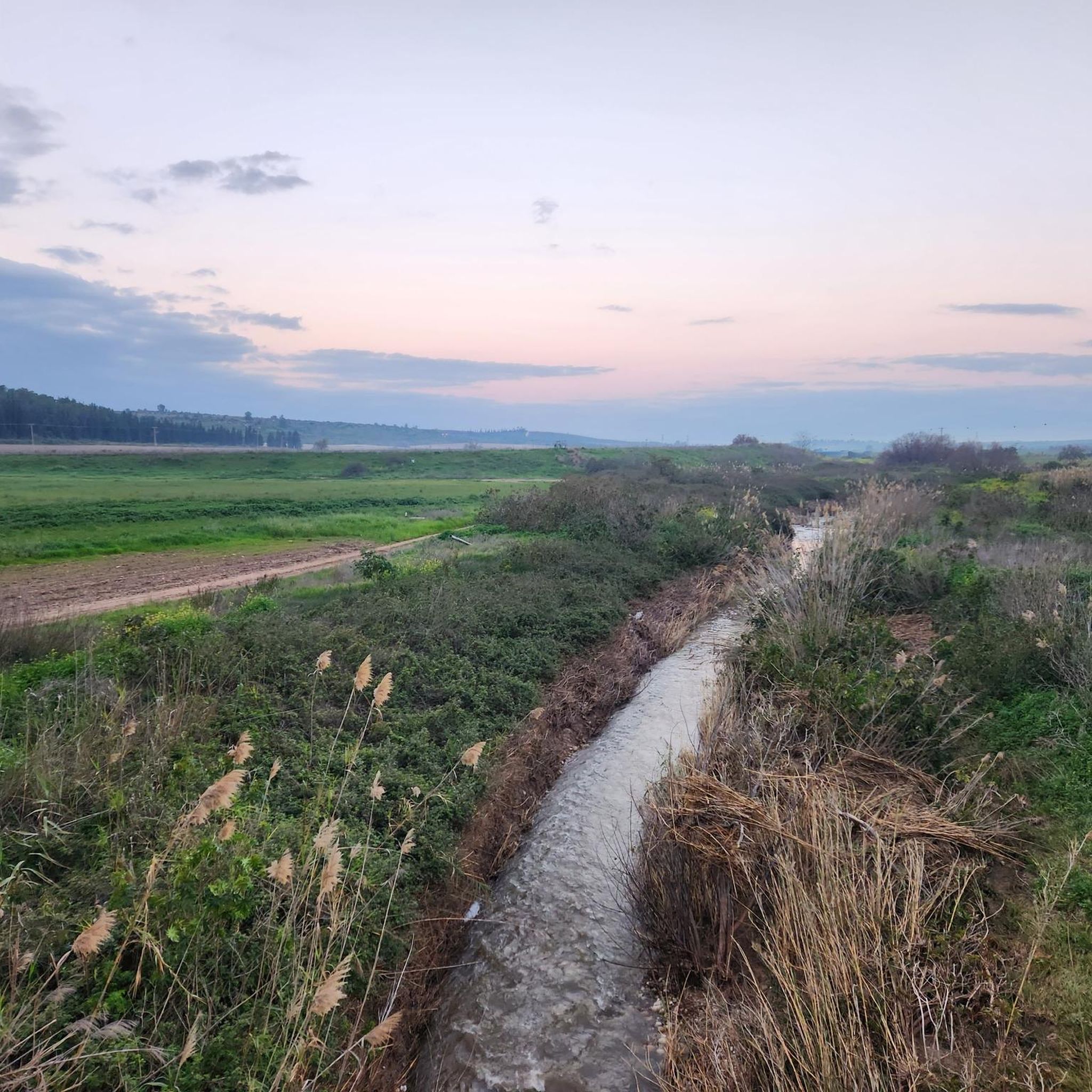
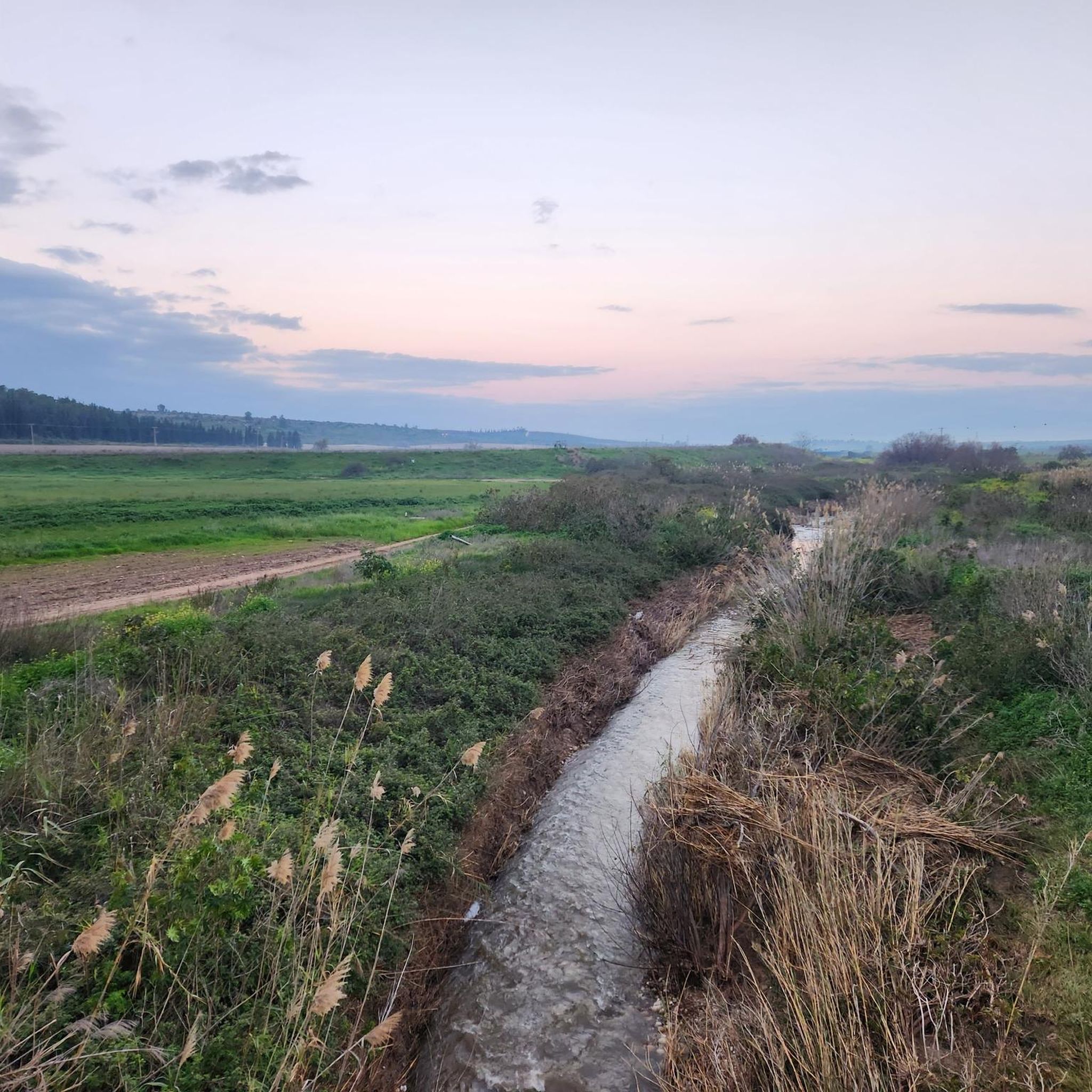


Tips from the Community

This section of almost 7 km is very impressive. You hike through a canyon, a wadi, sometimes narrow, sometimes wide. Just watch out for rocks on and in the path. Otherwise, swim across. Warning: Do not attempt this in heavy rain. Because then... it's a risk. Many people drown in the desert.
0
0

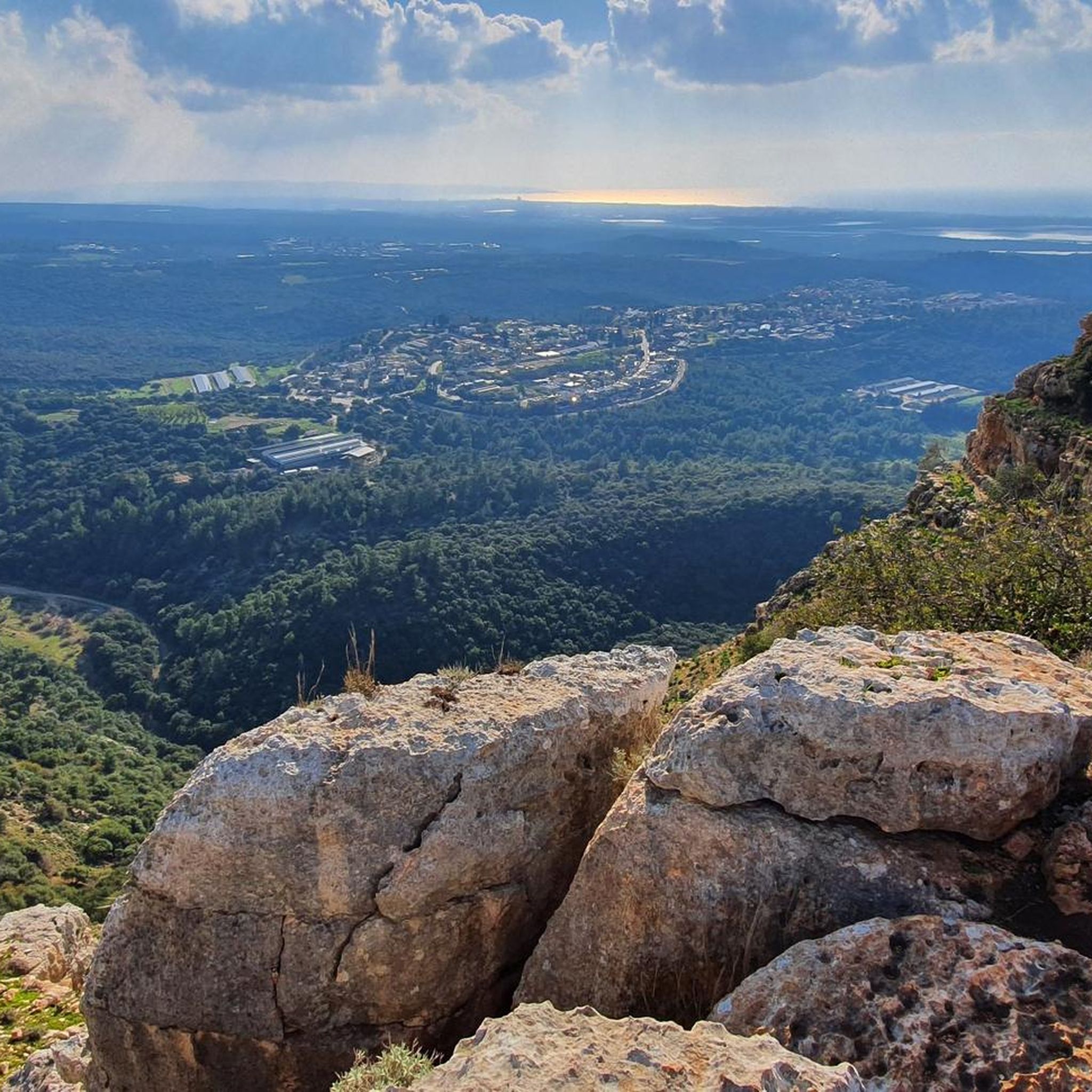
The entire area is called Arbel National Park and Nature Reserve because it contains historical sites, once inhabited caves and a former synagogue, and because the area is also a protected natural region.
0
0

During Passover and Sukkot, the nature reserve is crowded. Visits are especially recommended during the early hours of opening hours.
0
0

Fantastic wadi with beautiful rocks
0
0

Nice part of a hike. Good opportunities for photos. Few other people. Everything within walking distance. With luck, a place to stay overnight.
2
0

The legend on the 'red' colour of the sandstone here: Many years ago, all the mountains in the world lacked colors and shades. The mountains turned to God and said, “Why we do not have colors like the birds, the butterflies, and the flowers. You gave all of them many different and beautiful colors, and only we, the mountains, are so gray and ugly …”? God listened to the mountains and decided to accept their request. He sent his angels, and they quickly painted the mountains. The polar mountains – In white color, the mountains in the desert – brown-yellow, the volcanoes – in black. So, the angels passed through the whole world and painted it with colors. When they reached the Eilat mountains, very little paint remained in their buckets. So, the angels decided to paint the Eilat Mountains in all the remaining colors: a little black, a little red and a little yellow. Therefore, the Eilat Mountains are the most colorful mountains in the world. (https://www.hike-israel.com/hikes/hikes-near-eilat/red-canyon-israel/#red)
3
0
Impressive sandstone canyon - more an advanced hike than real climbing (just some ladders essentially), but more than worth the effort to reach this slightly remote location.
3
0

Great all-round view of the Ramon crater
0
0
Frequently Asked Questions
What types of canyons can I explore in Israel?
Israel offers a diverse range of canyons, including the world's largest erosion cirque at Makhtesh Ramon, desert oases like Ein Avdat and Wadi Qelt, and vibrant sandstone gorges such as the Red Canyon. You can also find river valleys with unique rock formations like Nahal Amud, and challenging routes like Nahal Dragot.
Are there any family-friendly canyon trails in Israel?
Yes, several canyons in Israel are suitable for families. The Red Canyon near Eilat is known for its relatively short and accessible hiking experience. Additionally, the Wadi Perazim Trailhead is marked as family-friendly, offering a good starting point for exploration.
Which canyons in Israel feature natural pools or water sources?
You can find natural pools and perennial water sources in several Israeli canyons. Ein Avdat in the Negev Desert features a spectacular waterfall and deep pools, creating an oasis. Wadi Qelt (Nahal Prat) in the Judean Desert has natural rock pools, and Nahal Amud in the Upper Galilee also offers rock pools and lush vegetation along its stream. For the adventurous, Nahal Dragot can have full pools a few days after rain.
What are some unique geological features to see in Israel's canyons?
Israel's canyons boast remarkable geological diversity. Makhtesh Ramon is the world's largest erosion cirque, showcasing colorful clay hills, ancient rock formations, and fossils. Wadi Perazim Canyon is notable for its soft sand and sediment patterns resembling wood grain on its walls. The Red Canyon is famous for its vibrant reddish sandstone, while Nahal Amud is named after a distinctive stone pillar rising from its streambed.
What is the best time of year to visit the canyons in Israel?
The best time to visit Israel's canyons, especially those in desert regions, is generally during the cooler months, from autumn to spring (October to April). This avoids the intense summer heat. For canyons with water features like Nahal Dragot, it is best explored a few days after rain when the pools are full.
Are there challenging canyoning experiences available in Israel?
Yes, for experienced and physically fit hikers, Nahal Dragot (Wadi Darja) in the Judean Desert offers one of Israel's most extreme canyoning experiences. It involves climbing down dried waterfalls, swimming across deep pools, sliding through chutes, and navigating with ropes in certain sections.
What historical or cultural sites can be found within or near Israel's canyons?
Many canyons in Israel have rich historical significance. Ein Avdat was historically inhabited by Nabateans and Byzantine monks who carved caves into the cliffs. Wadi Qelt features ancient aqueducts dating back to the Hasmonean period and the dramatic Monastery of St. George of Choziba built into the cliffside. Nahal Amud contains prehistoric caves with human remains, and the cliffs of Nahal Dragot are home to the Muraba'at Caves, where significant artifacts from the Bar Kochba Revolt were discovered.
What outdoor activities can I do near the canyons in Israel?
Beyond canyon exploration, the regions around Israel's canyons offer various outdoor activities. You can find extensive opportunities for hiking, cycling, and driving through unique landscapes, especially around Makhtesh Ramon. For more specific activities, you can explore MTB Trails in Israel, Running Trails in Israel, and Gravel biking in Israel, which offer routes of varying difficulties.
Are there good viewpoints to observe the canyons in Israel?
Absolutely. The View of Makhtesh Ramon offers a spectacular panorama of the world's largest erosion crater. The Wadi Hamam Trail and Arbel Nature Reserve also provide excellent opportunities for photos and scenic views of gorges and surrounding landscapes.
Which canyons are easily accessible from major cities like Jerusalem?
Wadi Qelt (Nahal Prat) is conveniently located in the Judean Desert, southeast of Jerusalem, making it one of the best canyons to visit if you are based in or near the city. It offers a blend of natural beauty, history, and biblical significance within a reasonable distance.
What do visitors enjoy most about the canyons in Israel?
Visitors frequently praise the stunning natural beauty, unique geological formations, and the sense of adventure offered by Israel's canyons. Highlights like the Red Canyon are loved for their impressive sandstone and accessible paths. The tranquility and opportunity to be alone with nature in places like Wadi Bokek Natural Spring are also highly valued. The diverse landscapes, from desert oases to dramatic gorges, provide memorable experiences for all.
Most popular routes in Israel
Most popular attractions in Israel

Get inspired with the komoot mobile app


Explore more
Already discovered everything in this region? See additional gorges in Israel for your next adventure:
