Top 9 Lakes in Egypt
Best lakes in Egypt offer diverse natural features, from vast artificial reservoirs to ancient natural lakes and saline lagoons. These bodies of water are integral to the country's ecology and provide varied landscapes for exploration. Egypt's lakes contribute to its natural beauty, supporting diverse ecosystems and offering unique visitor experiences. The region features a blend of desert scenery, historical sites, and significant bodies of water.
Best lakes in Egypt
- The most popular lakes is El Gouna Lagoons and Resorts, a lake that features hotels and villas lining its banks. This artificial lagoon offers a quiet environment for holidays.
- Another must-see spot is Aswan High Dam, a man_made_monument. Visitors can experience impressive views from this large structure, which is integral to the formation of Lake Nasser.
- Visitors also love Lake Nasser, a lake. This large artificial lake is known for its significant role in the region and its connection to historical sites like Abu Simbel.
- Egypt is known for artificial lakes, natural lakes, and saline lagoons. These include the vast Lake Nasser, the ancient Lake Qarun, and the unique Salt Lakes of Siwa.
- The lakes in Egypt are appreciated by the komoot community. The guide features 8 highlights and 16 photos, with more than 10 upvotes from visitors.
Last updated: May 13, 2026
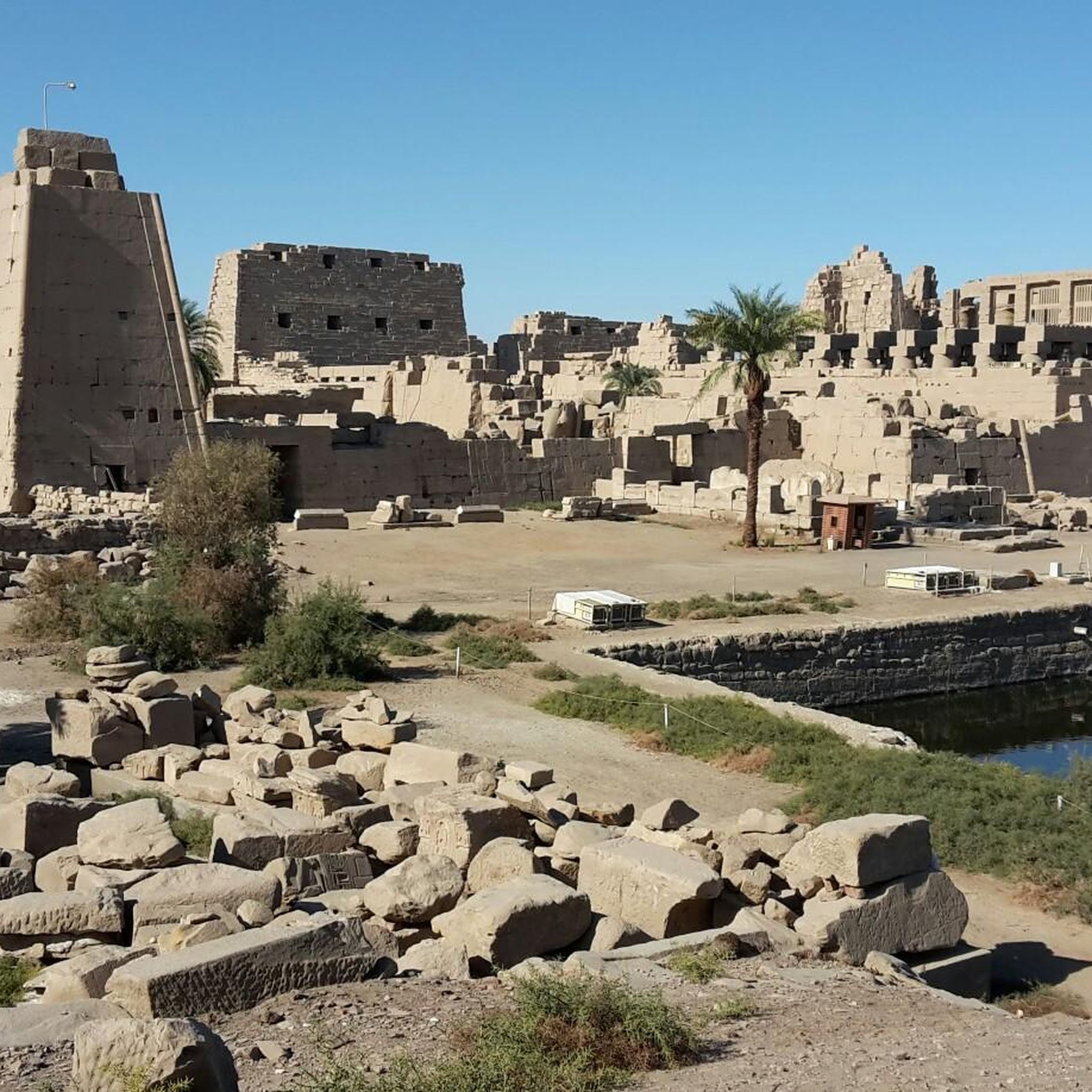
Sacred Lake at Karnak
Highlight • Lake
This is the most impressive of all. It stands between the 4th and 5th pylons.
Size & Weight: It is approximately 30 meters high and weighs about 340 tons. This makes it the tallest standing obelisk in Egypt.
Material: It is made from a single piece of pink granite quarried in Aswan.
Special Feature: Originally, the top was coated with electrum (an alloy of gold and silver) so that it would reflect sunlight and shine far and wide.
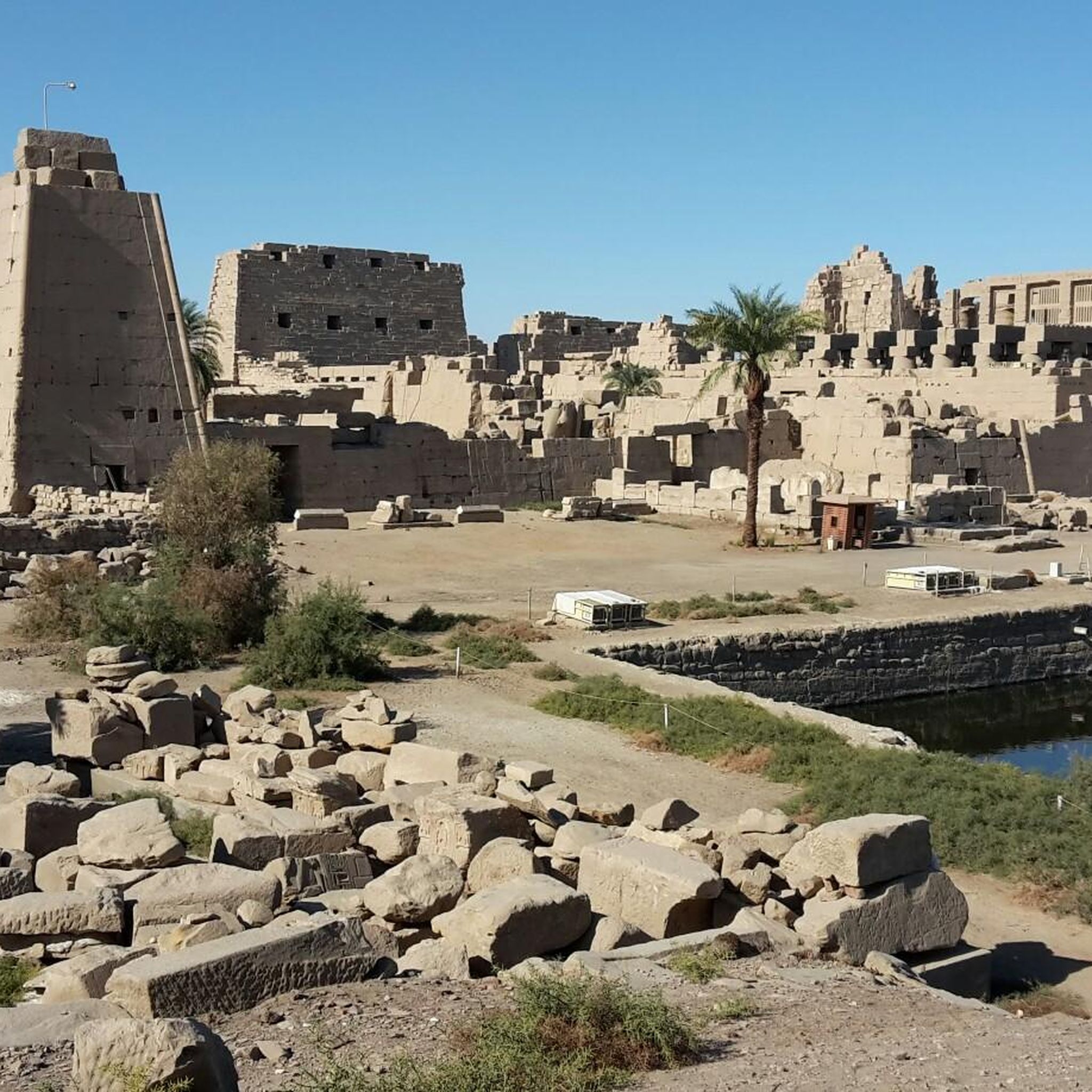
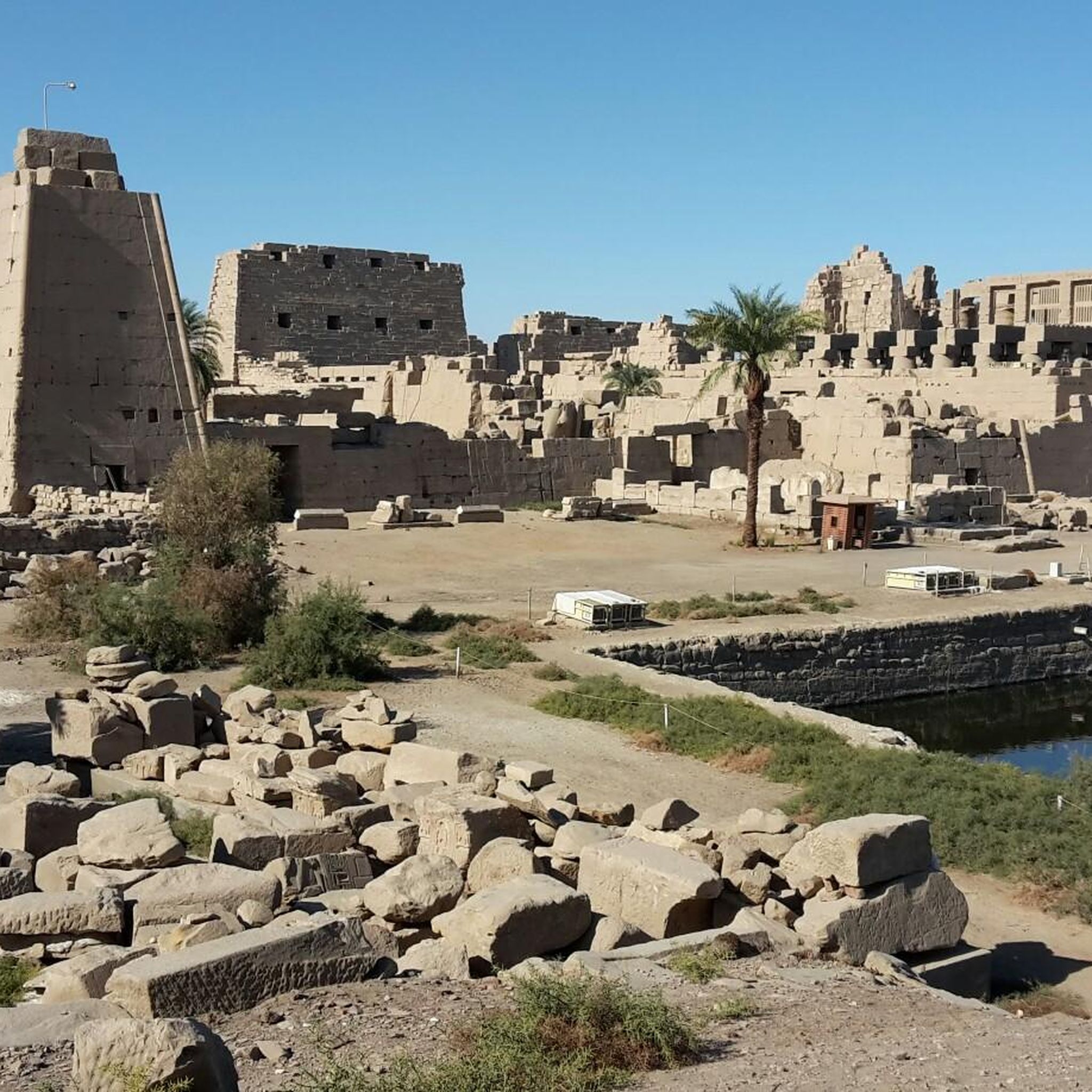
Ritual Ablution: Priests had to absolve themselves several times a day and at night in the lake before every service in the temple. Without this ritual purity, they were not allowed to enter the inner sanctum or touch statues of the gods.
Cultural Boats: During major festivals, the sacred barges (ceremonial boats) were ritually sailed across the lake.
Facts about size and construction
Dimensions: It measures approximately 120 meters in length and 77 meters in width.
Water supply: The lake is fed exclusively by groundwater.
Translated by Google •
Tip by

Aswan High Dam
Highlight • Monument
Translated by Google •
Tip by

Sign up now to discover places like this
Get recommendations on the best single tracks, peaks, & plenty of other exciting outdoor places.
Sign up for free
El Gouna Lagoons and Resorts
Highlight • Lake
Translated by Google •
Tip by
Coral Reef Jetty
Highlight • Bridge
Translated by Google •
Tip by

Red Sea
Highlight • Beach
Tip by

Lake Nasser
Highlight • Lake
Translated by Google •
Tip by
Lagoon at Radisson Blu Resort El Quseir
Highlight • Beach
Translated by Google •
Tip by

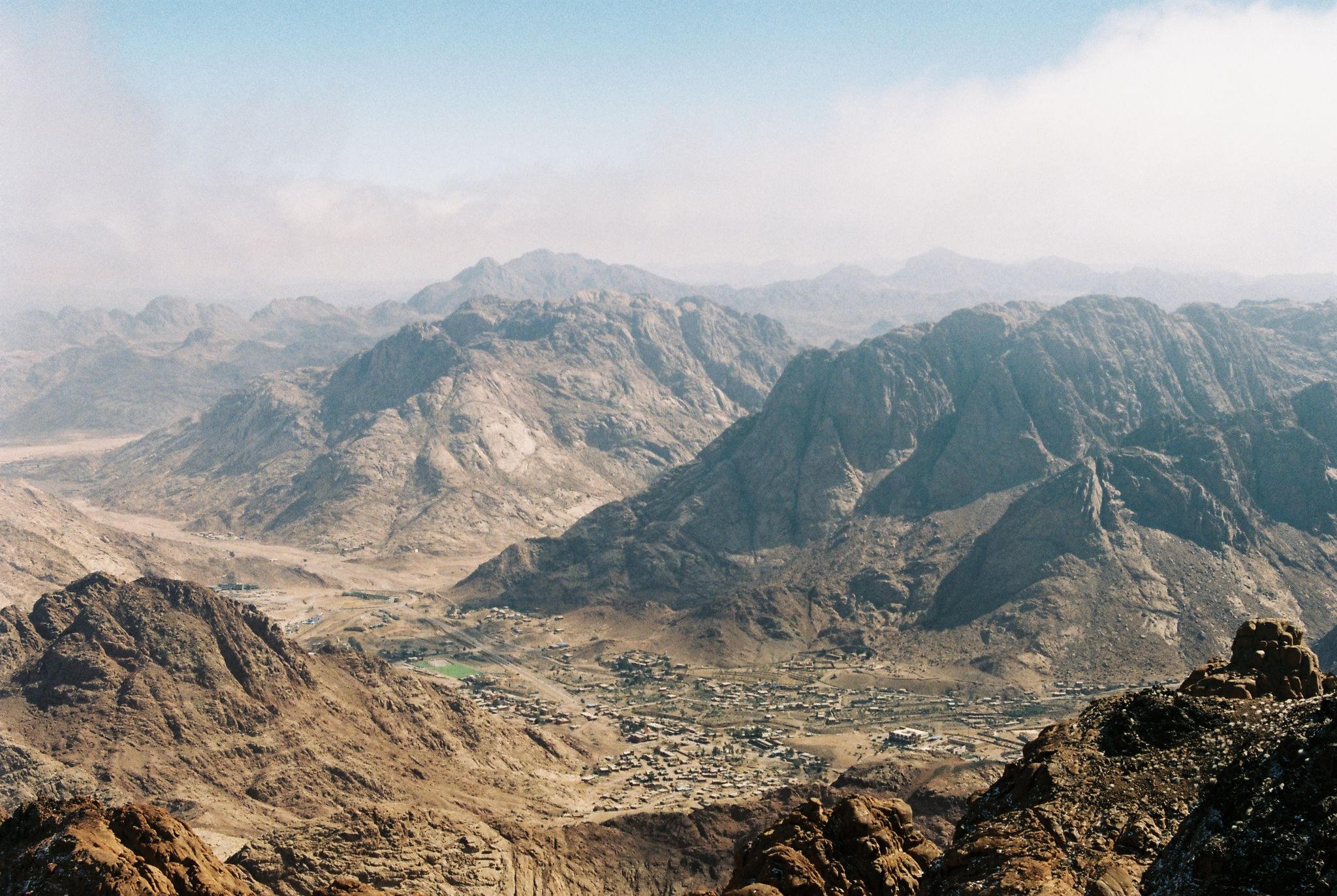
Galt al Azraq
Highlight • Lake
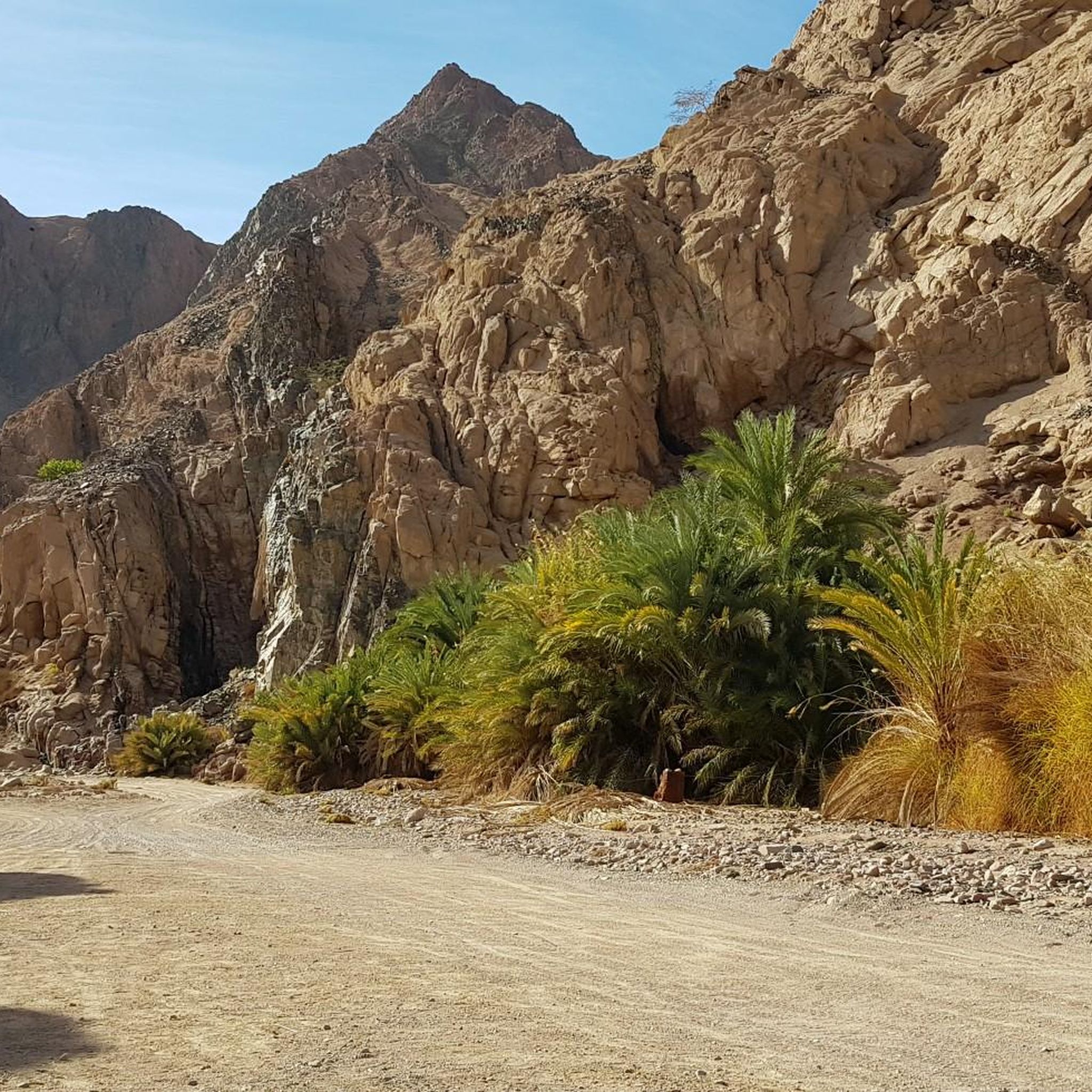
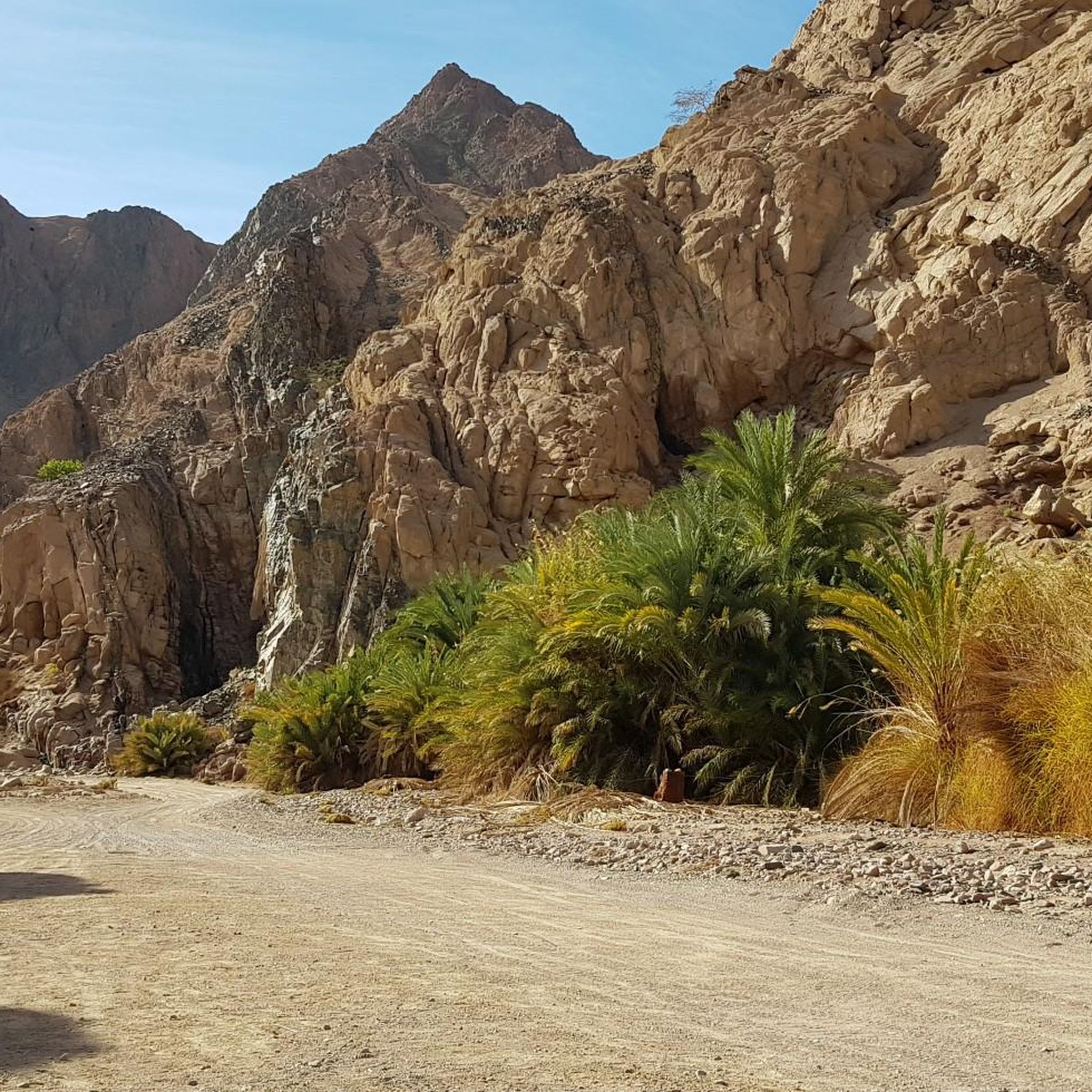
Wedged behind huge boulders of granite, the lake appears like an oasis. In the midst of hot days, its presence is a matter of Providence.
Translated by Google •
Tip by

Start today with a free account
Your next adventure awaits.
Login or Signup


Tips from the Community

The Obelisk of Hatshepsut This is the most impressive of all. It stands between the 4th and 5th pylons. Size & Weight: It is approximately 30 meters high and weighs about 340 tons. This makes it the tallest standing obelisk in Egypt. Material: It is made from a single piece of pink granite quarried in Aswan. Special Feature: Originally, the top was coated with electrum (an alloy of gold and silver) so that it would reflect sunlight and shine far and wide. Ritual Ablution: Priests had to absolve themselves several times a day and at night in the lake before every service in the temple. Without this ritual purity, they were not allowed to enter the inner sanctum or touch statues of the gods. Cultural Boats: During major festivals, the sacred barges (ceremonial boats) were ritually sailed across the lake. Facts about size and construction Dimensions: It measures approximately 120 meters in length and 77 meters in width. Water supply: The lake is fed exclusively by groundwater.
8
0

Galt al Azraq, meaning “The Blue Pool,” is a breathtaking natural water pool nestled in the heart of Sinai’s rugged landscape. After hiking through rocky canyons and valleys, arriving at this cool, clear pool is a perfect reward — ideal for swimming or simply relaxing by the water. Surrounded by towering cliffs and desert scenery, the pool offers a refreshing break, especially in warmer months. It’s one of the most scenic spots on the trails between Saqar Canyon and Farsh Um Sela. What to know: Great for swimming if weather permits Bring swimwear and towels No facilities — pack out all trash Best visited in spring and autumn for pleasant temperatures Galt al Azraq is a must-visit oasis that combines natural beauty with a refreshing pause on your Sinai adventure.
0
0

The Aswan Dam is one of Egypt's most important achievements of the 20th century. It saves Egypt from flooding and supplies it with water and electricity. The dam is 111 meters high, 3.5 kilometers long, and 1 km wide. Its water is used to power 12 turbines, which generate 2,100 megawatts of power. The Nasser Dam is over 500 kilometers long, making it the second-largest reservoir in the world. It is the largest power plant in Egypt. Construction began in 1960 and was opened by Gamal Abdel Nasser in 1971. There is also an old dam. However, it had become too small and could no longer adequately protect the country from drought and flooding. It is still used today to generate electricity and as a road across the Nile.
0
0
The Aswan Dam is the third largest reservoir in the world. Construction took a good 10 years and was completed on June 21, 1970. Its capacity is 135 to 169 cubic kilometers.
6
0

The Sacred Lake is a vast rectangular basin, 200m long by 117m wide, situated in the area delimited by the Amun sanctuary in the North and the first two courtyards on the North-South the processional axis in the west. The lake is already present in the reigns of Hatshepsut and Thutmosis III, but its current shape dates from the XXV" Dynasty. Filled by the water-table, the lake for Ancient Egyptians was in direct contact with Noun - the primal ocean where all Life originated. Access to the the lake was gained through the Seventh Pylon, where the priests purified themselves daily and where the sacred barque navigated during religious ceremonies. The banks around the lake were occupied by buildings of various natures. In the north, a monument was dedicated by Taharqa to Ra-Horakty, the rising sun represented as a dung beetle. And probably during his reign the monument scarab in rod granite was transported here trom the Temple of Millions of Years of Amenhotep Ill on the West Bank. The area on the south side of the Sacred Lake is the economic zone of the Temple where offerings were stored and prepared in storerooms, some of the most recent of which are stil visible. In some texts, a breeding area for fowl for ritual offerings is mentioned. The eastern side of the lake is the administrative and residential area. Dwellings from the Late Period were found when building the Sound and Light platform. According to inseriptions found in them, they were occupied by priests carrying out a monthly ritual cycle in the Temple.
1
0

clear, turquoise sea, a dream for snorkeling and fish watching
0
0

The Red Sea is a beautiful place to be, whether you are walking alongside it or going swimming and snorkeling in it. You could always do both!
0
0

Frequently Asked Questions
What unique natural features can I explore at Egypt's lakes?
Egypt's lakes offer diverse natural features. You can find the constantly changing colors of Magic Lake in the Fayoum Oasis, surrounded by rocky mountains and dunes. The Wadi El Rayan Lakes feature Egypt's only natural waterfalls and wide dunes. For a unique experience, the Salt Lakes of Siwa are known for their extremely high salt concentrations and striking white landscapes.
Are there historical or cultural landmarks near Egypt's lakes?
Yes, many lakes are close to significant historical sites. Near Lake Nasser, you can visit ancient monuments like the Abu Simbel temples, which were relocated during the construction of the Aswan High Dam. Lake Qarun in the Fayoum Oasis is surrounded by ancient buildings and historical monuments, reflecting its vital role in Pharaonic irrigation.
What kind of family-friendly activities are available at Egypt's lakes?
Many of Egypt's lakes offer family-friendly activities. For example, El Gouna Lagoons and Resorts provide a quiet environment for holidays with hotels and villas. The Wadi El Rayan Lakes are great for exploring scenic waterfalls, sandboarding, safaris, and camping. The Red Sea, which features several lagoons, is excellent for swimming and snorkeling.
What outdoor activities can I do near Egypt's lakes?
Near many of Egypt's lakes, you can find opportunities for various outdoor activities. For running enthusiasts, there are running trails in Egypt, including easy loops like the 'Bedouin Tent – Pathway Along the Beach' route. If you prefer cycling, you can explore road cycling routes or MTB trails in Egypt, such as the 'Eilat Mountains' loops.
Which lakes are best for birdwatching in Egypt?
Lake Qarun is a prime destination for birdwatchers, especially in winter, as thousands of migratory birds, including flamingos, white storks, and herons, visit the lake. Lake Bardawil on the Sinai Peninsula is also a crucial stop for migratory birds traveling between Europe and Africa, making it an excellent spot for birdwatching.
What is the best time to visit lakes in Egypt?
Generally, the cooler months from October to April are ideal for visiting Egypt's lakes, as the weather is more pleasant for outdoor activities and exploration. This period is also excellent for birdwatching at lakes like Qarun and Bardawil.
Are there any lakes in Egypt known for therapeutic properties?
Yes, the Salt Lakes of Siwa Oasis are renowned for their extremely high salt concentrations, which are believed to have therapeutic properties. They attract visitors seeking medical tourism, particularly for skin, breast, and eye conditions, in a picturesque and relaxing desert environment.
How do Lake Qarun and Wadi El Rayan Lakes compare?
Both Lake Qarun and Wadi El Rayan Lakes are located in the Fayoum Oasis, offering unique experiences. Lake Qarun is one of Egypt's oldest natural, brackish lakes, significant for birdwatching and historical sites. Wadi El Rayan consists of two freshwater lakes connected by Egypt's only natural waterfalls, known for adventure activities like sandboarding and wildlife spotting in its wide dunes.
Can I find opportunities for water sports at Egypt's lakes?
While specific water sports facilities vary, areas like El Gouna Lagoons and Resorts are known for activities like kitesurfing. The Red Sea, with its clear, turquoise waters, is also a dream for snorkeling and fish watching.
What kind of wildlife can be spotted near Egypt's lakes?
Egypt's lakes are rich in wildlife. Wadi El Rayan is a haven for diverse species, including endangered ones like the slender-horned gazelle and fennec fox, alongside numerous bird species. Lake Qarun and Lake Bardawil are vital for migratory birds, offering excellent birdwatching opportunities.
Are there any artificial lakes in Egypt worth visiting?
Absolutely. Lake Nasser, formed by the Aswan High Dam, is one of the world's largest artificial lakes and a significant tourist destination for fishing, cruises, and visiting historical sites like Abu Simbel. The Wadi El Rayan Lakes were also created through hydraulic engineering and offer stunning natural beauty and activities.
Most popular attractions in Egypt

Get inspired with the komoot mobile app


Explore more
Still not found your perfect lake in Egypt? Check out the guides of these regions to see even more beautiful places.
