Top 20 Huts and Cabins in East Frisia
Best huts in East Frisia offer diverse experiences across this region on Germany's North Sea coast. The area is characterized by its unique blend of coastal landscapes, traditional culture, and natural reserves. Visitors can explore various types of huts, from cultural tea rooms to functional shelters and unique overnight accommodations. East Frisia's flat terrain and extensive natural areas make it suitable for outdoor activities and wildlife observation.
Best huts in East Frisia
- The most popular huts is Norderney Dunes and…
Last updated: August 5, 2026
Norderney Dunes and Lighthouse
Highlight • Natural
See also here:
magazin.norderney-zs.de/news/zuckerpad-fuer-radfahrer-gesperr
Translated by Google •
Tip by

Observation Tower at Großes Meer
Highlight • Viewpoint
Translated by Google •
Tip by

Sign up now to discover places like this
Get recommendations on the best single tracks, peaks, & plenty of other exciting outdoor places.
Sign up for free
Ems-Jade Canal Red Arch Bridge and Covered Rest Area
Highlight • Bridge
Translated by Google •
Tip by

Hunting lodge in the Neuenburg Primeval Forest
Highlight • Mountain Hut
Opposite the …
Translated by Google •
Tip by

Boathouse Bedekaspel at the Großen Meer
Highlight • Restaurant
Invites to linger by its location.
** Very quiet **
The menu (kitchen) offers something for every taste.
At the next bike ride just stop there, it's worth it.
Translated by Google •
Tip by

Observation Hut at Kalfamer
Highlight • Viewpoint
Translated by Google •
Tip by

Leyhörn Nature Reserve Birdwatching Hut
Highlight • Mountain Hut
Translated by Google •
Tip by

Osterhook Observation Hut
Highlight • Mountain Hut
Translated by Google •
Tip by
Neuenburgerfeld Peat Shed
Highlight • Rest Area
Translated by Google •
Tip by

Südstrandpolder Birdwatching Hut
Highlight • Mountain Hut
Translated by Google •
Tip by

Sign up for free to discover even more huts and cabins in East Frisia.
Sign up for free
Already have an account?
Start today with a free account
Your next adventure awaits.
Login or Signup
Popular around East Frisia
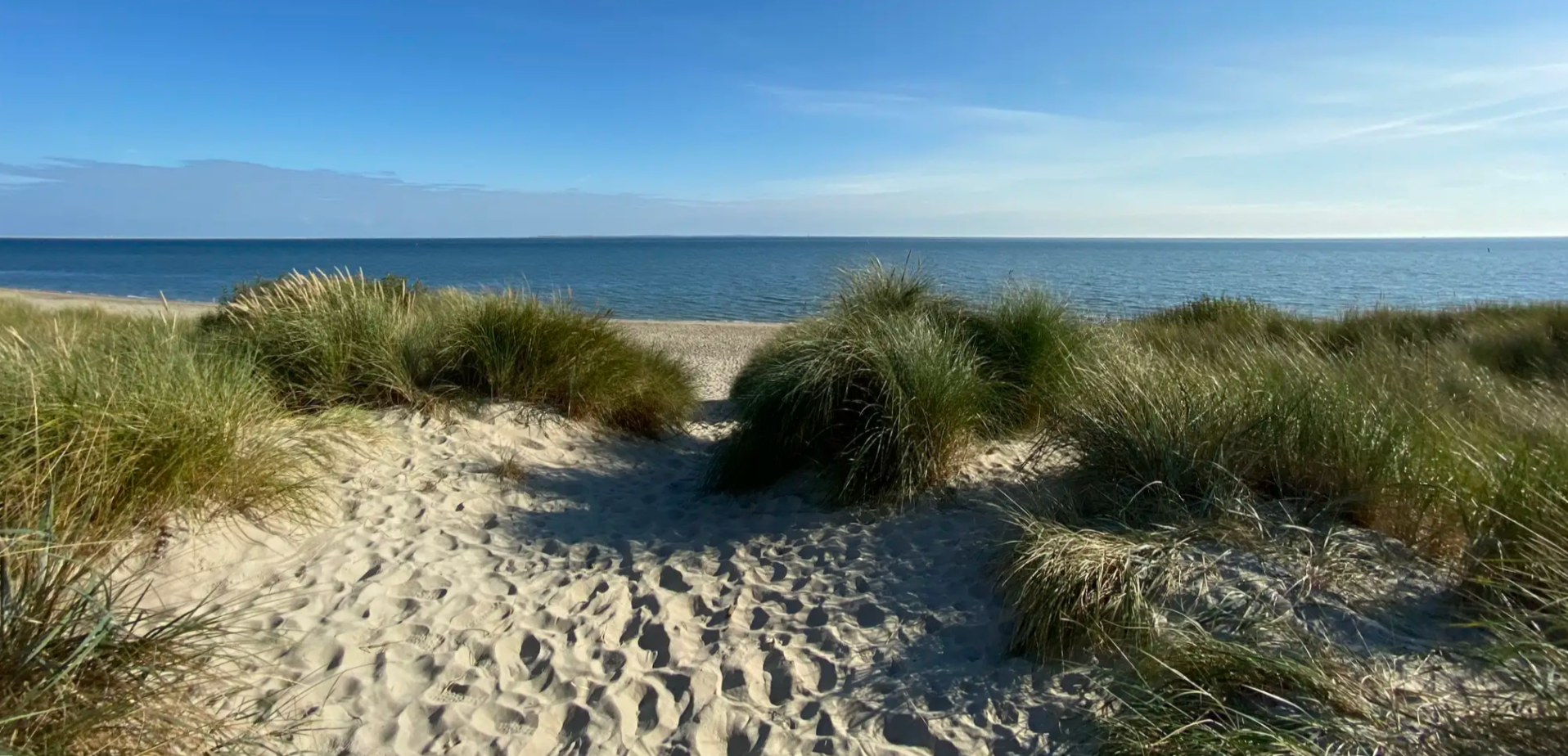
Regional Trail WaddenWalking (SP 04) - Hiking across the Wadden Sea.
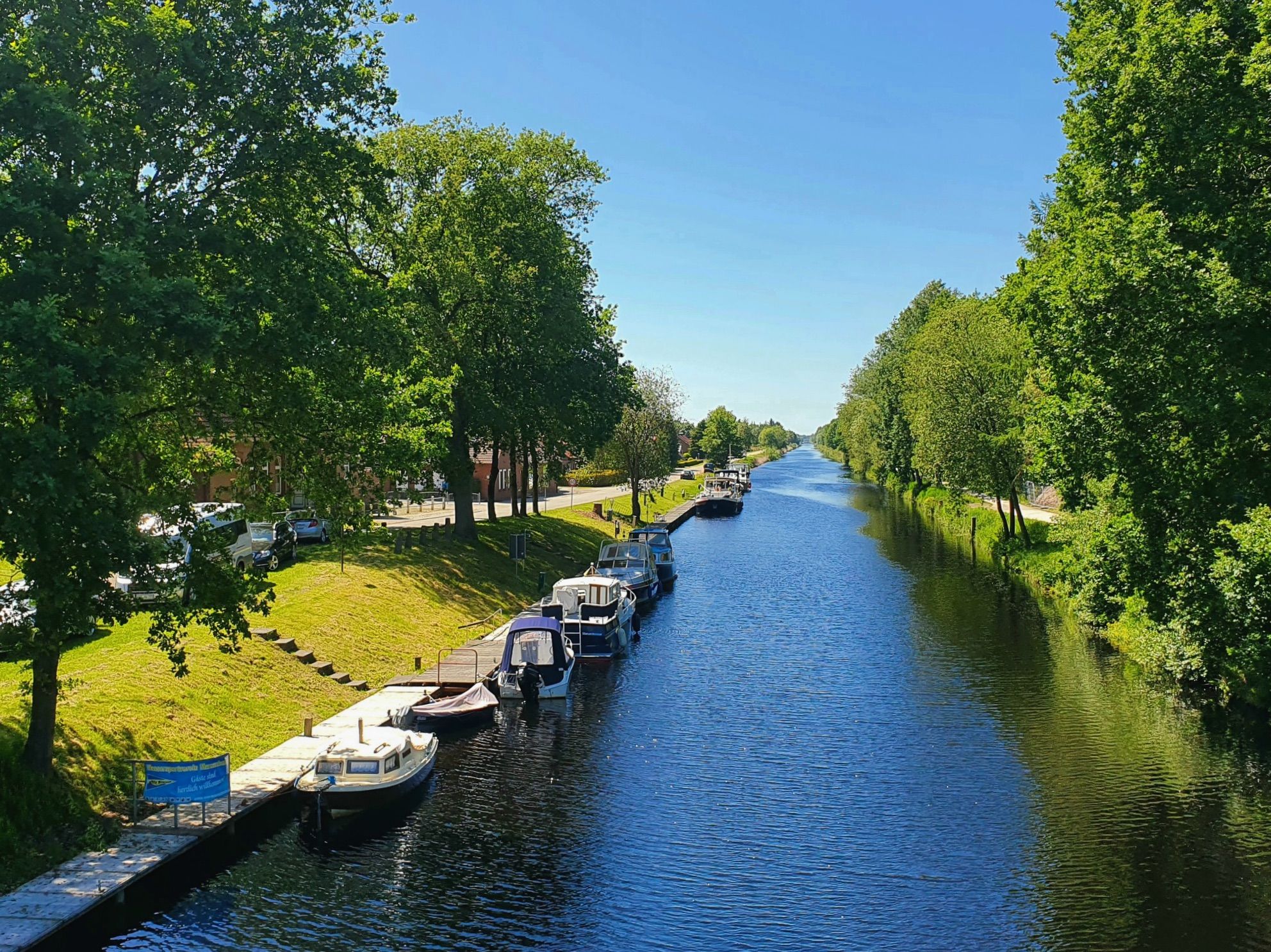
Ems-Jade Trail – Across East Frisia
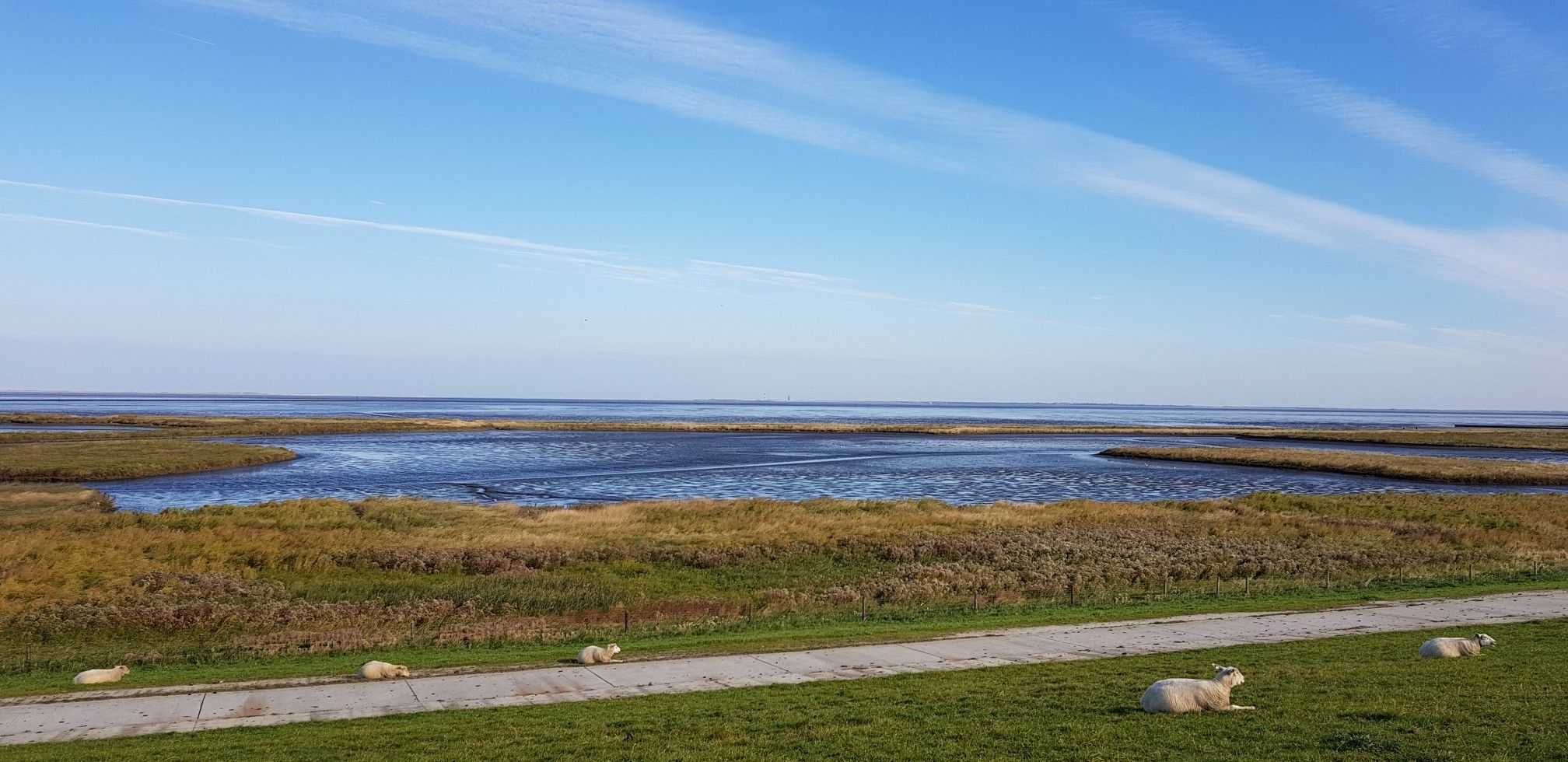
Tour de Fries in Germany — Friesland's most beautiful sides
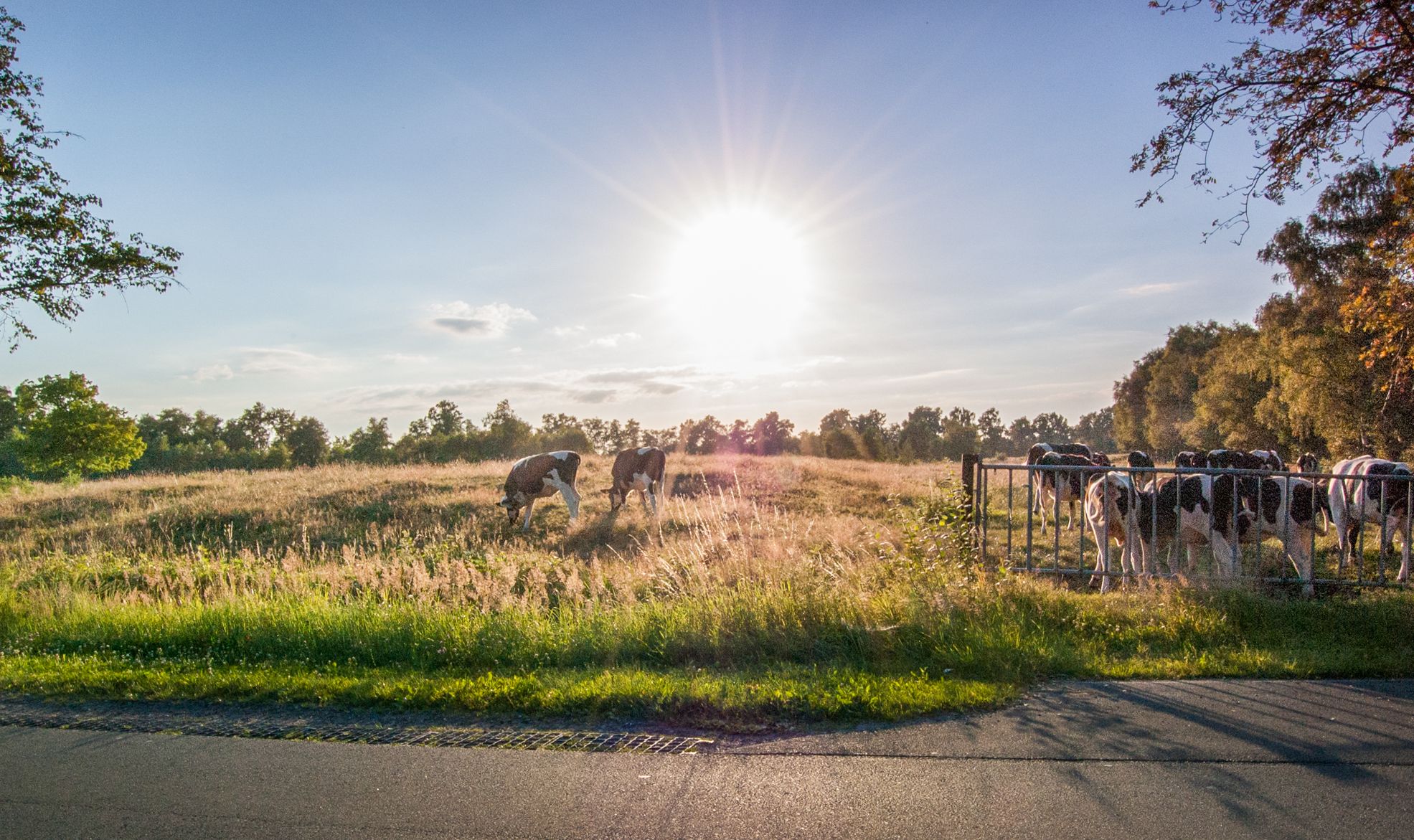
The Jade Trail in Ammerland – Hiking in Northern Germany
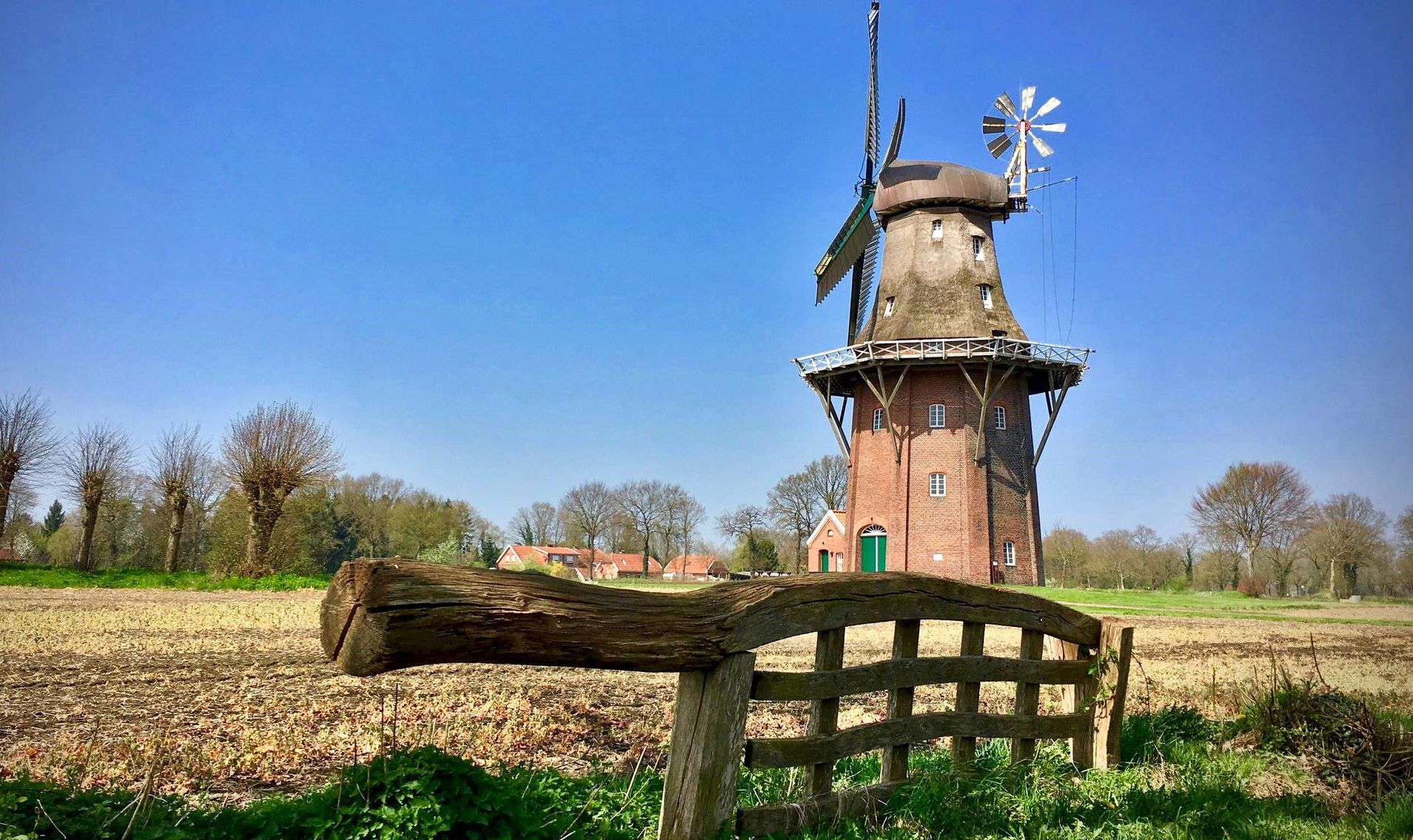
Ostfriesland Hiking Trail – Hike to Germany's North Sea coast
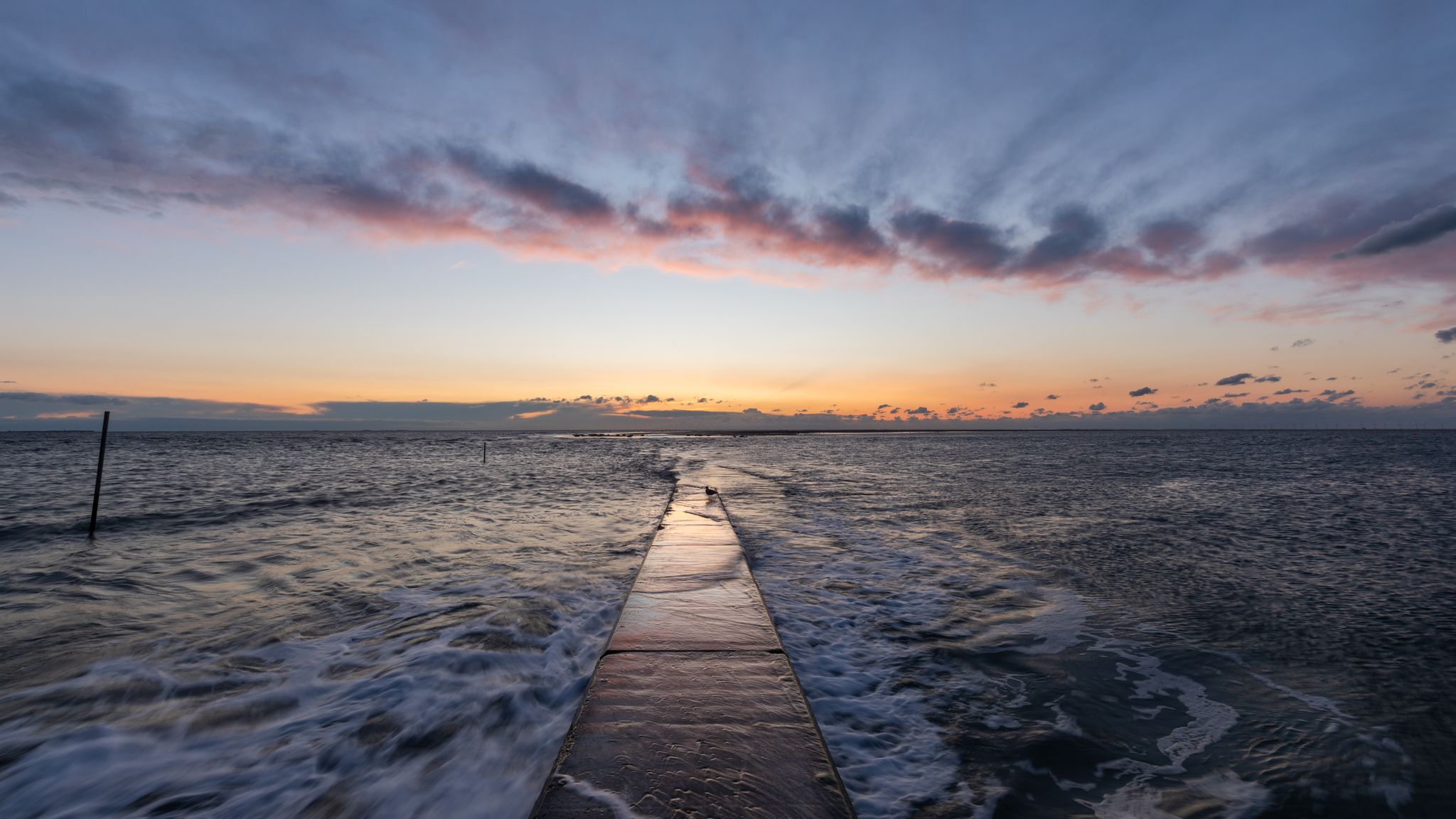
The National Natural Landscapes in Niedersachsen
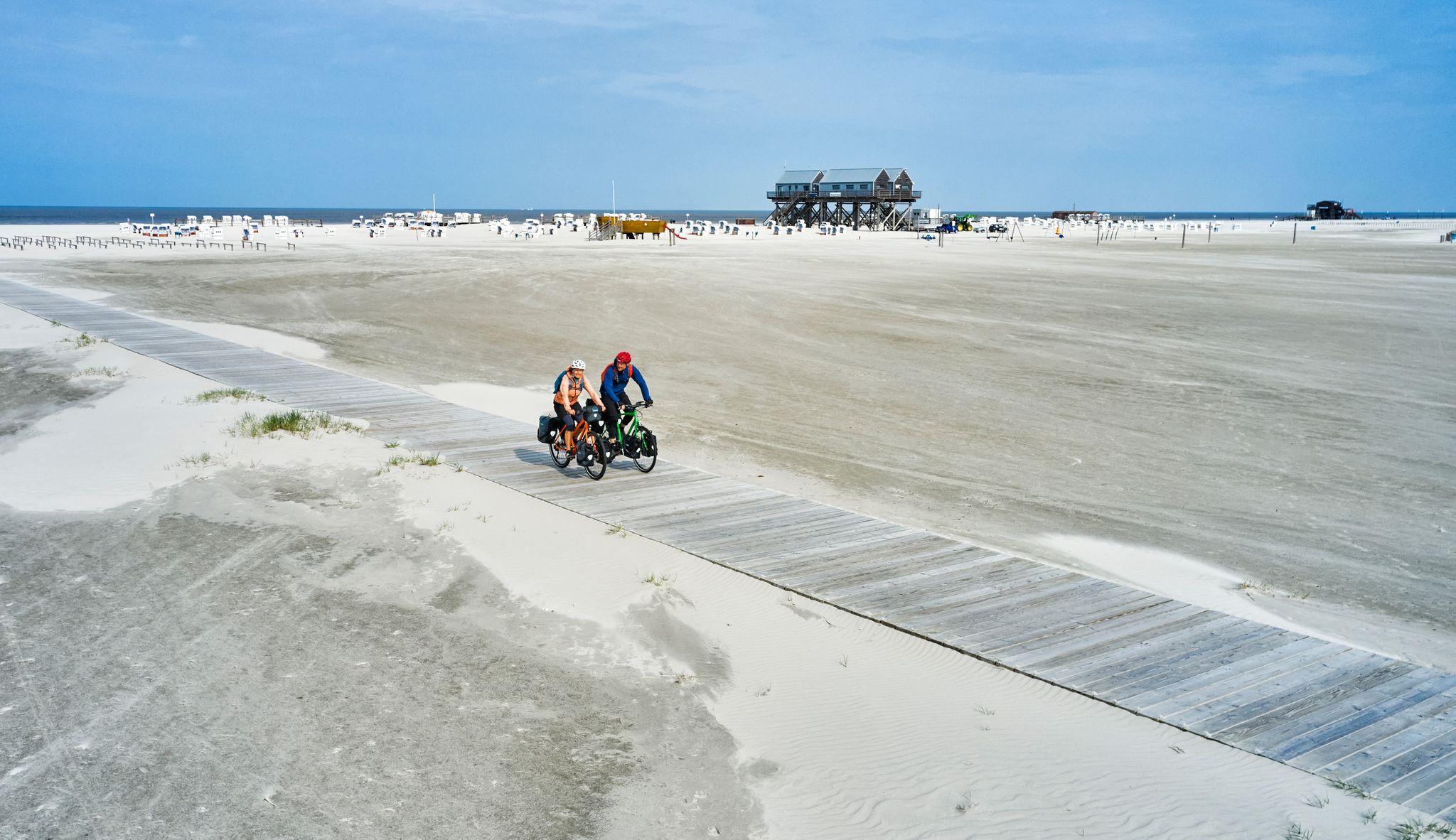
Nine hundred kilometres of pure freedom – North Sea Cycle Route
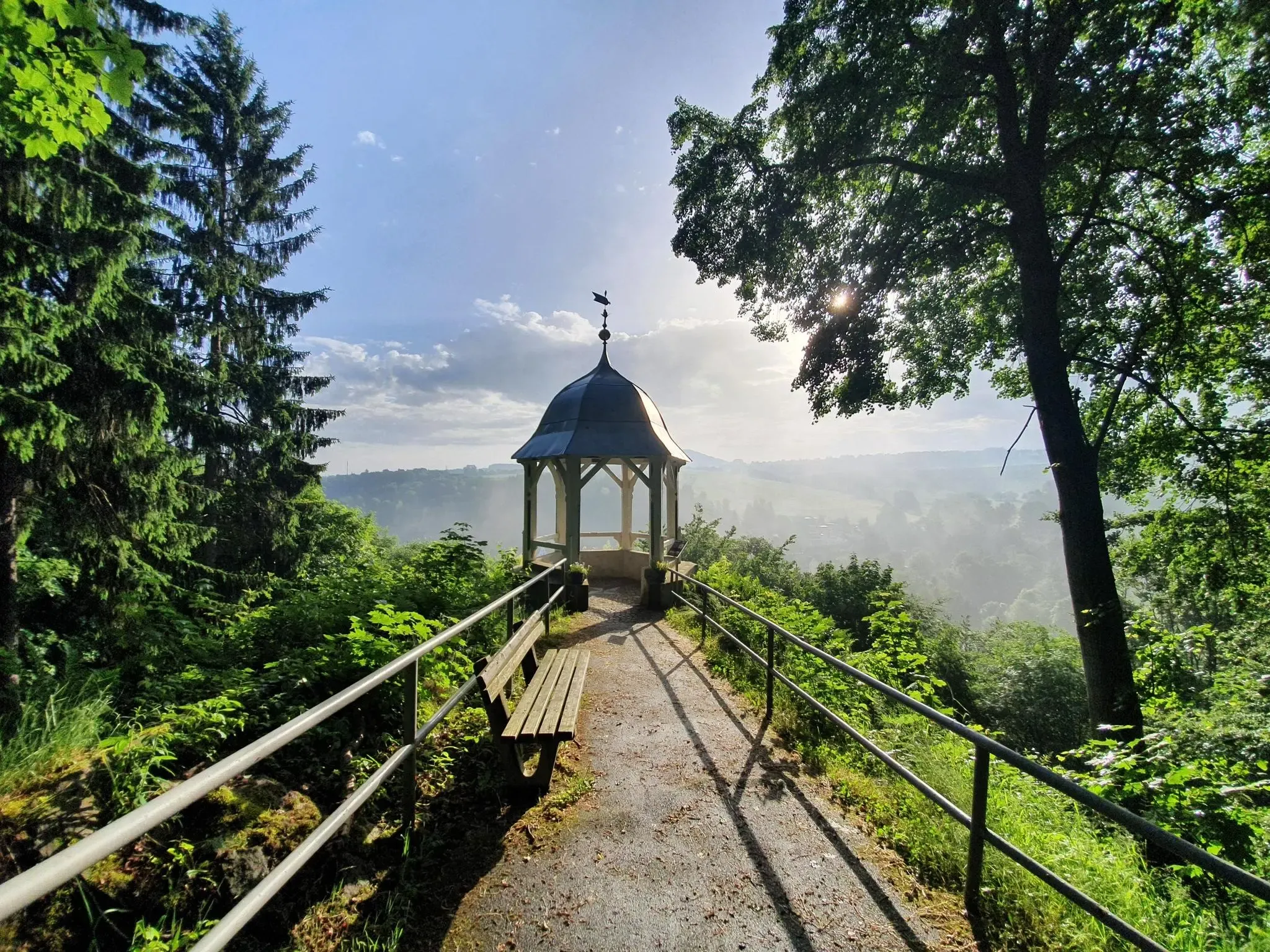
#GoFurther – discover the views of Germany!
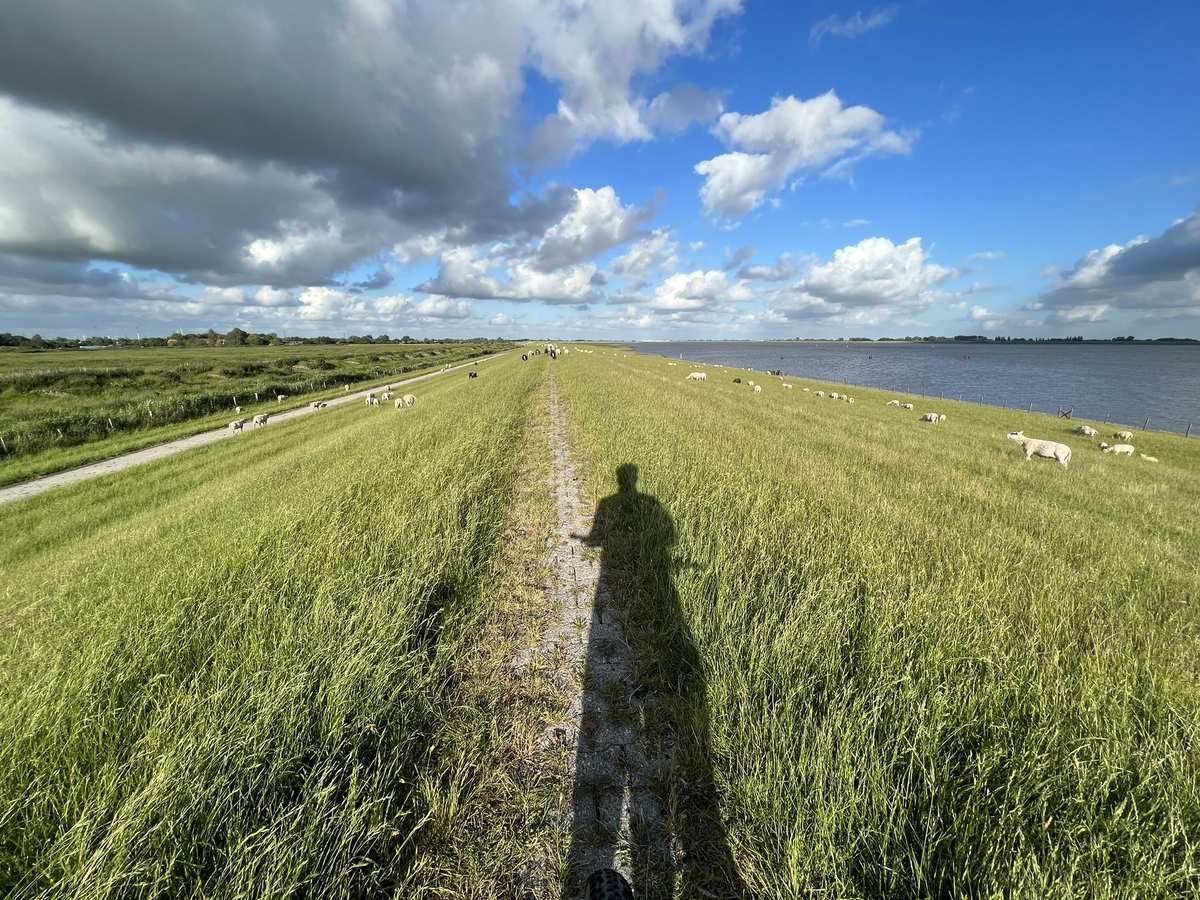
Cycling through East Frisia in Germany – Frisian Army Trail
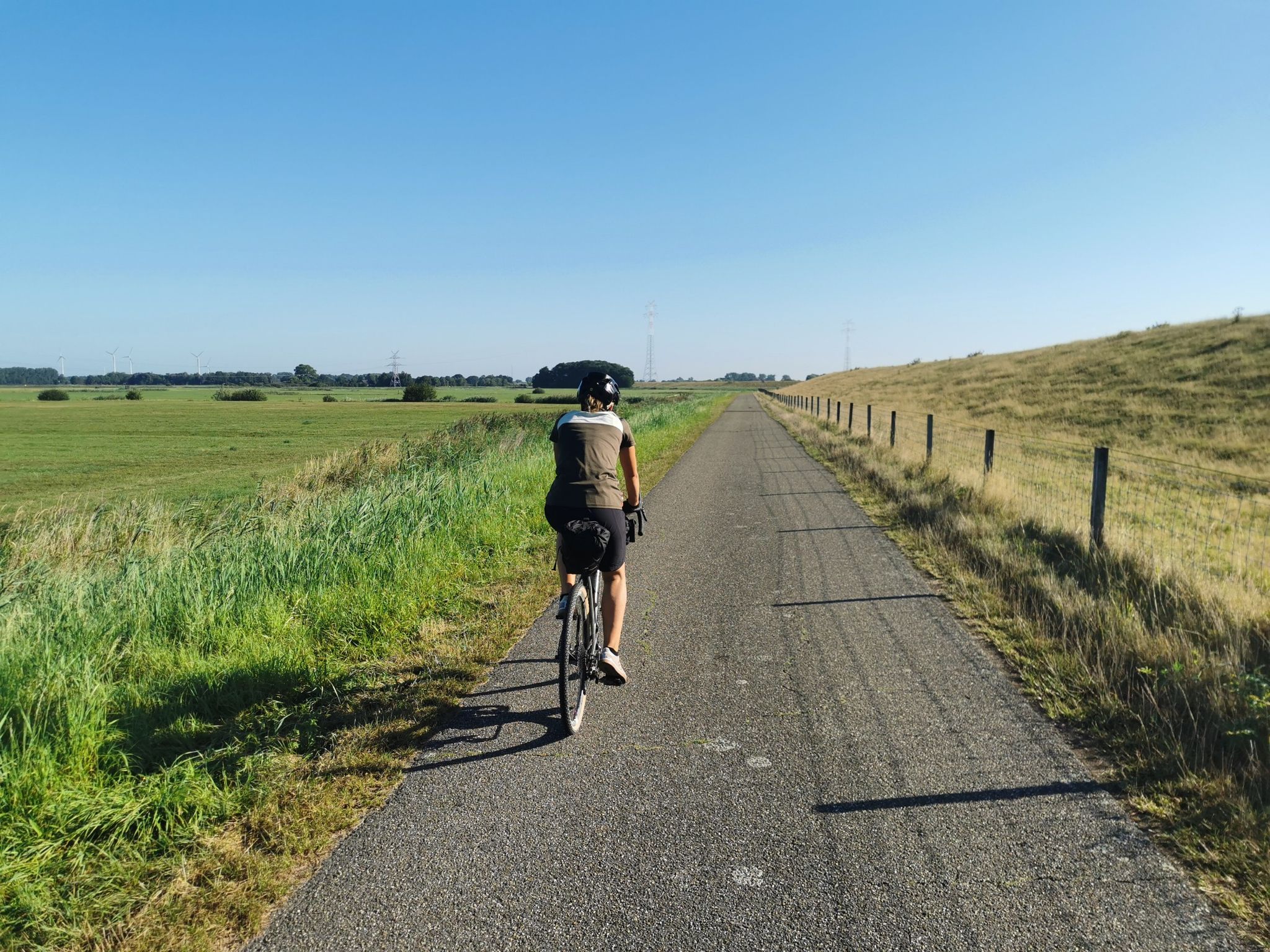
Sheep, dykes and Germany’s North Sea – Dollart Route
Other adventures in East Frisia


Tips from the Community

It's a beautiful part of the island - especially early in the morning, before all the other people arrive.
0
0

The path leads in an east-facing arc around the widely visible eastern beacon to the information hut, which is now deserted due to the increasingly inhospitable weather.
0
0

The Norderney lighthouse is a beautiful sight even from afar and a good orientation when leisurely exploring the uninhabited side of the island Have a great time and a great holiday everyone 🧳 🫶🦭
7
0
Welcome to bird watching at the Südstrandpolder! The Südstrandpolder is of artificial origin: construction of a military airport began here in 1940, but was never completed, with the exception of the dike. Instead, a diverse landscape developed from the former mudflats. Today, the polder is home to extensive bushes and wet heaths, as well as the largest reed beds on the East Frisian Islands. These reed beds and the pond system created in 1988 are home to many species of birds that breed, feed and rest here.
5
0

The 646 hectare "Leyhörn" nature reserve protrudes as a nose-shaped 👃 bulge into the Lower Saxony Wadden Sea National Park and is of great importance as a flood-free, coastal 🐣 breeding and resting area with diverse biotope structures. The bottom line, however, is that we see a lot more 🐑 🐑 🐑 sheep here than 🦅🦆🦢🪶 birds 😅.
2
0

You should bring time and binoculars with you here. A huge bird area. Beautiful untouched nature.🦤
1
0

The Leyhörn is a nature reserve on the peninsula of the same name in the south of the Leybucht in the Lower Saxony municipality of Krummhörn in the Aurich district, which was created in 1991 as part of coastal protection measures. The nature reserve with the registration number NSG WE 220 is 646 hectares in size. A large part of the nature reserve is part of the EU bird sanctuary “Krummhörn”. To the south and southeast it partly borders on the “Krummhörn” landscape protection area. The area has been protected since December 3, 1994. The responsible lower nature conservation authority is the Aurich district. (Source: Wikipedia)
3
0

NEUENBURGERFELD - The Neuenburgerfeld village community has been looking after the historic “Old Peat Shed” on a voluntary basis for over 25 years. Work has now been completed on an approximately 25 square meter extension, which houses, among other things, three public toilets. “We have received noticeably more registrations since the extension opened,” said the first chairman of the village community, Uwe Meinen, at the inauguration ceremony. One can only hope that the new premises are spared from vandalism, because after all a lot of volunteer work goes into building the extension. In addition to cleaning and maintaining the entire peat shed facility, the Neuenburgerfeld village community is now also responsible for the new extension with the toilets. The planning for the extension, which requires approval and is visually adapted to the old peat shed, was carried out by the building authority of the municipality of Zetel.
5
0
Frequently Asked Questions
What types of huts can I find in East Frisia?
East Frisia offers a diverse range of 'huts'. These include traditional Teestuben (tea rooms) for experiencing the local tea culture, functional observation and shelter huts for nature lovers, iconic Strandkörbe (hooded beach chairs) for coastal relaxation, and various vacation huts and cabins for unique overnight stays.
Where can I experience the traditional East Frisian tea ceremony?
You can experience the traditional East Frisian tea ceremony in many Teestuben across the region. Notable examples include Schoofs Mühle in Greetsiel, Teestube Eiland in Großefehn, and Ostfriesische Teestube am Hafen in Leer. This cultural practice, recognized by UNESCO, involves specific porcelain, rock candy, and cream, often enjoyed around 3 PM. For more details on this tradition, you can visit niedersachsen-tourism.com.
Are there huts suitable for families in East Frisia?
Yes, many huts and related facilities in East Frisia are family-friendly. For example, the Hunting lodge in the Neuenburg Primeval Forest serves as a resting place amidst hiking trails, and the Ems-Jade Canal Red Arch Bridge and Covered Rest Area offers facilities and is wheelchair accessible. Vacation cabins and bungalows also often cater to families with various amenities.
Which huts are best for birdwatching and nature observation?
East Frisia is excellent for birdwatching. The Observation Hut at Kalfamer on Norderney provides views of breeding birds. The Leyhörn Nature Reserve Birdwatching Hut is in a 'hot spot' for ornithologists, with around 200 bird species. The NABU Birdwatching Hut at Hauener Pütten near Pilsum Lighthouse is also ideal for quiet observation.
Can I find historical huts or sites in East Frisia?
Yes, East Frisia has several sites with historical significance. The Hunting lodge in the Neuenburg Primeval Forest, built in 1950, is a historical site that now serves as a refuge. Additionally, traditional Teestuben, like Schoofs Mühle in Greetsiel, are often located in historically rich villages or buildings, offering a glimpse into the region's cultural past.
What outdoor activities can I do near the huts in East Frisia?
East Frisia's flat terrain is ideal for various outdoor activities. You can find numerous hiking trails, such as those near the Hunting lodge in the Neuenburg Primeval Forest. Cycling is also very popular, with paths like those around Norderney Dunes and Lighthouse. For more detailed routes, explore the Easy hikes in East Frisia, MTB Trails in East Frisia, and Road Cycling Routes in East Frisia guides.
Are there any huts that offer unique overnight stays?
Yes, for unique overnight experiences, you can find various rental options like shepherd's huts, cabins, and bungalows. These often provide a 'tiny house' experience in nature, with amenities such as equipped kitchens, private bathrooms, and outdoor terraces. Many are located in peaceful, natural settings, popular with cyclists, canoeists, and hikers seeking a secluded getaway.
What is a Strandkorb and where can I find one?
A Strandkorb is an iconic hooded beach chair, a quintessential part of the North Sea coastal experience in East Frisia. While not a traditional building, it offers personal shelter from wind and sun. You can find Strandkörbe on main beaches throughout East Frisia, including on islands like Spiekeroog, providing a comfortable spot to relax by the sea.
What natural features can I expect to see near the huts?
Near the huts, you can encounter diverse natural features. Coastal areas offer dunes and beaches, such as those around Norderney Dunes and Lighthouse. Inland, you'll find forests like the Neuenburg Primeval Forest, and various bodies of water, including lakes and wetlands, which are often home to rich birdlife, as seen near the Südstrandpolder Birdwatching Hut.
What do visitors enjoy most about the huts in East Frisia?
Visitors appreciate the diverse experiences offered by East Frisian huts. They enjoy the authentic cultural immersion of the Teestuben, the unique opportunities for wildlife observation from birdwatching huts, and the comfort and relaxation provided by Strandkörbe on the beaches. The peaceful, close-to-nature settings of vacation cabins are also highly valued for immersive stays.
Are there any accessible huts or facilities for visitors with mobility needs?
Some facilities in East Frisia are designed with accessibility in mind. The Ems-Jade Canal Red Arch Bridge and Covered Rest Area is noted as wheelchair accessible, offering a convenient resting spot. When planning a visit, it's advisable to check specific hut or accommodation details for their accessibility features.
When is the best time to visit East Frisia for hut experiences?
The best time to visit East Frisia depends on your preferred hut experience. Spring and autumn are ideal for nature observation and hiking, with pleasant temperatures for exploring birdwatching huts and forest lodges. Summer is perfect for enjoying Strandkörbe on the beaches and coastal activities. Teestuben are welcoming year-round, offering a cozy retreat regardless of the weather.
Most popular routes in East Frisia
Most popular attractions in East Frisia

Get inspired with the komoot mobile app


Didn’t find what you were looking for?
See even more amazing huts in East Frisia with these guides per region:
Explore more
Find more beautiful huts and cabins in East Frisia by checking out the top ones in these nearby places:
