Top 5 Caves in Rhenish Hesse
Best caves in Rhenish Hesse include a variety of underground sites, ranging from historical cellars to fossil locations and former mines. This region, known for its unique geology and history, offers distinctive subterranean experiences. The landscape features both natural and man-made underground structures. These sites provide insights into the area's past, from ancient seas to wartime refuges and industrial heritage.
Best caves in Rhenish Hesse
- The most popular caves is Weinheimer Trift Fossil Site, a natural monument that features…
Last updated: September 29, 2026
Weinheimer Trift Fossil Site
Highlight • Natural Monument
Translated by Google •
Tip by

Swiss House
Highlight • Viewpoint
Translated by Google •
Tip by

Sign up now to discover places like this
Get recommendations on the best single tracks, peaks, & plenty of other exciting outdoor places.
Amor Grotto
Highlight • Cave
Translated by Google •
Tip by

Schinderhannes Cave
Highlight • Cave
Translated by Google •
Tip by
Start today with a free account
Your next adventure awaits.
Popular around Rhenish Hesse
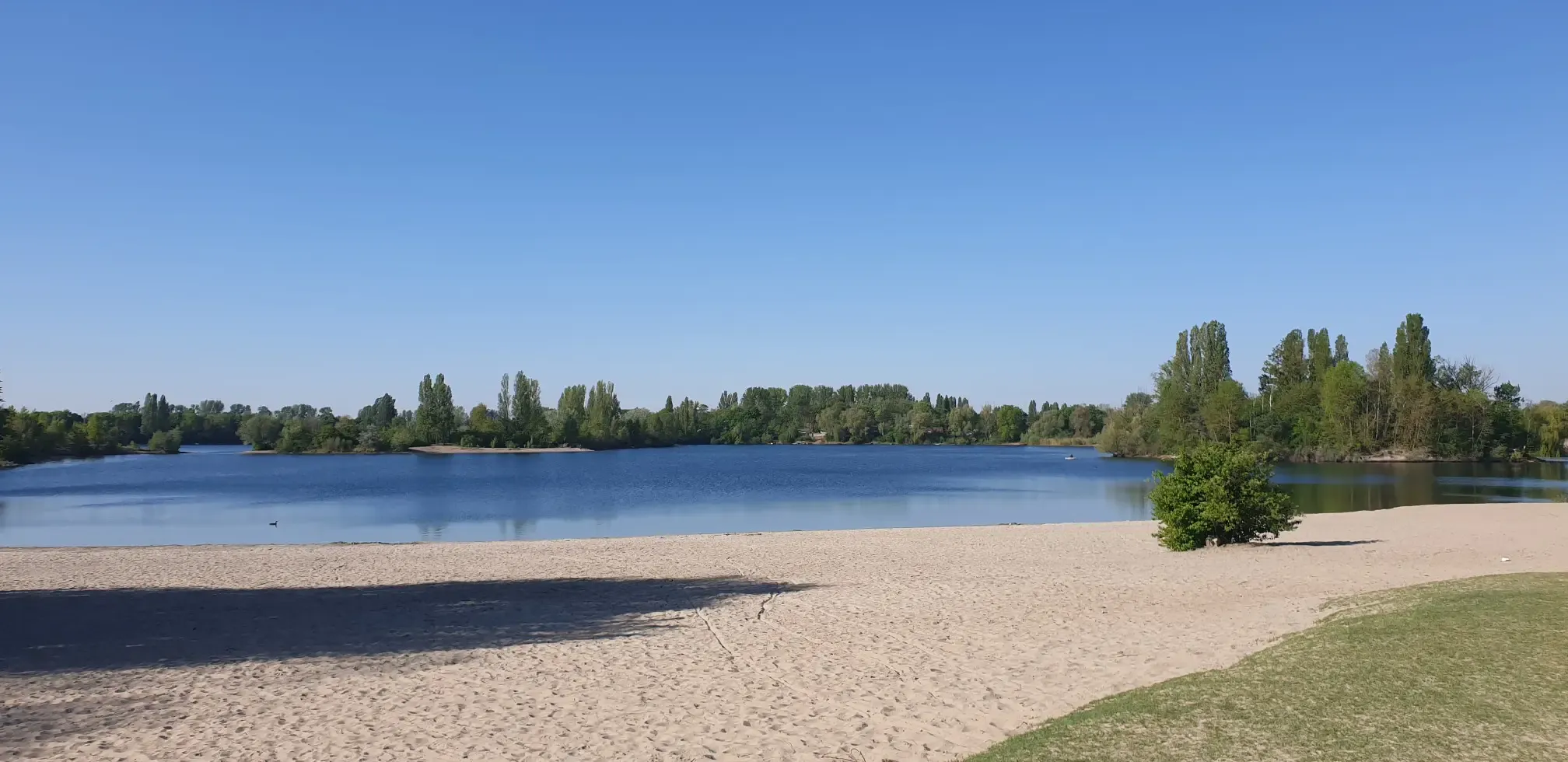
Jump right in! Swimming lakes in the Rhine-Neckar Triangle
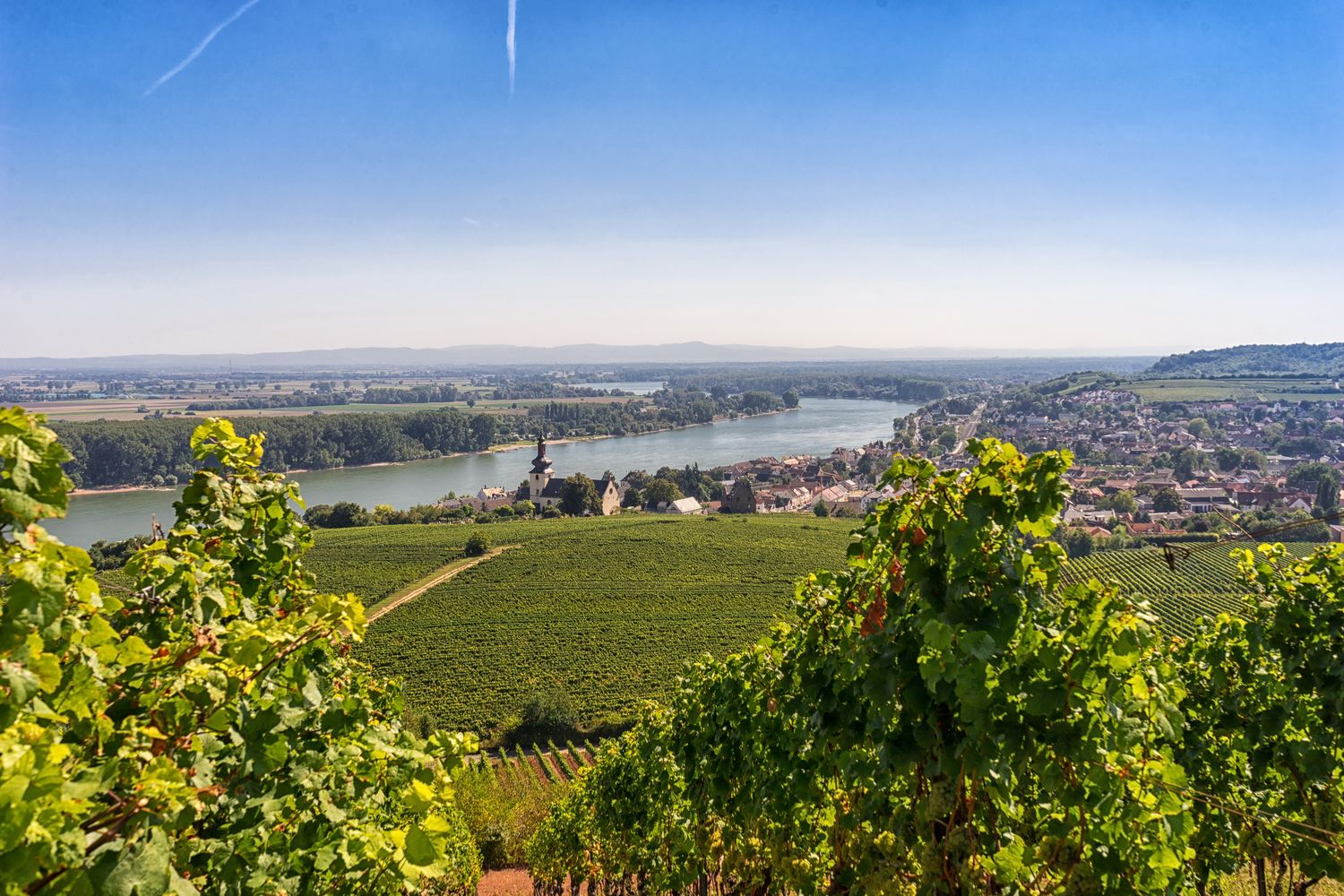
RheinTerrassenWeg – Hike through vineyards along Germany's River Rhine
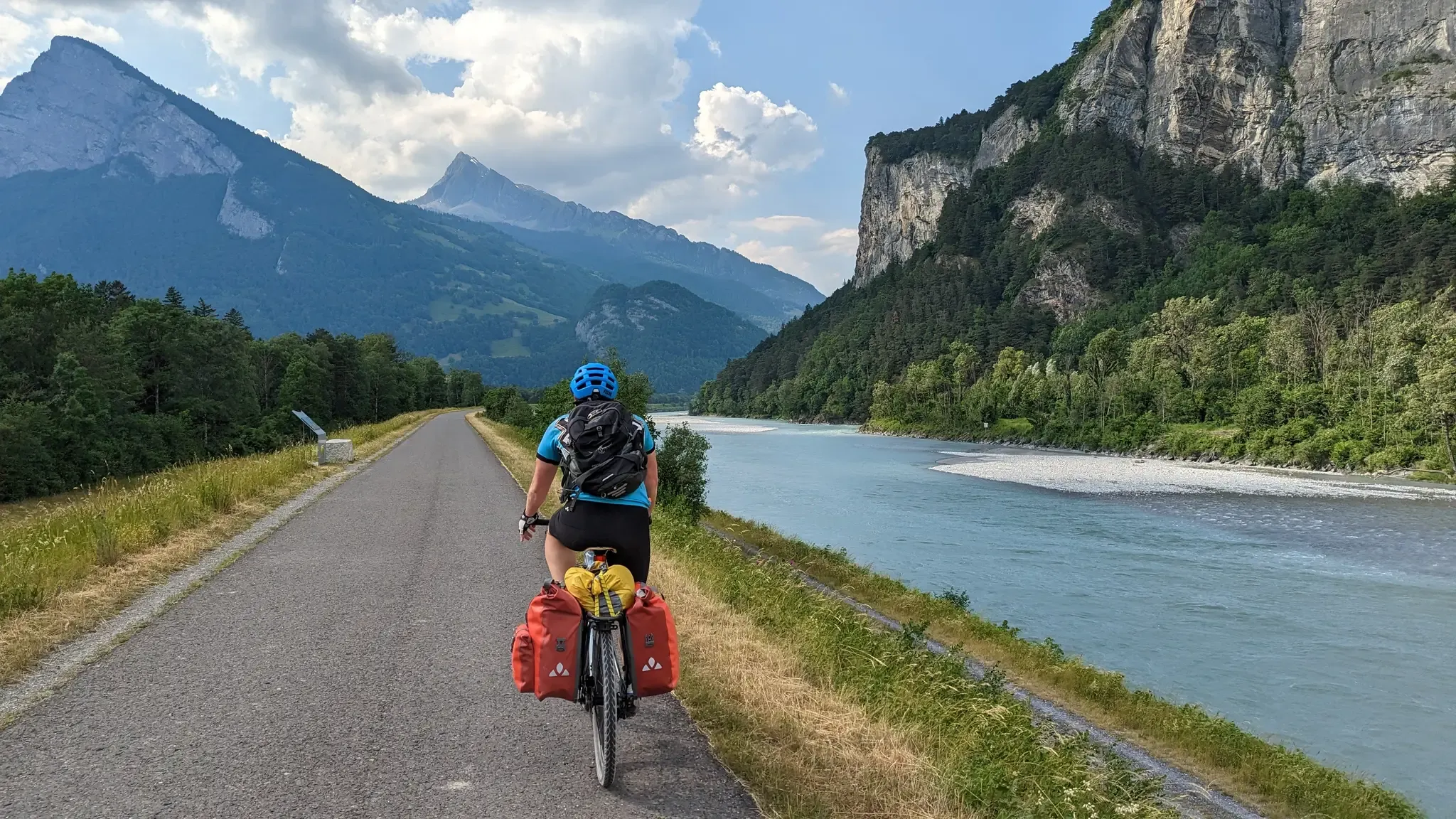
The Rhine Cycle Path — From the source to the North Sea
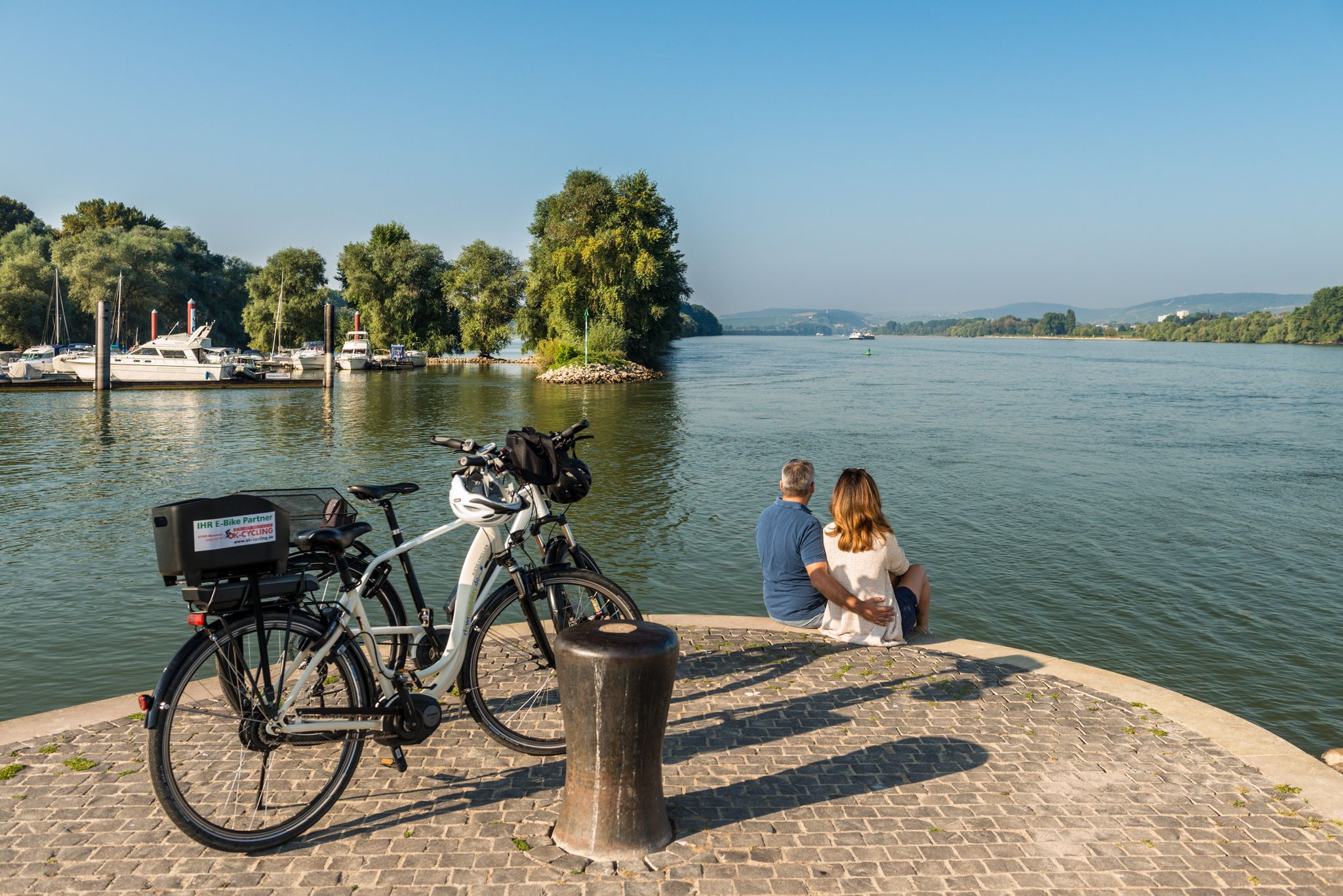
Cycling in Rheinhessen between Rhine and wine
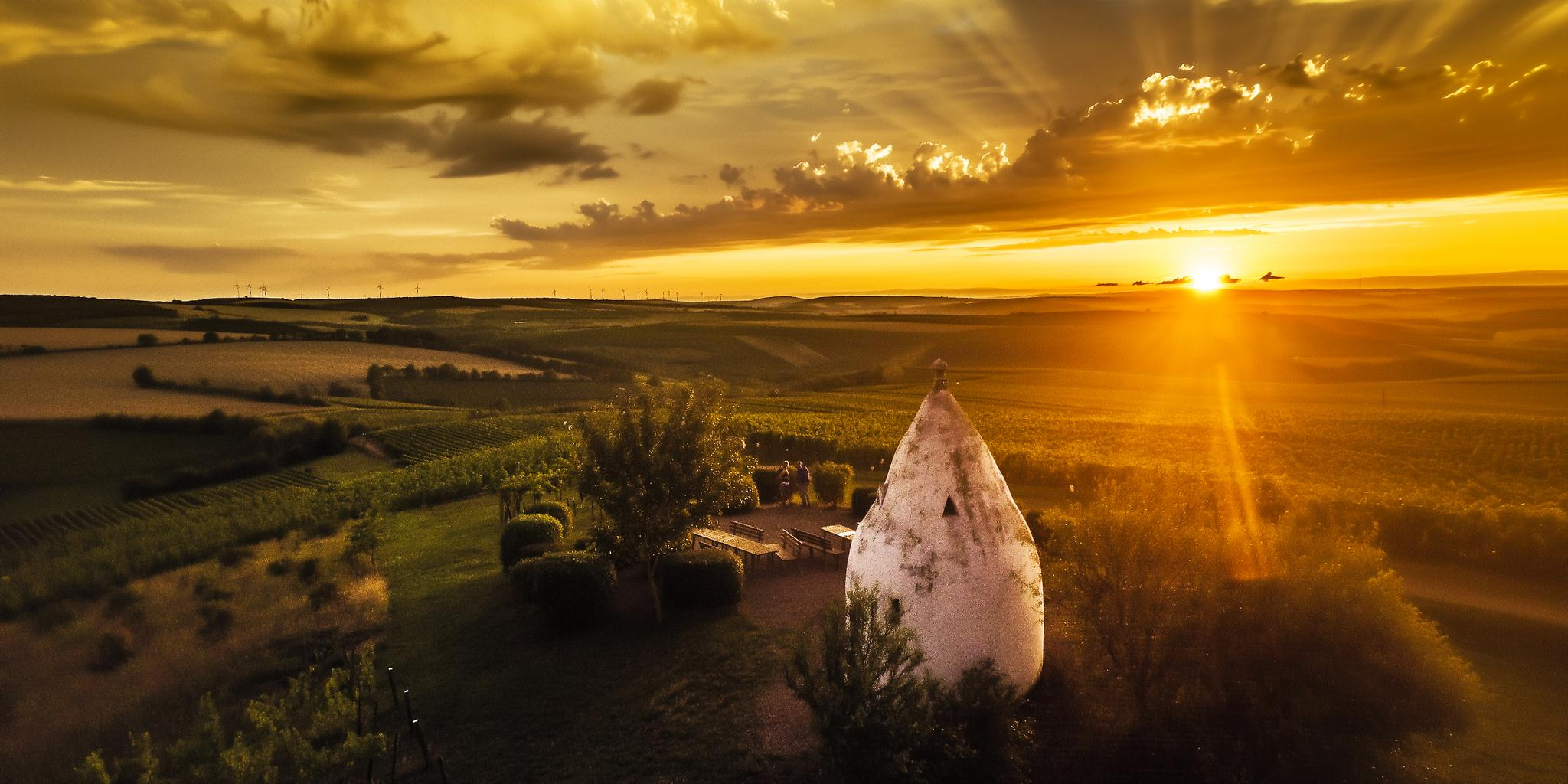
Hiking joy in Rheinhessen – experience magical moments
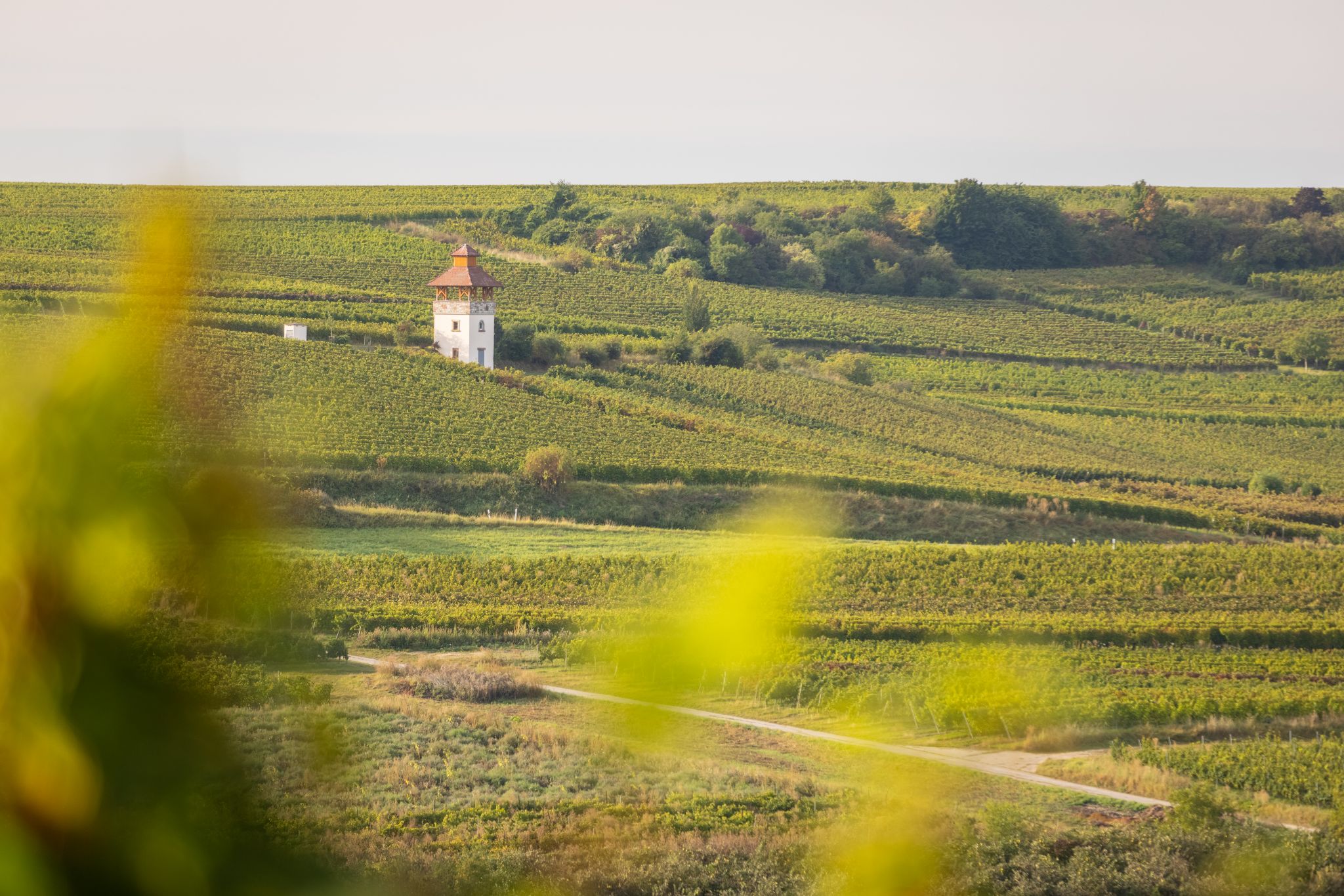
Vineyards and half-timbered houses – hiking magic in Rheinhessen
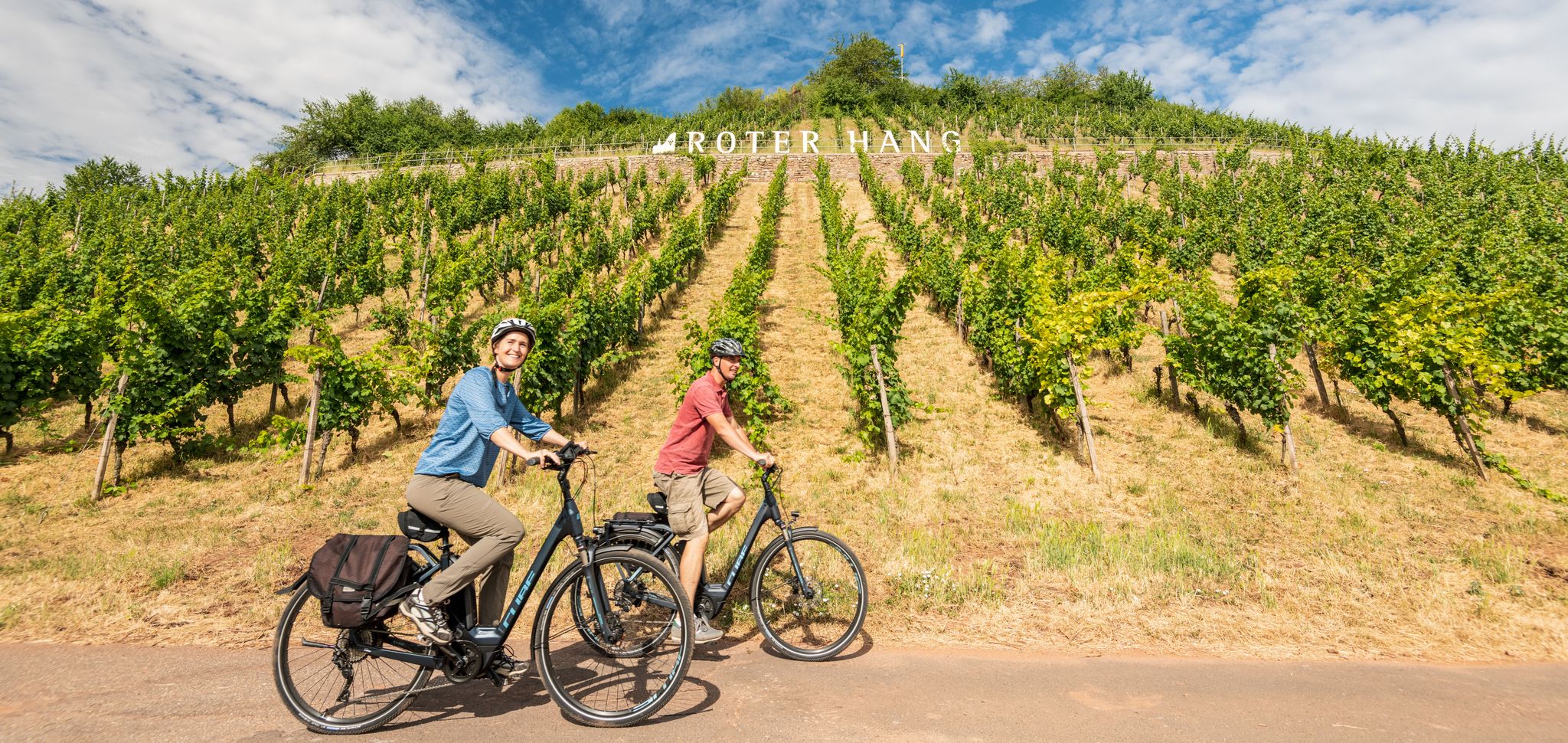
From the city to a sea of vines – cycling Tours in Rheinhessen

Winter adventures by public transport – hikes for the whole family
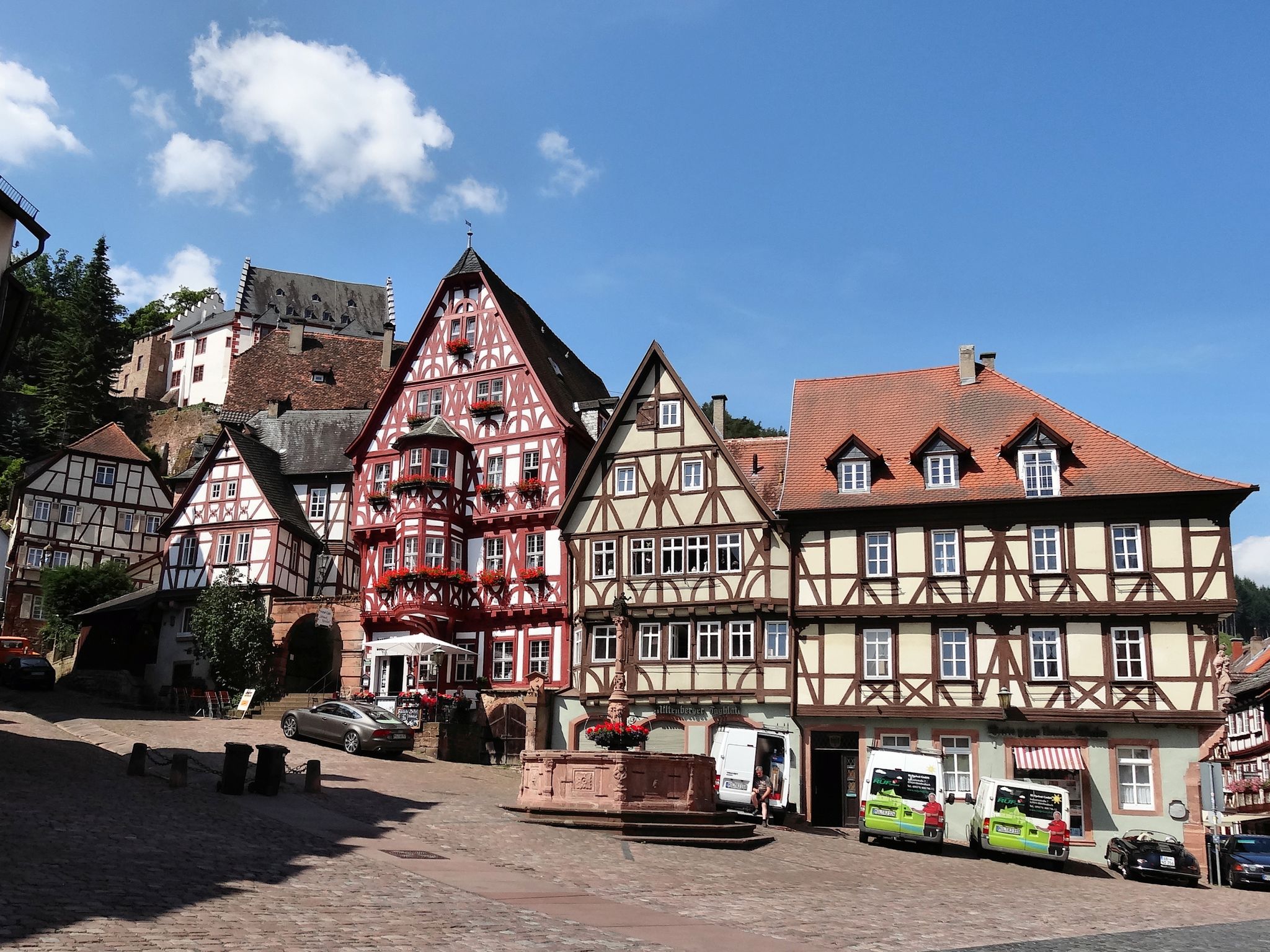
Give me four! - The Four-Country-Way
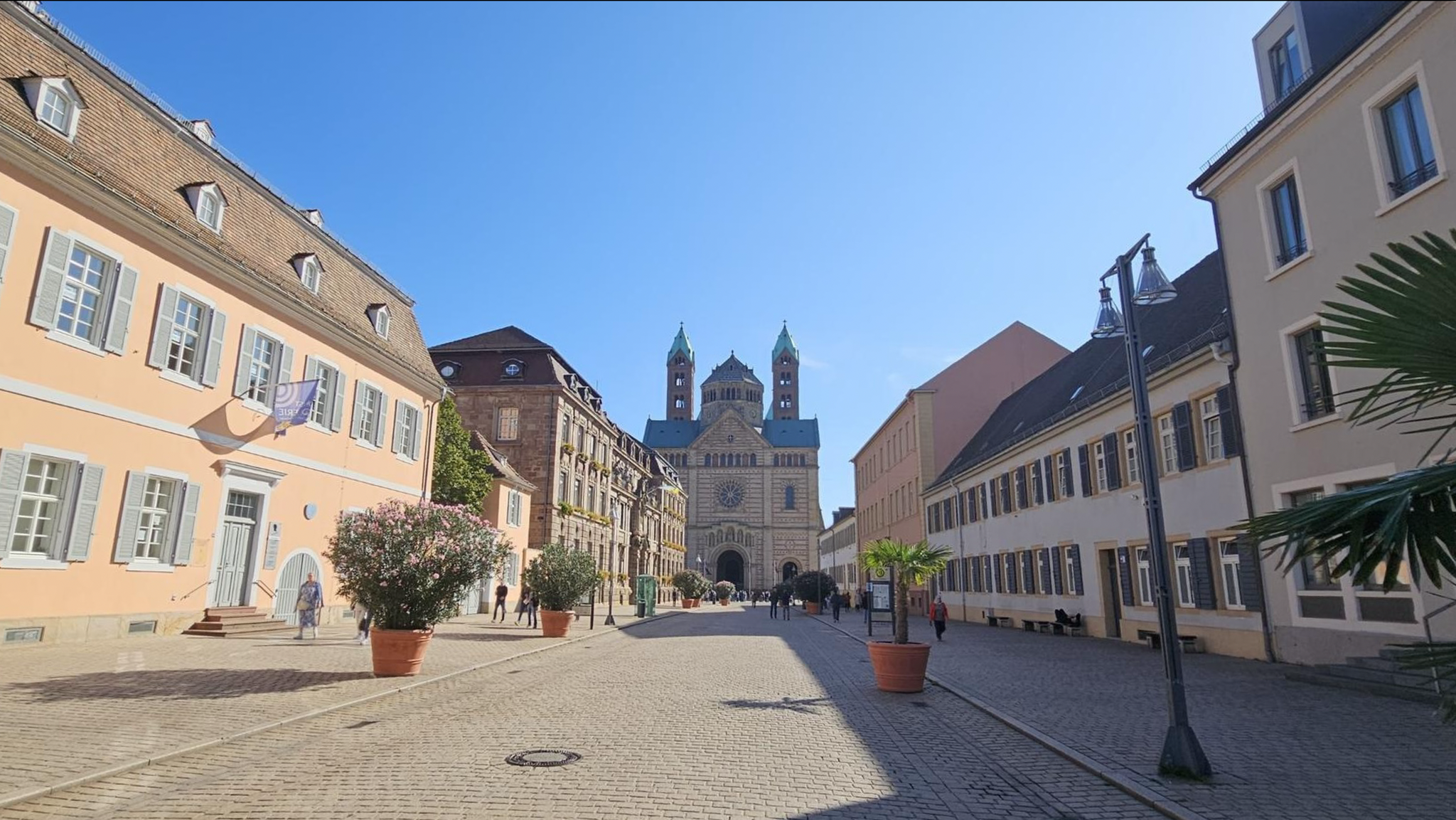
Culture and Nature in the Vorderpfalz - The Salier Cycle Path
Other adventures in Rhenish Hesse


Tips from the Community

A beautiful view. But there's a lot of renovation work to be done, I'd say.
1
0

Unfortunately, the Swiss house looks run-down. The roof terrace is locked, but there's also a great view from below the house.
0
0

https://www.myheimat.de/alzey/c-freizeit/die-trift-in-weinheim_a123601 Yes, there actually used to be a sea here!
1
0
The drift shows marine deposits from the Oligocene period (30 million years ago). Mussels and snails are the most common fossils, but fish remains such as shark teeth and small creatures and micro plants can also be seen. The caves at the base were created during World War II. They served as a place of refuge from air raids. The area is protected by a fence.
1
0

You should be sure-footed and be able to guide your dog safely.
1
2

Deeply narrow but warm even in winter.Narrow steep path up to here.Be careful, wait.But brilliant hiding place!!!!😄✌️
0
0

The Trift is a petrified seabed.
1
0
At first you only see the figure of Cupid. If you walk around it, the hidden grotto opens up.
1
0
Frequently Asked Questions
What kind of underground sites can I explore in Rhenish Hesse?
Rhenish Hesse offers a unique array of underground attractions, primarily historical cellars, a significant fossil site with underground sections, and former mines. You won't find extensive natural dripstone caves with stalactites here, but rather sites that reveal the region's history and geology.
What historical insights do the underground sites in Rhenish Hesse offer?
The region's underground sites provide a rich historical perspective. The Oppenheim Cellar Labyrinth, for example, is a vast man-made system of cellars and corridors used for storage, hiding, and escape over 1,000 years. The Schinderhannes Cave is a former mercury mine from the 14th century, offering a glimpse into the region's industrial past. Even the Weinheimer Trift Fossil Site has historical significance, as its underground sections were used as air-raid shelters during World War II.
Are there family-friendly underground attractions in Rhenish Hesse?
Yes, there are options suitable for families. The Oppenheim Cellar Labyrinth offers guided tours that are both educational and engaging for various ages. The Amor Grotto, with its natural spring and local folklore, provides a picturesque and accessible spot for families to visit.
How do I visit the Oppenheim Cellar Labyrinth?
You can visit the Oppenheim Cellar Labyrinth as part of a guided tour. Tickets can be booked at the Tourist Info next to the town hall in Oppenheim. Tours are offered multiple times daily, providing an entertaining and interesting experience through the 'city under the city'.
What unique geological features can I find in Rhenish Hesse's underground sites?
The Weinheimer Trift Fossil Site is a highlight for geological enthusiasts. It features a former beach slope from approximately 30 million years ago, where researchers can identify different sea levels. Notable finds include a fossilized sea cow and impressions of ray burrows, offering a unique insight into an ancient seabed.
What is the difficulty level for visiting Schinderhannes Cave?
Visiting the Schinderhannes Cave is considered adventurous. The narrow path to the 60-meter-long former mercury mine requires good footwear and a steady disposition. It is recommended for those who are firm-footed and not prone to vertigo.
What outdoor activities can I do near the caves in Rhenish Hesse?
Rhenish Hesse offers various outdoor activities. You can find easy hikes like the Altrheinerlebnispfad or Rundweg Westerberg. For more challenging options, explore mountain hikes such as the Prinzenkopf – Damianskopf loop. There are also numerous running trails, including routes along the Rhine. You can find more details on these activities in the Easy hikes in Rhenish Hesse, Mountain Hikes in Rhenish Hesse, and Running Trails in Rhenish Hesse guides.
What is the Amor Grotto?
The Amor Grotto is a picturesque site that captures a natural spring. It is associated with local legends concerning the desire for children, and a 19th-century copy of a cupid figure is positioned above the grotto. It's more of a cultural and legendary spot than a deep cave.
How much time should I plan for visiting the underground sites?
The time needed varies by site. A guided tour of the Oppenheim Cellar Labyrinth typically takes about an hour. Other sites like the Weinheimer Trift Fossil Site or Schinderhannes Cave might be part of a longer hike or exploration, so allocate more time if combining with other activities.
Are there any specific recommendations for footwear when exploring these sites?
Yes, especially for sites like the Schinderhannes Cave, good footwear is essential due to the adventurous and potentially uneven paths. For other sites, comfortable walking shoes are generally recommended, as you might be on your feet for guided tours or exploring natural terrain.
What do visitors enjoy most about the underground sites in Rhenish Hesse?
Visitors often appreciate the unique blend of history and nature. The sheer scale and historical significance of the Oppenheim Cellar Labyrinth are frequently highlighted, offering a fascinating glimpse into the past. The Weinheimer Trift Fossil Site is praised for its geological insights and its role as a refuge during WWII, described as 'truly something very special'.
Most popular routes in Rhenish Hesse
Most popular attractions in Rhenish Hesse

Get inspired with the komoot mobile app


Didn’t find what you were looking for?
Discover more caves in Rhenish Hesse region by region:
Explore more
Extend your search for the best caves by checking out these guides of the top ones in Rhenish Hesse:
