Top 18 Caves in the Kinzigtal
Best caves in the Kinzigtal are situated within a region characterized by its picturesque valleys and traditional Black Forest towns. The area offers a combination of natural geological formations and historical mining sites. These underground attractions provide insights into the region's geology and its industrial heritage. Visitors can explore both natural rock shelters and former silver mines, offering diverse experiences.
Best caves in the Kinzigtal
- The most popular caves is Moosmann Cave, a cave that opens up in the middle of a rock sea. This small cave is considered a very idyllic shelter.
- Another must-see spot is Segen Gottes Silver Mine, a historical site. This show mine, first mentioned in the 13th century, allows visitors to explore medieval mining tunnels and shafts.
- Visitors also love Räuberhöhle (Robbers' Cave), a natural monument featuring a large rock overhang. This impressive rock arch creates a significant natural cavity.
- Kinzigtal is known for natural rock shelters and historical silver mines. The region offers a variety of underground experiences, from geological formations to insights into mining history.
- The caves in the Kinzigtal are appreciated by the komoot community, with more than 260 upvotes and over 100 photos shared by users.
Last updated: August 5, 2026
Moosmann Cave
Highlight • Cave
Translated by Google •
Tip by

Lower Sophia Mine
Highlight • Historical Site
Translated by Google •
Tip by

Sign up now to discover places like this
Get recommendations on the best single tracks, peaks, & plenty of other exciting outdoor places.
Sign up for free
Grube Wenzel Show Mine
Highlight • Historical Site
Important: You must register online in advance!
Showing Translation
Tip by

Räuberhöhle (Robbers' Cave)
Highlight • Cave
However, at the bottom of the short ascent there is now a sign with "Danger to life from falling rocks. Entry prohibited"
Translated by Google •
Tip by

Segen Gottes Silver Mine
Highlight • Historical Site
Translated by Google •
Tip by

Sign up for free to discover even more caves in the Kinzigtal.
Sign up for free
Already have an account?
Start today with a free account
Your next adventure awaits.
Login or Signup
Popular around Kinzigtal
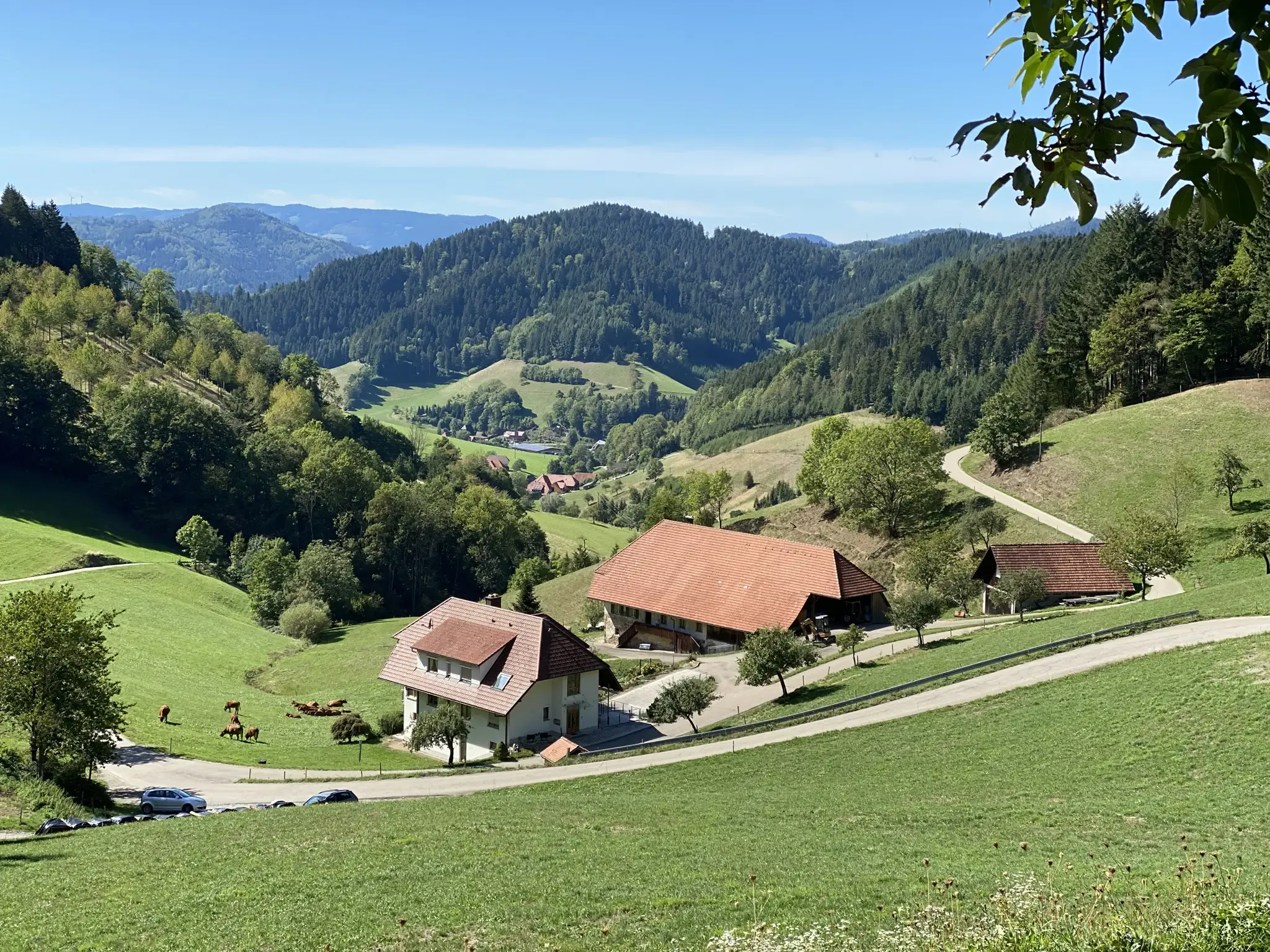
Kinzigtäler Jakobusweg – With Jakob through the Black Forest
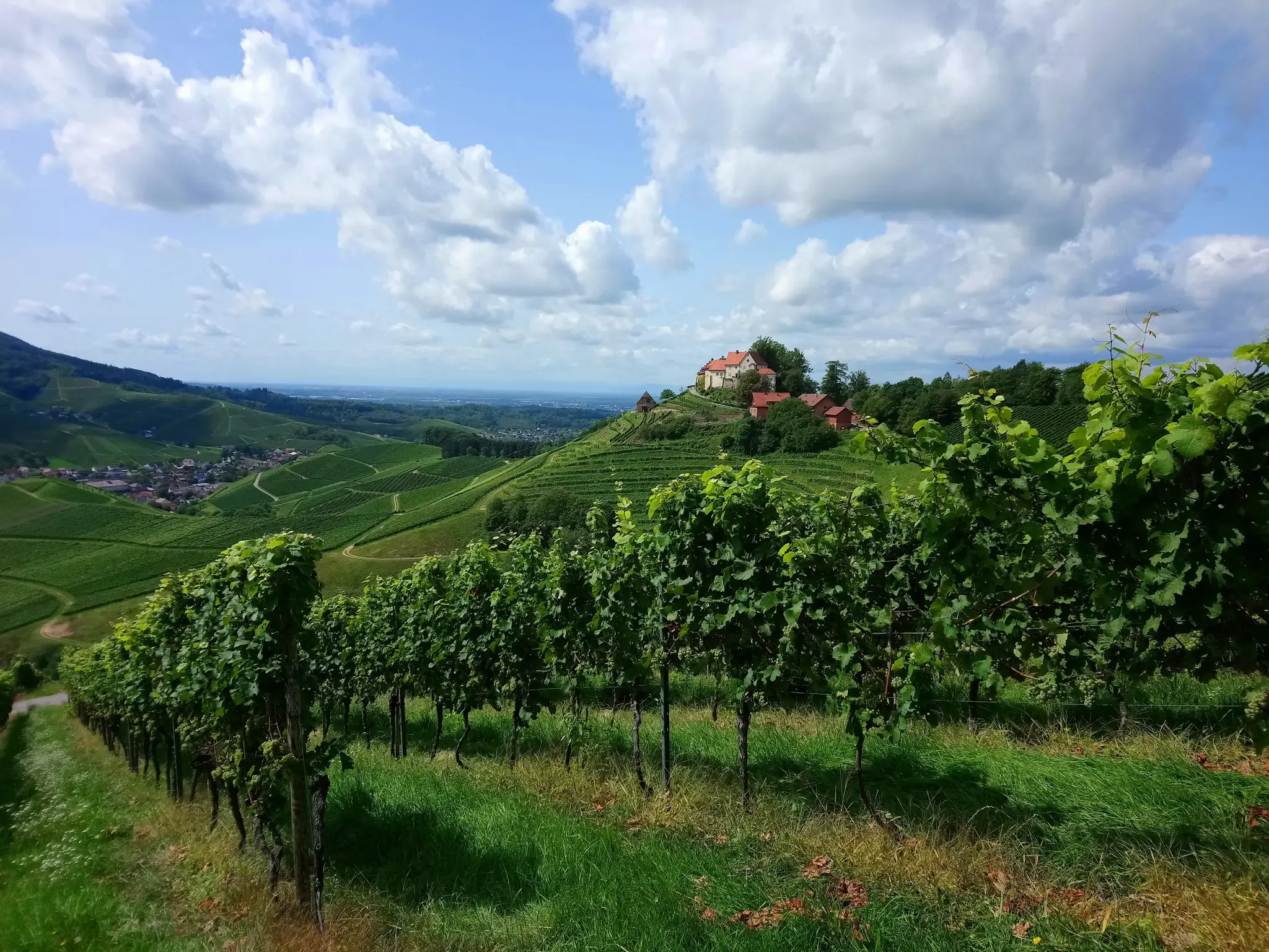
Ortenau Wine Trail – A glass of red and white, please
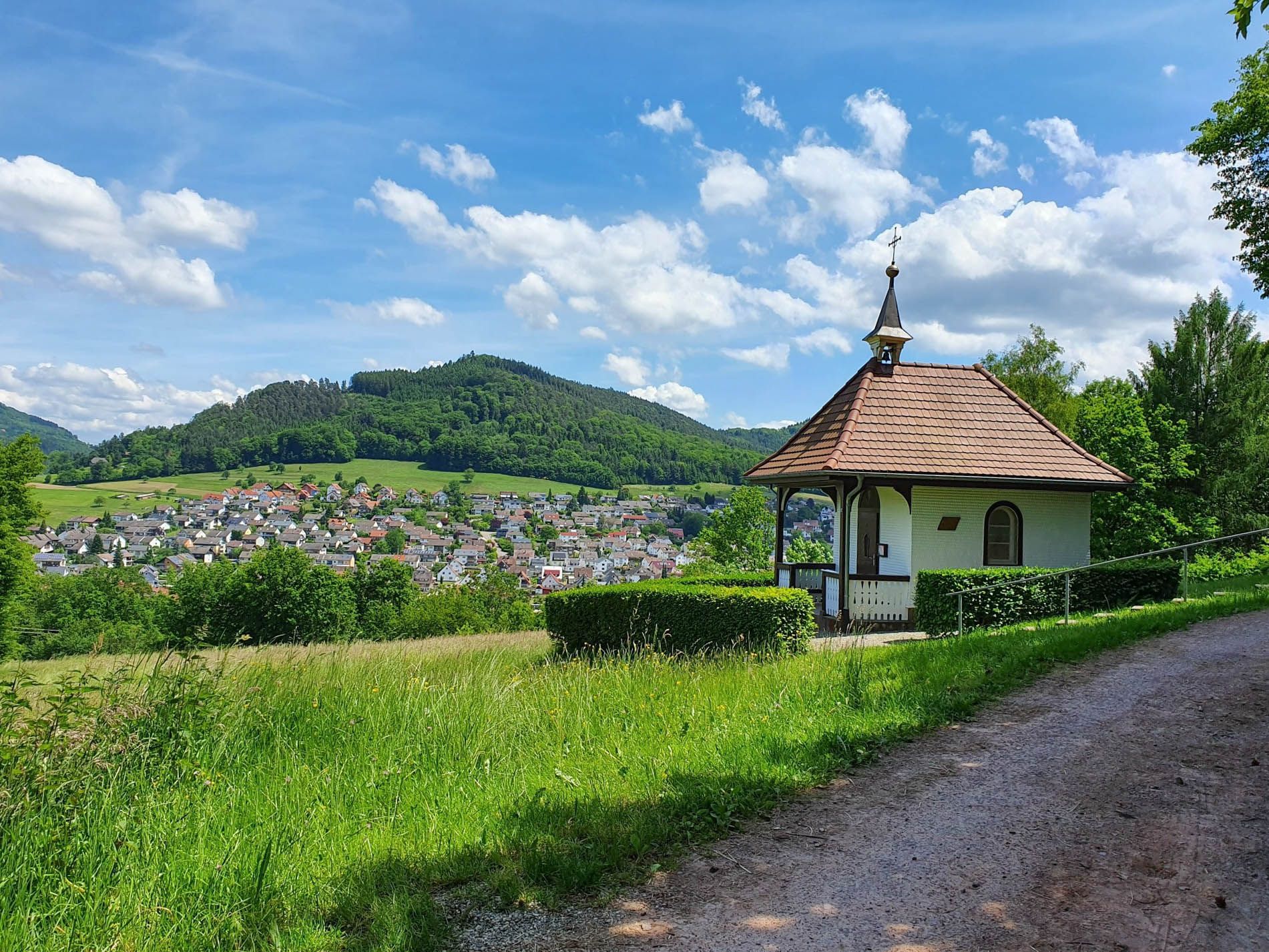
Rottweil–Lahr Black Forest Trail – Hike between forests and meadows
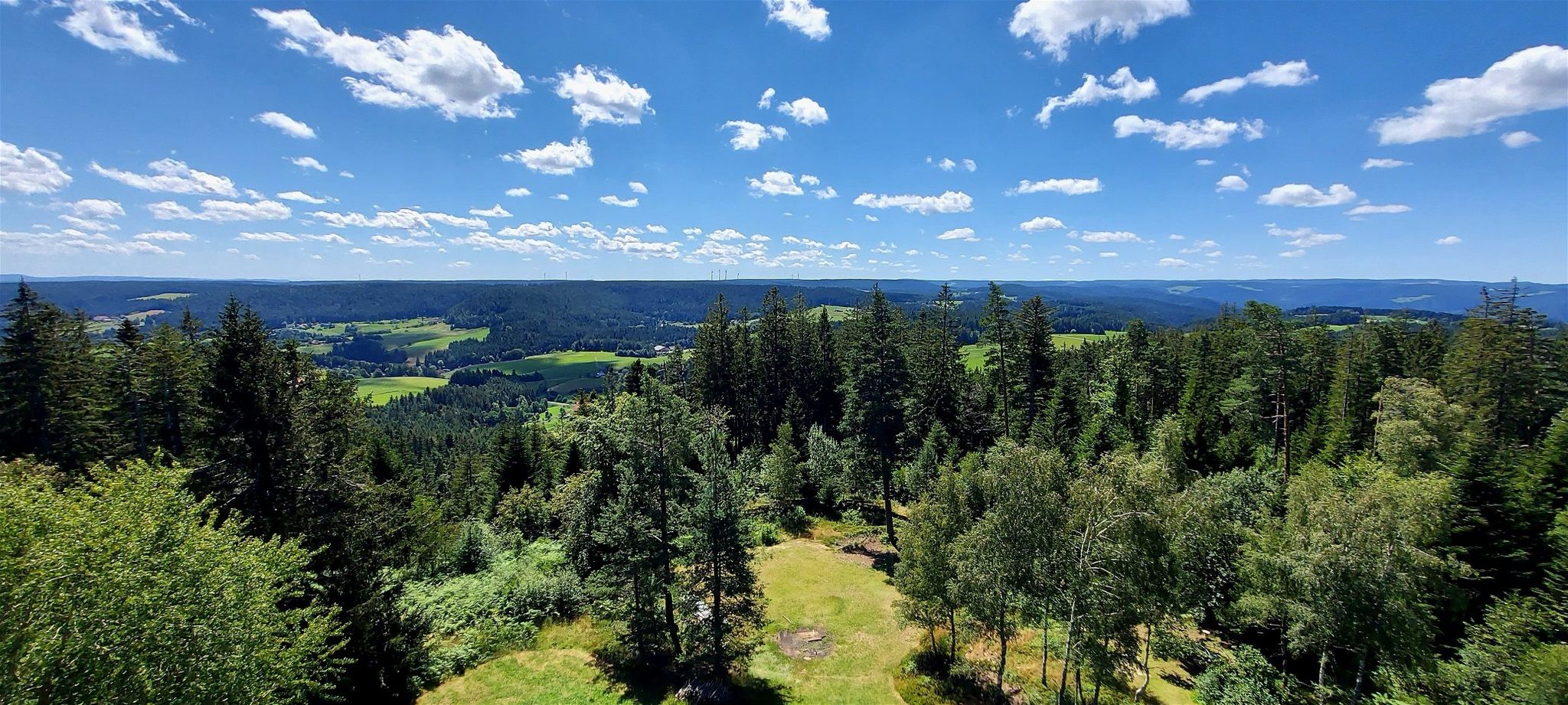
Lauterbacher Wandersteig – Two days in the idyllic Black Forest
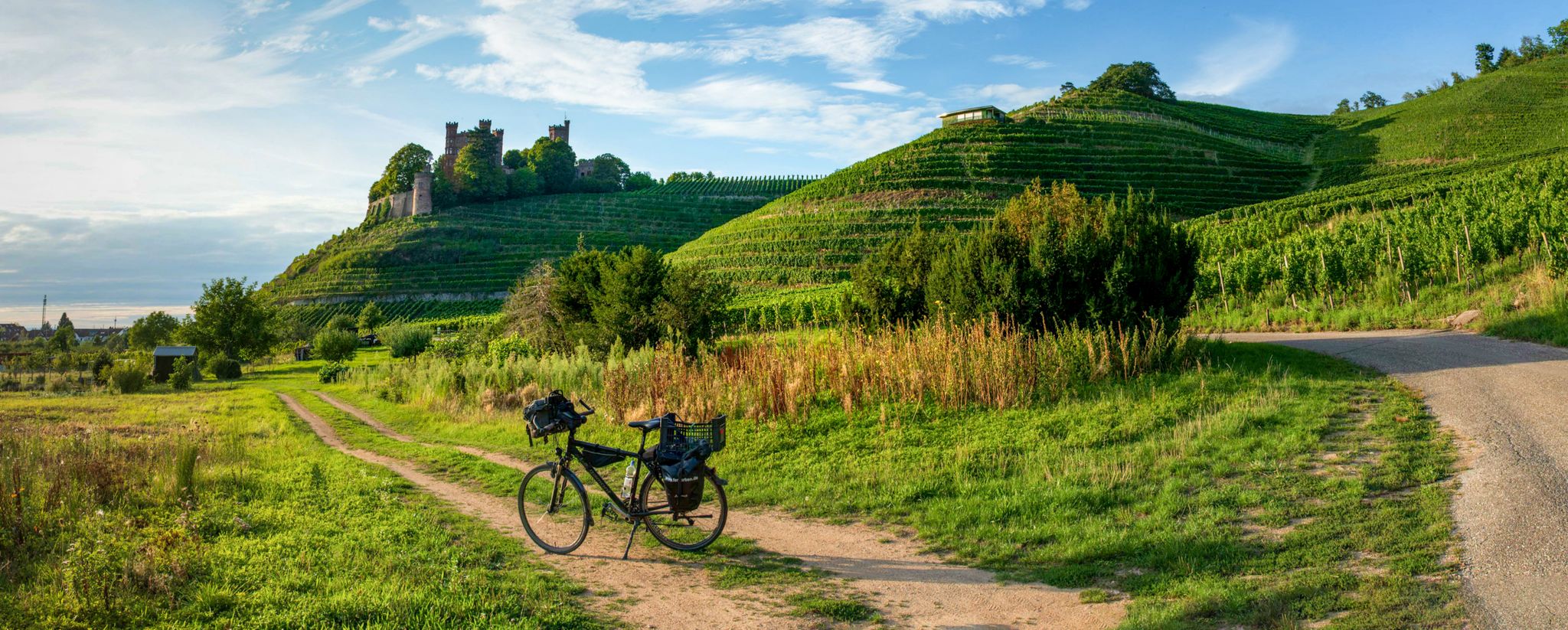
Three Valleys Cycle Path – Cycle across the Black Forest in Germany
Crossway Gengenbach - Alpirsbach
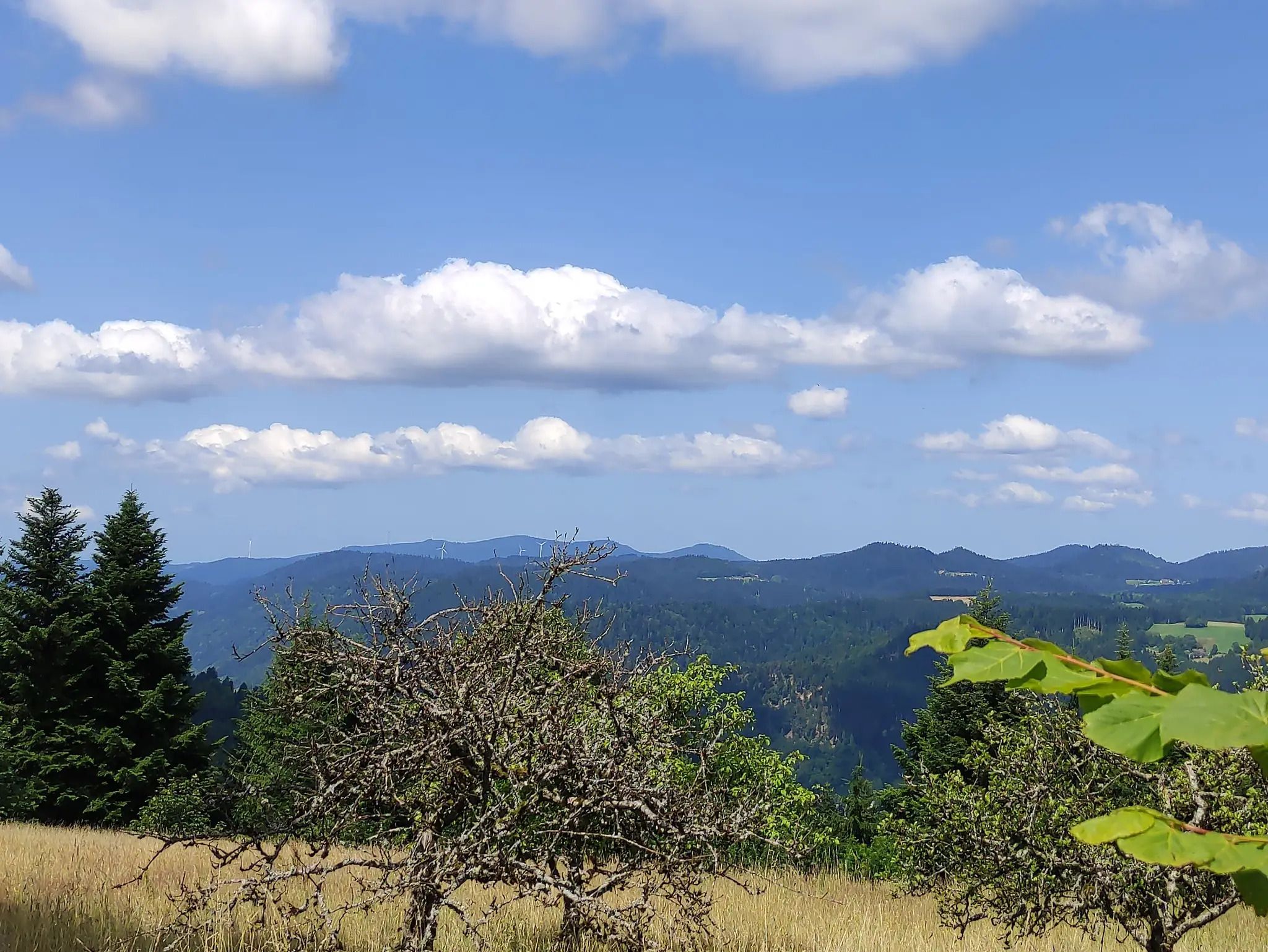
The Eastern Path of the Black Forest Association
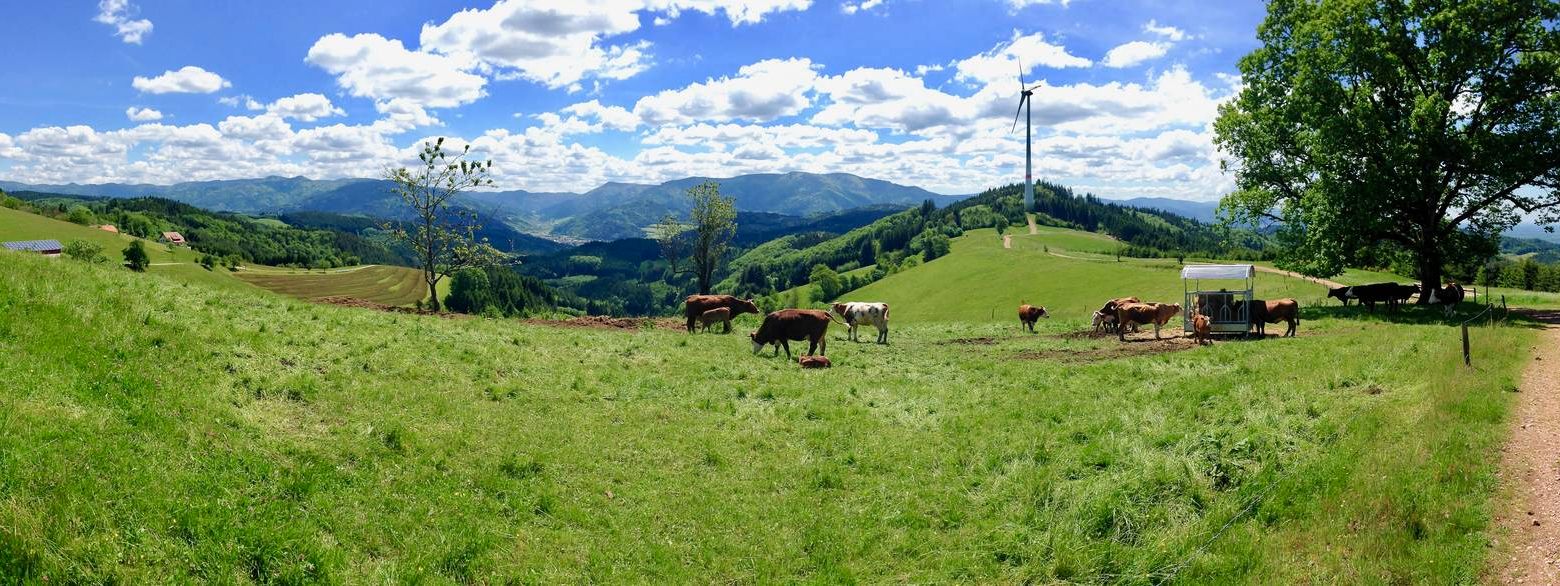
Germany's Kandelhöhenweg — More westerly than the Westweg
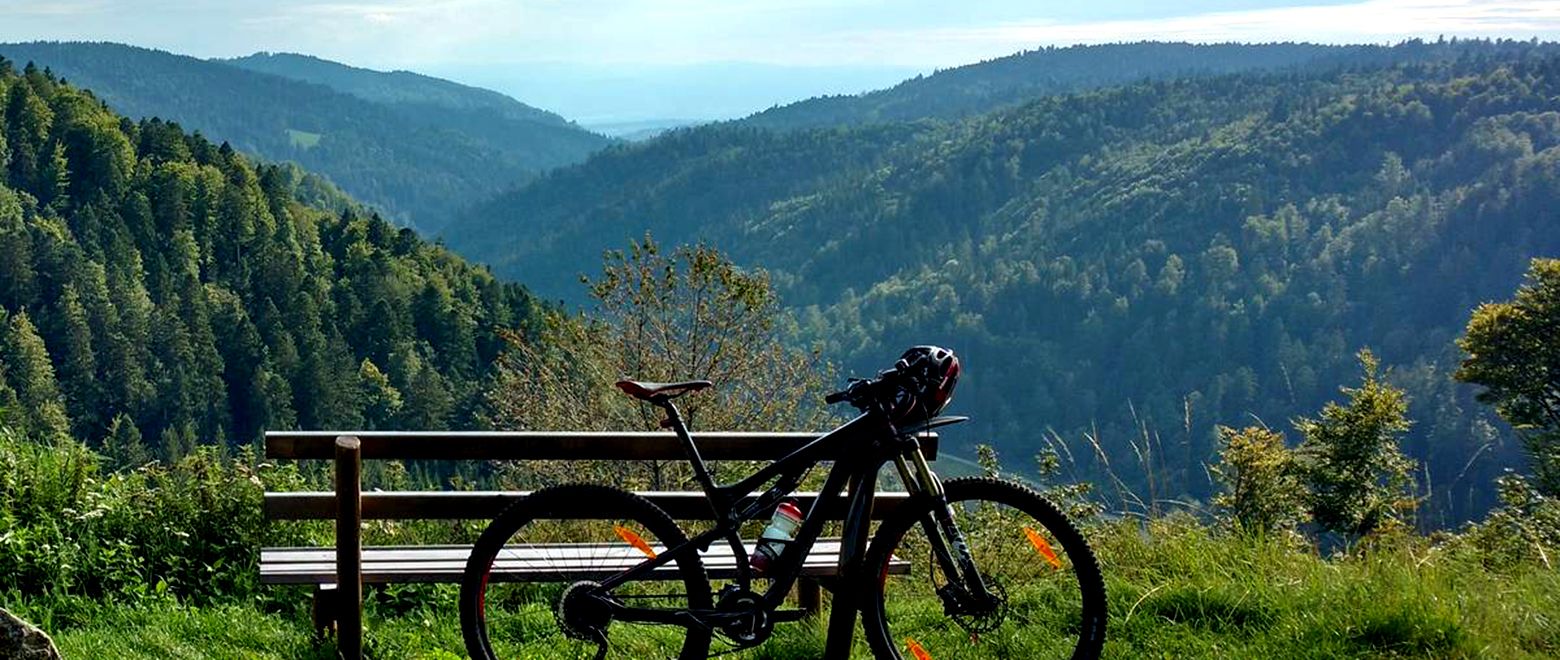
The Black Forest Crossing – From north to south in eight days
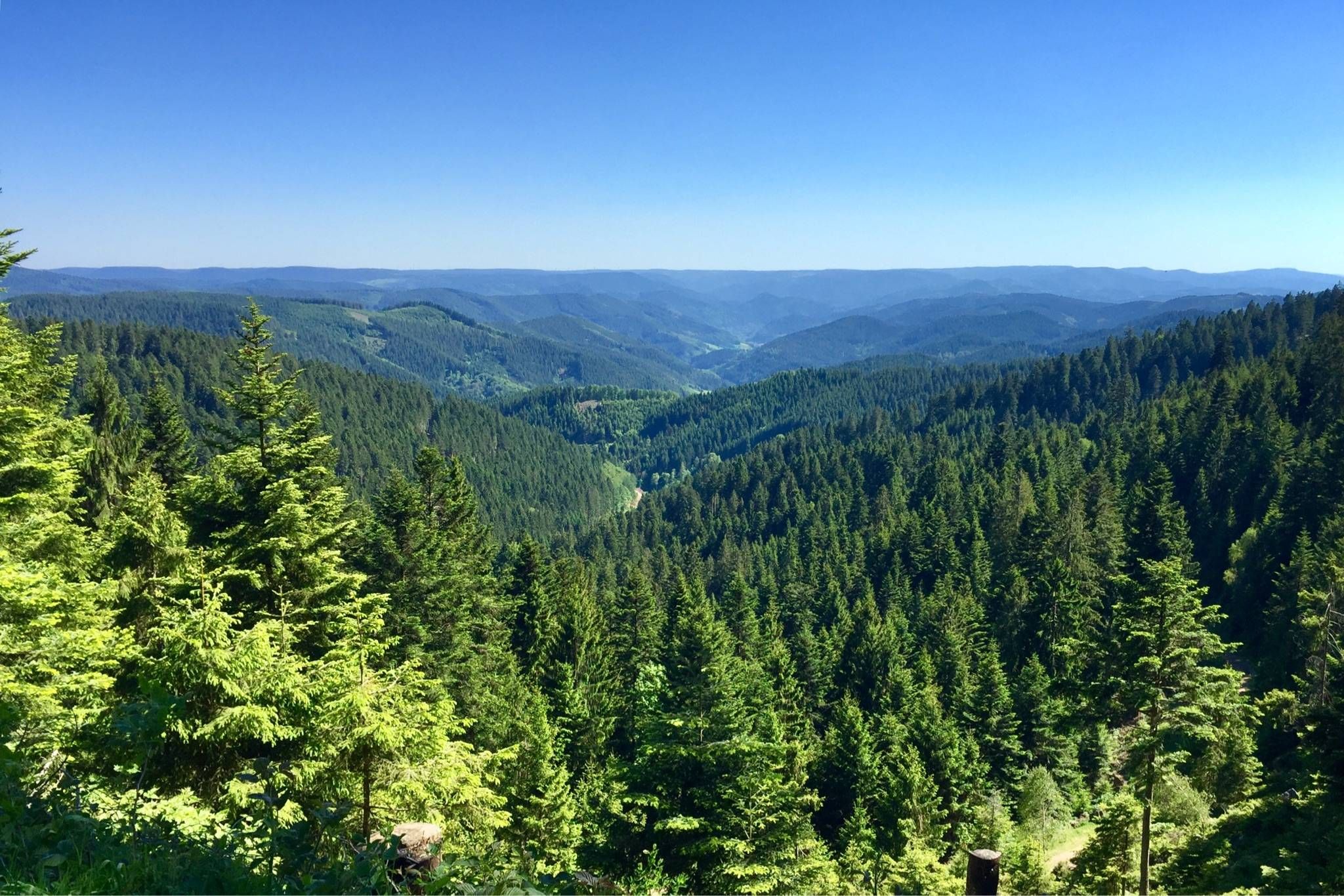
Westweg – Deep forests and bright heights through the Black Forest
Other adventures in the Kinzigtal


Tips from the Community

Grube Wenzel is highly recommended and very informative with a guided tour! Important: You must register online in advance!
7
0

The Sophia Untere mine is one of the few in the Forbach Valley whose entrance is not backfilled today. Cobalt was mined there - which was unique in the Northern Black Forest. The mine is first mentioned in 1593, it was probably in operation until 1757, after which it was closed down and backfilled. The entrance to the mine was only rediscovered around 1995. Guided tours are possible on request. https://www.nationalparkregion-schwarzwald.de/poi/baiersbronn-friedrichstal-grube-sophia
4
0

The "Untere Sophia" mine is one of the oldest mines in the area. It is already marked on a map by Georg Gadner from 1593. At that time, however, the tunnel was still called "St. Johannis am Friesenberg."
8
0

Here you can see something beautiful, very worth seeing
1
0

Beautiful cave with a technically demanding trail afterwards
0
0

So much history right on your own doorstep
3
1

Cobalt was mined there - which was unique in the northern Black Forest. The mine was first mentioned in 1593 and was probably in operation until 1757, after which it was shut down and filled in. It was only around 1995 that the entrance to the pit was rediscovered.
4
0

The way up was strenuous but the cave was breathtaking
2
0
Frequently Asked Questions
What types of caves can I explore in the Kinzigtal region?
The Kinzigtal region offers a mix of natural geological formations and historical mining sites. You can find natural rock shelters like the Moosmann Cave and the Räuberhöhle (Robbers' Cave), as well as historical silver mines such as the Segen Gottes Silver Mine and the Grube Wenzel Show Mine. The region also features unique underground experiences like the mineral heap at Grube Clara.
Are there any show caves with impressive dripstone formations in or near the Kinzigtal?
While the Kinzigtal itself is more known for its mining history and rock shelters, nearby regions offer spectacular dripstone caves. The Teufelshöhle (Devil's Cave) near Steinau an der Straße, Hesse's oldest show cave, features diverse stalactites and stalagmites. Further afield in the southern Black Forest, the Erdmannshöhle Hasel boasts some of Germany's largest and oldest dripstone formations.
What historical mining sites can I visit in the Kinzigtal?
The Kinzigtal has a rich mining history. You can explore the Segen Gottes Silver Mine, first mentioned in the 13th century, which allows visitors to walk through medieval tunnels. Another significant site is the Grube Wenzel Show Mine, one of the Black Forest's silver-richest mines, where you can experience historical mining conditions. The Lower Sophia Mine is also an ancient site where cobalt was once mined.
Are there family-friendly cave experiences in the Kinzigtal region?
Yes, several options are suitable for families. The Grube Clara in Oberwolfach, while not a traditional cave, offers a unique experience at its Mineralienhalde (mineral heap) where families can search for minerals and even pan for 'gold'. The Lower Sophia Mine is also categorized as family-friendly. The Teufelshöhle near Steinau an der Straße provides engaging guided tours suitable for children, offering insights into geology.
What should I wear when visiting a show mine like Grube Wenzel?
When visiting the Grube Wenzel Show Mine, you will be equipped with boots, jackets, helmets, and head torches for your tour. Even though the temperature inside is around 11°C, hiking boots are often sufficient for footwear, and you can clean them at a fountain afterward.
Can I combine a cave visit with hiking in the Kinzigtal?
Absolutely. The Kinzigtal is known for its picturesque hiking trails. Many caves, like the Moosmann Cave and Räuberhöhle, are often part of or accessible via hiking routes. You can find numerous trails in the area, including popular options like the Harmersbacher Vesperweg Premium Trail or the Hausacher mountain climb. For more hiking ideas, explore the Hiking in the Kinzigtal guide.
What other outdoor activities are available near the Kinzigtal caves?
Beyond hiking, the Kinzigtal offers excellent opportunities for mountain biking and road cycling. You can find challenging MTB trails like the 'Mystische Moos' or scenic cycling routes such as the 'Kinzig Valley Trail'. For detailed routes and guides, check out MTB Trails in the Kinzigtal and Cycling in the Kinzigtal.
What unique natural features can I observe in the Kinzigtal caves?
The Moosmann Cave is notable for opening up in the middle of a 'sea of rocks', creating an idyllic shelter. The Räuberhöhle (Robbers' Cave) is an impressive natural monument featuring a large rock overhang and arch. For mineral enthusiasts, the Grube Clara's mineral heap allows you to discover over 470 different types of minerals.
Are there any caves in the Kinzigtal that are significant for wildlife?
The Teufelshöhle (Devil's Cave) near Steinau an der Straße, while not directly in the Kinzigtal, is a known wintering habitat for several bat species. This highlights the ecological importance of such underground environments.
What do visitors enjoy most about the caves in the Kinzigtal?
Visitors appreciate the diverse experiences offered, from the historical insights into medieval mining at sites like the Segen Gottes Silver Mine to the natural beauty of rock formations. The hands-on mineral collecting at Grube Clara is particularly popular with families. The community has shared over 100 photos and given more than 260 upvotes, indicating a strong positive reception for these unique underground attractions.
Is there a specific time of year that is best for visiting the caves?
Many show mines and accessible caves, like the Teufelshöhle, are open during specific seasons, often from spring through autumn. It's always advisable to check the individual opening hours for each attraction before planning your visit. For example, the Teufelshöhle serves as a wintering habitat for bats, which might influence access during colder months.
Are there any hidden or less-known caves worth exploring in the Kinzigtal?
While the main attractions are well-documented, the Kinzigtal's landscape, characterized by its valleys and forests, likely holds smaller, less-known rock shelters or natural cavities. These are often discovered by hikers and can offer a sense of adventure. The Moosmann Cave, for instance, is described as a 'pretty little cave' found in the middle of a rock sea, offering an idyllic shelter.
Most popular routes in the Kinzigtal
Most popular attractions in the Kinzigtal

Get inspired with the komoot mobile app


Explore more
Extend your search for the best caves by checking out these guides of the top ones in the Kinzigtal:
