Easy hikes and walks in the Kinzigtal
4.5
(24244)
84,774
hikers
2,055
hikes
Easy hiking trails in the Kinzigtal traverse a diverse landscape within the Black Forest, characterized by dense woodlands, the tranquil Kinzig River, and gentle hills. The region features wide valleys, orchards, and vineyards, offering varied scenic backdrops for outdoor exploration. This terrain provides numerous well-signposted paths suitable for leisurely walks and family-friendly excursions. The elevation changes are generally moderate, making it ideal for accessible hiking experiences.
Best easy hiking trails in the Kinzigtal
- The most popular easy hiking route is…
Last updated: October 5, 2026
4.5
(19)
115
hikers
4.58km
01:21
140m
140m
Easy hike. Great for any fitness level. Easily-accessible paths. Suitable for all skill levels.
4.3
(3)
11
hikers
5.29km
01:25
70m
70m
Easy hike. Great for any fitness level. Easily-accessible paths. Suitable for all skill levels.

4.9
(9)
28
hikers
4.53km
01:13
60m
60m
Easy hike. Great for any fitness level. Easily-accessible paths. Suitable for all skill levels.
1.23km
00:20
10m
10m
Easy hike. Great for any fitness level. Easily-accessible paths. Suitable for all skill levels.
4.6
(159)
666
hikers
4.89km
01:30
170m
170m
Easy hike. Great for any fitness level. Easily-accessible paths. Suitable for all skill levels.
Get access to more routes and recommendations from other explorers.
Already have an account?
Our route recommendations are based on thousands of hikes, rides, and runs completed by other people on komoot.
Start today with a free account
Your next adventure awaits.
Popular around Kinzigtal
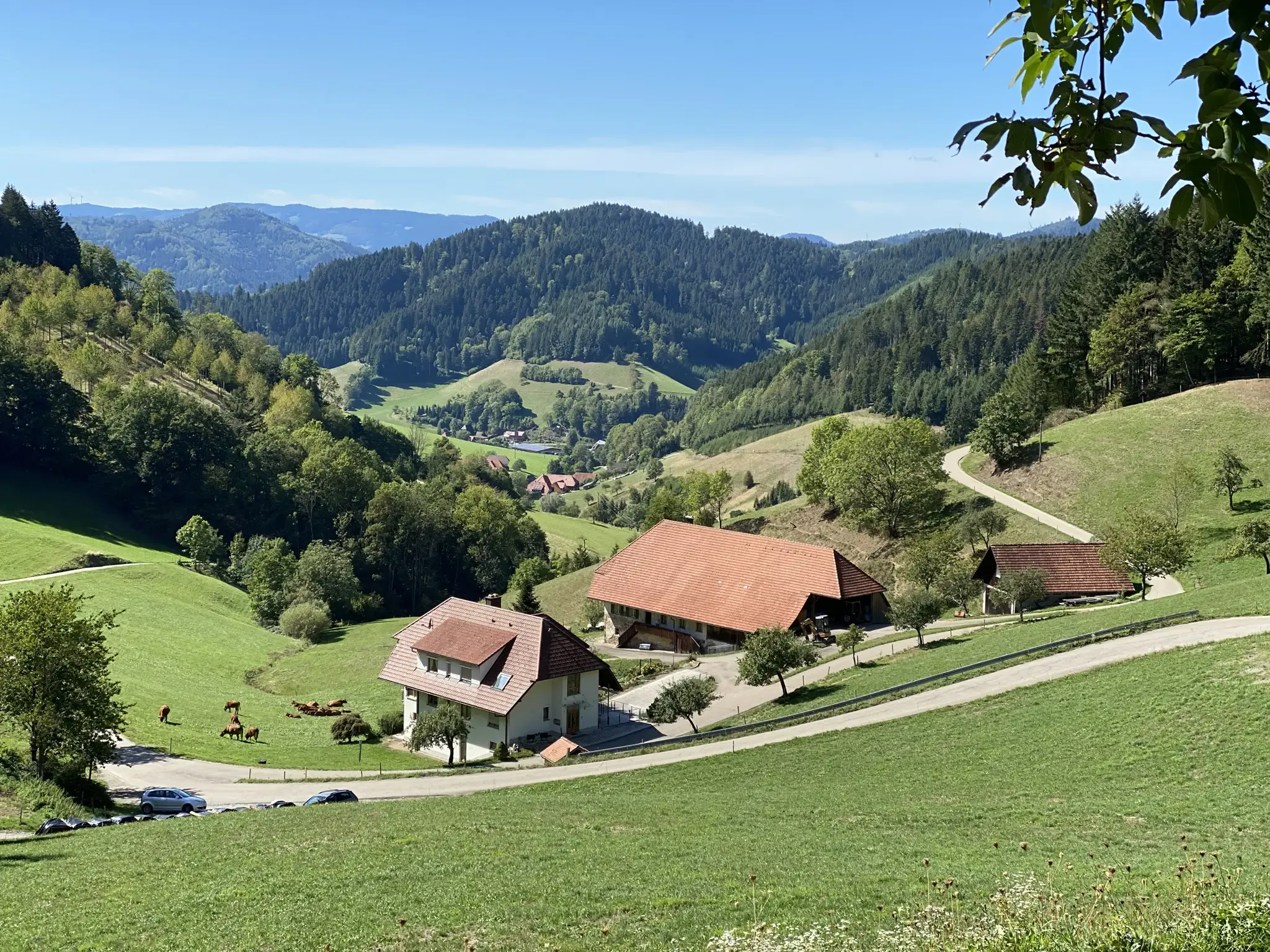
Kinzigtäler Jakobusweg – With Jakob through the Black Forest
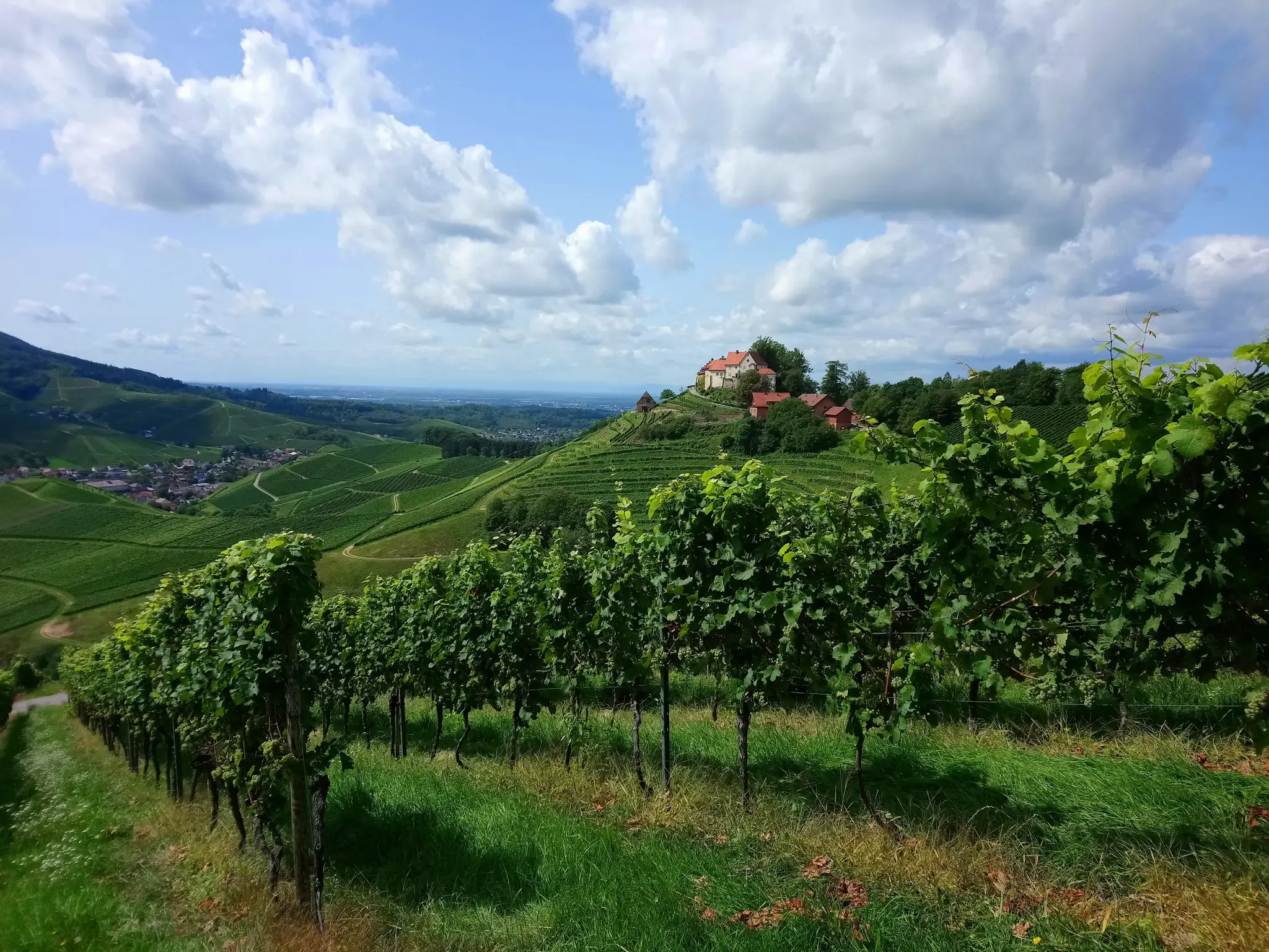
Ortenau Wine Trail – A glass of red and white, please
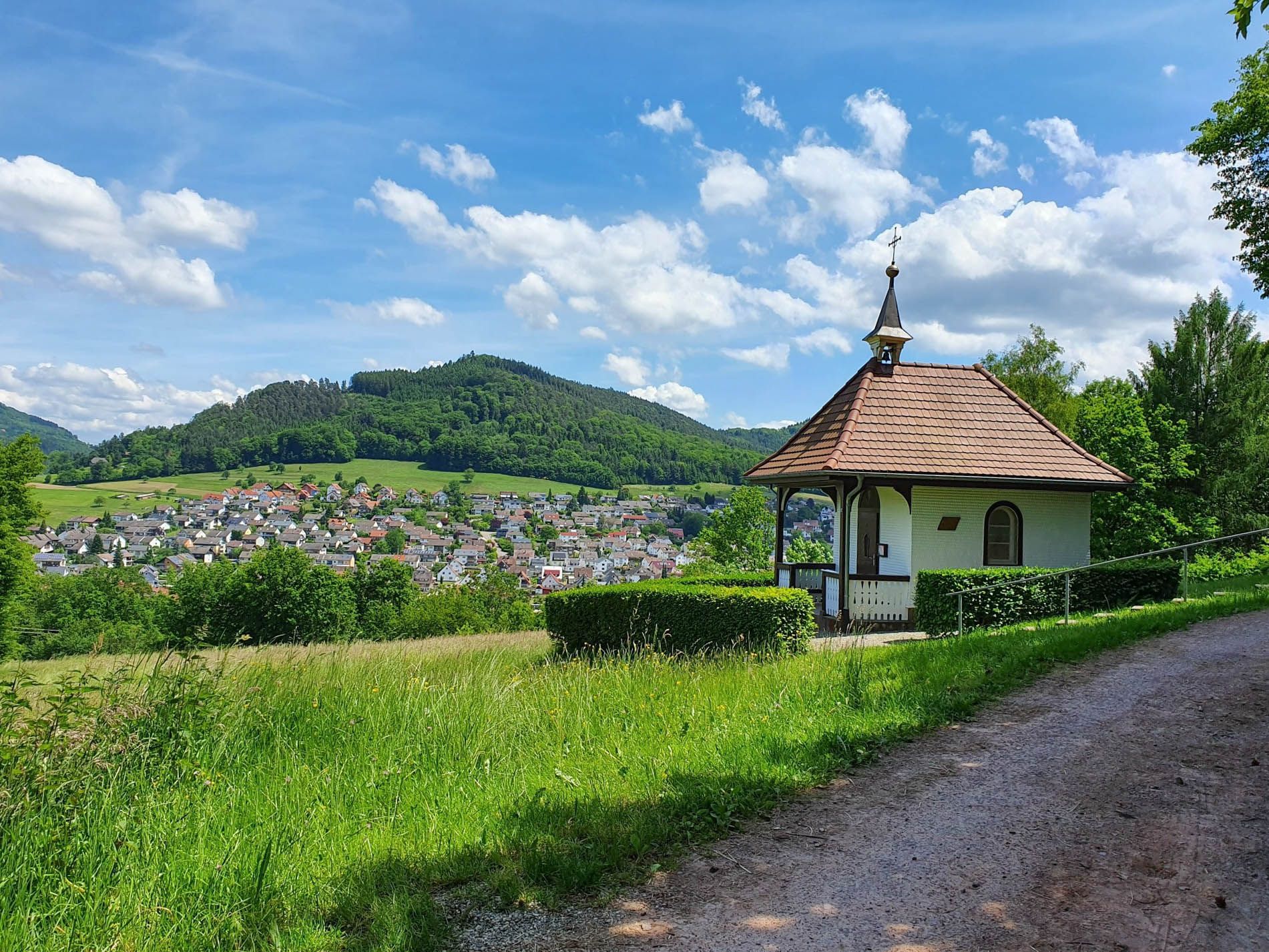
Rottweil–Lahr Black Forest Trail – Hike between forests and meadows
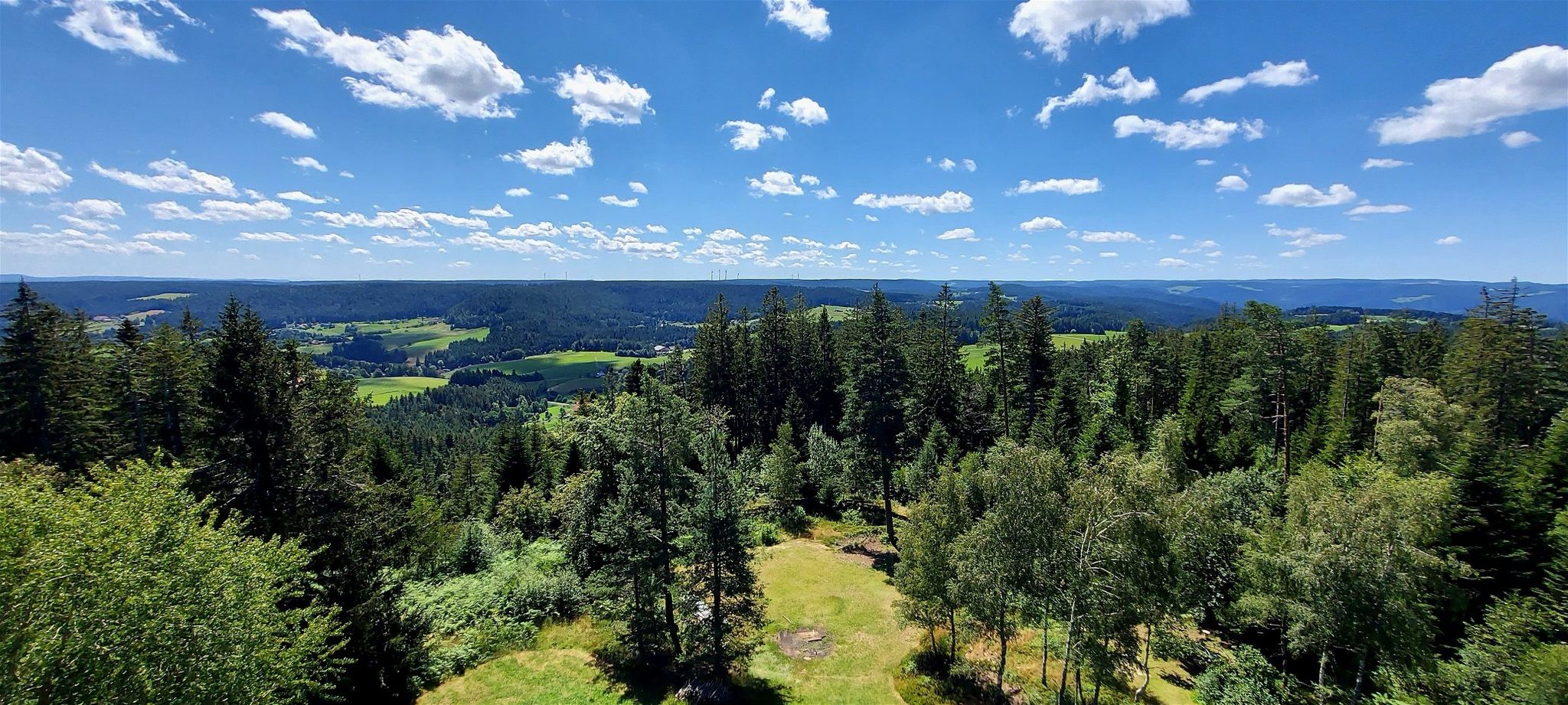
Lauterbacher Wandersteig – Two days in the idyllic Black Forest
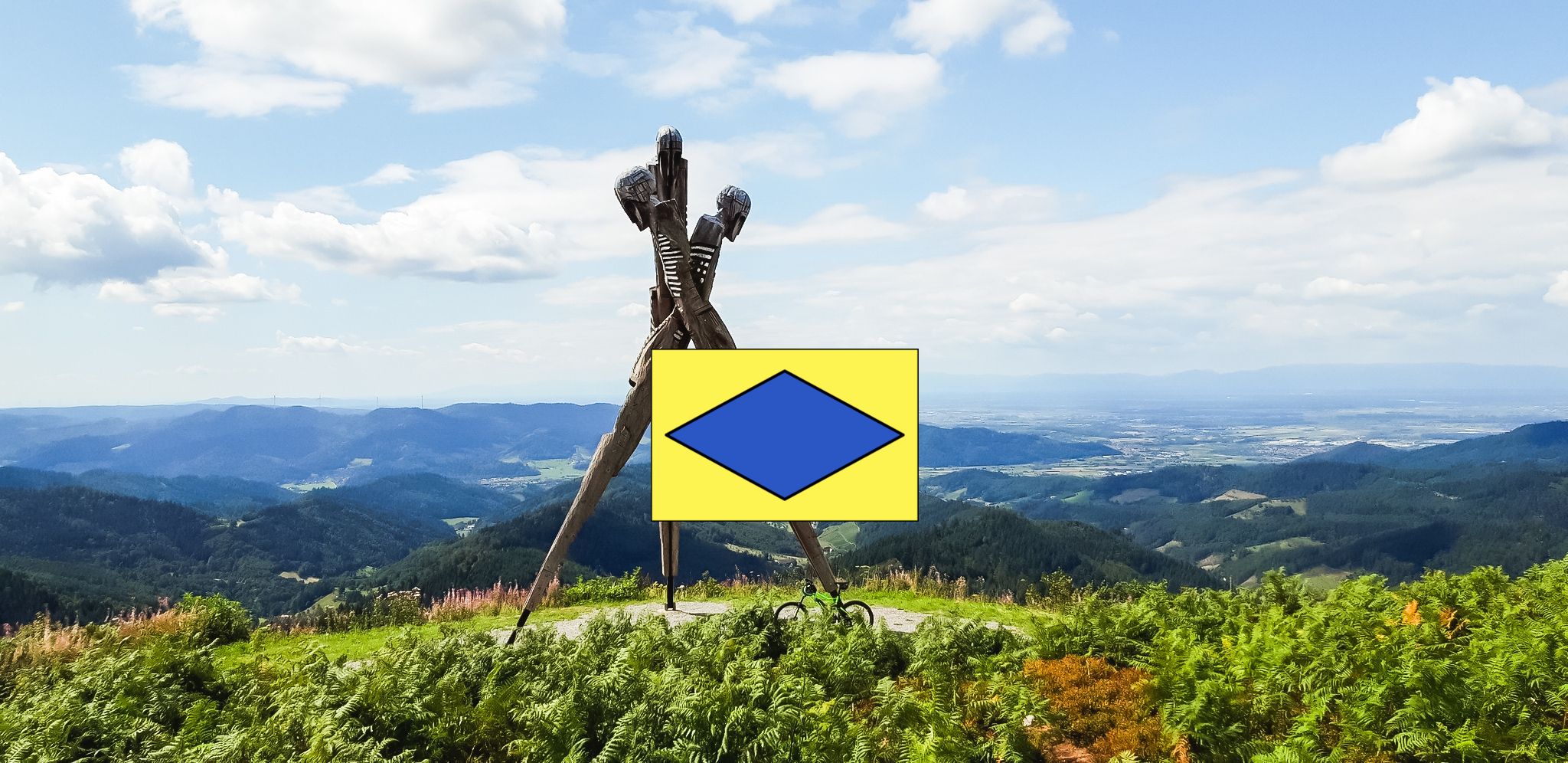
Crossway Gengenbach - Alpirsbach
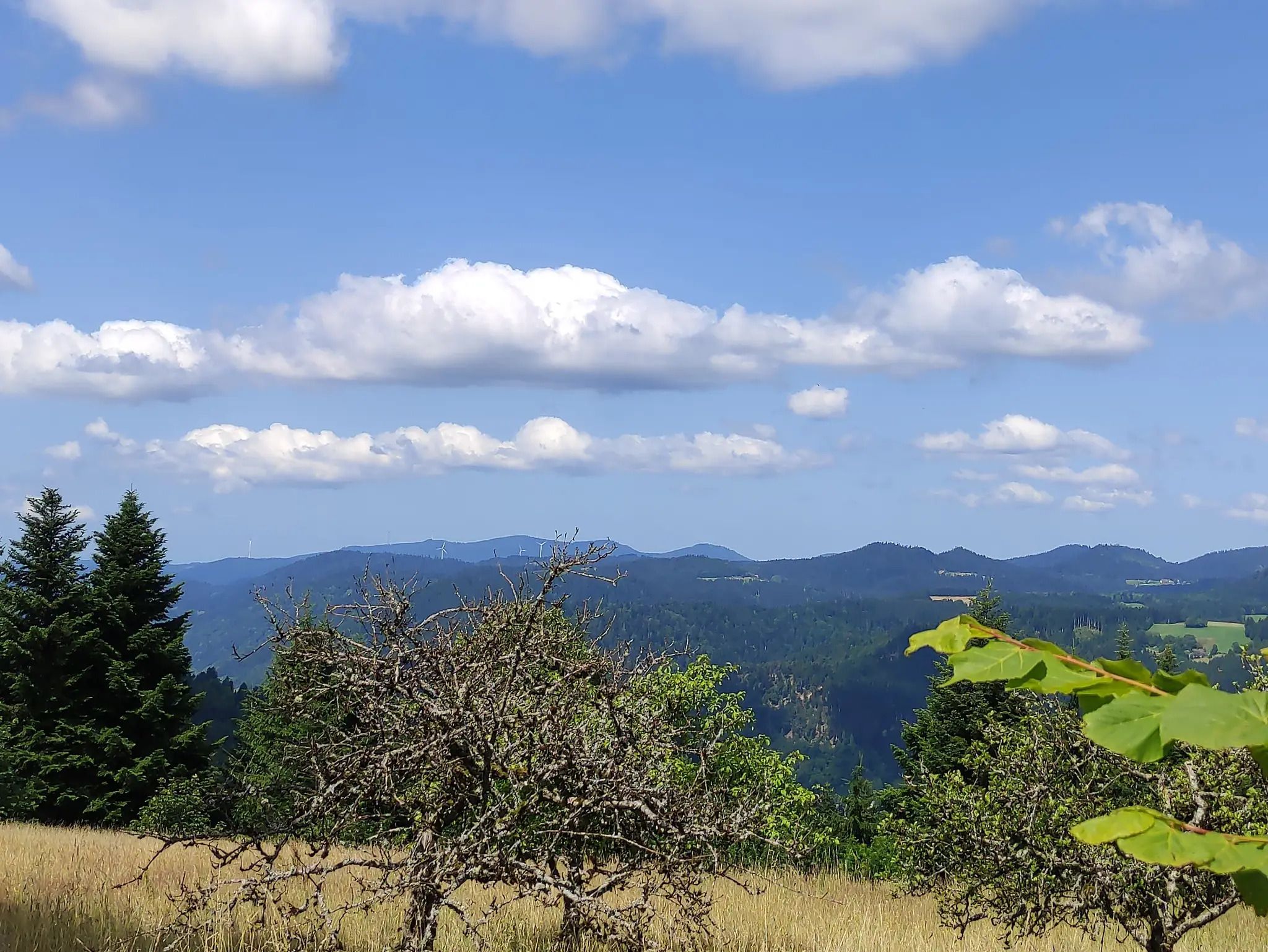
The Eastern Path of the Black Forest Association
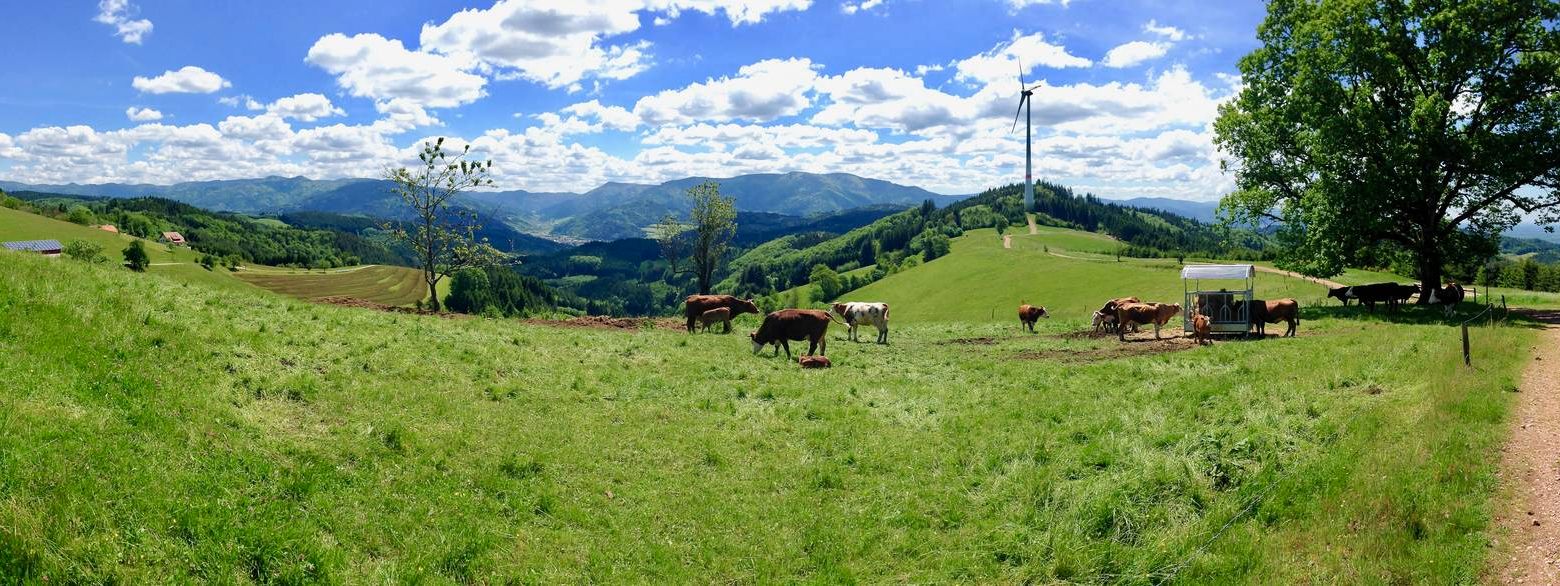
Germany's Kandelhöhenweg — More westerly than the Westweg
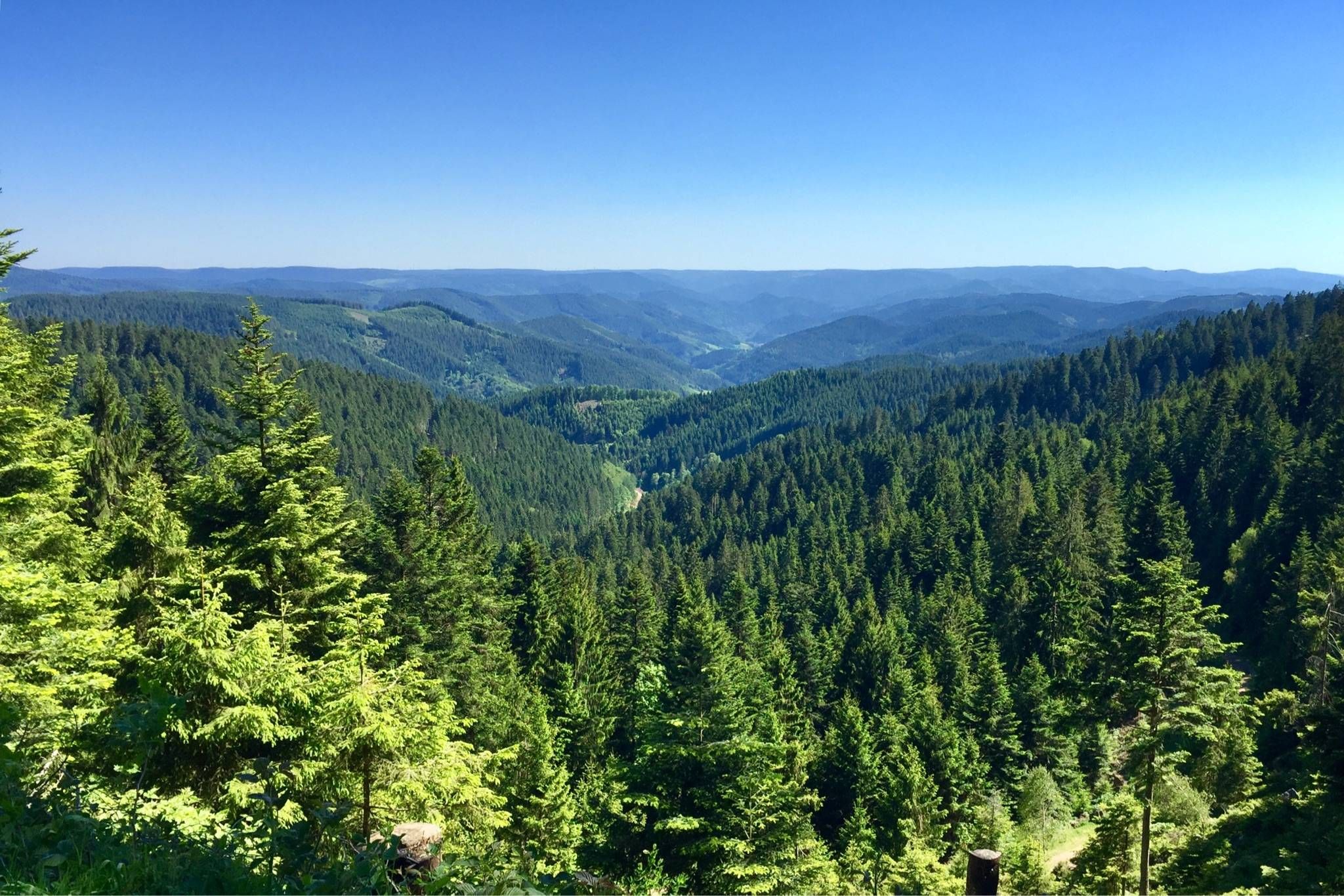
Westweg – Deep forests and bright heights through the Black Forest
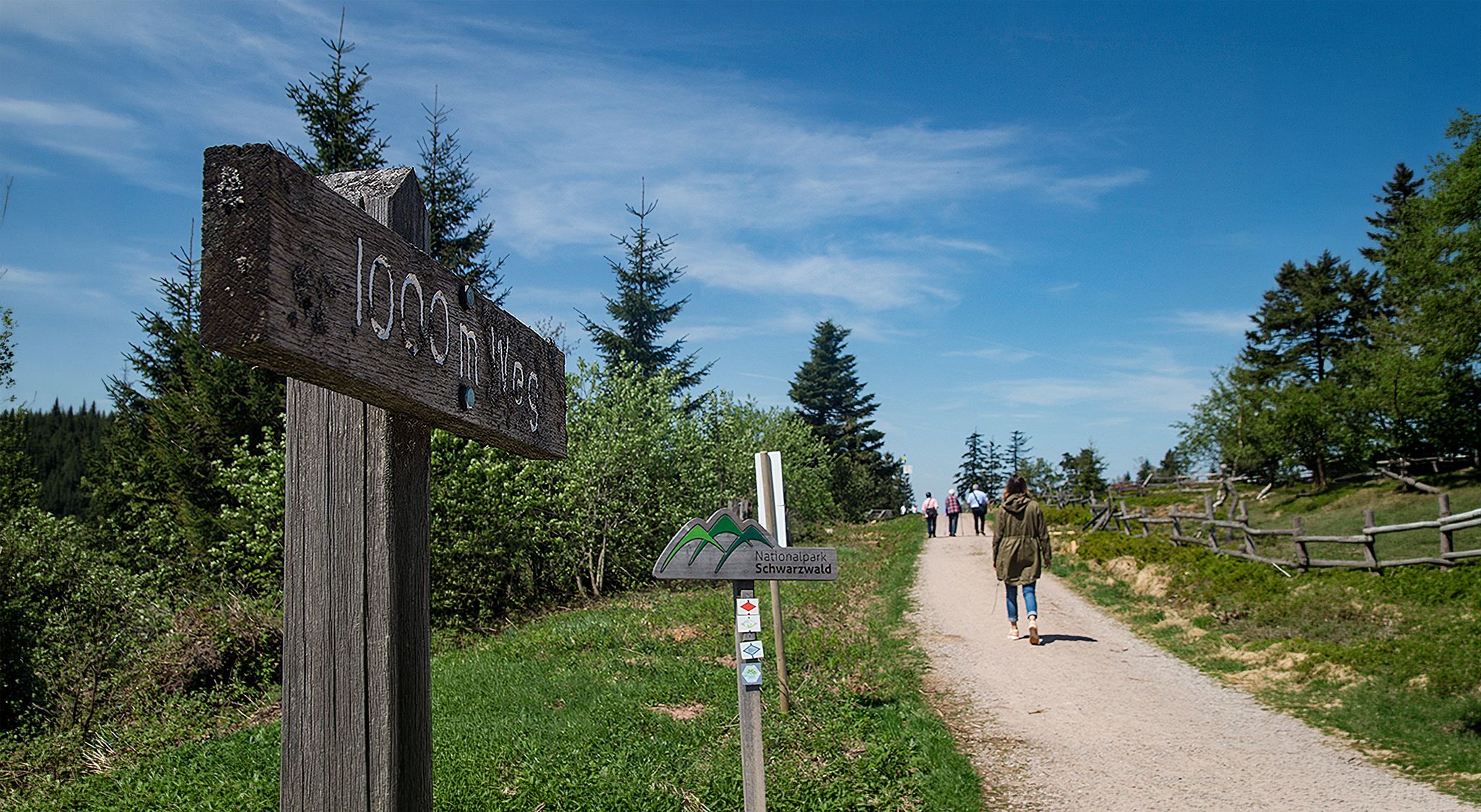
Barrier-free hikes in the Black Forest National Park
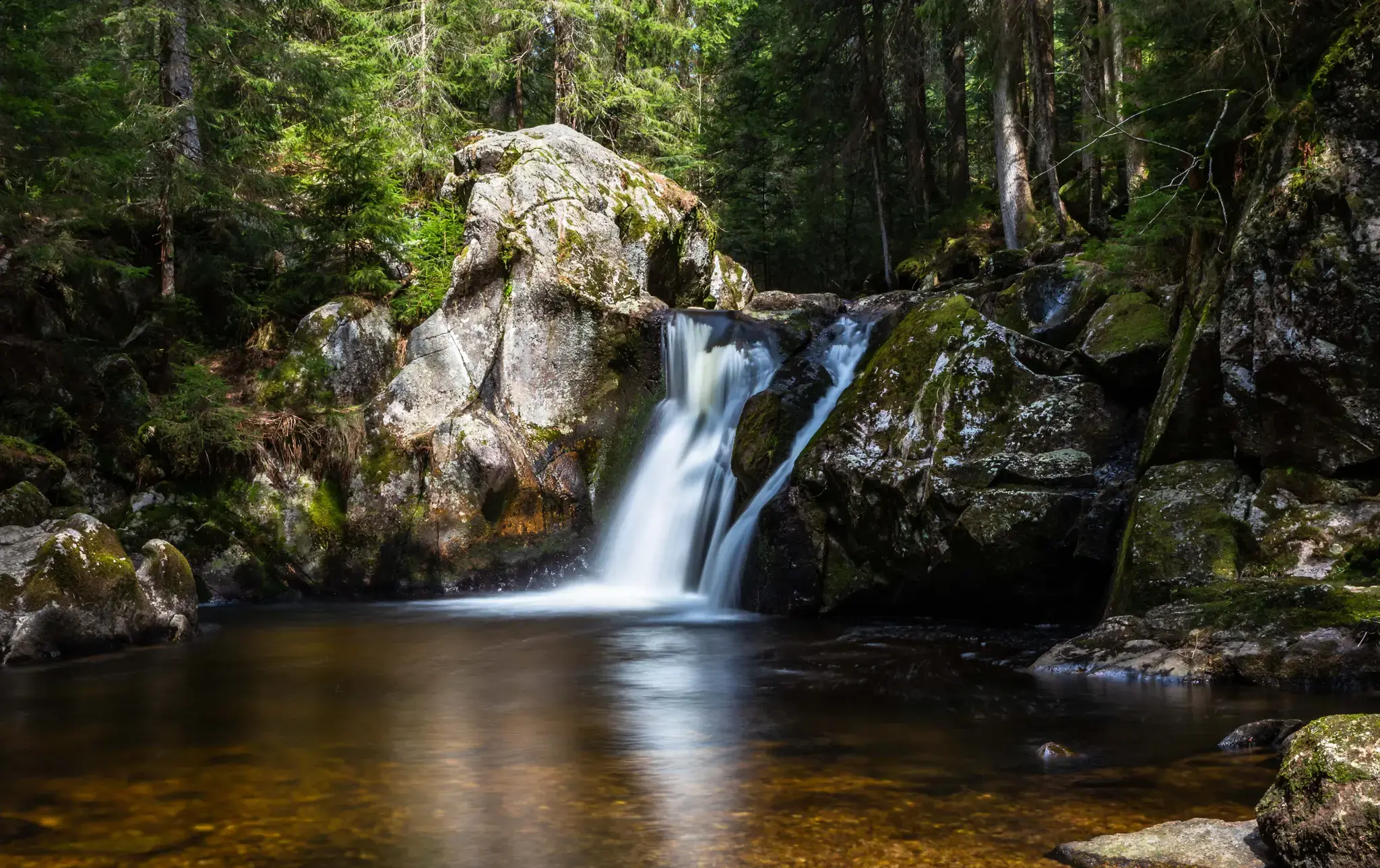
Hiking, ponds & waterfalls – superb Black Forest swimming spots
Other adventures in the Kinzigtal


Tips from the Community

The former Capuchin monastery with the Capuchin church is one of the significant historical buildings in Haslach im Kinzigtal. The monastery was founded in the 17th century and was an important religious site in the town for a long time. The simple Capuchin church corresponds to the traditional architecture of the Capuchins: rather understated in design, with a simple church interior and a calm atmosphere. The monastery shaped the spiritual life of Haslach for centuries. Today, the historical ensemble is a reminder of the town's long monastic and church history and, together with the half-timbered houses of the old town, forms a piece of Haslach's history worth seeing.
0
0

The monastery church of St. Christopher was built in 1632
3
0

The Monastery Church St. Christophorus History and Building Regulations The foundation stone for the Haslach monastery building was laid in November 1630 – in the midst of the Thirty Years' War – by Count Friedrich Rudolph von Fürstenberg, thus putting into practice the plan of his deceased father Christoph II. The master builder of the monastery complex was a Capuchin from the canton of Bern in Switzerland. He implemented what the Capuchin building regulations required, namely that such a monastery should reflect the poverty of the order, both internally and externally. With the exception of the altars, the furnishings of the monastery church, consecrated in 1661, correspond to these building regulations; a simple wooden ceiling, no organ loft, and hardly any pictures or figures on the walls, with the exception of the Stations of the Cross. The Capuchins, alongside the Franciscans, were particularly keen promoters of the Stations of the Cross tradition (see section "Stations of the Cross"). Furnishings and Special Features of the Church With the exception of the altars, the furnishings of the monastery church, consecrated in 1661, correspond to these building regulations; a simple wooden ceiling, no organ loft, and hardly any pictures or figures on the walls, with the exception of the Stations of the Cross. The Capuchins, alongside the Franciscans, were particularly keen promoters of the Stations of the Cross tradition (see section "Stations of the Cross"). The altars currently in the church were the work of Brother Adam, a monk living in the Haslach monastery, from Gündelwangen in the Black Forest. Around 1752, he was commissioned as a carpenter to create "first" a tabernacle with four reliquaries. With his work, he must have proven himself capable of also supplying replacements for the altars that had become "worm-eaten," and the result is evident in the church interior. Of particular importance is the high altar painting by the Prague court painter Mathäus Gundelach from 1614, commissioned at the time by Count Christoph II. von Fürstenberg. In the Late Renaissance style, it depicts the Coronation of Mary in heaven and, below, surrounded by a large crowd of saints, the Count himself, the founder of the monastery, in a kneeling, praying posture. In memory of the founder Christoph, the holy martyr Christophorus became the patron saint of the monastery and monastery church; he is depicted on the left of the high altar painting as the giant carrying the Christ Child on his shoulder. In connection with Saint Christophorus as the patron saint of the monastery and monastery church, the custom of blessing vehicles should be mentioned, which takes place annually around the feast day of this saint (July 24) in the monastery square. The early Christian martyr, who belongs to the group of the 14 Holy Helpers, is also the patron saint of travelers and drivers. ...... Source: https://info.haslach.de/sehenswuerdigkeiten/schwarzwaelder-trachtenmuseum/altes-kapuzinerkloster/klosterkirche
2
0

In 14 illustrated panels, important aspects of local history, local traditions, or the Gutach painters' colony are addressed. The start is at the Kunstmuseum Hasemann-Liebich, the end at the war memorial. https://www.schwarzwald-kinzigtal.info/touren/gutacher-malerwanderweg-b7df830650
2
0

... in Schramberg, Landkreis Rottweil, Baden-Württemberg. "If art doesn't provoke a reaction, it's usually bad." (Erich Hauser) The sculpture "9/90" by "Erich Hauser" stands between the church "St. Maria" and Schramberg Castle. - created in 1990 - made of stainless steel - 930 cm high, 270 cm wide and 180 cm deep - 2 steel tips in a triangular shape with a slight twist rise next to each other - his later works often have a numerical designation that reflects the year and sequence (here 9/90 = from the year 1990). - Hauser commented on the sculpture with the words: "I am interested in placing forms against nature. This makes it possible to see and experience nature anew. My sculptures must ultimately have what nature has. A tree, in principle, stands for itself. My sculptures, in principle, stand for themselves". For those interested; - "Erich Hauser" worked as a freelance sculptor and artist in Schramberg from 1952-1959. - after his training as a sculptor in Stuttgart, Erich Hauser had his first workshop in Schramberg. There he experimented with various materials, e.g. wood, stone, concrete, and also metal - he made a living by giving painting and sculpting courses, which he held together with the painter Hermann Anselment in the art school they founded - during his time in Schramberg, Hauser created some early works, of which only a few have survived In Schramberg, 5 Hauser works can be seen in public spaces: - Josefsbrunnen at Doblerplatz - Findlingsbrunnen at Paradiesplatz - Sculpture 9/90 between the castle and St. Maria Church - the entrance doors and the church interior of St. Maria - Wall relief 9/84 on the Volksbank high-rise building - https://www.erichhauser.de/erich-hauser-in-schramberg/ - https://www.schramberg.de/de/tourismus/natur/wanderwege/kunstweg-erich-hauser-938.php - https://www.erichhauser.de/
2
0
The "Alpirsbächle" is indeed a small tributary of the Kinzig River in the Northern Black Forest. It flows through the town of Alpirsbach (Freudenstadt district, Baden-Württemberg) and probably gave the town its name.
2
0

Alpirsbach is a very beautiful little town with lots to see!
7
0
.. the "Hirschbrunnen" in Schramberg, Rottweil district, Baden-Württemberg. - stands in front of the "Hotel-Gasthaus Hirsch" - the fountain is "a centerpiece of Schramberg with a long history" - formerly the fountain was a water source for the population (today: no drinking water according to sign) - to this day a spring on the Schlossberg feeds the fountain - in 1875 the octagonal fountain was built by the "Hirschbrunnengesellschaft" - the master builder was "Florian Ruggaber" - the "Hirschbrunnengesellschaft" regulated - for a fee - who was allowed to draw water - in 1929 the city of Schramberg took over the fountain - since 1932 the "Uhrträgermännle" on the fountain column adorns the fountain - the "Uhrträgermännle" was designed by the sculptor "Cajetan Schaub" - Tip: walk past the fountain to "Marktstr.", then turn right, in a shop window you can learn something about the history of the fountain and the "Hirschbrunnengesellschaft" (see photos) - in summer "unfortunately" somewhat hidden by the seating sets and umbrellas
2
0
Frequently Asked Questions
How many easy hiking trails are available in the Kinzigtal?
The Kinzigtal region offers a wide selection of easy hiking trails, with over 970 routes specifically categorized as easy. In total, there are more than 2,000 hiking routes across all difficulty levels, ensuring plenty of options for every preference.
What kind of terrain can I expect on easy hikes in the Kinzigtal?
Easy hikes in the Kinzigtal traverse a diverse landscape featuring dense woodlands, the tranquil Kinzig River, and gentle hills. You'll also encounter wide valleys, picturesque orchards, and vineyards, particularly around towns like Gengenbach. The elevation changes are generally moderate, making these trails accessible and enjoyable for a relaxed outdoor experience.
Are there any circular easy hikes in the Kinzigtal?
Yes, many easy trails in the Kinzigtal are designed as circular routes, perfect for returning to your starting point. For example, the Portiuncula Chapel – St. James Chapel on the Bergle loop from Gengenbach is a popular 4-mile (6.5 km) loop, and the Robber Hotzenplotz Trail loop from Gengenbach is another easy 3-mile (4.8 km) circular path.
What natural features or landmarks can I see on easy hikes in the Kinzigtal?
The Kinzigtal is rich in natural beauty and historical sites. You can explore areas with dramatic gorges like Kuhbachtal or Ibacher Schliff. The region is also home to charming chapels, such as the Brandstetter Chapel, and various viewpoints offering panoramic vistas of the Black Forest landscape.
Are easy hiking trails in the Kinzigtal suitable for families with children?
Absolutely. The gentle terrain and moderate elevation changes of easy trails in the Kinzigtal make them ideal for families. Many routes wind through forests and open areas, providing a pleasant walk for all ages. The 'Hexentanzplatz Adventure Trail' mentioned in regional research is also known for its family-friendly, interactive elements.
Can I bring my dog on easy hikes in the Kinzigtal?
Most easy hiking trails in the Kinzigtal are dog-friendly, allowing you to enjoy the scenic beauty with your canine companion. It's always recommended to keep dogs on a leash, especially in nature reserves or areas with livestock, and to carry water for them.
What is the best time of year for easy hikes in the Kinzigtal?
The Kinzigtal is beautiful year-round. Spring brings blooming orchards and fresh greenery, while summer offers warm weather perfect for long days outdoors. Autumn transforms the forests with vibrant colors, and even winter can be magical with snow-dusted landscapes, though some paths might require appropriate footwear.
Are there options for parking near easy trailheads in the Kinzigtal?
Yes, many trailheads for easy hikes in the Kinzigtal, especially those starting from towns like Gengenbach or Haslach im Kinzigtal, offer convenient parking facilities. It's advisable to check specific route details for parking information before you go.
Can I reach easy hiking trails in the Kinzigtal using public transport?
The Kinzigtal region is well-connected by public transport, making it possible to access many easy hiking trails without a car. Towns like Gengenbach and Haslach im Kinzigtal serve as excellent starting points and are accessible by train and bus, allowing you to connect to various trailheads.
What do other hikers say about easy trails in the Kinzigtal?
The easy trails in Kinzigtal are highly regarded by the komoot community, boasting an average rating of 4.6 stars from over 19,000 reviews. Hikers frequently praise the well-marked paths, the tranquil forest sections, and the picturesque views of the valleys and vineyards.
Are there any easy hikes that pass by lakes or water features?
Yes, some easy routes in the Kinzigtal incorporate water features. For instance, the Ziegelwald Lake, Gengenbach loop from Gengenbach is an easy 3.4-mile (5.4 km) hike that takes you past a scenic lake, offering a refreshing element to your walk.
Are there any easy hikes that lead to viewpoints or towers?
The Kinzigtal offers several easy hikes that provide access to stunning viewpoints. While specific easy routes to the Brandenkopf lookout tower might be longer, many trails offer panoramic views of the valleys and surrounding Black Forest landscape. For example, the 'Kinzigtaler Panoramawanderung' is known for its expansive valley views.
Most popular routes in the Kinzigtal
Most popular attractions in the Kinzigtal

Get inspired with the komoot mobile app


Explore more
Browse the best Hikes in other regions.
