Wiesent-Tal Mit Seitentälern
Wiesent-Tal Mit Seitentälern
Top 6 Waterfalls in Wiesent-Tal Mit Seitentälern
Best waterfalls in Wiesent-Tal Mit Seitentälern are characterized by unique geological formations within Franconian Switzerland's idyllic landscapes. The region features wooded hills and river valleys, with its primary natural spectacle being the Weißenbach Sinter Terraces. These terraces are formed by calc-rich water flowing over natural steps, creating numerous small cascades. This process has resulted in sinter steps estimated to be thousands of years old, showcasing the interaction between water and limestone.
Best waterfalls in Wiesent-Tal Mit Seitentälern
- The most popular…
Last updated: May 11, 2026
Sinter terraces and waterfall on the Wasserwiesenbach
Highlight • Waterfall
Translated by Google •
Tip by

Weißenbach Sinter Terraces
Highlight • Natural Monument
Translated by Google •
Tip by

Sign up now to discover places like this
Get recommendations on the best single tracks, peaks, & plenty of other exciting outdoor places.
Sign up for free
Wedenbach tufa terraces and waterfall
Highlight • Waterfall
Translated by Google •
Tip by

Großer Tummler Karst Spring
Highlight • Natural Monument
Translated by Google •
Tip by
Wiesent Waterfall
Highlight • Waterfall
Translated by Google •
Tip by

Sign up for free to discover even more waterfalls in Wiesent-Tal Mit Seitentälern.
Sign up for free
Already have an account?
Start today with a free account
Your next adventure awaits.
Login or Signup
Popular around Wiesent-Tal Mit Seitentälern
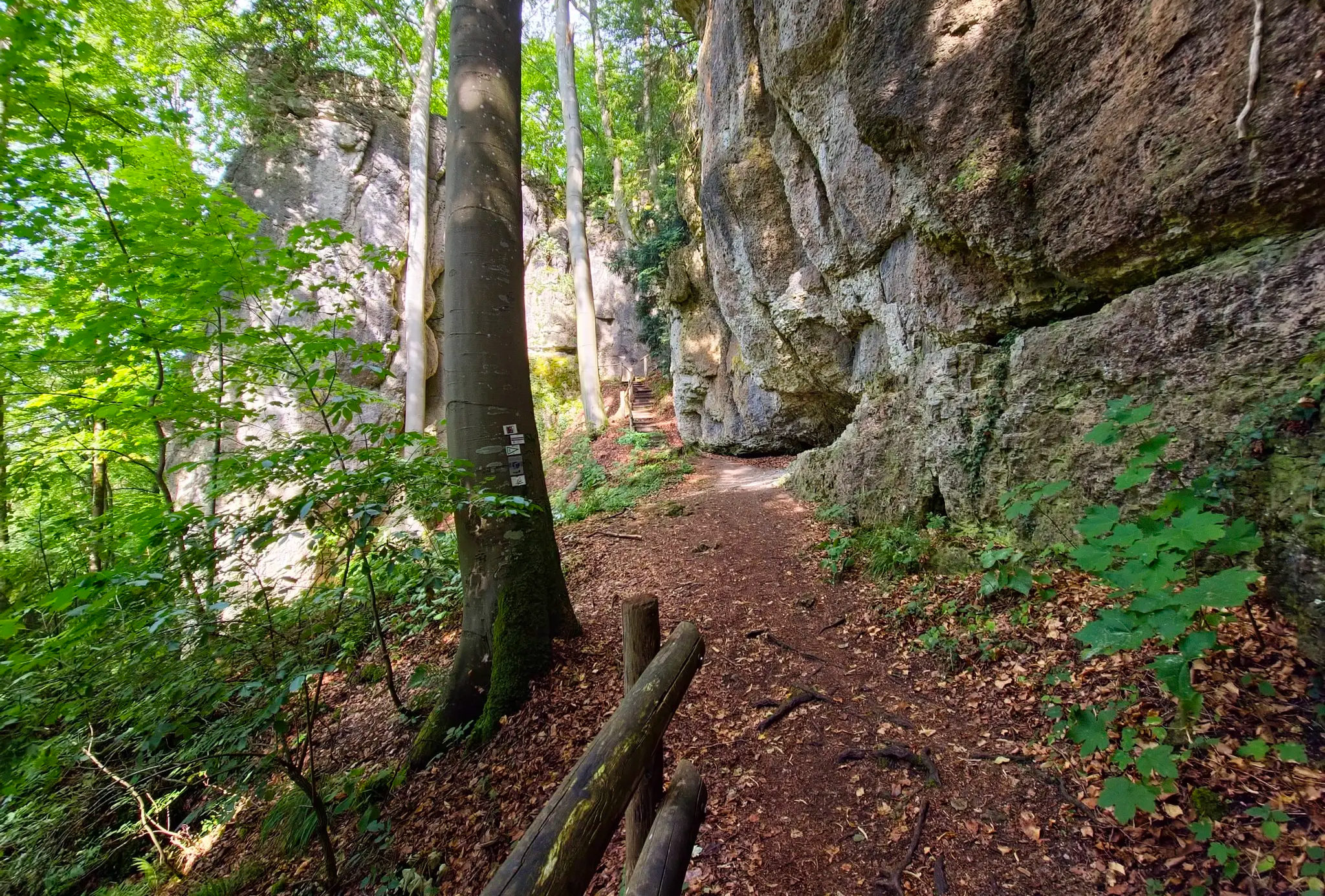
Ultratrail Fränkische Schweiz – 2 Days Burgen, Wälder, Trails
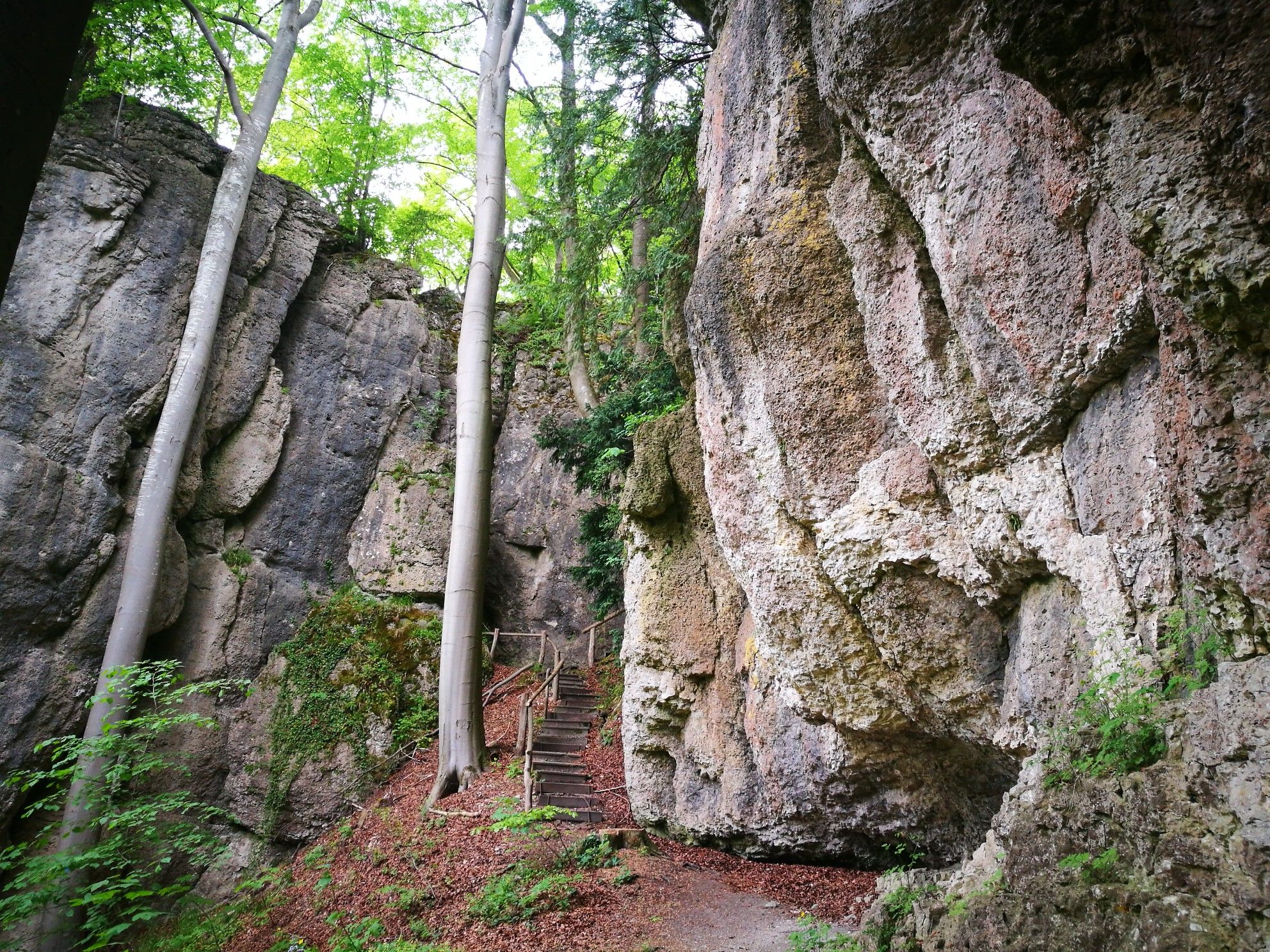
Forests, rocks and castles – 5-day circular through Franconian Switzerland
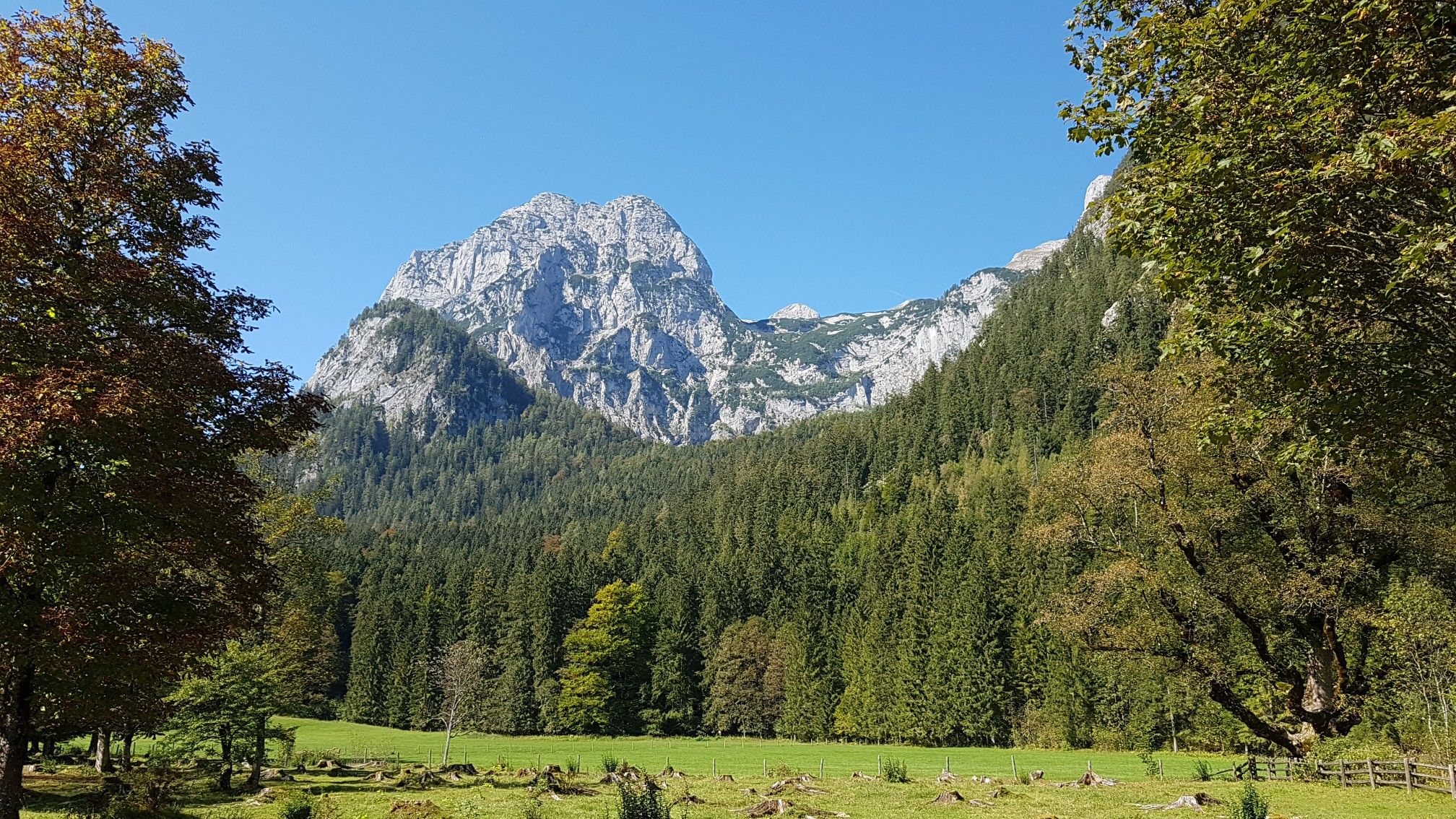
The National Natural Landscapes in Bavaria
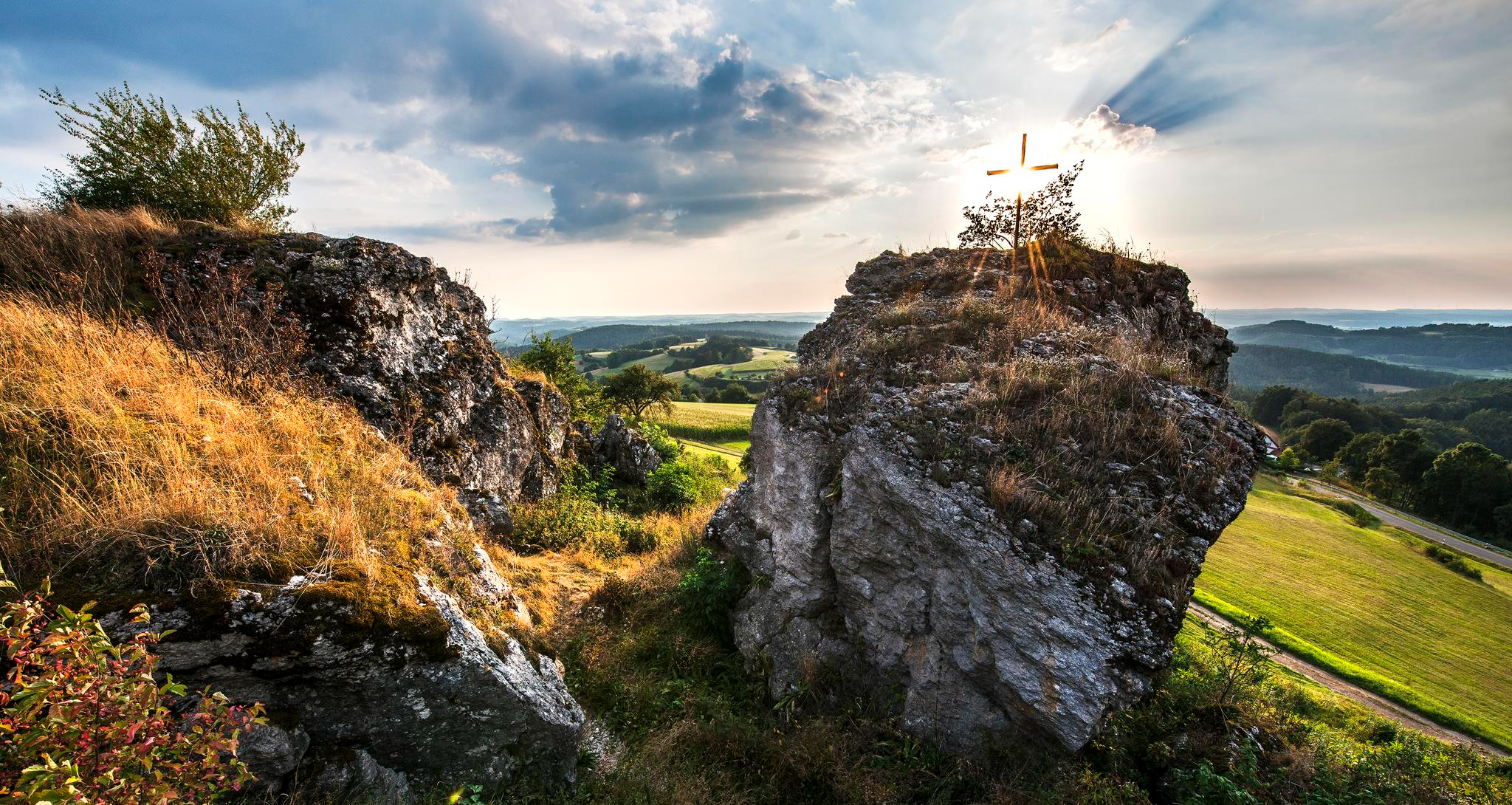
Fun hiking and wonderful views in Franconian Switzerland
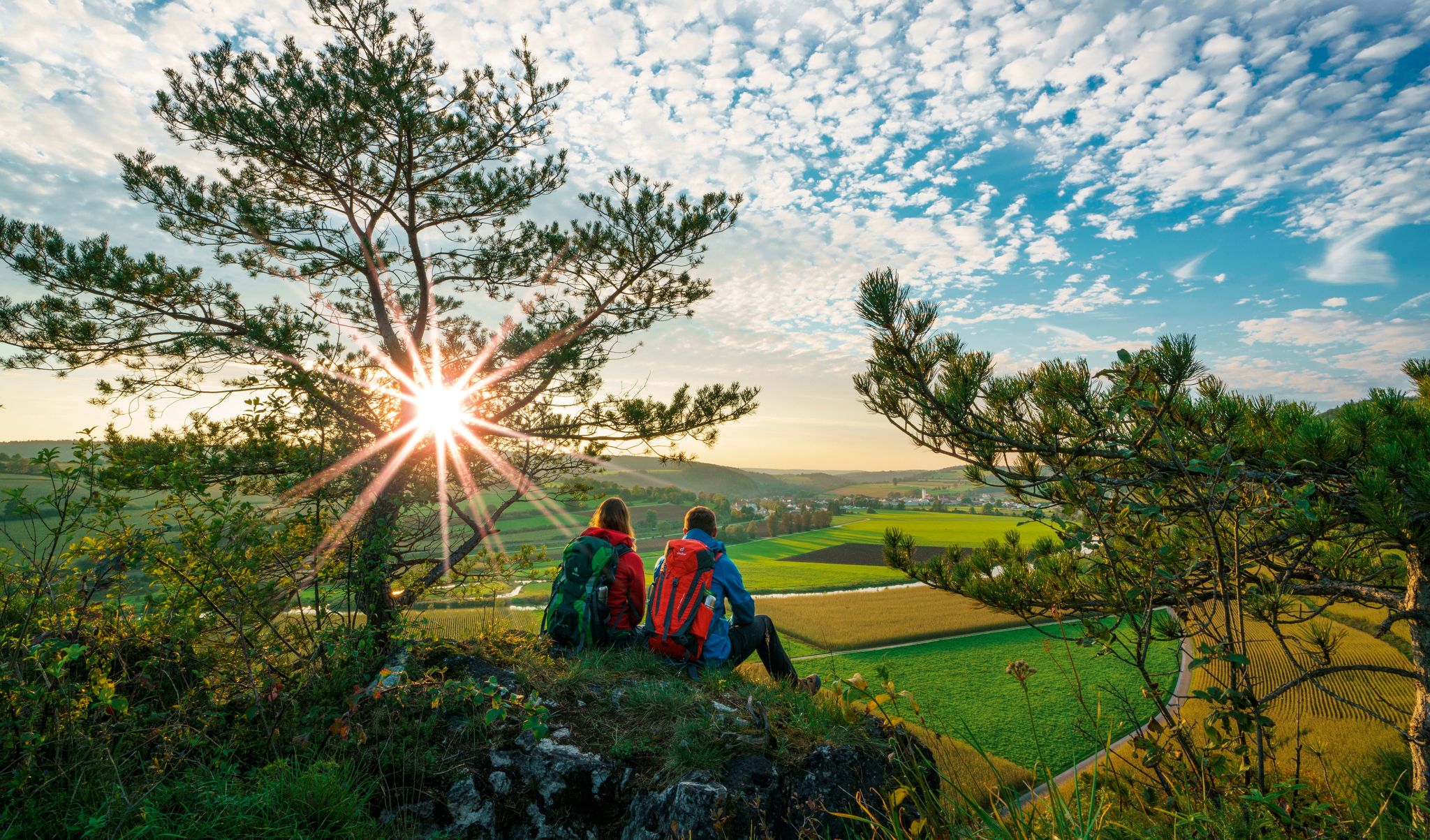
From the view to the Seidla – Nature and BeerEnjoyment in the Franconian Switzerland
The Franconian Trail – A Diverse Hiking Dream Across 24 Stages
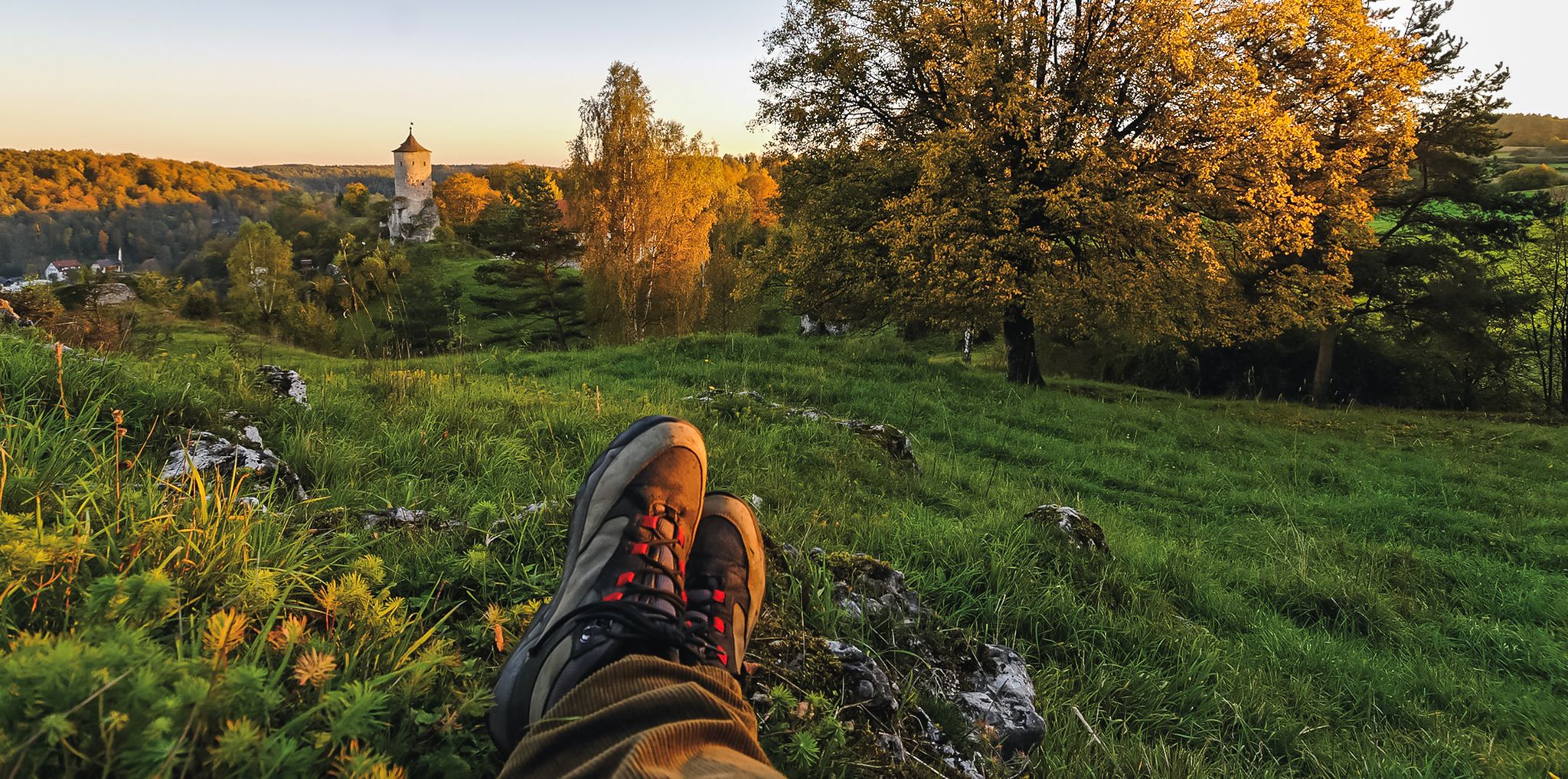
Breweries, hops & beer – Four days hiking in Franconian Switzerland
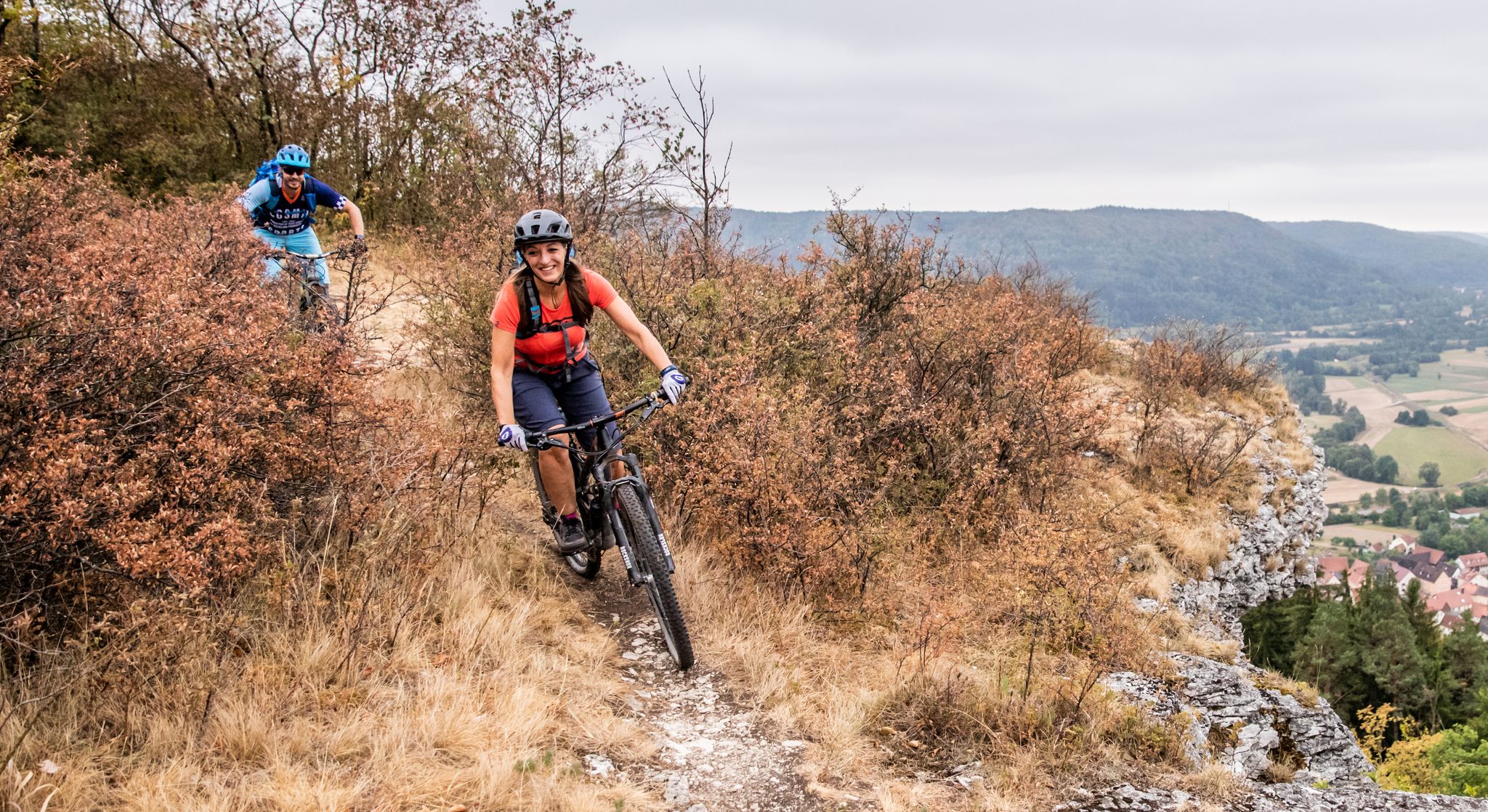
Castles, mountains, beer & trails – bikepacking in Franconian Switzerland
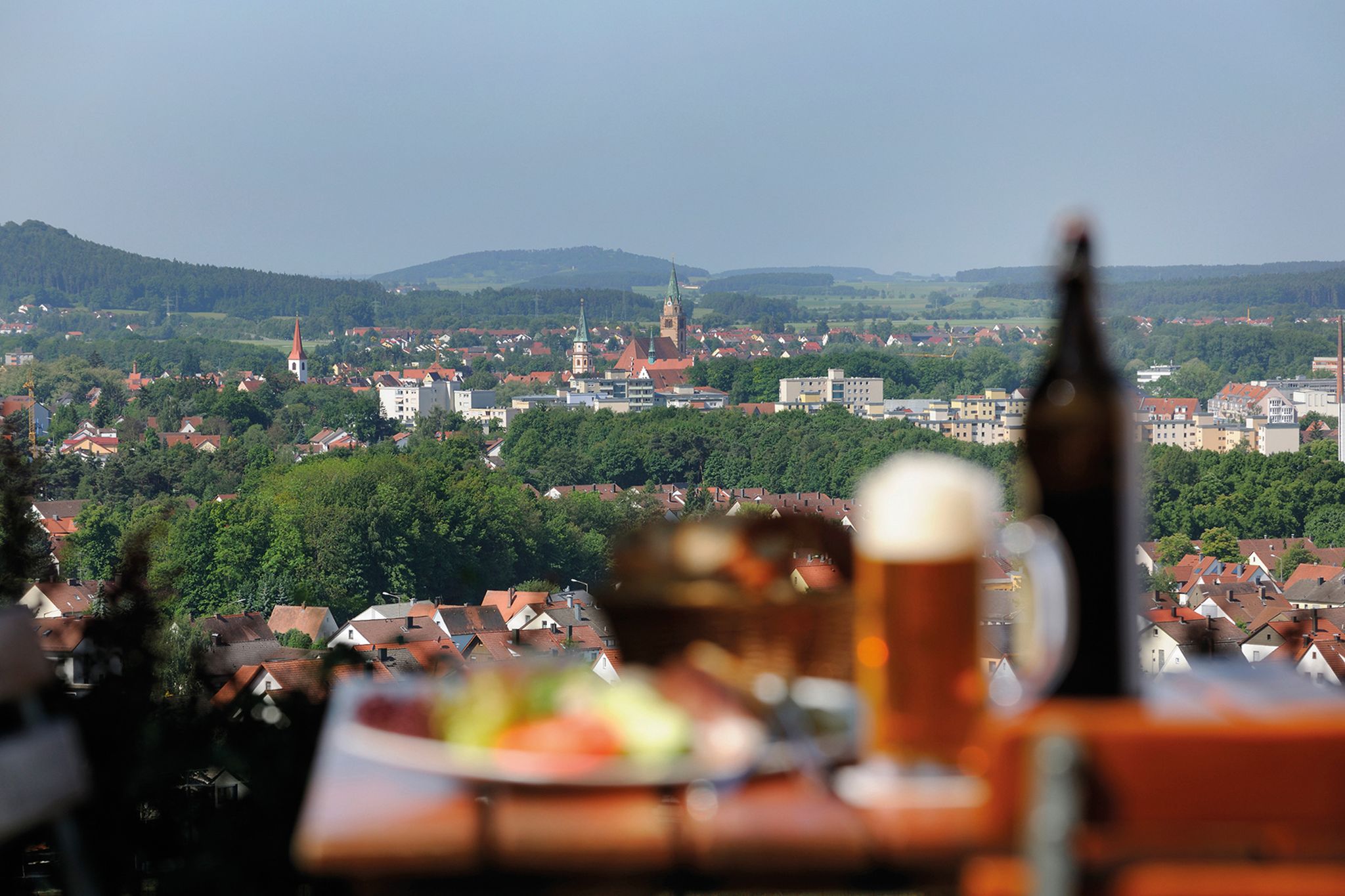
Hike & Beer in Franconia and Upper Palatinate — the VGN leisure tips
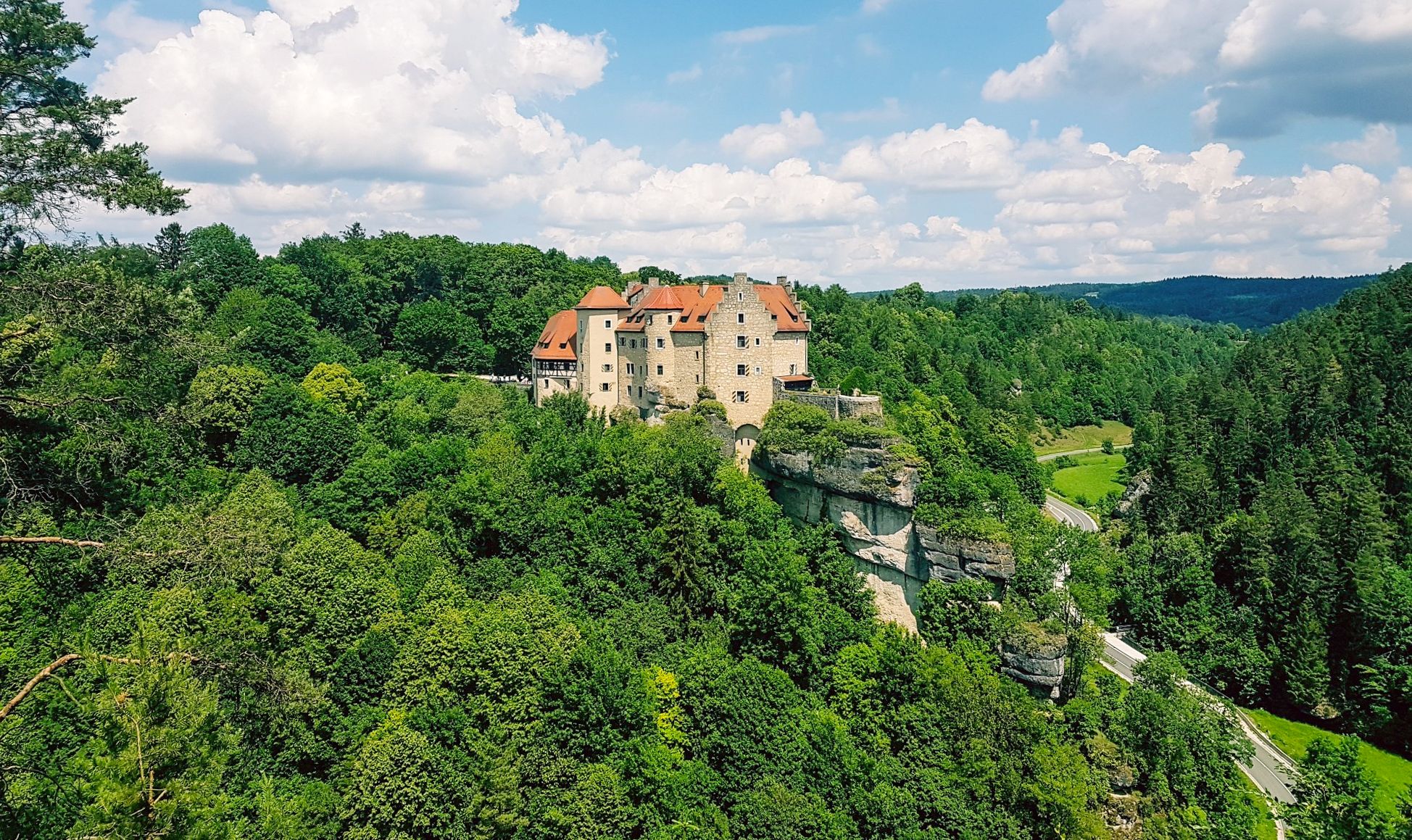
Hikes for tiny boots – VGN recreational activities for families
Other adventures in Wiesent-Tal Mit Seitentälern


Tips from the Community

Tummler is the Franconian term for periodically flowing karst springs, which are generally referred to as hunger fountains. These are springs that dry up in the dry season and flow after particularly heavy rainfall or when the snow melts. The so-called “Tummler” are something special and are definitely worth a visit. The dry valley in summer, small Tummler, large Tummler.
3
0

In summer, an inconspicuous black hole in the rock face, but with a considerable depth of over 18 meters. During heavy rain and when the snow melts, considerable amounts of water can be spewed out here.
6
0

A wonderful place for great photos, to chill or to walk barefoot through the water.
4
1

After the snow melts in spring, karst water emerges from the rock hole, at times in a flood that covers the entire valley floor of the dry valley up to the Heroldsmühle. The stones in front of the rock hole were also washed out. Since the spring runs dry the rest of the year, it is popularly known as the Hunger Well. The emergence of large amounts of water from the tumbler was previously interpreted as an ominous omen. The large Tummler rises from a fissure in the Malm Beta, which is expanded into a spring cave by dissolving the lime. The small Tummler, another karst spring that only flows in spring, is located 200m up the valley. (Source: information board on site)
5
0

Unfortunately, it only seems to have water after heavy rainfall, but you can still sense its true beauty
6
1

In its upper section, the Weißenbach has formed steps of calcareous tuff that are 5,000 to 10,000 years old. When the spring water, which is rich in lime and saturated with carbonic acid, escapes, the carbon dioxide escapes and fine limestone sinter is formed. They partially enclose mosses, leaves and small plants, so that over time small sinter basins and cushion-shaped beds develop. Very soft when wet, hardening when dry.
10
1
A beautiful, narrow path leads along the Weißenbach into the valley. The initially narrow stream widens and forms sinter terraces.
7
0

Worth seeing, mostly dry outlet of the karst spring "Tummler" in the dry valley. After heavy rainfall, the so-called Hunger Fountain turns into a small river.
6
0
Frequently Asked Questions
What makes the waterfalls in Wiesent-Tal Mit Seitentälern unique?
The waterfalls in Wiesent-Tal Mit Seitentälern are primarily known for their unique geological formations, particularly the sinter terraces. These are formed by calc-rich water flowing over natural steps, creating countless small cascades over thousands of years. This process results in magnificent, ever-changing natural sculptures, such as the Weißenbach Sinter Terraces.
What is the best time of year to visit the waterfalls?
The intensity of the waterfalls can vary seasonally. They are particularly impressive after rainfall when the streams are full, creating a more pronounced rushing sound. During drier periods, some streambeds, like that of the Weißenbach Sinter Terraces, can partially dry out. Summer offers a cool environment near the running water, perfect for refreshing yourself.
Are there family-friendly waterfalls in Wiesent-Tal Mit Seitentälern?
Yes, several waterfalls are suitable for families. The Sinter terraces and waterfall on the Wasserwiesenbach offer a cool environment and a rest area. The Weißenbach Sinter Terraces are accessible via easy walks, and the Wedenbach tufa terraces and waterfall also provide benches for resting, making them enjoyable for all ages.
What outdoor activities can I do near these waterfalls?
The region offers a variety of outdoor activities. You can explore numerous hiking trails that lead to and around the waterfalls. For more extensive adventures, there are also dedicated guides for waterfall hikes, MTB trails, and cycling routes throughout Wiesent-Tal Mit Seitentälern.
Can I swim or cool off at any of the waterfalls?
Yes, at the Wiesent Waterfall, you'll find adjacent lawns and enough space to stretch your legs. The Wiesent river is known for its cold, refreshing water, making it an ideal spot for a little bath on a hot day. There's even a rope swing for those who want to plunge into the cool water.
What are the Weißenbach Sinter Terraces and why are they significant?
The Weißenbach Sinter Terraces are a natural monument where calc-rich water has formed wonderful sintered stages over millennia, estimated to be between 5,000 and 10,000 years old. This unique geological formation showcases the continuous interaction between water and limestone, creating countless small waterfalls and a living landscape where sinter deposits enclose mosses and plants.
Are there specific hiking trails that lead to the waterfalls?
Yes, many waterfalls are integrated into hiking routes. For instance, the Wedenbach tufa terraces and waterfall are part of a geological hiking trail. Additionally, a beautiful, narrow path leads along the Weißenbach, allowing visitors to experience the Weißenbach Sinter Terraces up close.
What is the Großer Tummler Karst Spring?
The Großer Tummler Karst Spring is a notable natural monument in the region. While often dry, after heavy rainfall, especially in winter and spring, water flows from two 'tumblers' (karst springs), transforming the dry valley into a small river. It's a fascinating sight to witness the power of nature after significant precipitation.
Are the waterfall trails suitable for dogs?
While many natural areas in Franconian Switzerland are dog-friendly, it's always recommended to keep dogs on a leash, especially around natural monuments and popular trails, to protect the delicate ecosystems and ensure the safety of all visitors. Specific rules may vary, so always observe local signage.
What other natural features can I see besides waterfalls?
Beyond the unique waterfalls, the Wiesent-Tal Mit Seitentälern region offers idyllic landscapes with wooded hills and river valleys. You can also find viewpoints, caves, and various river features. The sinter deposits themselves often enclose moss, leaves, and small plants, forming small sinter basins and cushion-shaped layers that are vibrant and ever-changing.
Are there places to rest or picnic near the waterfalls?
Yes, several waterfall locations offer amenities for visitors. The Sinter terraces and waterfall on the Wasserwiesenbach have a rest area with a bench and table. Similarly, the Wedenbach tufa terraces and waterfall feature benches where you can linger and enjoy the scenery.
Most popular routes in Wiesent-Tal Mit Seitentälern
Most popular attractions in Wiesent-Tal Mit Seitentälern

Get inspired with the komoot mobile app


Explore more
Happy to travel a little further afield? Then browse these guides for the best waterfalls in Wiesent-Tal Mit Seitentälern:
