Top 6 Lakes around Santo Estêvão
Lakes around Santo Estêvão, located in the Faro District of Portugal's Algarve region, primarily consist of coastal lagoons and artificial reservoirs rather than natural freshwater lakes. The area is characterized by its unique aquatic ecosystems, notably the Ria Formosa Natural Park. This protected area features a system of barrier islands, marshes, and canals, supporting diverse bird species and marine life. While traditional lakes are not prominent, these water bodies offer significant ecological importance and scenic value for exploration.
Best lakes around Santo Estêvão
- The most popular lakes is Lagoon shore of Ria Formosa Natural Park, a beach that offers winding paths along the lagoon. Visitors can walk from Cabanas to Cacela Velha, experiencing the unique coastal environment.
- Another must-see spot is Ria Formosa Natural Park, an other natural area recognized as one of Europe's largest lagoonal nature reserves. This park encompasses 170 km² and is known for its well-developed cycle paths and rich ecosystem.
- Visitors also love Flamingos in the Parque Natural da Ria Formosa, a lake area where flamingos can often be observed. This spot provides opportunities to see these birds in their natural habitat within the salt lakes of the park.
- Santo Estêvão is known for its coastal lagoons and artificial reservoirs. The region offers a variety of water bodies to explore, from the extensive Ria Formosa Natural Park to smaller, scenic spots.
- The lakes around Santo Estêvão are appreciated by the komoot community, with over 120 upvotes and 44 photos shared.
Last updated: June 3, 2026
Pego do Inferno Waterfall
Highlight • Waterfall
February 23, 2026: Komoot seems to have corrected the location 👍🏼
Translated by Google •
Tip by

Ria Formosa Natural Park 🌳
Highlight • Natural Monument
Tip by

Sign up now to discover places like this
Get recommendations on the best single tracks, peaks, & plenty of other exciting outdoor places.
Sign up for free
Ria Formosa Salt Flats and Atlantic Coast Route
Highlight (Segment) • Trail
Translated by Google •
Tip by

Boats on the Shore at Santa Luzia
Highlight • Beach
There are very good restaurants here that serve octopus.
Tip by

Lagoon Habitat in Parque Natural da Ria Formosa
Highlight • Natural
Translated by Google •
Tip by

Sign up for free to discover even more lakes around Santo Estêvão.
Sign up for free
Already have an account?
Start today with a free account
Your next adventure awaits.
Login or Signup
Tips from the Community

Unfortunately, the location is incorrectly marked. When you zoom in on the map, you can see the correct location. However, when the water level of the Ribeira do Alportel is high, the route to Pego do Inferno from the incorrectly marked location is somewhat difficult or long 🤷🏼♂️ February 23, 2026: Komoot seems to have corrected the location 👍🏼
1
0

Beautiful area with lots to discover.
0
0

Nice varied route on the way from Tavira towards Faro through the Parque Natural de Rio Formosa. Very well maintained and well developed. A place where a bridge collapsed was easy to avoid.
0
0

A shady place in summer for a long break, if you feel like it, also in the water....
0
0

Santa Luzia is a small town and municipality in the Algarve in southern Portugal. It gives itself the nickname "capital of the octopus". There are very good restaurants here that serve octopus.
0
0

This idyllic place is only a few hundred meters from the small car park. Perfect for swimming, because the water is crystal clear. In summer, however, the beautiful waterfall can turn into a sad trickle or the inflow can temporarily dry up completely.
0
0
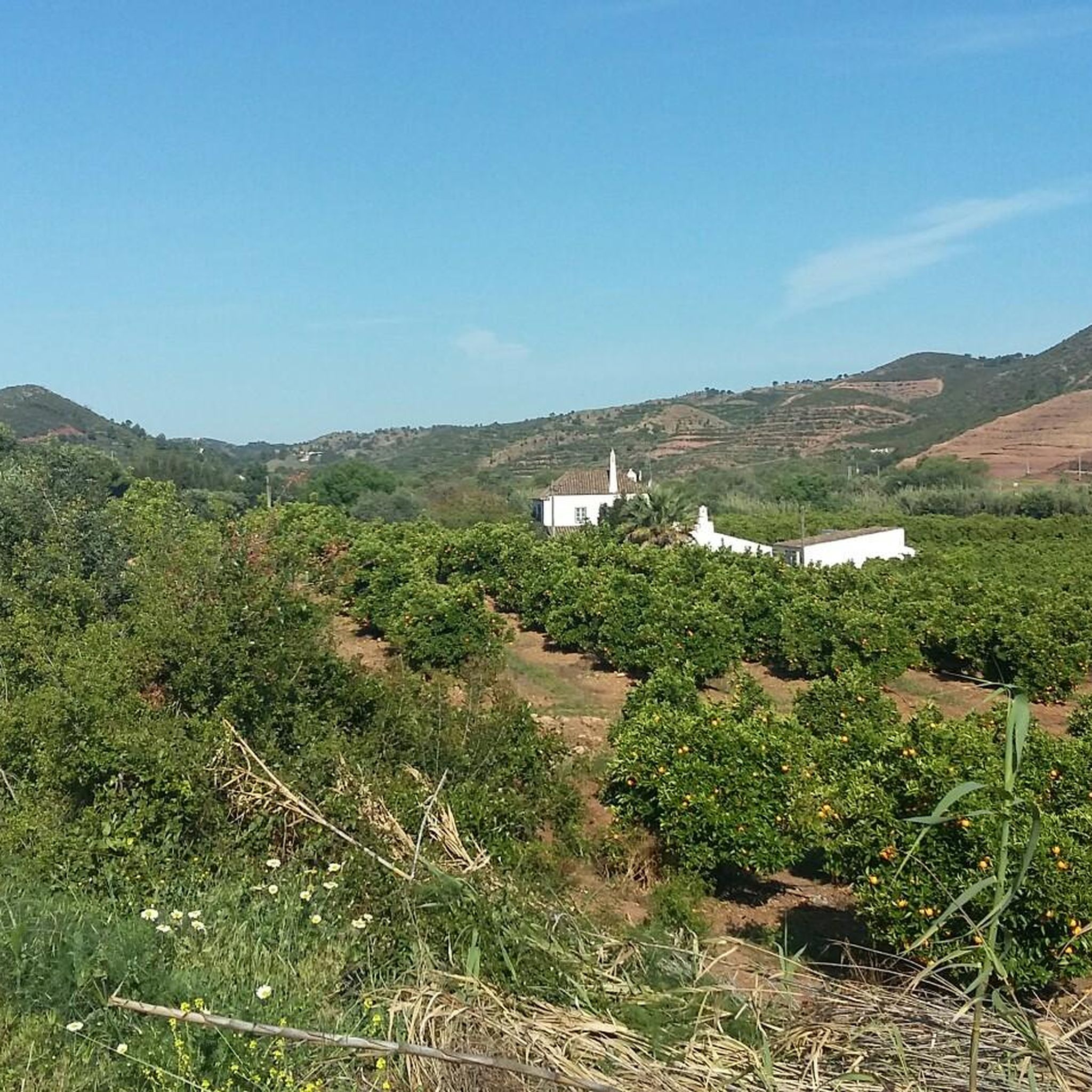
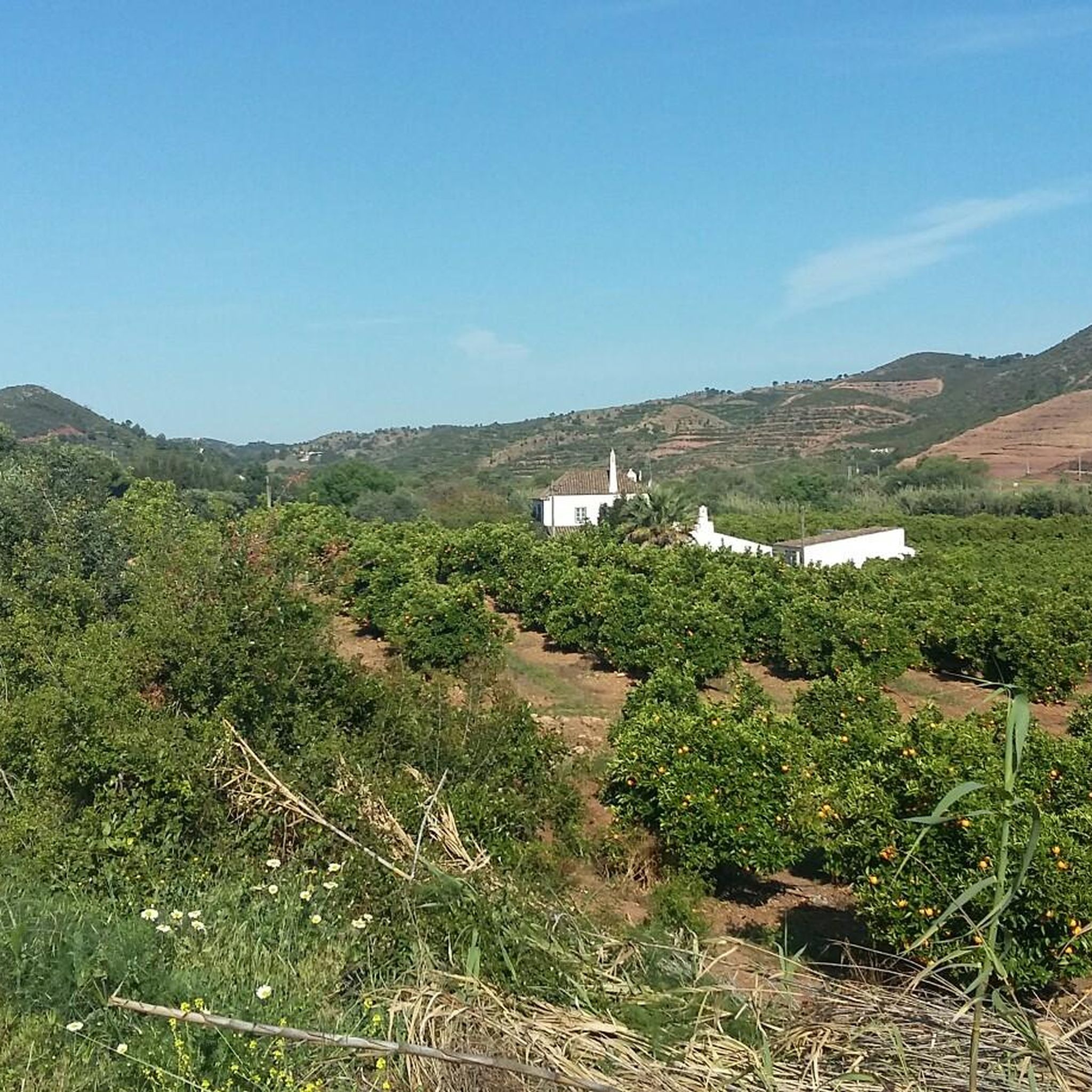
An absolutely great spot with fantastic clear water. Perfect for bathing. However, there is often a lot going on here. In spring, however, you can have the lake all to yourself. The waterfall is only a few hundred meters from the small parking lot. Next door, oranges and tangerines abound.
0
0

Very nice waterfall with lots of greenery
0
0
Frequently Asked Questions
What kind of 'lakes' can I expect to find around Santo Estêvão?
The Santo Estêvão area in the Algarve region of Portugal is primarily characterized by coastal lagoons and artificial reservoirs, rather than natural freshwater lakes. The most prominent feature is the Ria Formosa Natural Park, a vast system of barrier islands, marshes, and canals.
What is the most significant natural water body in the area?
The most significant natural water body is the Ria Formosa Natural Park. It's recognized as one of Europe's largest lagoonal nature reserves, covering 170 km² and offering a rich ecosystem. You can explore more about it here: Ria Formosa Natural Park.
Can I see wildlife, especially birds, around the lagoons?
Yes, the Ria Formosa Natural Park is a fantastic spot for wildlife observation. You can often spot flamingos in the salt lakes within the park. For specific birdwatching opportunities, check out Birdwatching in Parque Natural da Ria Formosa and Flamingos in the Parque Natural da Ria Formosa.
Are there family-friendly activities around the lakes and lagoons?
Absolutely. The Ria Formosa Natural Park offers many family-friendly options, including well-developed cycle paths and opportunities for birdwatching. Observing flamingos in their natural habitat is also a popular activity for families.
Are there hiking or cycling trails near these water bodies?
Yes, the Ria Formosa Natural Park features well-developed cycle paths. For hiking, you can find various routes nearby, including easy hikes like the 'Old/Roman Bridge 🌉 Tavira' loop. For more options, explore the Easy hikes around Santo Estêvão and Hiking around Santo Estêvão guides. For cycling, check out the Road Cycling Routes around Santo Estêvão.
What do visitors enjoy most about the lakes and lagoons in Santo Estêvão?
Visitors particularly enjoy the unique coastal environment of the Ria Formosa Natural Park, with its winding paths along the lagoon shore. The opportunity to observe diverse birdlife, including flamingos, and the tranquil scenery are also highly appreciated.
Are there any waterfalls in the vicinity of Santo Estêvão?
Yes, the Pego do Inferno Waterfall is a notable spot. However, it's important to note that it has been reported to be dried up or have its waterfall diverted, so there may not be a flowing waterfall. It's still considered an 'awesome place' by some visitors. You can find more details here: Pego do Inferno Waterfall.
Can I walk along the lagoon shore?
Yes, you can enjoy winding paths along the lagoon shore of the Ria Formosa Natural Park. A popular route allows you to walk from Cabanas to Cacela Velha, experiencing the unique coastal environment. See more about this at Lagoon shore of Ria Formosa Natural Park.
What is the best time to visit the lakes and lagoons around Santo Estêvão?
The Algarve region generally enjoys mild winters and hot, dry summers. Spring and autumn are often ideal for visiting, as the weather is pleasant for outdoor activities like hiking and cycling, and birdwatching is excellent during migration seasons. Summers are great for enjoying the coastal areas, but can be very warm.
Are there any artificial lakes or reservoirs in the broader region?
While Santo Estêvão itself is known for coastal lagoons, the broader Algarve and Alentejo regions feature significant artificial reservoirs. For example, the Alqueva Lake (Europe's largest man-made lake) and the Barragem de Santa Clara offer opportunities for swimming and boating, though they are further afield from Santo Estêvão.
Are there accessible paths for easy walks around the water bodies?
Many areas within the Ria Formosa Natural Park offer relatively flat and well-maintained paths, making them suitable for easy walks. The cycle paths are also generally accessible for those looking for a leisurely stroll.
Most popular routes around Santo Estêvão
Most popular attractions around Santo Estêvão

Get inspired with the komoot mobile app


Explore more
Still not found your perfect lake around Santo Estêvão? Check out the guides of these regions to see even more beautiful places.
