Top 20 Lakes around gmina Stare Babice
Best lakes around gmina Stare Babice are primarily smaller, revitalized ponds and water reservoirs, rather than large natural lakes. The area is characterized by its natural appeal and proximity to the Kampinos Forest, offering various outdoor recreational opportunities. These water bodies serve local recreational purposes, often integrated into green infrastructure projects. The region focuses on enhancing biodiversity and providing community-focused leisure facilities.
Best lakes around gmina Stare Babice
- The most popular lakes is Bicycle Path Along the Michałowice Ponds,…
Last updated: October 3, 2026
Bicycle Path Along the Michałowice Ponds
Highlight (Segment) • Cycleway
Translated by Google •
Tip by

Flooded moat at Fort Zbarż
Highlight • Historical Site
Translated by Google •
Tip by

Sign up now to discover places like this
Get recommendations on the best single tracks, peaks, & plenty of other exciting outdoor places.
Szczęśliwickie Ponds
Highlight • Lake
Translated by Google •
Tip by

Szczęśliwicki Park
Highlight • Forest
Translated by Google •
Tip by
Opaleń Pond
Highlight • Lake
Translated by Google •
Tip by

Sign up for free to discover even more lakes around gmina Stare Babice.
Already have an account?
Start today with a free account
Your next adventure awaits.

Tips from the Community

Fort VII („Zbarż“) – one of the forts of the outer ring of the Warsaw fortress, located in the Włochy district in the Zbarż estate between the streets: Wirażowa, Żwirki i Wigury, Winiarska and Benetta, with an area of 29.7 ha
1
0

Nice view from the hill on the center of Warsaw
1
0

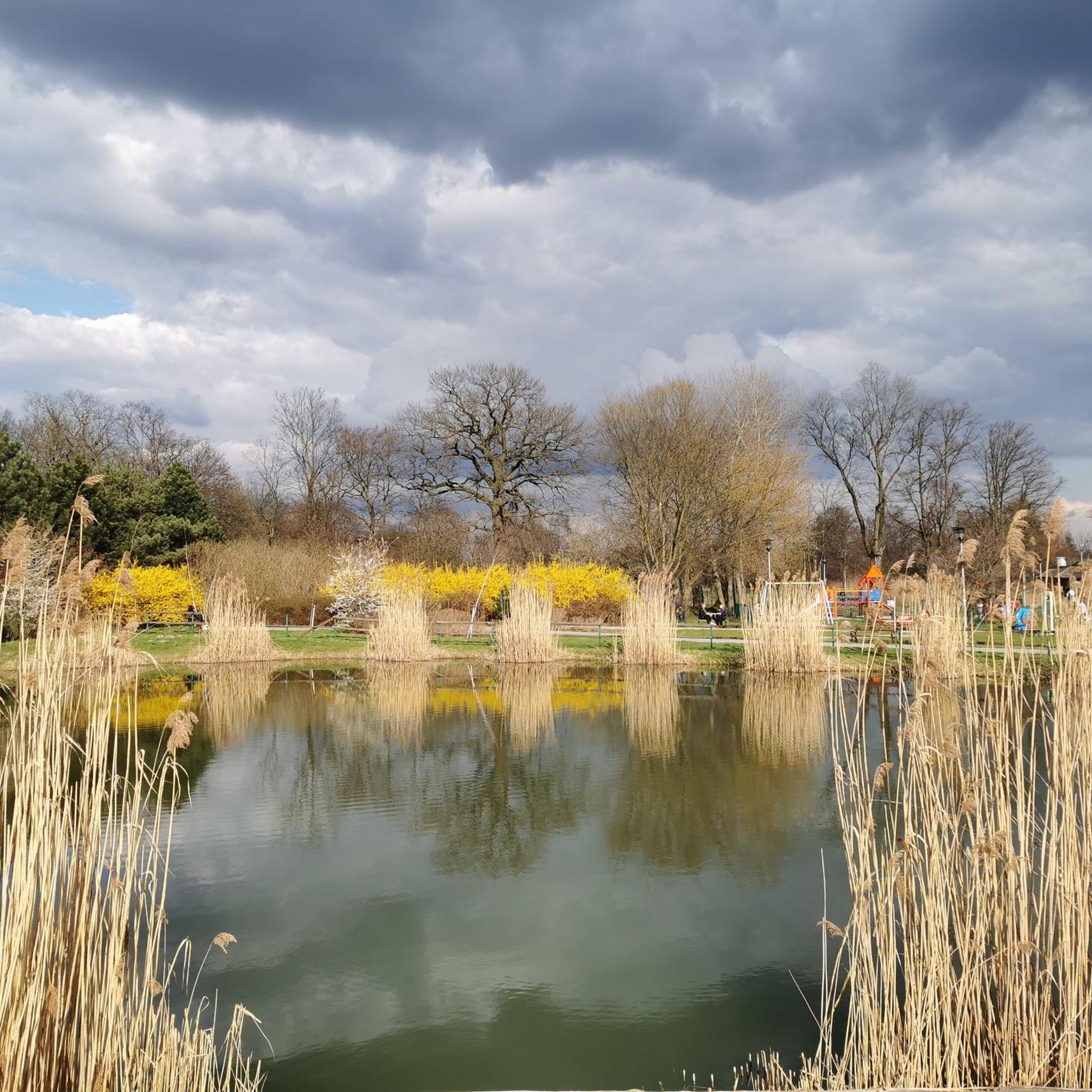
Szczęśliwicki Park is a city park in Warsaw's Ochota district, between Włodarzewska and Drawska streets. It was created in the 1960s on land that had been used for clay quarries and landfills, which had not been previously built on due to the proximity of the Warsaw Fortress forts. The reclaimed areas were developed socially - water reservoirs and a ski slope were created, and most of the area was wooded. The park has a sports and recreational character - it includes Glinianki Szczęśliwickie (approx. 7 ha), a year-round ski slope (Górka Szczęśliwicka, 138-152 m above sea level), an open swimming pool, playing fields and OSiR facilities. The water reservoirs are stocked and supervised by angling (PZW Circle No. 7). In 2020, the wooden pier was renovated. The park has natural significance - there are many species of birds here (approx. 70), as well as amphibians and fish. The flora includes poplars, maples, limes and other pioneer species. Despite the anthropogenic origin of the substrate and degraded soil, the area is an important haven of biodiversity in Warsaw.
2
0
Szczęśliwicki Park is a city park in Warsaw's Ochota district, between Włodarzewska and Drawska streets. It was created in the 1960s on land that had been used for clay quarries and landfills, which had not been previously built on due to the proximity of the Warsaw Fortress forts. The reclaimed areas were developed socially - water reservoirs and a ski slope were created, and most of the area was wooded. The park has a sports and recreational character - it includes Glinianki Szczęśliwickie (approx. 7 ha), a year-round ski slope (Górka Szczęśliwicka, 138-152 m above sea level), an open swimming pool, playing fields and OSiR facilities. The water reservoirs are stocked and supervised by angling (PZW Circle No. 7). In 2020, the wooden pier was renovated. The park has natural significance - there are many species of birds here (approx. 70), as well as amphibians and fish. The flora includes poplars, maples, limes and other pioneer species. Despite the anthropogenic origin of the substrate and degraded soil, the area is an important haven of biodiversity in Warsaw.
2
0
Szczęśliwicki Park is a city park in Warsaw's Ochota district, between Włodarzewska and Drawska streets. It was created in the 1960s on land that had been used for clay excavations and landfills, which had not been previously developed due to the proximity of the Warsaw Fortress forts. The reclaimed areas were developed socially - water reservoirs and a ski slope were created, and most of the area was wooded. The park has a sports and recreational character - it includes Glinianki Szczęśliwickie (approx. 7 ha), a year-round ski slope (Górka Szczęśliwicka, 138-152 m above sea level), an open swimming pool, playing fields and OSiR facilities. The water reservoirs are stocked and supervised by angling (PZW Circle No. 7). In 2020, the wooden pier was renovated. The park has natural significance - there are many species of birds here (approx. 70), as well as amphibians and fish. The flora includes poplars, maples, limes and other pioneer species. Despite the anthropogenic origin of the substrate and degraded soil, the area is an important haven of biodiversity in Warsaw.
3
0
Fort VII, also known as "Zbarż", is one of the forts of the outer ring of the Warsaw Fortress, located in the Włochy district, in the Zbarż housing estate. Built in the years 1883–1908, it has an area of 29.7 ha. The fort is a single-rampart, surrounded by a moat and erected on a pentagonal plan. It was partially dismantled after 1909, and during one of the modernizations a concrete anti-scarp caponier was added, the ruins of which have survived to this day. During the occupation, the fort was flooded, and after the war the area was used by the military until 1999.
3
0

Fast asphalt (low resistance), almost always windy, lots of people on weekends, but still worth it...
0
0
green areas good for walking and cycling, in the background Górka Szczęśliwicka
2
0
Frequently Asked Questions
What types of water bodies can I expect to find in Gmina Stare Babice?
Gmina Stare Babice is characterized by smaller, revitalized ponds and water reservoirs rather than large natural lakes. These water bodies are often integrated into green infrastructure projects, focusing on enhancing biodiversity and providing community-focused leisure facilities. A notable example is the revitalized Pond in Blizne Jasińskiego.
Are there any family-friendly lakes or ponds in the area?
Yes, several spots are great for families. The Szczęśliwickie Ponds, located within a city park, offer recreational opportunities and a renovated pier. The Mokre Łąki Reservoir also provides a family-friendly environment with an outdoor gym and views of the water. Additionally, the Bicycle Path Along the Michałowice Ponds is a family-friendly cycling route away from car traffic.
What outdoor activities can I do near the lakes in Gmina Stare Babice?
Beyond enjoying the water bodies themselves, the region offers various outdoor activities. You can find numerous road cycling routes, running trails, and MTB trails. For example, the Bicycle Path Along the Michałowice Ponds is excellent for cycling, and the Mokre Łąki Reservoir features an outdoor gym.
Can I go fishing in the lakes or ponds around Gmina Stare Babice?
Yes, fishing is possible in some areas. The Szczęśliwickie Ponds are stocked and supervised by angling organizations (PZW Circle No. 7). The flooded moat at Fort Zbarż is also noted as an intimate fishery. For specific regulations and permits, it's advisable to check with local authorities or angling associations.
Are there any historical sites with water features in the region?
Yes, the Flooded moat at Fort Zbarż is a unique historical site. This former Warsaw Fortress element features a moat and courtyard that were flooded due to a drainage system failure, creating a small lake. It's a picturesque spot, though access can be challenging.
What is the best time to visit the lakes and ponds in Gmina Stare Babice?
The revitalized ponds and recreational areas are generally pleasant to visit during warmer months, from spring through early autumn, when you can fully enjoy outdoor activities like cycling, walking, and using outdoor gyms. The enhanced biodiversity, with diverse flora and fauna, is also most vibrant during these seasons.
Are the lakes and ponds in Gmina Stare Babice suitable for swimming or boating?
While the area features various water bodies, they are primarily designed for recreational purposes like walking, cycling, and enjoying nature, rather than swimming or boating. The Szczęśliwickie Ponds, for instance, are known for angling and biodiversity. There is no specific mention of designated swimming or boating areas for the lakes within Gmina Stare Babice itself.
What kind of natural features can I observe around these water bodies?
The revitalization efforts around ponds like the one in Blizne Jasińskiego have focused on increasing biodiversity. You can expect to see diverse flora, and areas like Szczęśliwickie Ponds are significant havens for biodiversity, supporting many species of birds (around 70), amphibians, and fish. The flora includes poplars, maples, and limes.
Are there accessible paths around the lakes for wheelchairs or strollers?
While specific accessibility details for all locations are not provided, the Bicycle Path Along the Michałowice Ponds is an asphalt path, suggesting it would be relatively smooth and suitable for strollers. The Szczęśliwickie Ponds are within a city park with a 3km easy path, which may also offer good accessibility.
What do visitors enjoy most about the lakes and ponds in Gmina Stare Babice?
Visitors appreciate the natural character and recreational opportunities. The Bicycle Path Along the Michałowice Ponds is loved for its pleasant cycling experience away from car traffic. The Mokre Łąki Reservoir is valued as a place for rest, listening to birds, and using the outdoor gym. The Szczęśliwickie Ponds are enjoyed for their biodiversity and recreational significance within a city park.
Are dogs allowed around the lakes and ponds in Gmina Stare Babice?
While specific dog policies for every water body are not detailed, many green spaces and parks in Poland generally allow dogs on leash. For areas like the Szczęśliwickie Ponds within a city park, it's common for dogs to be permitted on paths. Always ensure your dog is on a leash and clean up after them. For nature reserves or specific protected areas, it's best to check local signage or regulations.
Most popular routes around gmina Stare Babice
Most popular attractions around gmina Stare Babice

Get inspired with the komoot mobile app


Explore more
Still not found your perfect lake around gmina Stare Babice? Check out the guides of these regions to see even more beautiful places.
