The 7 Most Amazing Peaks around Granby
Best mountain peaks around Granby, Colorado, offer diverse experiences within a landscape characterized by high elevations and prominent ranges. The region serves as a gateway to areas like Rocky Mountain National Park and the Indian Peaks Wilderness, providing access to significant natural features. These mountains define the local geography, including sections of the Continental Divide, and contribute to the headwaters of the Colorado River. The area is known for its varied terrain, from accessible summits to challenging wilderness treks.
Best…
Last updated: August 6, 2026
Deadtop
Highlight • Summit
Tip by

Bare Mountain
Highlight • Summit
Tip by
Sign up now to discover places like this
Get recommendations on the best single tracks, peaks, & plenty of other exciting outdoor places.
Sign up for free
Mount Nonotuck
Highlight • Summit
Tip by
Mount Hitchcock
Highlight • Summit
Tip by
Mount Pollux
Highlight • Summit
Tip by
Sign up for free to discover even more peaks around Granby.
Sign up for free
Already have an account?
Start today with a free account
Your next adventure awaits.
Login or Signup


Tips from the Community

Mount Pollux is a small 984 foot hill south of Amherst in the Mount Pollux Conservation Area. There is a short loop to the summit of in a residential area, making for a great quick hike after work or during lunch. The hike up to and the top of Mount Pollux is open and grassy providing excellent panoramic views of Mount Holyoke Range to the south, the Berkshires to the west, and Mt. Toby and Brushy Mountain to the north. There is a huge maple tree at the summit, which is a great spot for a picnic.
0
0
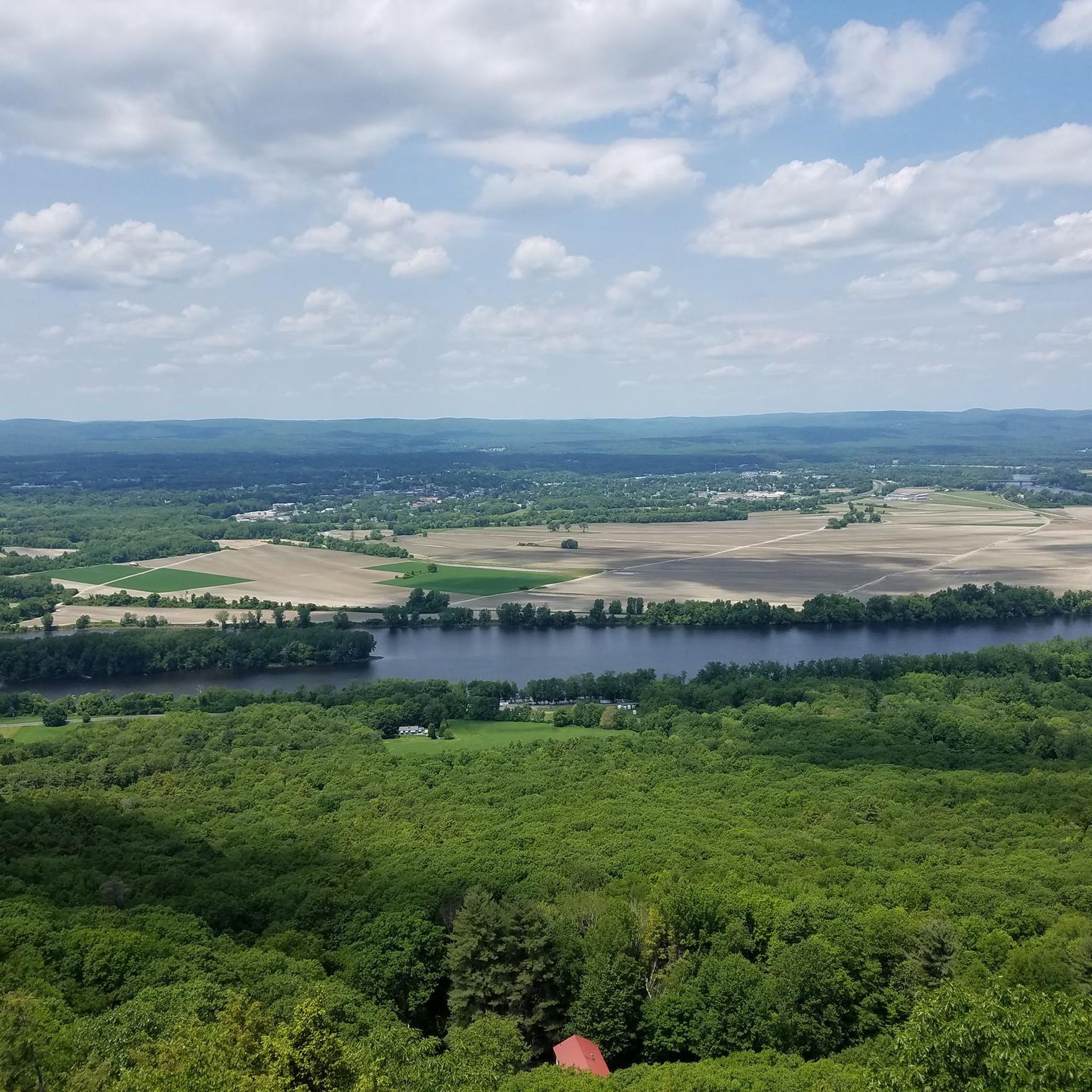
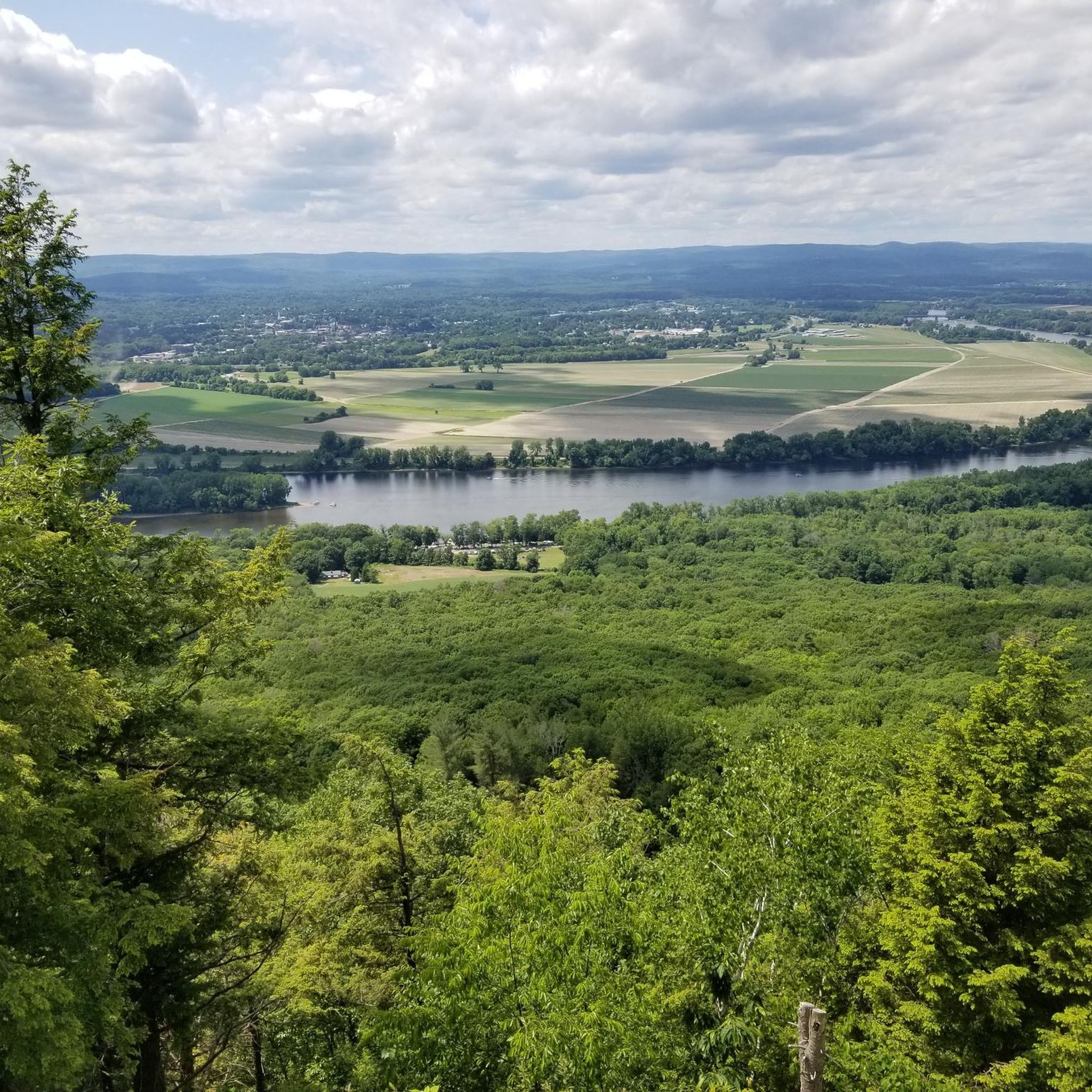
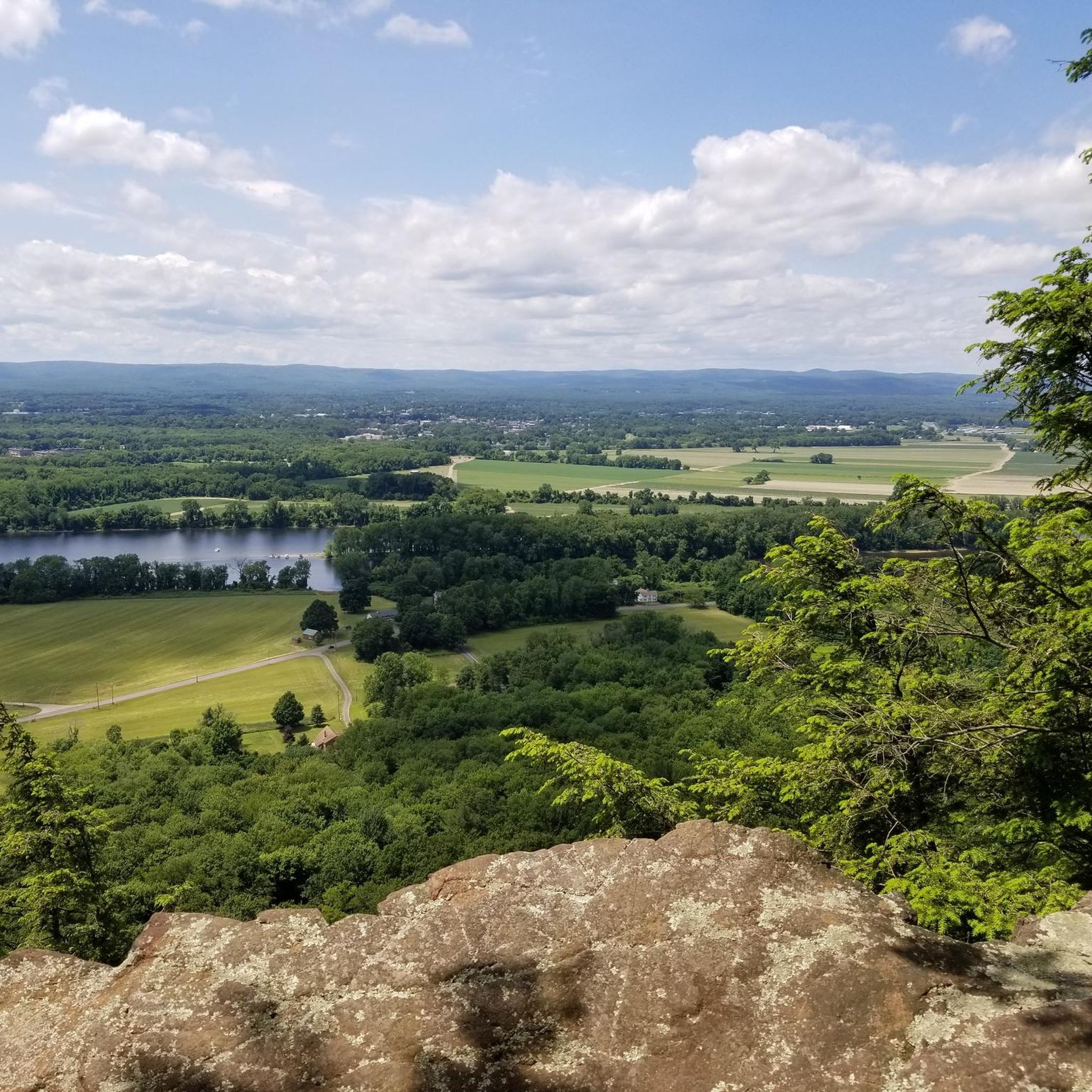
Mount Nonotuck is 827 feet tall and is the northernmost peak of the Mount Tom Range. You get fantastic views of "the Oxbow," a dramatic bend in the Connecticut River below. At the open summit of Mount Nonotuck is the ruins of the Eyrie House, a small hotel built in 1861. The successful establishment burnt down in 1901 when the owner lost control of a fire when attempting to cremate two horses. All that was left was the cellar holes and the walls of the stone understory, which you can still see today.
0
0
Bare Mountain stands at 1,014 feet above sea level and is part of the greater Metacomet Ridge and the Holyoke Range. This steep mountain is popular with students from the many elite colleges in the nearby towns. From the summit you get great views of the surrounding valleys to the north and south, views to Mount Norwottuck and the eastern peaks of the Holyoke Range, and of the campuses of the University of Massachusetts Amherst and Hampshire College. Bare Mountain also is home to a bunker that was used as the command center for U.S. forces during the Cuban Missile Crisis.
0
0
Mount Hitchcock stands at 1,002 feet and was named for Edward Hitchcock, a professor of geology at Amherst College in the 1800s. Mount Hitchcock is the most remote peak in the Holyoke Range because it is farthest from a road. To the west of the summit is Seven Sisters and Mount Holyoke and to the east is Bare Mountain, which is higher than Hitchcock by eight feet.
0
0

Frequently Asked Questions
What are some of the most popular mountain peaks to visit around Granby?
Near Granby, you can explore several notable peaks. Mount Holyoke Summit and Viewpoint offers picturesque views from the westernmost peak of the Holyoke Range, complete with a historic summit house. Another popular choice is Mount Tom, the highest peak of the Mount Tom Range, known for its dramatic views across the Connecticut River Valley.
Are there any mountain peaks near Granby with historical significance?
Yes, several peaks in the area have historical elements. Mount Holyoke Summit and Viewpoint features a historic summit house. On Mount Nonotuck, you can find the ruins of the Eyrie House, a hotel built in 1861. Additionally, Bare Mountain is home to a bunker that served as a command center during the Cuban Missile Crisis.
What kind of views can I expect from the mountain peaks near Granby?
The mountain peaks around Granby offer diverse and expansive views. From Deadtop, you'll get fantastic views of Easthampton, the Connecticut River Valley, and the entire Mount Tom Range. Mount Nonotuck provides excellent views of "the Oxbow," a dramatic bend in the Connecticut River. From Byers Peak, you can enjoy 360-degree views of Grand County and surrounding ranges, including the Never Summer Range and Rocky Mountain National Park.
Are there challenging hiking trails to mountain peaks near Granby?
Yes, for those seeking a challenge, Byers Peak offers strenuous hiking trails to its 12,804-foot summit. Within the Indian Peaks Wilderness, the 7.4-mile (one-way) hike to Lone Eagle Peak, rising dramatically over Crater Lake, is also considered long and strenuous. Mount Ida in Rocky Mountain National Park also presents a difficult hiking option.
What natural features are prominent in the mountain areas around Granby?
The mountains around Granby are rich in natural features. You'll find diverse landscapes including alpine tundra, glaciers, meadows, and crystalline lakes, especially within Rocky Mountain National Park. The region is also defined by the Continental Divide, which delineates watersheds and features many peaks exceeding 12,000 feet. The unique traprock and basalt formations are visible on peaks like Deadtop.
What wildlife can I expect to see in the mountain peaks area near Granby?
The mountains around Granby, particularly within Rocky Mountain National Park, are home to abundant wildlife. Visitors often spot elk, bighorn sheep, moose, marmots, and pika. The diverse ecosystems provide habitats for a wide range of species, making wildlife viewing a popular activity.
What outdoor activities can I do near the mountain peaks around Granby?
Beyond hiking, the Granby area offers a variety of outdoor activities. You can enjoy extensive hiking trails, horseback riding, rock climbing, fishing, and camping, especially within Rocky Mountain National Park and the Byers Peak Wilderness. For cycling enthusiasts, there are numerous road cycling routes, including those around Mount Tom State Reservation. You can find more details on specific routes in the Road Cycling Routes around Granby guide.
Are there any running trails near the mountain peaks in Granby?
Yes, there are several running trails available near Granby's peaks. Options include the Veterans' Memorial Park loop and scenic, rocky paths from Mill River Division. For more detailed information on routes and distances, refer to the Running Trails around Granby guide.
What is the Continental Divide and how can I experience it near Granby?
The Continental Divide, also known as the Great Divide, is a majestic mountain range that cuts through Grand County, near Granby. It delineates the watersheds of the Atlantic and Pacific oceans. You can experience it through challenging backpacking on the Continental Divide Trail (CDT), with options ranging from 3 to 100 miles, or by taking scenic drives like Trail Ridge Road, which crosses the Divide at over 12,000 feet, offering high-altitude beauty and wildlife viewing.
What is the best time to visit the mountain peaks around Granby?
The best time to visit depends on your desired activity. Summer and early fall are ideal for hiking, camping, and enjoying scenic drives like Trail Ridge Road, which is typically open from late May/early June to mid-October. For winter sports enthusiasts, the snowy months offer opportunities for activities like snowshoeing or cross-country skiing, though some high-altitude roads and trails may be closed.
Are there any easy mountain hikes near Granby for less experienced hikers?
While many peaks offer challenging terrain, there are easier options and accessible viewpoints. Scenic drives like Trail Ridge Road in Rocky Mountain National Park allow you to experience high-altitude beauty without extensive hiking. For specific easy hiking routes, you can check the Hiking around Granby guide, which lists routes like the Dufresne Loop Trail as easy.
Where can I find more information about the Byers Peak Wilderness area?
Byers Peak is the highest point in the 8,801-acre Byers Peak Wilderness area, which is part of the Roosevelt and Arapaho National Forests. For more detailed information about the wilderness area and its features, you can visit the official Grand County tourism site: visitgrandcounty.com/byers-peak.
Most popular attractions around Granby

Get inspired with the komoot mobile app


Explore more
See even more amazing summits around Granby with these guides:
