Top 4 Lakes around Great Gransden
Best lakes around Great Gransden are primarily found within nature reserves and smaller, intimate water bodies rather than large expansive lakes. Great Gransden, a village in Cambridgeshire, features wetland areas and ponds that serve as important habitats for wildlife. These aquatic features offer local charm and recreational opportunities for visitors seeking nature-focused experiences. The area includes notable nature reserves with diverse habitats.
Best lakes around Great Gransden
- The most popular lakes is Serpentine Lake, a viewpoint that connects areas…
Last updated: August 8, 2026
Paxton Pits Nature Reserve
Highlight • Natural
Kingfishers and …
Tip by

Serpentine Lake
Highlight • Viewpoint
Translated by Google •
Tip by

Sign up now to discover places like this
Get recommendations on the best single tracks, peaks, & plenty of other exciting outdoor places.
Sign up for free
Kingfisher Hide
Highlight • Lake
Tip by

Haydon Hive Bird Hide at Paxton Pits
Highlight • Lake
Tip by
Start today with a free account
Your next adventure awaits.
Login or Signup




Tips from the Community

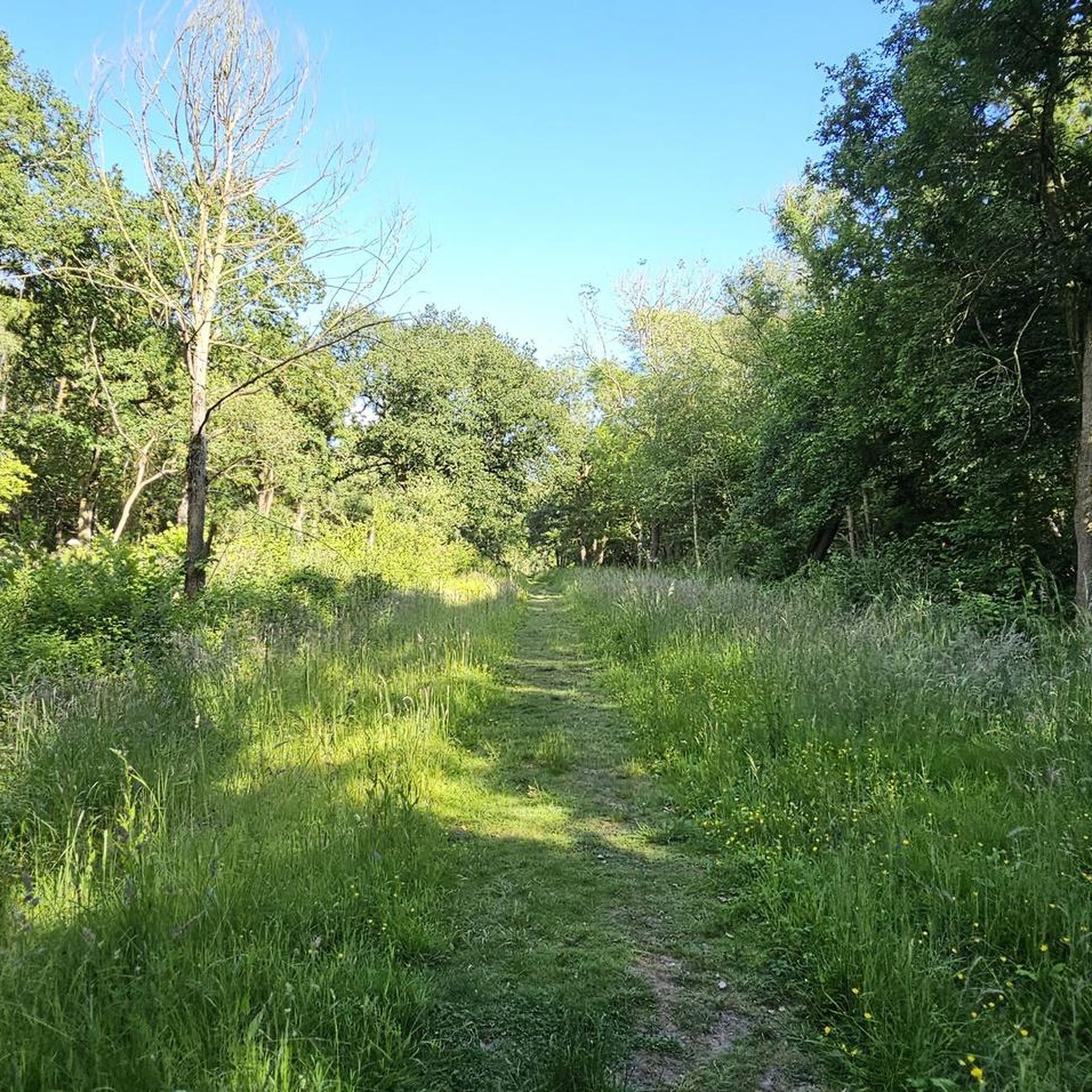
Mainly gravel surfaces. Dry in the summer but certain sections can be muddy after rain.
0
0

Off the main track to the left you take a narrow wooden walkway out to the hide which has great views over Heronry South Lake as well as Heronry North Lake.
0
0
Haydon Hive overlooks the southern end of Heronry South Lake. From here you can se the Cormorants roosting in the trees on the opposite bank.
0
0

Between the upper "Serpentine Lake" and its neighboring lake, the "Chinese Bridge" connects the areas of the park. The gray herons like to perch above the reed belt of the Serpentine Lakes.
0
0

Myriad habitats can be found at Paxton Pits Nature Reserve, with beautiful lakes, riverside, meadow, reedbed, scrub and woodland. The visitor centre offers refreshments, facilities and friendly expertise. Kingfishers and nightingales are a common sight and overwintering wildfowl visit during the colder months. In spring and summer, wildflowers, dragonflies, damselflies and butterflies create a vibrant environment.
1
0
Frequently Asked Questions
What kind of lakes and water features can I expect around Great Gransden?
Great Gransden is characterized by smaller, intimate water bodies rather than large lakes. You'll find a notable village pond, an ornamental moat, and wetland areas within nature reserves. These provide charm, recreational opportunities, and important wildlife habitats. For a more expansive experience, Paxton Pits Nature Reserve offers beautiful lakes, riverside, and reedbeds.
Where can I observe wildlife near Great Gransden's water features?
Several spots are excellent for wildlife observation. Paxton Pits Nature Reserve is known for kingfishers, nightingales, and overwintering wildfowl. The Mill Weir Village Pond in Great Gransden attracts ducks and other wildfowl. The pond at the allotments is a haven for great crested newts. For birdwatching, the Kingfisher Hide and Haydon Hive Bird Hide at Paxton Pits offer excellent views of various species, including herons and cormorants.
Are there family-friendly places to visit around the lakes near Great Gransden?
Yes, several locations are great for families. Paxton Pits Nature Reserve is very family-friendly, offering diverse habitats and a visitor centre with refreshments. The Mill Weir Village Pond in Great Gransden is also popular with local families due to its wildfowl. Serpentine Lake and the Haydon Hive Bird Hide at Paxton Pits are also suitable for family outings.
What outdoor activities can I do near the lakes around Great Gransden?
Beyond enjoying the water features, you can explore various outdoor activities. There are numerous routes for cycling, road cycling, and running. For cycling, consider routes like the 'Greenwich Meridian Line Marker – The River Cam in Cambridge loop' or 'Haslingfield Village – Chapel Hill Climb loop' found in the Cycling around Great Gransden guide. Running enthusiasts can find trails such as 'Wood Farm loop' or 'The Chequers Pub – Great Gransden Windmill loop' in the Running Trails around Great Gransden guide.
Are there any historical water features in the area?
While not a natural lake, Great Gransden Hall features an ornamental moat as part of its historic grounds. This adds a unique historical and aesthetic water feature to the area, reflecting the village's heritage.
What is the best time of year to visit the lakes and wetlands around Great Gransden?
Spring and summer are particularly vibrant. In spring, areas like Waresley and Gransden Woods are beautiful with wildflowers such as bluebells. During spring and summer, Paxton Pits Nature Reserve comes alive with wildflowers, dragonflies, damselflies, and butterflies. In colder months, Paxton Pits also attracts overwintering wildfowl.
Are there any easy walking trails around the lakes?
Yes, many of the paths around the local water features are suitable for easy walks. Paxton Pits Nature Reserve offers accessible paths through its diverse habitats. Waresley and Gransden Woods also have designated paths that allow exploration of their wetland elements and woodlands. The paths around Serpentine Lake are mainly gravel, making for a relatively easy stroll, though some sections can be muddy after rain.
Can I find refreshments or facilities near the lakes?
Yes, the visitor centre at Paxton Pits Nature Reserve offers refreshments and facilities. For other locations, you might need to venture into nearby villages for pubs or cafes.
What are the main natural features to look out for in Waresley and Gransden Woods?
Waresley and Gransden Woods, a 50-hectare nature reserve, features ancient oak-ash woodlands and wetland elements formed by the Dean Brook. It's a Site of Special Scientific Interest (SSSI) known for its diverse flora and fauna, including bluebells in spring, breeding birds, and over 500 species of moths and butterflies. You can explore these areas via designated paths.
Are there any quiet spots for nature lovers near Great Gransden?
The smaller, more intimate water bodies around Great Gransden offer quieter experiences. The Pond at the Allotments is a peaceful haven for wildlife. While Paxton Pits Nature Reserve can be popular, its extensive network of paths and hides like the Kingfisher Hide and Haydon Hive Bird Hide provide tranquil spots for observation.
Most popular routes around Great Gransden
Most popular attractions around Great Gransden

Get inspired with the komoot mobile app


Explore more
Still not found your perfect lake around Great Gransden? Check out the guides of these regions to see even more beautiful places.
