Top 20 Castles in Lisbon
Castles in Lisbon are situated across the city and its surrounding areas, often perched on hills or along the Tagus River. This region offers a blend of historical fortifications and architectural heritage. Many sites provide panoramic views of the landscape and the river. The area's history is reflected in its diverse range of historical structures.
Best castles in Lisbon
- The most popular castles is St. George's Castle, a castle located on the highest hill in the Alfama neighborhood. This…
Last updated: July 8, 2026
St. George's Castle
Highlight • Castle
Translated by Google •
Tip by

Pena Palace
Highlight • Castle
Translated by Google •
Tip by

Sign up now to discover places like this
Get recommendations on the best single tracks, peaks, & plenty of other exciting outdoor places.
Sign up for free
Castle of the Moors
Highlight • Castle
Translated by Google •
Tip by
Belém Tower
Highlight • Monument
Translated by Google •
Tip by
Quinta da Regaleira
Highlight • Castle
Translated by Google •
Tip by
National Palace of Sintra
Highlight • Castle
Of all the palaces erected throughout the Middle Ages by the Portuguese monarchs, …
Translated by Google •
Tip by
Caxias Beach
Highlight • Beach
Tip by

Bom Sucesso Fort (Combatant's Museum)
Highlight • Historical Site
Translated by Google •
Tip by
Path along the ancient walls of the Castle of the Moors
Highlight • Castle
Translated by Google •
Tip by
Mafra National Palace
Highlight • Historical Site
Translated by Google •
Tip by

Sign up for free to discover even more castles in Lisbon.
Sign up for free
Already have an account?
Start today with a free account
Your next adventure awaits.
Login or Signup
Popular around Lisbon

Triathlon 360 – my journey around the world
EuroVelo 1 Portugal – Cycle the Atlantic Coast
Portugal's Atlantic coast (north) – from Caminha to Lisbon
The breaking waves – cycle along the Atlantic coast of Portugal

Around the World in 80 Days
Lisbon to Santo António – The Atlantic Coast of Portugal (south)
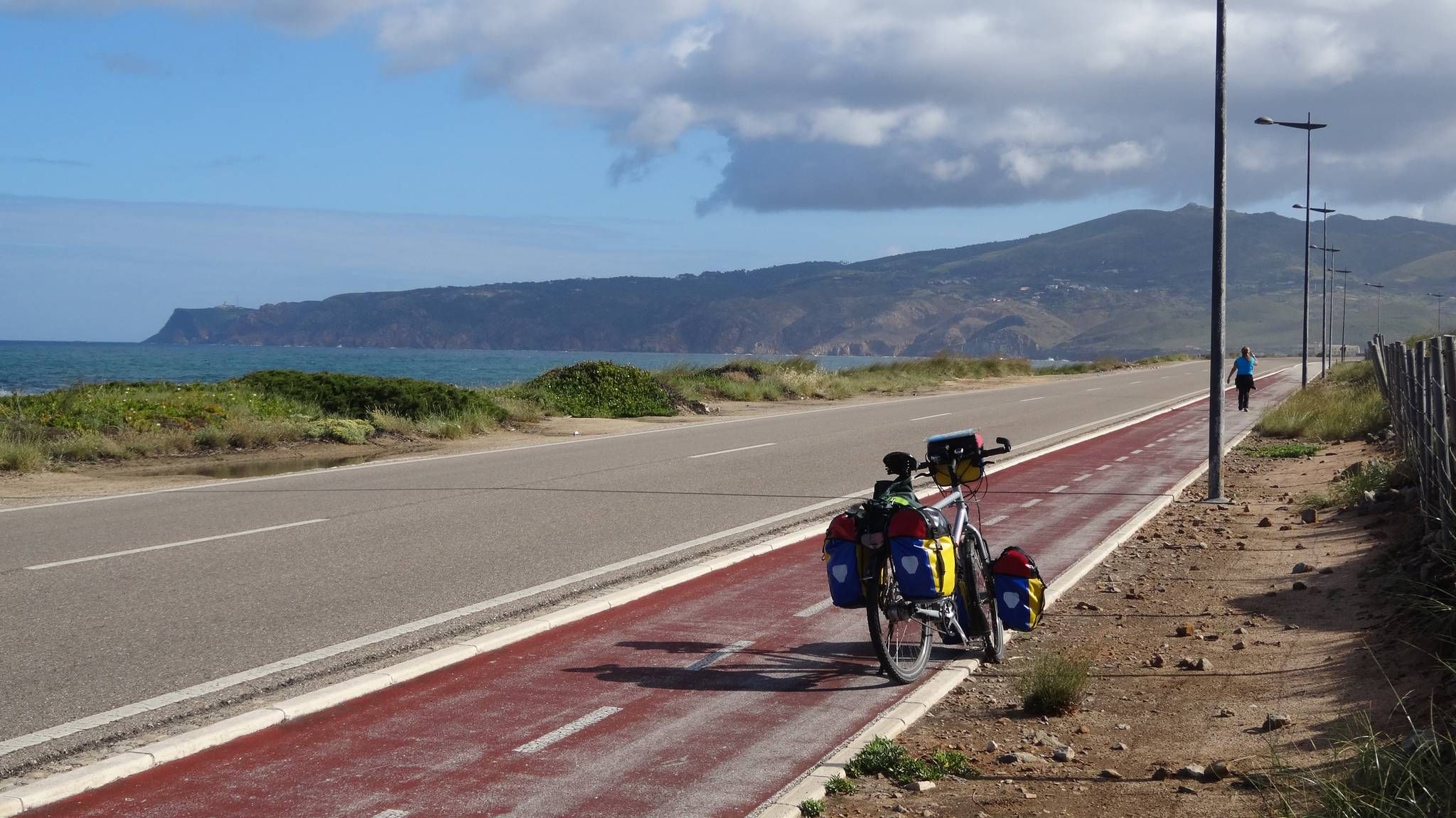
Bike Touring along Portugal's Atlantic Coast from Lisbon to Porto
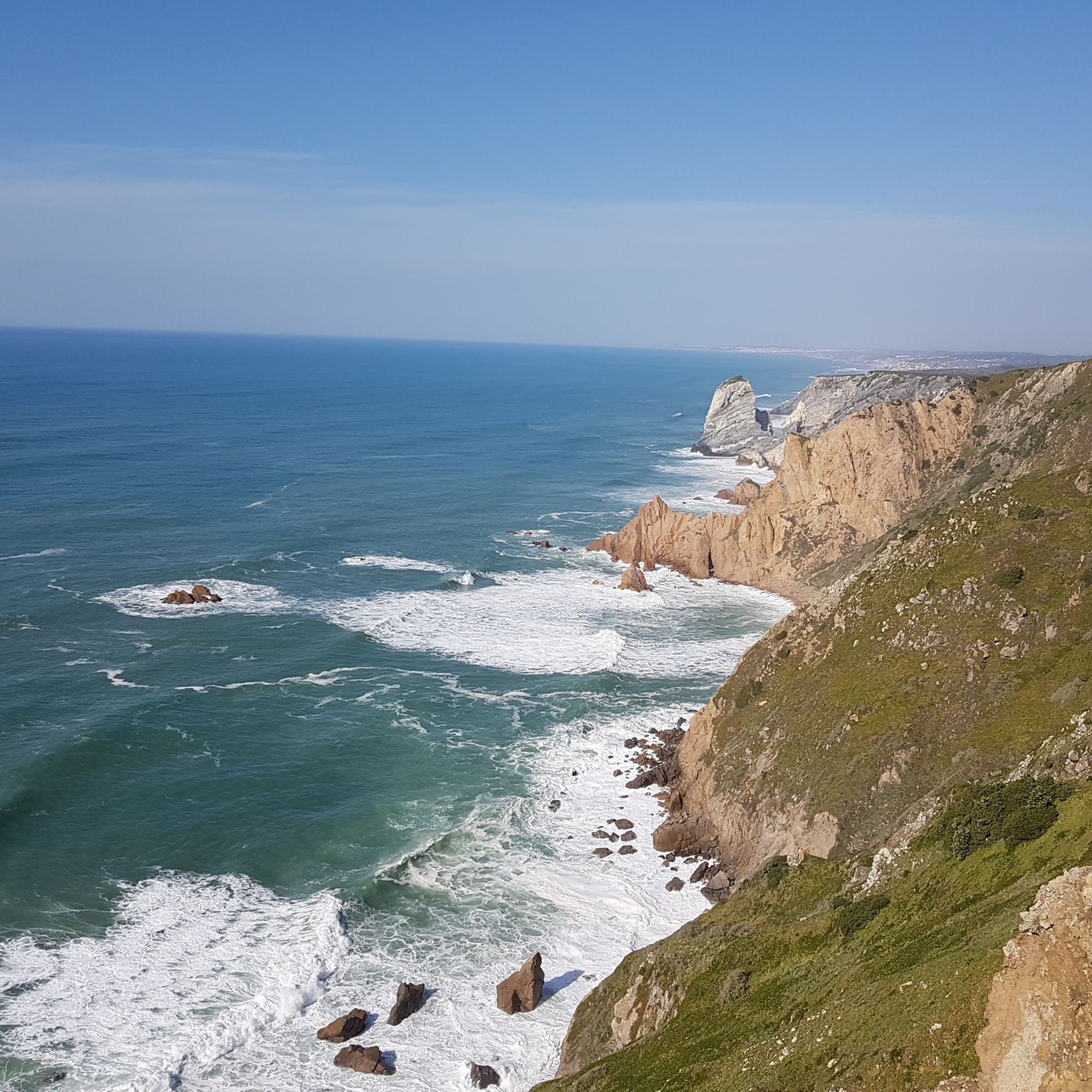
Hiking in Lisbon
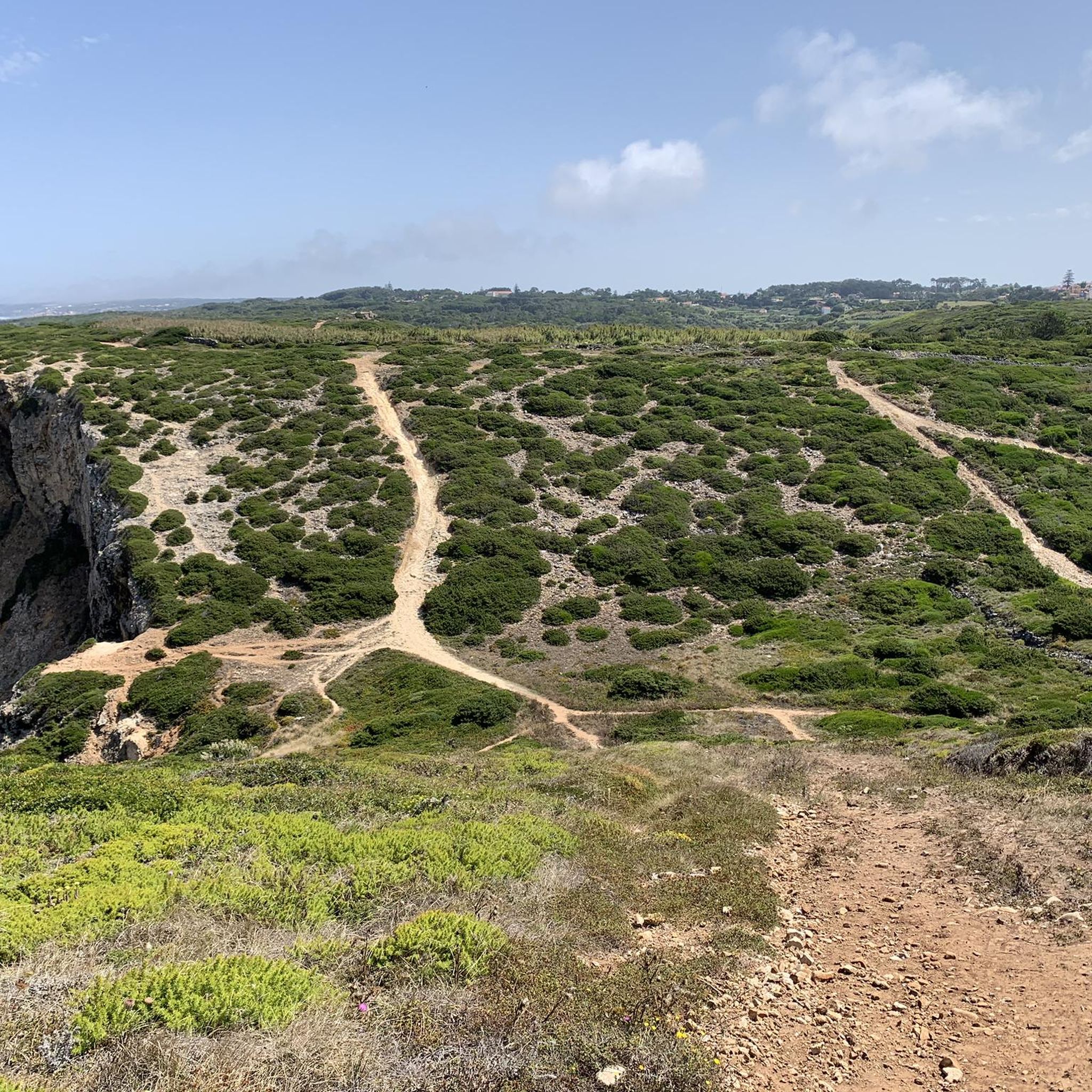
Running Trails in Lisbon
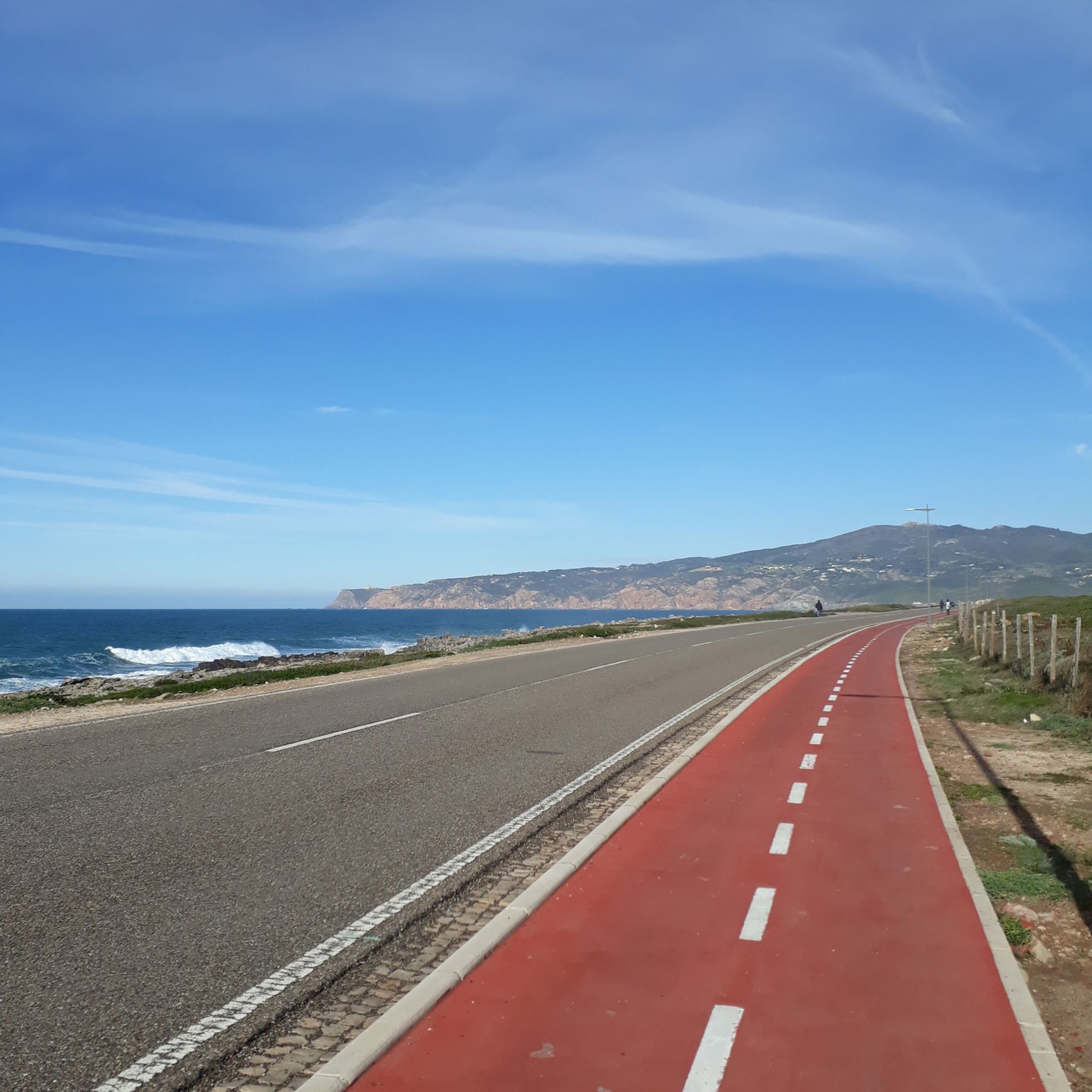
Cycling in Lisbon
Other adventures in Lisbon


Tips from the Community

It's impossible to get lost, everything is signposted and there are only 2 paths.
1
0

The National Palace of Mafra, located in the town of Mafra, Portugal, is a monumental complex that includes a palace, a convent, a basilica, and the Tapada de Mafra (hunting grounds). Construction began in 1717, commissioned by King John V of Portugal in fulfillment of a vow for the succession of his wife, and it is the most important monument of Portuguese Baroque. Since 2019, the Palace has been a UNESCO World Heritage Site.
2
0

The path along the ancient walls of the Moorish Castle (Castelo dos Mouros) leads directly across the impressively restored battlements of the medieval fortress. Between battlements, stone steps, and narrow passages, a spectacular panorama unfolds, encompassing Sintra, Pena Palace, and the surrounding hills. An absolutely captivating section that perfectly combines history, views, and adventure.
5
0

The view of Pena Palace and Sintra from the Castelo dos Mouros is one of the most spectacular in the entire region. Walking along the castle walls, you'll discover a landscape that blends history, architecture, and nature in perfect harmony.
7
0
The trail along the ancient walls of the Moorish Castle (Castelo dos Mouros) in Sintra is one of the most impressive experiences you can have in the region. This medieval castle, built in the 9th century by the Moors, perches on a rocky ridge in the Serra de Sintra, offering spectacular views and a complete immersion in history and nature.
9
0
The Sintra National Palace, also known as Palácio da Vila, is one of Portugal's most iconic monuments and the oldest royal palace in the country. Located in the historic center of Sintra, it is easily recognizable by its two large, white, conical chimneys, nearly 33 meters high, visible from many points in the city.
16
0
It was originally a Hieronymite monastery founded in the 16th century, dedicated to Our Lady of Sorrow. After the 1755 earthquake, it fell into ruins and was acquired by King Ferdinand II in 1838. Between 1842 and 1854, it became a summer palace for the Portuguese royal family. In 1910, following the end of the monarchy, it passed into state hands and was opened to the public.
20
0
The Pena Palace in Sintra is one of Portugal's most spectacular monuments and a jewel of European Romanticism. Located high in the Sintra Mountains, about 25 km from Lisbon, this palace looks like something out of a fairy tale with its colorful and eclectic architecture.
21
0
Frequently Asked Questions
What kind of views can I expect from the castles in and around Lisbon?
Many castles in the Lisbon region offer spectacular panoramic views. For instance, St. George's Castle, perched atop one of Lisbon's highest hills, provides stunning vistas of the city, the Tagus River, and the Alfama district. Similarly, the ancient walls of Castle of the Moors in Sintra offer breathtaking views of the surrounding hills and the Atlantic Ocean. Even the Belém Tower, a fortified tower on the Tagus River, provides unique perspectives of the waterfront.
Are there family-friendly castles to visit in Lisbon?
Yes, several castles and historical sites in the Lisbon area are great for families. St. George's Castle in Lisbon is popular, with peacocks roaming the grounds and plenty of space to explore its walls and towers. In Sintra, Quinta da Regaleira offers an enigmatic palace and gardens with hidden tunnels and grottoes that children often enjoy. The Belém Tower and Bom Sucesso Fort are also listed as family-friendly options.
When is the best time of year to visit the castles around Lisbon?
Lisbon's mild climate makes its castles enjoyable year-round. Spring (April to June) and early autumn (September to October) are particularly pleasant, with comfortable temperatures and fewer crowds than the peak summer months. Visiting during these shoulder seasons allows for a more relaxed exploration of the outdoor areas and castle grounds.
How can I get to the castles in and around Lisbon using public transport?
Many castles are accessible by public transport. St. George's Castle is within Lisbon city limits and can be reached by tram or bus, followed by a short walk uphill. For castles in Sintra, such as Castle of the Moors or the National Palace of Sintra, you can take a train from Lisbon to Sintra, and then local buses or taxis to the specific sites. The Belém Tower is easily reached by tram or bus from central Lisbon.
Are there hiking or cycling routes near the castles in Lisbon?
Yes, the region offers various outdoor activities. For example, near the castles in Sintra, you can find routes like the 'Sintra Mountains and Coast MTB Loop' for mountain biking or the 'Quinta da Regaleira e Palácio Nacional — circular route PR 4 SNT in Sintra' for hiking. Within Lisbon, you can explore running trails that pass by historical sites, such as the 'Torre de Belém from Rua Augusta' route. You can find more details on these and other routes in the Running Trails in Lisbon, MTB Trails in Lisbon, and Easy hikes in Lisbon guides.
What historical periods do the castles in Lisbon represent?
The castles in the Lisbon area span various significant historical periods. St. George's Castle has Visigothic origins from the 6th century, expanded by the Moors in the 11th century, and later served as a royal palace after the Christian Reconquest. The Castle of the Moors dates back to the 8th and 9th centuries. Later structures like the Belém Tower are from the 16th century, embodying the Age of Discovery, while Quinta da Regaleira and Pena Palace in Sintra are 19th-century Romanticist creations.
Are there any lesser-known or 'hidden gem' castles near Lisbon worth visiting?
While not a 'hidden gem' in the sense of being unknown, Mafra National Palace is a truly impressive site often overshadowed by Sintra's attractions. This vast 18th-century complex includes a royal palace, basilica, and monastery, making it Portugal's largest monastery. Its sheer scale and architectural grandeur are remarkable. Another unique site is Castelo de Almourol, located on an island in the Tagus River, known for its picturesque setting and Knights Templar history.
What should I wear when visiting castles in Lisbon?
Comfortable walking shoes are highly recommended, as many castles involve significant walking, climbing stairs, and navigating uneven terrain, especially at sites like St. George's Castle or the ancient walls of the Castle of the Moors. Layers are also advisable, as temperatures can vary, and some areas might be exposed to wind, particularly at higher elevations.
Can I find food and drink options near the castles?
Yes, most major castle attractions, especially those within Lisbon or popular tourist towns like Sintra, have cafes, restaurants, or snack bars nearby. St. George's Castle is located in the Alfama district, which is full of dining options. Sintra also offers numerous cafes and restaurants catering to visitors.
What makes the castles in the Lisbon region unique?
The castles in the Lisbon region are unique due to their diverse architectural styles, historical significance, and stunning locations. From the ancient Moorish fortifications like Castle of the Moors to the whimsical Romanticist designs of Pena Palace, and the maritime defensive structures like Belém Tower, they reflect centuries of cultural influences. Many are perched on hills, offering strategic viewpoints and breathtaking vistas, making them integral to the landscape and history of Portugal.
How long does it typically take to visit a castle in Lisbon?
The duration of a visit can vary significantly depending on the castle and your level of interest. For a major site like St. George's Castle, you might spend 2-3 hours exploring the grounds, walls, and museum. In Sintra, visiting a complex like Pena Palace or Quinta da Regaleira could easily take half a day or more, especially if you explore the extensive gardens. For smaller sites or just a quick overview, an hour might suffice.
Most popular routes in Lisbon
Most popular attractions in Lisbon

Get inspired with the komoot mobile app


Didn’t find what you were looking for?
Explore Lisbon’s best castles region by region:
Explore more
Looking for the best castles somewhere else? Discover other guides in Lisbon:
