Top 5 Lakes around Bronllys
Best lakes around Bronllys are primarily found within the nearby Brecon Beacons National Park, a region characterized by its natural landscapes. The area features Llangorse Lake, the largest natural lake in South Wales, formed by glacial activity. This eutrophic lake supports a diverse ecosystem, making it a site of conservation importance. The surrounding terrain offers opportunities for outdoor activities and nature observation.
Best lakes around Bronllys
- The most popular lakes is Llangorse Lake (Llyn Syfaddan), a lake that is the largest natural lake in Wales and a spot for wildlife. It is a eutrophic glacial lake with a rich ecosystem and is home to the only known crannog in Wales.
- Another must-see spot is Monks Pool, a lake. This is the largest of the small pools located on the common land of the Begwns, noted for its uncommon pond plants.
- Visitors also love Llangorse Lake Bird Hide, a lake viewpoint. It is a haven for wildlife, offering opportunities to spot various birds such as warblers, coots, and large flocks of Canada geese.
- Bronllys is known for natural lakes and areas dedicated to wildlife observation. These offer opportunities for various outdoor activities and nature appreciation.
- The lakes around Bronllys are appreciated by the komoot community, with more than 30 upvotes and 10 photos contributed.
Last updated: August 24, 2026
Grwyne Fawr Reservoir
Highlight • Historical Site
Gwyne Fawr Reservoir -is located in the valley of the river Grwyne Fawr in the Brecon Beacons National Park, Wales. Completed in 1928, it has the capacity to hold 400,000,000 imperial gallons of water... There were Serious water shortages in most parts of the historic county of Monmouthshire. In fact By the end of the 19th-century, The area had seen a massive population increase as a result of the steel and coal industries but the supply of water to the area was complicated due to its high altitude. A site for a New Reservoir was chosen at the head of the Grwyne Fawr Valley mainly because at the height of, 1,725 ft / 526m above sea level making it the perfect plan with it being high enough to allow all of the Reservoirs water to be freely gravity fed to Abertillery and the surrounding areas. Work started 1912, but immediately hit numerous problems.
The road up the valley could not take the weight of the heavy traction engines used for haulage. So It was decided that a new railway would be required. Then hit the first world war and proceedings were put on hold. Work recommenced 1919, the railway was completed, connected to the main line at Llanvihangel Crucorney. A village of construction workers and their families grew in the valley at Blaen-y-cwm. A community of some 300 people lived there with a hostel, canteen, day school, police station and hospital. Workmen quarried 200,000 tons of sandstone for the construction of the dam. Large boulders weighing up to 5 tons each were set in concrete to form the dam, which is 130 feet thick at its base, the walls were then faced with dressed stone. A 16-inch diameter steel pipeline was tunnelled through Coity Mountain carrying water to a holding reservoir in Cwmtillery.
The dam was finally completed in February 1928, after which the railway and structures that served its construction were quickly dismantled including the workers village. The total cost of construction was reported to be £1 million.
Tip by

Llangorse Lake (Llyn Syfaddan)
Highlight • Lake
Tip by

Sign up now to discover places like this
Get recommendations on the best single tracks, peaks, & plenty of other exciting outdoor places.
Sign up for free
Monks Pool
Highlight • Lake
Tip by

Pant y Celyn Reservoir
Highlight • Lake
Tip by

Start today with a free account
Your next adventure awaits.
Login or Signup
Tips from the Community

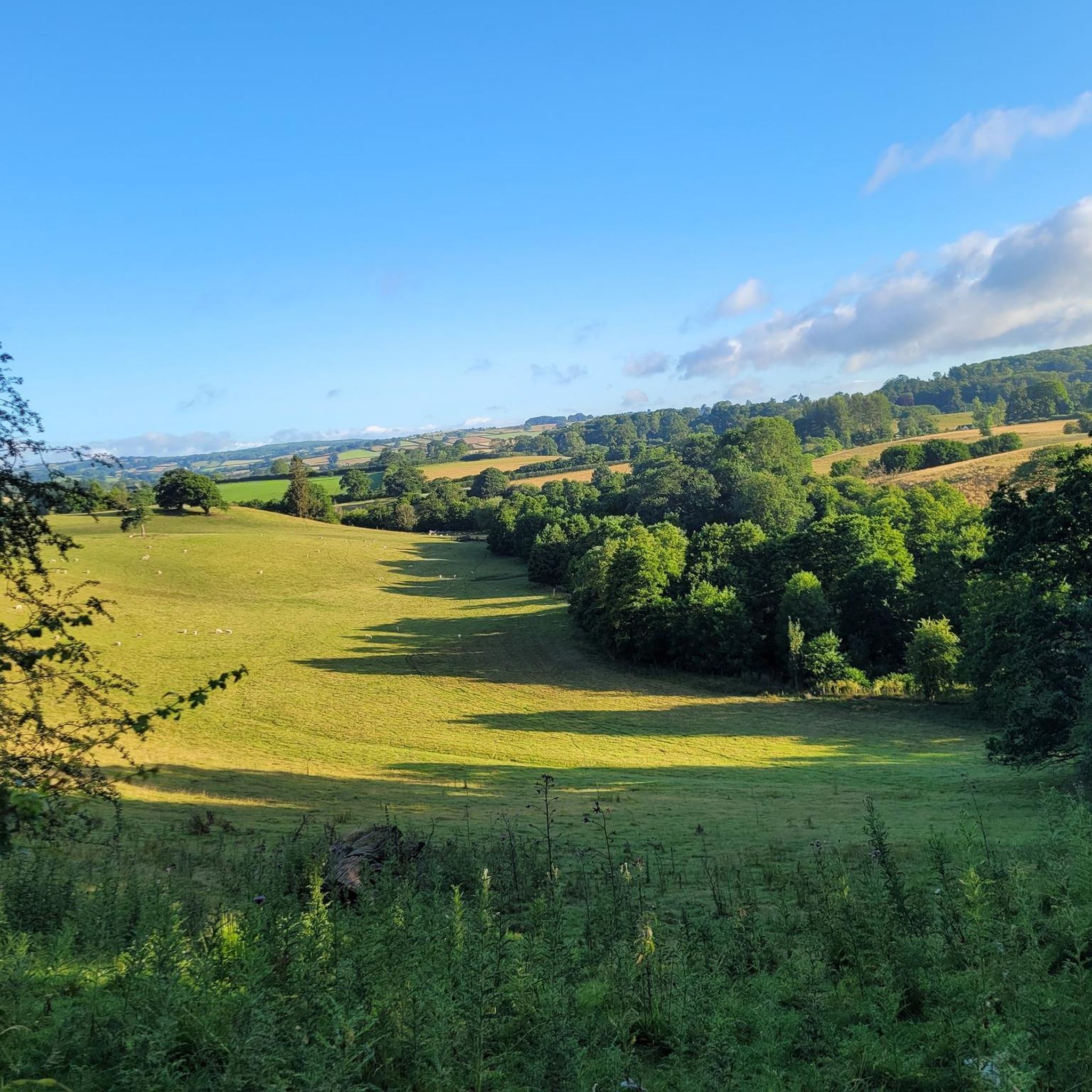
Llangasty (St Gastyn's Church). A lovely place to stop on the southern shore of the largest natural lake in south Wales.
0
0

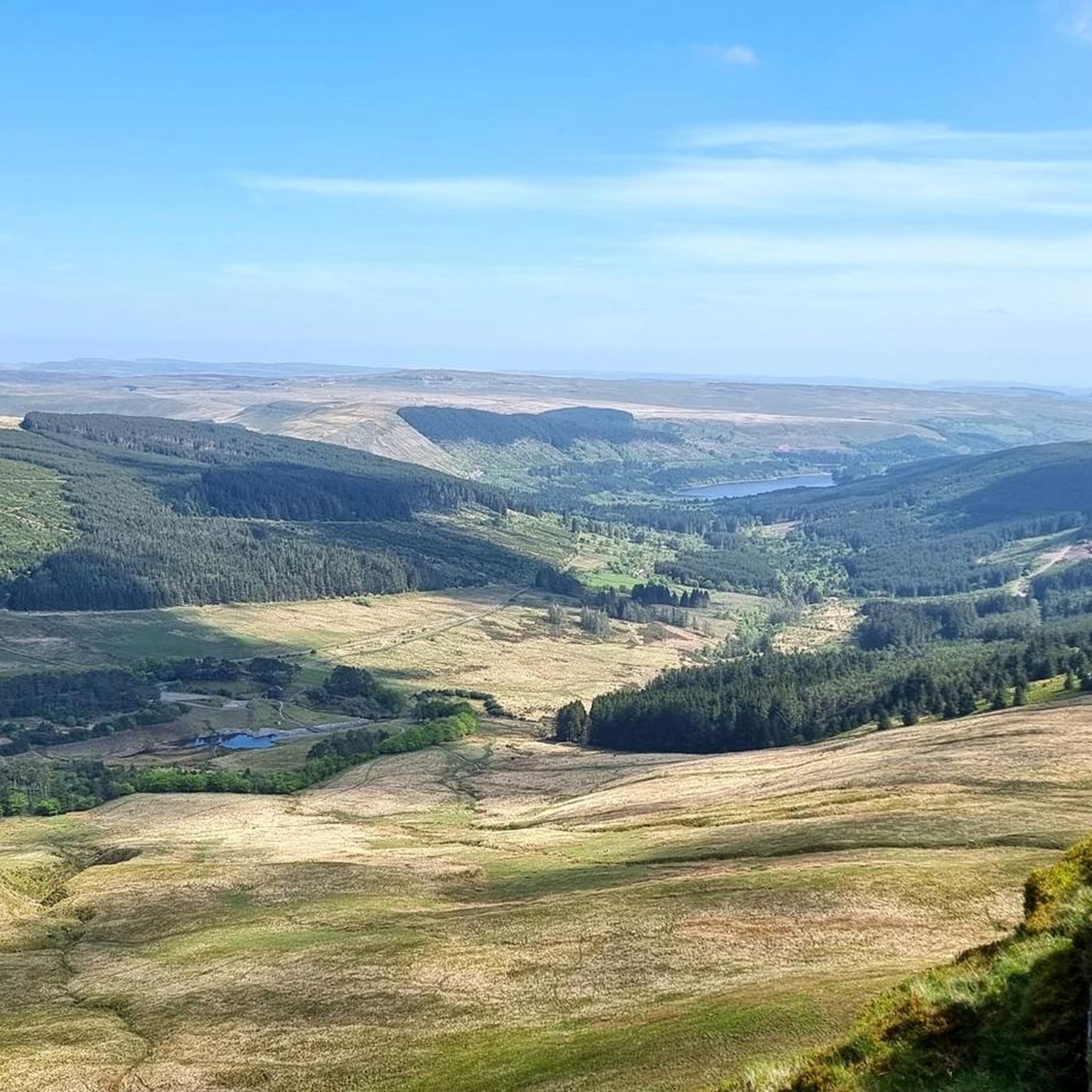
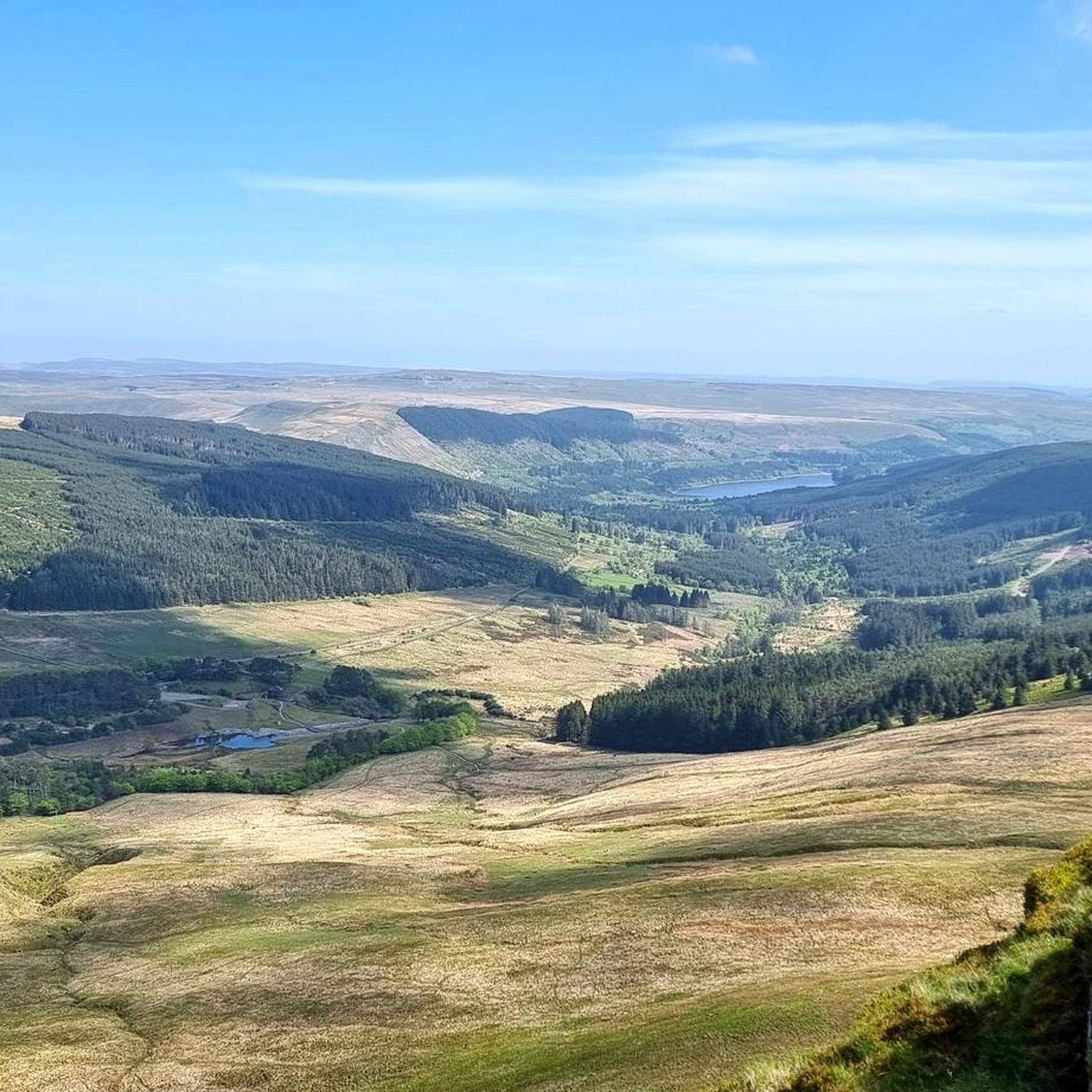
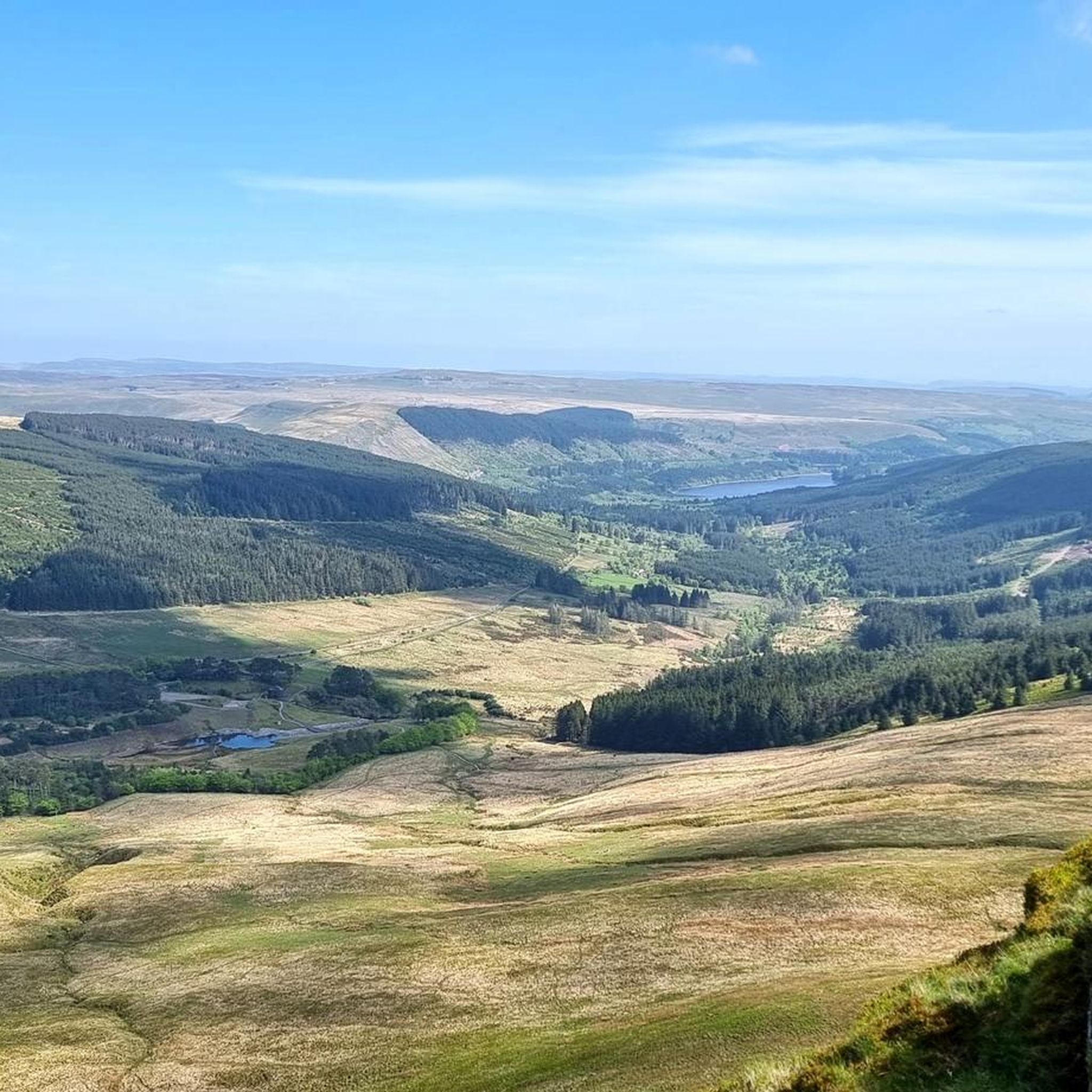
Lovely shaped reservoir at the top of the col on the climb up to Banc y Celyn - a near natural infinity pool
0
0

Monks Pool is the largest of the small pools on the common land of the Begwns. It's noted for having uncommon pond plants such as certain ferns, pillwort and tubular water-dropwort.
1
0

Grwyne Fawr Reservoir nestles in the valley below Waun Fach, the highest summit in the Black Mountains range on the eastern edge of the Brecon Beacons National Park. At the reservoir's northern end a bothy, run by the Mountain Bothies Association, is available for free overnight stays with basic facilities. The reservoir itself is a peaceful place, built in the early 20th century but since decommissioned so it no longer supplies drinking water.
0
0

Highly recommend ❤️ Gwyne Fawr Reservoir -is located in the valley of the river Grwyne Fawr in the Brecon Beacons National Park, Wales. Completed in 1928, it has the capacity to hold 400,000,000 imperial gallons of water... There were Serious water shortages in most parts of the historic county of Monmouthshire. In fact By the end of the 19th-century, The area had seen a massive population increase as a result of the steel and coal industries but the supply of water to the area was complicated due to its high altitude. A site for a New Reservoir was chosen at the head of the Grwyne Fawr Valley mainly because at the height of, 1,725 ft / 526m above sea level making it the perfect plan with it being high enough to allow all of the Reservoirs water to be freely gravity fed to Abertillery and the surrounding areas. Work started 1912, but immediately hit numerous problems. The road up the valley could not take the weight of the heavy traction engines used for haulage. So It was decided that a new railway would be required. Then hit the first world war and proceedings were put on hold. Work recommenced 1919, the railway was completed, connected to the main line at Llanvihangel Crucorney. A village of construction workers and their families grew in the valley at Blaen-y-cwm. A community of some 300 people lived there with a hostel, canteen, day school, police station and hospital. Workmen quarried 200,000 tons of sandstone for the construction of the dam. Large boulders weighing up to 5 tons each were set in concrete to form the dam, which is 130 feet thick at its base, the walls were then faced with dressed stone. A 16-inch diameter steel pipeline was tunnelled through Coity Mountain carrying water to a holding reservoir in Cwmtillery. The dam was finally completed in February 1928, after which the railway and structures that served its construction were quickly dismantled including the workers village. The total cost of construction was reported to be £1 million.
1
0


The largest natural lake in Wales is a perfect spot for fans of the wildlife. You can set out on the lake on a boat, but a permit is required to do so, and not all areas are accessible by boat. Part of the land is privately owned, so it is not possible to walk all the way around.
2
0
Frequently Asked Questions
What natural features can I expect to see around the lakes near Bronllys?
The lakes around Bronllys, particularly Llangorse Lake (Llyn Syfaddan), are known for their rich ecosystems. Llangorse Lake is a eutrophic glacial lake, supporting diverse fish, waterfowl, and waders. You might also spot the rare Two-Toned Reed Beetle. Monks Pool is notable for its uncommon pond plants like certain ferns, pillwort, and tubular water-dropwort.
Are there good spots for birdwatching near Bronllys?
Yes, Llangorse Lake is a haven for wildlife and an excellent spot for birdwatching. The Llangorse Lake Bird Hide offers opportunities to see various species such as warblers, coots, swallows, swifts, and large flocks of Canada geese. During autumn and winter, it's a crucial stop for migratory birds.
What makes Llangorse Lake unique?
Llangorse Lake (Llyn Syfaddan) is the largest natural lake in South Wales, formed by glacial activity. It is home to the only known crannog (a man-made island stronghold) in Wales, believed to be an early medieval royal site. The lake also has a rich ecosystem and is steeped in local history and folklore.
Are there walking trails around the lakes near Bronllys?
Yes, there are numerous walking and cycling trails around Llangorse Lake and the surrounding area, offering stunning views. A popular option is the Llangorse Loop, a 6.5-mile circular trail. For more hiking options, you can explore routes like 'Pwll y Wrach Waterfall – View from the Dragon's Back loop' or 'River Ennig Waterfalls – Pwll y Wrach Waterfall loop' which are part of the hiking guide around Bronllys.
Are the lakes near Bronllys suitable for families with children?
Yes, Llangorse Lake is considered family-friendly, offering various activities. Children can enjoy boat hire (rowing boats, canoes, kayaks, pedalos), wildlife spotting from the bird hide, and exploring the walking trails. There are also amenities like a lakeside cafe.
Can I bring my dog to the lakes around Bronllys?
Many trails around Llangorse Lake and the wider Brecon Beacons National Park are dog-friendly. However, it's always advisable to keep dogs on a lead, especially near livestock or wildlife, and to check specific signage for any restrictions.
What watersports are available at Llangorse Lake?
Llangorse Lake is an excellent destination for watersports. Visitors can hire rowing boats, canoes, kayaks, pedalos, and sailing dinghies. Water-skiing is also permitted in designated areas. Fishing is allowed from a boat, with pike being a popular catch.
Are there any historical sites or points of interest near the lakes?
Yes, Llangorse Lake is home to the only known crannog in Wales, an ancient man-made island. A replica crannog platform exists for viewing. Additionally, the area is rich in folklore, including legends of a submerged city and a giant fish. Historic sites like the ruins of Llangorse Castle and the Crug Hywel Iron Age Hill Fort are also nearby.
What is the best time to visit the lakes near Bronllys?
The lakes can be enjoyed year-round. Spring and summer are ideal for watersports, walking, and observing migratory birds. Autumn offers beautiful scenery with changing foliage, while winter provides a tranquil experience, especially for spotting wintering waterfowl. Always check local weather conditions before your visit.
Are there places to eat or get refreshments near the lakes?
Yes, around Llangorse Lake, there are amenities such as a lakeside cafe and bar where you can get refreshments.
What other outdoor activities can I do near these lakes?
Beyond walking and watersports, the area around Bronllys offers various outdoor activities. You can find mountain biking trails like 'Talgarth, Grwyne Fawr and Y Grib loop' in the MTB Trails around Bronllys guide, or running routes such as 'Bridge End Inn loop' from the Running Trails around Bronllys guide.
Is there parking available at the lakes?
Yes, parking facilities are available at popular lake destinations like Llangorse Lake, making it convenient for visitors to access the area and its amenities.
Most popular attractions around Bronllys

Get inspired with the komoot mobile app


Explore more
Still not found your perfect lake around Bronllys? Check out the guides of these regions to see even more beautiful places.
