The best gravel rides around Quemada
5.0
(1)
30
riders
12
rides
Gravel bike trails around Quemada are found in a region characterized by rolling hills and river valleys, offering diverse terrain for cycling. The landscape features agricultural areas, vineyards, and historical villages, providing scenic backdrops for rides. Elevations are generally moderate, with some routes including more significant climbs. The area's network of unpaved roads and tracks is suitable for gravel biking.
Best gravel bike trails around Quemada
- The most popular gravel bike trail is Gravel loop from Villanueva de Gumiel,…
Last updated: November 23, 2026
3
riders
35.1km
02:28
150m
150m
Moderate gravel ride. Good fitness required. Mostly paved surfaces.
5
riders
33.1km
02:23
150m
150m
Moderate gravel ride. Good fitness required. Mostly paved surfaces.

2
riders
47.5km
03:41
330m
330m
Moderate gravel ride. Good fitness required. Mostly paved surfaces.
3
riders
40.7km
02:49
300m
300m
Moderate gravel ride. Good fitness required. Mostly paved surfaces.
3
riders
53.5km
03:25
410m
410m
Moderate gravel ride. Good fitness required. Mostly paved surfaces.
Get access to more routes and recommendations from other explorers.
Already have an account?
Our route recommendations are based on thousands of hikes, rides, and runs completed by other people on komoot.
Start today with a free account
Your next adventure awaits.
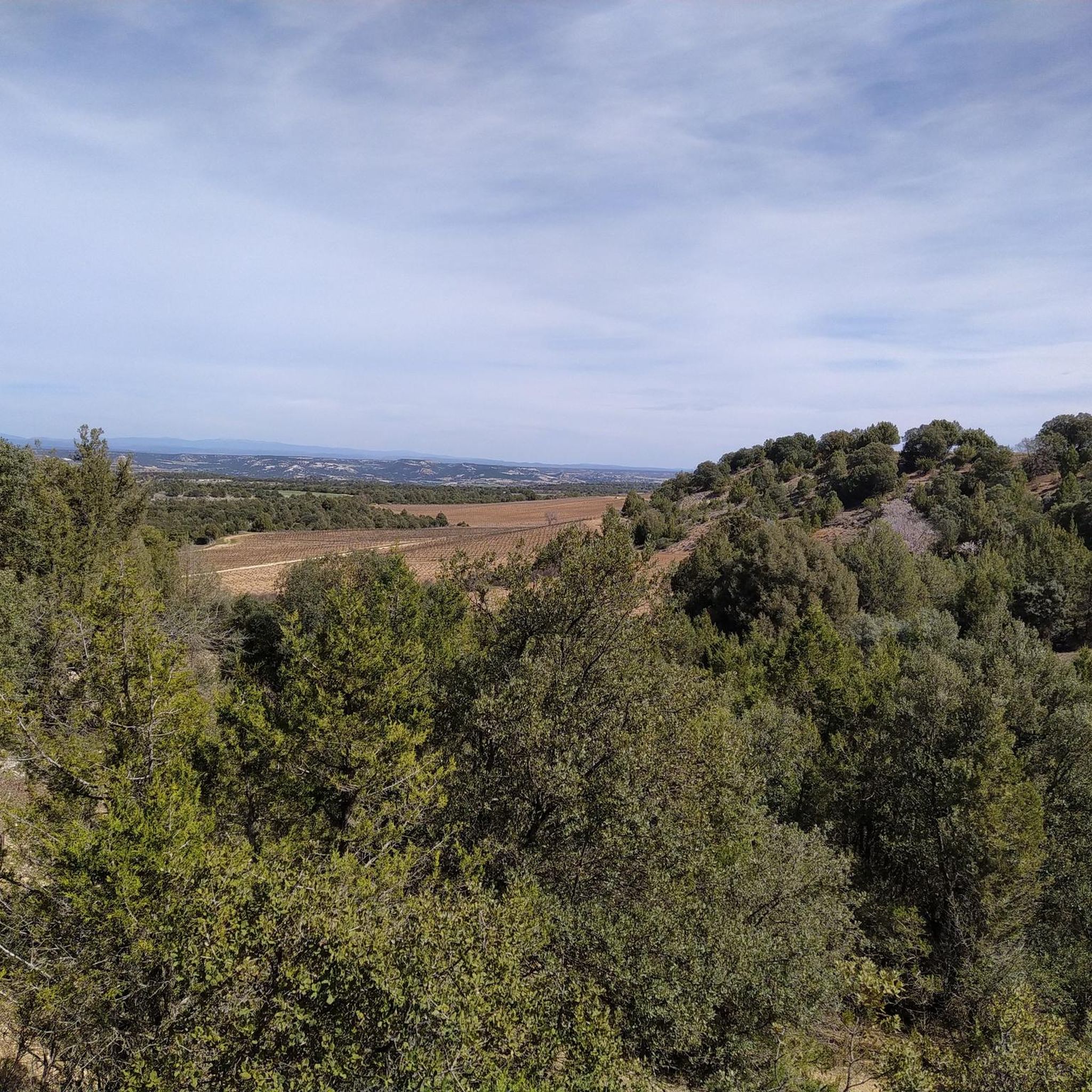

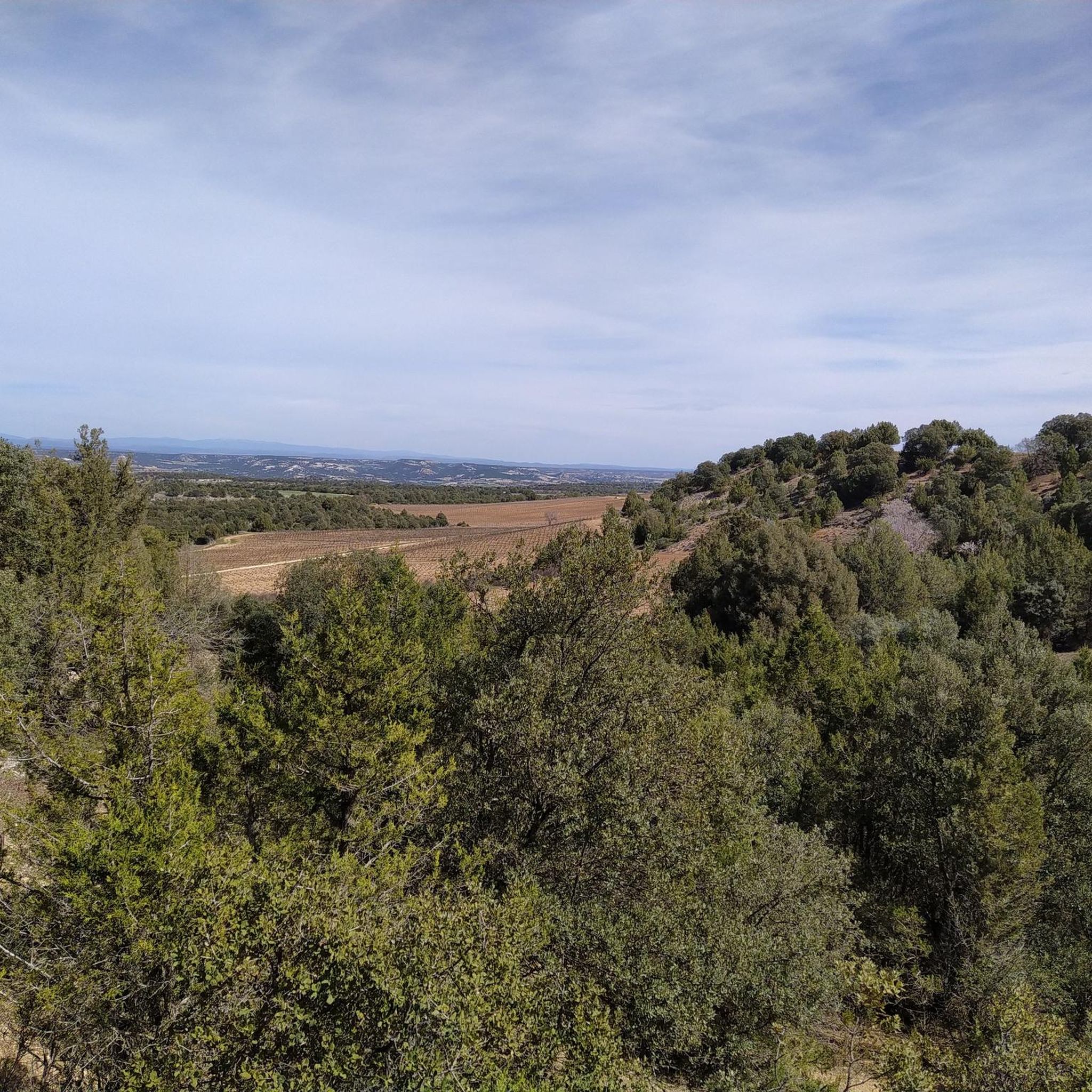
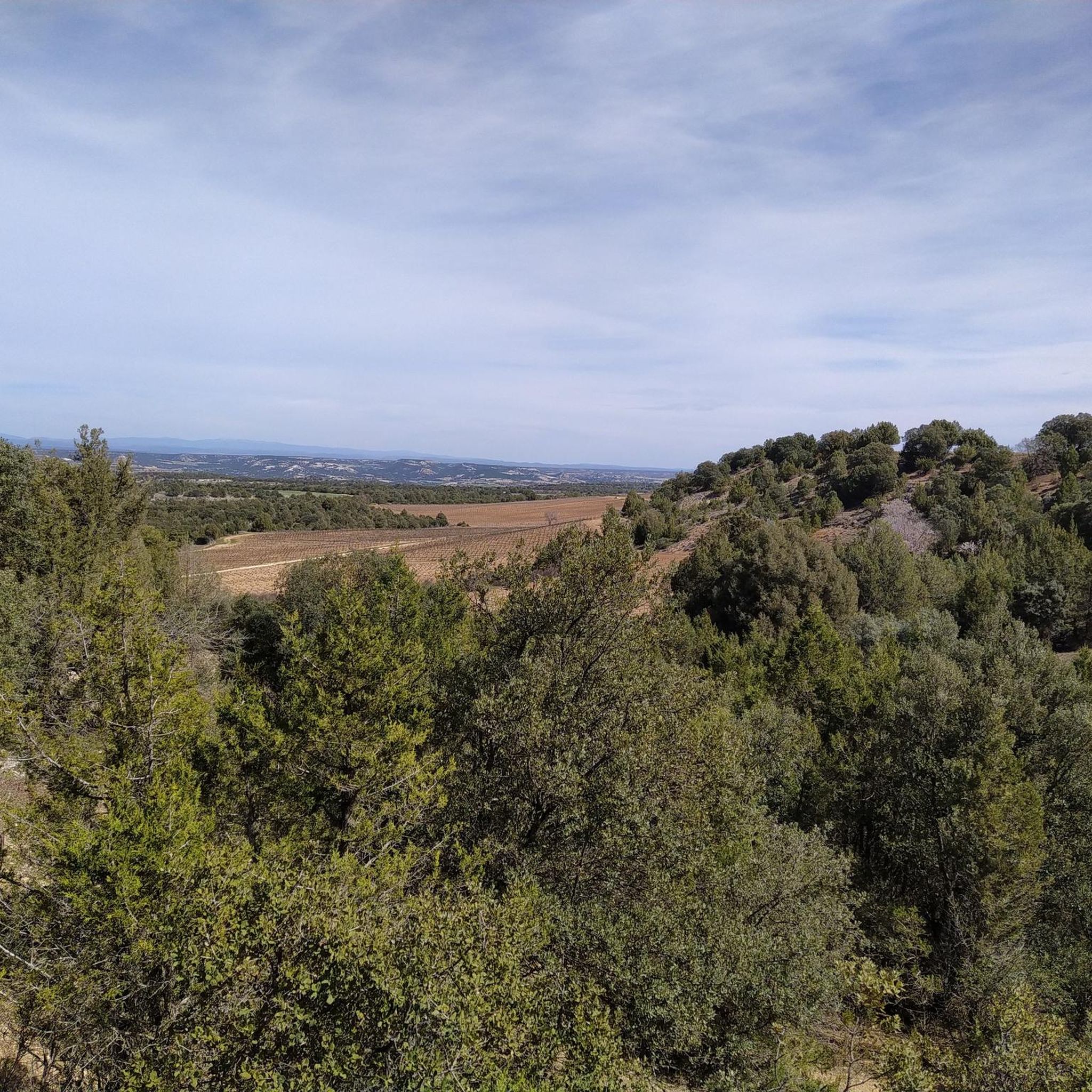
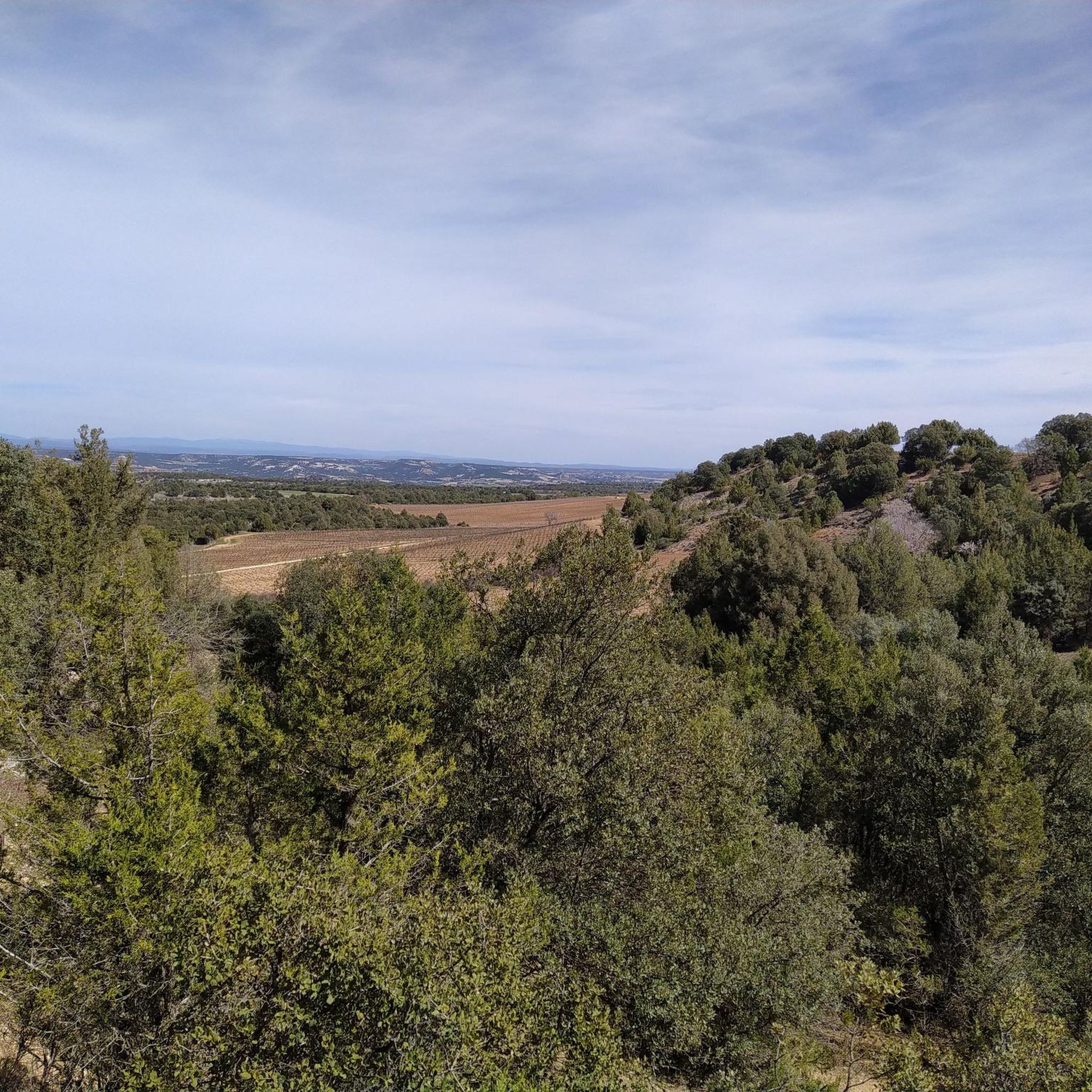
Tips from the Community

The bridge is built of stone and is characterized by its semicircular arches; it originally had four, although today it retains three due to later renovations. Over the centuries it has undergone numerous restorations, especially due to the floods of the Duero, one of the most important being the expansion and widening in the 19th century. In addition to its architectural value, it has been a strategic point for the passage of people, goods and herds, and today it is a symbol of the city and a very pleasant place to walk and enjoy the views of the river and Aranda de Duero. [iglesiaslocales.com], [edadesdelh...ogspot.com]
2
0
The Aranda de Duero Bridge, also known as Puente Mayor, is one of the city's most important historical elements, as it crosses the Duero River and has been key to its development. Although often called "Roman", it is actually a bridge of medieval origin, with references from the 12th-14th centuries, when it served as a fundamental crossing point on trade routes and the old Royal Road that connected the center and north of Spain.
2
0
Fuentespina, a small town in the province of Burgos in the Ribera del Duero, is a tranquil destination ideal for enjoying the rural environment and wine culture; the most interesting thing is to stroll through its traditional old town, visit the church of San Miguel, and above all explore its underground cellars and vineyards, as it is part of one of the most important wine regions in Spain. Additionally, from there you can take routes along the Duero River or visit Aranda de Duero, famous for its gastronomy (especially roast suckling lamb), making the visit a very complete experience combining nature, history, and wine tourism.
2
0

The Church of Our Lady of the Assumption in Quemada, Burgos, is a Romanesque church (12th-13th centuries). Its most notable features are the 16th-century Renaissance tower, an 18th-century main altarpiece, and a Renaissance baptismal font.
4
0
Aranda de Duero, in the province of Burgos, is the capital of the famous Ribera del Duero wine region. The city is known for its excellent wines and its network of underground wine cellars, medieval tunnels dug beneath the old town. It is also a top culinary destination, famous for its roast lamb and blood sausage. Its heritage includes Gothic churches such as Santa María la Real, which complement the cultural and culinary experience.
4
0
The Aranda de Duero Bridge, also known as the Puente Mayor, is a medieval stone bridge over the Duero River. It is a symbol of the city and its heritage, connecting the old town with the modern areas. Although it has been renovated over time, it retains its historic essence.
4
1
The Church of Santa María la Real is a prominent Gothic monument in Aranda de Duero, Spain. Its most notable feature is its main façade, a masterpiece of the 15th-century Isabelline Gothic style, richly decorated with detailed sculptures. It is a cultural and architectural landmark in the city.
4
0

Frequently Asked Questions
How many gravel bike trails are available around Quemada?
There are over 7 gravel bike trails documented around Quemada on komoot, offering a variety of experiences through rolling hills, river valleys, and historic villages. These routes range from moderate to difficult, catering to different skill levels.
What kind of terrain can I expect on gravel bike trails near Quemada?
The terrain around Quemada is characterized by rolling hills, river valleys, and agricultural plains. You'll encounter a mix of unpaved roads and tracks, passing through vineyards and historical villages. Elevations are generally moderate, though some routes include more significant climbs.
Are there any easy or beginner-friendly gravel routes in Quemada?
While most routes are classified as moderate, the area offers paths suitable for various abilities. For a moderate route with gentle ascents through rural landscapes, consider the Gravel loop from Villanueva de Gumiel.
Are there any long-distance gravel cycling routes around Quemada?
Yes, for those seeking longer rides, routes like the Riaza River Gorge – Aranda de Duero loop from Aranda de Duero cover over 70 km and are classified as difficult, offering a significant challenge and extended exploration.
Can I find circular gravel cycling routes in the Quemada area?
Many of the gravel routes around Quemada are designed as loops, allowing you to start and finish in the same location. Examples include the popular Haza and its castle – Haza Walled Village loop from Aranda de Duero and the Path alongside the Duero – Aranda de Duero loop from Aranda de Duero.
What scenic attractions can I see along the gravel bike trails near Quemada?
The routes often pass through picturesque landscapes, including the Duero River valley and historic villages. You can explore landmarks such as the Church of Santa María la Real of Aranda de Duero, the Aranda Bridge, and the Monastery of Santa María de la Vid. The Haza and its castle – Haza Walled Village loop from Aranda de Duero specifically offers views of a walled castle.
Are there any routes that follow the Duero River?
Yes, the Path alongside the Duero – Aranda de Duero loop from Aranda de Duero is a great option, leading you through the scenic Duero River valley. Another route, the Path alongside the Duero – Church of Santa Maria loop from Aranda de Duero, also follows the river and passes by notable landmarks.
What is the best time of year for gravel biking in Quemada?
The region's climate, with its diverse landscapes and agricultural areas, generally makes spring and autumn ideal for gravel biking. The weather is typically milder, and the scenery is vibrant, offering comfortable riding conditions.
Are there any historical sites or villages to explore on these routes?
Absolutely. Many routes weave through historical villages and past significant landmarks. The Haza and its castle – Haza Walled Village loop from Aranda de Duero is a prime example, exploring historic villages and offering views of a walled castle. You can also visit the historic settlement of Peñaranda de Duero.
What is the general difficulty level of gravel biking in Quemada?
Gravel biking around Quemada offers a range of difficulties. Most routes are classified as moderate, featuring rolling hills and manageable ascents. However, there are also more challenging options, such as the Riaza River Gorge – Aranda de Duero loop from Aranda de Duero, which is rated as difficult due to its significant elevation changes.
Where can I find parking or access points for gravel bike trails in Quemada?
Many routes start from towns like Aranda de Duero or Villanueva de Gumiel, which typically offer public parking facilities. It's advisable to check the specific route details on komoot for recommended starting points and parking information.
Most popular attractions around Quemada

Get inspired with the komoot mobile app


Explore more
Browse the best Gravel rides in other regions.
