Top 20 Castles around the Warta
Castles around the Warta River Poland provide a historical overview of the region's past, featuring sites that range from royal residences to defensive strongholds. These locations highlight centuries of architectural evolution and strategic importance along the Warta River valley. Visitors can explore various historical periods, from medieval fortifications to reconstructed palaces. The area offers a diverse collection of historic sites for exploration.
Best castles around the Warta
- The most popular castles is Royal Castle in Poznan, a castle that…
Last updated: October 7, 2026
Kostrzyn Fortress
Highlight • Historical Site
Translated by Google •
Tip by

Royal Castle in Poznan
Highlight • Castle
Translated by Google •
Tip by

Sign up now to discover places like this
Get recommendations on the best single tracks, peaks, & plenty of other exciting outdoor places.
Ruins of Kostrzyn's Old Town and Fortress
Highlight • Historical Site
"Frederick II's father, King Frederick William I, threatened to have both executed because of desertion, and both were sentenced to a court-martial at Schloss …
Translated by Google •
Tip by

Uniejów Castle
Highlight • Castle
Translated by Google •
Tip by

Wiejce Palace
Highlight • Castle
Checkered, interesting story.
Large park on the banks of the Warta.
More information: de.wikipedia.org/wiki/Herrenhaus_Waitze and wiejce.pl/de
Translated by Google •
Tip by

Biedrusko Palace
Highlight • Historical Site
Tip by

Rogalin Palace
Highlight • Castle
Translated by Google •
Tip by

Opaliński Castle Museum
Highlight • Castle
More information: pl.wikipedia.org/wiki/Muzeum_Zamek_Opali%C5%84skich and pl.wikipedia.org/wiki/Sierak%C3%B3w
Translated by Google •
Tip by
Owińska Palace
Highlight • Monument
Tip by

Bastion Filip
Highlight • Historical Site
Translated by Google •
Tip by

Sign up for free to discover even more castles around the Warta.
Already have an account?
Start today with a free account
Your next adventure awaits.
Popular around Warta
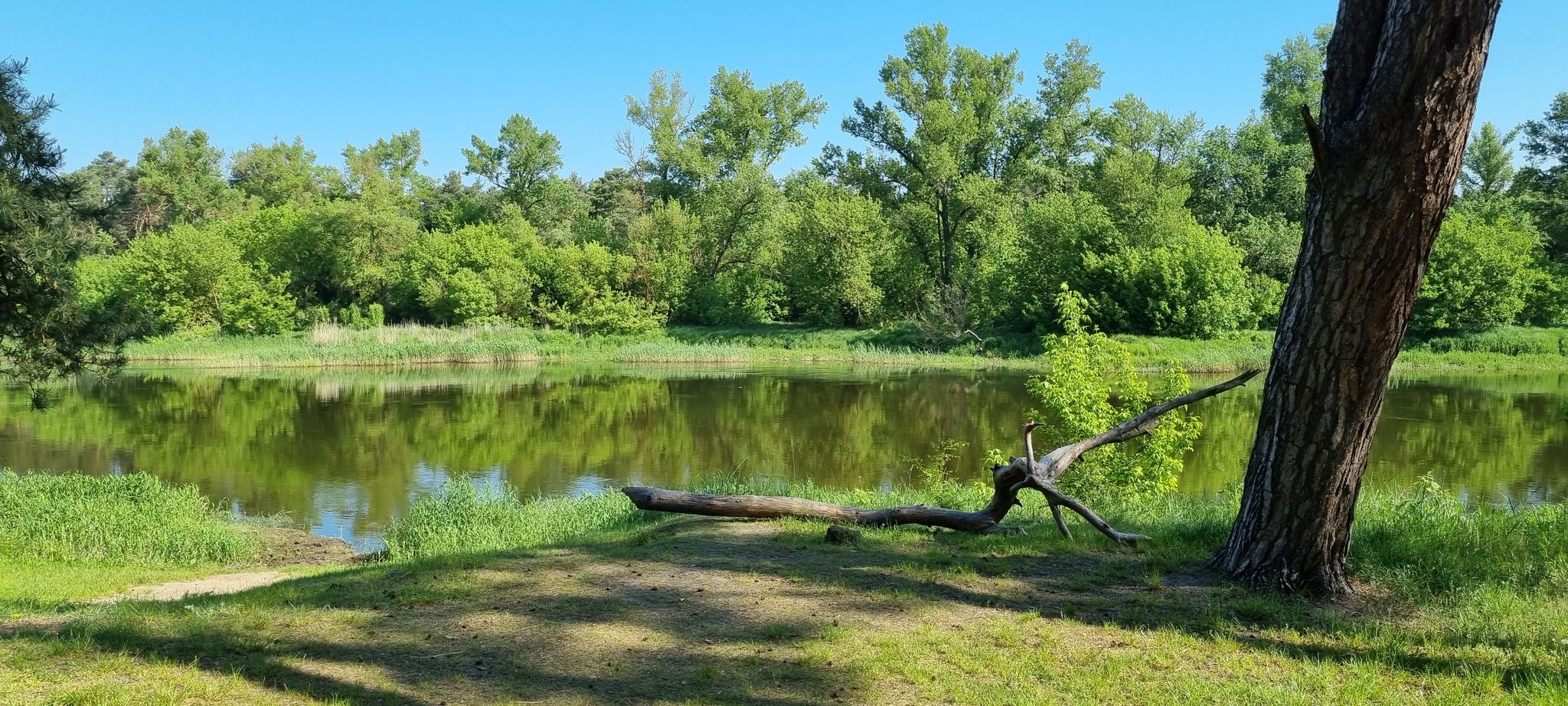
Warta River Cycle Route – Through the Green Heart of Greater Poland
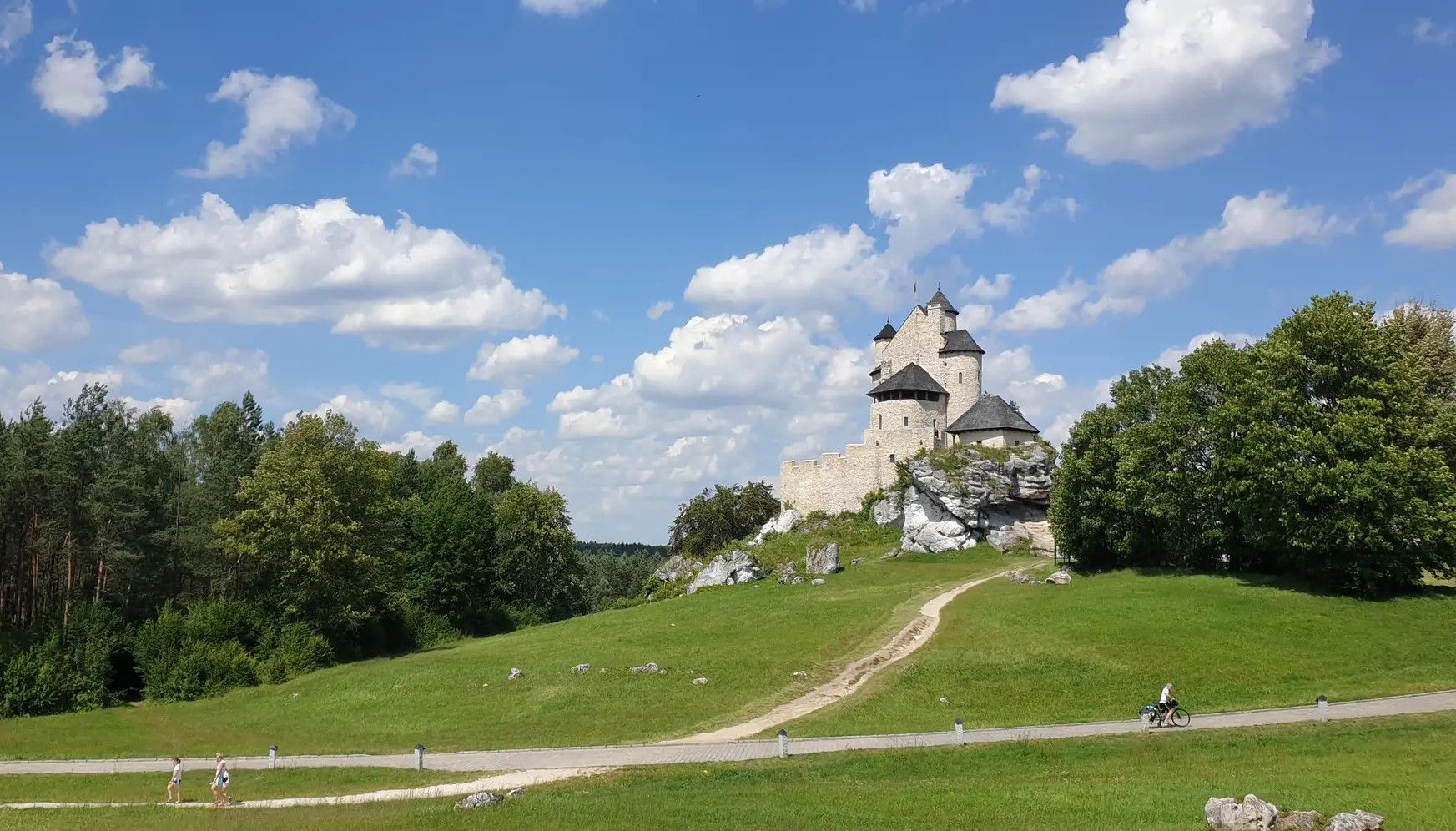
The Eagle's Nests Trail – Gravel Treasure of the Polish Jurassic Highlands
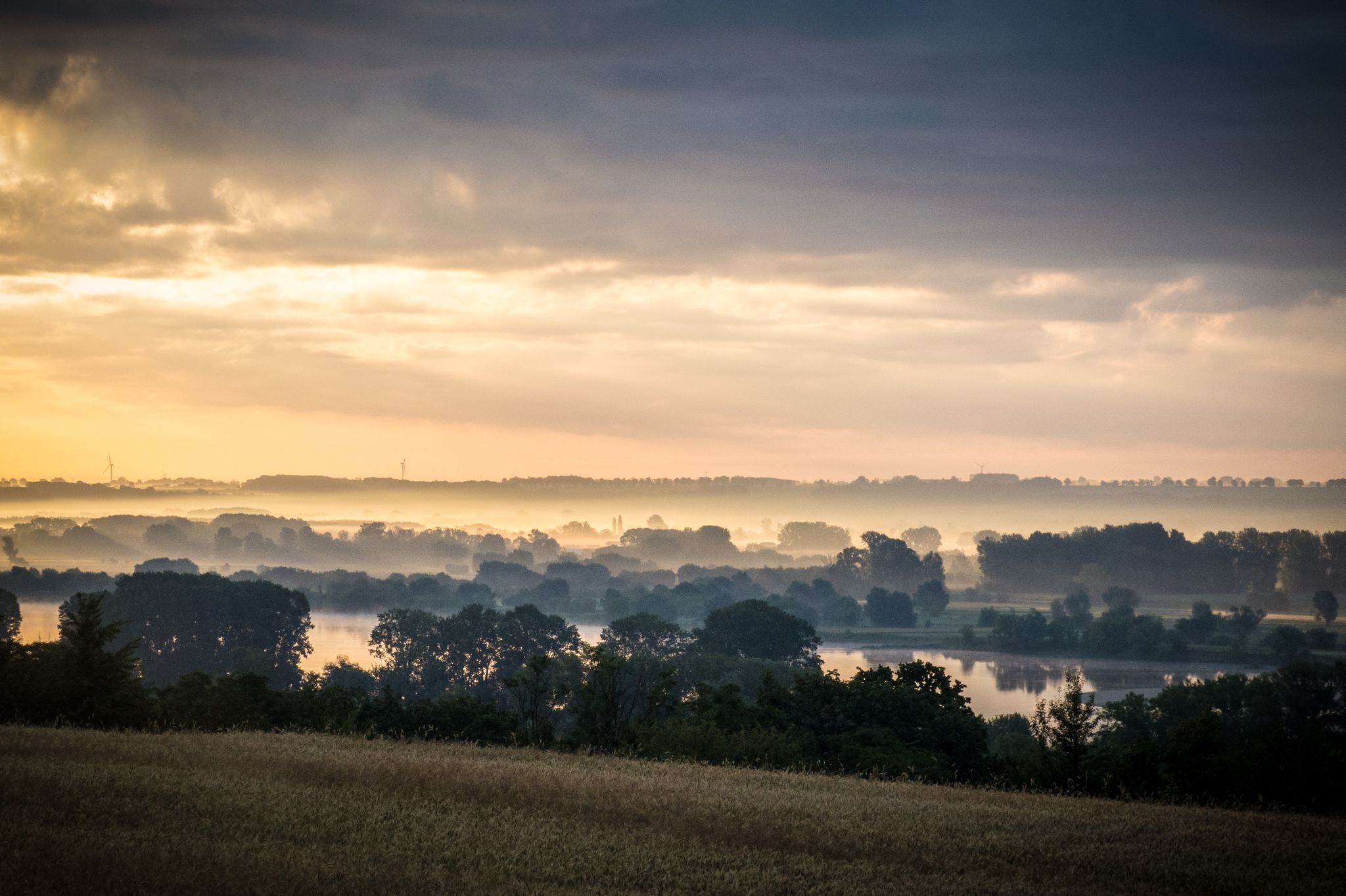
EuroVelo 9 – The Amber Route from the Baltic to Adriatic Sea
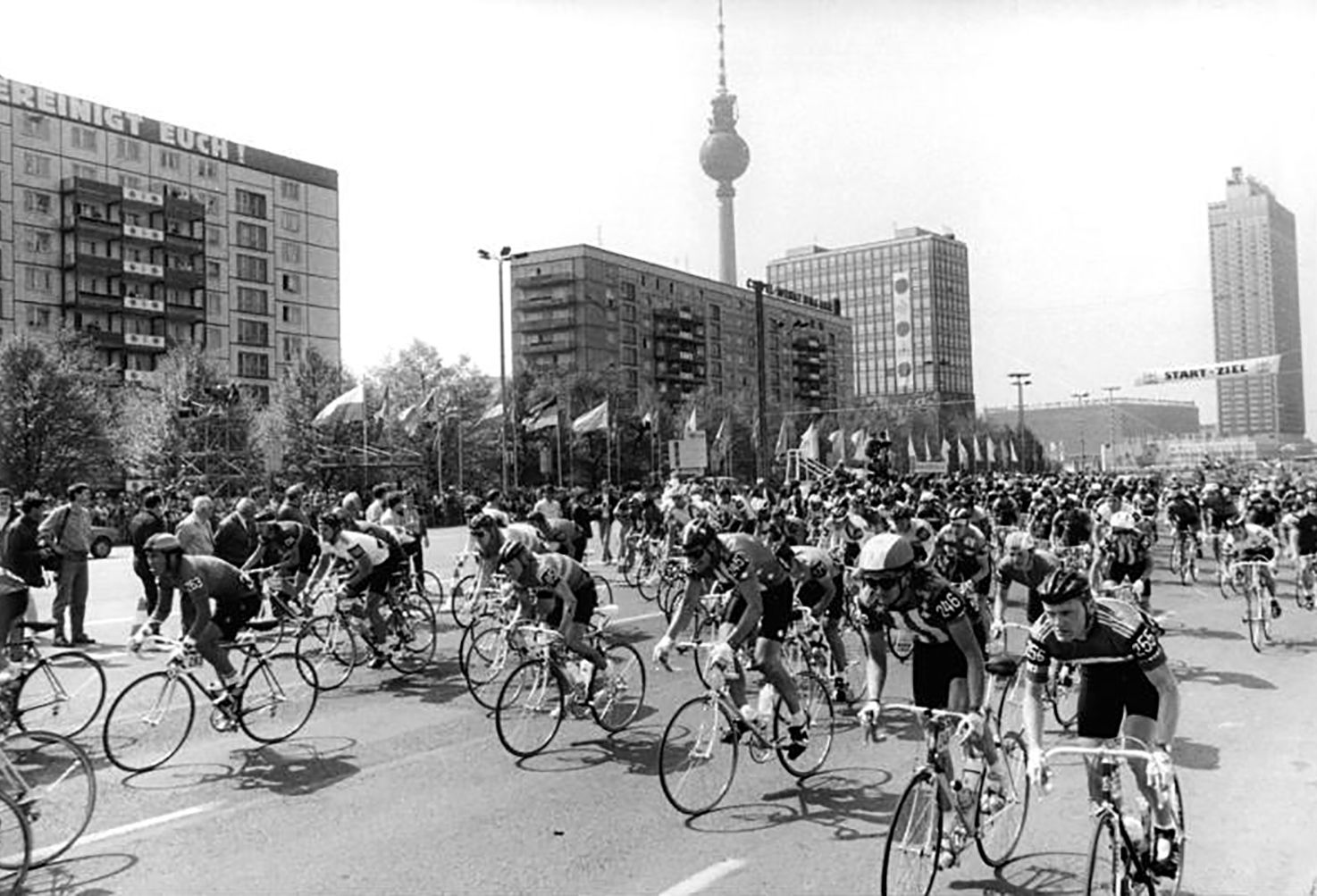
From Warsaw to Berlin — in the footsteps of the Peace Race part 1
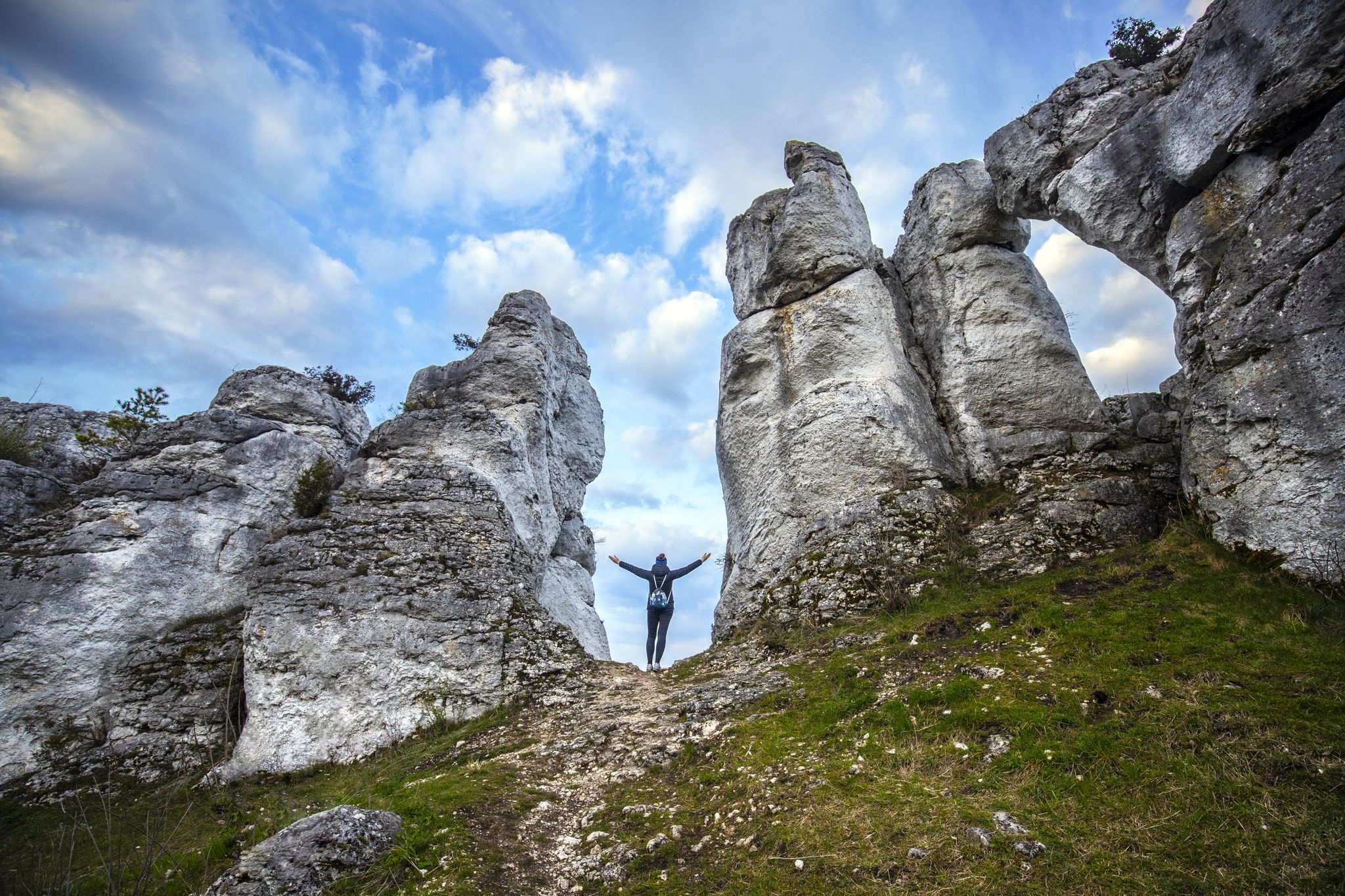
Outdoor Poland 4 – Upper Silesia long-distance hikes
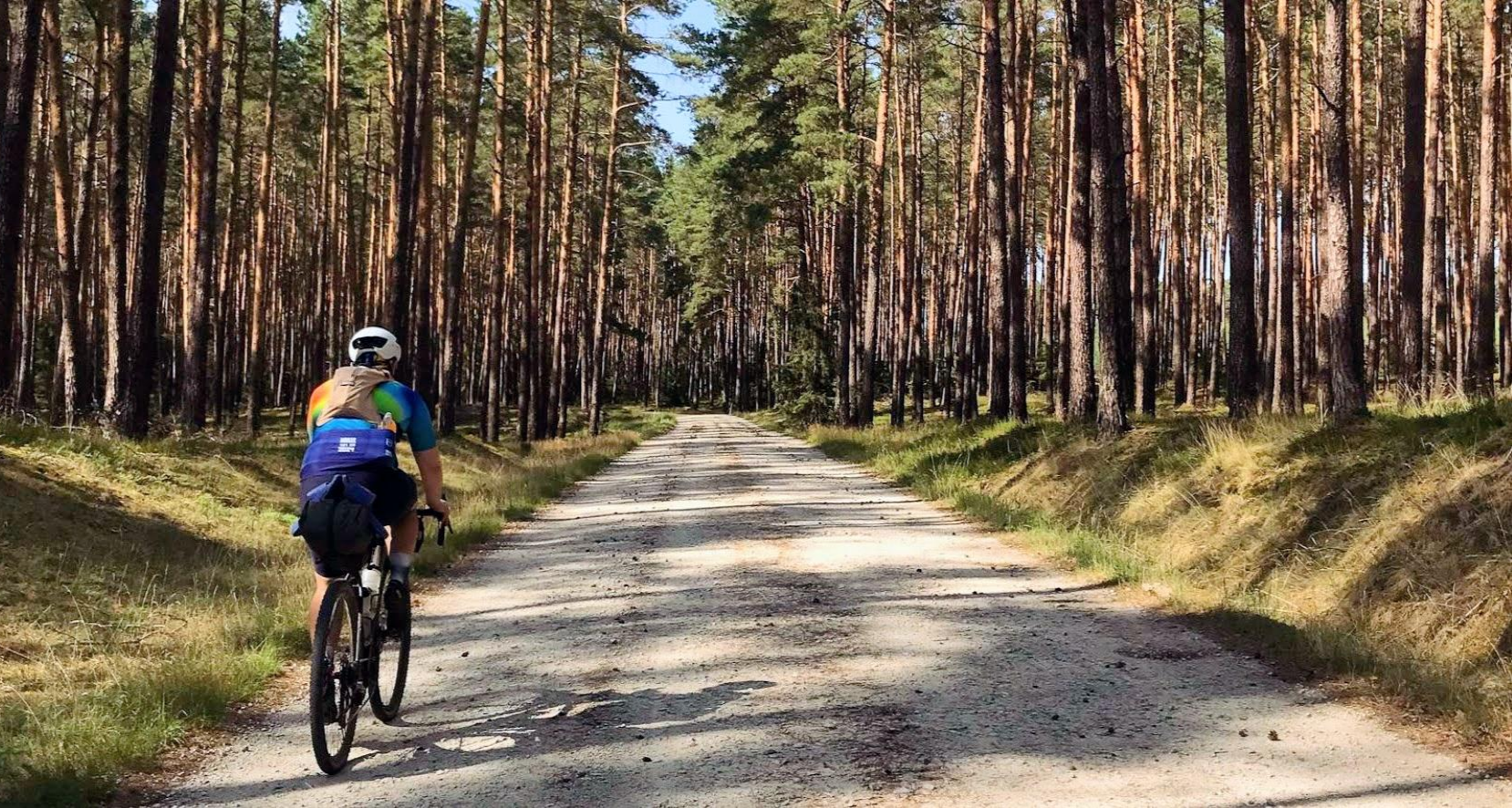
Trail of the Greater Poland Ultramarathon - Warta Gravel 400
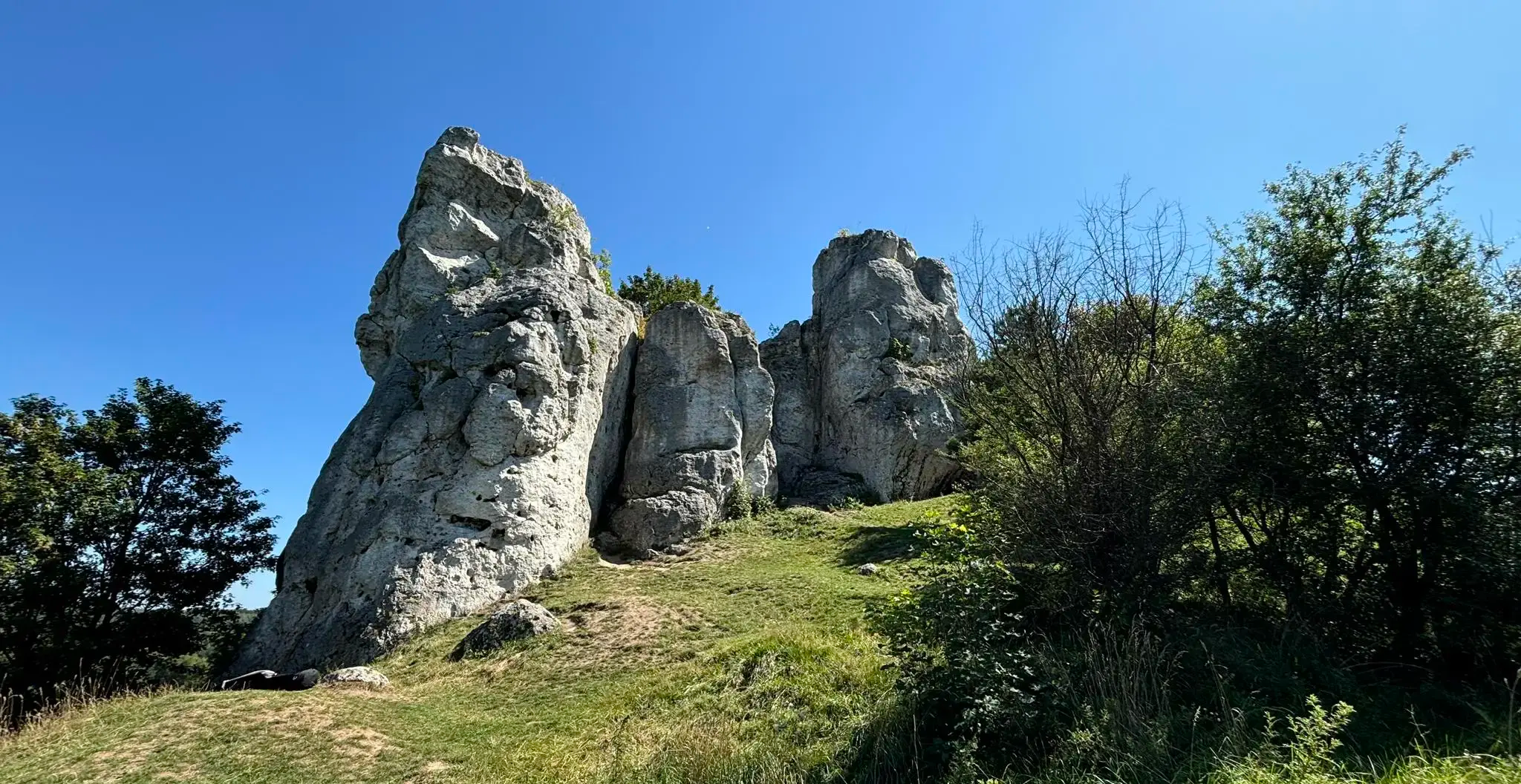
Picturesque Jura with a hint of adrenaline - Jurassic Fortresses Trail
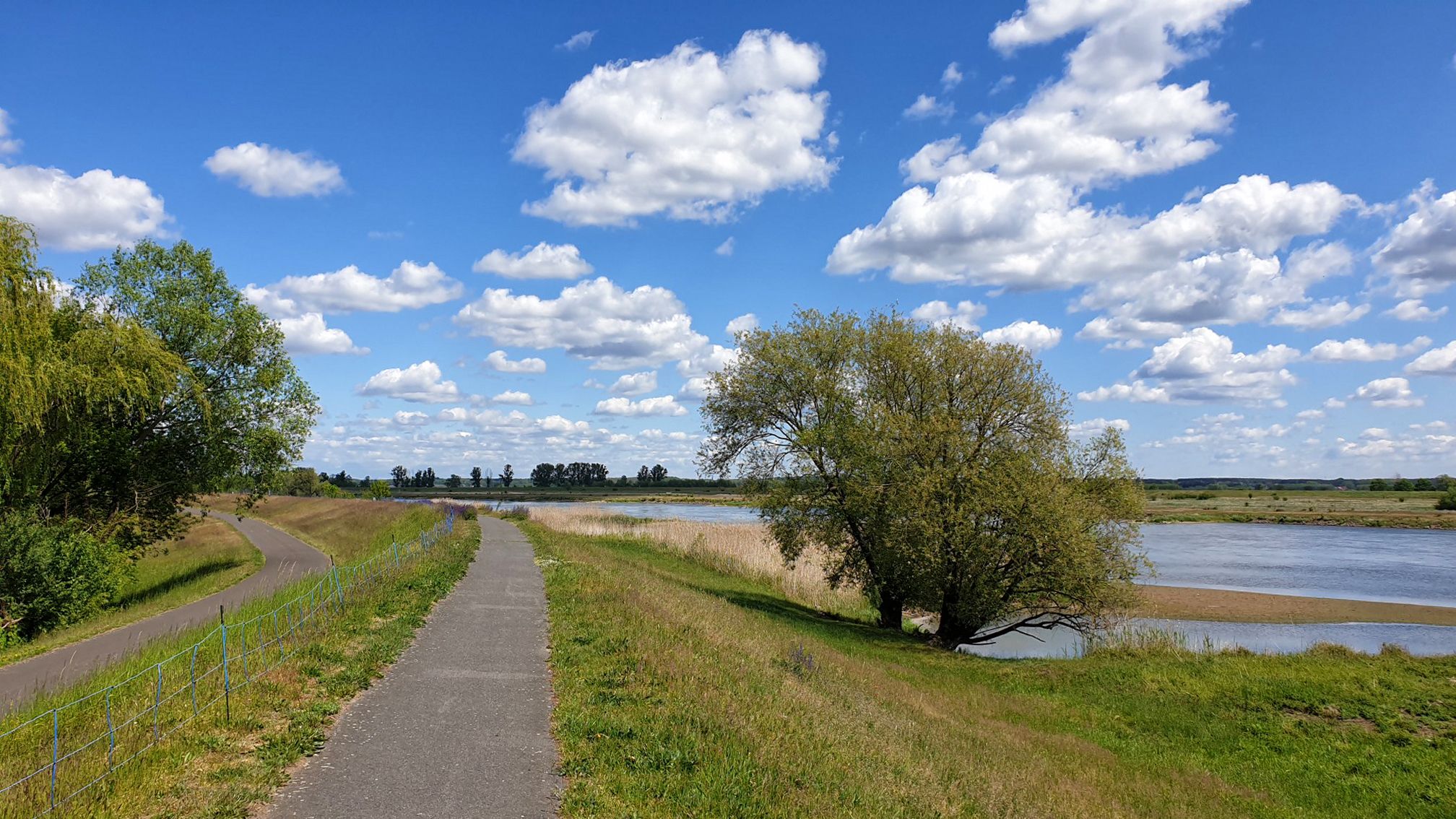
D-Route 12: Oder-Neiße Cycle Route

Oder-Neiße-Radweg - Radfahren im Seenland Oder-Spree
Cycling around the Warta
Other adventures around the Warta


Tips from the Community

Hotel, restaurant and a beautiful, publicly accessible park.
1
0


Not much to see on the outside, there is some information outside the castle and also near the rest area across the road.
0
0

The Opaliński Castle Museum in Sieraków is housed in the rebuilt southern wing of a former fortress from the late 14th century, once owned by the Nałęcz family, and later the Opaliński family. The current building was rebuilt in the 1990s to house, among other things, the Opaliński family sarcophagi discovered in 1991. Exhibitions present the history of the Sieraków region – from archaeological finds to the present day. The building is located in the city center, near the Warta River, making it a good stopover on a cycling route. It's worth visiting the interior to see the historic coffins and learn about the region's history.
4
0
Uniejów Castle is one of the city's most important attractions, picturesquely situated on the left bank of the Warta River. Built between 1360 and 1365 at the initiative of Archbishop Jarosław Bogoria Skotnicki, it replaced an earlier wooden stronghold. For centuries, it served defensive, administrative, and residential functions, and after renovations, it gained Renaissance and Baroque elements. It is surrounded by a romantic landscape park with rare trees, perfect for strolling. Today, the castle houses a hotel, restaurant, and conference center, and the entire structure can be visited, admiring the restored interior and 25-meter-high tower.
2
0

Royal Castle in Poznań – a royal residence in Poznań, probably built in the 13th century by Przemysł II, then expanded many times. The castle witnessed many historical events. In 1493, the Grand Master of the Teutonic Knights, Hans von Tieffen, paid homage to the King of Poland here. The castle was partially destroyed during the Great Northern War and fell into ruin. Partially rebuilt at the end of the 18th century. Destroyed again in 1945, partially rebuilt in the years 1959–1964, then reconstructed in the years 2010–2013 according to the design of Witold Milewski.
0
0

It is worth booking a German-language tour.
1
0

Very informative information about the fortresses
1
0
Frequently Asked Questions
What types of historical sites can I explore along the Warta River?
The Warta River region offers a diverse range of historical sites, from well-preserved royal residences to picturesque ruins and ancient defensive strongholds. You can find medieval castles, fortified settlements, and even remnants of old towns that showcase centuries of architectural evolution and strategic importance.
Are there any well-preserved castles to visit in the Warta region?
Yes, the Royal Castle in Poznan is a prime example. Considered the oldest royal residence in Poland, it has been meticulously rebuilt and now houses the National Museum of Applied Arts. You can explore its collections, Gothic cellars, and ascend the tower for panoramic views. Another notable site is Uniejów Castle, which has been restored and now functions as a hotel, restaurant, and conference center, offering a glimpse into its past with a 25-meter-high tower.
Where can I see castle ruins along the Warta River?
For castle ruins, consider visiting Koło Castle, situated on an artificial hill within a bend of the Warta River. While largely a ruin today, you can still observe fragments of its outer walls and foundations. Another significant site is the Ruins of Kostrzyn's Old Town and Fortress, where you can see remnants of a former city and fortress, including walls, stairs, and cellars. The Old Rampart in Konopnica, locally known as 'The Castle,' also offers intriguing remnants of a medieval fortified settlement with superb views.
Are there family-friendly castles or historical sites in the Warta region?
Many sites in the Warta region are suitable for families. The Royal Castle in Poznan, Uniejów Castle, and Rogalin Palace are all categorized as family-friendly. These locations often offer open spaces, museums, or reconstructed areas that can engage visitors of all ages.
What outdoor activities can I do near the castles around the Warta?
The Warta River region is excellent for outdoor activities. You can find various cycling routes, including gravel biking and MTB trails. For example, explore routes like the 'Lake Rusałka – Strzeszynek Lake Beach loop' or the 'Forest Path to Dziewicza Góra – Maximus Singletrack loop.' You can find more details on these and other routes in the Gravel biking around the Warta and MTB Trails around the Warta guides.
Are there hiking trails near the castles?
While specific hiking trails directly adjacent to every castle aren't detailed, the Warta River valley and nearby natural areas offer opportunities for walking and hiking. The scenic landscapes around sites like Koło Castle and the Old Rampart in Konopnica are ideal for those seeking a stroll combined with historical exploration. For more structured routes, consider exploring the broader Warta Landscape Park or Warta River-Mouth National Park.
What do visitors enjoy most about the castles around the Warta?
Visitors frequently appreciate the historical significance and the opportunity to step back in time. The panoramic views from castle towers, such as at the Royal Castle in Poznan, are highly rated. The serene atmosphere of ruins like Koło Castle and the thought-provoking nature of sites like the Kostrzyn Fortress also resonate with visitors.
Can I visit Mirów Castle, and what makes it unique?
Mirów Castle is a 14th-century ruined castle known for its picturesque setting among limestone rocks, forming part of the 'Eagle's Nests' trail. It's celebrated as one of the most scenic ruins in Poland. However, it is currently closed to visitors due to ongoing preservation and reconstruction efforts. Despite this, its dramatic ruins and historical significance make it a visually striking landmark, especially when viewed from a distance.
What is the best time of year to visit the castles in the Warta region?
The best time to visit the castles and parks in the Warta region is generally during the warmer months, from spring to early autumn (April to October). During this period, the weather is more favorable for exploring outdoor ruins and enjoying the scenic landscapes. Many sites may also have extended opening hours.
Are there any castles that have been converted into hotels or offer accommodation?
Yes, Uniejów Castle has been restored and now houses a hotel, restaurant, and conference center. Similarly, Wiejce Palace, a beautiful estate, has been converted into a highly recommended hotel with a restaurant and riding stables, offering a unique stay experience.
What is the historical significance of Koło Castle?
Koło Castle, likely built by King Casimir the Great before 1362, played a vital strategic role for approximately 200 years. Its primary purpose was to safeguard the trade route connecting Greater Poland to Łęczyca through the Warta valley and to protect against the Teutonic Knights. It was also frequented by Polish kings, highlighting its importance in medieval Poland. You can learn more about its history on Wikipedia.
Can I visit the Warta Bolesławiecka Castle ruins?
Yes, you can visit the Warta Bolesławiecka Castle ruins. This site was a knight's seat from the 14th century. Today, only fragments of its perimeter wall, up to 5 meters high, along with visible remains of earth ramparts and a double ditch, survive. Admission to the castle relics is free, though access to some parts of the private post-castle area may be limited. For more information, you can visit medievalheritage.eu.
Most popular routes around the Warta
Most popular attractions around the Warta

Get inspired with the komoot mobile app


Explore more
Looking for the best castles somewhere else? Discover other guides around the Warta:
