Attractions and Places To See around Gralheira - Top 12
Best attractions and places to see around Gralheira, a village in Portugal's Serra do Montemuro mountains, offers a blend of natural beauty and traditional culture. Situated as one of the highest villages in Portugal, it provides panoramic views and a distinct alpine climate. The region is characterized by its rugged mountain landscape, traditional stone architecture, and historical sites. It serves as a destination for those seeking outdoor exploration and cultural insights.
Best attractions and places to see around Gralheira
- The…
Last updated: May 21, 2026
Bridge Over the Bestança River
Highlight • Bridge
Translated by Google •
Tip by

Path along the Bestança
Highlight (Segment) • Trail
Translated by Google •
Tip by
Sign up now to discover places like this
Get recommendations on the best single tracks, peaks, & plenty of other exciting outdoor places.
Sign up for free
Nossa Senhora da Oliveira
Highlight • Religious Site
Translated by Google •
Tip by

Portas de Montemuro
Highlight • Mountain Pass
Translated by Google •
Tip by
Ermida do Paiva
Highlight • Religious Site
Translated by Google •
Tip by

Sign up for free to discover even more attractions around Gralheira.
Sign up for free
Already have an account?
Start today with a free account
Your next adventure awaits.
Login or Signup
Popular around Gralheira

Tips from the Community

We have incredible things throughout this country.
0
0

At Portas de Montemuro, the landscape stretches out without limits. Here, tables and benches invite you to take a break and enjoy the view, while the national road 321, popular with cyclists, marks the 1,215 metres of altitude. The highest peak of the Montemuro mountain range, at 1,381 metres, is nearby, to the east. Nearby, the ruins of the Wall of Portas de Montemuro preserve echoes of a distant past. Mentioned in the Inquiries of 1258, they reveal traces of an ancient fortified settlement from the Iron Age, possibly linked to the Castro culture. Later, the site was reused by the Romans and, at the time of the Reconquista, by D. Afonso Henriques, the first king of Portugal.
0
0

The Ermida do Paiva, also known as the Igreja de Nossa Senhora da Conceição or the "Templo das Siglas", is a remarkable Romanesque monument from the 12th century. Originally, this church was part of a Premonstratensian monastery, the only one of this order in Portugal, founded by two French monks, D. Roberto and D. Afonso. The ruins of the cloister attached to the church are still visible today. The church is famous for its many sculptures and enigmatic symbols engraved in the stones, both inside and outside. It is believed that these "siglas" were the signatures of the master builders who worked on the construction. Its architectural lines, although simple, are robust and integrate beautifully into the surrounding green landscape. Today, the Ermida do Paiva is classified as a National Monument and represents a fascinating testimony to medieval Portuguese architecture and spirituality.
0
0

very beautiful landscape with a good park3 to have a snack..worth visiting
0
0
At Portas de Montemuro, the landscape stretches out without limits. Here, tables and benches invite you to take a break and enjoy the view, while the national road 321, popular with cyclists, marks the 1,215 metres of altitude. The highest peak of the Montemuro mountain range, at 1,381 metres, is nearby, to the east. Nearby, the ruins of the Wall of Portas de Montemuro preserve echoes of a distant past. Mentioned in the Inquiries of 1258, they reveal traces of an ancient fortified settlement from the Iron Age, possibly linked to the Castro culture. Later, the site was reused by the Romans and, at the time of the Reconquista, by D. Afonso Henriques, the first king of Portugal.
1
0
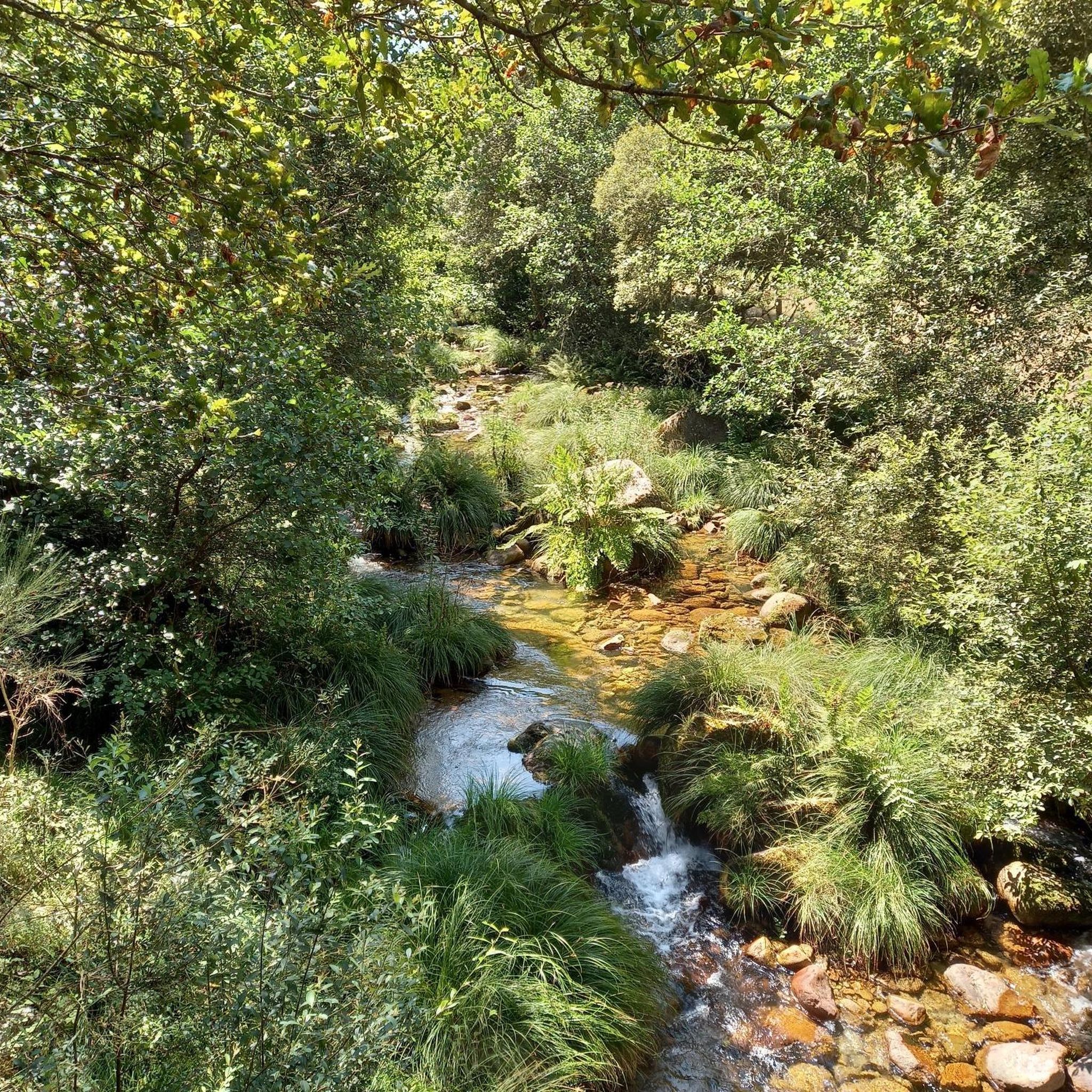
This is one of the many bridges that span the Bestança River, each inviting you to pause and take in the verdant serenity and the hypnotic murmur of the crystal-clear waters. Some, like the Soutela Bridge, date back to the Middle Ages, while others, more recent, blend harmoniously into the landscape. Whether ancient or modern, they all share one thing in common: breathtaking views.
1
0
This path descends through the valley of the River Bestança along one of the old roads that lead to the Prado area. The Bestança rises at Portas de Montemuro and flows into the Douro: 13.5 kilometres of crystal-clear water, it is one of the purest rivers in Europe. Its ecological balance sustains otters, trout and genets, while since ancient times, mills scattered throughout the valley have used its waters to grind cereals, especially corn, preserving a valuable rural heritage.
1
0
Frequently Asked Questions
What natural attractions can I explore near Gralheira?
Gralheira is surrounded by the natural beauty of the Serra do Montemuro mountain range, offering scenic trails through forests and rocky peaks. The Path along the Bestança follows one of Europe's purest rivers, known for its ecological balance. You can also visit Bridge Over the Bestança River, which provides serene views of the water and surrounding greenery. The region also boasts diverse flora and fauna, including the meadow squill and various bird species.
Where can I find the best viewpoints around Gralheira?
For expansive views of the surrounding landscape, visit Nossa Senhora da Oliveira, a religious building with a dedicated viewpoint. Another excellent spot is Portas de Montemuro, where the landscape stretches out without limits, offering tables and benches to enjoy the panoramic scenery from 1,215 meters altitude.
What historical and cultural sites are there in Gralheira?
Gralheira is rich in history and culture. You can explore the traditional village architecture with its historic stone houses. The Ermida do Paiva, a Romanesque monument from the 12th century, is known for its enigmatic symbols and sculptures. Additionally, the ruins at Portas de Montemuro preserve traces of an ancient fortified settlement from the Iron Age, reused by Romans and during the Reconquista.
Are there family-friendly attractions around Gralheira?
Yes, Gralheira offers family-friendly options. The viewpoint at Nossa Senhora da Oliveira is a great spot for families to enjoy the landscape, with a park area for snacks. During the Christmas season, Gralheira transforms into a 'Father Christmas Village' with cultural entertainment activities suitable for all ages. Exploring the traditional village architecture and the Interpretative Center of Gralheira – Casa do Ribeirinho can also be engaging for families.
What hiking trails are available around Gralheira?
The Serra do Montemuro mountain range offers numerous hiking opportunities. You can explore sections of the GR60 - Grand Route of the Magic Mountains and the GT60 - Grand Cross Magic Mountains. The Path along the Bestança is a notable trail that descends through the valley of the River Bestança. For more detailed routes, you can find various hiking options in the Gralheira guide.
What cycling routes are available near Gralheira?
Gralheira is a great base for cyclists. For touring bicycles, consider routes like the 'Albufeira de Pretarouca loop from Panchorra' or the 'Rio Paiva – Ermida do Paiva loop from Ester'. Road cyclists can tackle challenging routes such as the 'Santa Cristin Spring – Aerodrome Climb loop from Castro Daire' or the 'Serra de Montemuro – Portas de Montemuro loop'. You can find more cycling routes in the Cycling around Gralheira and Road Cycling Routes around Gralheira guides.
Are there mountain biking trails in the Gralheira area?
Yes, the Gralheira area offers several mountain biking trails. Options include loops from Castro Daire towards Mões or Moura Morta, and a loop to Ermida do Paiva. More advanced riders can explore the 'Montemuro e Paiva MTB Center: Black Route' or the 'Serra de Montemuro Black Route'. Detailed information on these trails can be found in the MTB Trails around Gralheira guide.
When is the best time to visit Gralheira for outdoor activities?
Gralheira offers different experiences depending on the season. For hiking and exploring natural features, spring and autumn provide pleasant temperatures. During winter, Gralheira transforms into a serene wonderland with snowfall, offering a unique cold-weather experience for those interested in winter walks and landscapes.
What do visitors enjoy most about Gralheira's attractions?
Visitors particularly appreciate the serene and verdant landscapes, especially around the Bestança River and its bridges, which invite moments of pause and reflection. The expansive views from viewpoints like Nossa Senhora da Oliveira are also highly rated. The historical significance of sites like Ermida do Paiva and Portas de Montemuro, combined with the natural beauty, creates a unique and memorable experience.
Can I bring my dog on trails around Gralheira?
While specific dog policies for individual trails are not detailed, the natural environment of Serra do Montemuro is generally welcoming for dogs on leash. It's always recommended to check local signage or specific trail regulations before heading out with your pet to ensure a pleasant experience for everyone.
Are there any traditional villages to visit near Gralheira?
Yes, the nearby village of Vale de Papas is part of the 'Aldeias de Portugal' (Villages of Portugal) network. It features traditional granite architecture, community threshing floors, granaries, and thatched houses, offering a glimpse into authentic Portuguese rural life.
What kind of local cuisine can I expect in Gralheira?
Gralheira is known for its hearty mountain cuisine. You can savor dishes like wood-fired oven roasted lamb and veal, 'cozido à portuguesa' (Portuguese stew), and 'salpicão' rice. These are often paired with regional wines from the nearby Douro Valley, providing a true taste of the local culture.
Most popular routes around Gralheira
Most popular attractions around Gralheira

Get inspired with the komoot mobile app


Explore more
Still not found the Highlight you’re looking for? See guides of the top attractions in other regions:
